

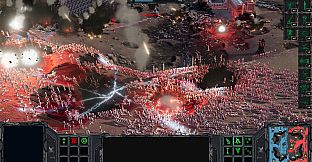
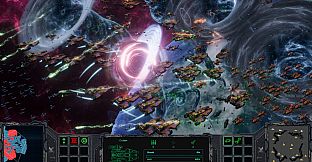
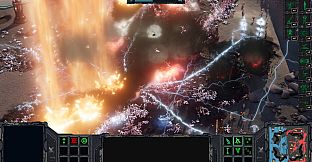
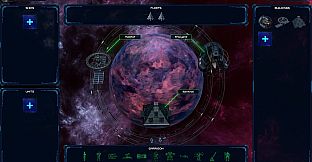
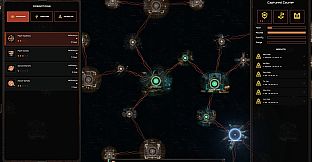
HŌRU is a science-fantasy real-time strategy and 4X hybrid that places players in command of interstellar empires through massive land and space conflicts. The game combines traditional empire management with direct control over enormous battles involving hundreds of thousands of units across multiple fronts at once.
Gameplay
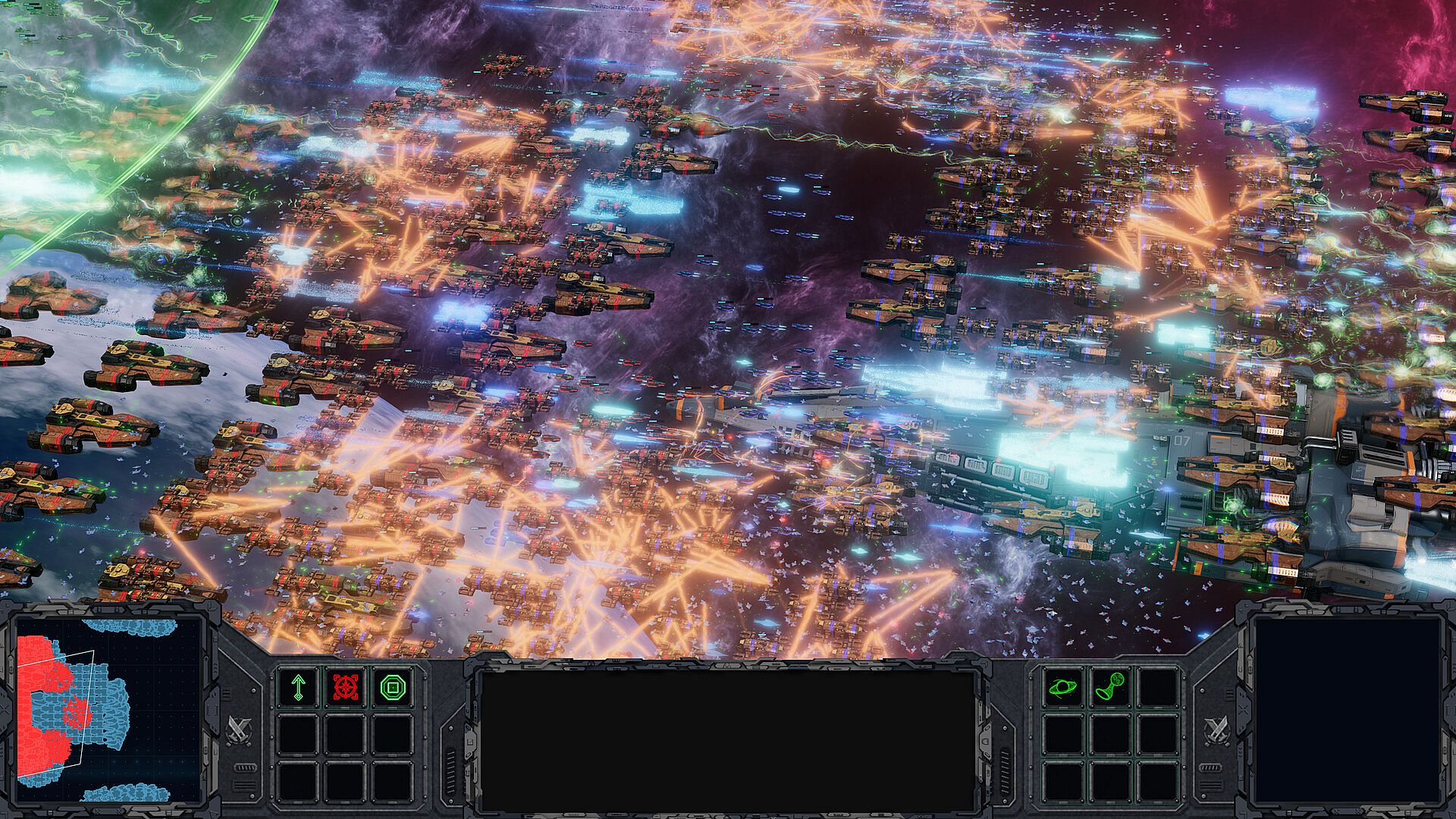
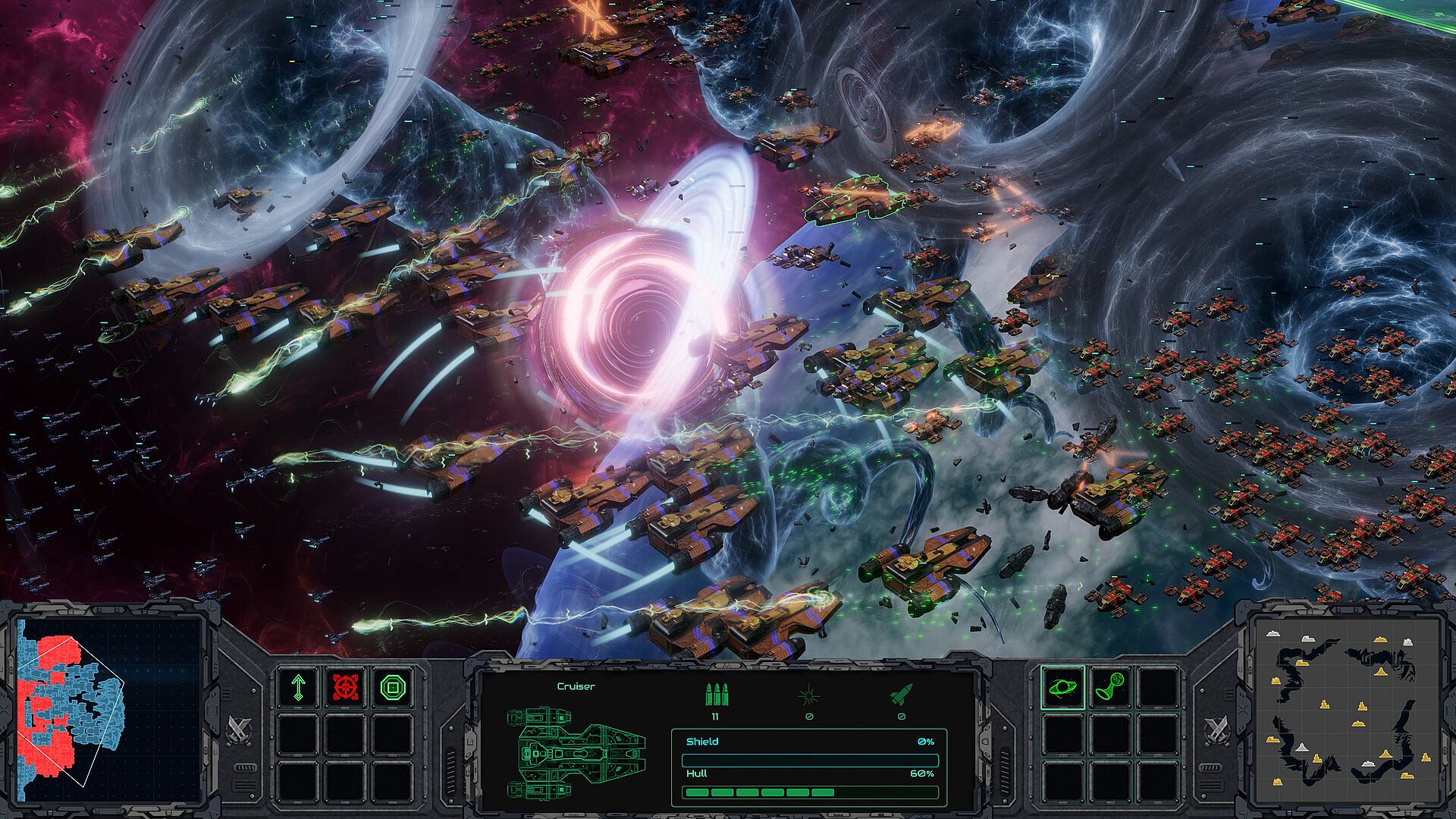
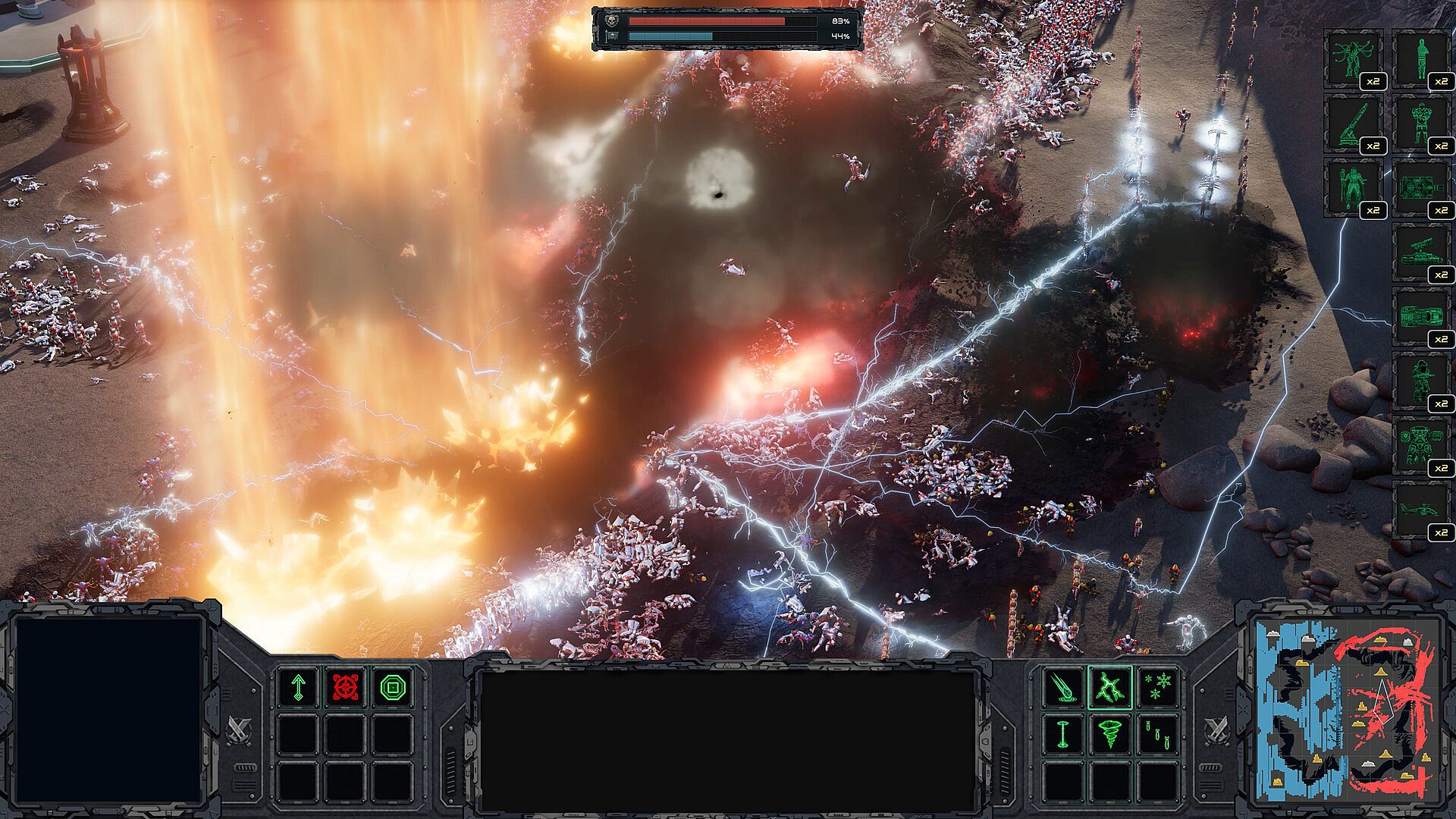
Core gameplay revolves around simultaneous land and space engagements that unfold across an empire without pausing other actions. Players assemble fleets to contest orbits, then deploy dropships to breach blockades and establish footholds on planetary surfaces. Orbital structures and special abilities such as wormholes support these invasions while warships clash overhead.
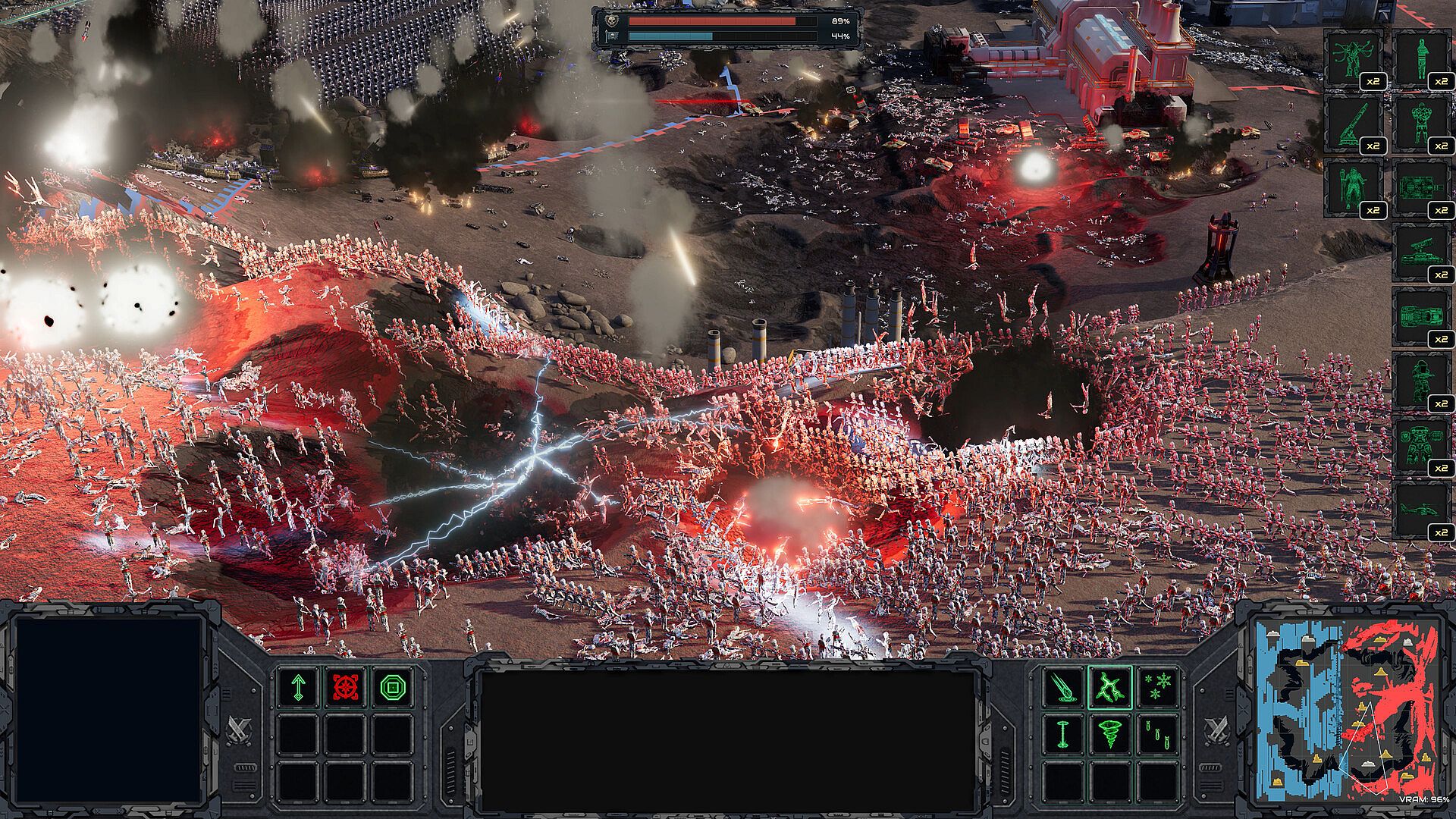
Land battles emphasize infantry advances toward control points supported by armor and artillery. Capturing or destroying enemy structures decides planetary outcomes, with reinforcements arriving only if the accompanying space battle permits. The drop zone system lets commanders place objectives for landing forces, allowing automated execution of tasks like capturing buildings or targeting artillery while freeing attention for broader strategy. Custom formations further reduce micromanagement by letting players draw shapes for AI to follow.
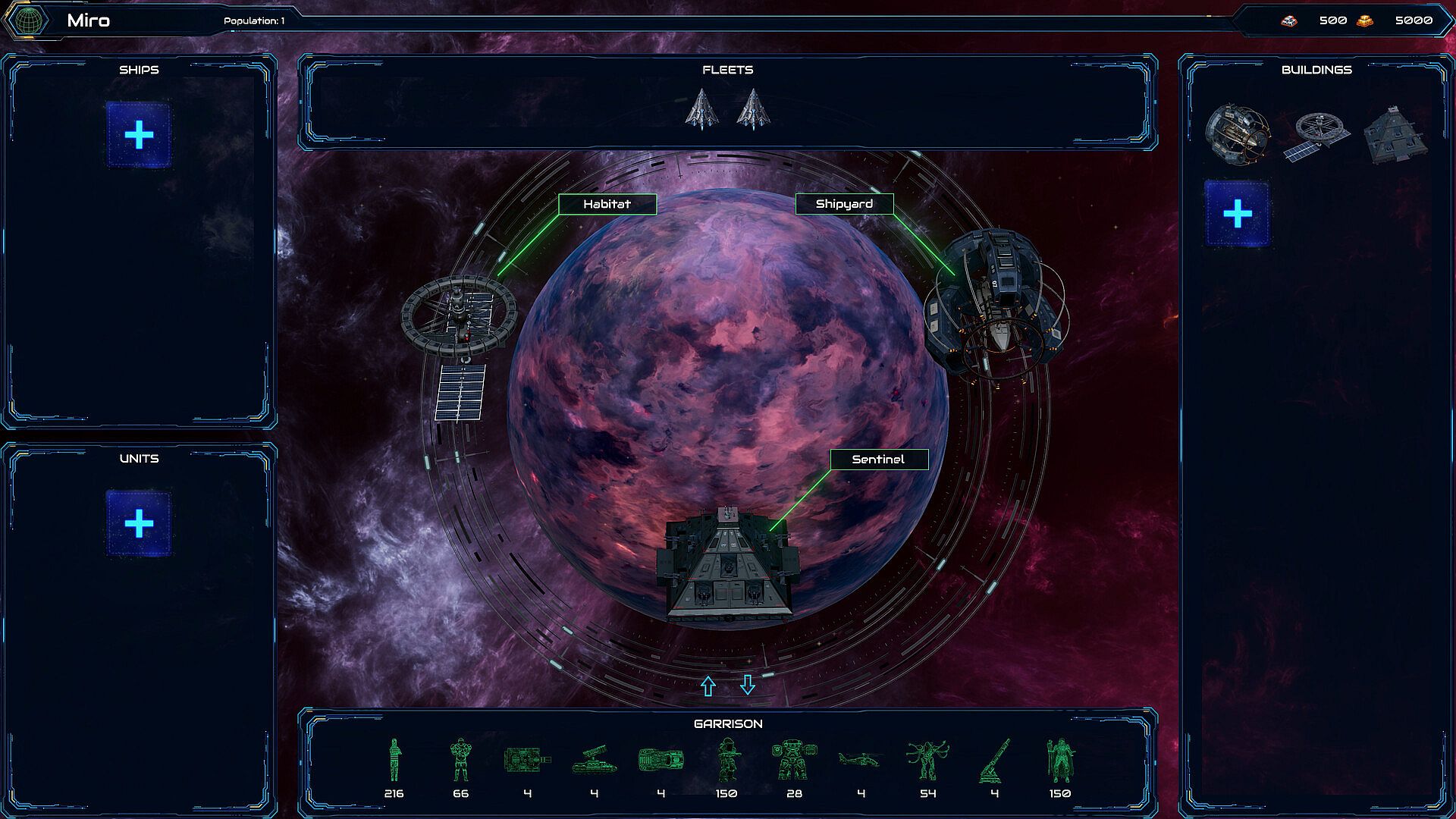
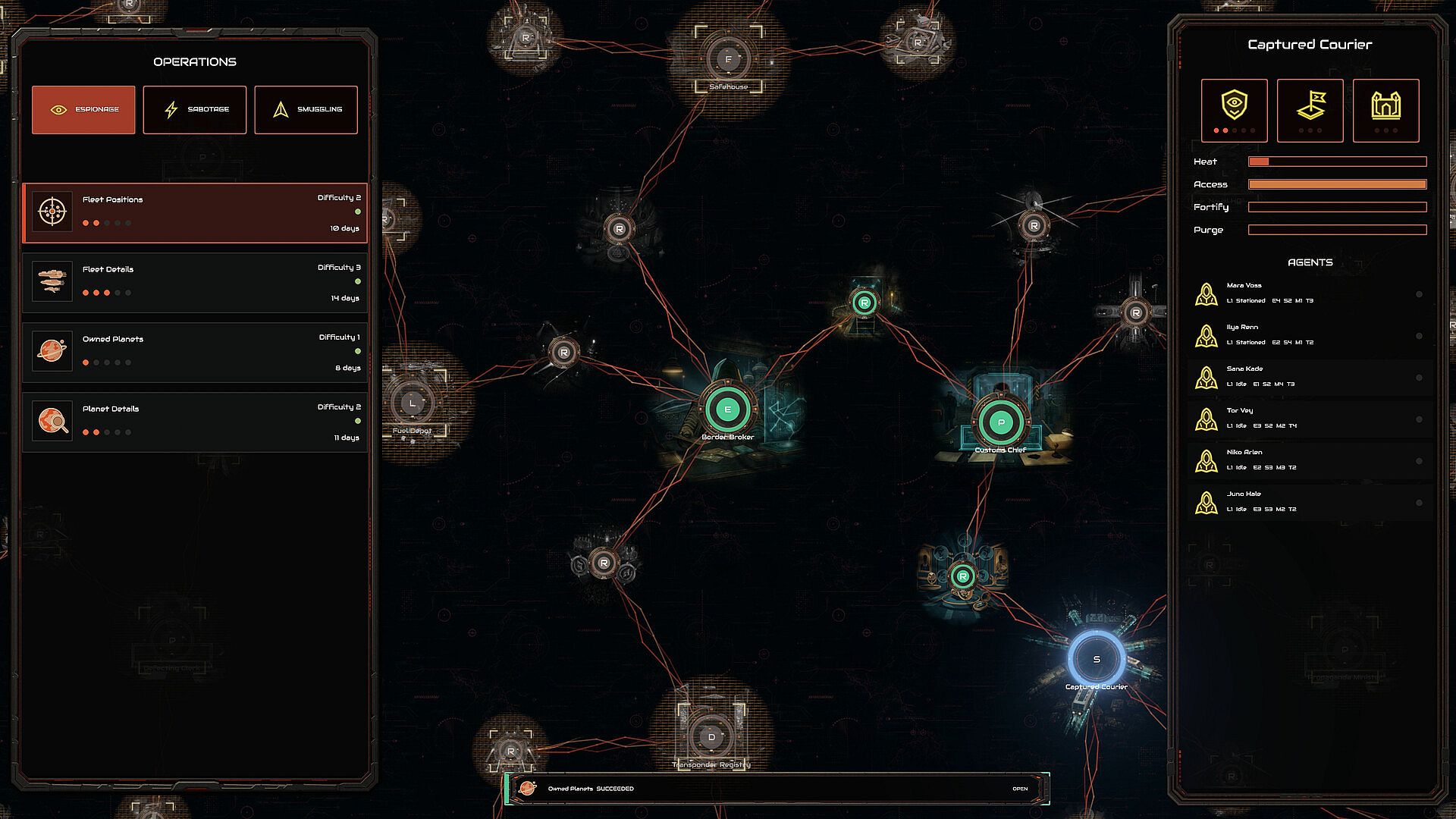
Empire development includes colonizing worlds, building infrastructure, and managing physical resources transported by merchant ships. Production focuses on alloys and mana harvested from anomalous planets, with forge worlds accelerating ship and troop output. Research splits into Tech for empire-wide improvements and Genes for unit upgrades. Spycraft operations involve infiltrating rivals to gather intelligence, sabotage production, or issue false orders that divert enemy fleets. The interstellar market allows trading bulk materials to address shortages or manipulate prices against competitors.
Magic abilities add decisive battlefield options such as meteor strikes, lightning, freezing effects, or orbital bombardments. Boarding actions target enemy vessels with dedicated parties that fight toward the bridge before self-destruction triggers. All elements operate within a deterministic system supporting large-scale multiplayer without traditional base-building loops.
Game Modes
The primary experience centers on a replayable galactic campaign where players conquer star systems through coordinated invasions and empire expansion. No two runs follow identical paths due to procedural elements and dynamic enemy responses.
Multiplayer battles support direct competition with up to massive unit counts across shared maps. These engagements emphasize simultaneous front management and large-scale clashes designed around lockstep networking for consistent performance. Custom formations and drop zones scale effectively to these player counts, reducing the need for constant individual unit commands.
Players can delegate battles to AI commanders while focusing on starmap strategy or jump between active fights as needed. The structure encourages choosing which engagements to command personally versus overseeing the wider war effort.
Empire Building and Espionage
Long-term success depends on balancing planetary development with military output. Resources remain tied to specific worlds and require secure transport routes, making logistics a constant factor in sustained offensives. Shipyards, space stations, and garrisons protect holdings while production ramps up for larger campaigns.
Espionage integrates directly with military planning. Agents recruited and leveled through operations can steal technology, disrupt supply lines, or feed misleading information to pull enemy forces out of position. Risk of exposure adds tension, as compromised networks lose operatives temporarily. Coordinating these actions with active wars creates opportunities to weaken defenses before committing fleets.
Is It Worth Playing?
HŌRU appeals to players who enjoy large-scale RTS titles with integrated empire management and simultaneous multi-theater combat. Its emphasis on drop zones, custom formations, and physical resource logistics sets it apart from more traditional base-building experiences. The galactic campaign offers replayability through varied conquest paths, while multiplayer supports competitive large-unit battles.
Development continues with additions such as music, sound effects, and refined pathfinding systems that enable hundreds of thousands of units. Those drawn to science-fantasy settings with magic, boarding mechanics, and spycraft layers will find depth in the combined systems. The game suits strategy enthusiasts comfortable with complex, ongoing conflicts rather than quick matches or simplified controls.