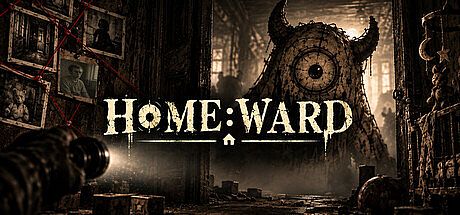


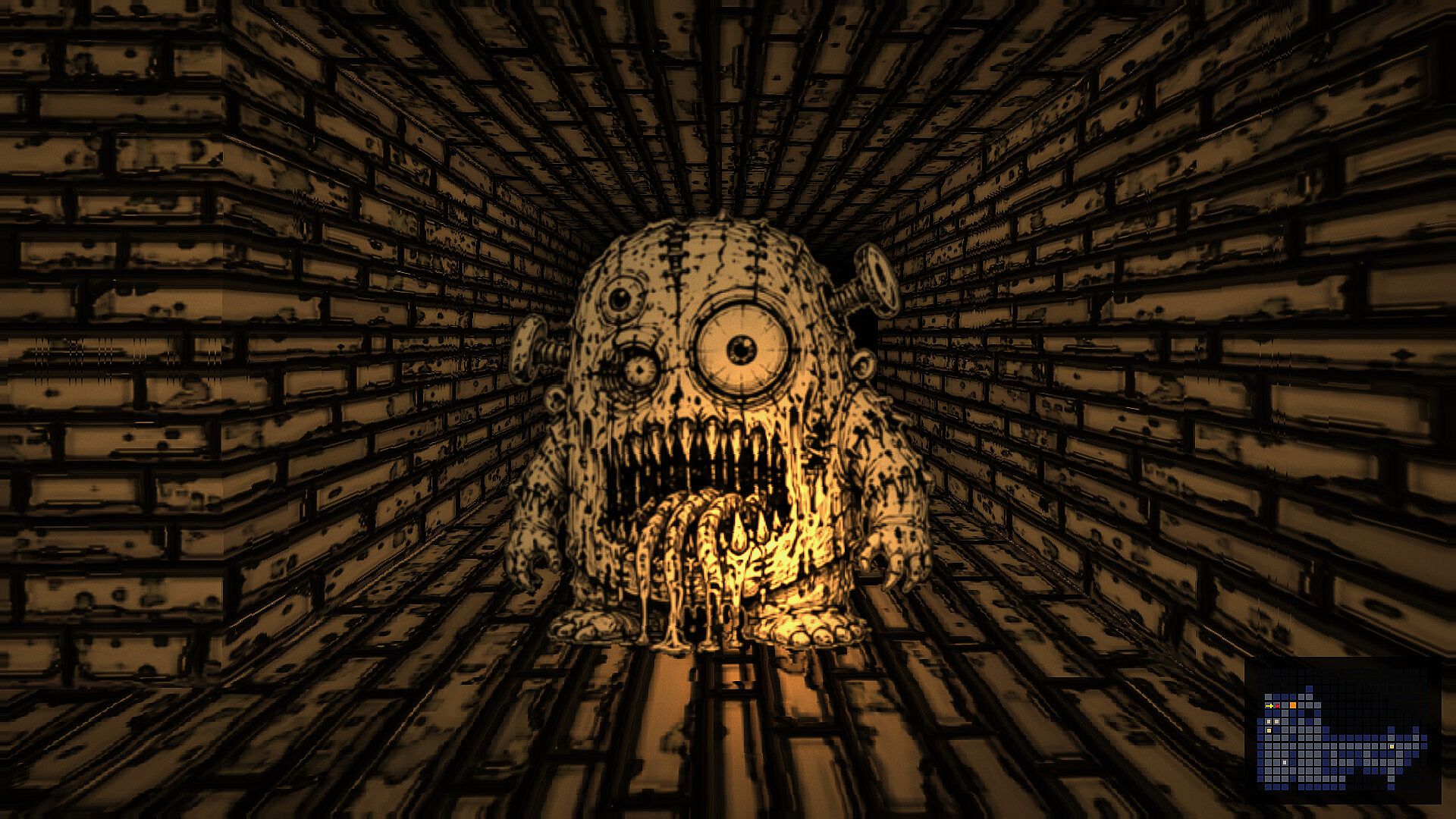
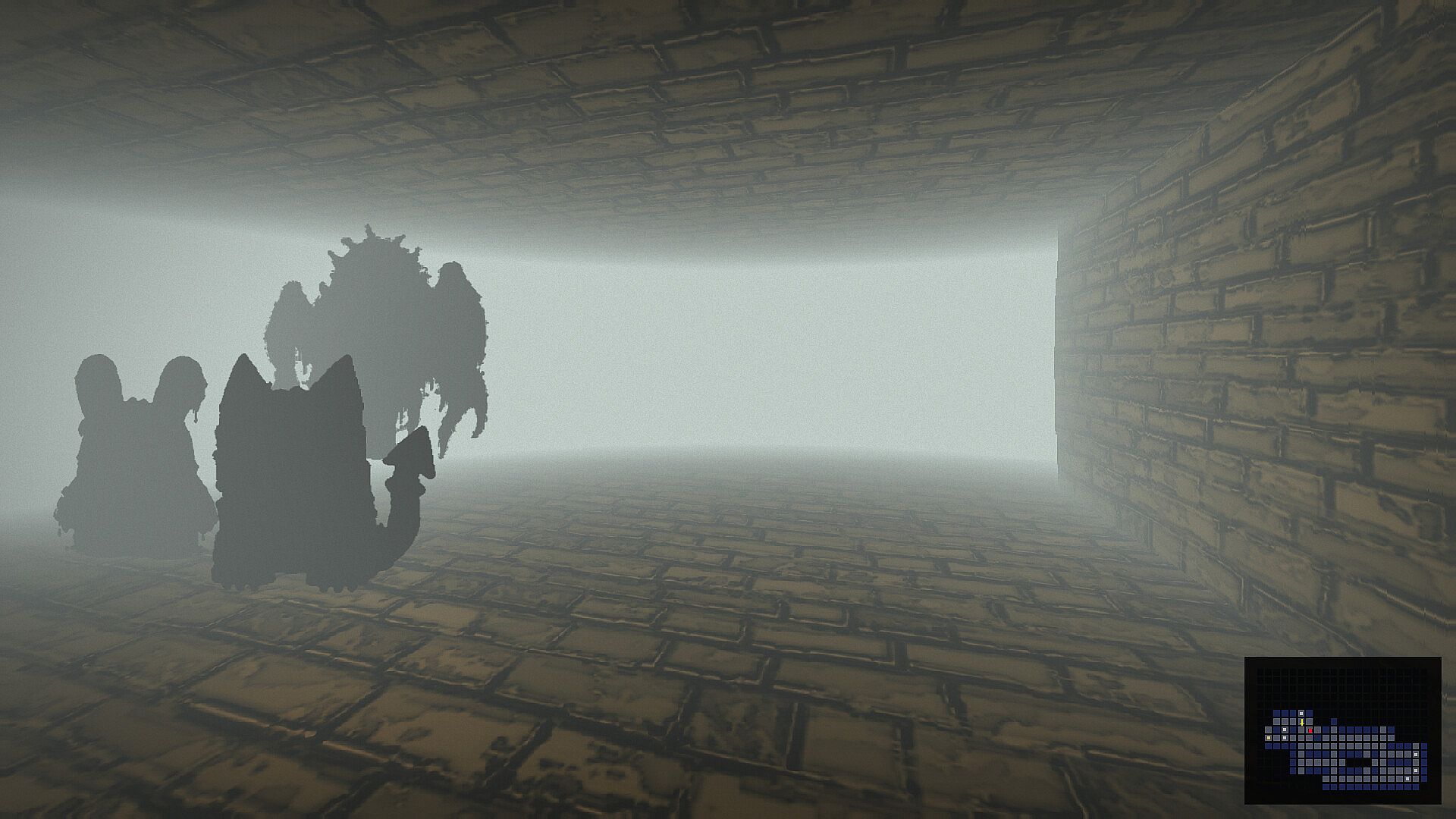
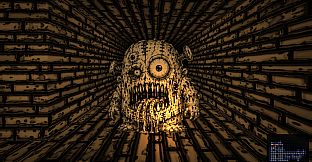
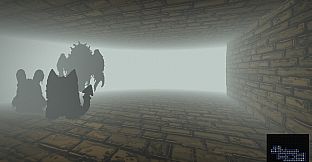
Home:Ward is a hand-drawn first-person horror adventure game set on PC. Players awaken in 1907 without a name, holding a spear and a torch that offers limited protection against the surrounding darkness. The goal is to find a way out through a damp dungeon filled with chained doors and buried rooms, where creatures lurk just beyond the light.
Gameplay
The core loop centers on careful navigation through an underground environment where every decision carries risk. Sound serves as the primary warning system. Creatures emit distinct audio cues such as breaths, scrapes, or sudden silences that signal their presence and behavior. Learning to interpret these tells allows players to anticipate threats before they close in.
Light management adds another layer of tension. The torch can be forced to burn brighter for better visibility, but this increases the chance of drawing attention from nearby entities. Players must weigh the benefit of clearer sight against the danger of exposure. When a creature lunges, standing ground with the spear becomes an option, though retreat or evasion often proves wiser.
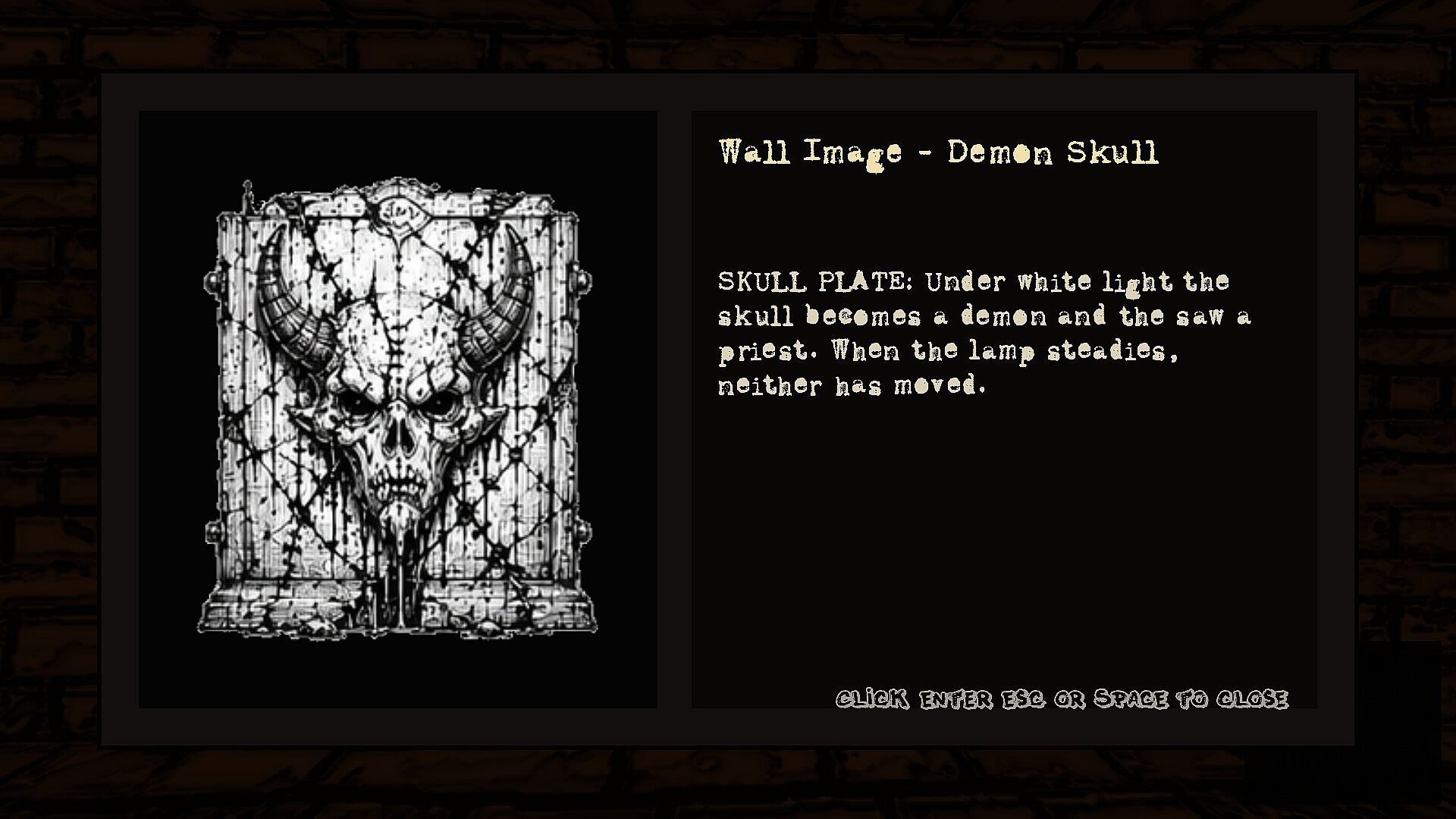
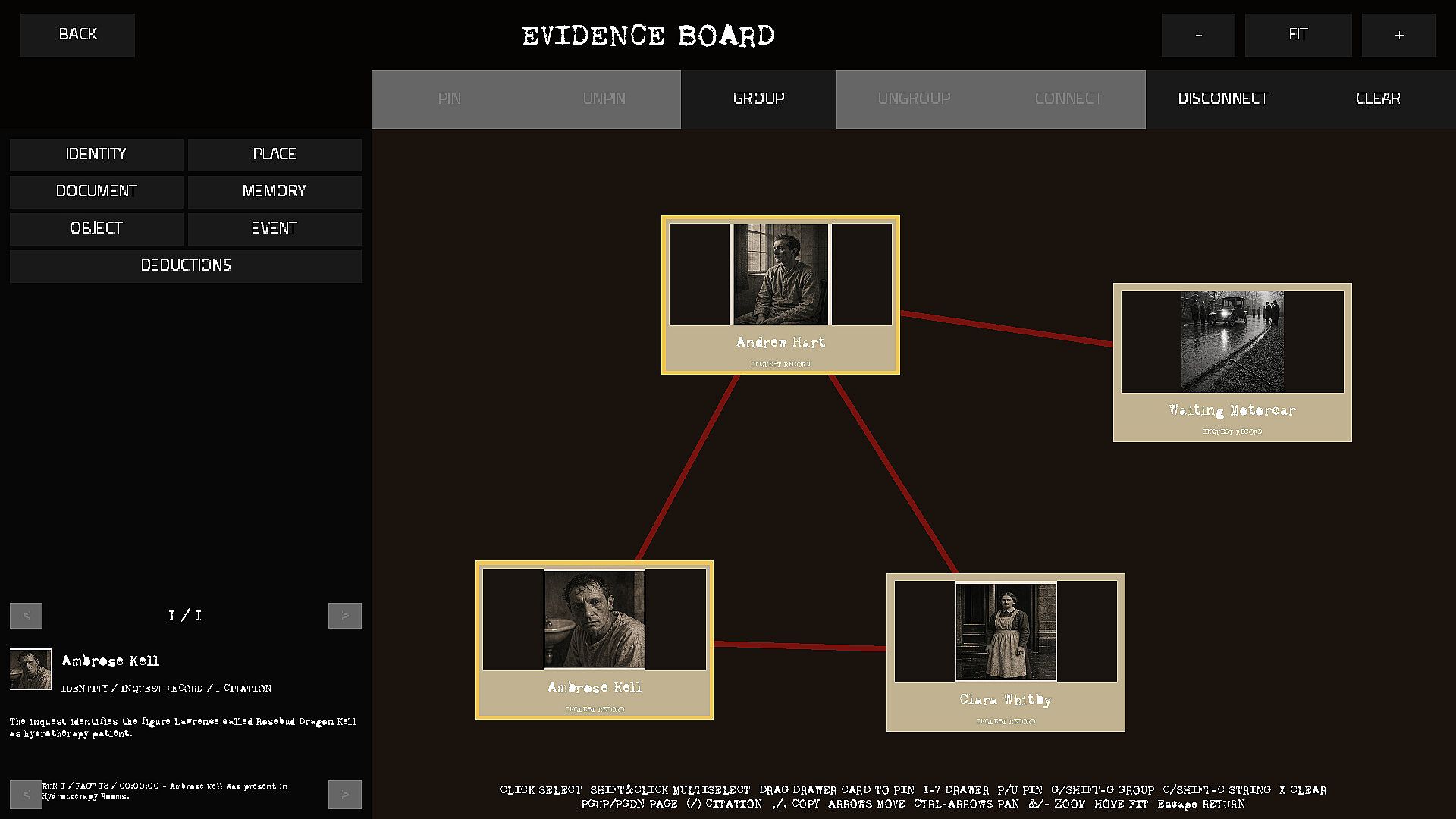
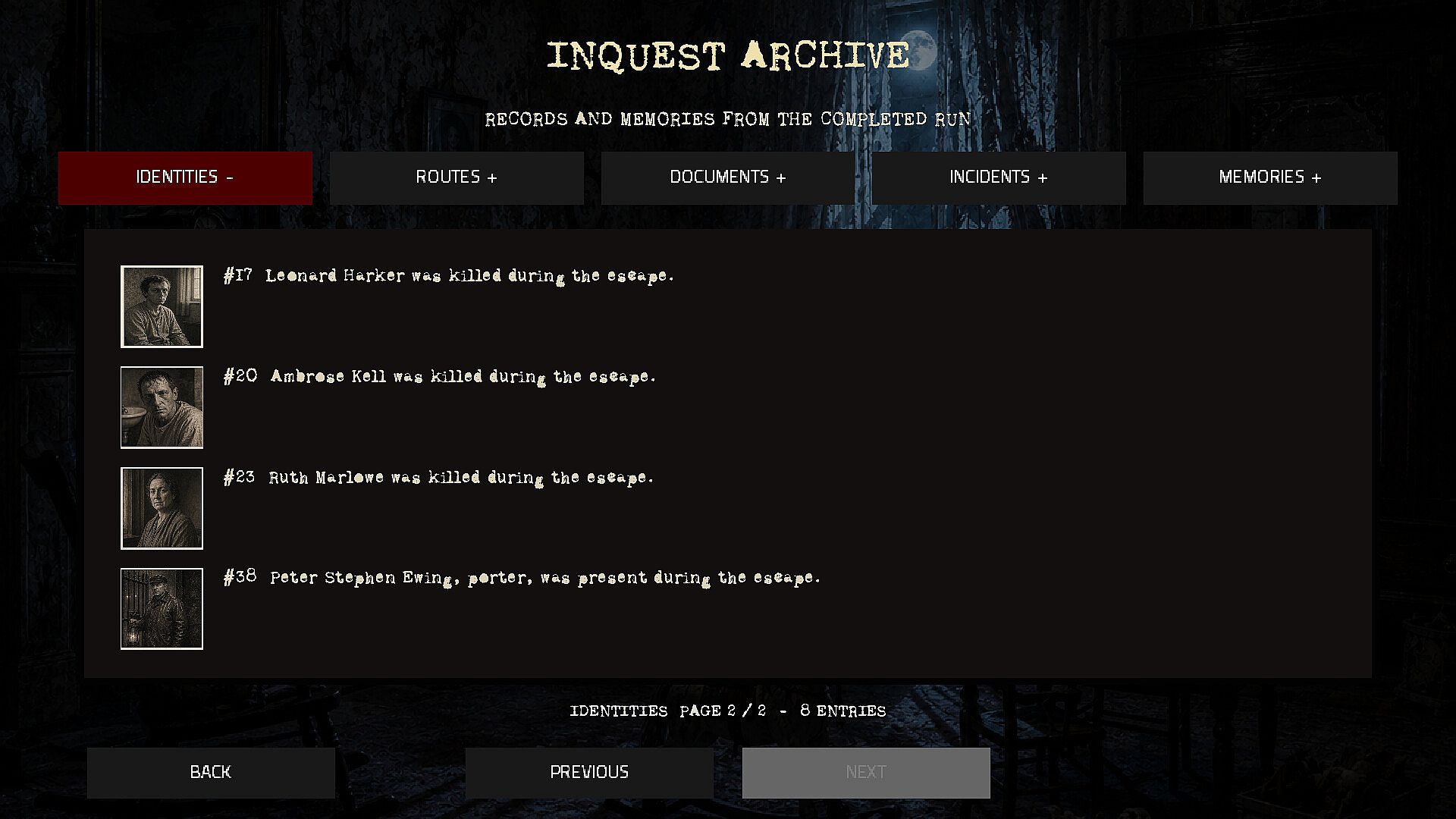
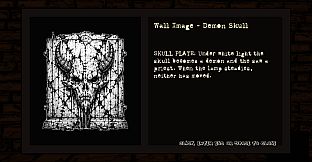
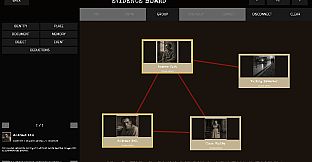
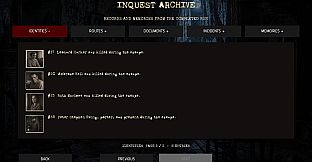
Exploration rewards patience. The shortest route frequently leads to greater danger, so taking detours through side passages and hidden chambers uncovers scraps of narrative. These fragments reveal memories tied to the dungeon, though they may not belong to the player character. The hand-drawn art style emphasizes the oppressive, damp atmosphere with detailed textures that reward close inspection.
Game Modes
Home:Ward operates as a single-player experience focused on sequential progression through the dungeon. There are no separate competitive or cooperative modes. The structure emphasizes one continuous journey where choices in movement, light usage, and combat encounters shape the path forward. Replay value stems from experimenting with different routes and sound interpretations rather than alternate game types.
Atmosphere and Narrative
The setting in 1907 grounds the horror in a historical context that feels grounded yet unsettling. The dungeon itself acts as a character, with chained doors and buried rooms suggesting long-forgotten events. Narrative elements appear through environmental storytelling and collected scraps rather than direct exposition. This approach keeps the focus on survival and discovery while building a sense of isolation.
Sound design drives much of the tension. Each creature type carries its own audio signature, encouraging players to pause and listen before advancing. The interplay between audio cues and visual limitations creates moments of genuine uncertainty, where the safest action is often to wait or backtrack.
Is It Worth Playing?
Home:Ward suits players who enjoy deliberate, tension-driven horror adventures that prioritize observation and decision-making over fast action. The emphasis on sound interpretation and light management offers a distinct gameplay loop within the indie horror space. Those drawn to atmospheric exploration and piecing together environmental stories will find the hand-drawn dungeon engaging. The game remains in a focused single-player format without additional modes or ongoing seasonal content, making it a self-contained experience best approached with patience for its slower pace and audio-focused mechanics. If that style aligns with personal preferences for horror, it delivers a consistent sense of unease through its core systems.