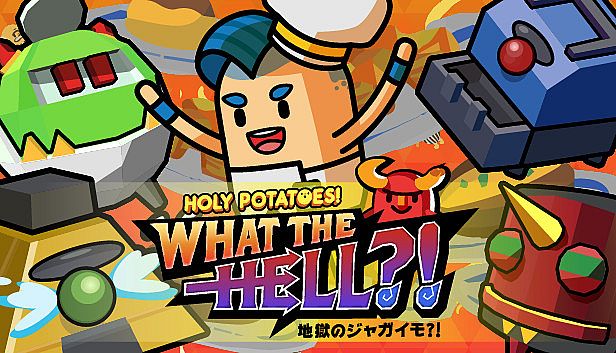















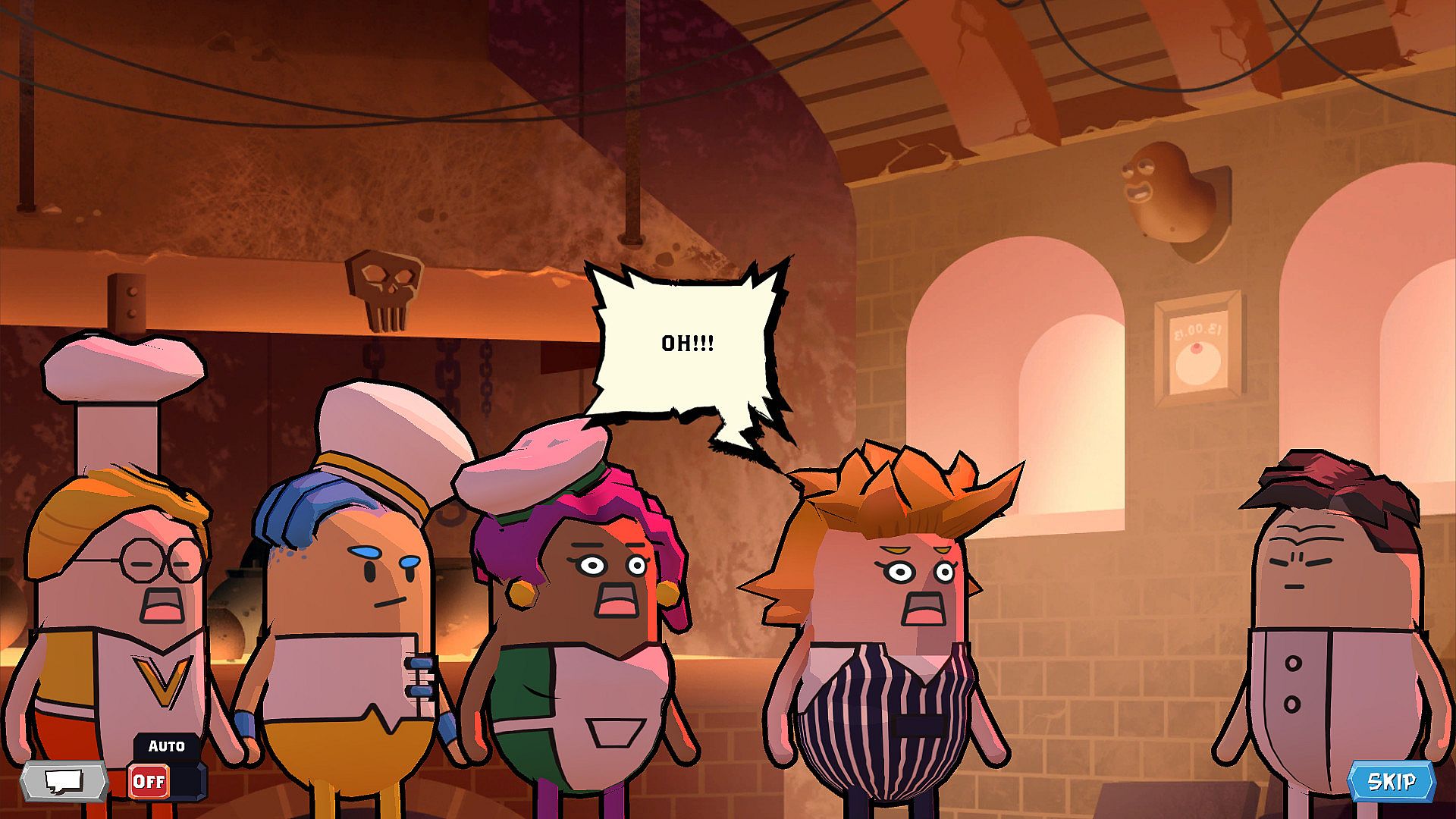
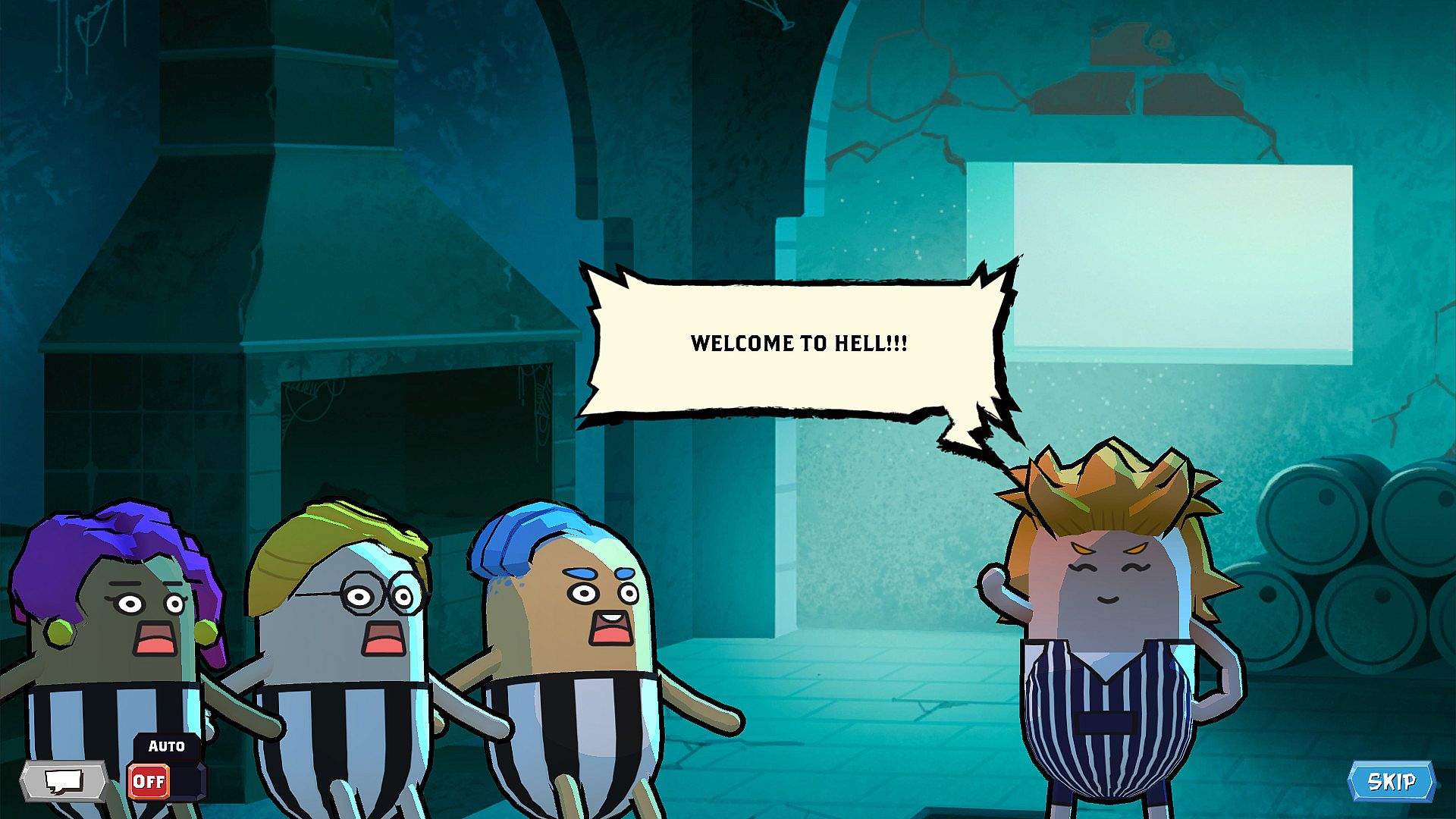
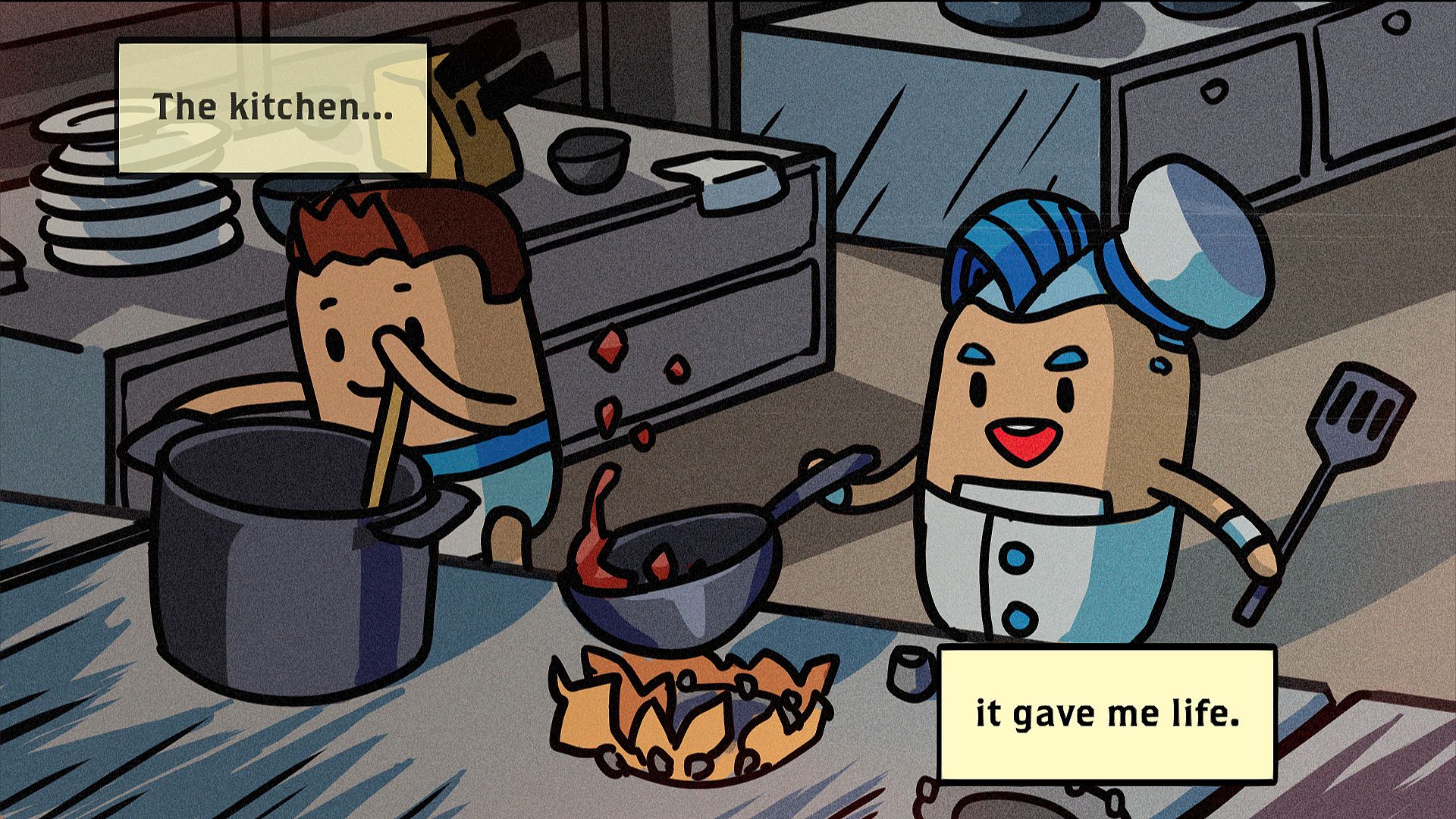

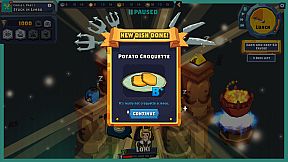
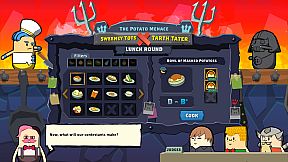


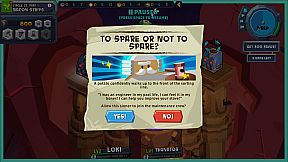
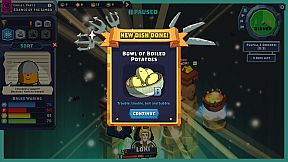
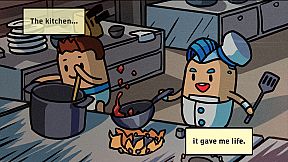
Holy Potatoes! What the Hell?! is a strategy, indie, casual, and simulation game centered on cooking management in a hell-themed afterlife. Players step into the role of Sweeny Tots, a potato chef who sorts sinners and prepares dishes to appease deities while uncovering fragments of a forgotten past life.
Gameplay
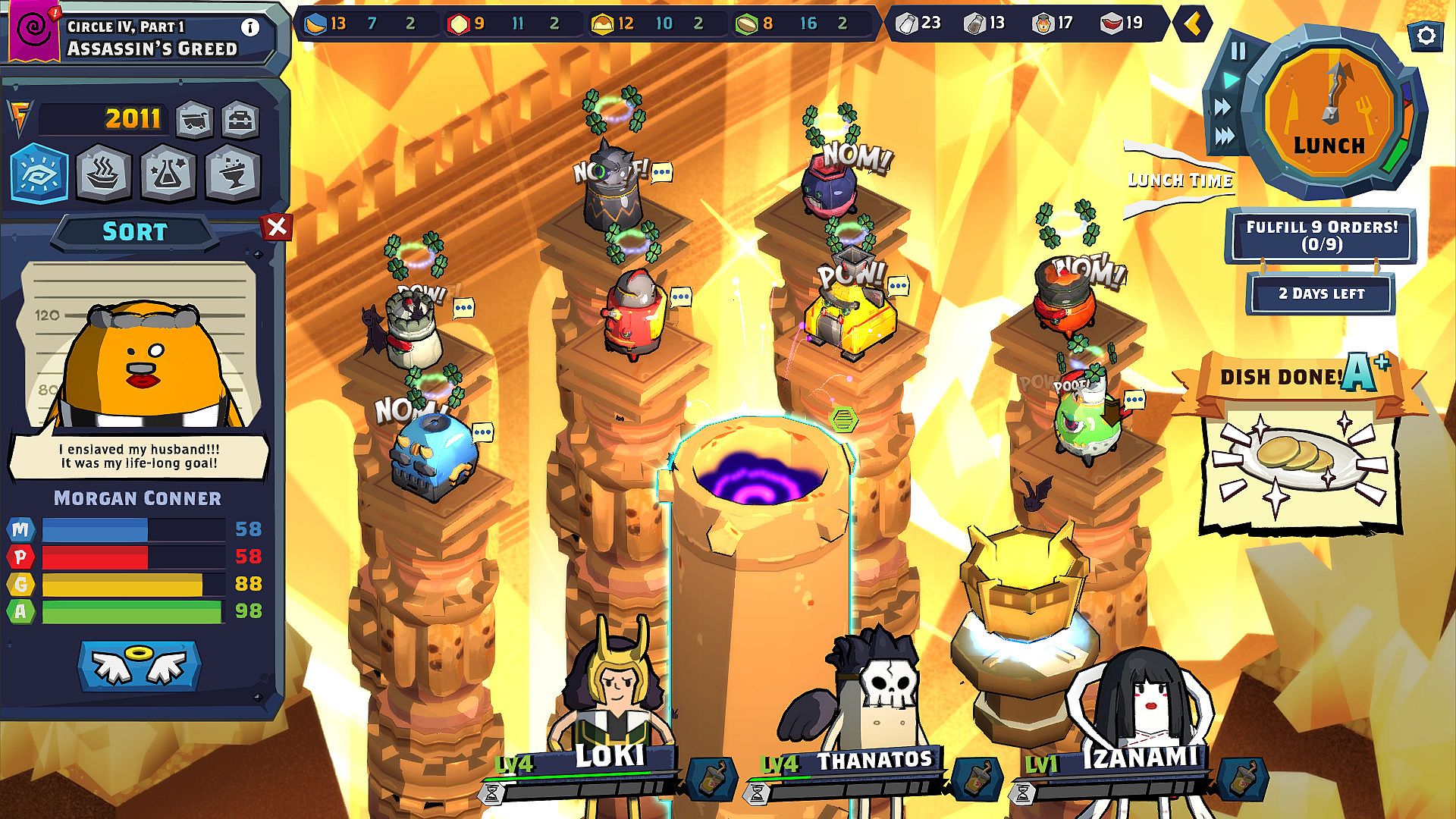
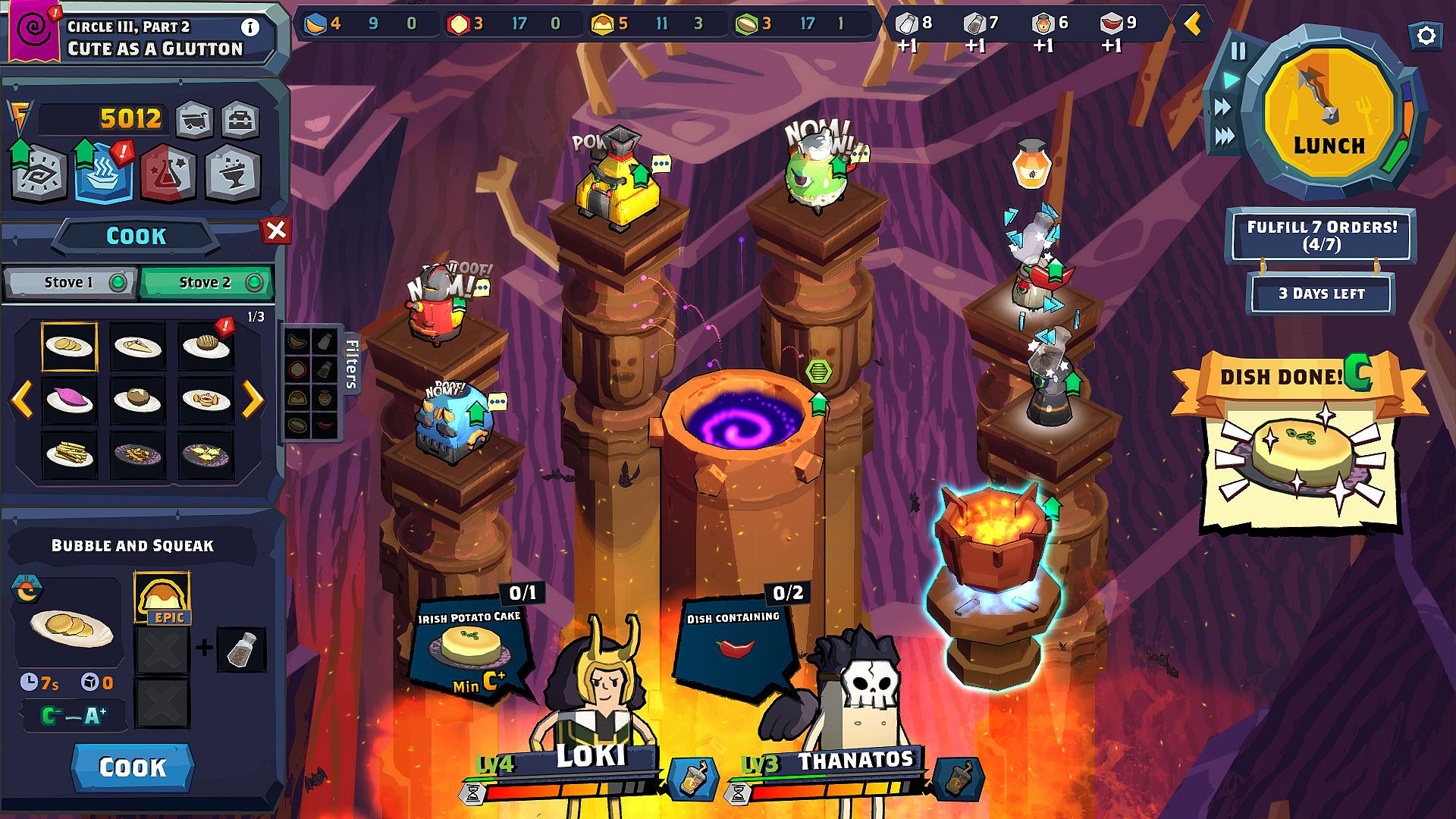
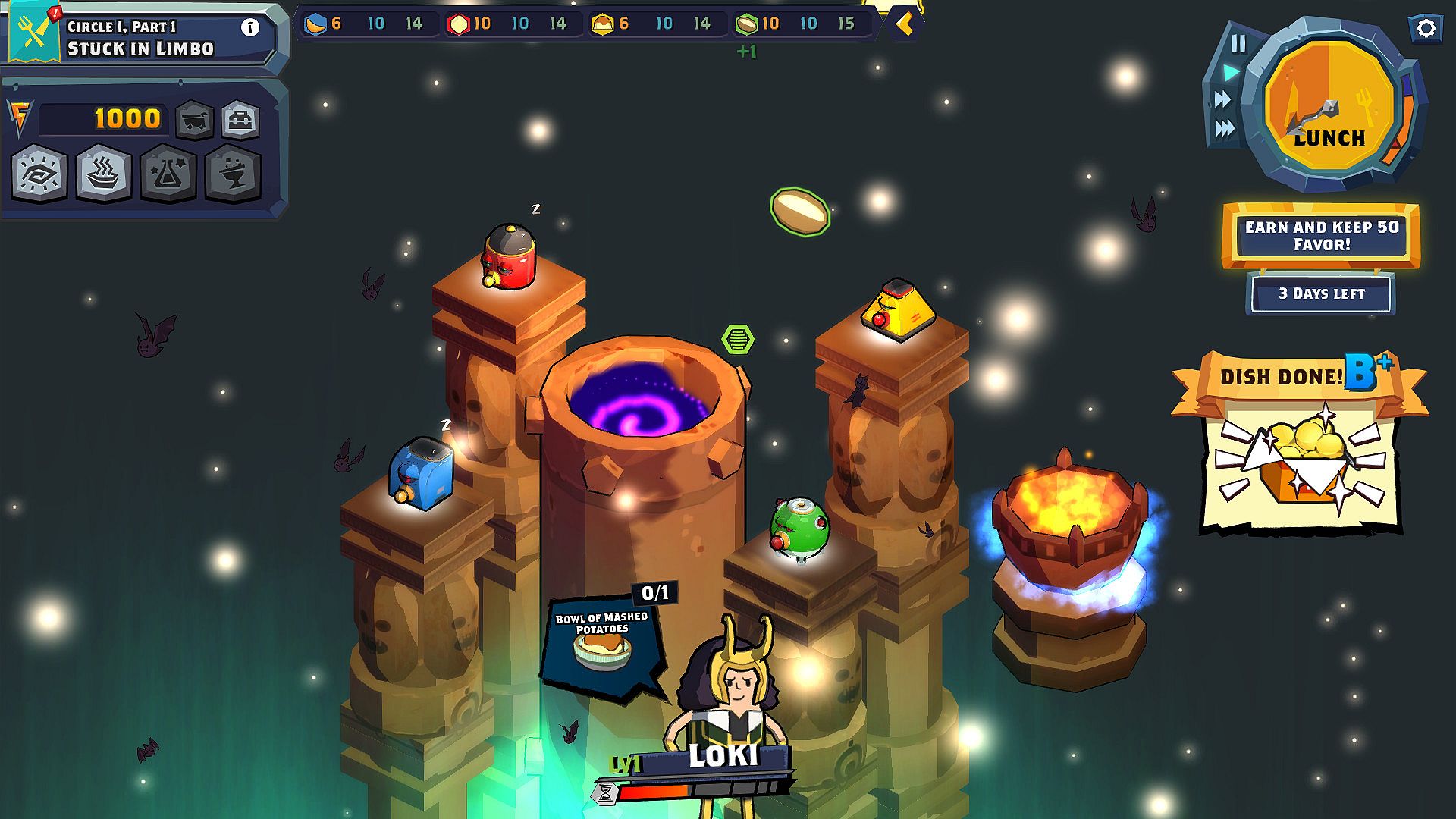
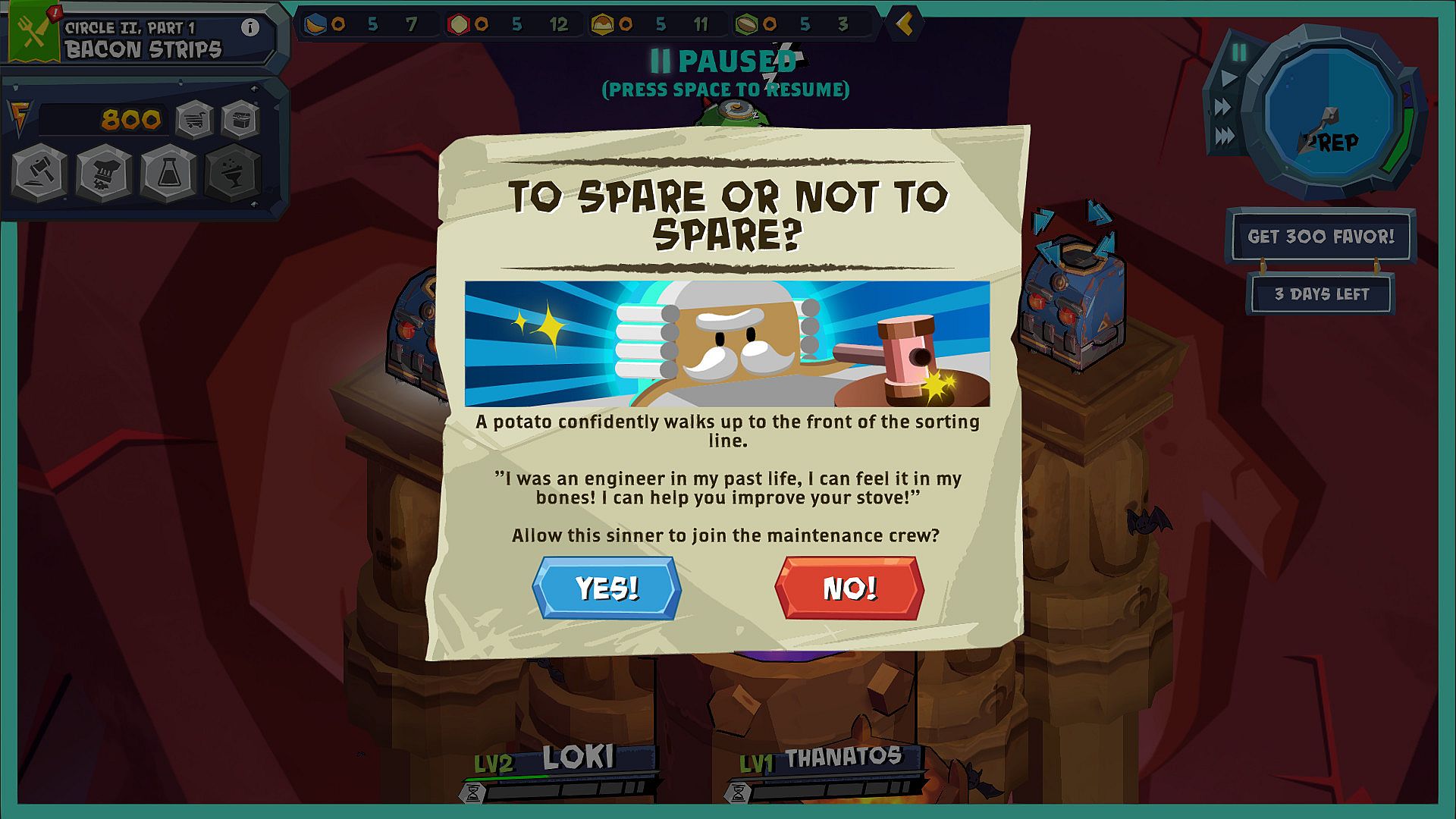
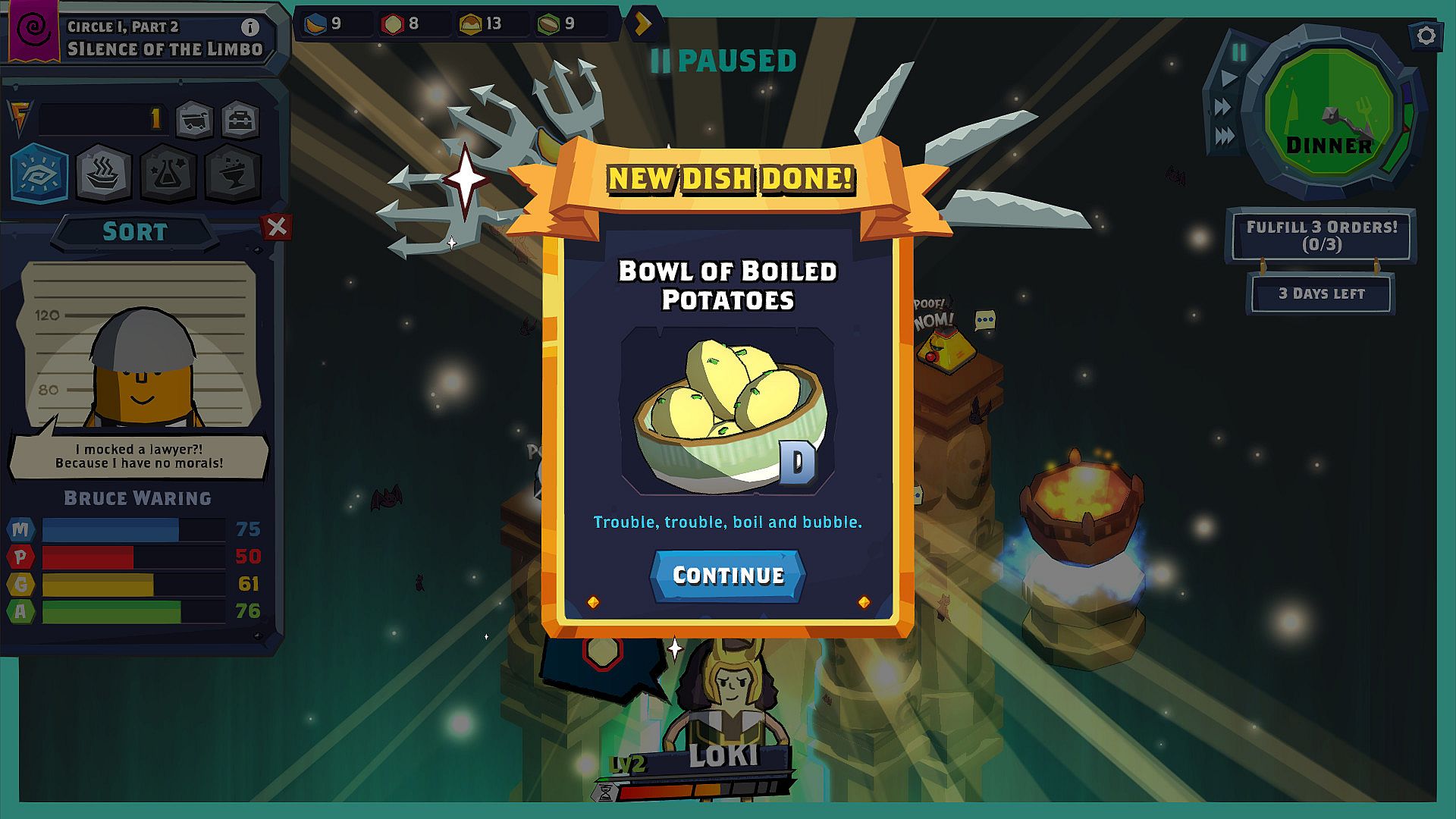
The core loop revolves around managing a kitchen filled with potato-based sinners. Each sinner carries specific attributes that determine the best cooking station assignment. Stations handle tasks such as mashing, baking, boiling, and frying to produce ingredients with varying qualities. These ingredients then combine into potato recipes drawn from an expanding list that players research over time.
Station management forms another layer. Upgrades improve output, maintenance keeps operations running smoothly, and hellfire boosts provide temporary enhancements during busy periods. The process builds toward feeding gods in a pantheon that includes figures like Loki, Persephone, and Osiris. Success here advances the chef through the nine circles of hell while progressing the central story.
Pop-culture references appear through named sinners such as Mealificent, St Reaper, and Sephiroot. These elements add light humor to the sorting and preparation tasks without altering the fundamental management focus. The pace starts measured but grows more demanding as multiple stations and recipe choices compete for attention.
Game Modes
The experience centers on a single-player campaign that follows Sweeny Tots through the afterlife. Progression ties directly to story advancement, station improvements, and god satisfaction across the nine circles.
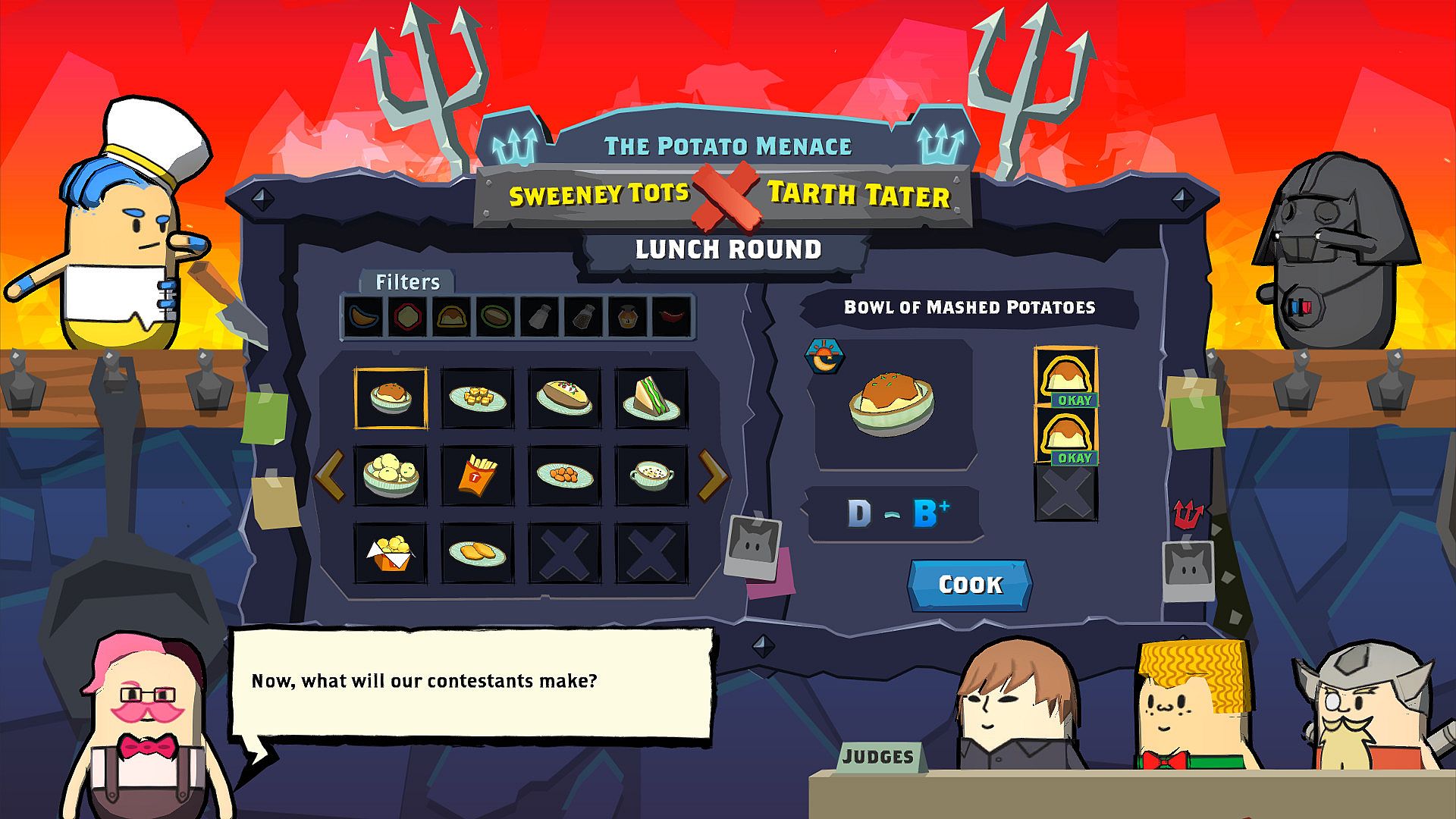
Cook-off Showdowns serve as the main competitive element. These events test recipe execution and station efficiency against rivals to establish supremacy among hell's chefs. No additional modes such as endless survival or cooperative play appear in the verified structure.
Key Mechanics and Progression
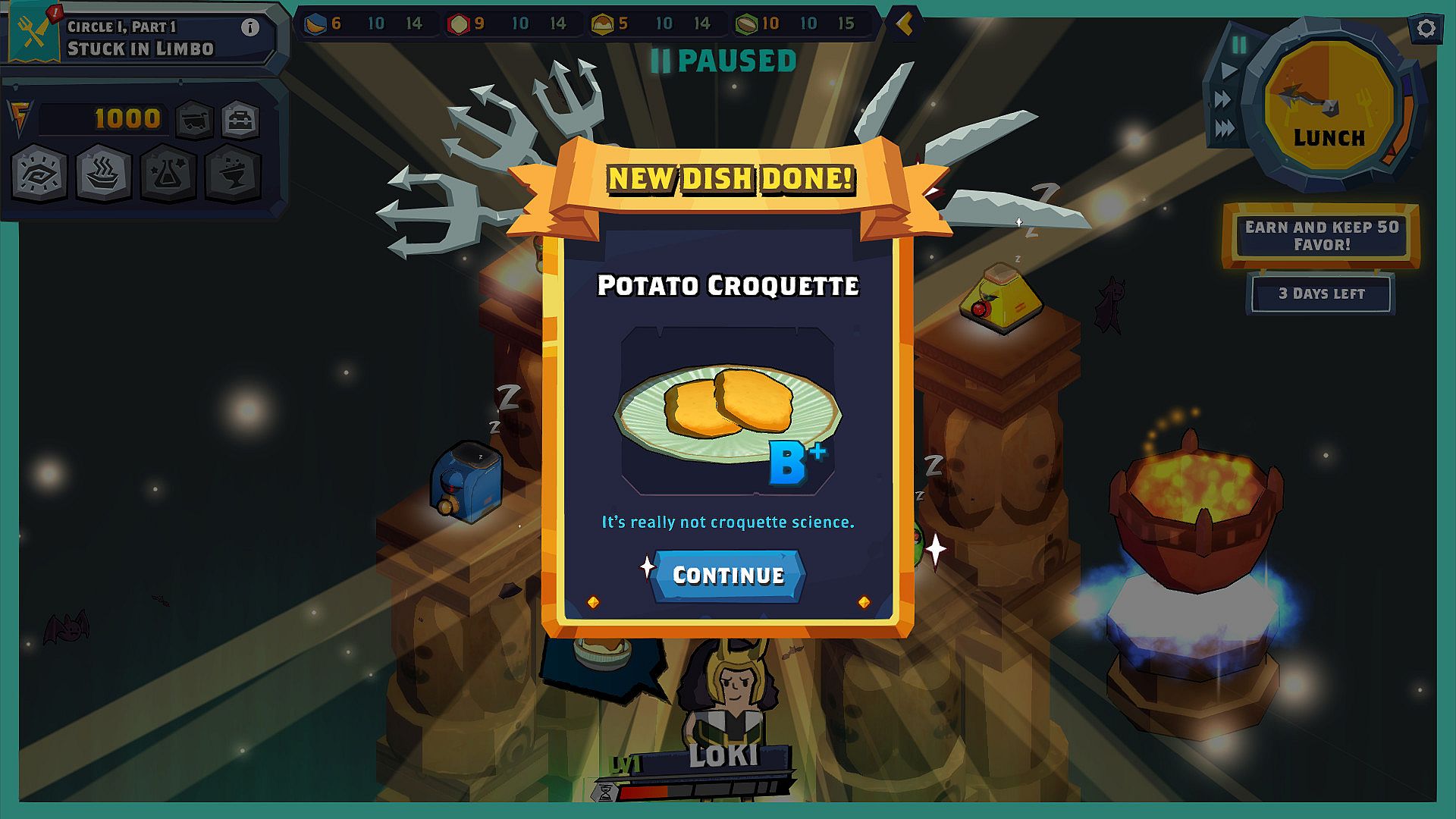
Recipe research expands the menu as players collect ingredients and meet god requirements. Each new dish demands precise ingredient combinations that reward careful station assignments earlier in the process. Leveling gods through repeated feedings unlocks further story segments and kitchen expansions.
Resource flow depends on consistent sinner sorting and timely station upkeep. Neglect leads to lower-quality outputs that fail to satisfy higher-level deities. The system encourages experimentation with different station configurations to optimize for specific recipe demands.
Is It Worth Playing?
This title suits players who enjoy relaxed yet layered management simulations with a humorous tone. The sorting and cooking cycle delivers steady progression through upgrades and recipe unlocks, appealing to those comfortable with incremental improvement loops rather than fast reflexes.
Reception highlights the charm of the potato theme and pop-culture nods alongside occasional notes on repetitive sorting tasks. As a completed release from 2017 with no ongoing seasonal content, it offers a self-contained experience best approached at its modest price point. Fans of casual strategy games that blend light narrative with kitchen logistics will find the most value here.