


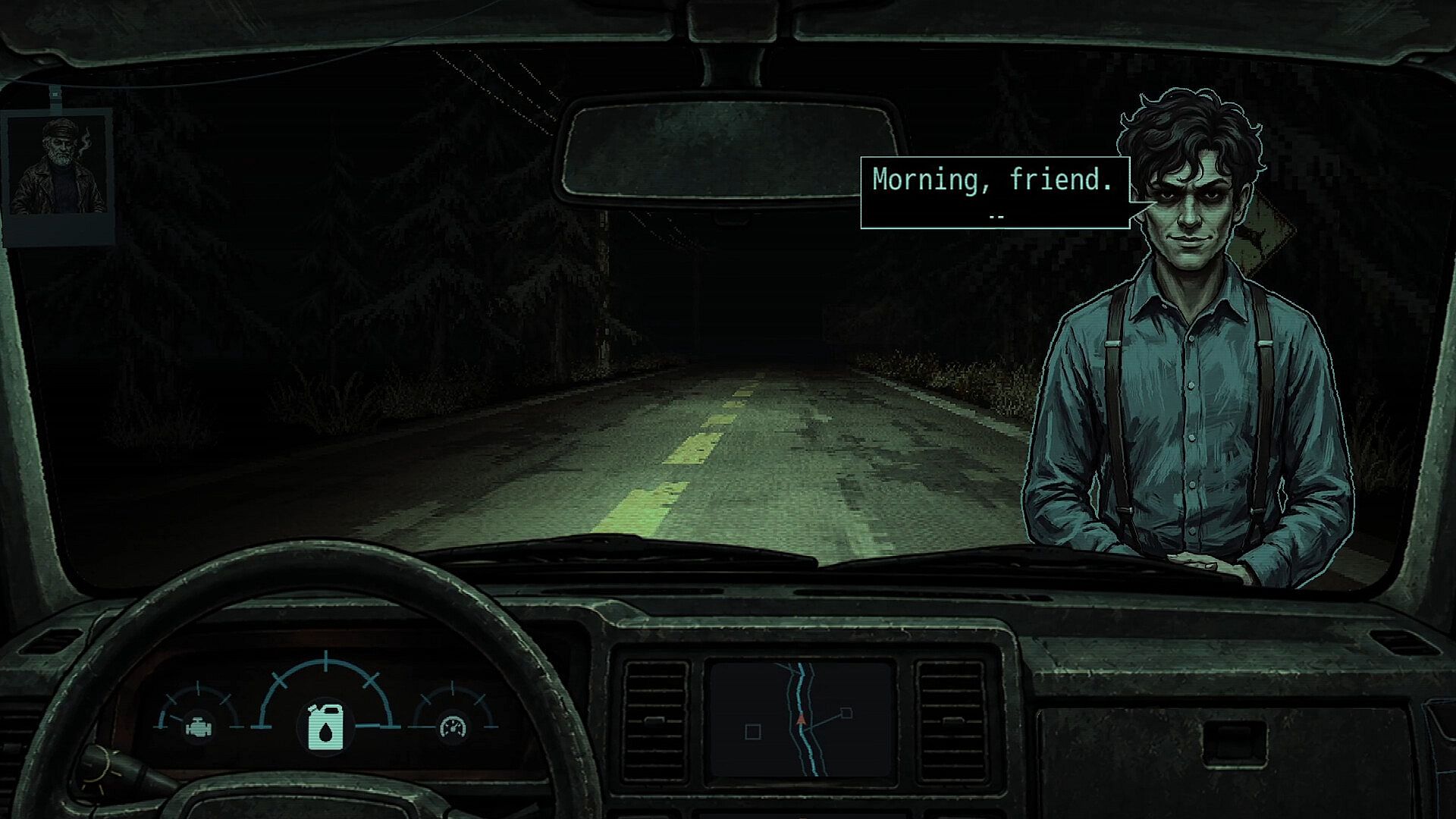
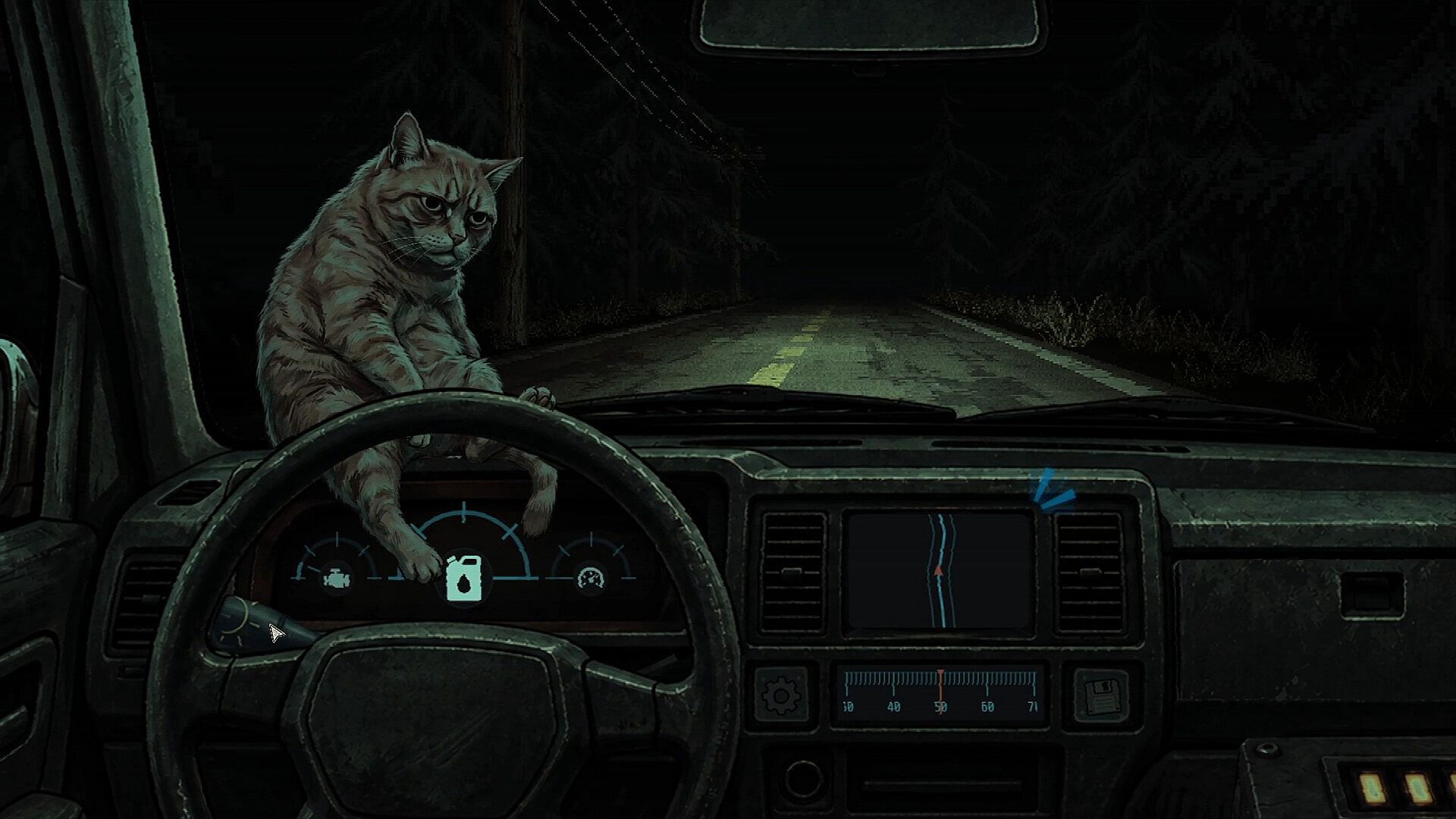
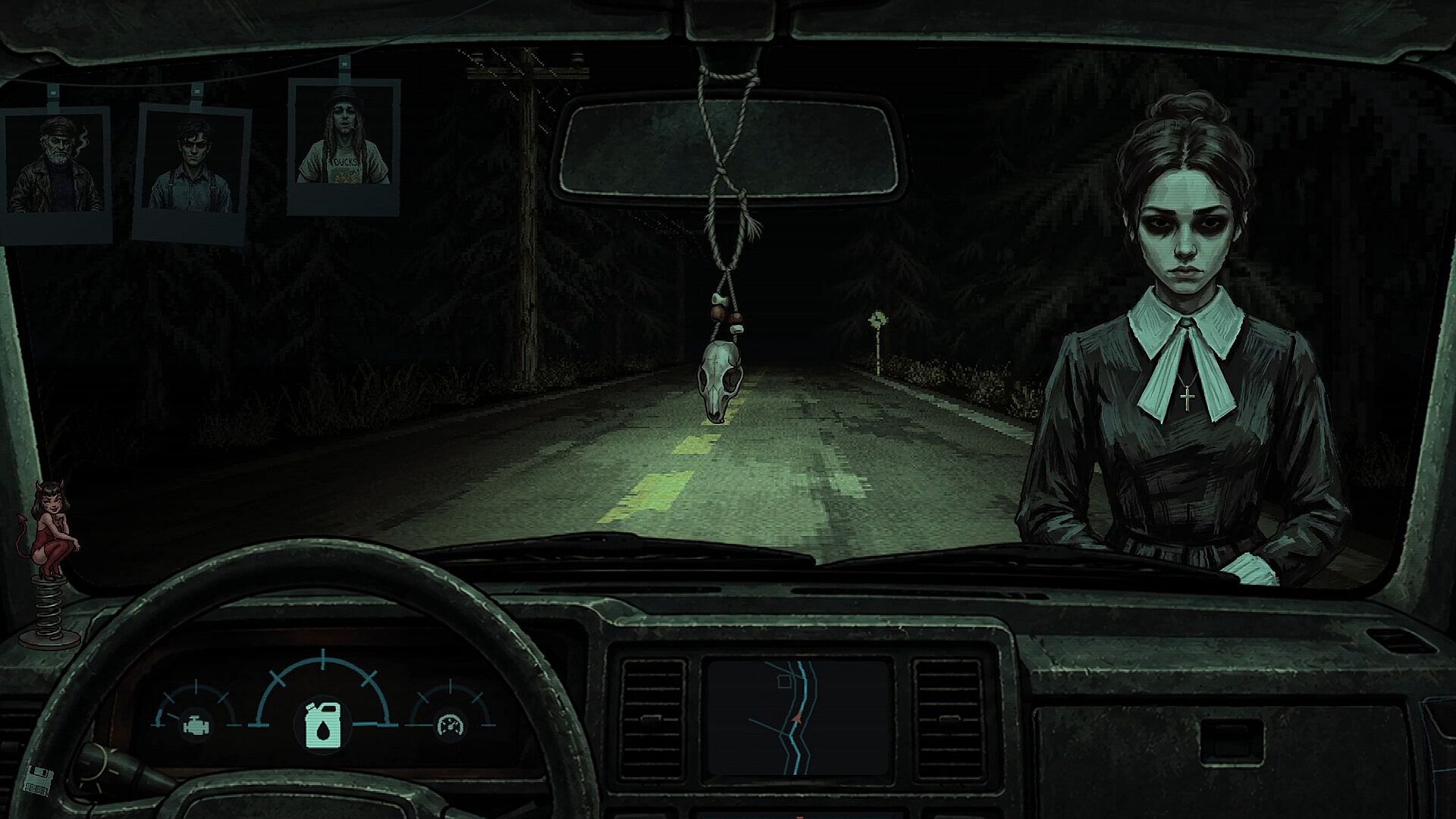
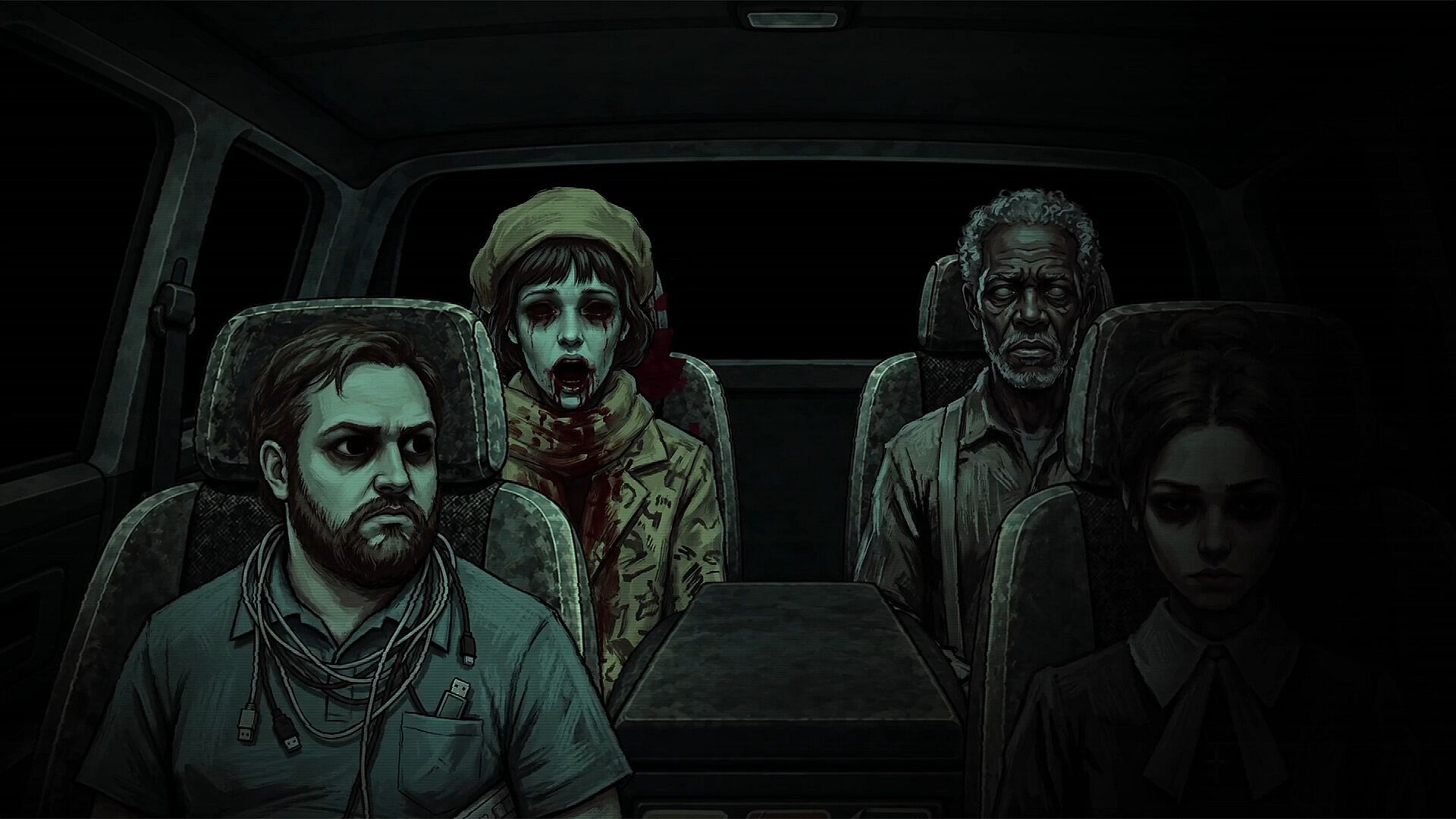
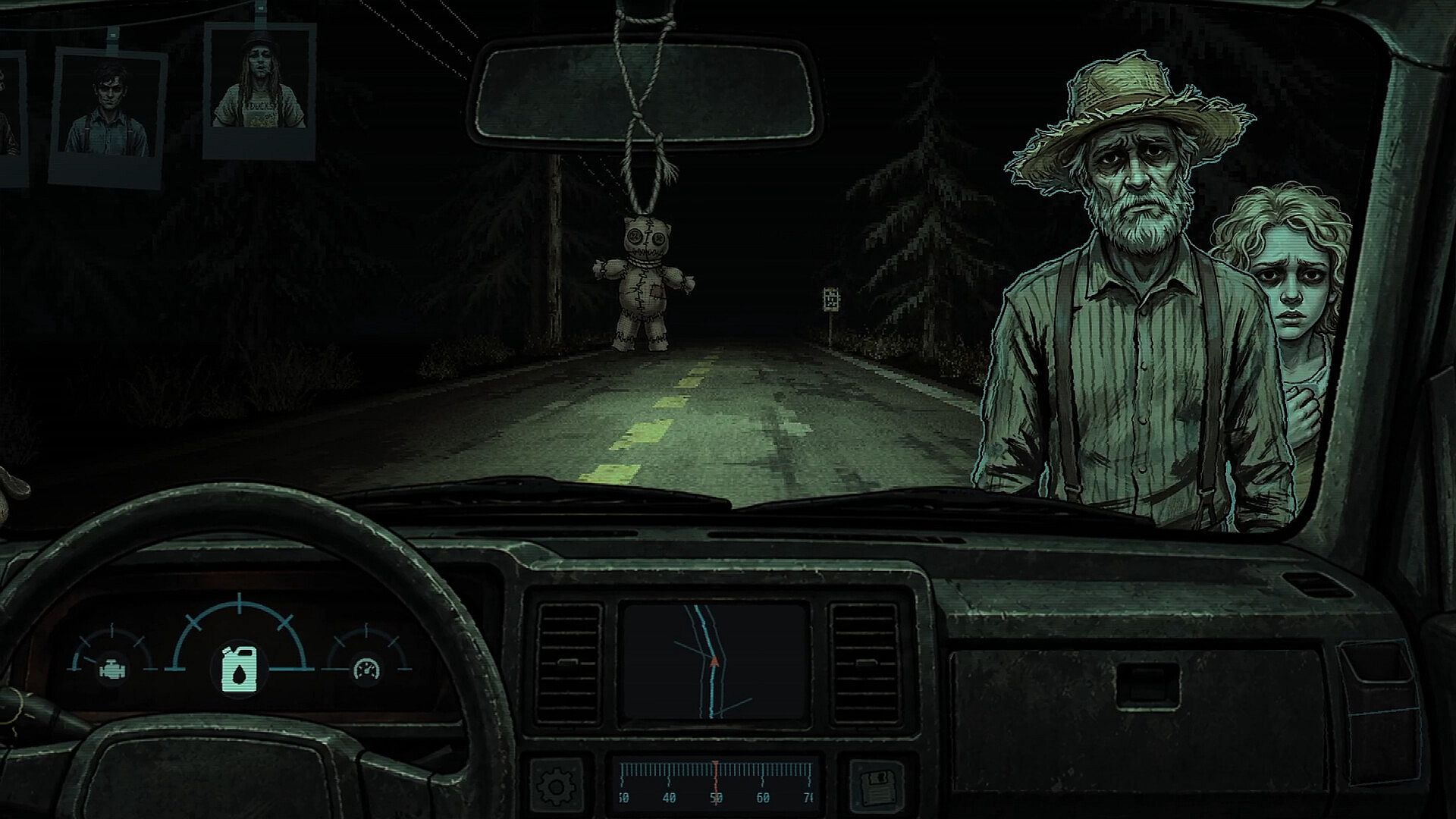
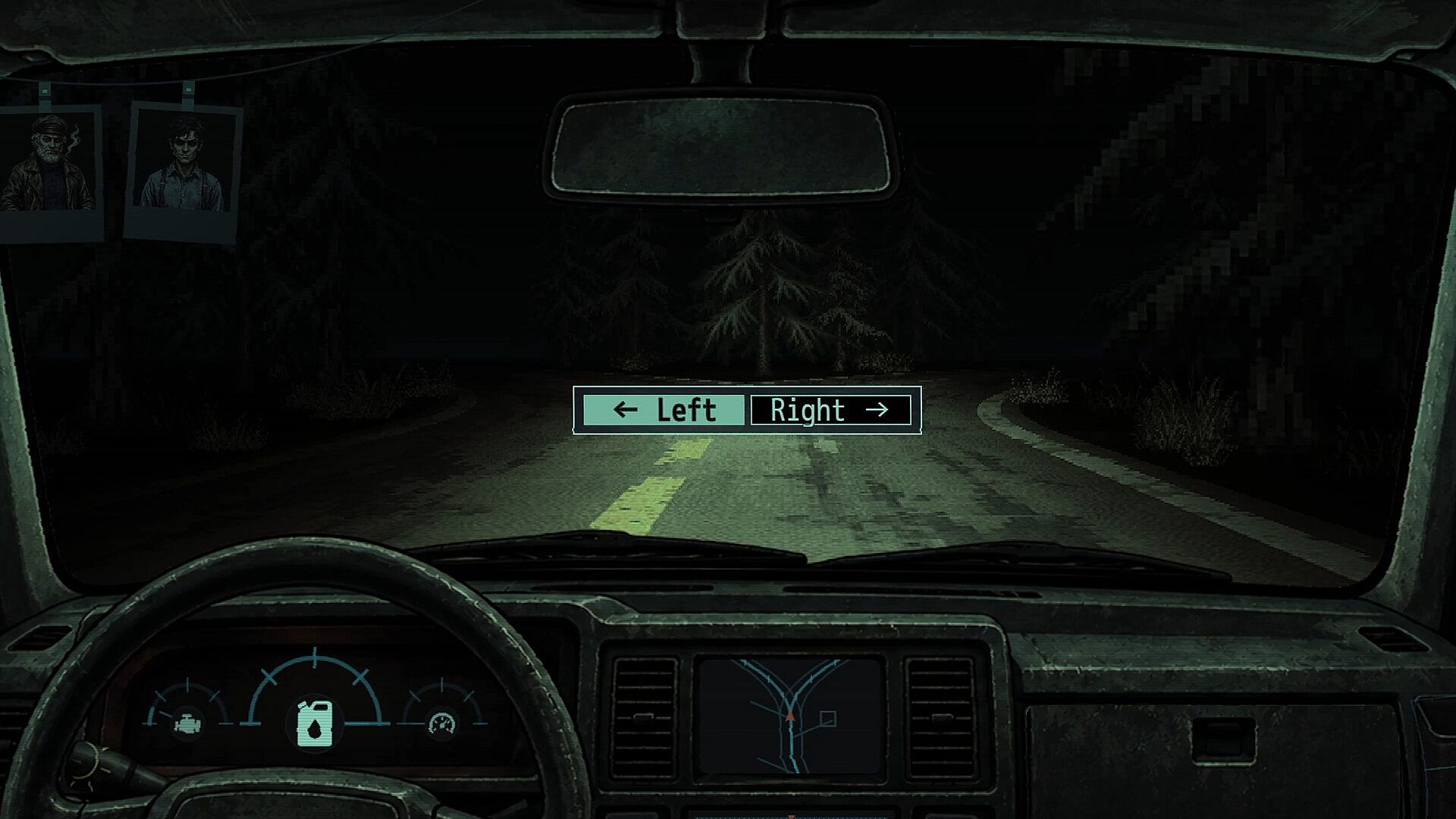
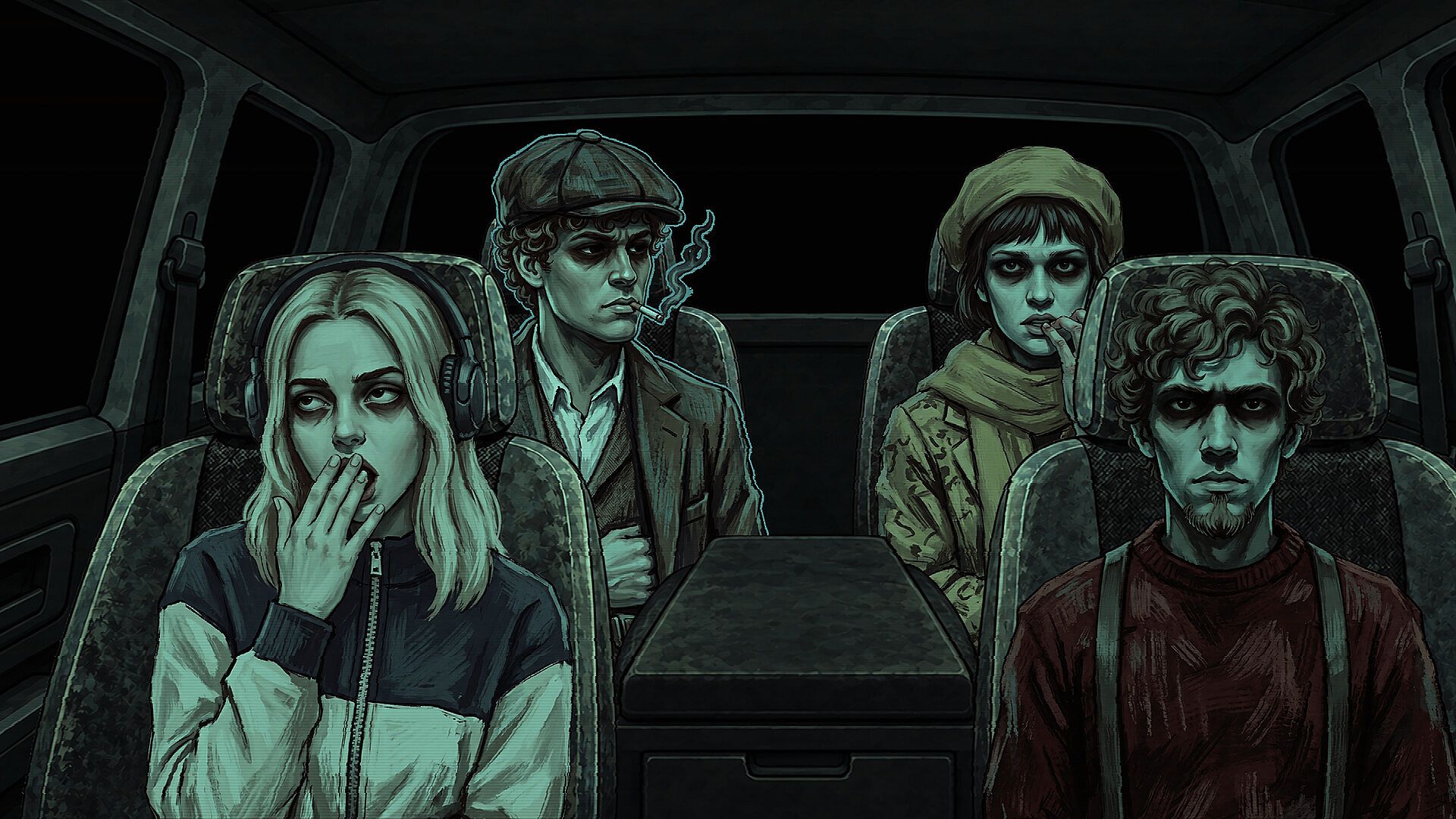
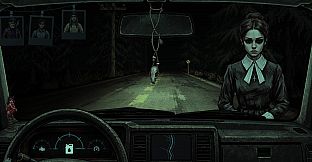


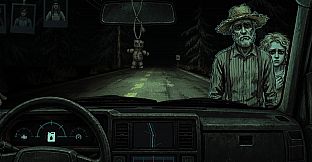
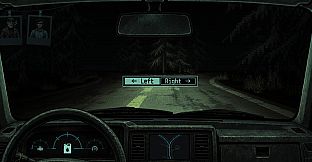


Highway 26 is an indie simulation game for PC that places players behind the wheel of a car traveling a desolate highway toward a distant military shelter. The world has fallen into darkness, and every hitchhiker encountered could be an infected creature disguised as human. The core experience revolves around managing limited resources, spotting threats among passengers, and surviving randomized journeys that test observation and quick judgment.
Gameplay
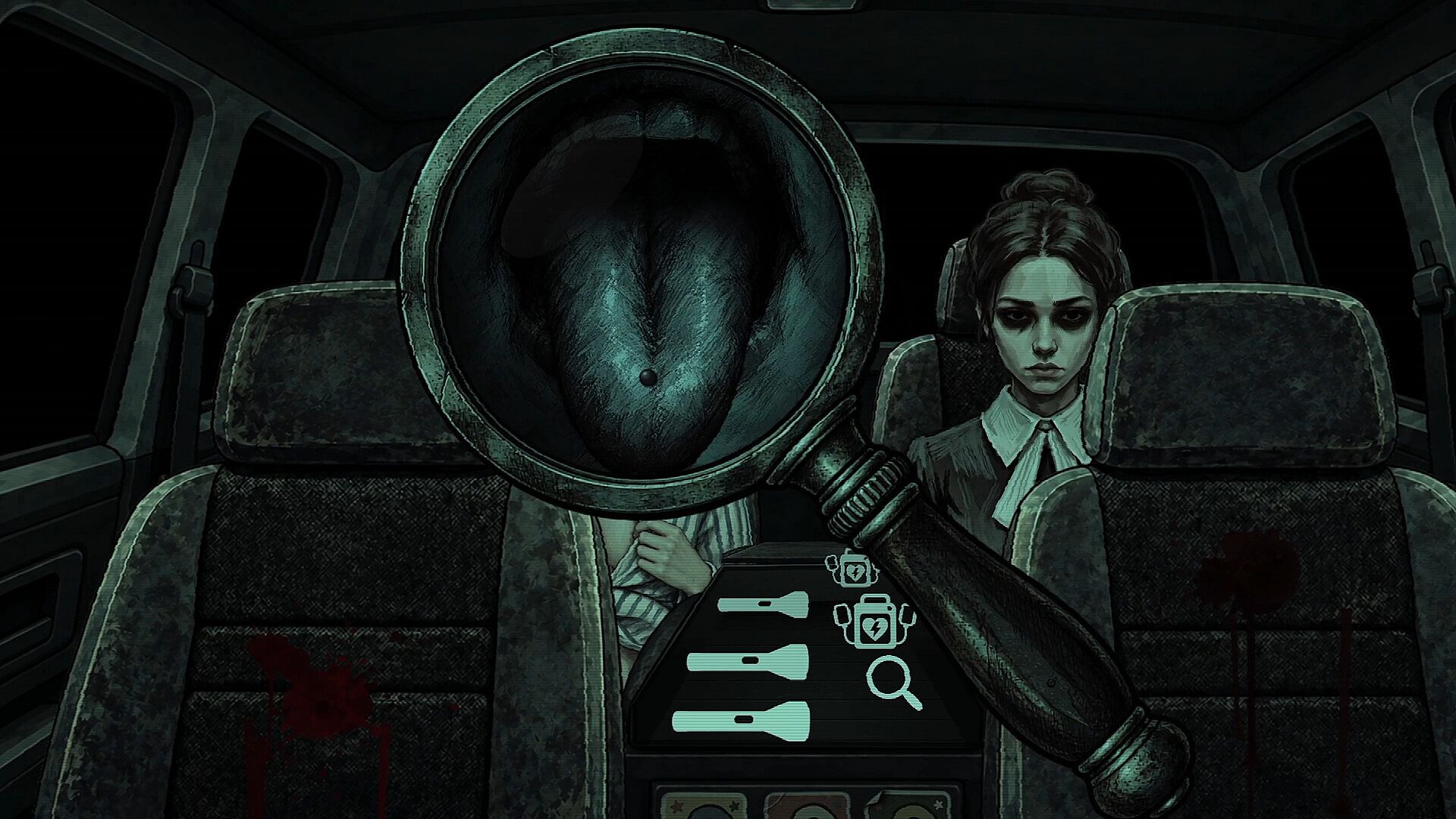
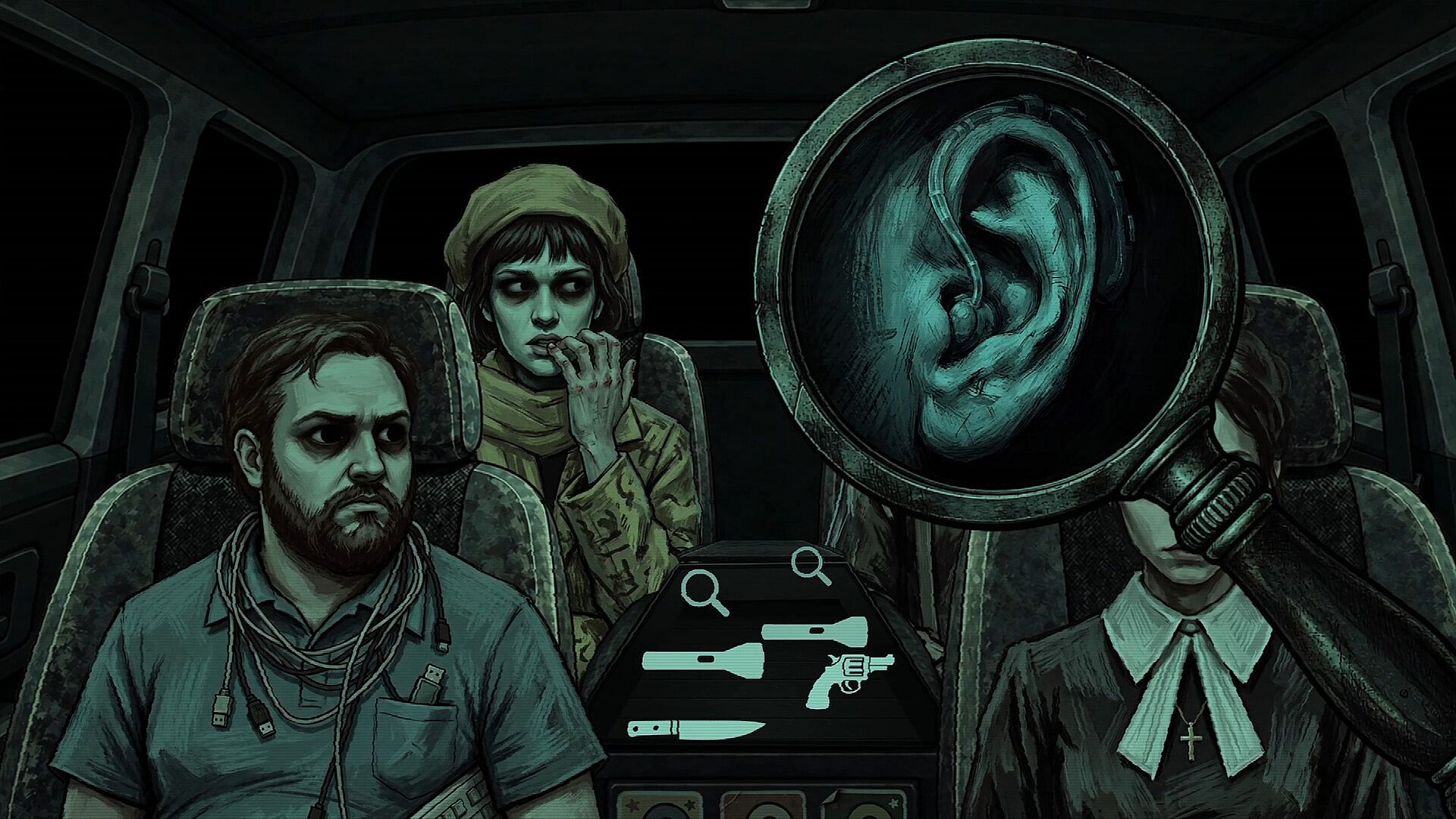
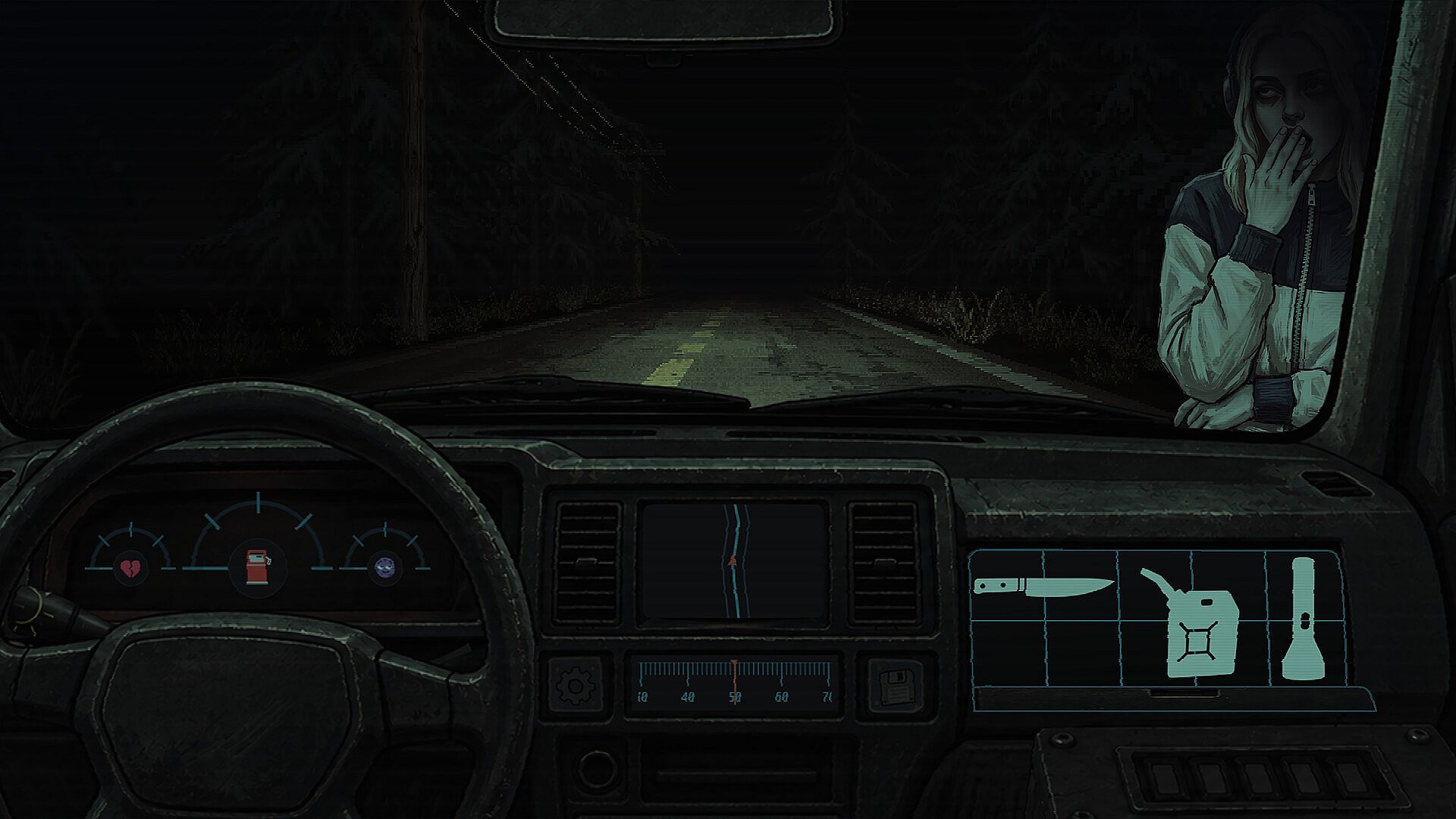
The gameplay centers on driving through an environment where light and sound cues signal danger. Players monitor the car's interior lights, listen for unusual noises, and decide whether to allow strangers into the vehicle. Checks for infection signs occur before or after pickup, requiring attention to details that differentiate the infected from ordinary travelers. Mistakes lead to immediate risks, with a revolver available as a last resort if an infected passenger is already inside.
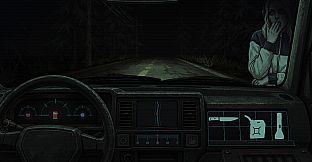
Resource management adds constant pressure. Fuel levels must stay above zero to reach the shelter, while isolation or the wrong companion guarantees failure. Paranoia mechanics encourage turning to observe passengers, though stopping the car is required to do so safely. Each trip builds tension through these layered decisions, where one overlooked detail can end the run.
Randomization ensures variety across attempts. Passenger identities, infection placements, and event triggers shift between runs, preventing repetition. The simulation emphasizes survival through careful observation rather than combat or exploration outside the vehicle.
Game Modes
Highway 26 operates as a single-player simulation with no separate multiplayer options or distinct named modes. The experience consists of repeated journeys along Highway 26, each structured around the same core loop of pickup, identification, and shelter arrival. Procedural elements make every run distinct through changes in who appears and when threats emerge.
Players progress by completing successful trips while learning from failures. The format supports multiple attempts without altering the fundamental rules, focusing instead on adapting to new combinations of passengers and environmental hazards. This structure suits those who enjoy iterative survival challenges in a contained setting.
Key Mechanics
Identification checks form the primary interaction. Players examine passengers for infection indicators using available tools and observations, balancing caution against the need to fill seats for safety in numbers. Darkness events introduce sudden complications, such as lights failing or sounds indicating a kill, forcing rapid responses to maintain control.
Vehicle systems tie directly into survival. Fuel consumption, light management, and passenger positioning all influence outcomes. The revolver serves as a high-risk tool for correcting errors after the fact. These elements combine into a tight loop where every action carries weight and recovery options remain limited.
Is It Worth Playing?
Highway 26 targets players interested in tense, observation-based simulations with roguelike replayability from randomization. The single-player focus and emphasis on decision-making under pressure create a niche experience that rewards patience and attention to detail. As the game remains in development with a coming-soon release, no player reviews or ratings are available yet to gauge broader reception.
Those drawn to indie titles centered on paranoia, resource scarcity, and procedural survival will find the described systems align closely with that style. The absence of additional modes or expansions keeps the scope focused on the core driving and identification loop. Potential buyers should monitor development updates for any changes before launch.