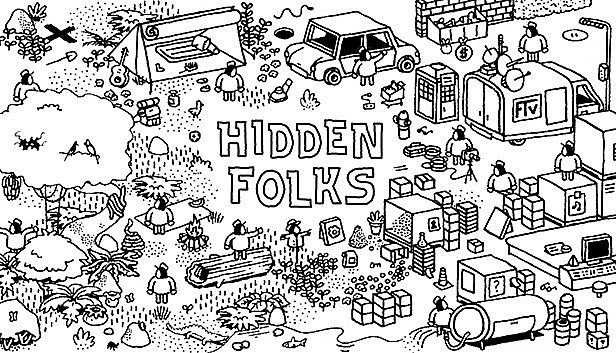
















Hidden Folks is an indie hidden object puzzle game that blends casual exploration with hand-drawn interactive scenes. Players search for specific targets across detailed miniature landscapes, using clicks to manipulate the environment and reveal hidden elements. The experience emphasizes observation, light puzzle solving, and discovery in a singleplayer format designed for relaxed play sessions on PC.
Gameplay
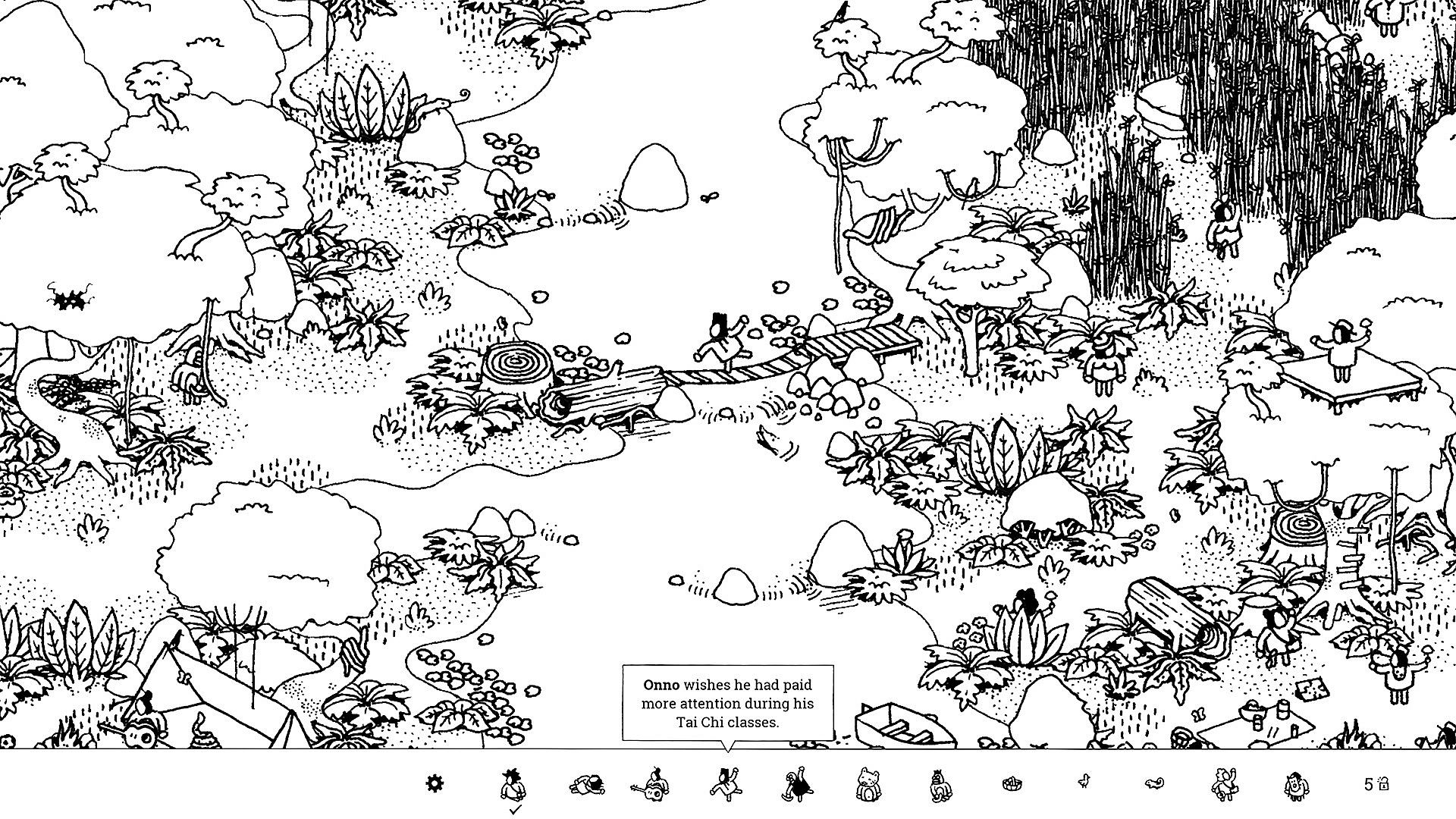
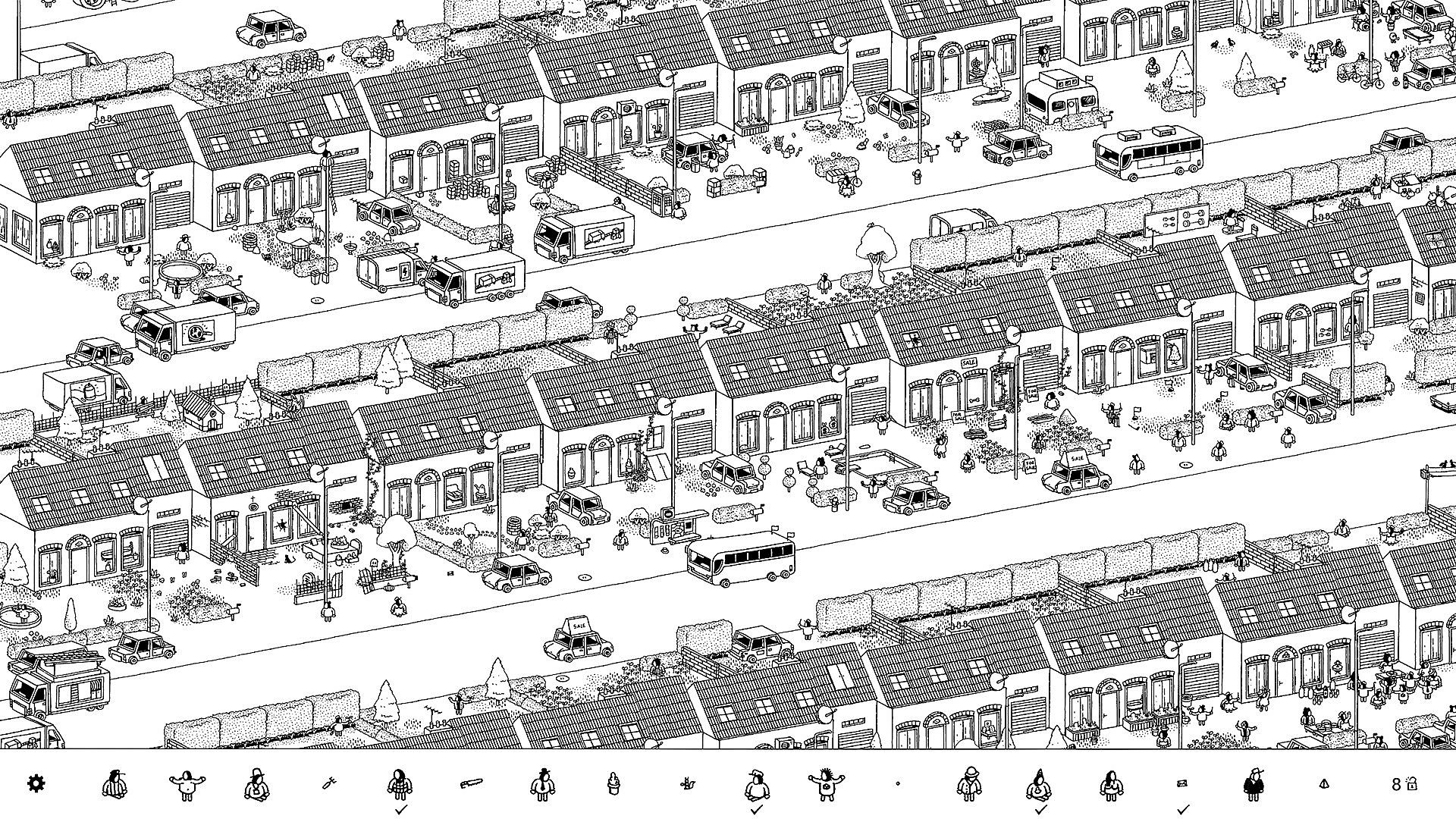
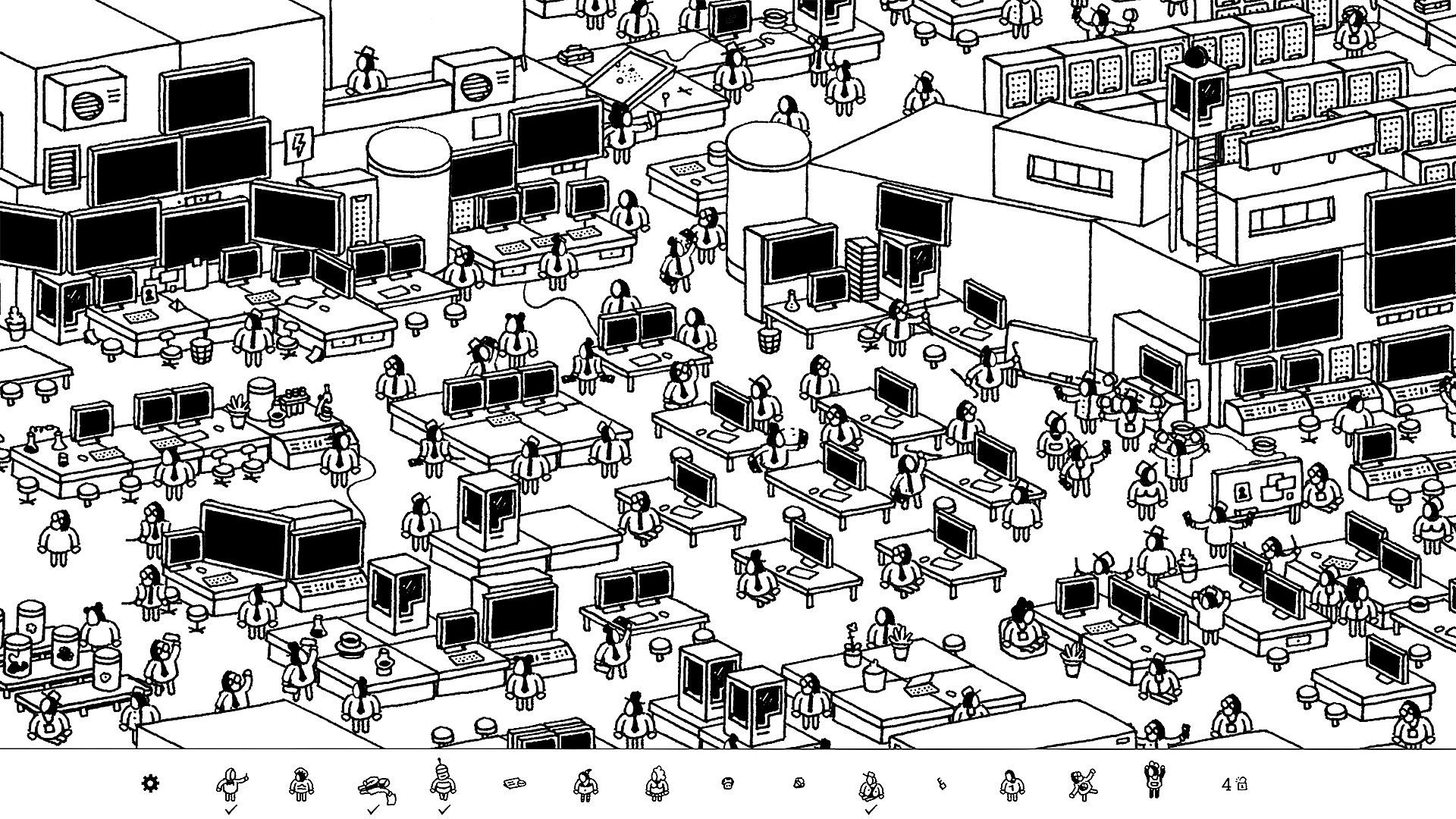
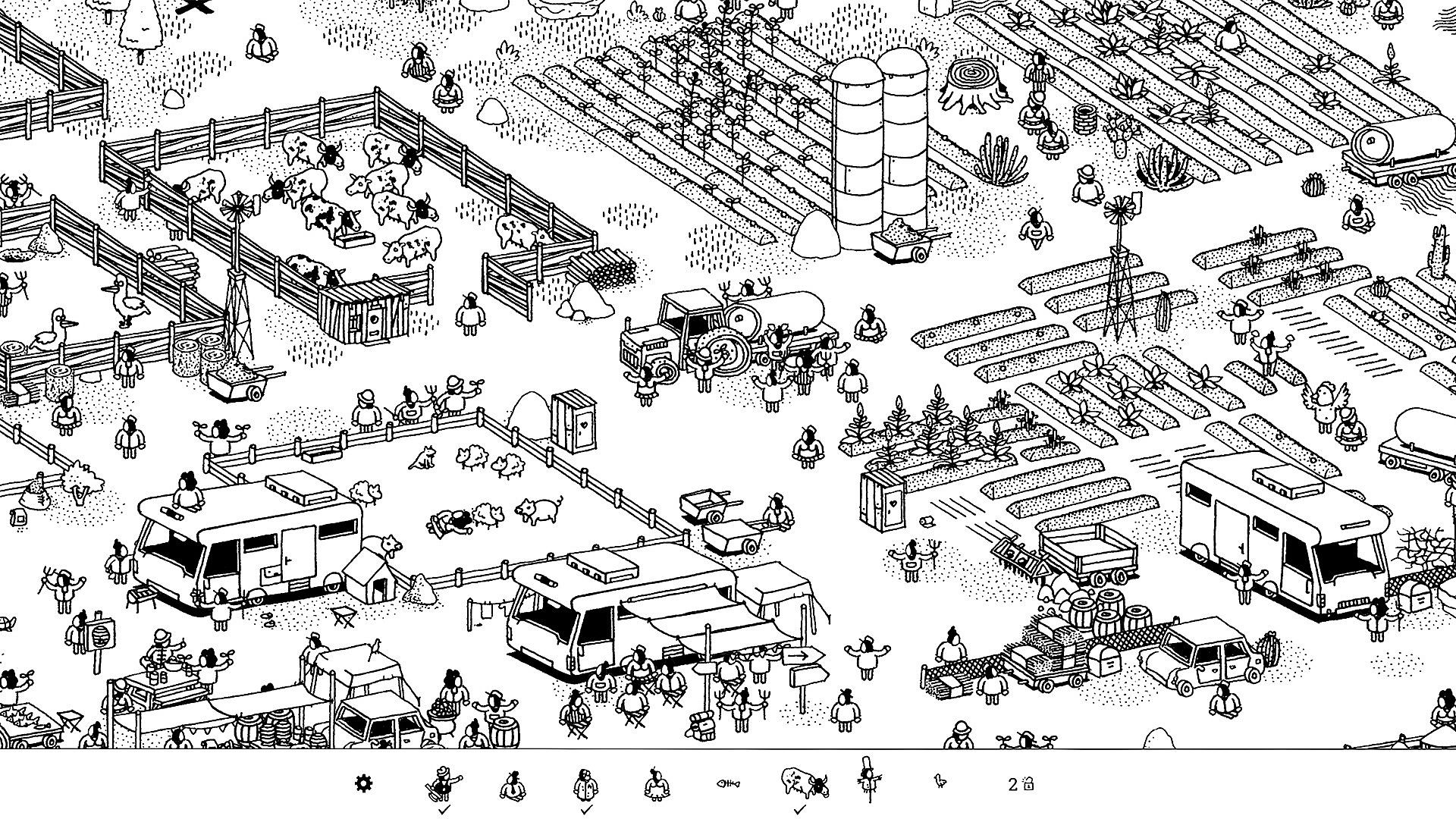
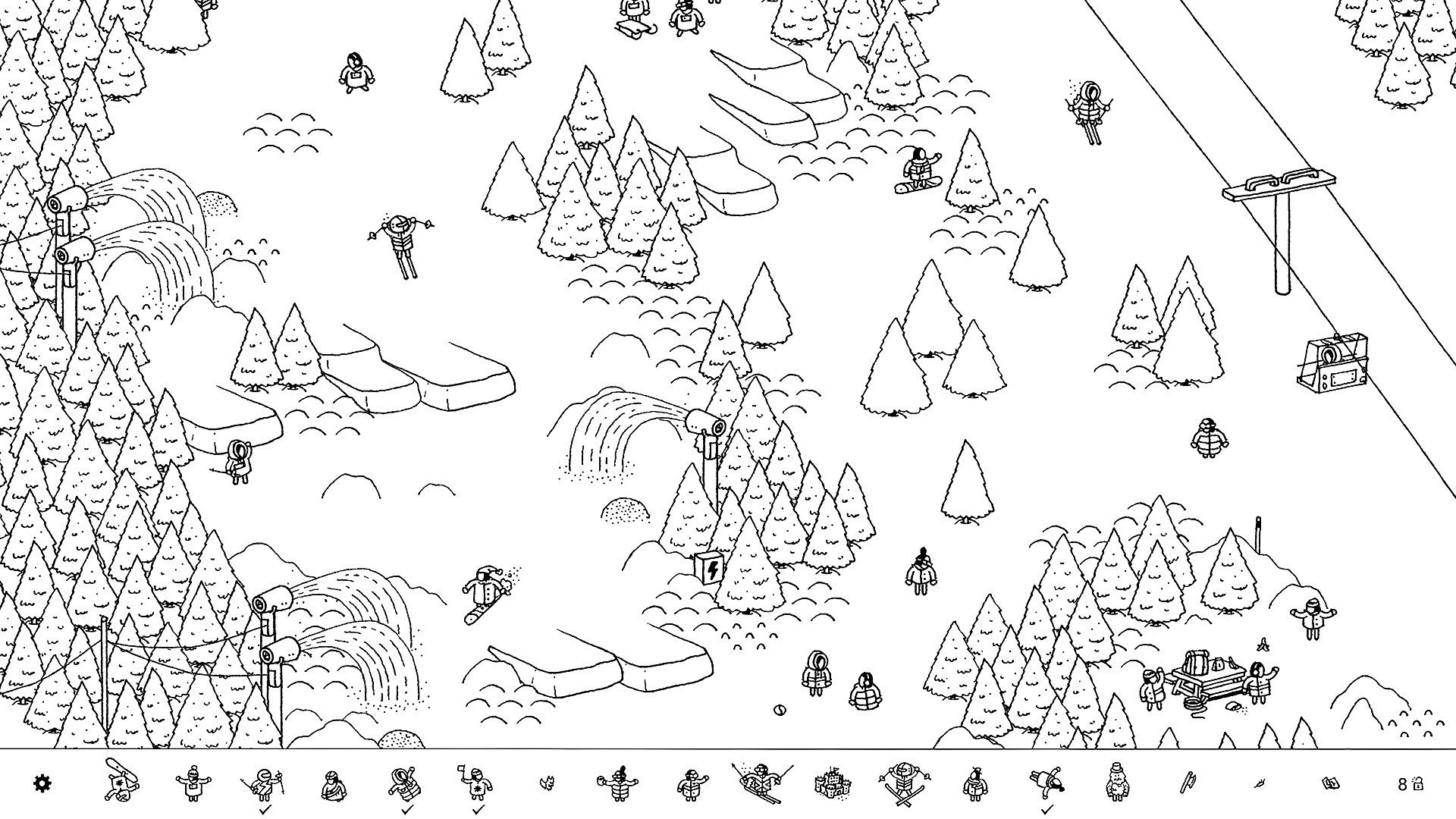
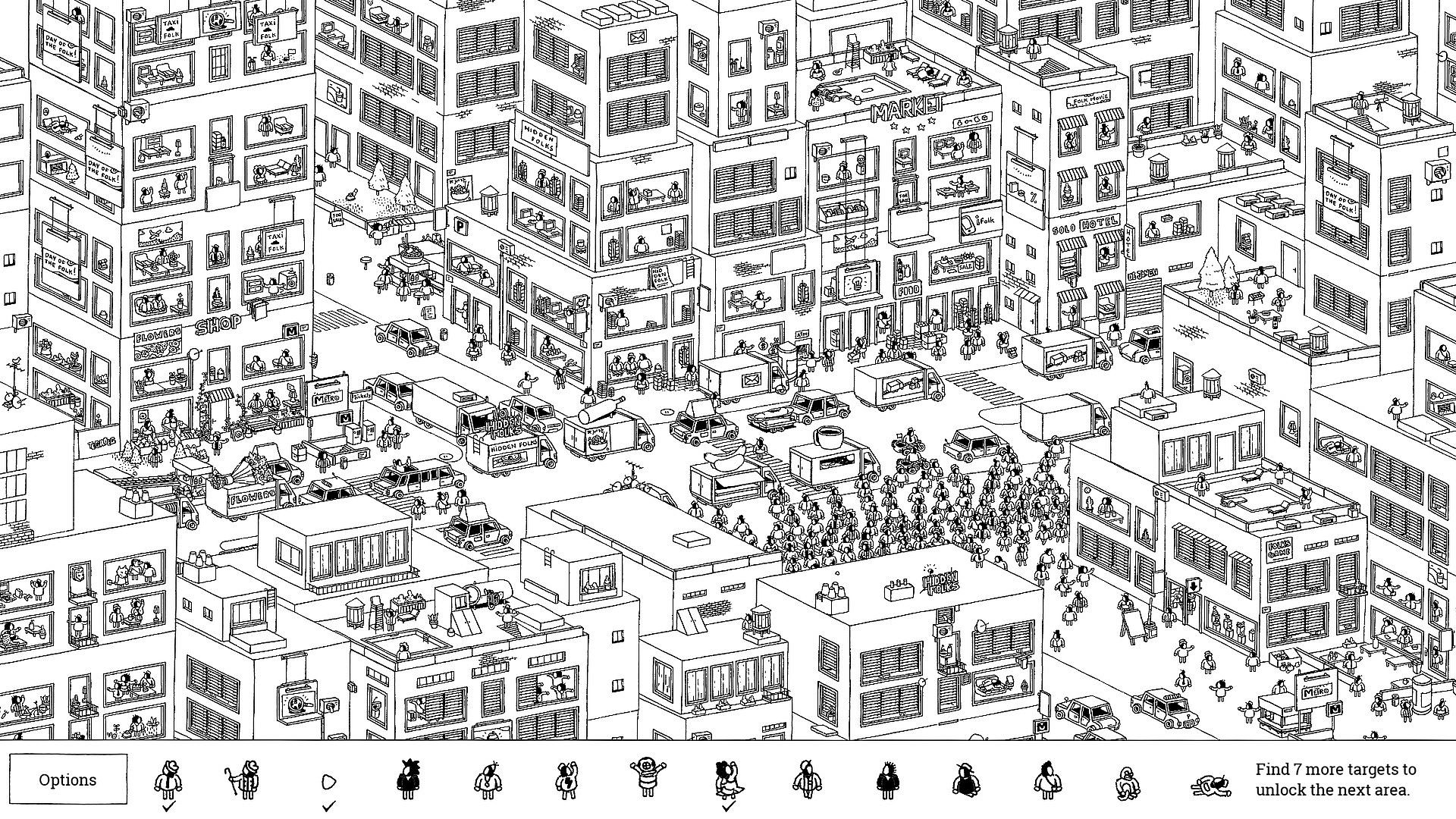
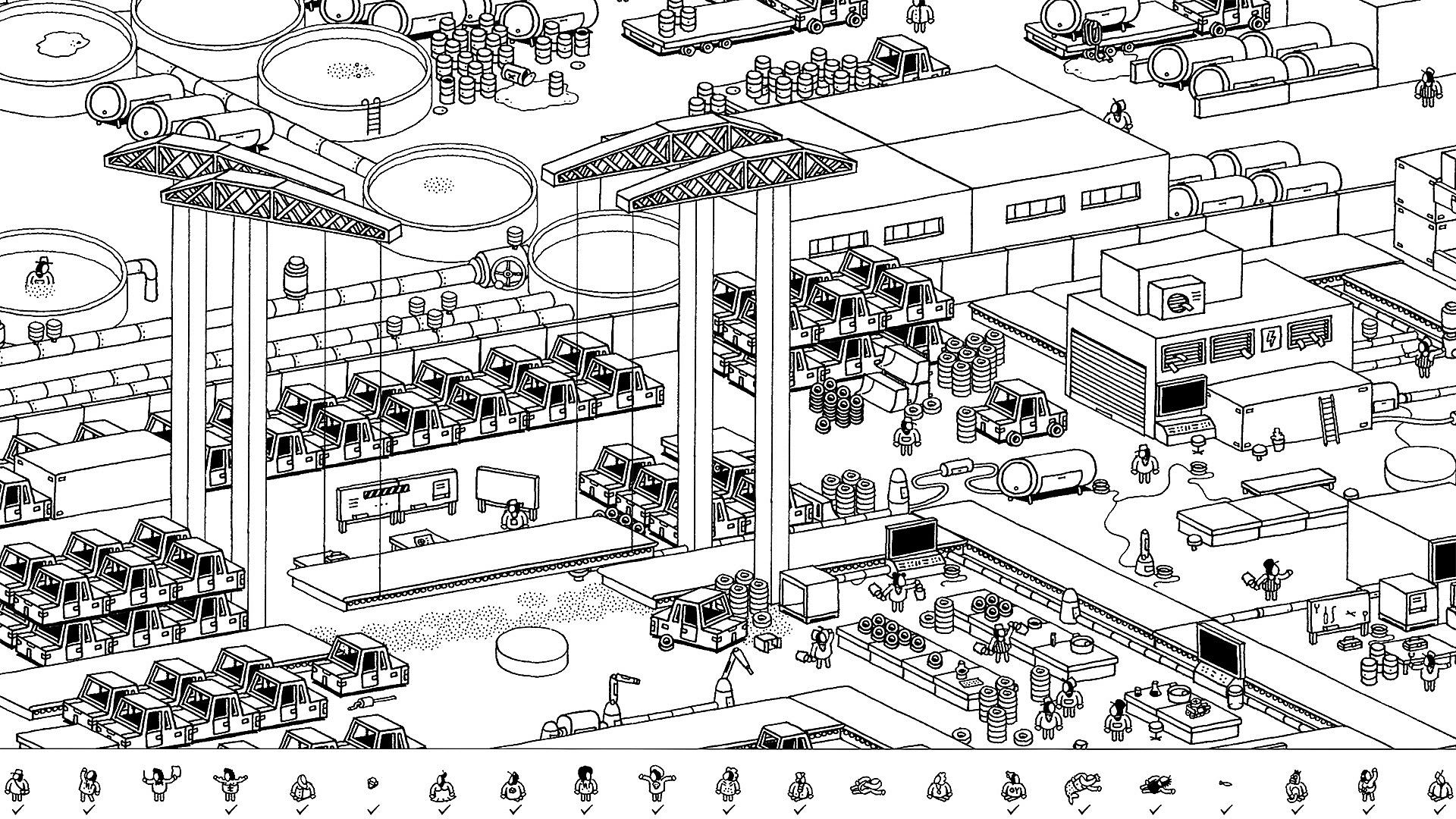
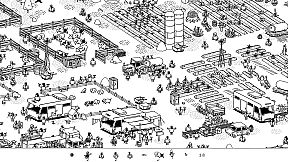
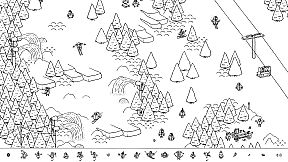
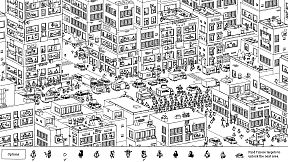
The core loop involves scanning large, intricate illustrations for a list of targets displayed at the bottom of the screen. Each target comes with a short description that serves as a clue, and clicking any target provides an additional hint if needed. Progress requires locating enough items in the current area to unlock the next one, encouraging thorough exploration rather than speed.
Scenes feature hundreds of clickable elements that respond with animations and sounds when interacted with. Players can open flaps, move objects, trigger reactions, or simply poke around to uncover secrets. This interactivity turns each area into a living diorama where random clicks often lead to humorous or surprising results alongside the main objectives. The hand-drawn style uses monochrome lines with options to switch between normal, sepia, and night color modes for visual comfort during longer sessions.
Sound design stands out through thousands of unique effects created vocally, adding personality to every interaction without relying on traditional audio production. Achievements track completion milestones, while trading cards offer additional collectible elements for those interested in the platform ecosystem.
Game Modes
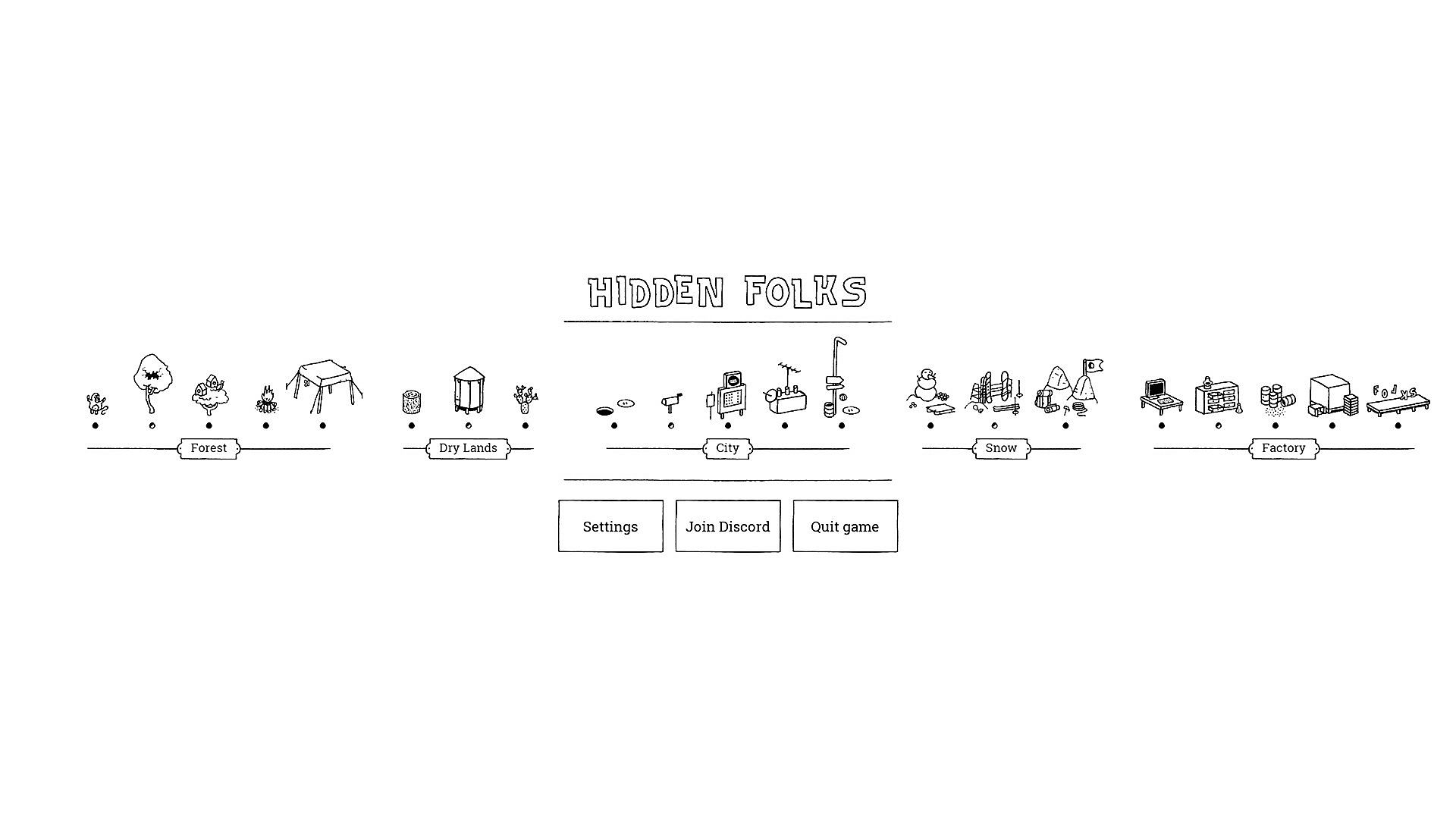
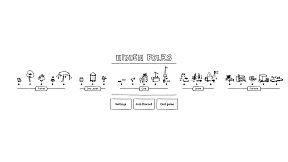
Hidden Folks operates entirely as a singleplayer experience with no multiplayer components or alternate modes. The primary structure follows a linear progression through distinct areas, where completing target lists advances the player forward. This campaign-style flow builds gradually in complexity, starting with simpler scenes and expanding into larger, more layered environments that demand careful attention to detail.
Within each area, the gameplay remains consistent: locate the required targets using clues, interact freely with the scene for enjoyment or assistance, and move on once the quota is met. Color mode switches and hint systems provide accessibility options that adapt the experience without altering the fundamental rules. The absence of timers or competitive elements keeps the focus on leisurely discovery and repeated playthroughs to find every possible interaction.
Visual and Audio Design
Each of the 32 hand-drawn areas presents a self-contained world filled with unique characters, animals, and objects rendered in a distinctive ink style. The illustrations reward close inspection, with elements often layered or partially obscured to increase the challenge of locating targets. Over 500 unique interactions populate these scenes, ranging from simple movements to chain reactions that reveal additional details.
Audio complements the visuals through mouth-originated effects that trigger on nearly every click. These sounds range from everyday noises to exaggerated reactions, creating an engaging layer of feedback that encourages experimentation. The combination of visual density and responsive audio makes repeated visits to completed areas feel fresh, as new interactions continue to surface.
Is It Worth Playing?
Hidden Folks suits players who enjoy hidden object puzzles with added interactivity and a calm pace. Its singleplayer structure and lack of pressure make it accessible for short or extended sessions, appealing to those seeking a relaxing yet engaging activity. The game has maintained strong player reception since its release, with overwhelmingly positive feedback highlighting its charm, creativity, and replay value through thorough exploration.
Updates have expanded the content over time with new areas and refinements, keeping the experience polished on PC. For fans of casual adventure and puzzle games that emphasize observation over reflexes or strategy, it delivers consistent enjoyment without unnecessary complexity. Those preferring fast-paced action or social features may find the deliberate pace less appealing, but the core loop remains satisfying for its intended audience.