

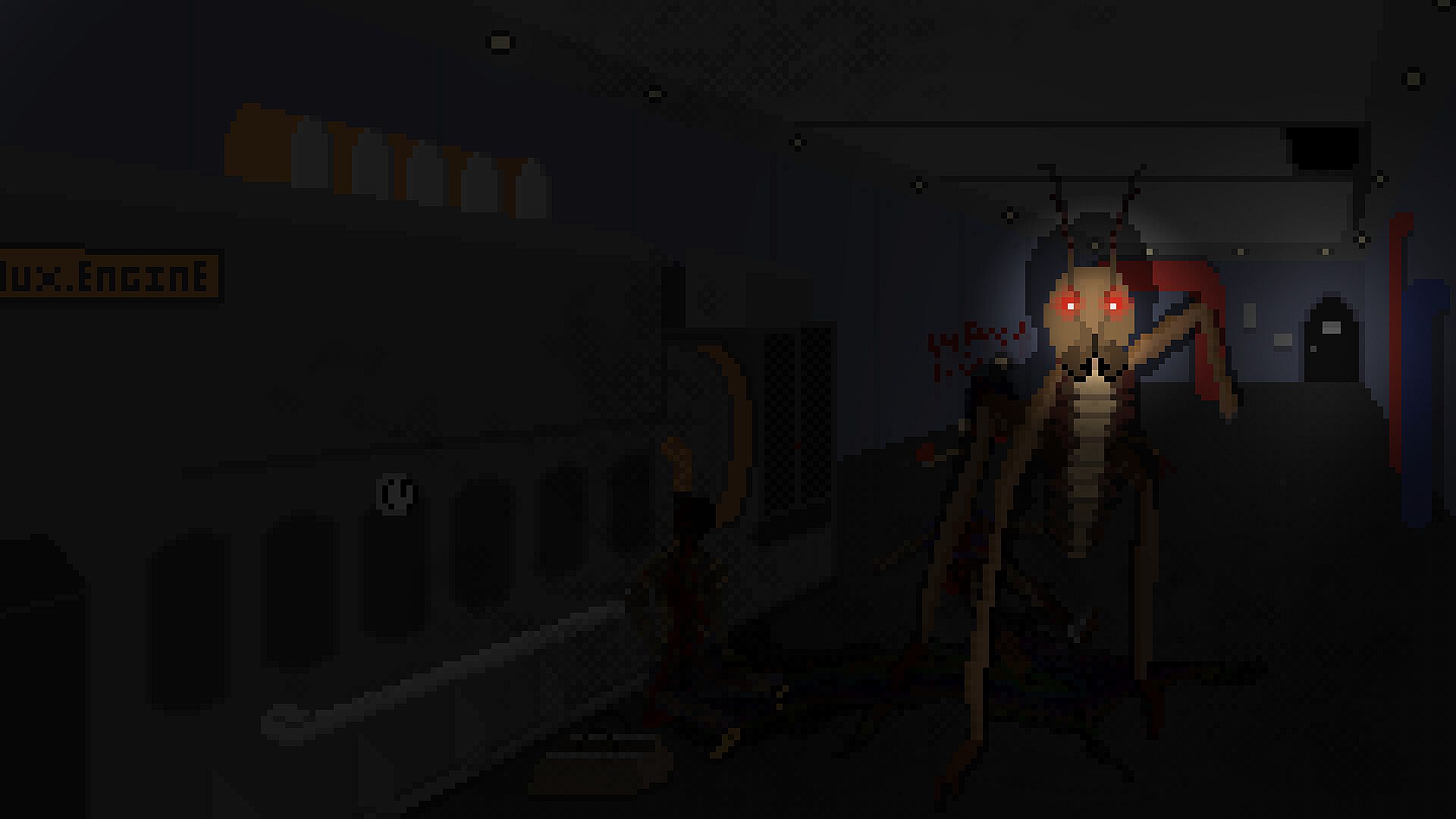






Heart Harvest: A Detective Game is an indie casual adventure title for PC that places players in the role of Arthur, a young detective driven by a personal tragedy from his childhood. His mother was killed by his father, yet authorities could not gather enough proof to secure a conviction. Arthur now channels his skills into solving a series of brutal murders, each marked by a distinctive vanilla scent and victims whose hearts have been removed from their chests. The narrative centers on uncovering the connection between these killings and confronting the entity known as the harvester.
Gameplay
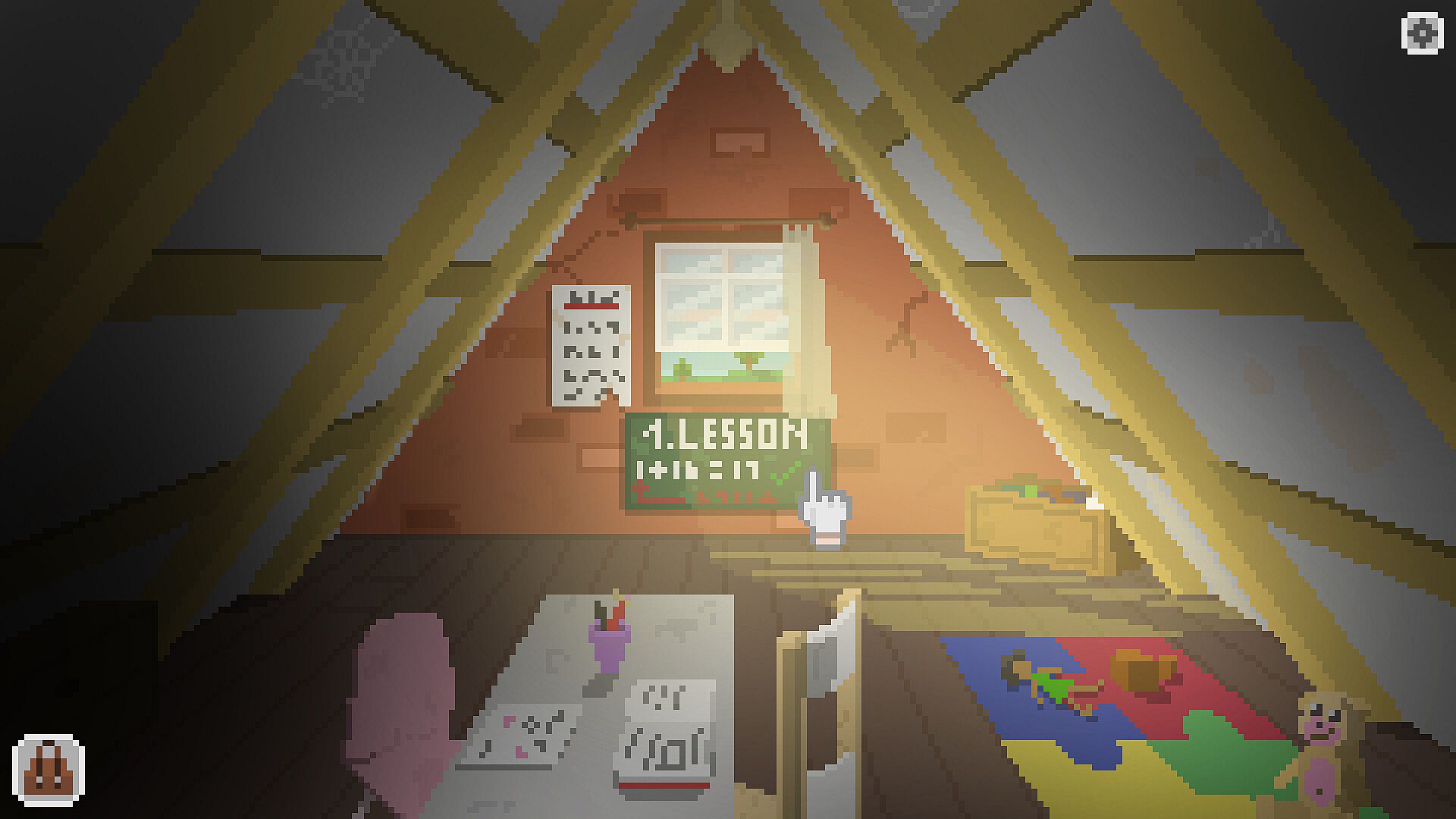
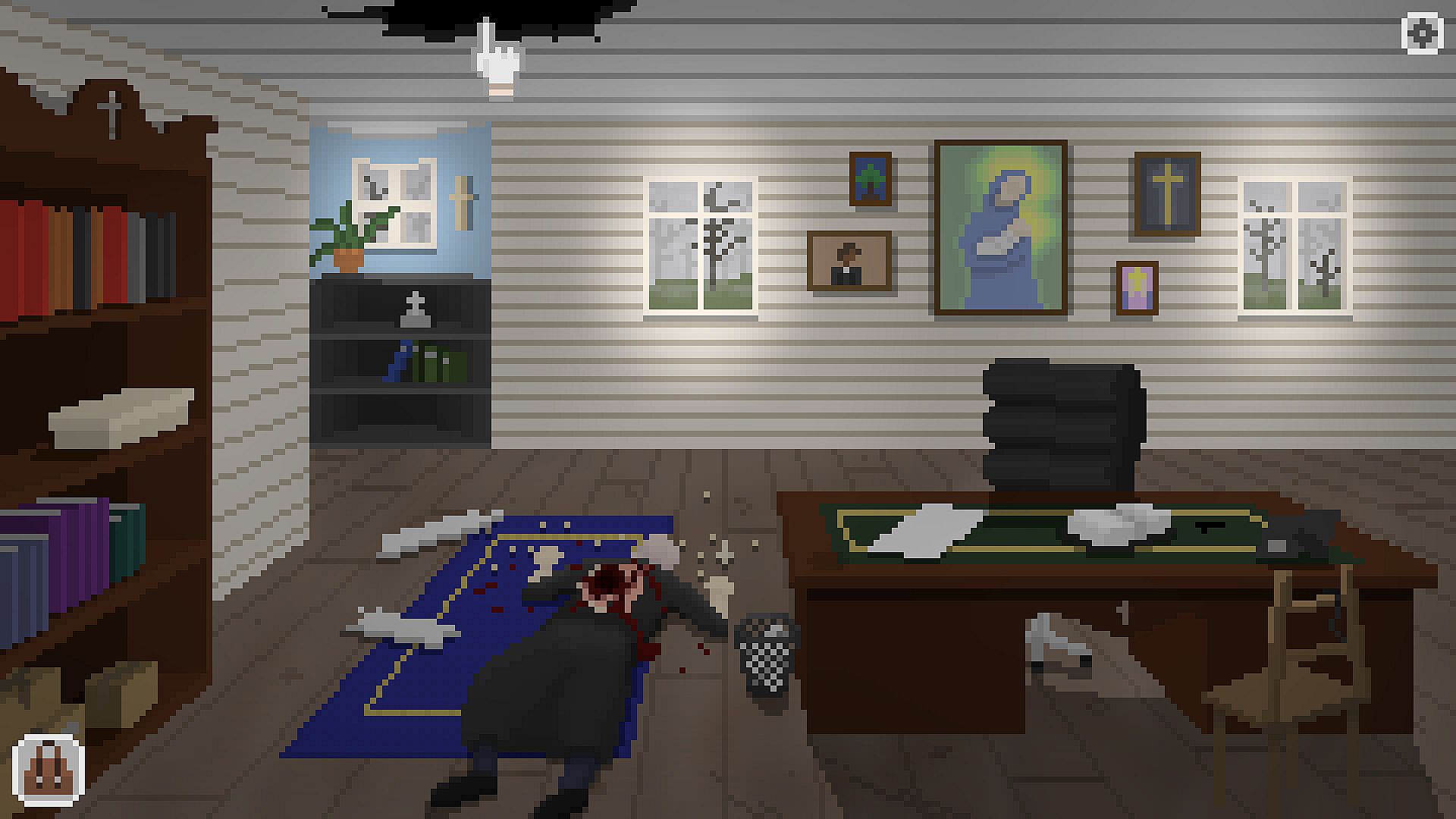
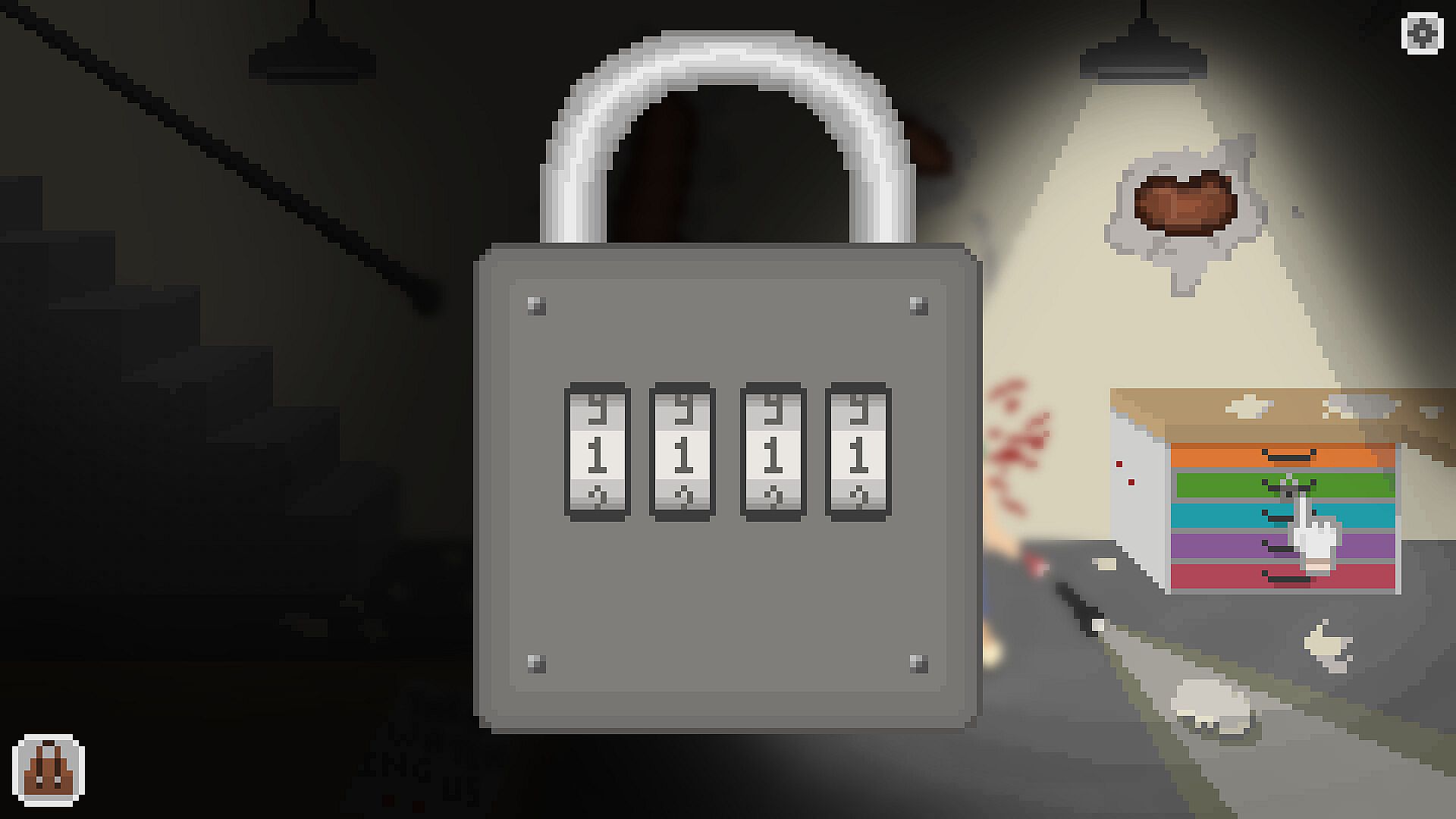
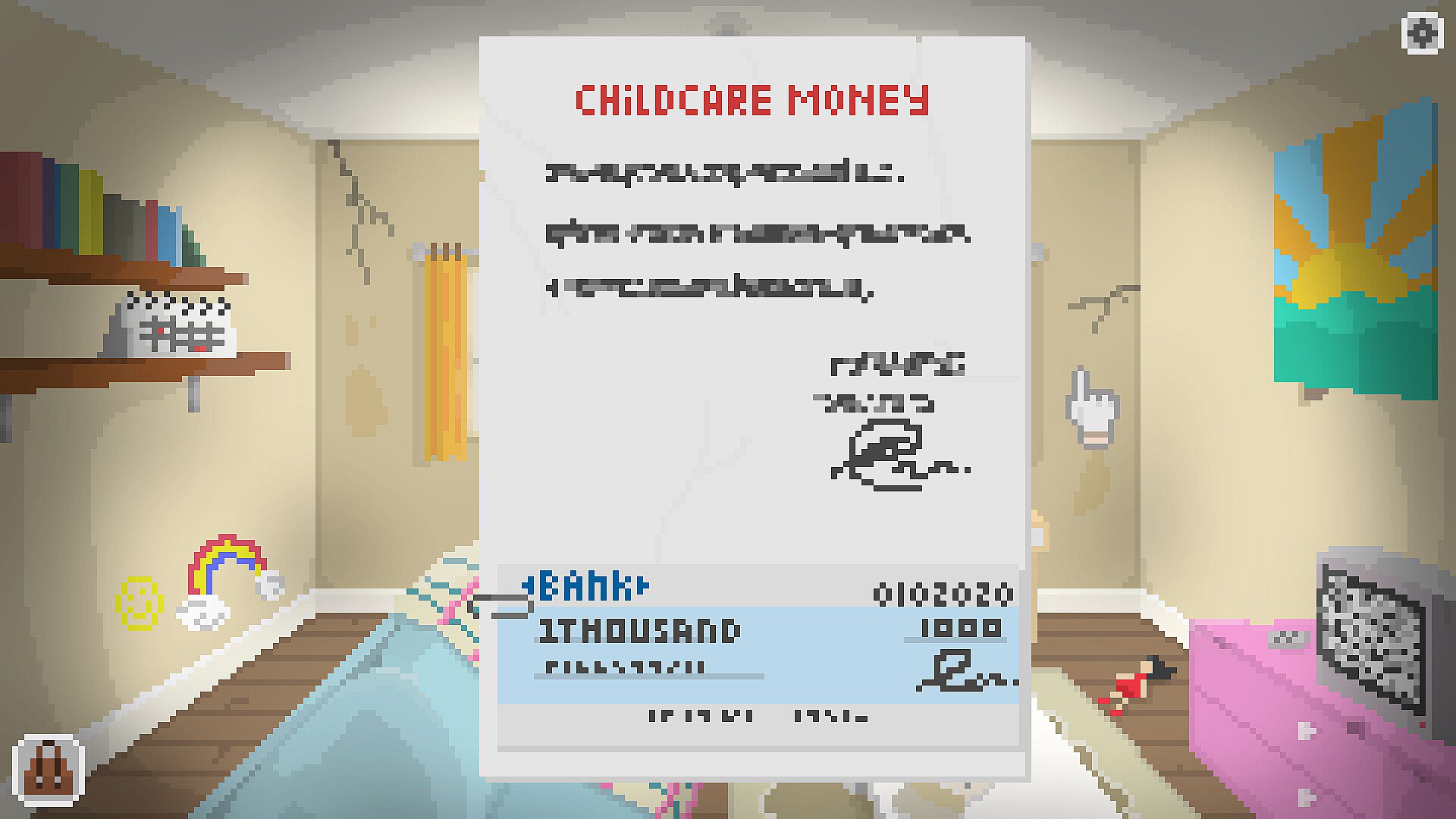
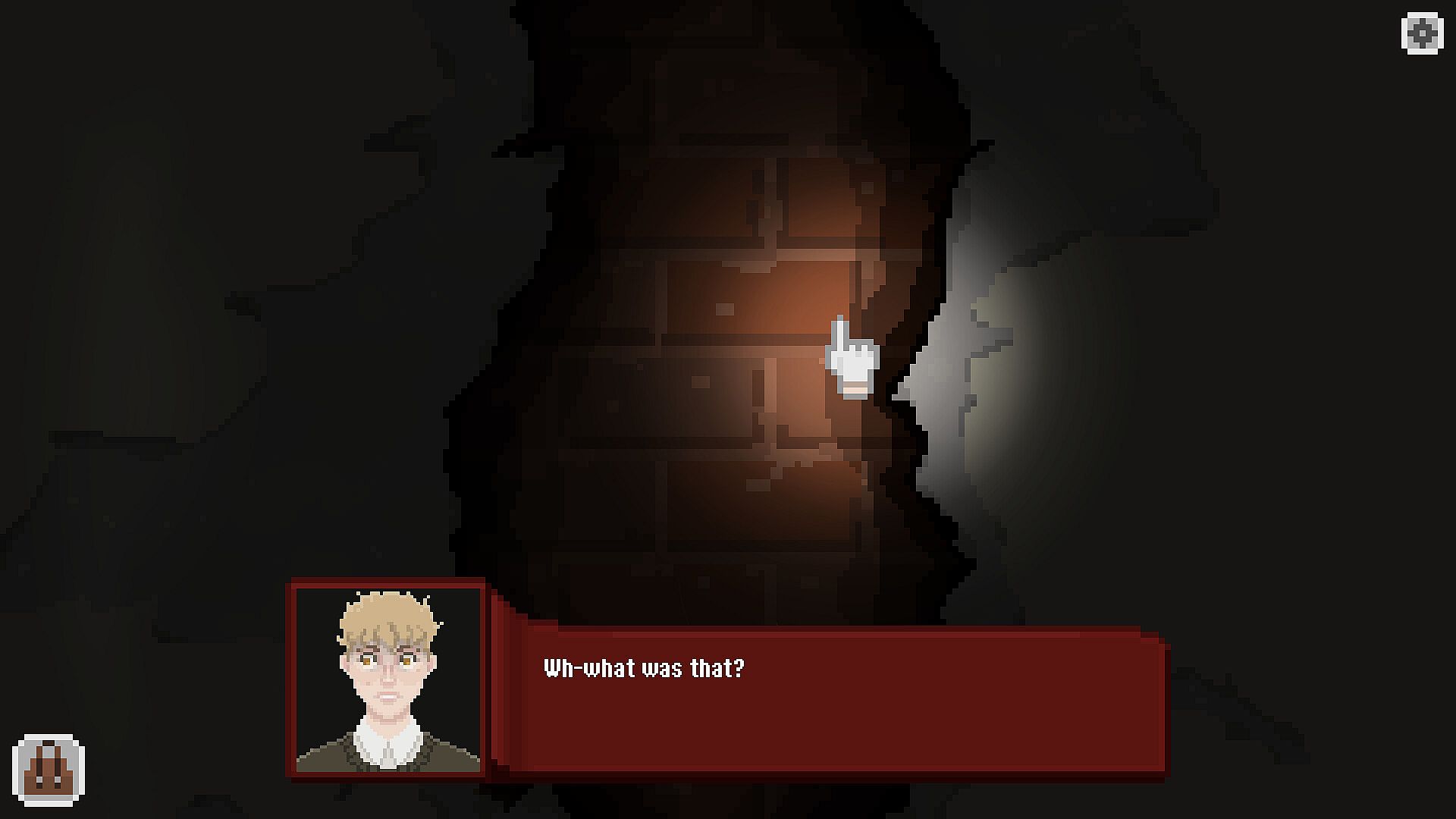
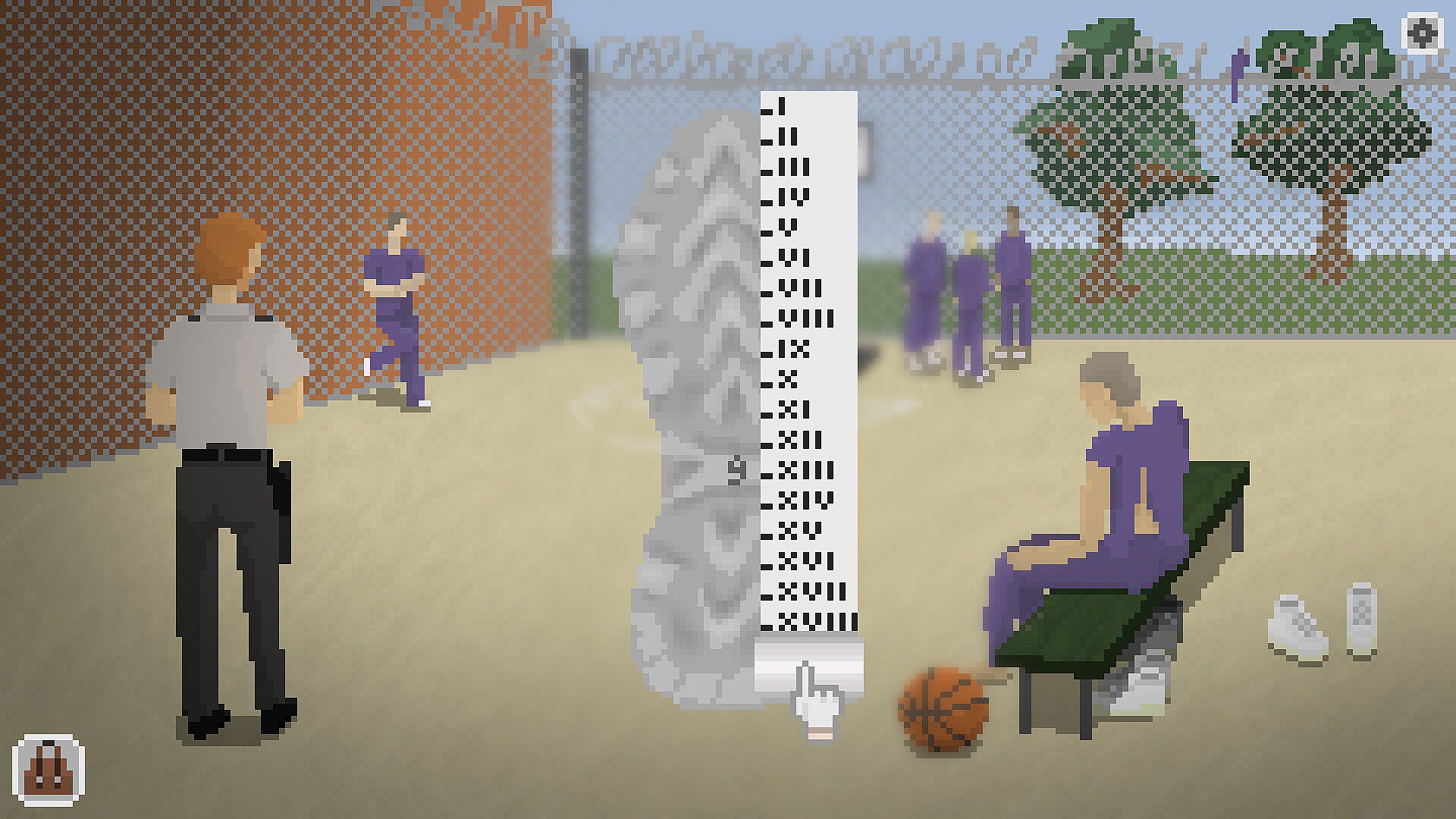
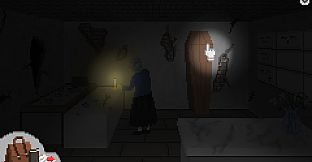
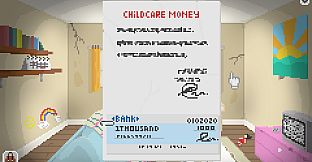
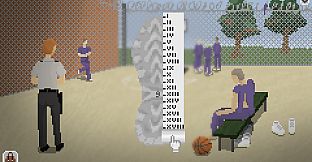
The core loop revolves around thorough on-site investigation at each murder scene. Players examine environments for clues hidden in unexpected places, such as dark air vents, wall cracks, or hatches that require deliberate interaction. No on-screen prompts guide the process, so success depends on careful observation and logical deduction. Suspects must be questioned directly, with responses weighed against physical evidence collected at the scene.
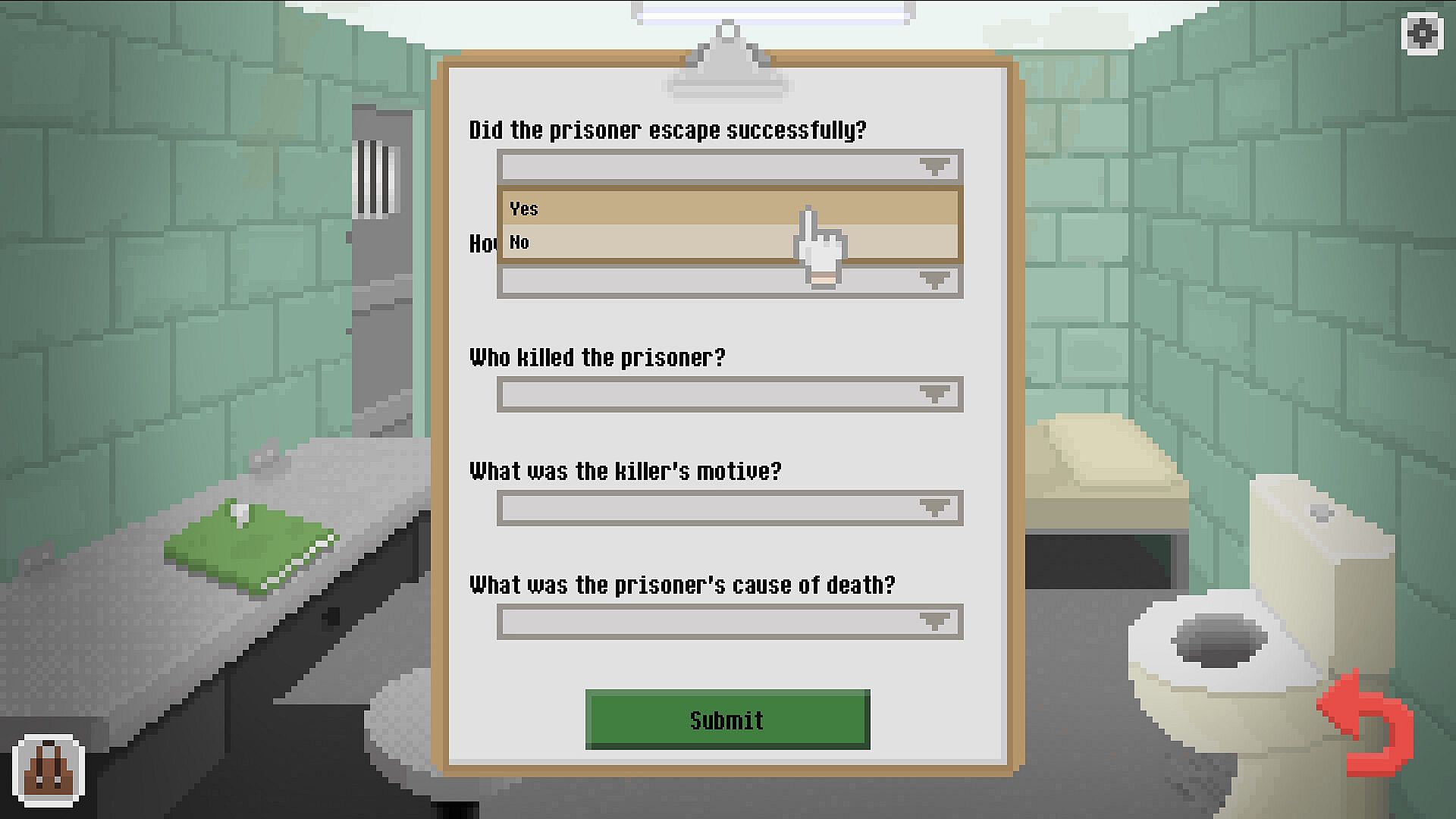
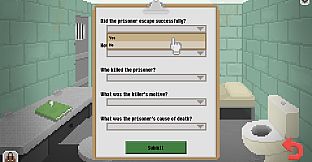
Once sufficient information is gathered, players answer a set of investigation questions posed by the chief. These queries test whether all key details have been identified and connected correctly. A police notebook serves as the primary tool for recording observations, allowing players to jot down notes during play or rely on external pen and paper for more complex cases. Evidence is then submitted for review, after which findings are discussed in detail with the chief to confirm accuracy and advance the case.
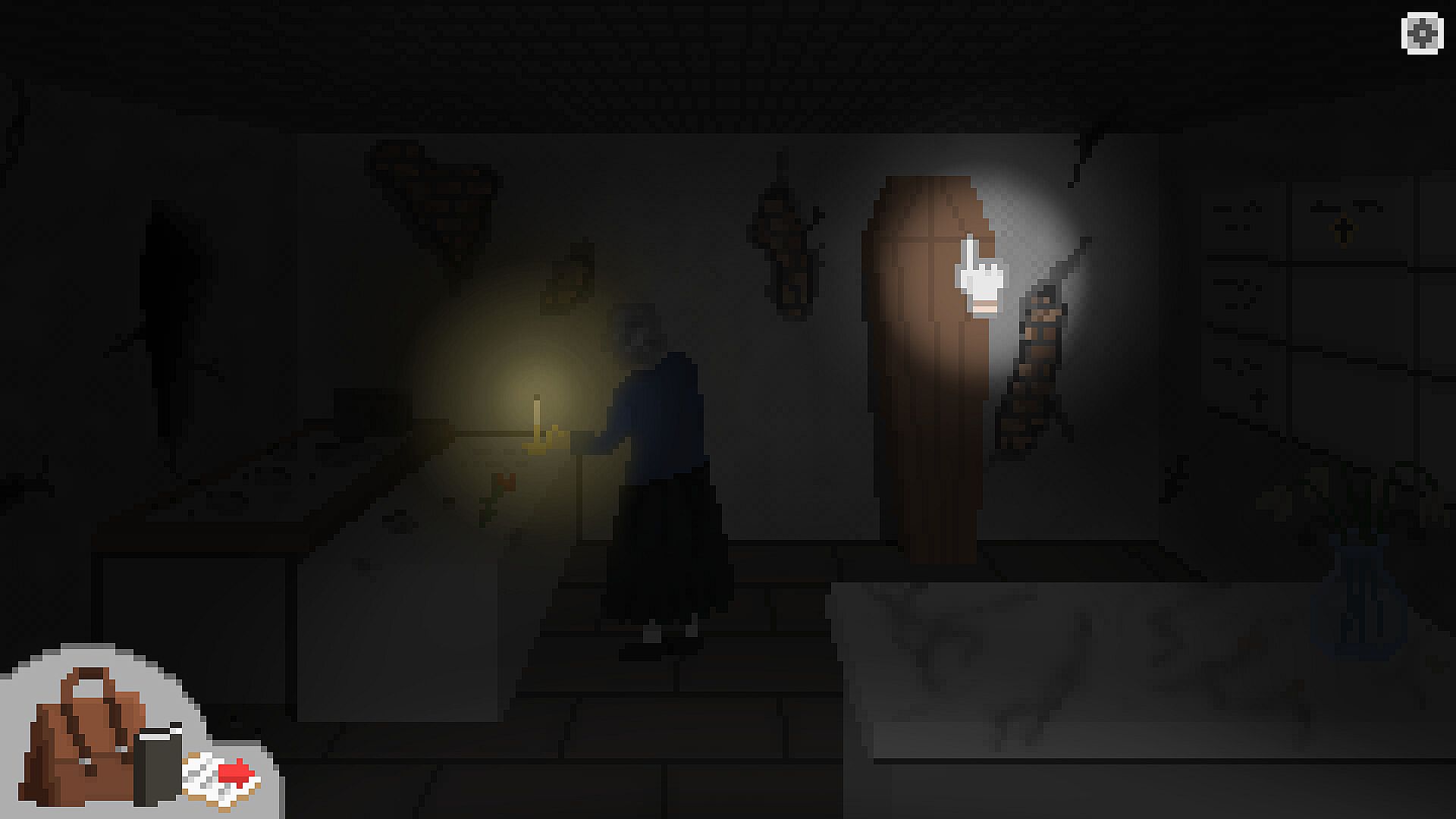
Mental fortitude plays a central role, as the eerie atmosphere and graphic nature of the crimes can test resolve. The vanilla scent and heart-removal motif recur across cases, building a sense of dread that ties individual investigations into a larger horror narrative. Progression hinges on piecing together disparate clues without assistance, rewarding persistence and attention to detail over trial-and-error mechanics.
Game Modes
Heart Harvest operates as a single-player experience structured around sequential murder investigations. Each case functions as a self-contained puzzle that builds toward revealing the overarching threat. There are no separate competitive or cooperative modes; the focus remains on solitary detective work across multiple scenes.
Players move between crime locations, suspect interviews, and chief briefings in a linear yet open-ended fashion within each case. The absence of hand-holding means every session emphasizes personal note-taking and independent reasoning to reach conclusions. This structure suits extended play sessions where individuals can pause to review their findings before submitting answers.
Story and Atmosphere
The backstory of Arthur's family tragedy provides motivation that resonates through every investigation. The recurring vanilla scent and mutilated victims create a consistent thread of horror that elevates the procedural elements. Exploration encourages thoroughness, with players peering into confined spaces and hidden areas to locate critical evidence that might otherwise be overlooked.
Dialogue with suspects reveals inconsistencies that must be cross-referenced with physical findings. The game avoids explicit tutorials, instead letting the weight of unanswered questions drive forward momentum. This approach fosters a sense of genuine discovery as patterns emerge across cases.
Is It Worth Playing?
Heart Harvest appeals to players who enjoy deduction-heavy adventures and are comfortable managing their own investigative records without external guidance. The emphasis on independent clue gathering and question-answering creates a focused experience for those who value logical reasoning over action or guided narratives.
Its indie casual adventure style makes it accessible for shorter sessions, though the lack of assistance may extend playtime for thorough investigators. The personal stakes in Arthur's history add emotional weight to the procedural work. Those drawn to atmospheric mystery solving with a horror undertone will find the core loop engaging, while players seeking more structured support or varied gameplay options may prefer titles with different approaches.