

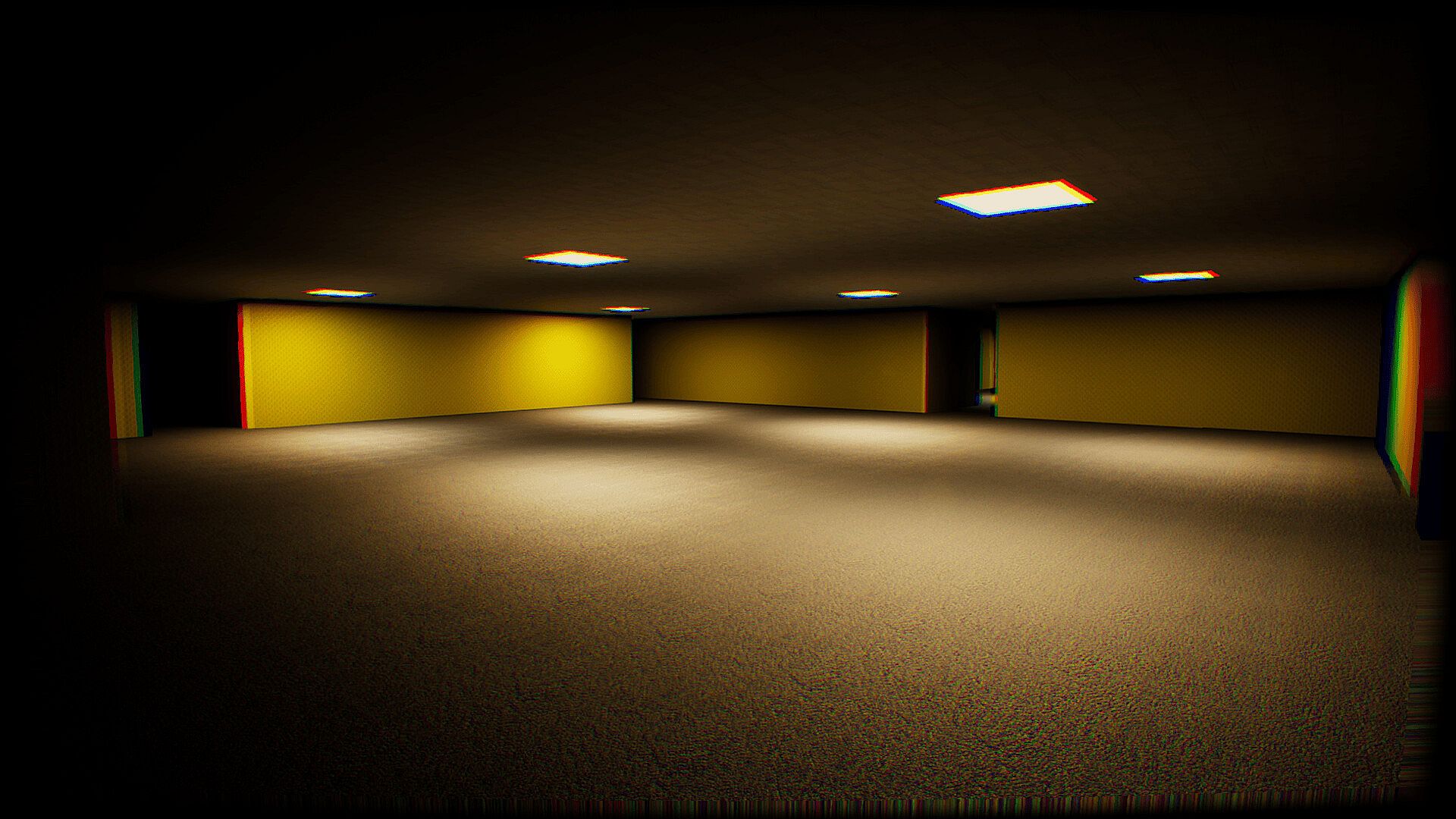
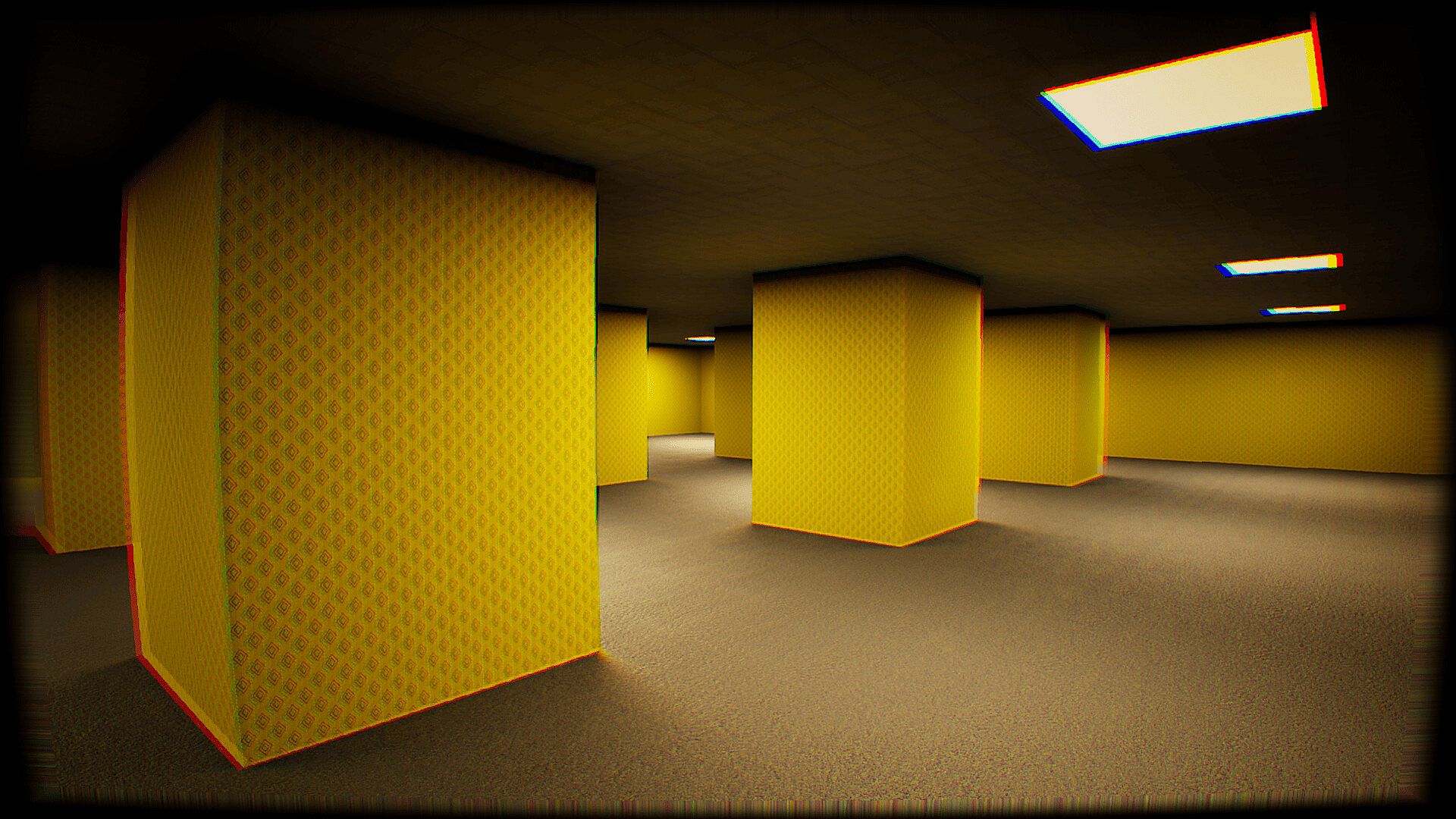
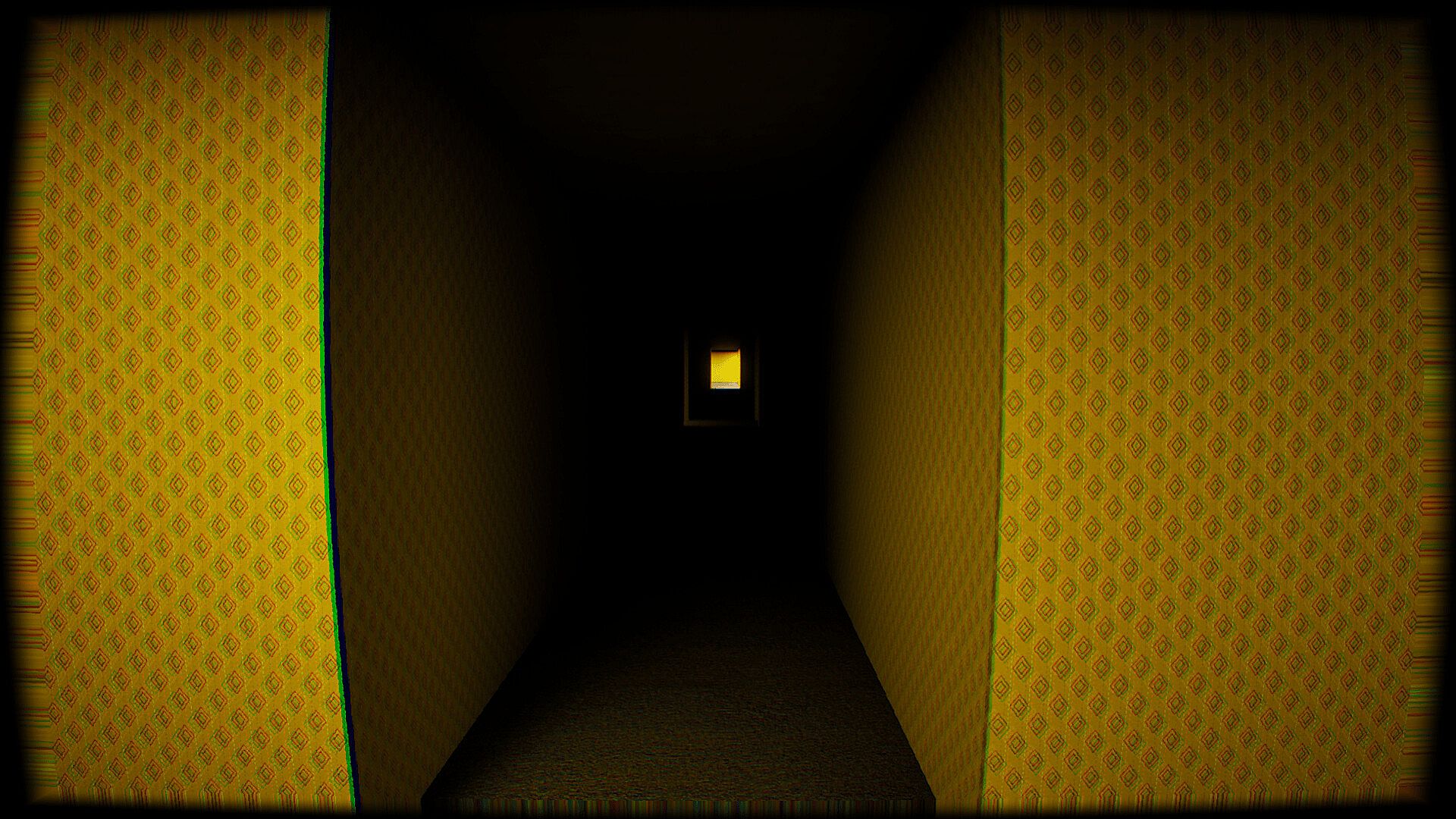
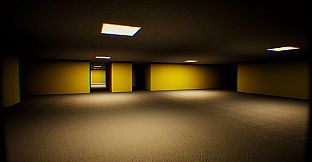
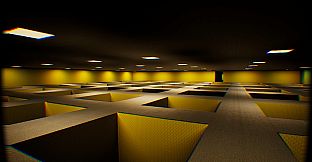
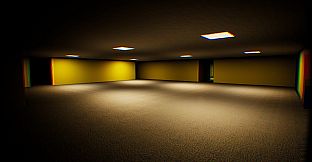
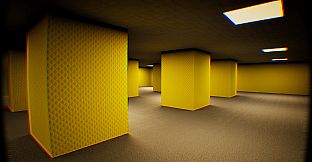
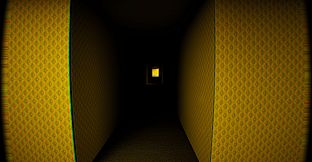
Hazard Crew is a first-person bodycam horror game focused on scavenging in procedurally generated sites. Players contract with Hazard Recovery Co. to explore unmapped interiors, recover objects, and return for grading based on rarity. The experience emphasizes tension from limited visibility, sound cues, and repeated decisions about how far to push into the unknown. Built as an indie title in early access on PC, it supports both solo runs and online co-op with up to four players.
Gameplay
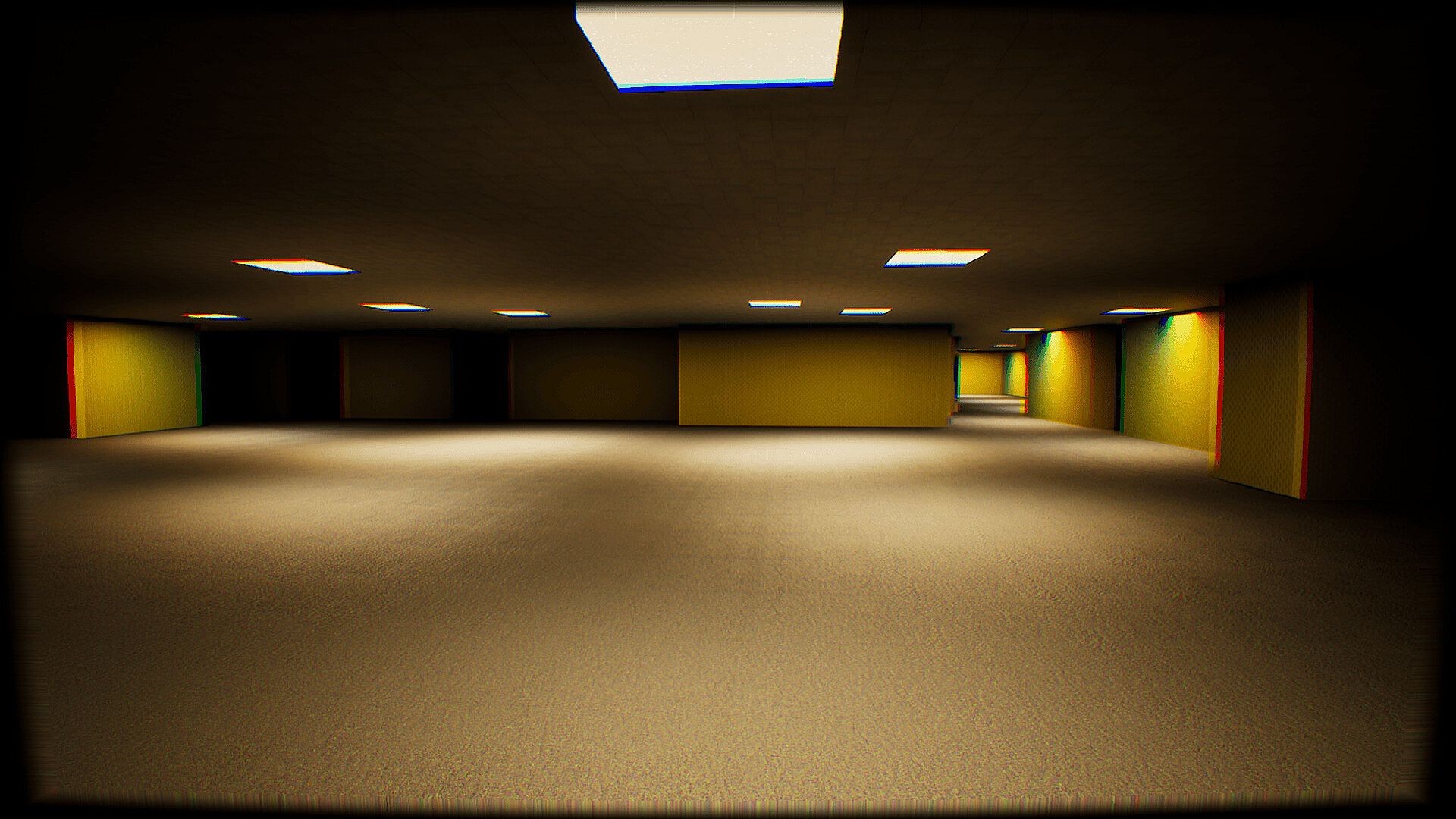
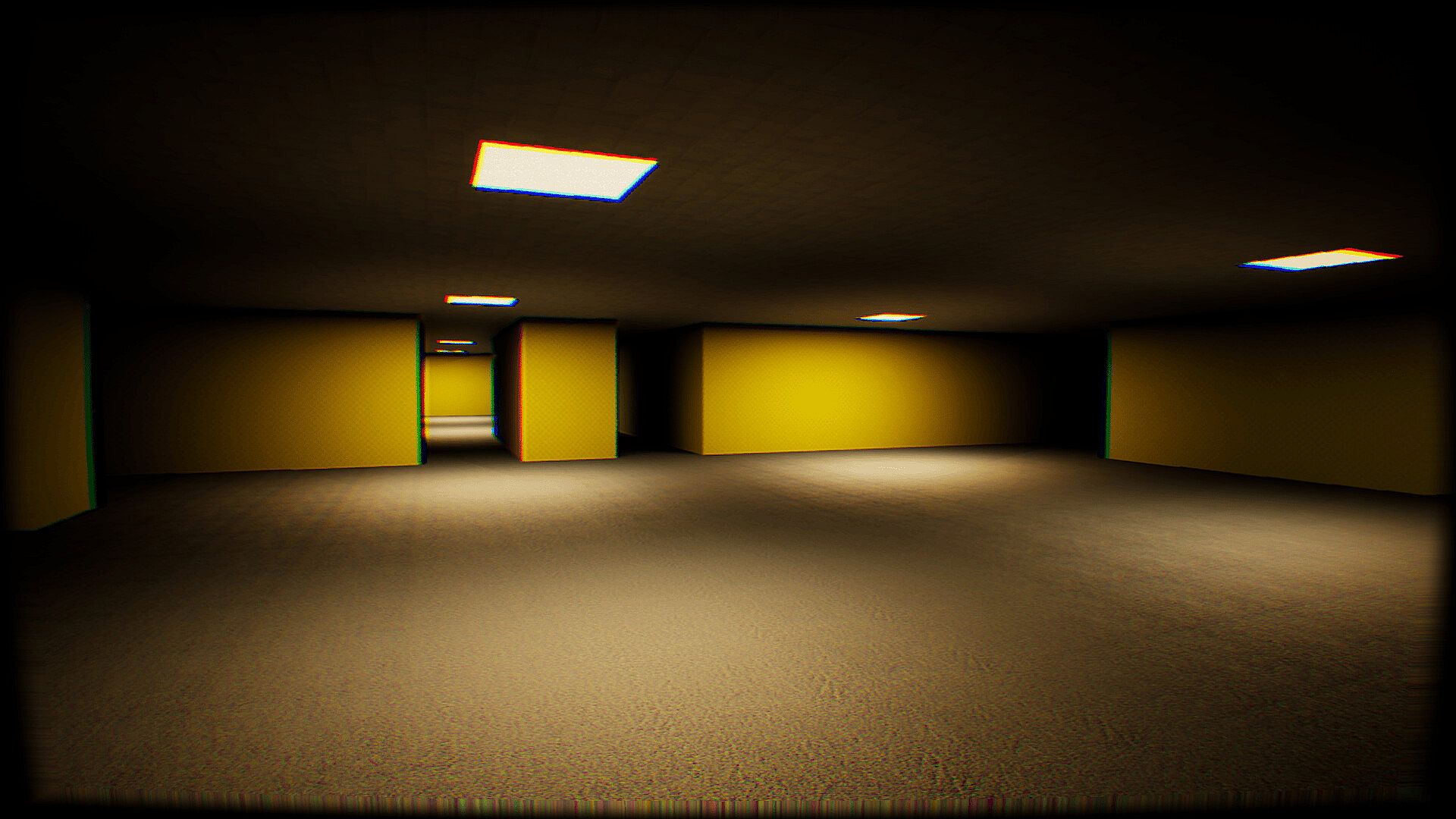
The core loop centers on descending into freshly generated layouts of rooms and corridors. Each shift begins with basic equipment: a flashlight for illumination and a bodycam that records the descent. Movement options include walking or sprinting, while most spaces lack functional lighting. Players listen for audio details such as the hum of powered fluorescents or changes in footsteps on different surfaces to maintain orientation and detect shifts in the environment.
Object collection drives progression and payout. Items surface with the player and receive grades based on uniqueness, with common materials yielding minimal returns and rarer finds commanding higher compensation. Power failures can occur mid-run, plunging sections into complete darkness and forcing reliance on the flashlight or stillness until systems restore. Deeper exploration increases both potential reward and exposure to disorientation, creating a persistent risk-reward tension without external threats or combat systems.
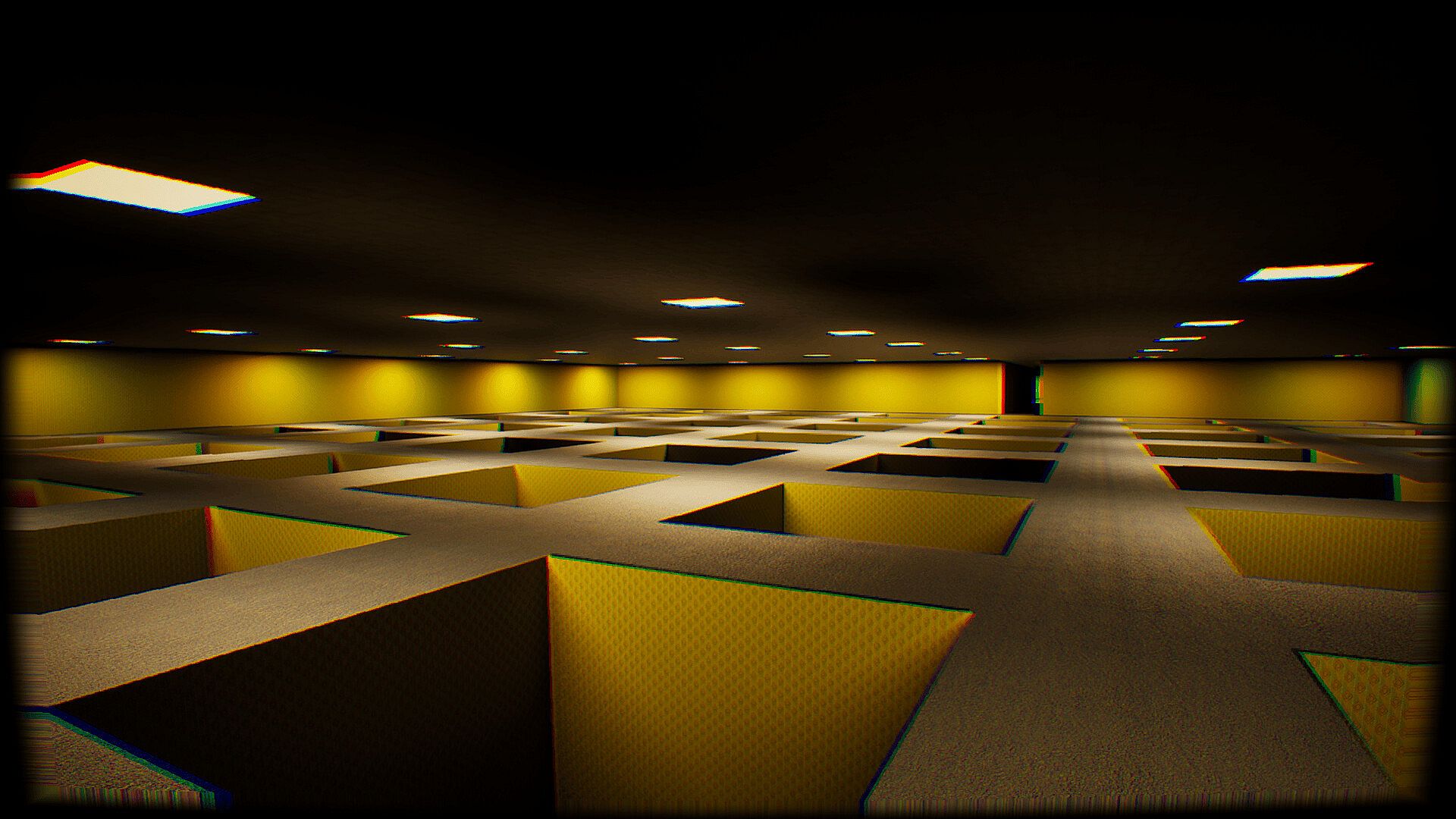
Procedural generation ensures no two descents share the same layout. Corridors, dead ends, and room configurations change each time, eliminating the possibility of memorizing paths. This system extends to lighting states and audio positioning, reinforcing the need to adapt on every run rather than rely on prior knowledge.
Game Modes
Hazard Crew operates through its central scavenging runs, available in single-player or online co-op formats. Solo sessions place full responsibility on one contractor for navigation, collection, and extraction decisions. The co-op option allows teams of two to four to coordinate movements and share the load of deeper pushes, though the procedural nature means communication and awareness remain essential regardless of group size.
No separate competitive or story-driven modes exist. All play revolves around the same extraction objective, with difficulty scaling naturally through how far players choose to venture before turning back. The early access version focuses on refining this unified experience through player feedback on generation quality and pacing.
Atmosphere and Systems
Sound design plays a central role in navigation and tension. Distinct audio layers help players identify powered rooms versus dead zones, while the absence of expected noises can signal changes in the site. Dynamic lighting interacts with these cues, as failing power removes visual landmarks and heightens dependence on audio and the limited flashlight beam.
Grading mechanics reward selective risk-taking. Surface-level finds provide steady but low returns, while committing to additional corridors offers access to higher-grade items that justify the increased time and uncertainty. The bodycam presentation frames every action as observed footage, adding a layer of detachment that suits the contractor role without altering core controls.
Is It Worth Playing?
Hazard Crew targets players who enjoy atmospheric first-person horror built around exploration and procedural variety rather than action or combat. The early access build delivers a complete core loop of site generation, object recovery, and extraction, with planned expansions including additional room types, responsive threats, and between-run progression.
With no user reviews available yet and a planned full release in September 2026, the title remains in active development by a solo studio. Those drawn to tension from darkness, sound-based awareness, and repeated high-stakes choices in co-op or solo formats may find value in participating during early access. Others preferring polished, feature-complete experiences should monitor updates as the procedural systems and content variety expand.