

















Guilty or Not is a single-player simulation game that places players in the role of investigator, interrogator, and final decision-maker in criminal cases. The core experience revolves around piecing together evidence from crime scenes, digital records, and personal testimonies to determine whether a defendant is guilty or not. Built around careful observation and logical deduction, the title emphasizes how small details can shift the entire direction of an investigation.
Gameplay
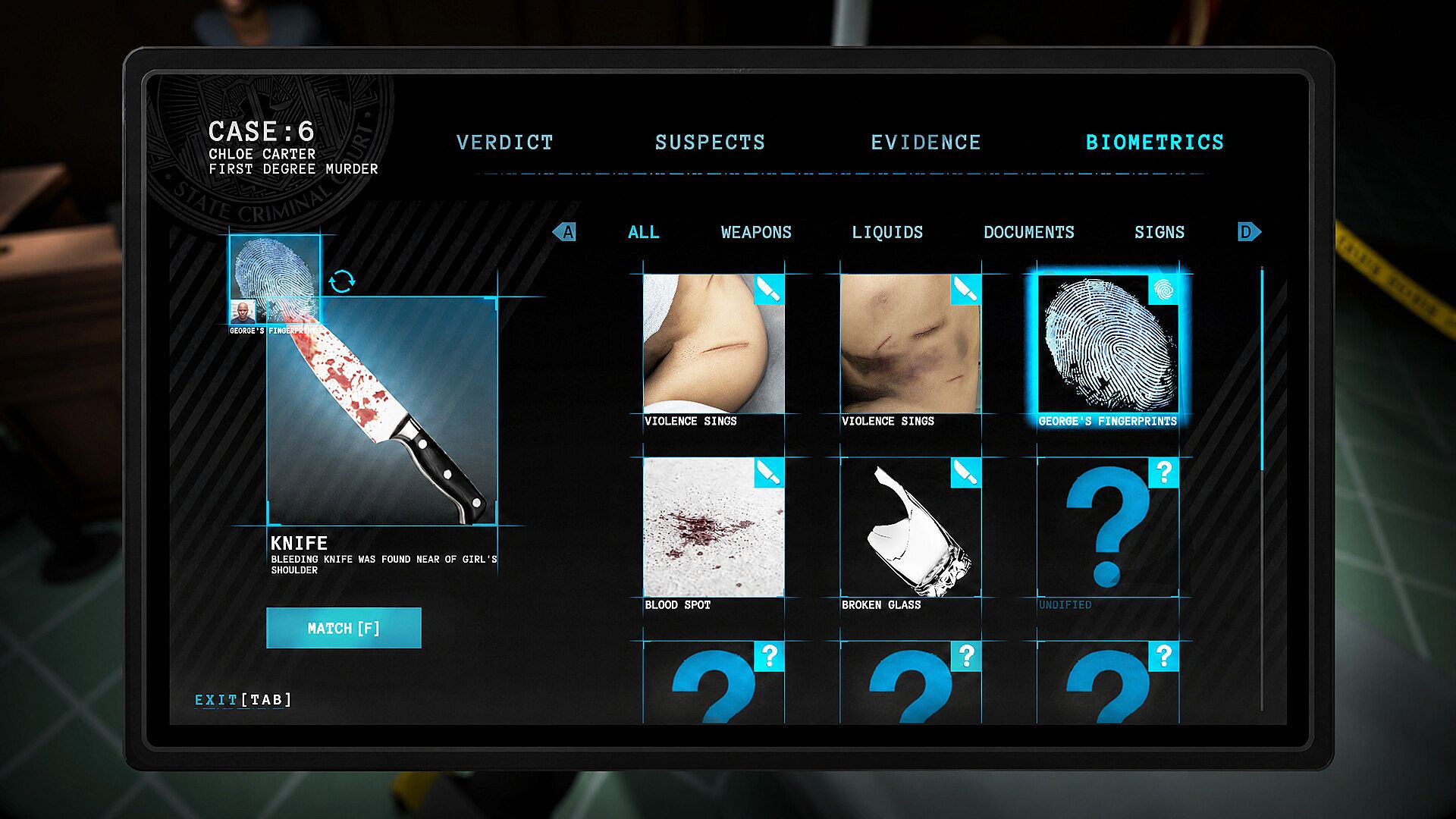
The gameplay centers on reconstructing events through multiple layers of analysis. Players examine victims' bodies using forensic tools to identify causes of death and potential motives. Physical evidence must be collected and cross-referenced with case files, while secured devices require careful extraction of hidden data. Every clue contributes to building a timeline, and inconsistencies in witness statements become key points for further questioning.
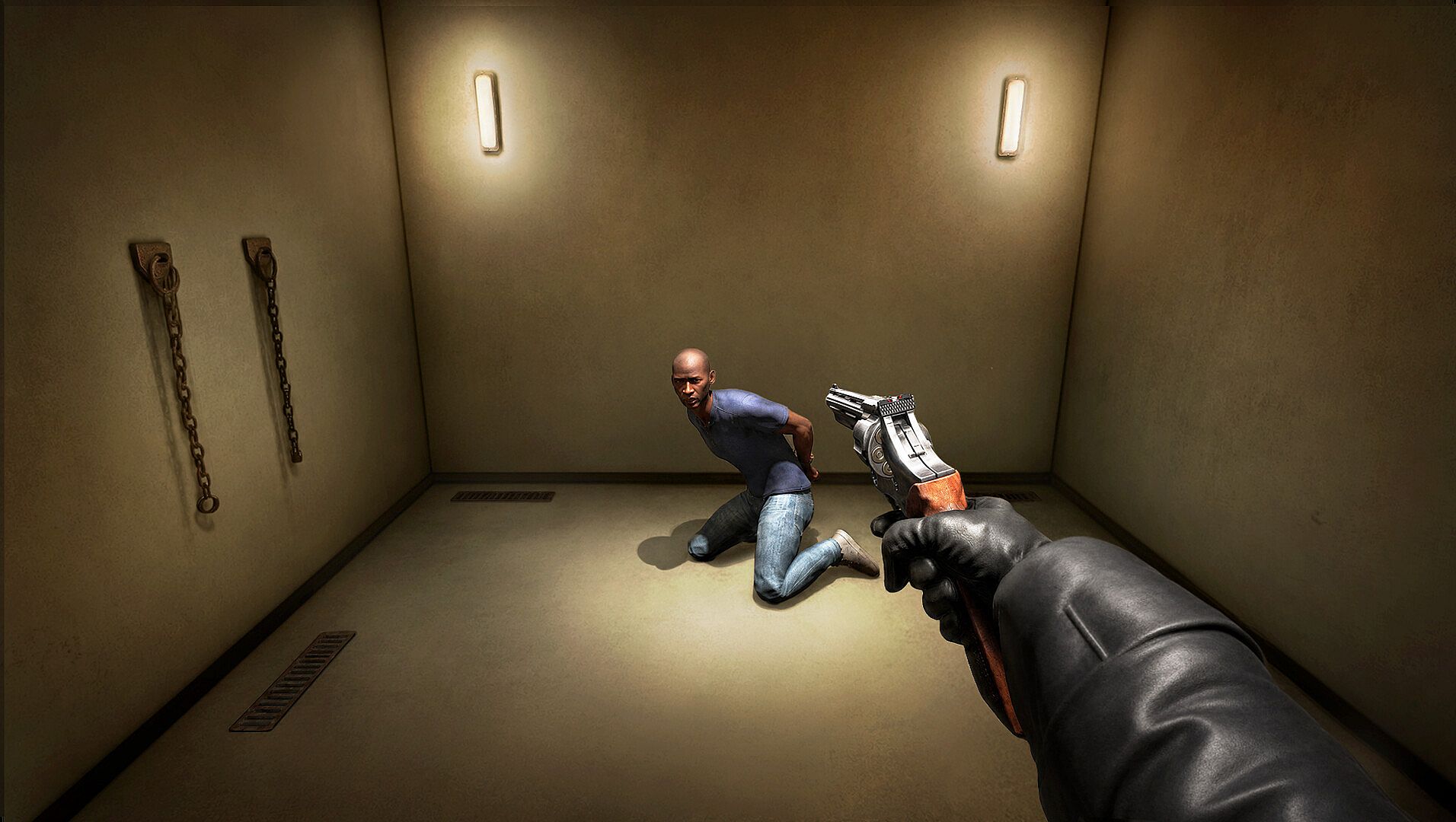
Interrogation forms another major pillar. Approaches range from calm persuasion to more direct pressure, with each defendant or witness responding differently based on the chosen tactic. Success depends on asking precise questions that expose contradictions or reveal new information. The process evolves as new facts emerge, forcing players to adapt their strategy and revisit earlier assumptions.
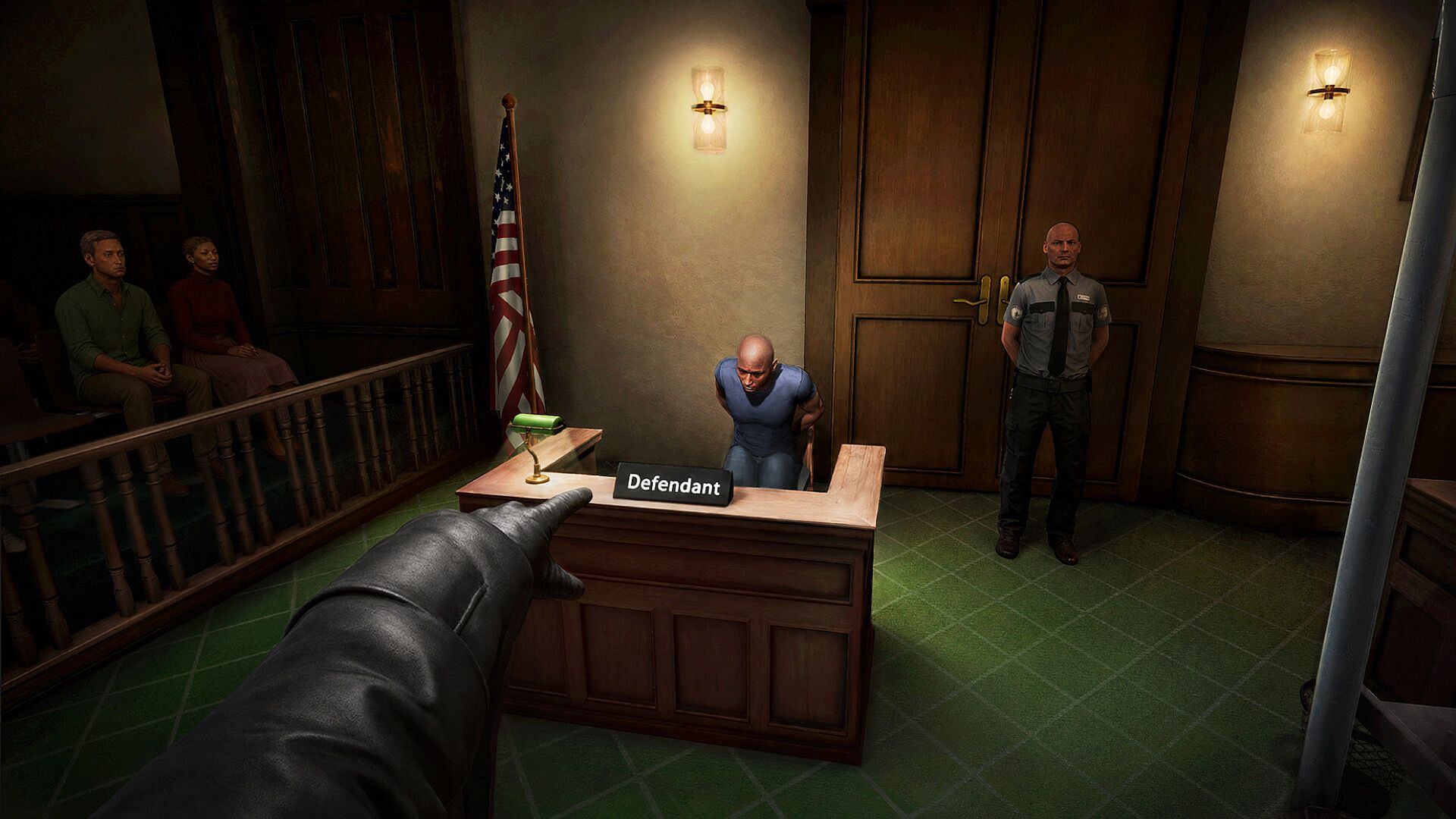
Threats add tension to the proceedings. Bribery attempts, death threats, and potential violence require constant vigilance, as trusted sources may turn unreliable. Decisions made during investigation and questioning directly influence the final courtroom phase, where the player delivers a verdict after weighing all collected evidence.
Game Modes
Guilty or Not operates entirely as a single-player experience with no separate multiplayer or competitive modes. The primary structure follows a case-by-case progression through investigation, interrogation, evidence synthesis, and verdict delivery. Each case presents its own set of physical clues, digital records, and human interactions that must be navigated without external assistance or co-op elements.
Progression relies on the player's ability to connect facts across different evidence types. There are no branching side activities or alternate game types beyond the central loop of deduction and decision-making. The absence of additional modes keeps the focus narrow on forensic reconstruction and courtroom judgment.
Key Mechanics
Evidence handling combines physical examination with digital forensics. Players review bodies, case documents, and device contents to reconstruct event sequences. Deduction tools allow timeline building and inconsistency detection, turning raw data into a coherent narrative that supports or challenges accusations.
Interrogation mechanics reward attention to detail. Different questioning styles produce varied responses, and follow-up questions can uncover lies or hidden motives. The system encourages thorough exploration rather than rushed conclusions, as overlooked details may surface later and alter the case outcome.
Is It Worth Playing?
Guilty or Not remains in a coming-soon state with no released version or player reviews available at this time. The simulation appeals to those who enjoy methodical evidence analysis and consequence-driven choices in a courtroom setting. Its single-player focus suits players seeking a contained experience centered on deduction rather than action or competition.
System requirements are modest, supporting a broad range of PCs with Windows 10 and basic hardware. The title uses AI for character voices, which aligns with its emphasis on dialogue and interrogation. Potential buyers interested in forensic simulation and verdict-based storytelling may find value once the game launches, particularly if they prefer deliberate pacing over fast-paced mechanics.