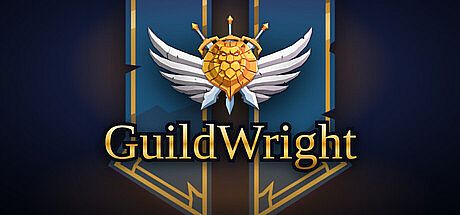


GuildWright is a strategy RPG on PC focused on building and managing a guild of unique adventurers. Players recruit individuals who each bring distinct names, traits, and access to dozens of class paths, then shape how those characters grow through shared experiences and assigned roles.
Gameplay
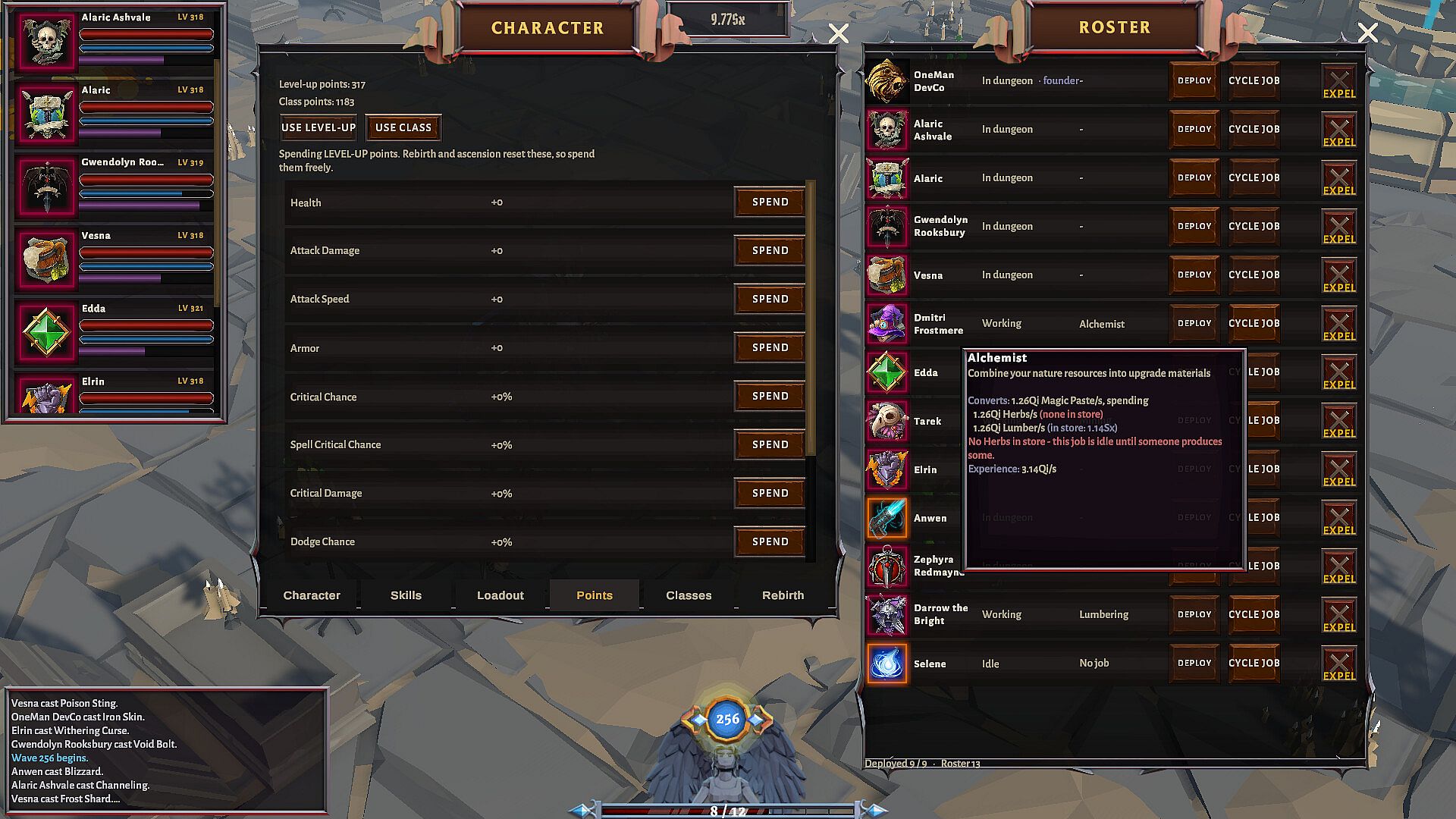
Recruitment starts with adventurers who arrive ready for development across a wide ladder of classes. Time spent together builds personal bonds that deliver combat bonuses when those companions fight side by side. Not every member needs to focus on battle; the guild requires workers who handle tasks that support overall progress. Players assign roles based on strengths, and those who fall short of expectations can be replaced with new recruits. The system keeps every decision in the player's hands as they expand and refine their roster.
Skill options expand through five active slots per character, filled from more than one hundred available abilities. Each skill includes its own upgrade tree that supports changes such as adding splash damage, chaining effects, applying burns or slows, or reducing costs and cooldowns. Echo effects allow double casting on favored abilities. The same flexibility applies to buffs and healing skills, letting players craft builds that match preferred play styles across a large roster of customizable characters.
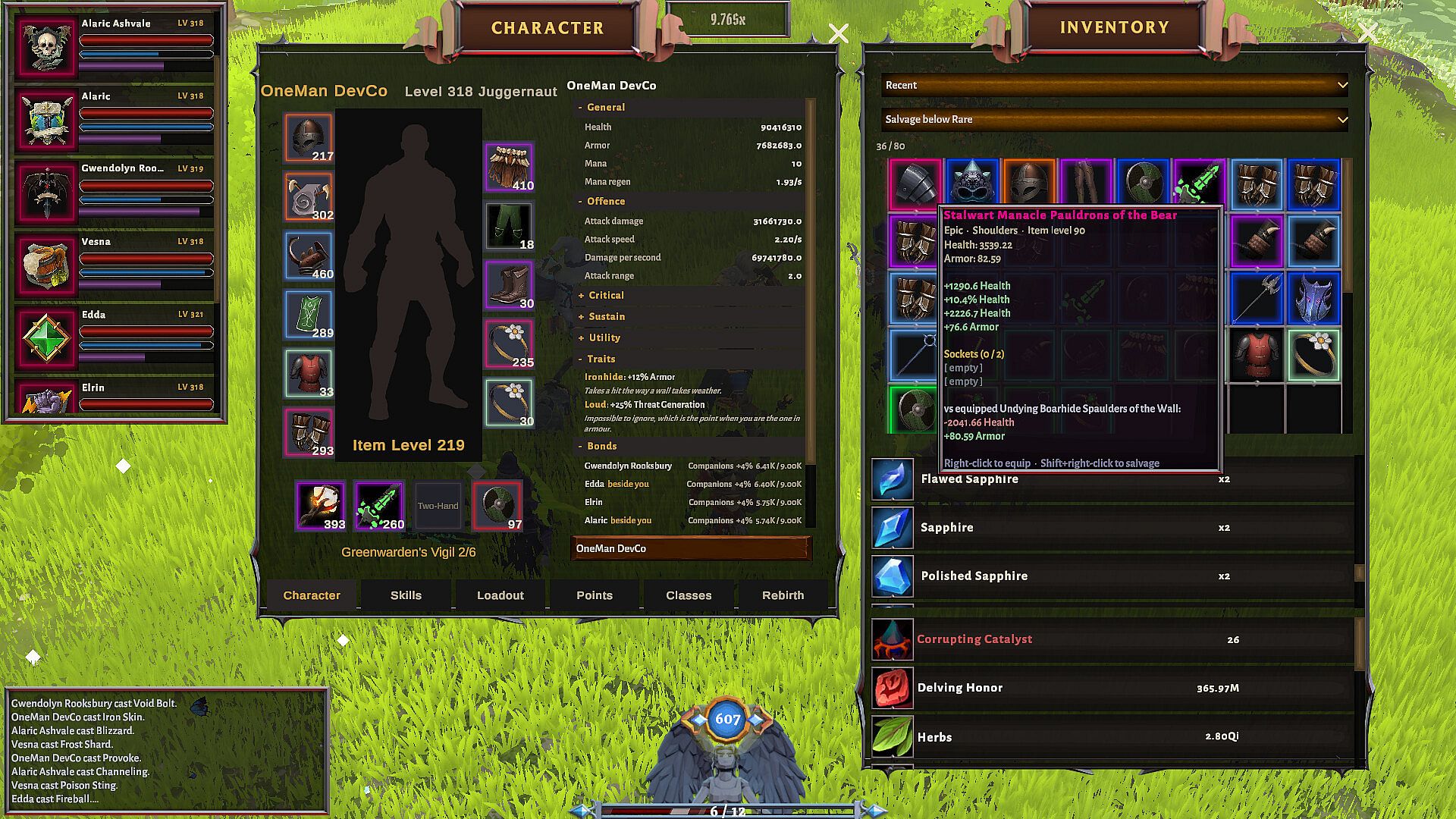
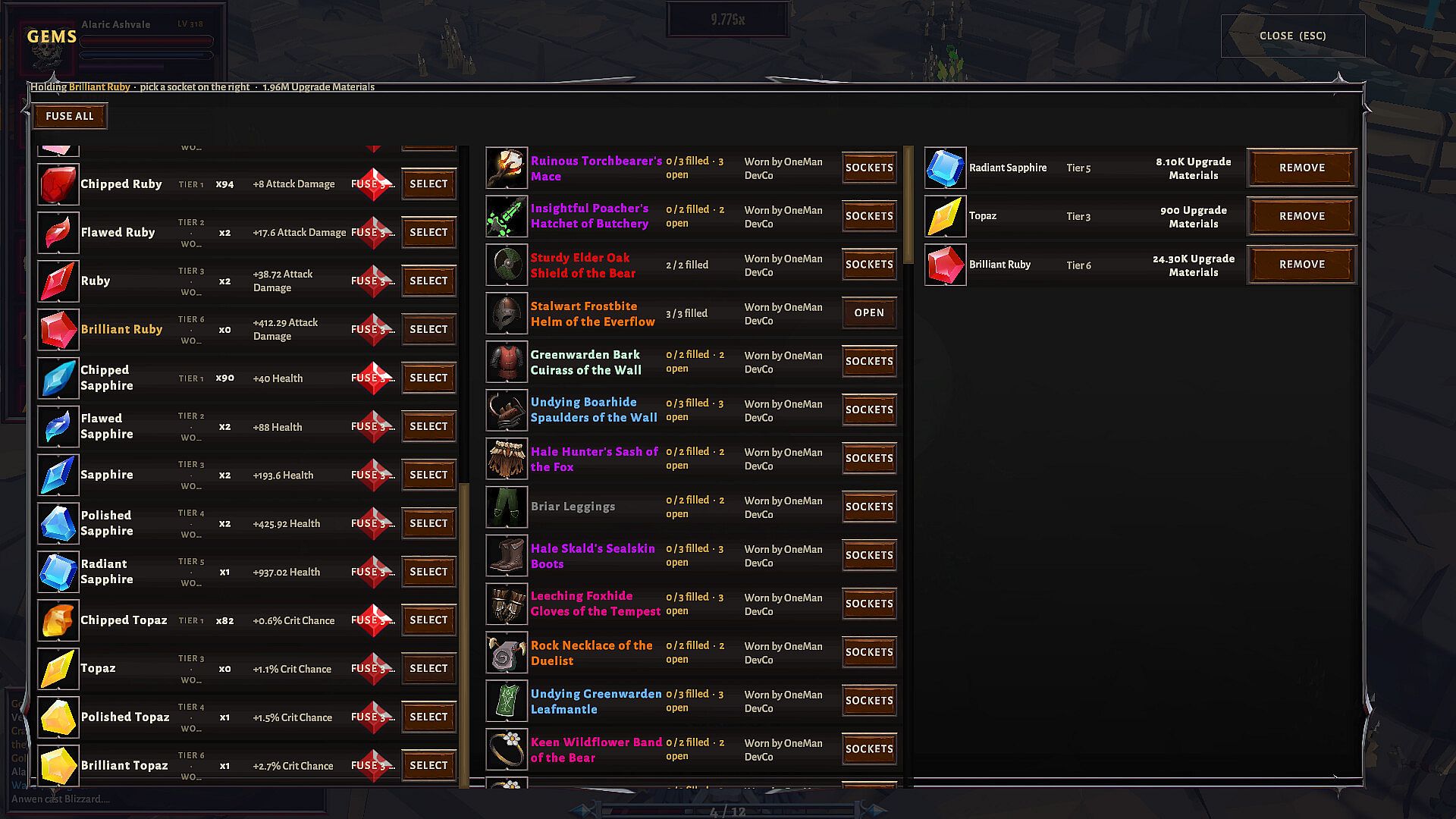
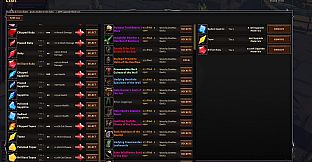
Formations add another layer of preparation. The deployment grid scales with party size, supporting everything from solo adventures while the rest of the guild works on tasks to full groups of twenty for larger efforts. Gear drops frequently, with hundreds of items and multiple sets available. Sockets, gems, enchanting, and corruption options let players push individual pieces further when desired.
Game Modes
Raids require direct attention with telegraphed boss attacks and positioning that matters in real time. Players issue orders during these encounters, which scale from small groups of five to larger parties of twenty. Rewards scale with the effort invested.
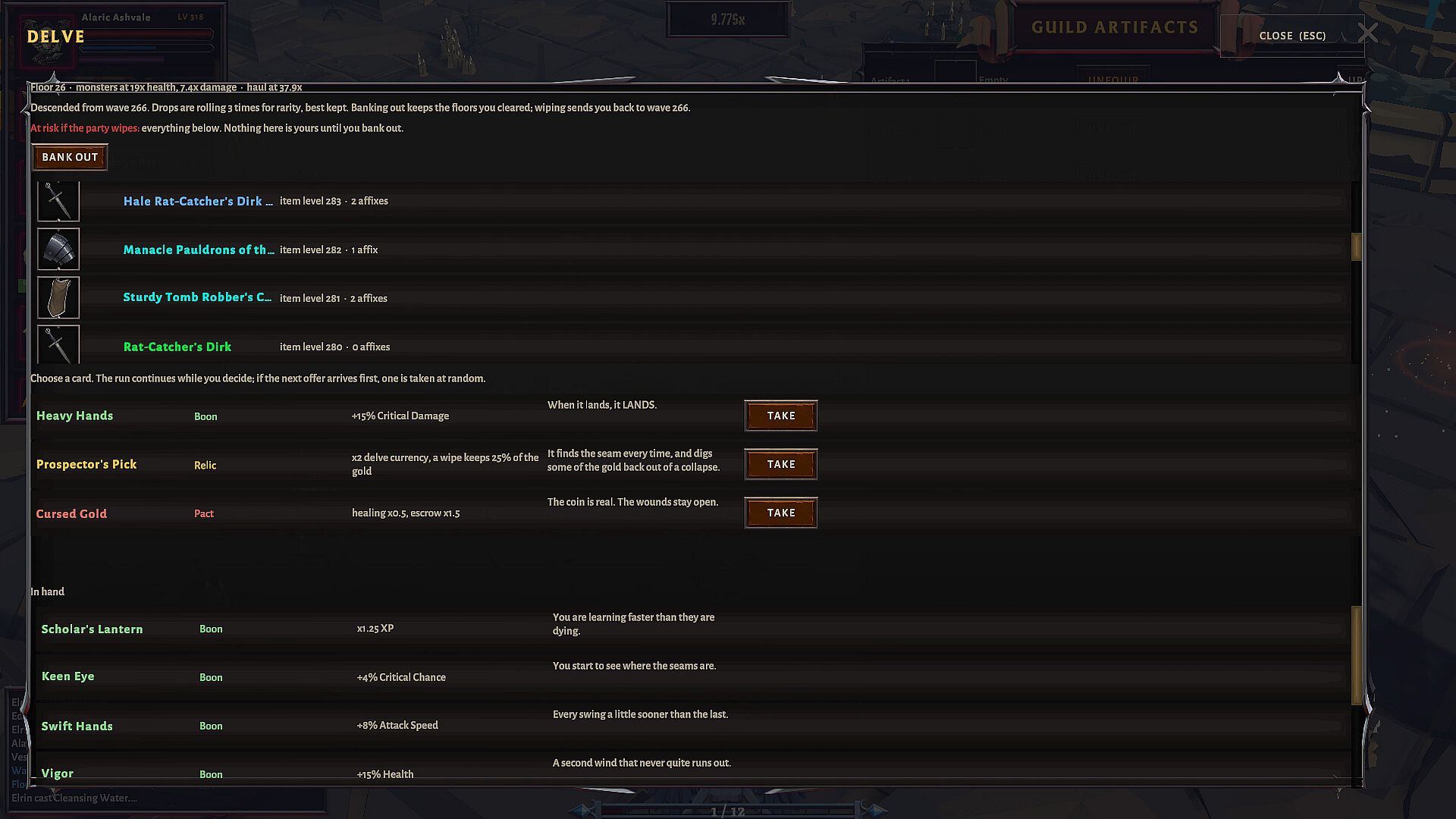
Delves function as a risk-and-reward system. Players descend floor by floor, claiming a card every third level that offers a boon, pact, or relic. Progress depends entirely on what the party survives with, encouraging decisions about how far to push before returning.
Expeditions send guild members away for set durations of eight hours, a full day, or three days. Players choose targets such as gear, gold, materials, or currencies. Members return with journals detailing events on the road, and rewards vary based on outcomes. Supporting roles like scouts speed up expeditions, workers gather resources for upgrades, and quartermasters extend offline time when real-life schedules interfere.
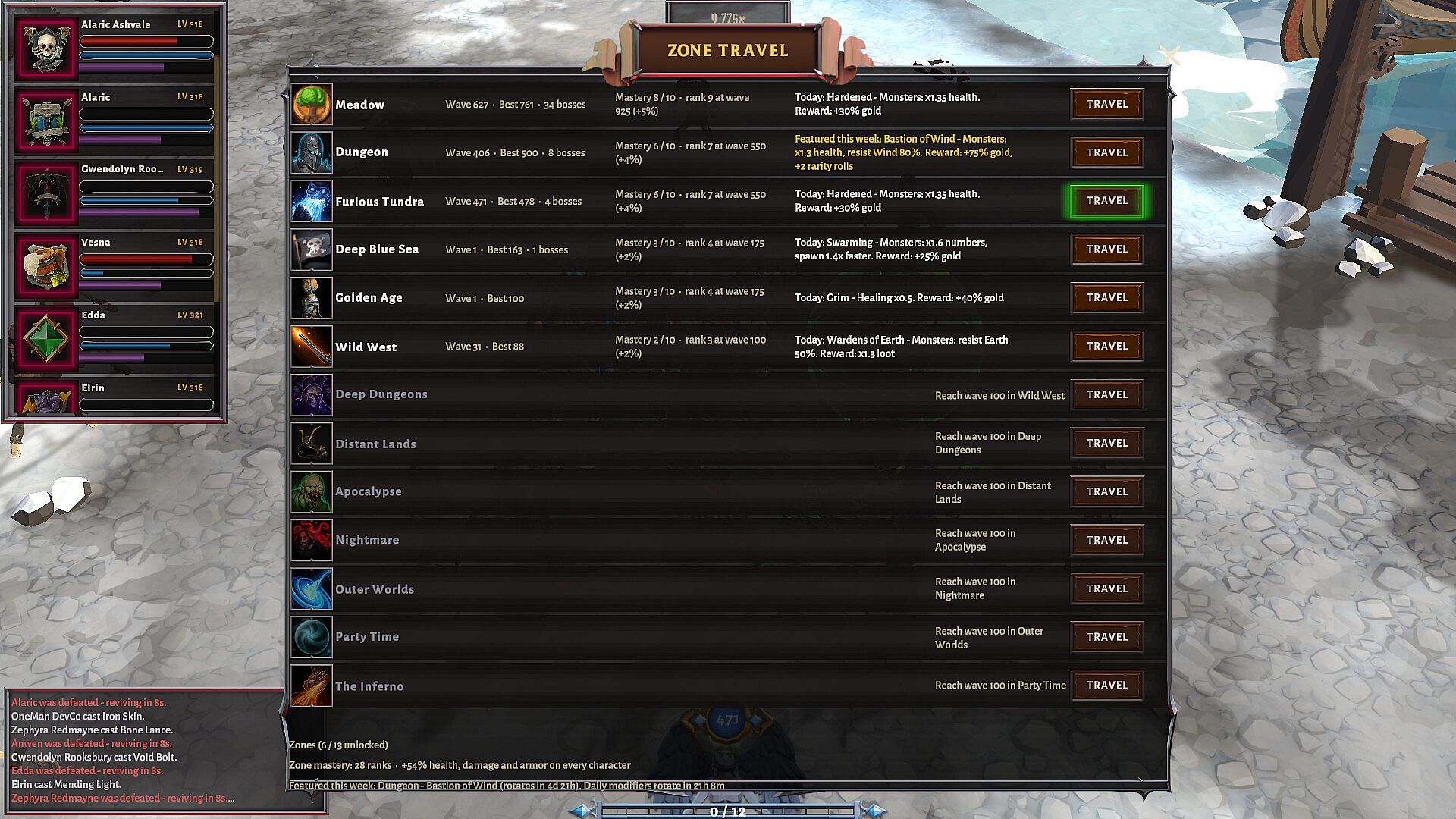
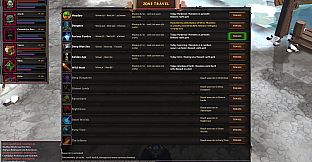
Zones operate across more than a dozen distinct worlds, each with unique monsters, loot, and bosses that drop artifacts and set pieces. Progress continues even when the game is closed, and daily modifiers plus weekly bonuses refresh the experience. Achievements and boosts from one world carry forward to others, while players can revisit completed zones or move to new ones as desired.
Progression and Customization
Everything ties into long-term guild growth. Bonds formed between adventurers provide ongoing advantages, while job assignments keep non-combat members productive. Skill trees and gear systems allow repeated refinement of individual characters and the overall party. The deployment grid and formation options ensure that party composition adapts as the guild expands. Offline systems maintain momentum through daily goals and weekly contracts, so the guild advances between play sessions.
Is It Worth Playing?
GuildWright suits players who enjoy detailed guild management combined with real-time raid decisions and flexible character building. The mix of offline progress, expedition systems, and deep skill customization supports both short sessions and longer planning periods. Those who prefer hands-on control over a growing roster of named characters with meaningful relationships will find consistent systems to engage with. The variety across raids, delves, and zone exploration provides multiple paths for advancement without requiring constant presence. Players who value choice in how they develop their guild and its members are likely to find the core loop rewarding over repeated play.