


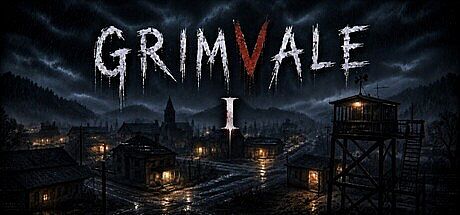


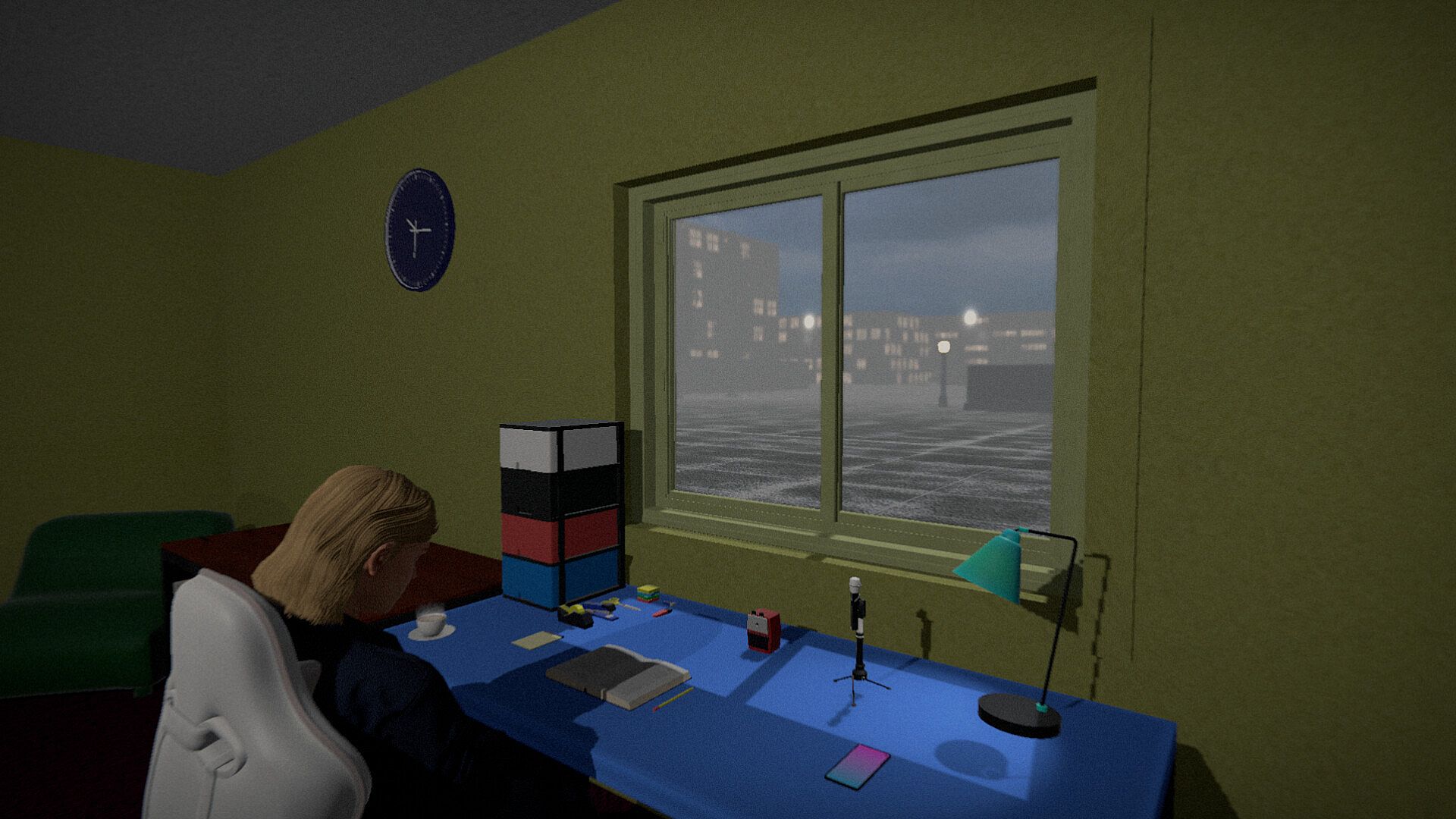


Grimvale I is a psychological horror adventure game developed by a solo creator for PC. Set as the opening entry in a planned four-game series, it follows sixteen-year-old Aral as he wakes to an empty house, learns of his father's arrest for murder, watches his sister depart, and receives mysterious notes that draw him into an unresolved family darkness. The experience unfolds through first-person exploration and dialogue choices that shape the final scene in one of three distinct conclusions.
Gameplay
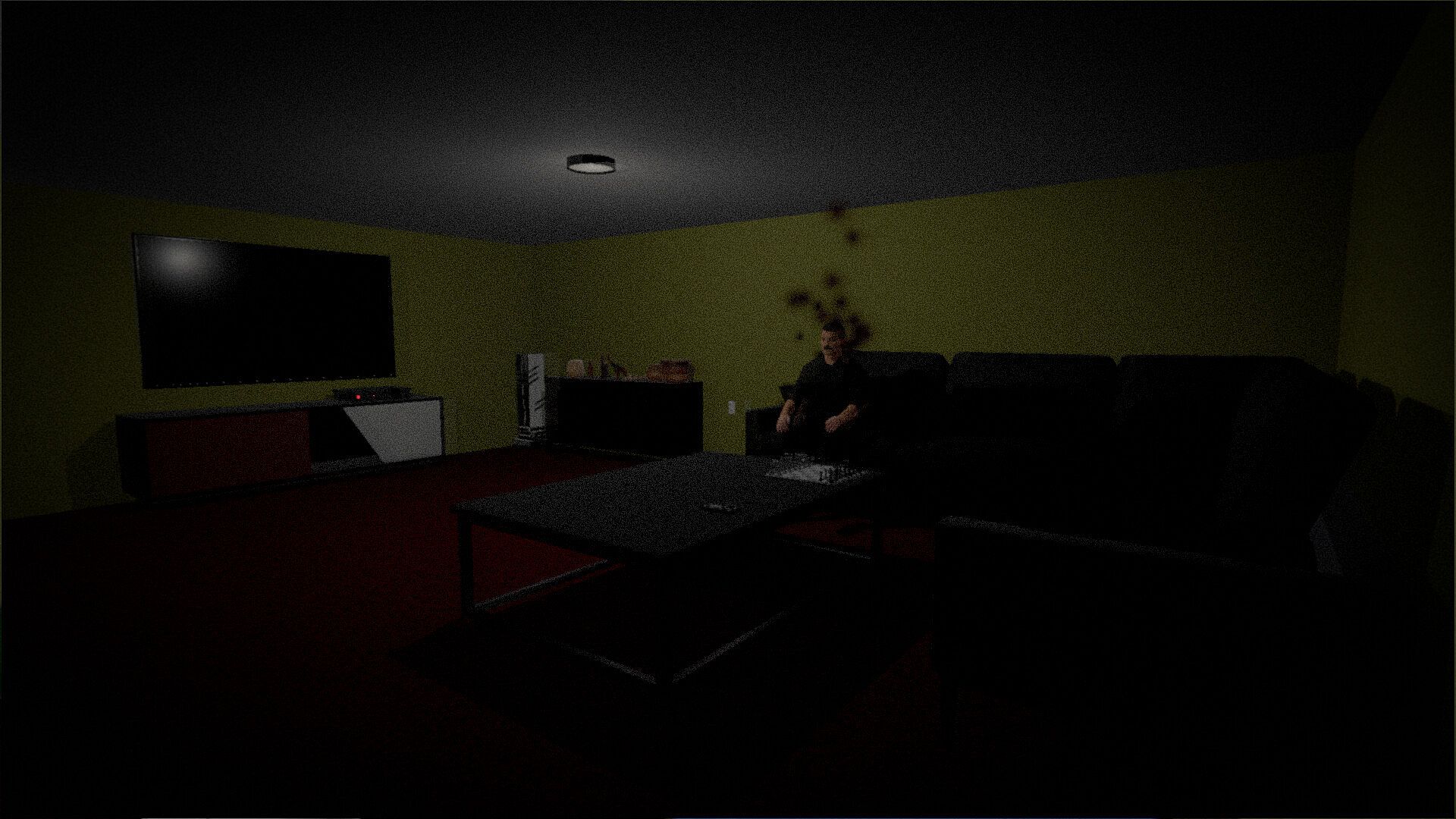
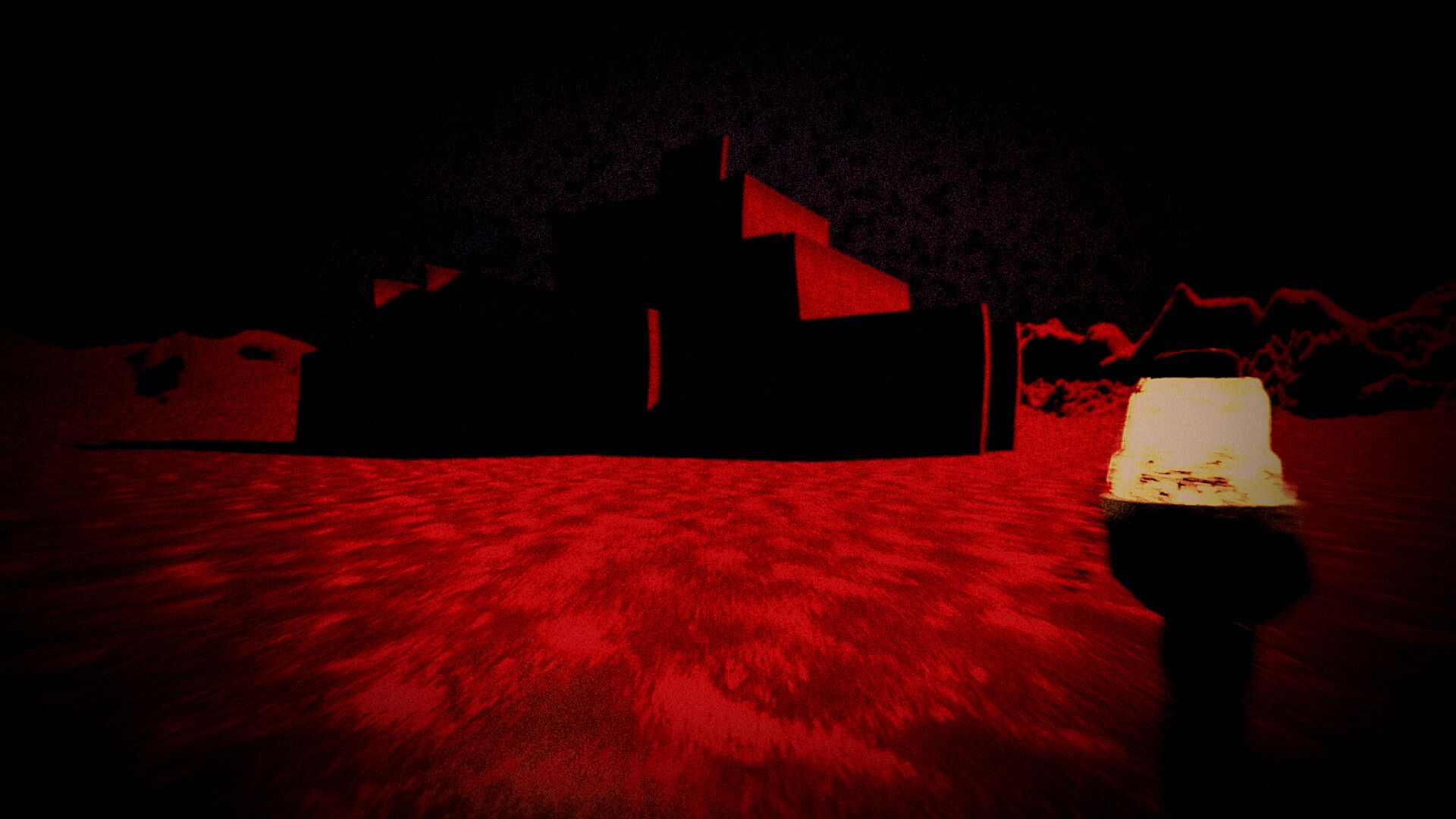
Players navigate Grimvale I from a first-person perspective, moving on foot, running, jumping, and interacting with objects throughout a stylized 3D environment. A flashlight becomes essential once darkness sets in, limiting visibility to the beam's reach and leaving the surrounding space to the imagination. Item collection forms a core activity, though locations remain unguided and must be discovered through careful searching.
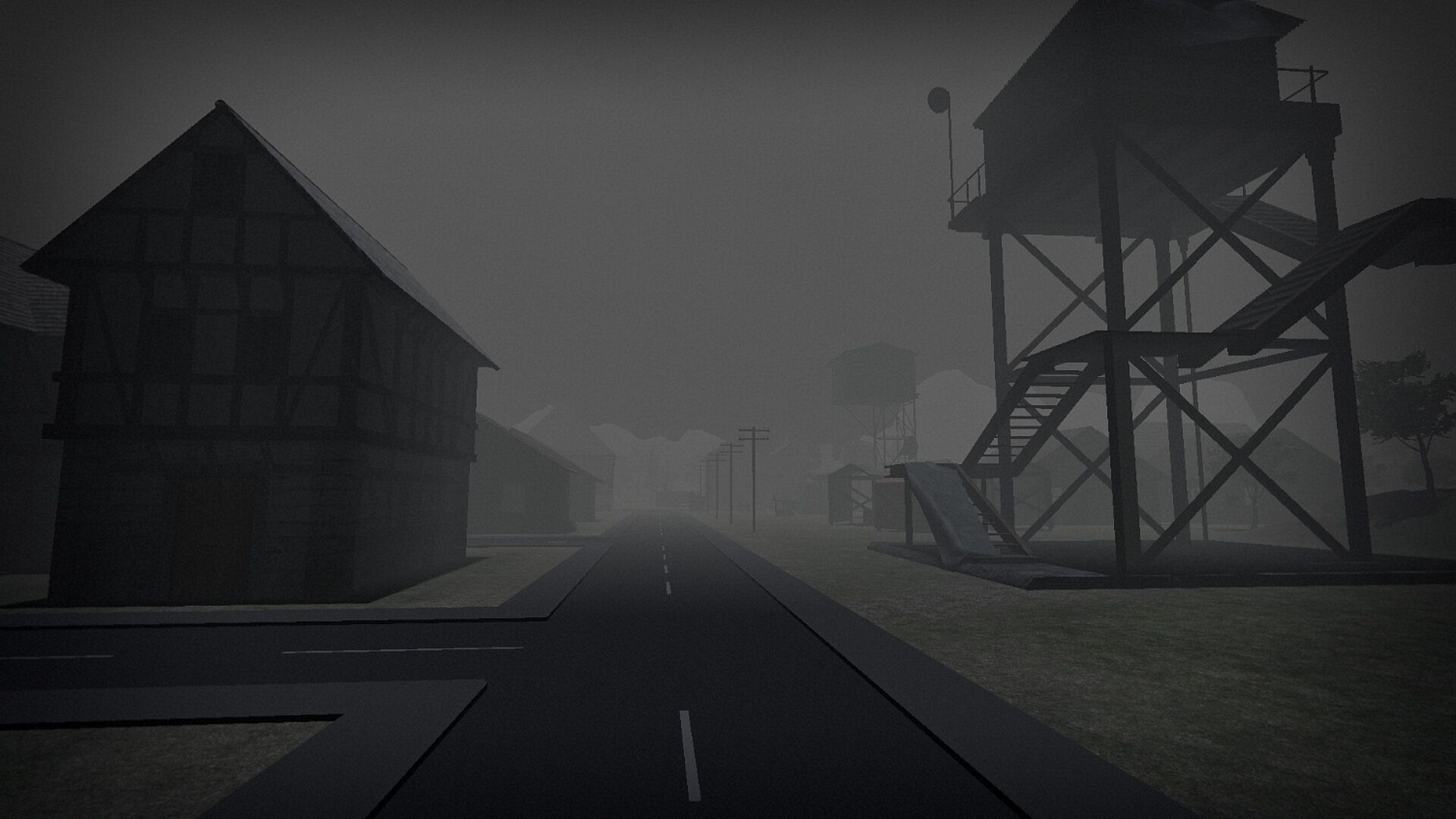
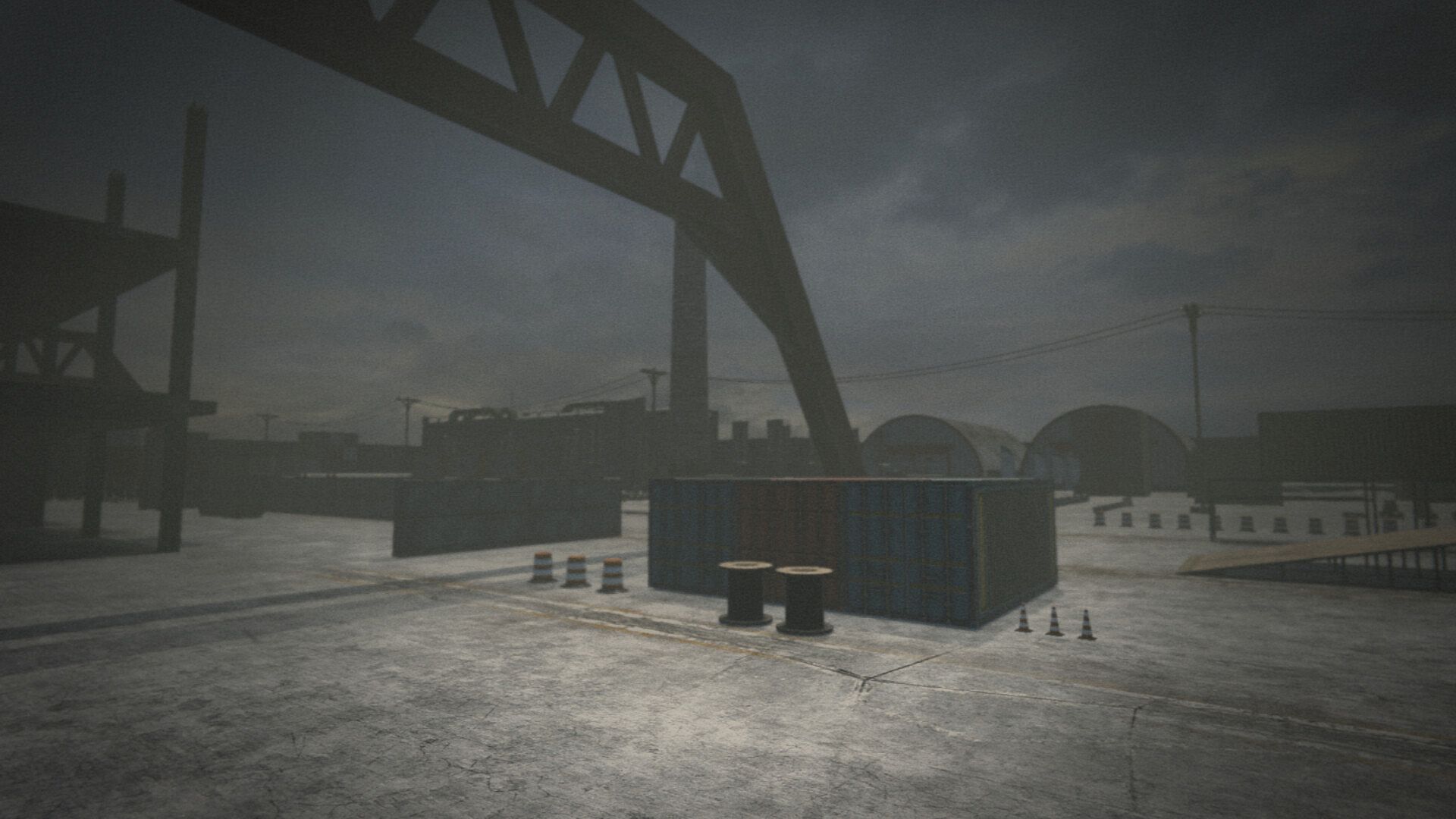
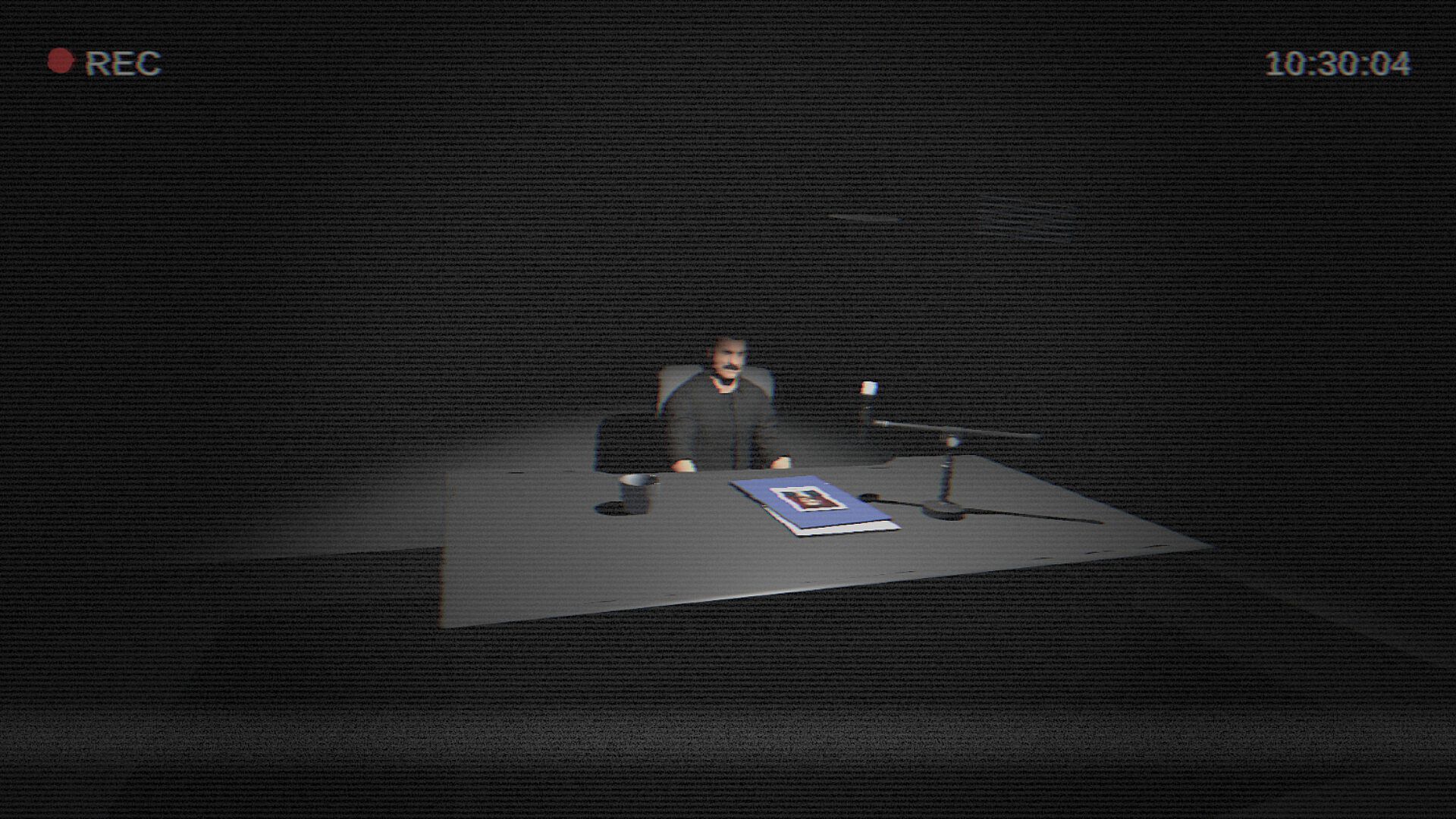
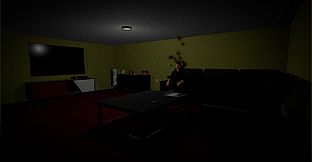
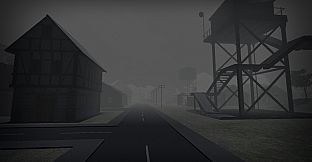
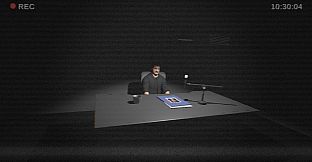
Visual presentation emphasizes atmosphere with film grain, chromatic aberration, and a retro image-processing layer that mimics an old recording. Lighting design prioritizes tension, restricting sightlines in most spaces. Character conversations rely on subtitles paired with classic blip audio cues rather than full voice acting, reinforcing the deliberate retro aesthetic.
The narrative advances linearly yet incorporates player-driven elements through dialogue decisions and attention to secondary details. Journals, notes, and photographs expand the story beyond spoken lines, rewarding observation with additional context that influences the ending. The full experience delivers roughly two hours of story content.
Game Modes
Grimvale I centers on its main story mode, where players uncover family secrets across three days of investigation at an abandoned construction site and related locations. Progress depends on the questions asked and details noticed, directly affecting the single-scene finale and its three possible outcomes.
A separate survival mode stands available for independent play outside the narrative campaign. This mode emphasizes resource management and endurance in the game's atmospheric setting without advancing the primary plot.
Narrative and Themes
The story examines inherited consequences and unspoken family burdens rather than traditional pursuit-based horror. Aral's investigation reveals fragments of information through interrupted conversations, closed notebooks, and hidden photographs, building tension from what remains unsaid. The series concept ties individual entries together through an unpaid debt passed across generations, with each protagonist confronting elements left unresolved by the previous one.
Subtitles and environmental storytelling carry the weight of the tale, encouraging players to piece together events from partial clues. The structure ensures that missed details return in the conclusion, creating a personalized resolution based on thoroughness.
Is It Worth Playing?
Grimvale I suits players who value narrative-driven psychological horror with strong emphasis on atmosphere, observation, and choice consequences over action or combat. The two-hour main campaign and independent survival mode provide focused sessions that reward attention to dialogue and collectibles.
As a solo-developed title, the game benefits directly from player feedback on story branches, pacing, and technical aspects. Those drawn to introspective horror experiences centered on family trauma and incomplete information will find the deliberate pacing and multiple endings engaging. The stylized visuals and sound design support the retro horror tone without relying on voice performances or expansive multiplayer systems.











