


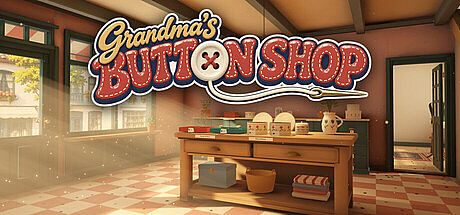


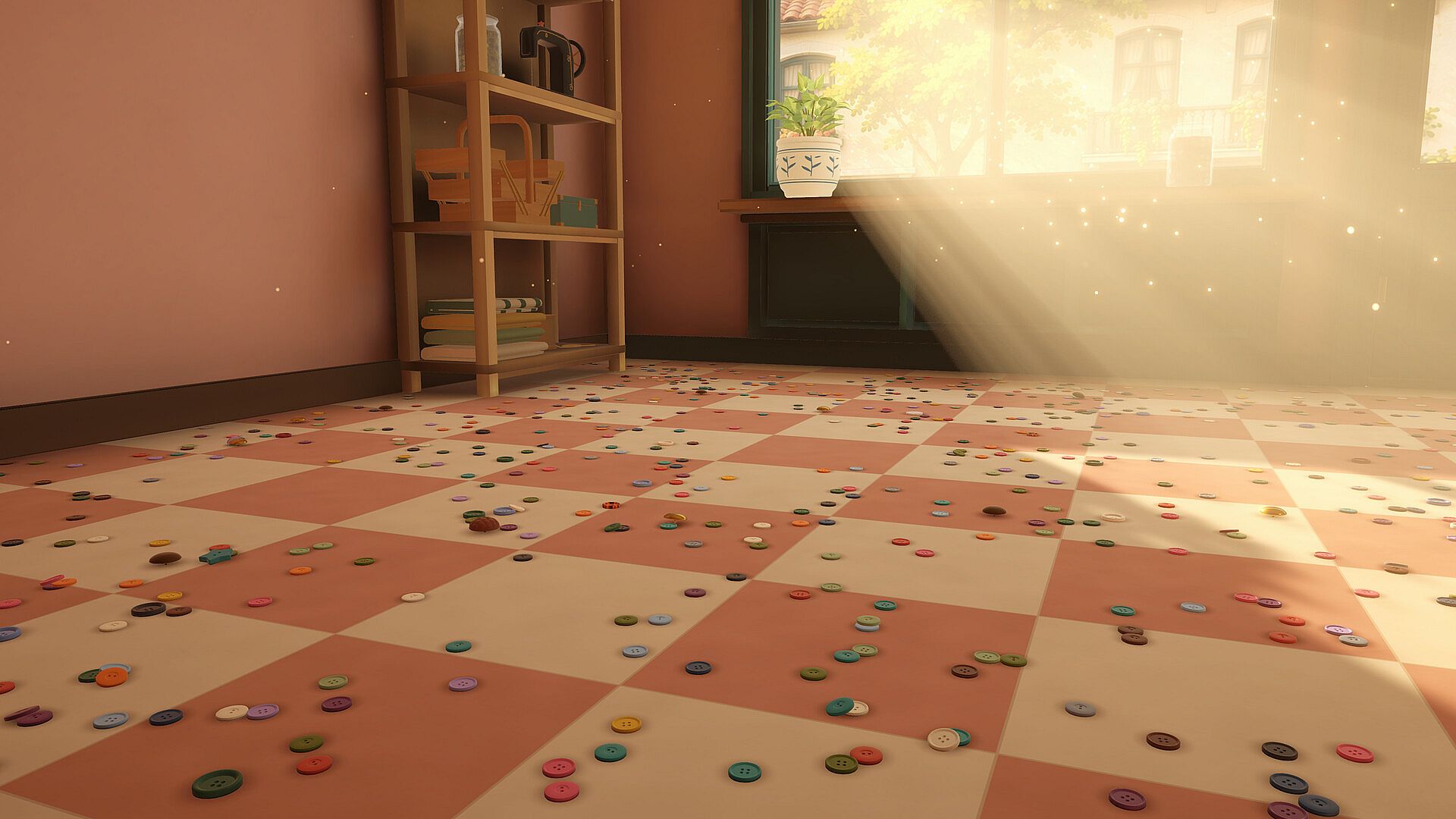
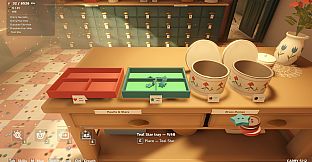
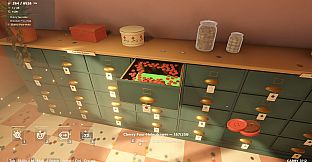
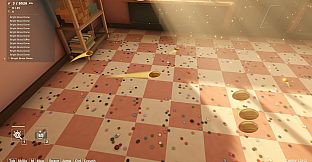
Grandma's Button Shop is a cozy indie casual simulation game centered on organizing thousands of buttons in a cluttered old house. Players take on the role of restoring order to a button shop that has fallen into disarray, collecting and sorting items across multiple rooms without any time limits or competitive elements.
Gameplay
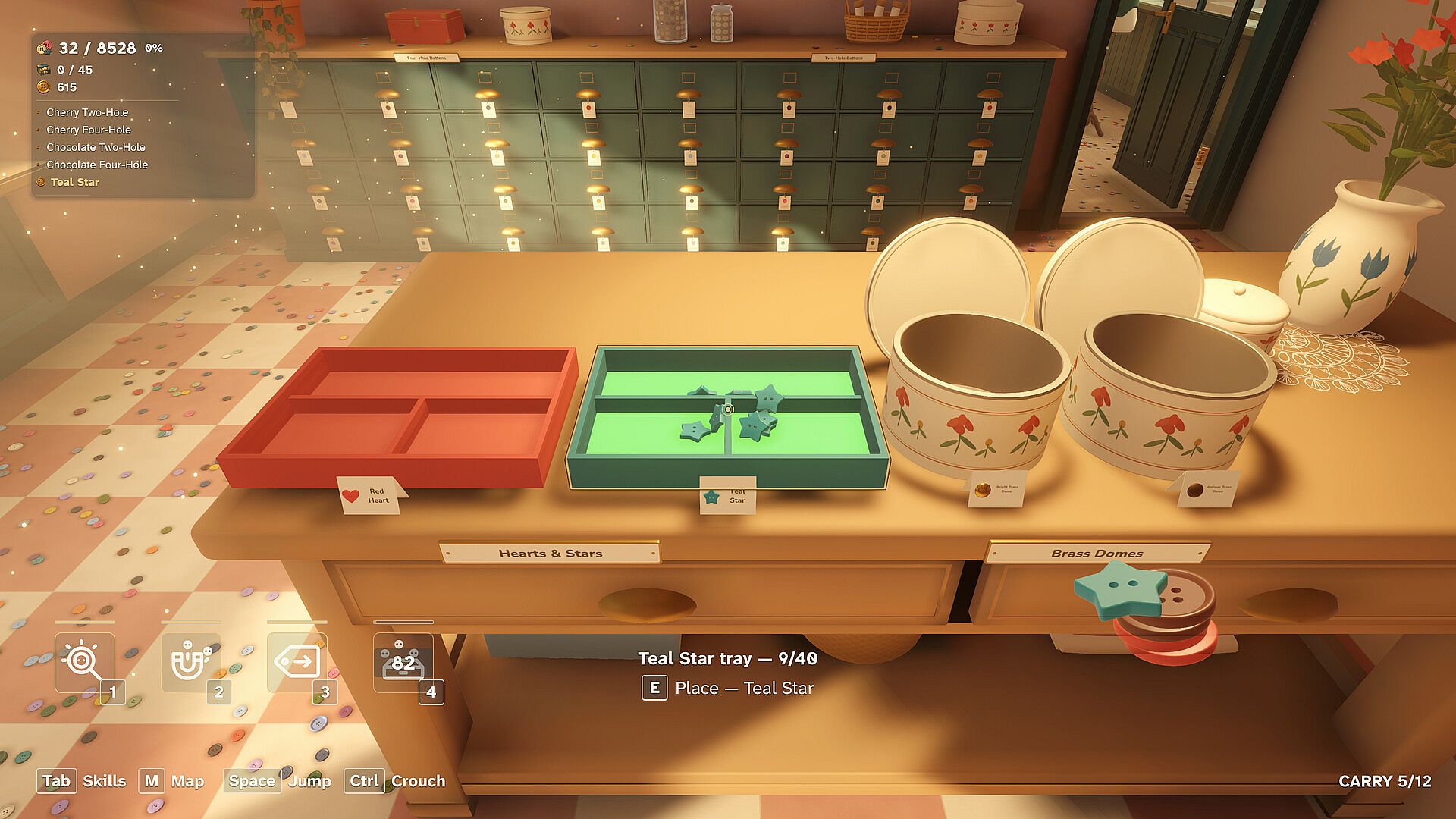
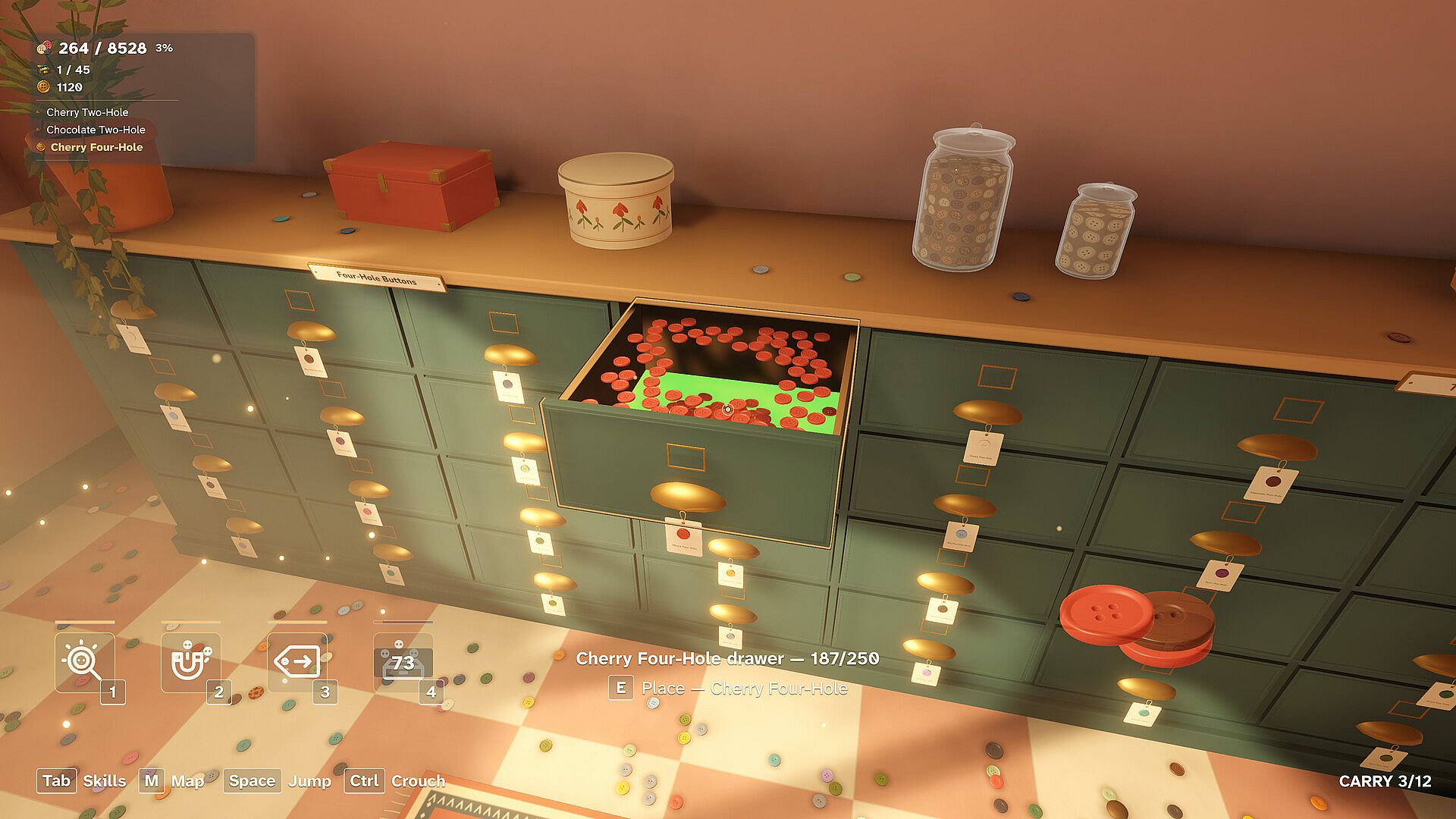
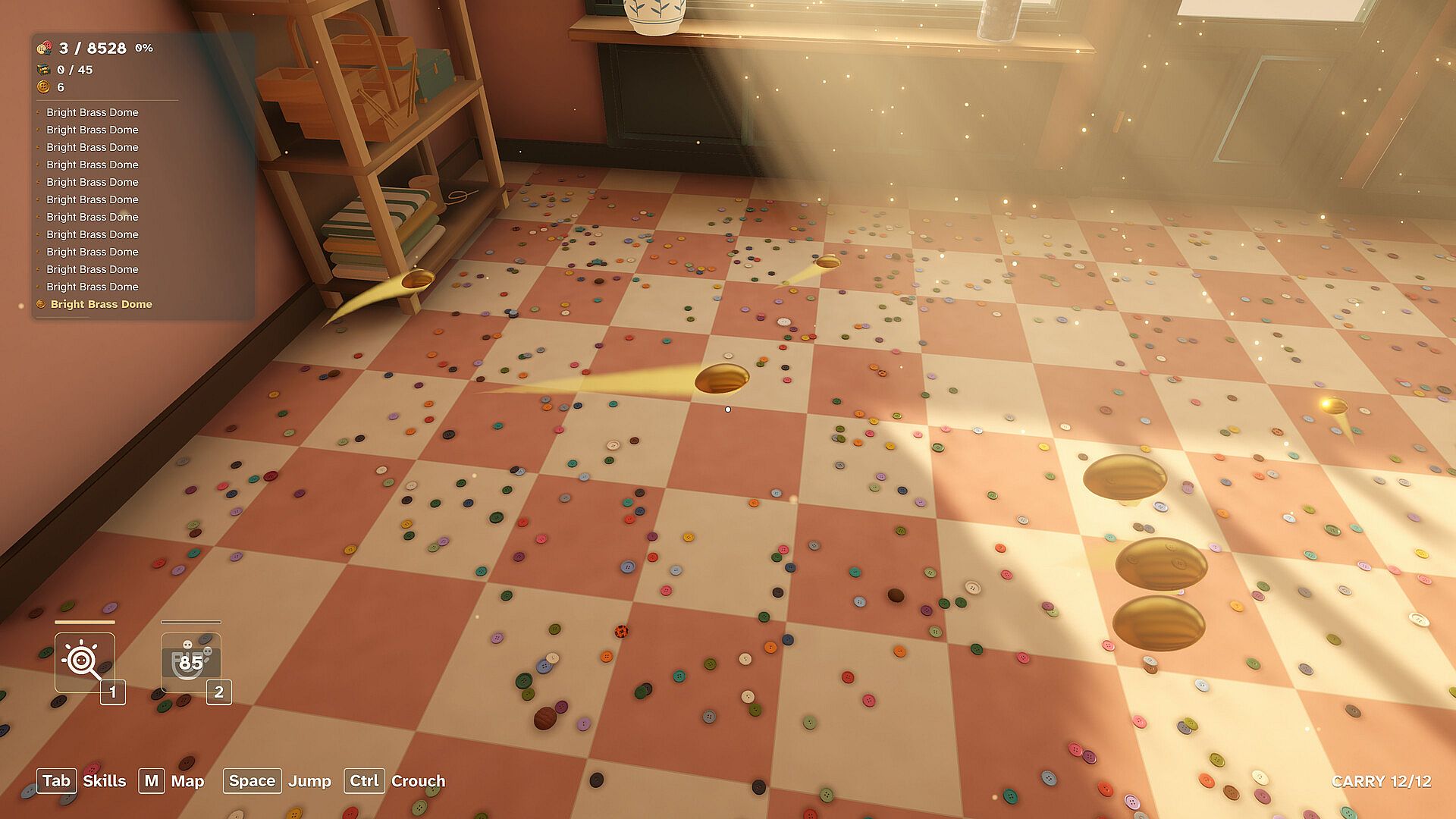
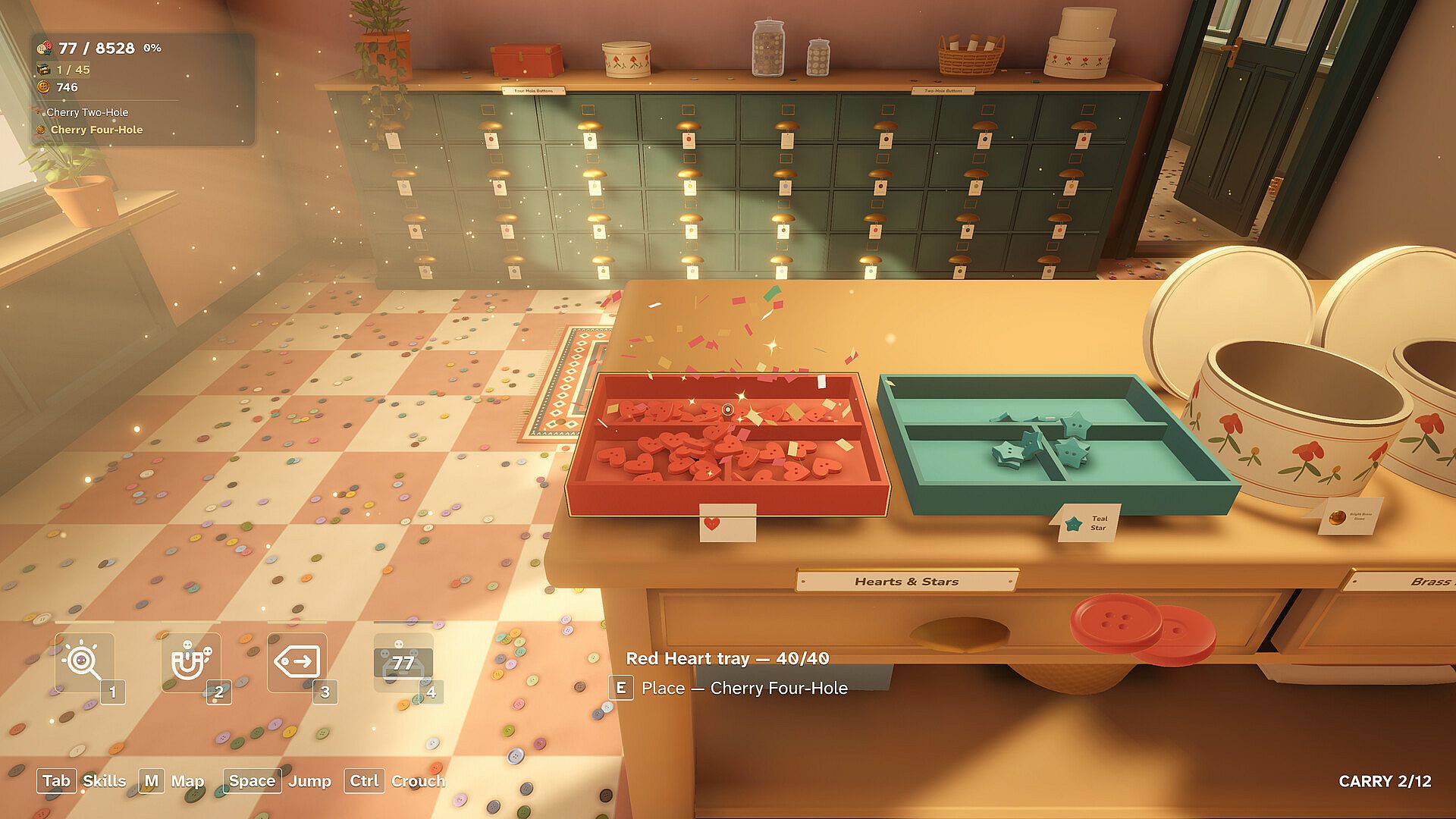
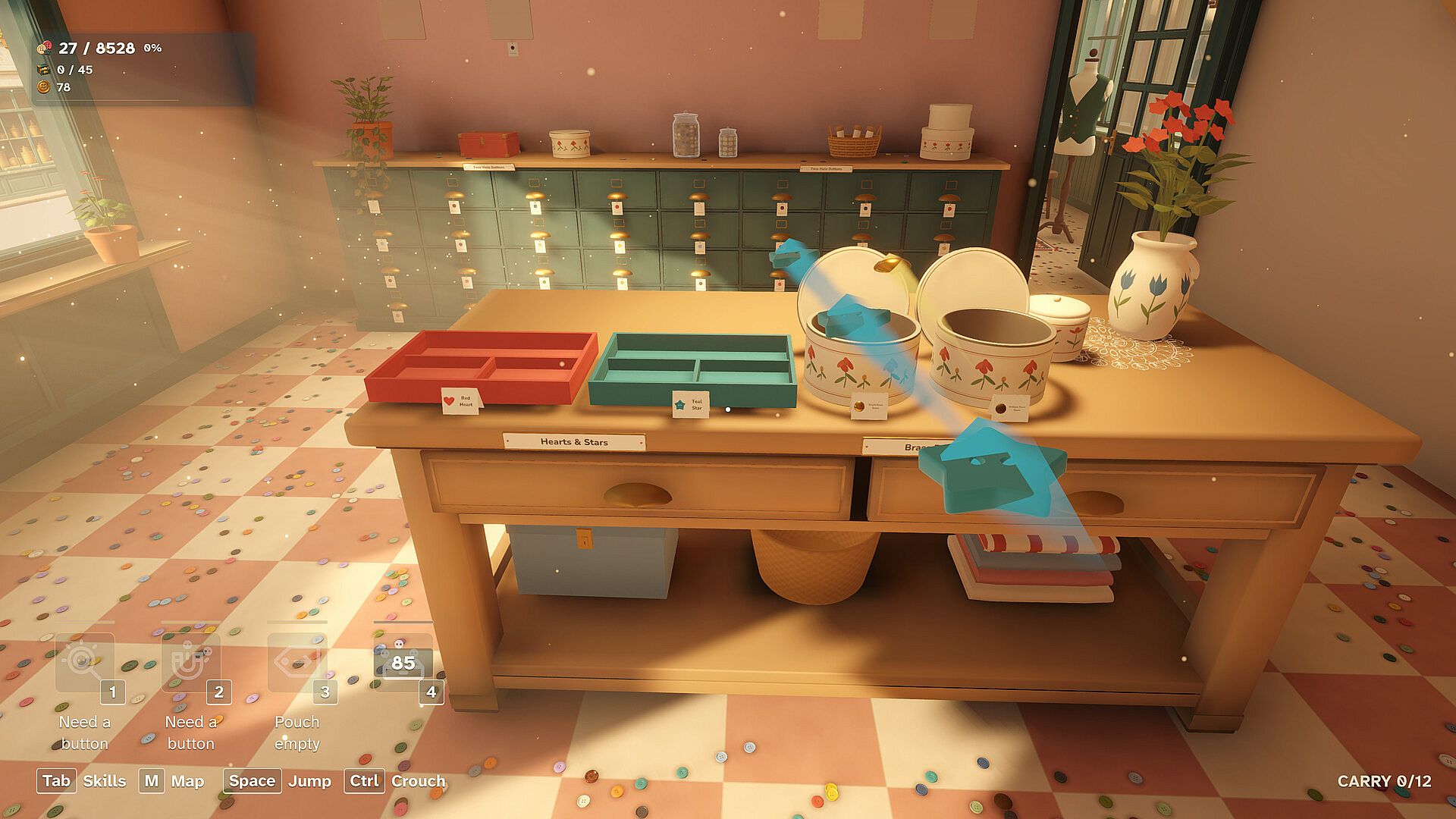
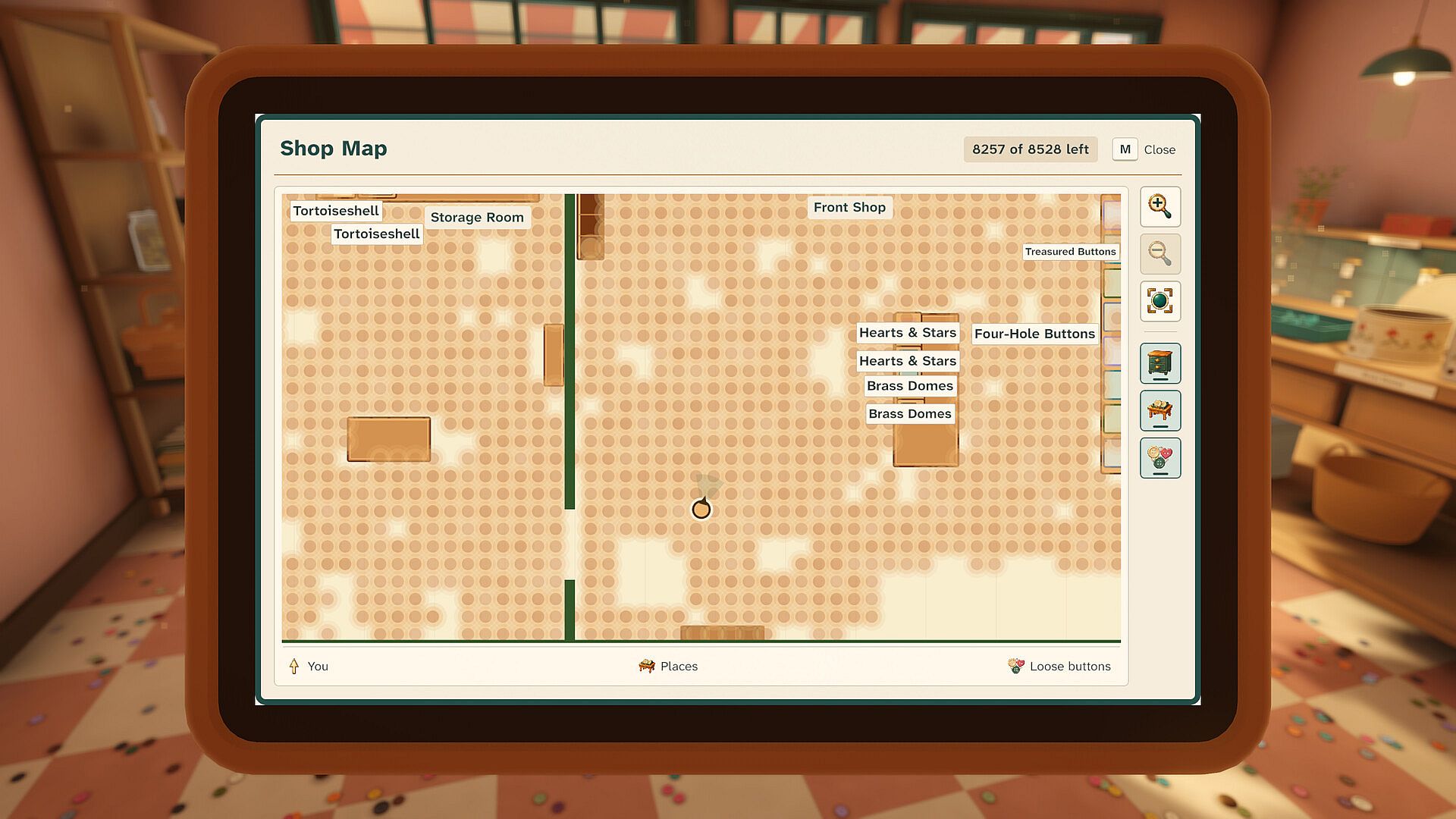
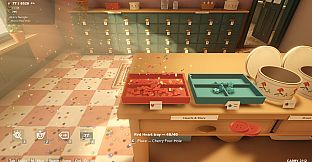
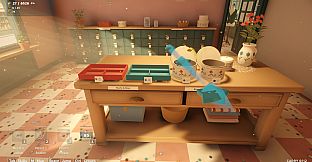
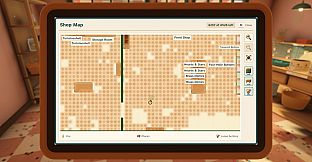
The core loop involves exploring a multi-room house to locate scattered buttons, picking up handfuls at a time, and tossing them into their designated storage spots. Each button type has a unique labeled place in drawers, trays, tins, or on cards, and there are dozens of varieties including four-hole and two-hole styles in various colors, tortoiseshell patterns, brass domes, hearts, stars, coat buttons, mother-of-pearl, and woven leather examples sewn onto cards. Progress comes from filling these containers, which triggers celebratory feedback once a tray or similar spot reaches capacity. A tablet map helps locate remaining buttons, and an arrow guidance system assists when only a few are left in a chosen room. The environment features warm lighting, plants, shelves, and drifting dust in sunbeams across areas such as the front shop, tailor's room, storage room, and attic workshop.
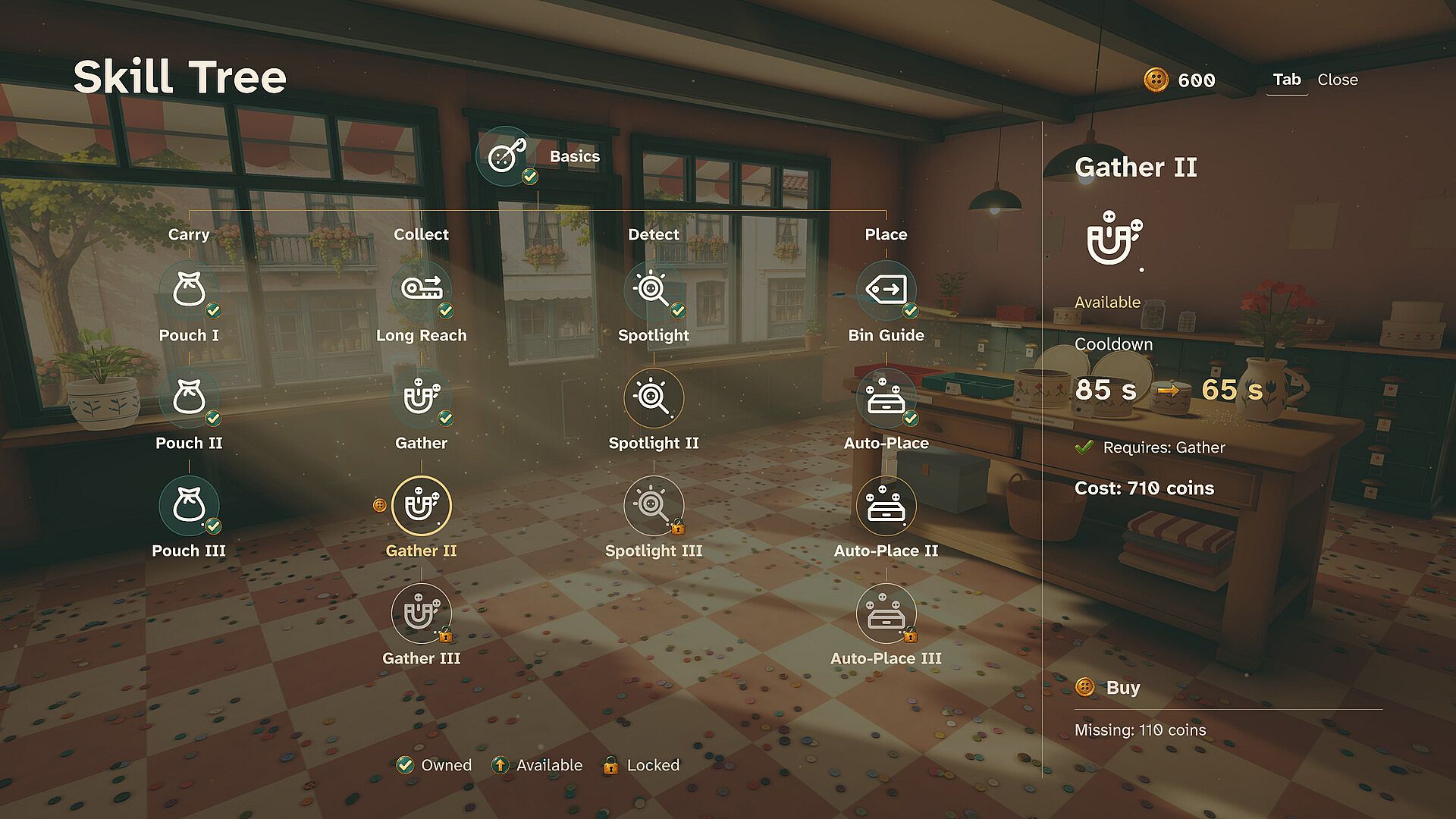
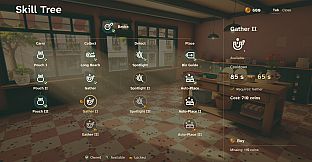
Earning coins through successful placements unlocks helpful skills. Spotlight highlights all matching buttons of the types currently held, even through walls. Gather pulls matching buttons directly toward the player. Bin Guide displays the correct destination for the button in hand. Auto-Place automatically sends carried buttons to their proper locations. These tools speed up the process as collection continues toward the total of 8,528 buttons. The experience emphasizes personal pacing, allowing players to choose their own path through the house and focus on whichever rooms or button types appeal most at the moment.
Game Modes
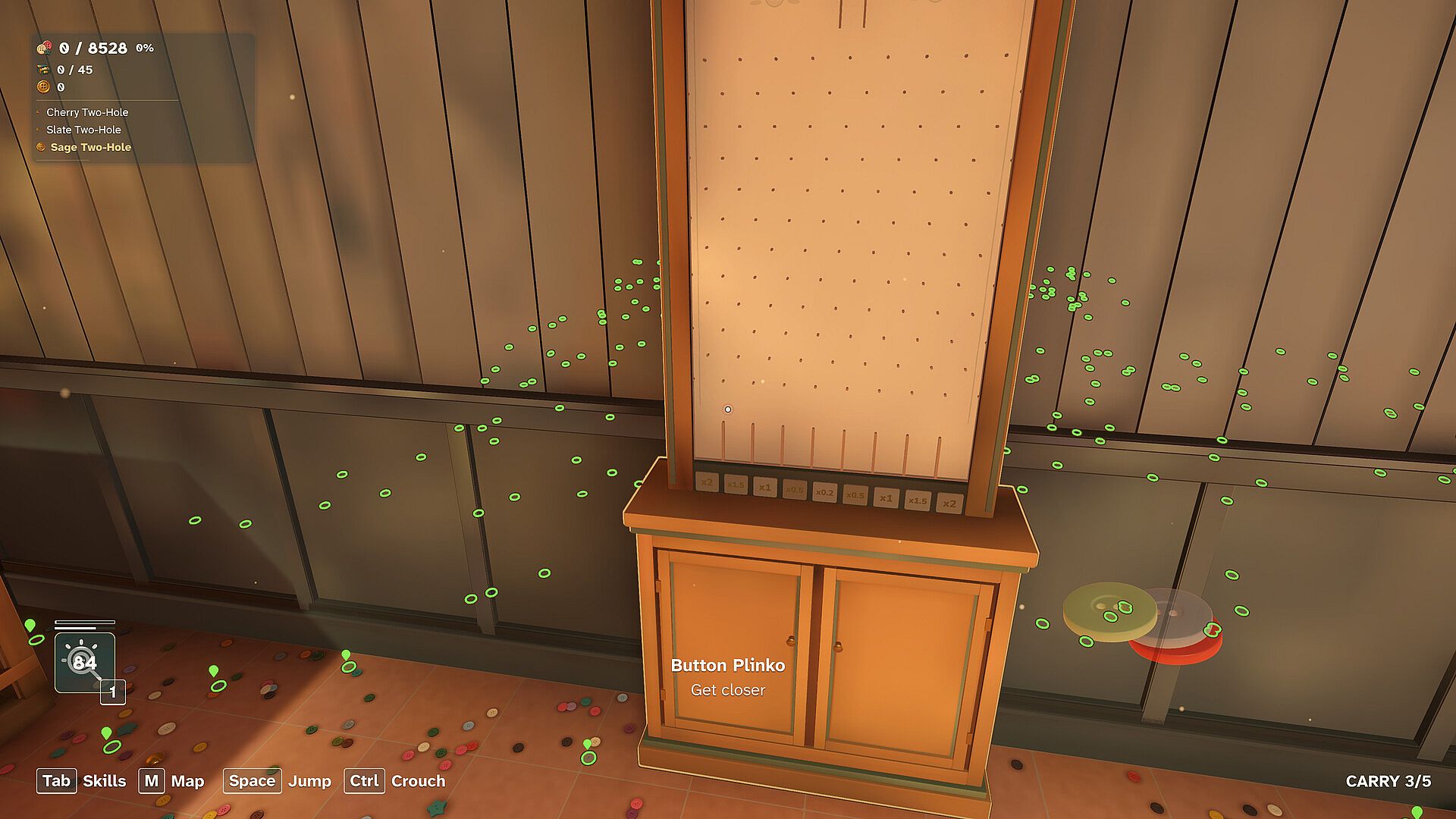
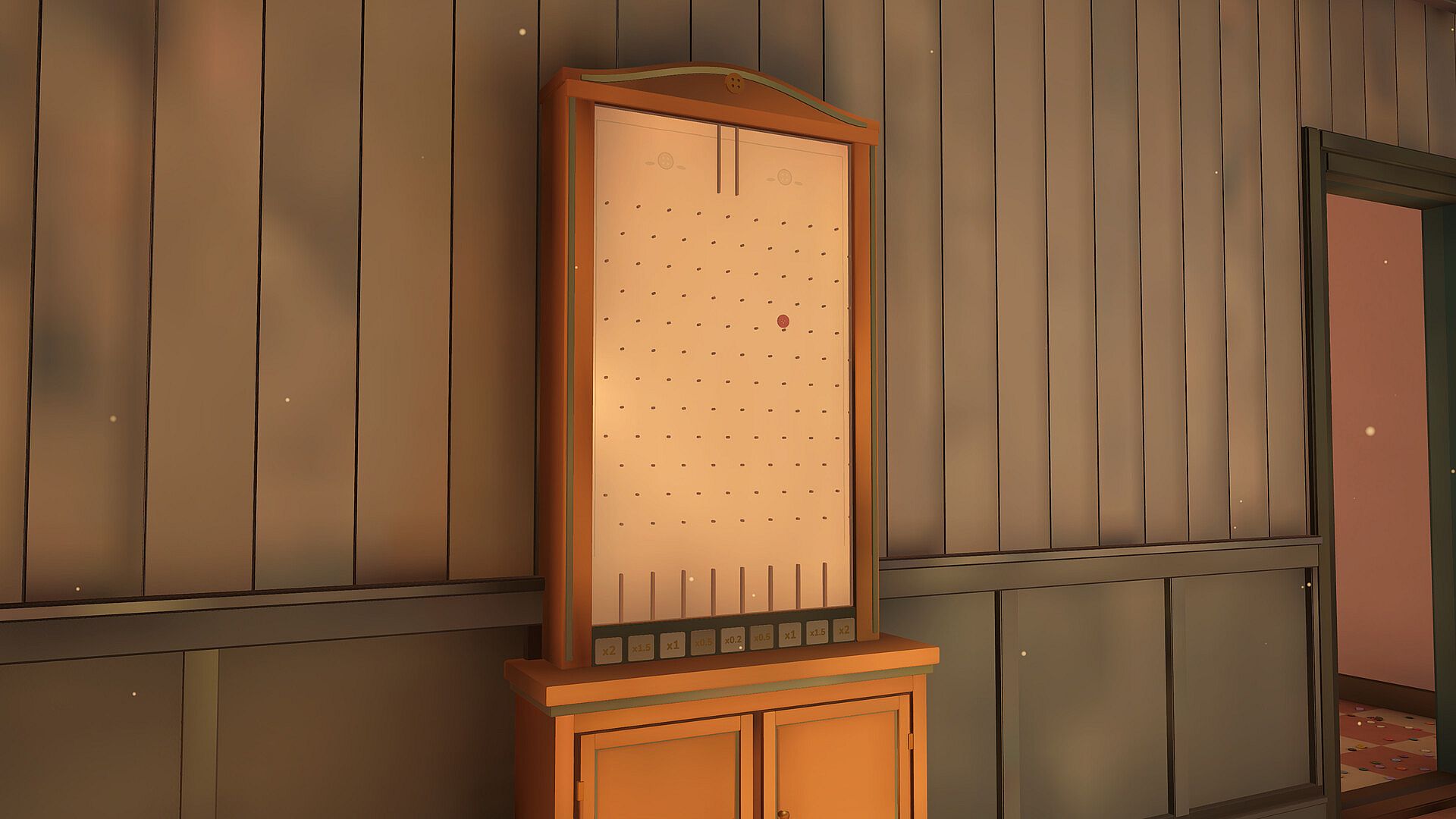
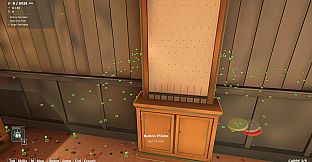
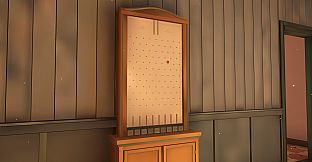
The game operates as a single-player experience with no separate competitive or multiplayer modes. The primary activity is freeform organization across the house rooms, where players decide the order of exploration and sorting without timers or external pressures. A plinko board in the storage room serves as an optional diversion, where players can stake coins earned from sorting and drop a button to let physics determine the outcome and multiply the stake based on the landing slot. This provides a brief break from the main tidying tasks while still tying into the coin economy.
Progression and Exploration
Progression builds through the skill unlocks that gradually make locating and placing buttons more efficient. Players work room by room, watching piles grow in the various containers as they fill them. The absence of strict objectives beyond completing the full sort allows for relaxed sessions focused on visual feedback from organized spaces and the satisfaction of matching each button to its exact spot. Exploration relies on visual cues in the sunlit rooms combined with the map tool for targeted searches in later stages.
Is It Worth Playing?
This title suits players who enjoy relaxed simulation and organization mechanics in a single-player setting. The no-pressure approach, combined with incremental skill improvements and the optional plinko activity, creates a steady sense of accomplishment as the house transforms. With its focus on precise sorting of numerous button varieties across a detailed environment, it appeals to those seeking a methodical yet calming experience. As an upcoming release planned for Q4 2026 with single-player features including achievements and cloud support, it offers a straightforward option for fans of casual indie simulations who prefer self-paced tidying without additional game systems or external competition.












