



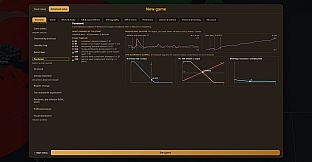
Governor is a strategy, indie, and simulation game for PC that places players in the role of a central banker managing a national economy through precise monetary policy decisions. Built around the Carlin-Soskice three-equation model taught in advanced university macroeconomics courses, the experience centers on setting interest rates to balance inflation targets against unemployment outcomes while navigating real historical pressures from 1925 through 2025 in the United States.
Gameplay
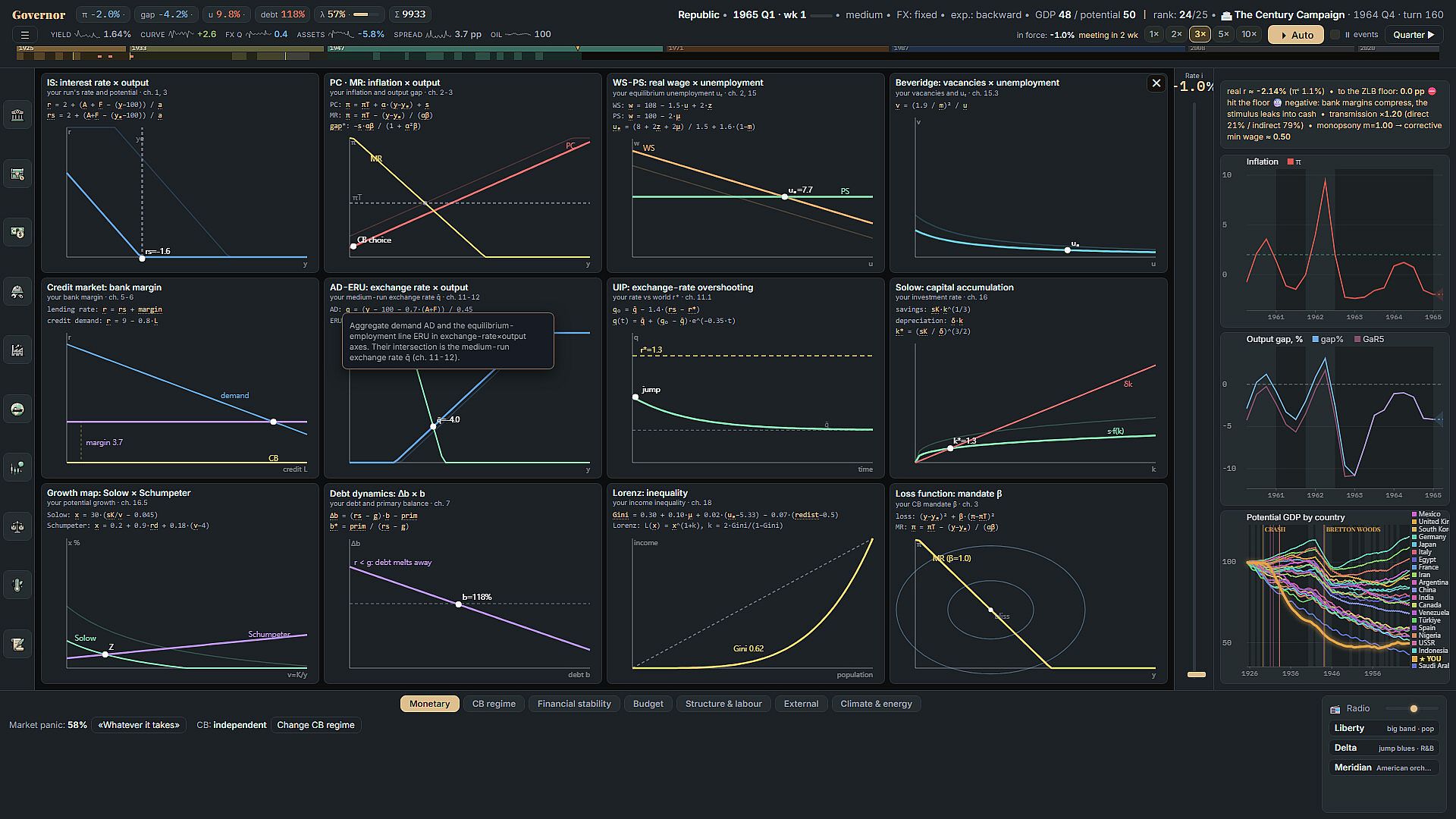
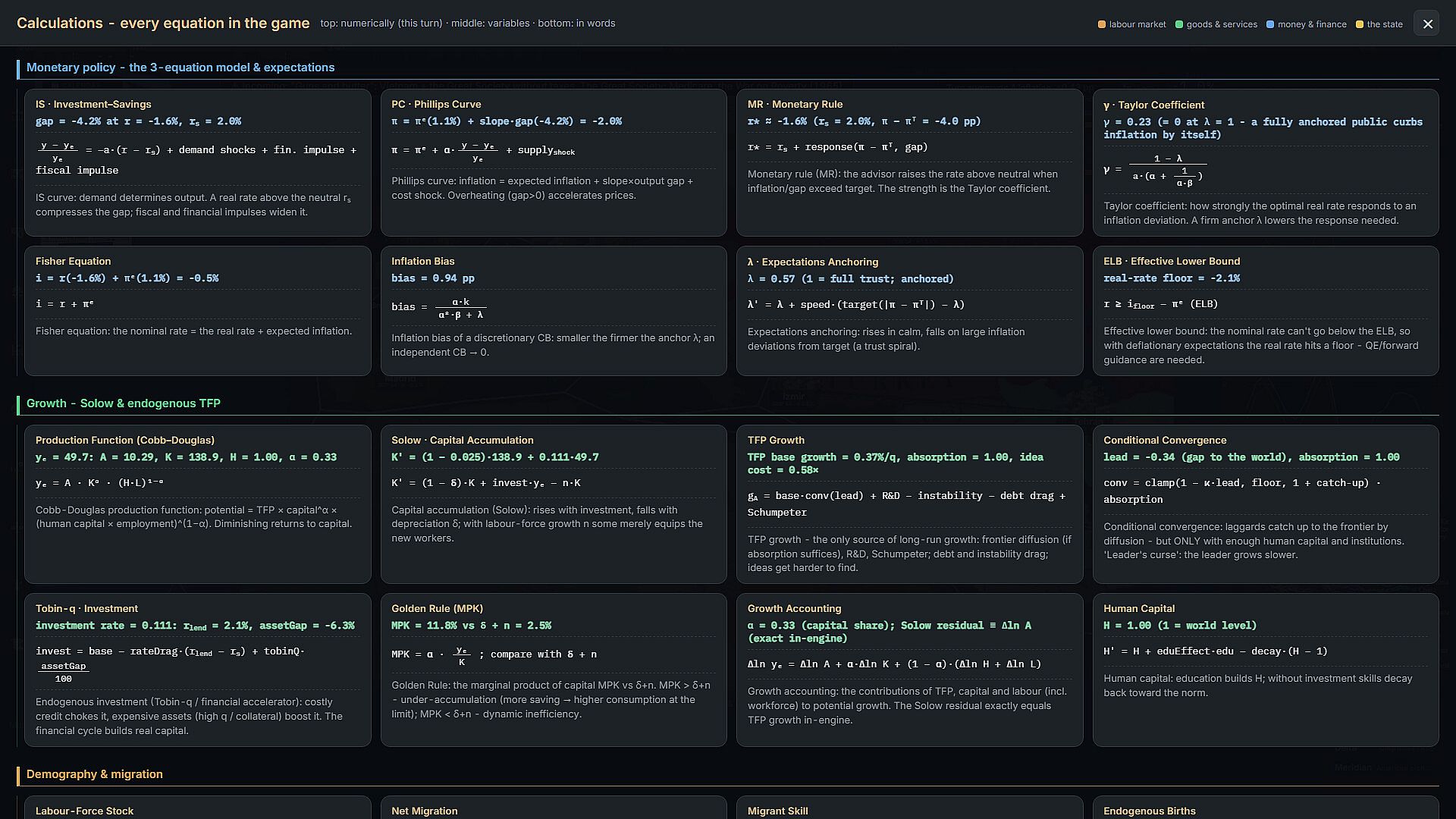
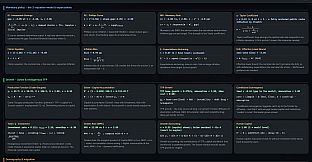
The core loop revolves around adjusting the nominal interest rate each quarter and observing its effects across demand, prices, and labor markets. The IS component tracks how borrowing costs influence spending and investment with built-in lags, incorporating exchange rates, fiscal policy, and bank lending constraints. The PC element models inflation and unemployment dynamics, where overheating accelerates price growth more readily than downturns reduce them, reflecting wage rigidity. The MR rule derives optimal policy from the relative costs of missing inflation goals versus unnecessary job losses.
Credibility plays a central role. Consistent target achievement builds trust that strengthens policy transmission, while repeated misses erode it and blunt the impact of rate changes. A floor prevents rates from going negative in certain conditions, and political independence matters because government influence on the central bank can drive inflation higher through market expectations. Banks apply their own markups, so borrowers face higher effective costs than the announced rate. Long-term outcomes emerge naturally from these choices, including Solow-style growth, equilibrium unemployment levels, Gini inequality measures, public debt trajectories, exchange rates, trade balances, and potential asset bubbles.
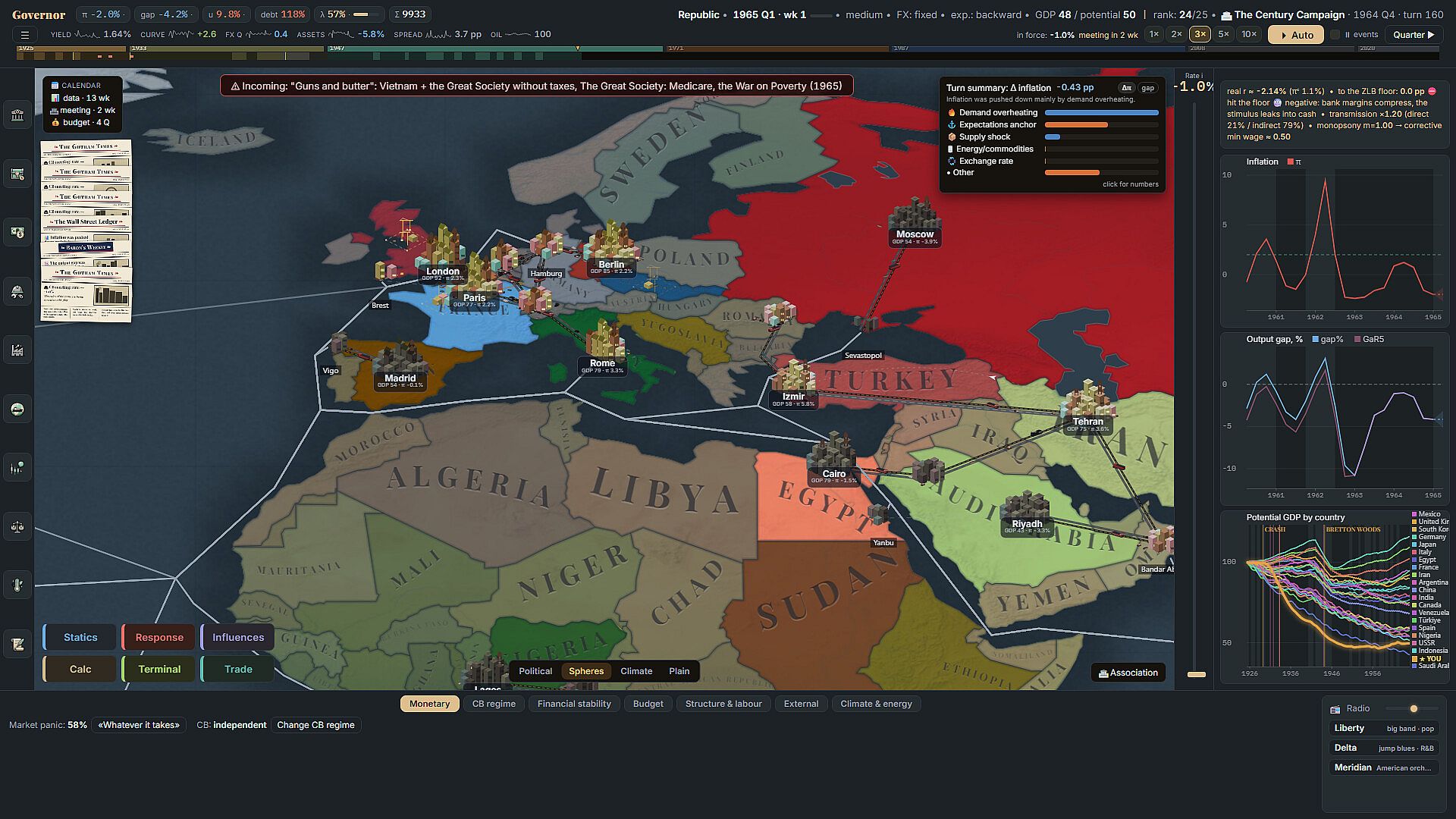
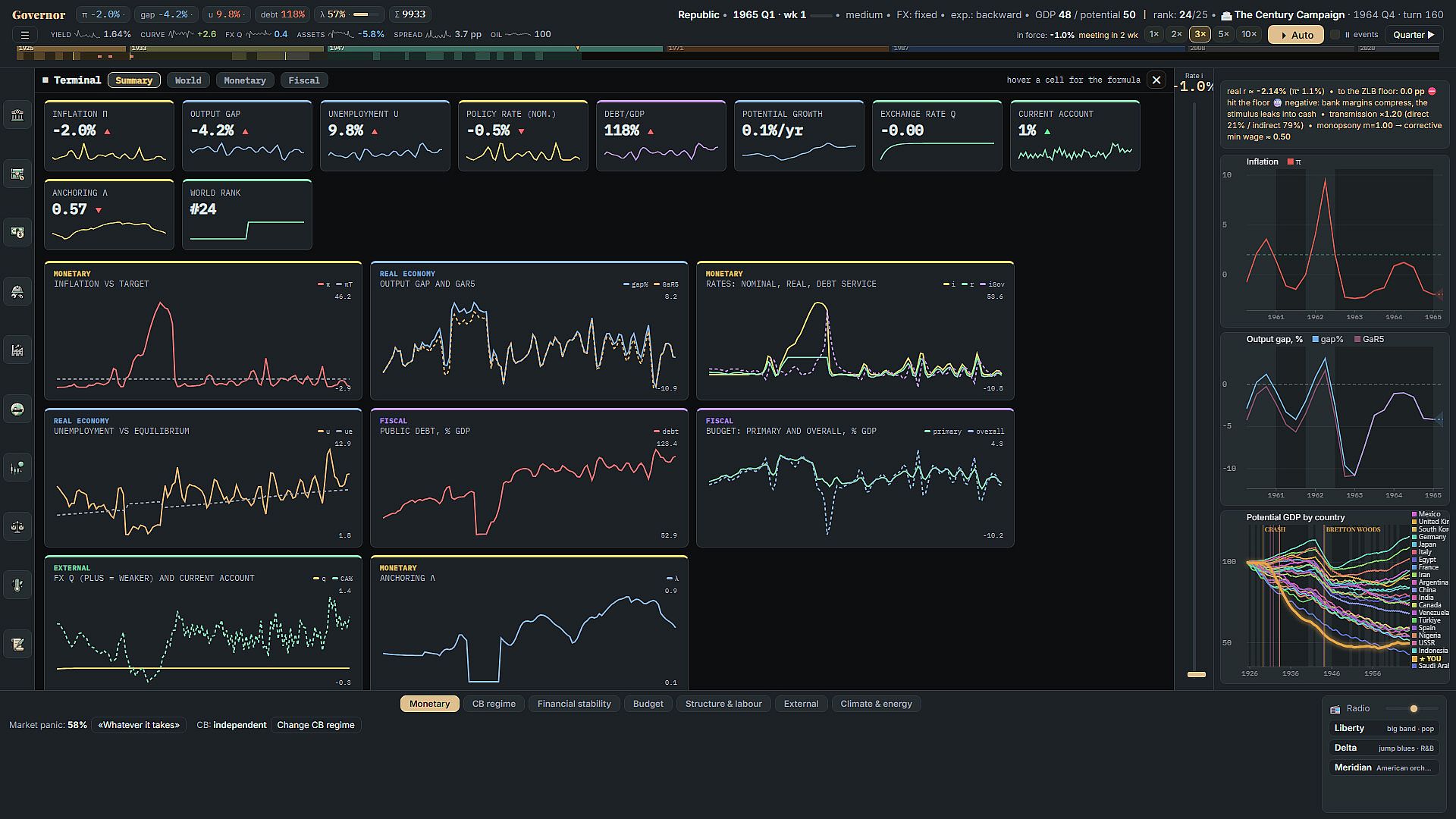
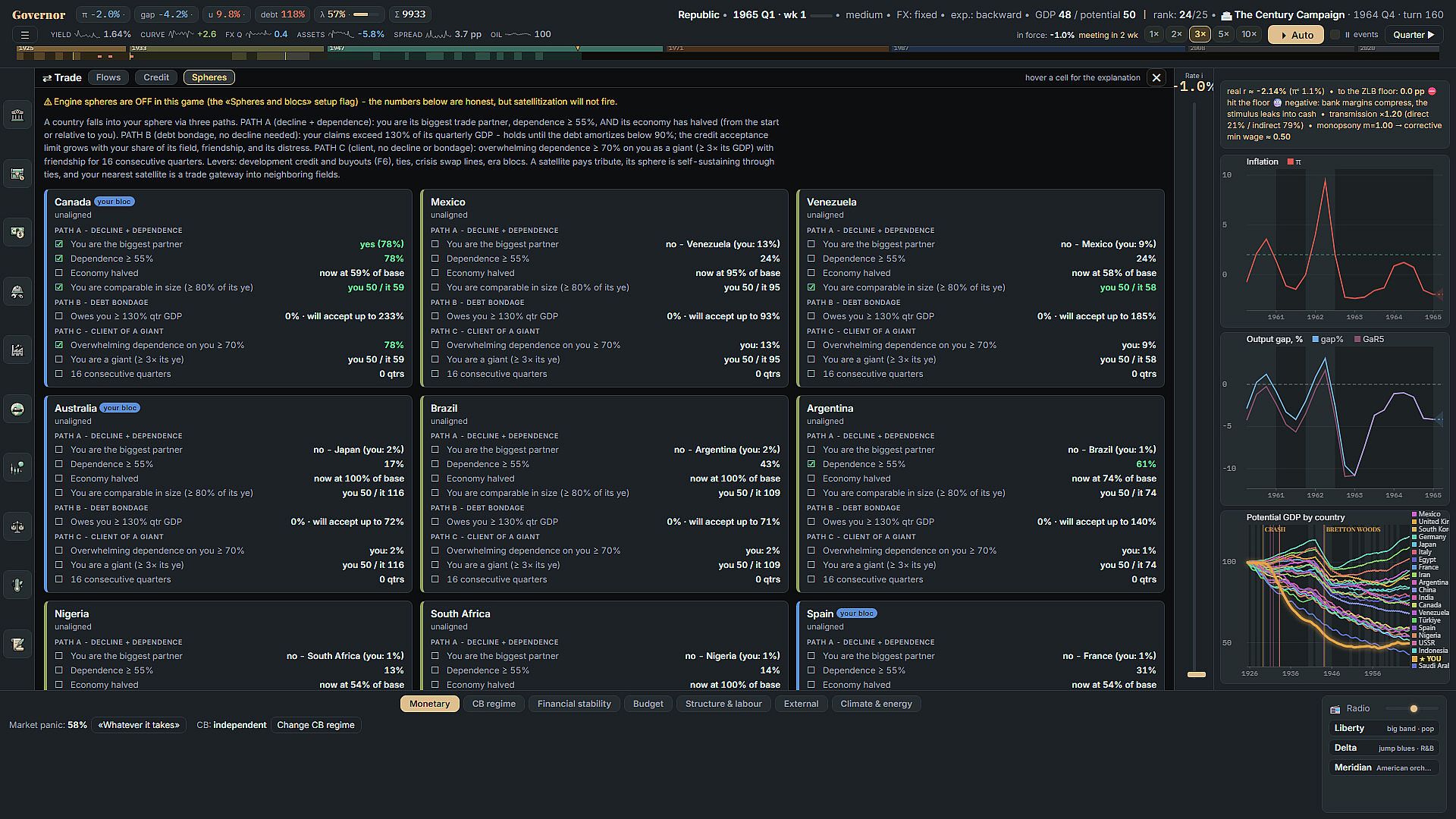
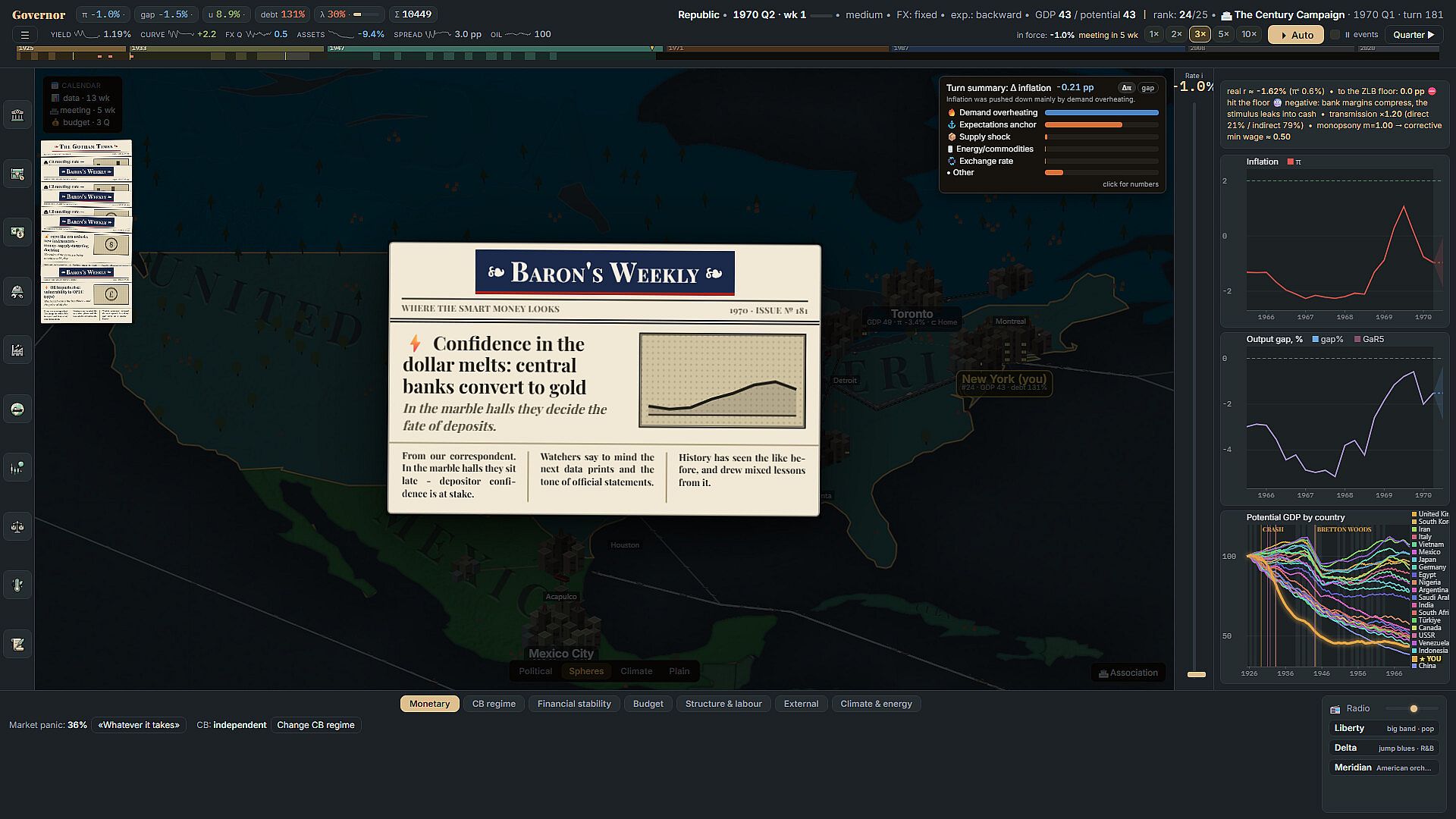
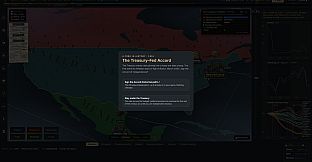
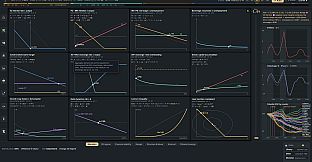
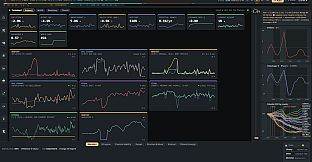
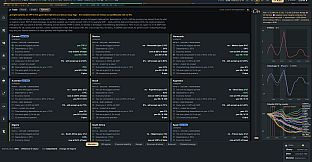
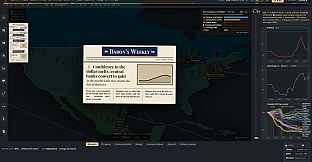
Visual feedback comes through a cityscape on the world map that evolves with economic conditions. Buildings expand during growth periods, street traffic indicates activity intensity, colors shift from cool tones in slumps to warm hues during overheating, and construction cranes appear when credit is abundant. Rival nations on the map trade more readily with closer and wealthier partners, while tariffs disrupt those flows. An optional spheres-of-influence toggle introduces bloc dynamics and debt dependencies. For data-focused players, a terminal displays tables, charts, and detailed inflation breakdowns by cause, alongside an influence map showing 106 variables and 276 interconnections.
Game Modes
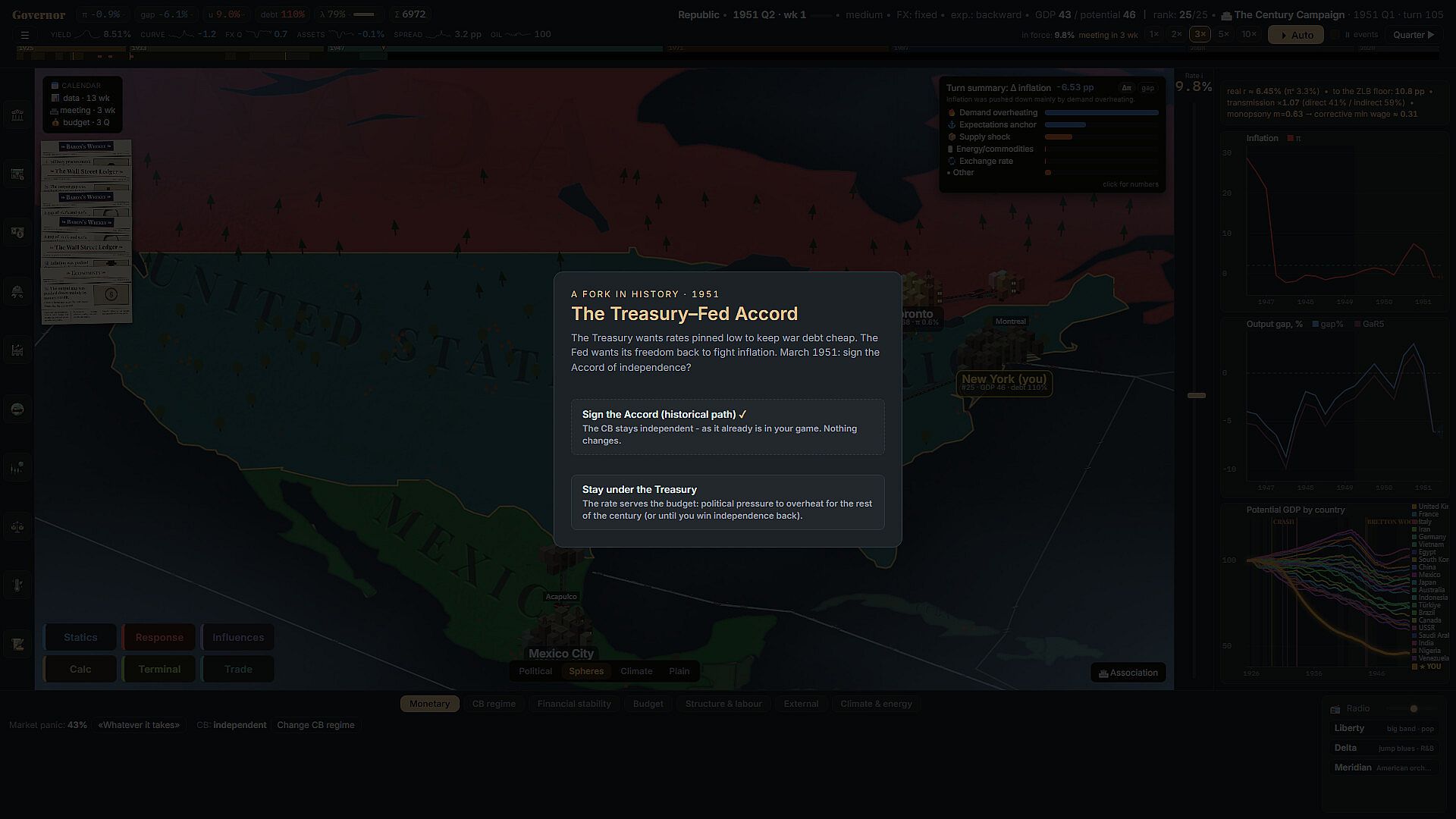
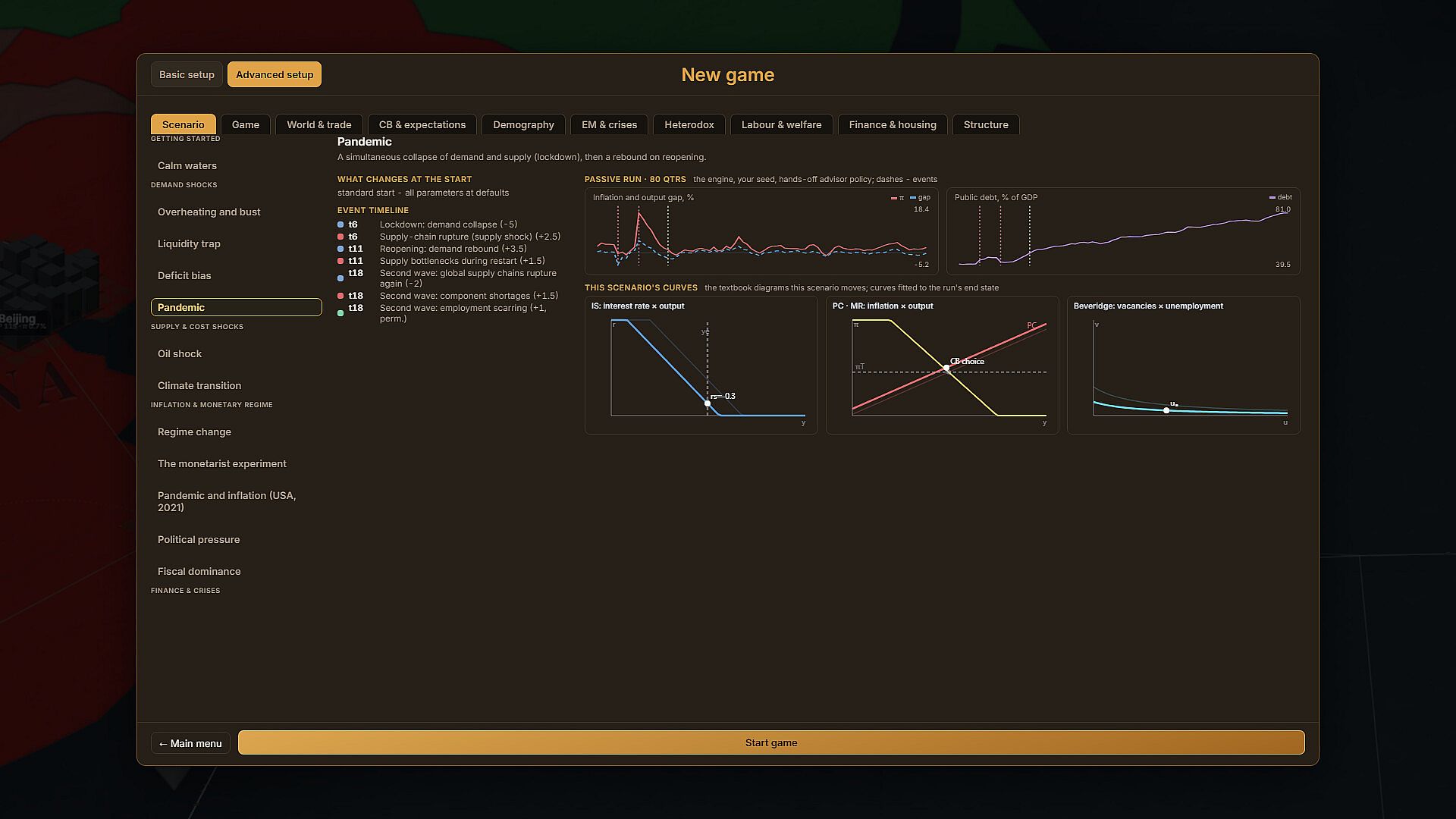
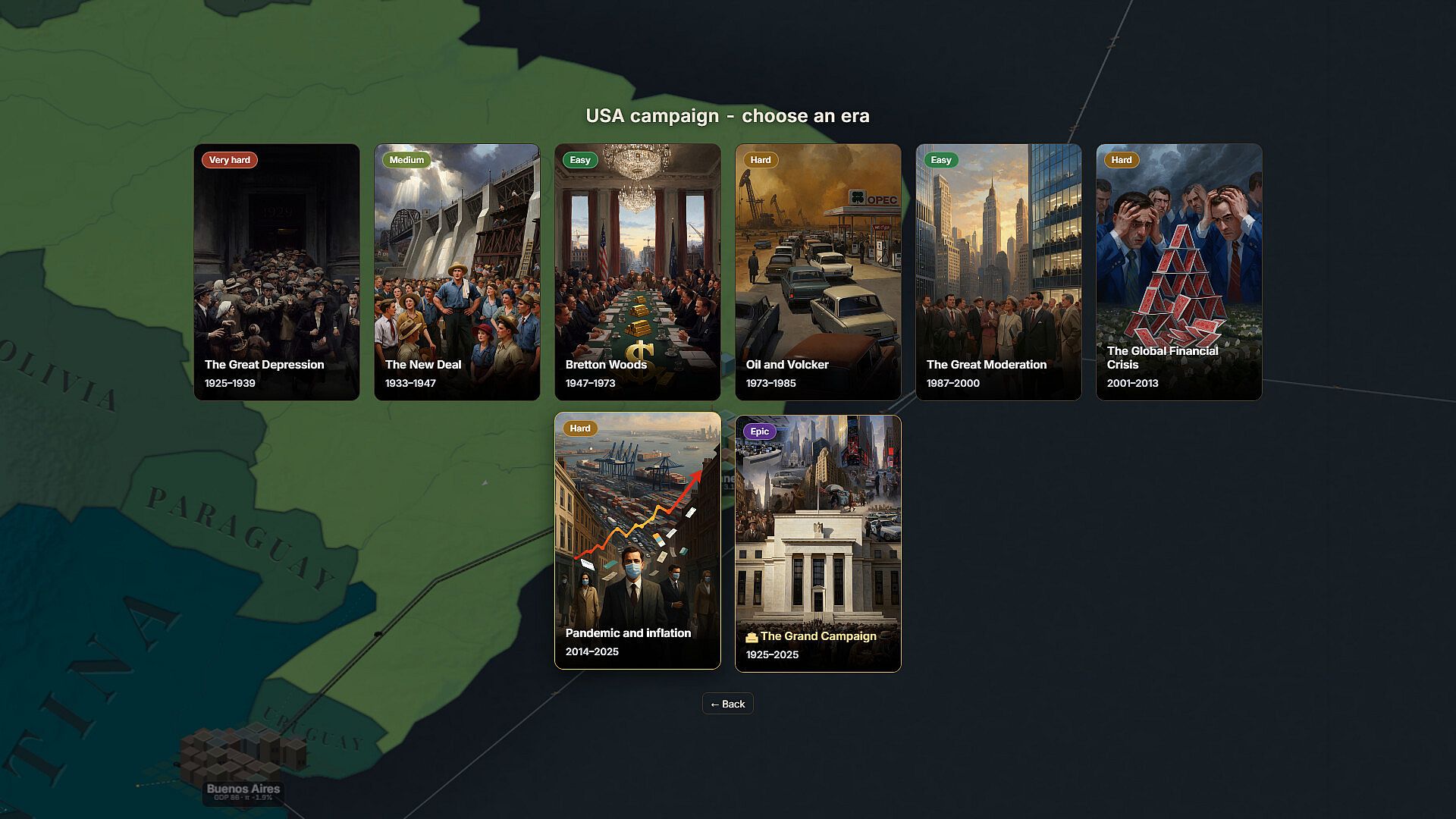
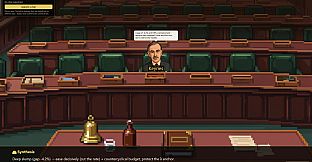
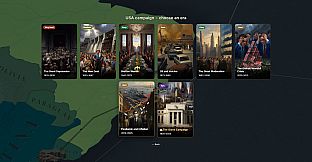
Single-player campaigns follow the United States timeline with fixed historical events that arrive on schedule. Key decision points include the 1931 choice between maintaining the gold standard or devaluing to support recovery, the 1971 decision on closing the gold window, the 1979 Volcker-era trade-off between aggressive rate hikes and price controls, the 2008 response to banking sector stress, and the 2021 debate over treating inflation as transitory. Earlier shocks such as the 1929 crash, bank panics, wartime rate controls, Bretton Woods, oil embargoes, Black Monday, the Asian crisis, dot-com bust, and the 2021-2022 inflation surge provide context without dictating outcomes.
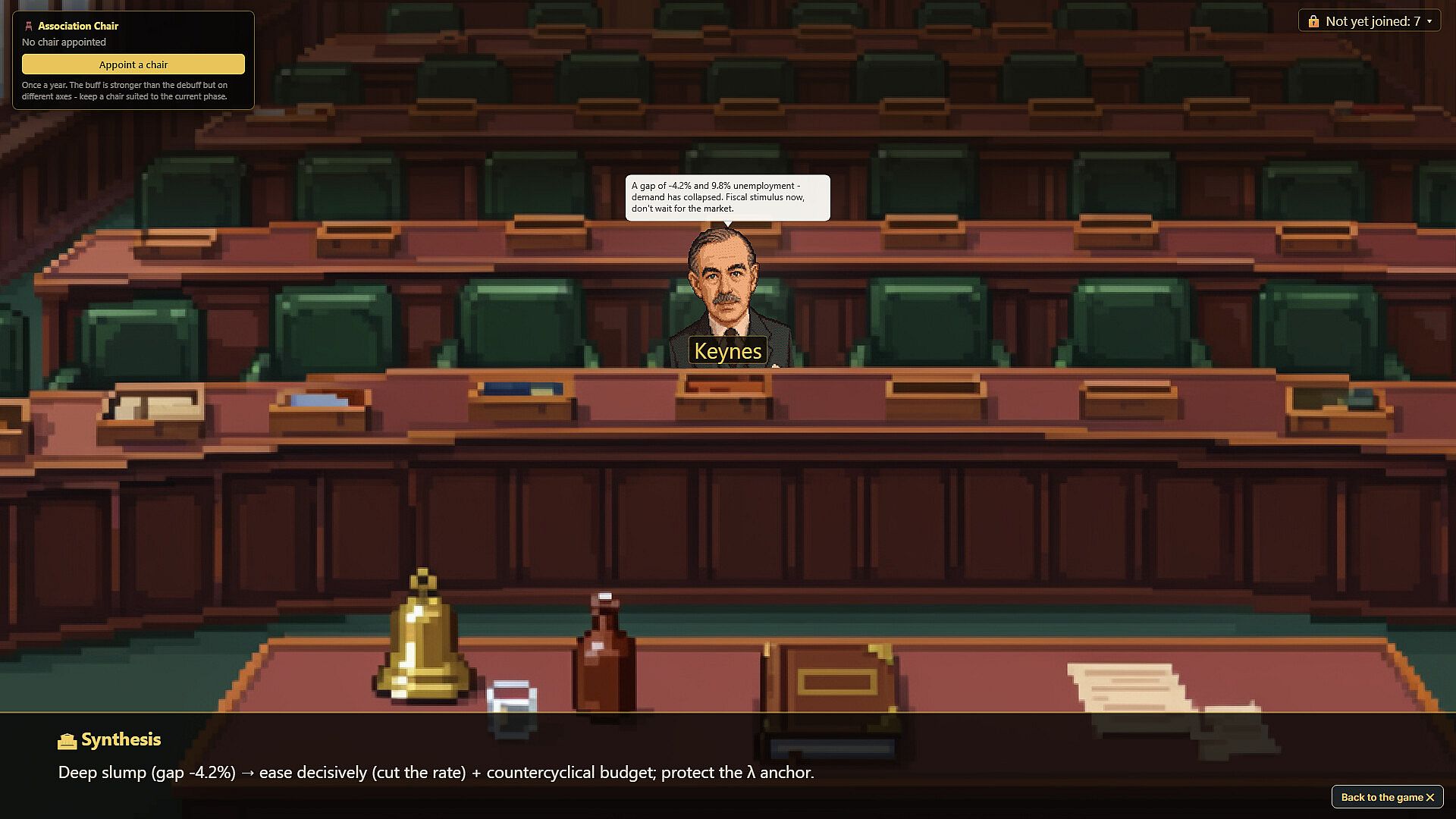
Multiplayer supports two or more participants, each controlling a separate country with a full independent copy of the model. Turns proceed simultaneously, after which economies reconcile so one nation's surplus becomes another's deficit. Cross-border lending serves as an additional policy lever. A dedicated Economic Association mechanic lets players recruit economists annually; appointing a chair establishes a school of thought that grants one permanent bonus and one penalty to the economy.
Tutorials cover both basic and advanced concepts, explaining variable linkages without requiring prior economics knowledge. The spheres-of-influence option can be toggled independently for added geopolitical layers.
Historical Context and Decision Making
Events unfold according to documented timelines, leaving only the player's policy responses open. This structure encourages experimentation with different approaches to the same shocks, revealing how credibility, timing, and institutional constraints shape results. The model incorporates lags, asymmetries, and expectation formation so that identical rate settings produce different effects depending on prior performance and market trust.
Players observe emerging crises through the city skyline before consulting charts, reinforcing the link between abstract variables and tangible economic states. Trade relationships respond dynamically to relative wealth and proximity, while optional bloc mechanics add layers of dependency and influence among the up to 24 rival economies.
Is It Worth Playing?
Governor appeals to players seeking a simulation grounded in an established macroeconomic framework rather than abstracted mechanics or random events. Its strength lies in the transparent connections between rate decisions and long-run indicators such as growth, inequality, and financial stability. Those interested in central banking, policy trade-offs, or historical what-if scenarios will find the structured timeline and credibility system rewarding. Multiplayer adds competitive depth through interdependent economies, while the association mechanic introduces strategic school-of-thought choices. The absence of simplified toy models or predetermined success paths suits users who value realistic feedback over guided narratives. Availability on PC supports both detailed terminal analysis and visual map-based oversight, making it suitable for repeated playthroughs focused on different policy priorities.