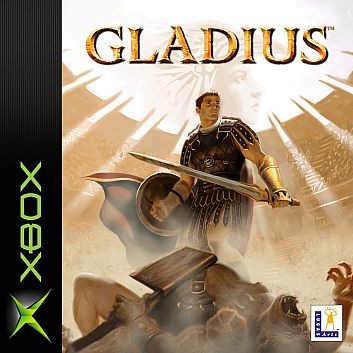


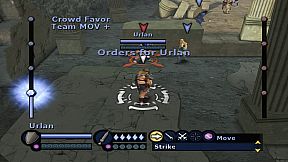
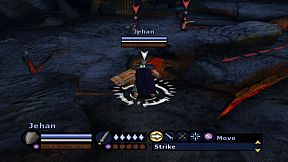
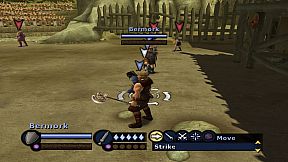
Gladius is a turn-based strategy RPG developed by LucasArts that places players in charge of a gladiator school in a world inspired by ancient Rome. The game centers on building and managing a team of fighters who compete in arena tournaments across multiple regions. Available on Xbox One and Xbox Series X|S through backward compatibility, it delivers single-player campaigns alongside local multiplayer options for up to four participants on Xbox consoles.
Gameplay
Players begin by selecting one of two protagonists, Valens from Imperia or Ursula from Nordagh, each starting in a distinct region with its own cultural flavor and initial roster options. The core loop involves recruiting gladiators, equipping them with weapons and armor, and advancing them through experience gained in battles. Sixteen character classes span light, medium, and heavy combatants plus support and arcane roles, allowing varied team compositions that include mythical creatures such as minotaurs and yetis.
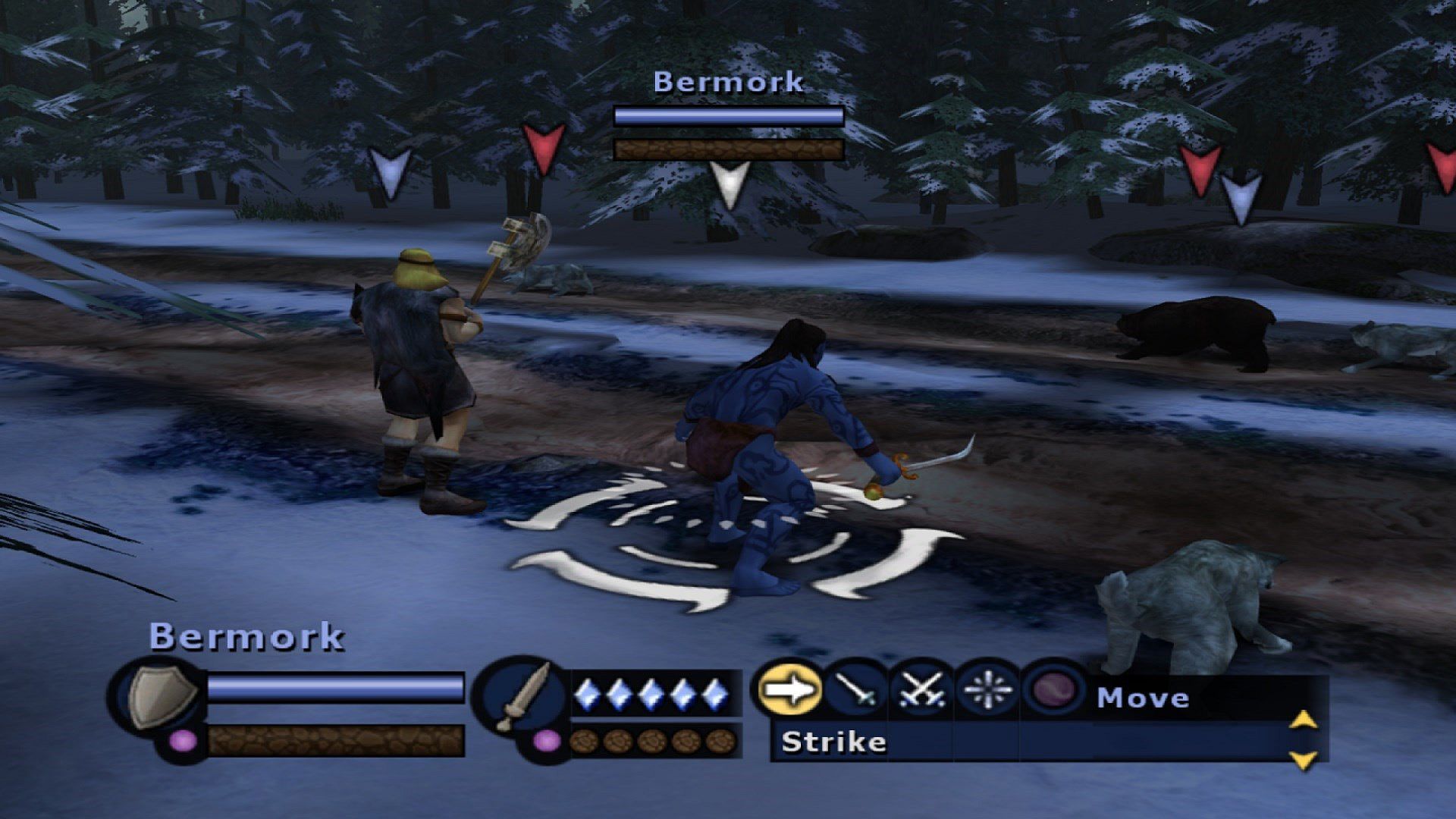
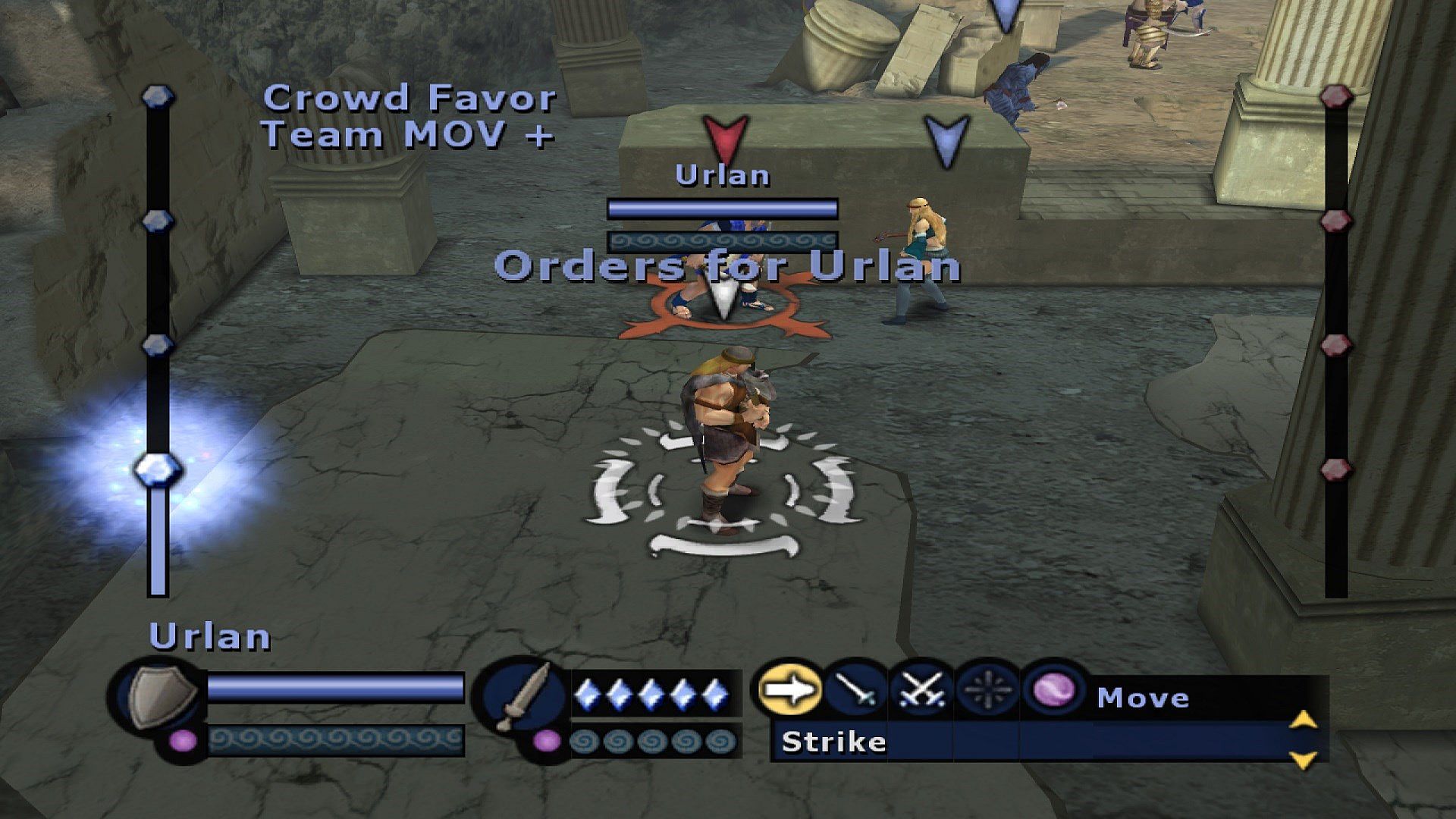
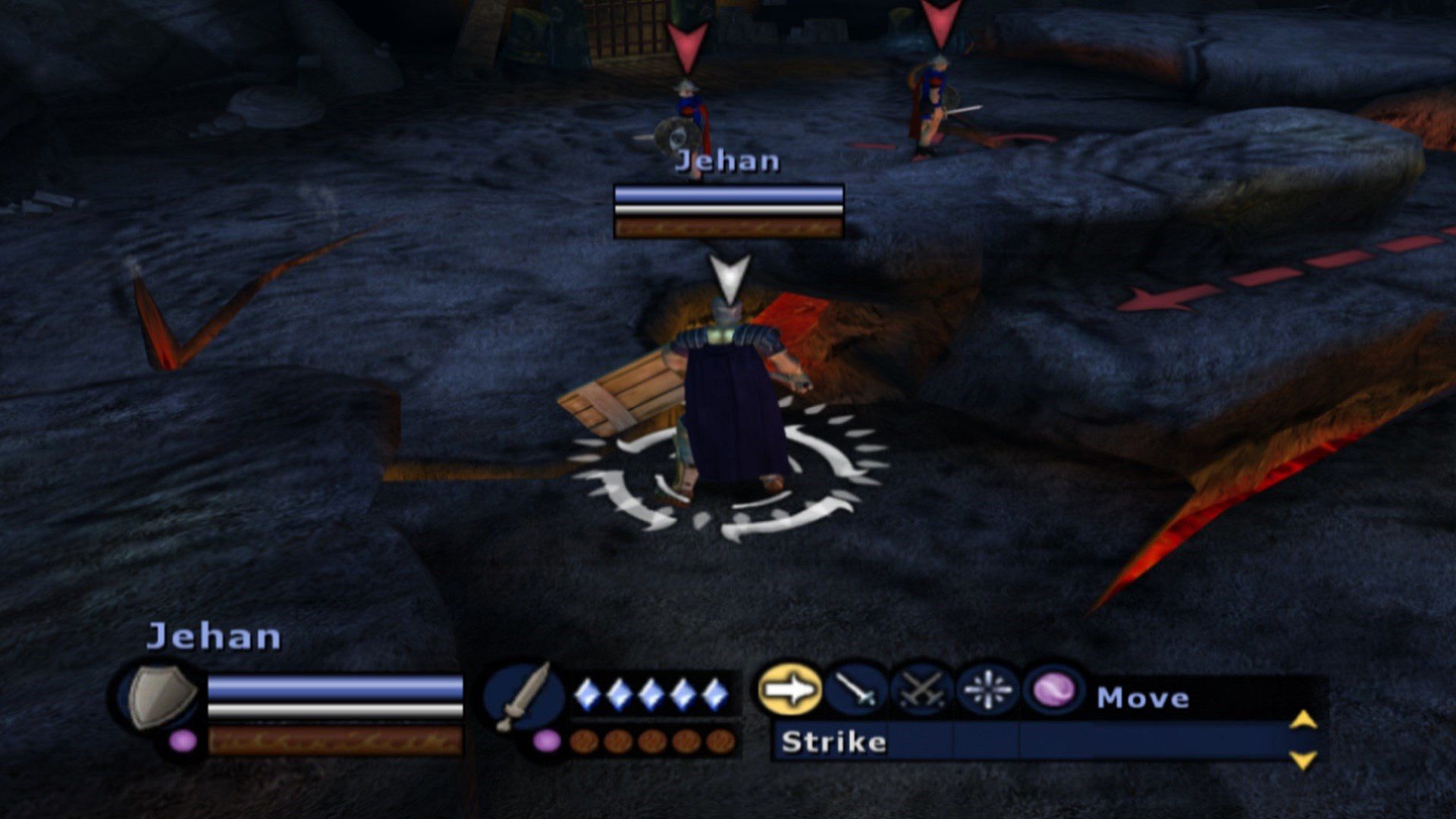
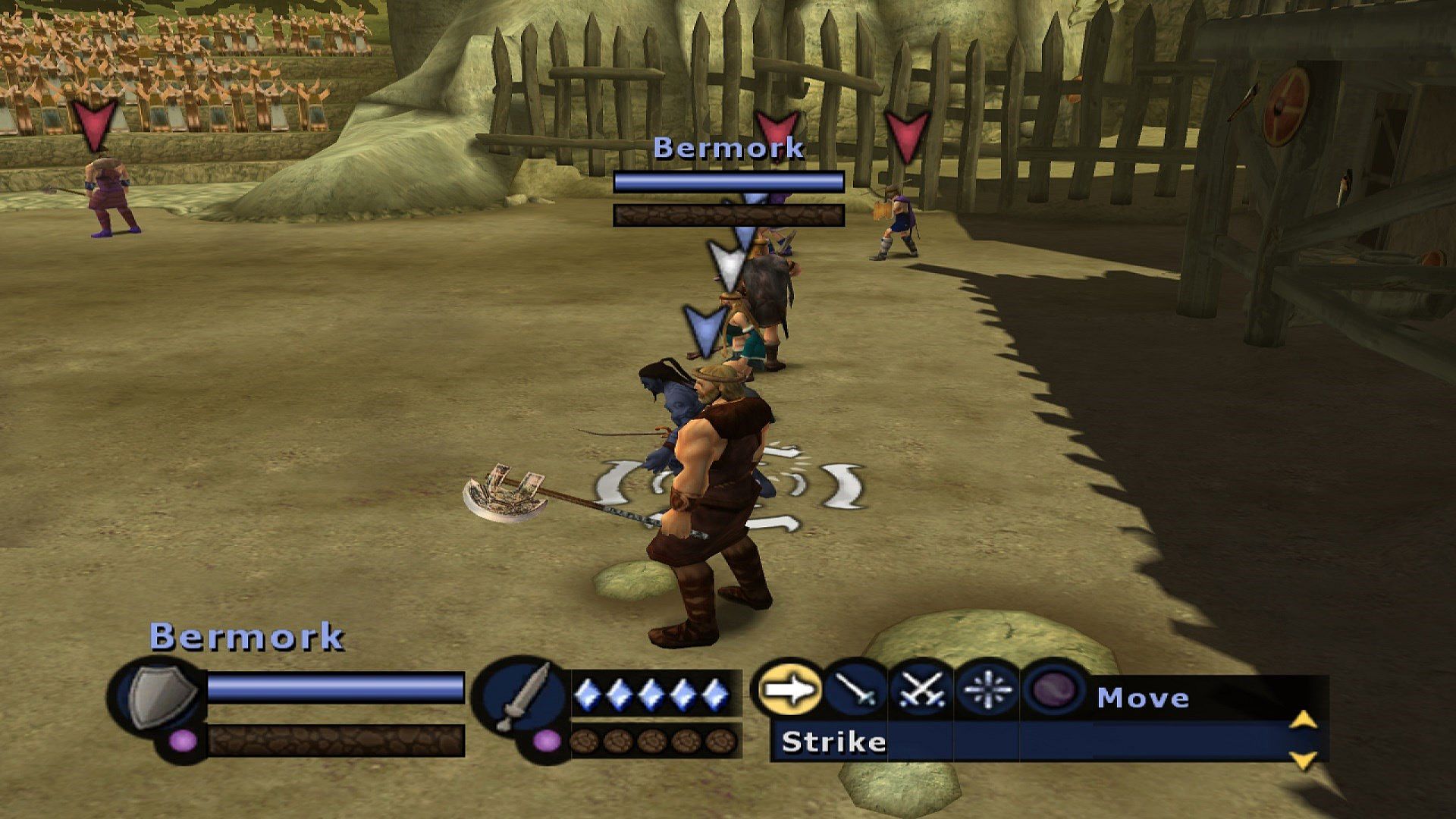
Combat unfolds on arena grids in an interleaved turn-based system where initiative determines action order. Each gladiator receives skill points that regenerate over turns and can be spent on special abilities. A swing meter adds timing precision to attacks, requiring players to execute button sequences or presses at the right moment for maximum effect. Positioning matters, as flank and rear strikes deal extra damage, and terrain features influence movement and tactics. Outside arenas, random encounters on the world map carry permanent consequences if a gladiator falls, unlike the recoverable injuries in tournament fights.
Game Modes
The primary experience is the single-player campaign, where schools progress through regional tournaments toward the ultimate championship. Matches escalate in difficulty and prestige, with success unlocking new recruits, equipment, and travel options across four distinct regions. Match objectives vary beyond simple elimination of the opposing team. Some require scoring the most damage points within a time limit, others focus on breaking barrels or occupying a central hill position for the longest duration, while certain contests involve destroying an enemy statue.
Local multiplayer expands the options. Co-op mode lets up to four players join the campaign, with participants controlling individual gladiators during battles while one player handles map navigation. Versus mode supports exhibition matches where players assemble teams from saved schools and compete directly in chosen arenas. These modes emphasize tactical coordination and direct competition without altering the underlying combat rules.
Progression and Customization
Schools advance through a ranking system tied to tournament victories. Job points earned after battles allow gladiators to learn new skills specific to their class, while affinity points enable powerful god-inspired attacks once charged through combat. Equipment upgrades and hidden recruitment opportunities for rare classes encourage experimentation with different team builds. The campaign spans dozens of hours, with two distinct story paths offering replay value through alternate starting locations and narrative beats.
Is It Worth Playing?
Gladius received generally favorable reviews at release for its depth of combat mechanics, character customization, and the interactive swing meter that keeps turn-based fights engaging. The lengthy campaign and variety of match types provide substantial content for players who enjoy tactical decision-making and squad management. Local co-op and versus support add replayability for groups, though the game lacks online features or modern updates. It suits fans of classic tactical RPGs seeking a focused gladiator-themed experience on Xbox consoles, particularly those comfortable with deliberate pacing and strategic layering over fast action. The backward-compatible versions preserve the original presentation and controls without additional enhancements.