

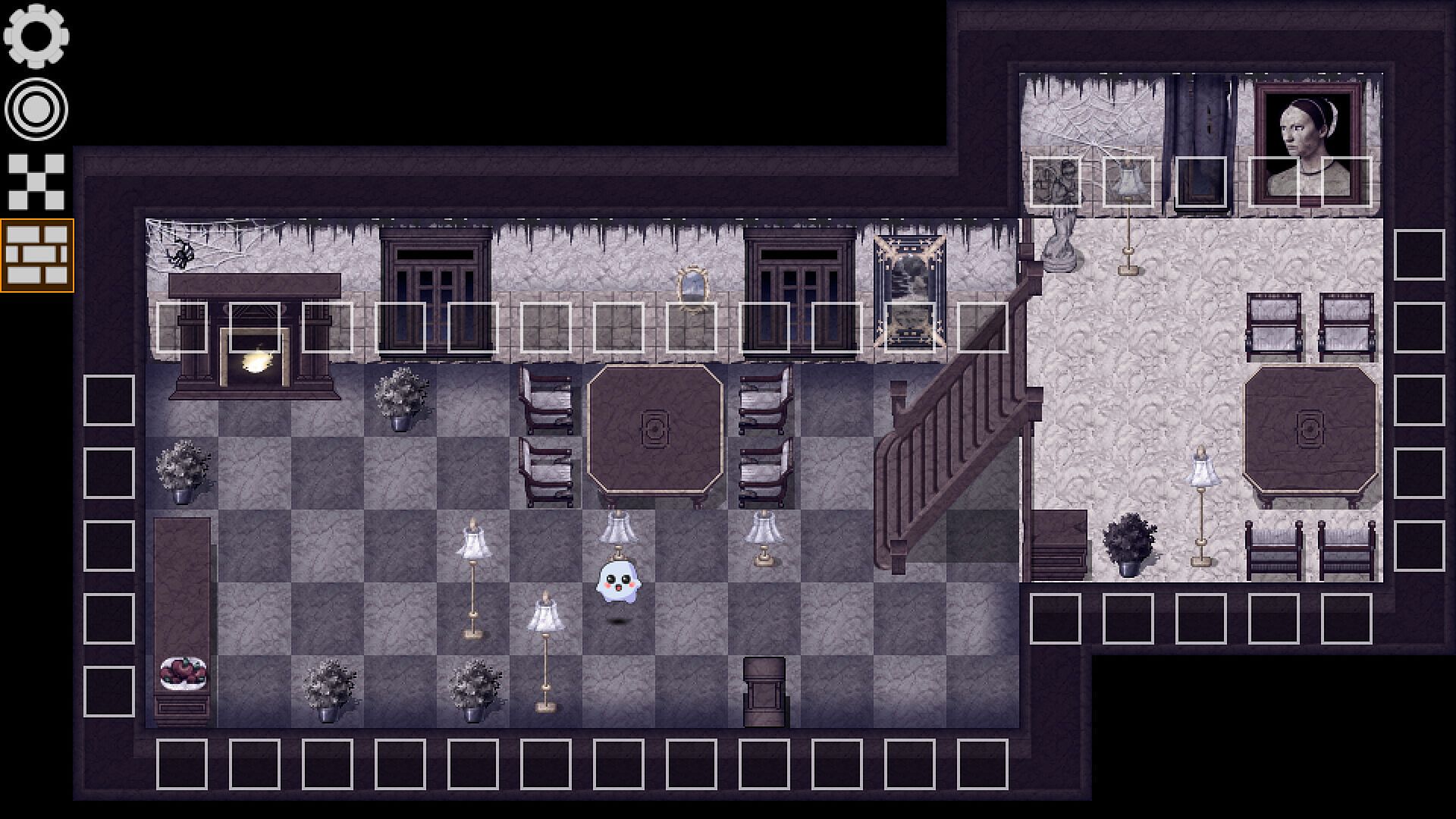
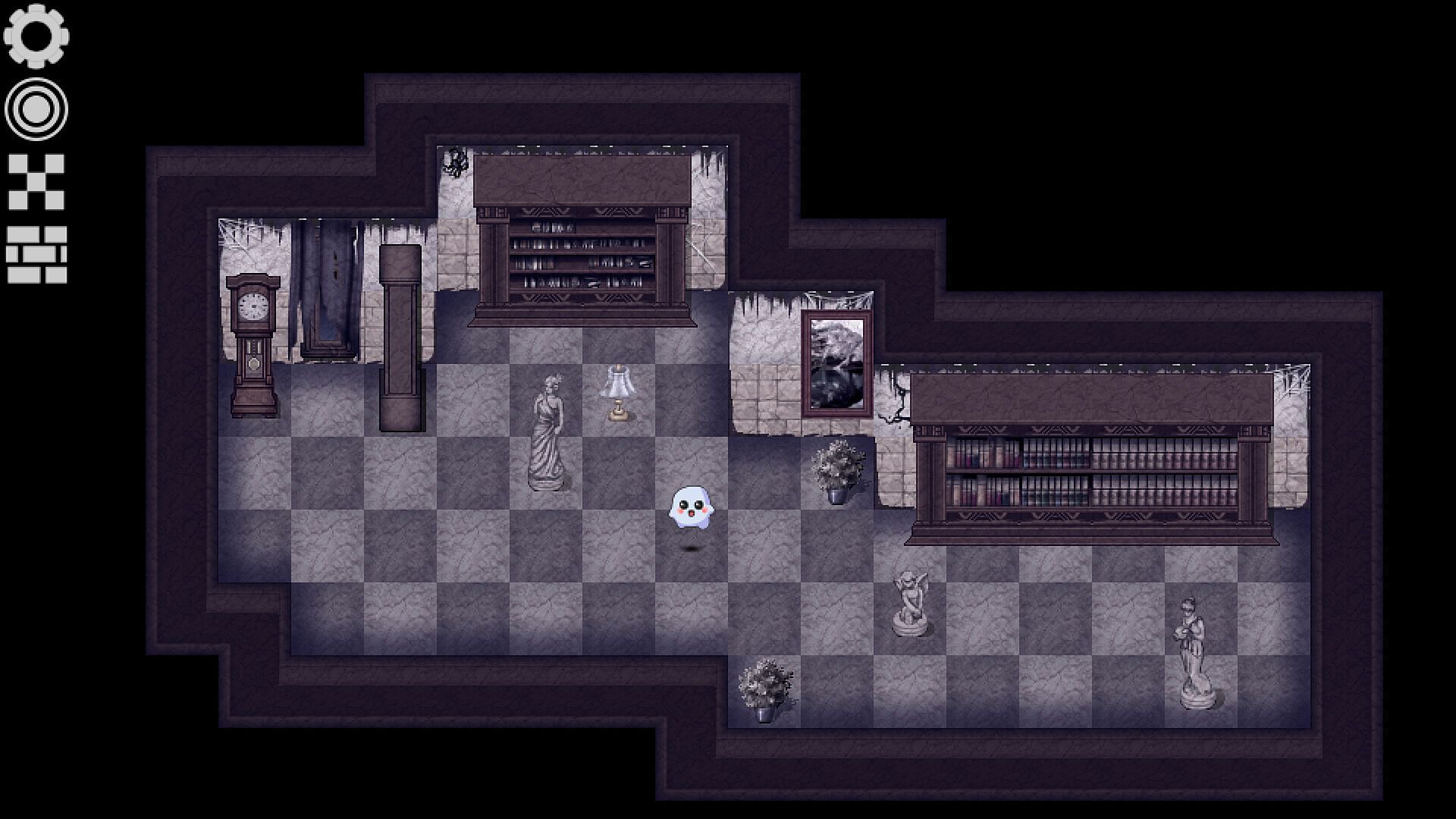
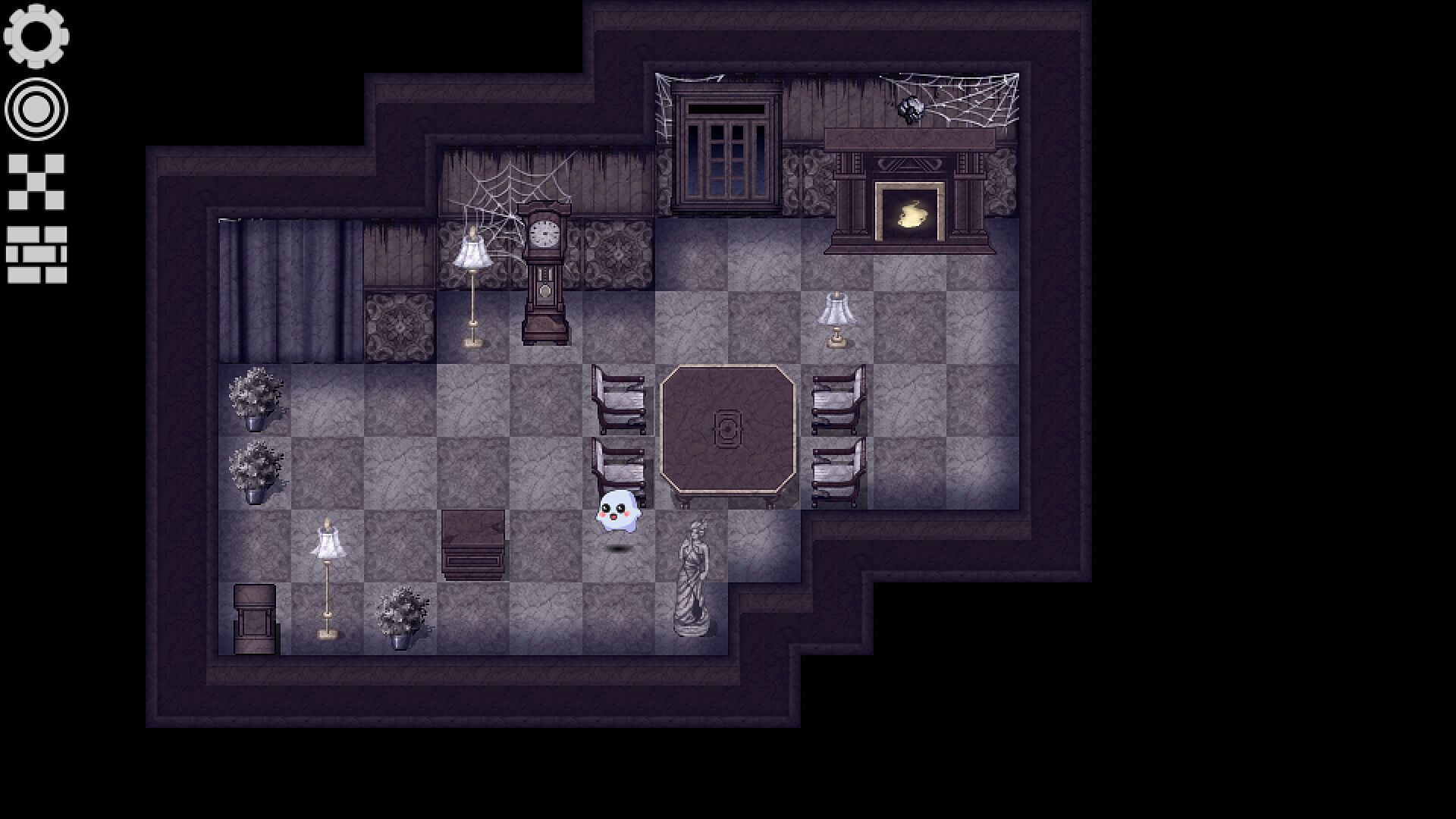
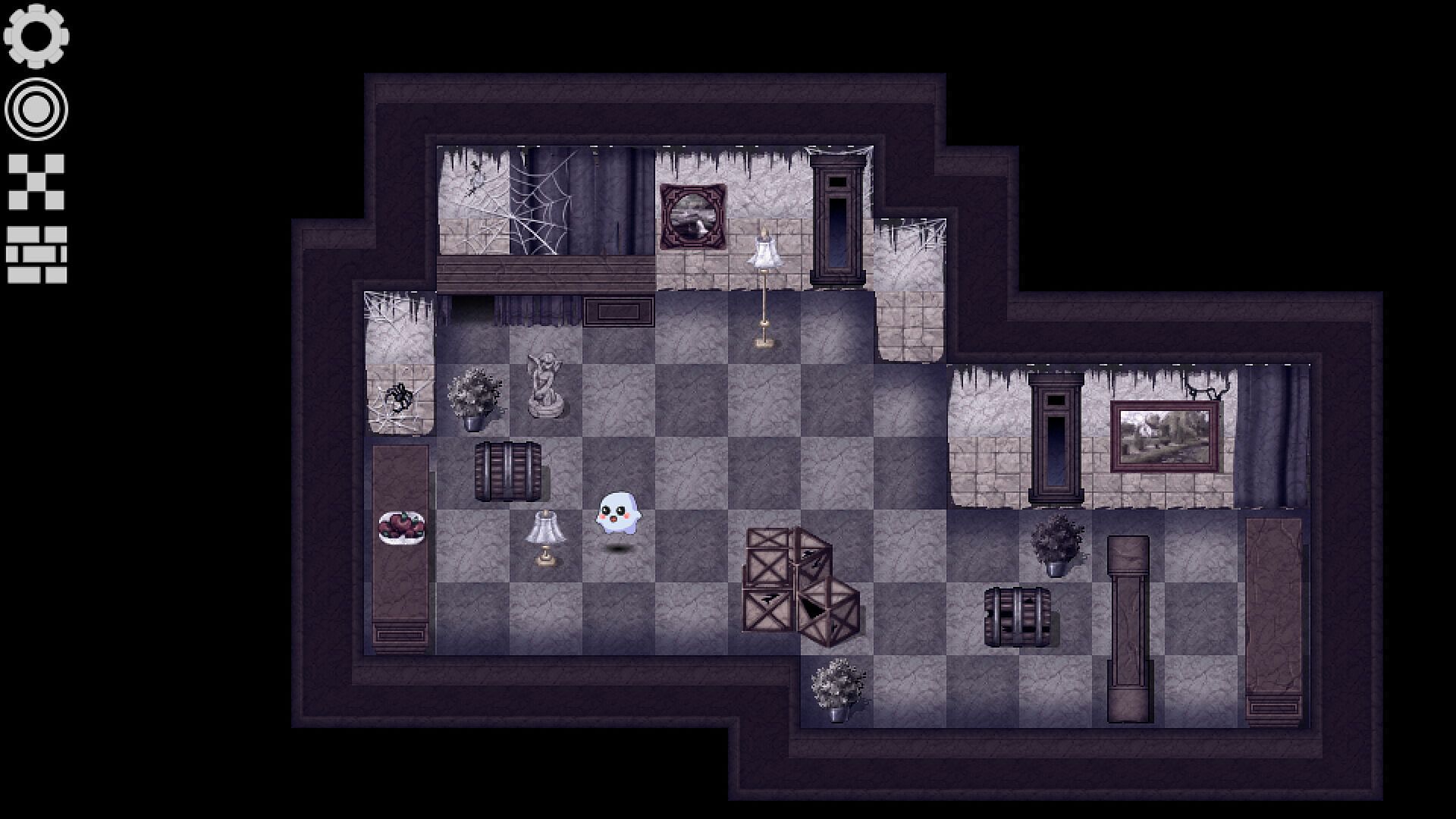
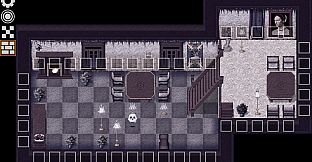
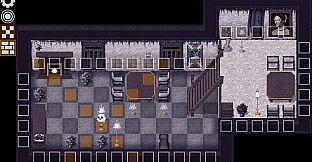
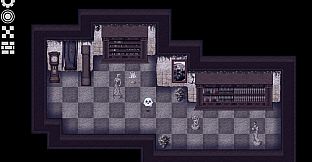
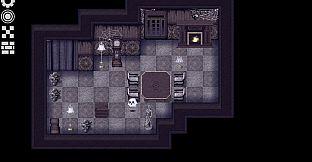
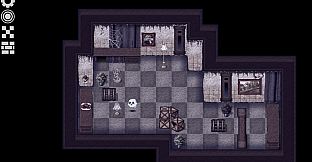
Ghosts Don't Need Doors is an indie casual puzzle game for PC that puts players in the role of a small ghost seeking freedom from a haunted mansion. The core premise centers on navigation through locked spaces where traditional doors offer no help, forcing reliance on careful observation and deduction to identify hidden passages in the walls.
Gameplay
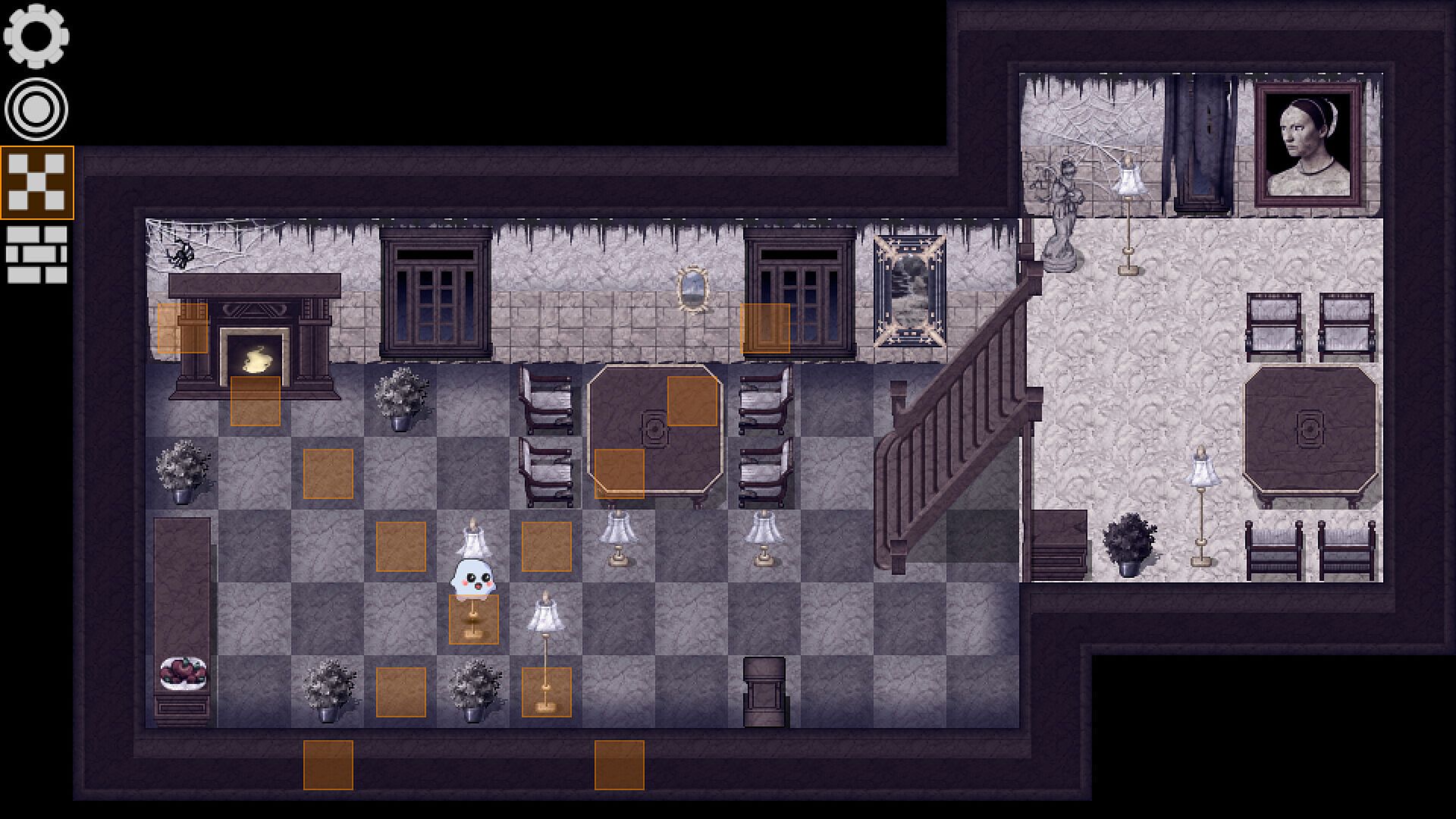
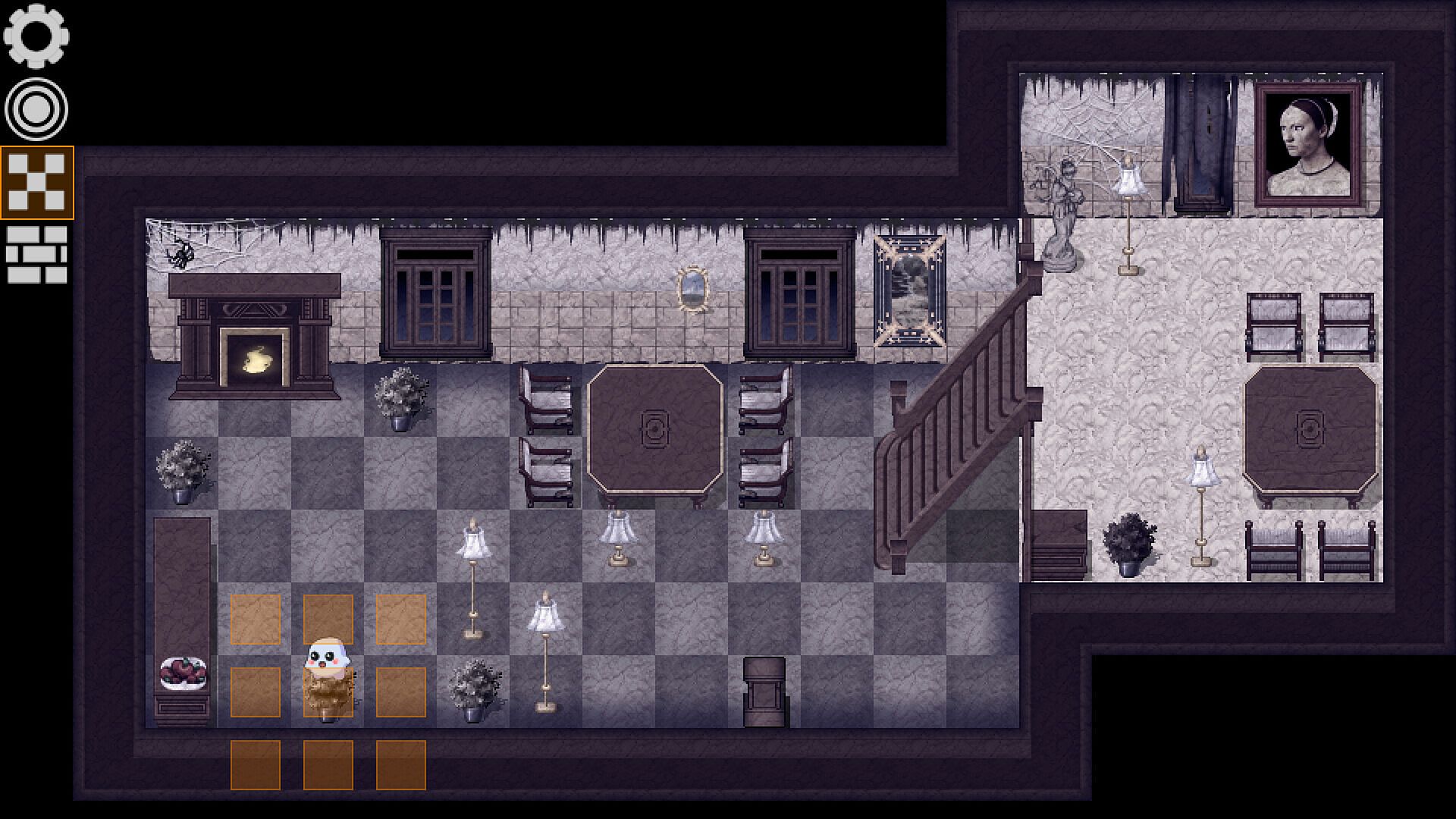
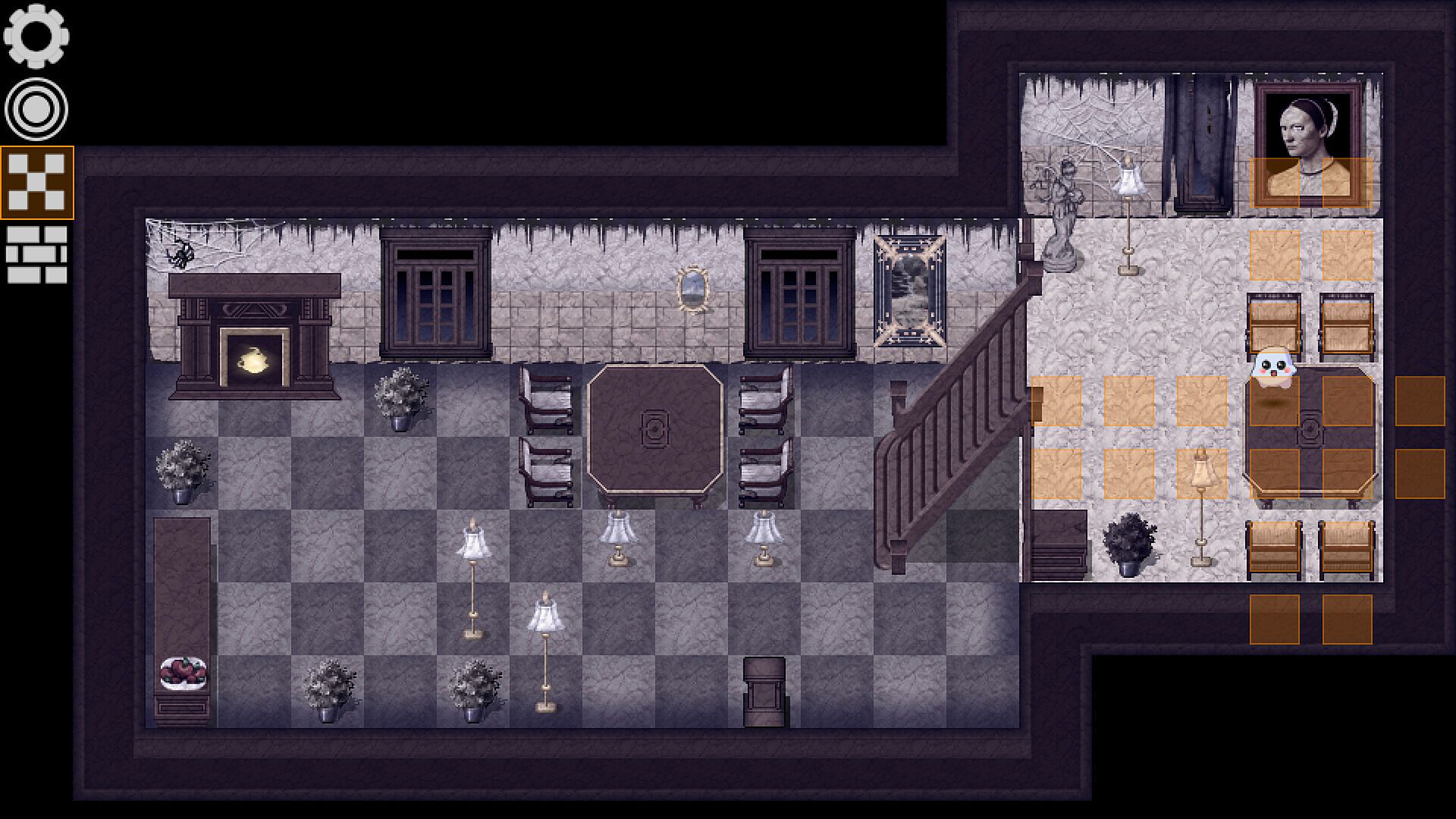
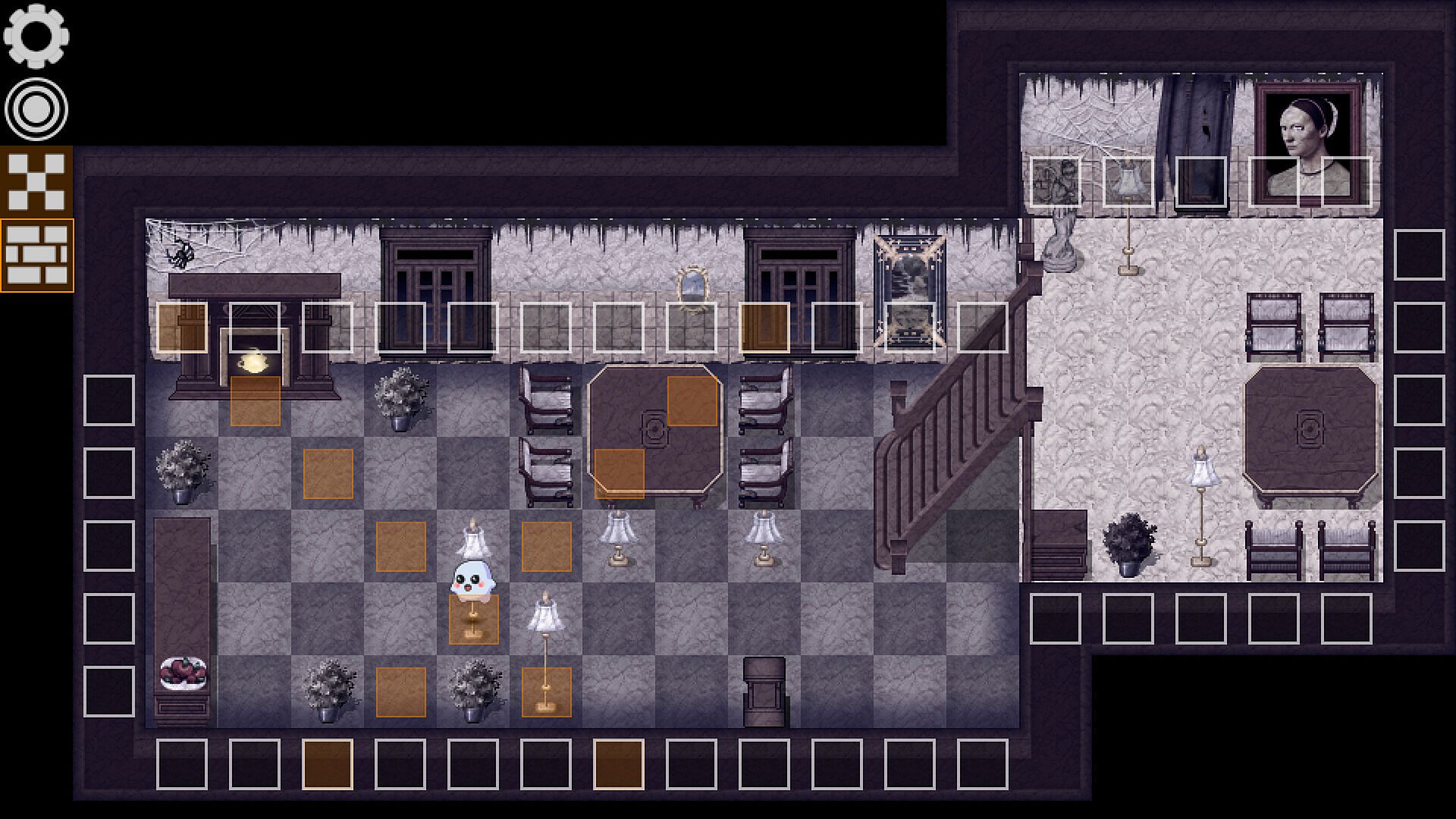
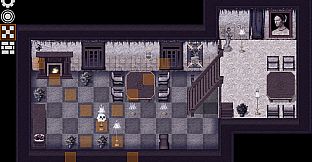
Players move room by room, examining furniture and decorations to gather clues. Object placements serve as indicators for which walls might conceal a passage, turning each space into a self-contained logic challenge. Patterns emerge from studying these arrangements, allowing deduction of viable routes without random guessing. The process rewards methodical analysis of every detail in the environment.
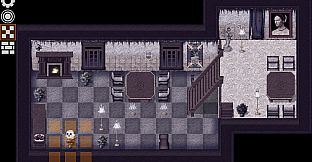
When pure reasoning falls short, a single spectral pulse becomes available in each room. This ability lets players test a specific theory by interacting with a chosen wall or area. Limited to one use per room, the pulse encourages strategic timing and reinforces the emphasis on prior observation. Success depends on combining visual clues with this occasional tool to progress toward the exit.
Game Modes
The experience unfolds as a continuous single-player sequence of rooms that build in complexity. Each new area presents fresh arrangements of objects and walls, requiring players to adapt their deductive approach. There are no separate competitive or cooperative modes, keeping the focus on individual puzzle solving within the mansion's layout.
Core Puzzle Mechanics
Every room functions as an independent yet connected puzzle. Furniture positions provide the primary data set, revealing constraints on possible passages. Players narrow options through elimination, identifying consistent patterns across multiple clues. This system avoids trial-and-error in favor of logical progression, with the spectral pulse acting as a targeted verification step rather than a primary solution.
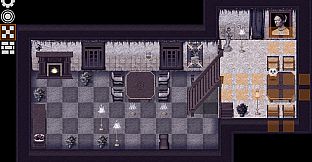
The mansion itself serves as the sole setting, with rooms varying in layout and object density to maintain variety. Progression involves uncovering passages that link areas, gradually revealing a path outward. The design prioritizes clarity in clue presentation so that attentive study yields reliable solutions.
Is It Worth Playing?
Fans of logic-based puzzle games will find a focused experience that rewards close attention to environmental details. The combination of visual deduction and the restricted pulse mechanic creates a deliberate pace suited to casual sessions. Those who enjoy studying patterns and testing hypotheses through limited actions may appreciate the steady challenge across successive rooms. The indie casual style keeps the scope contained, making it accessible without overwhelming complexity. Availability on PC supports straightforward play for anyone interested in this type of contained escape puzzle.