



























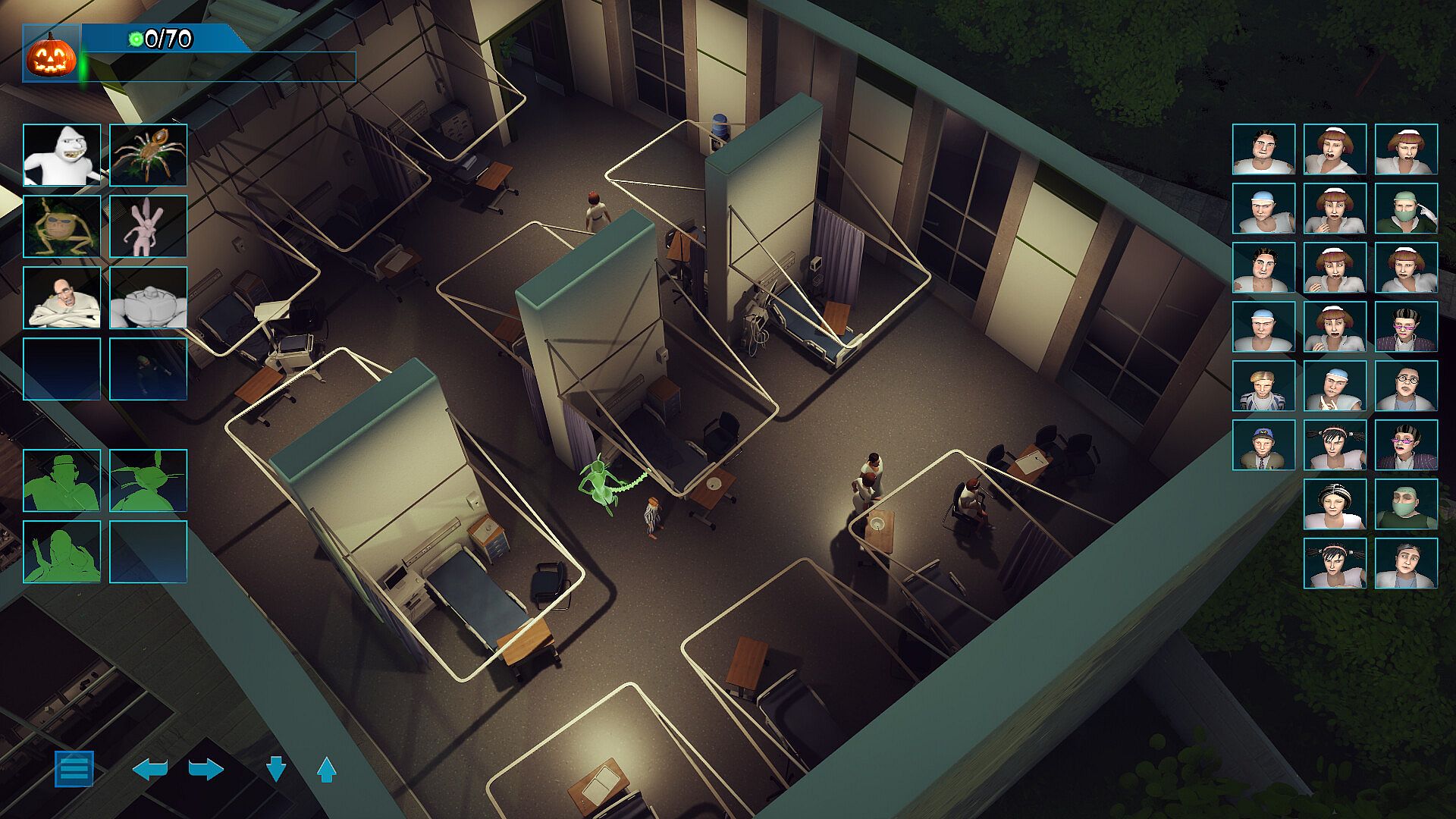
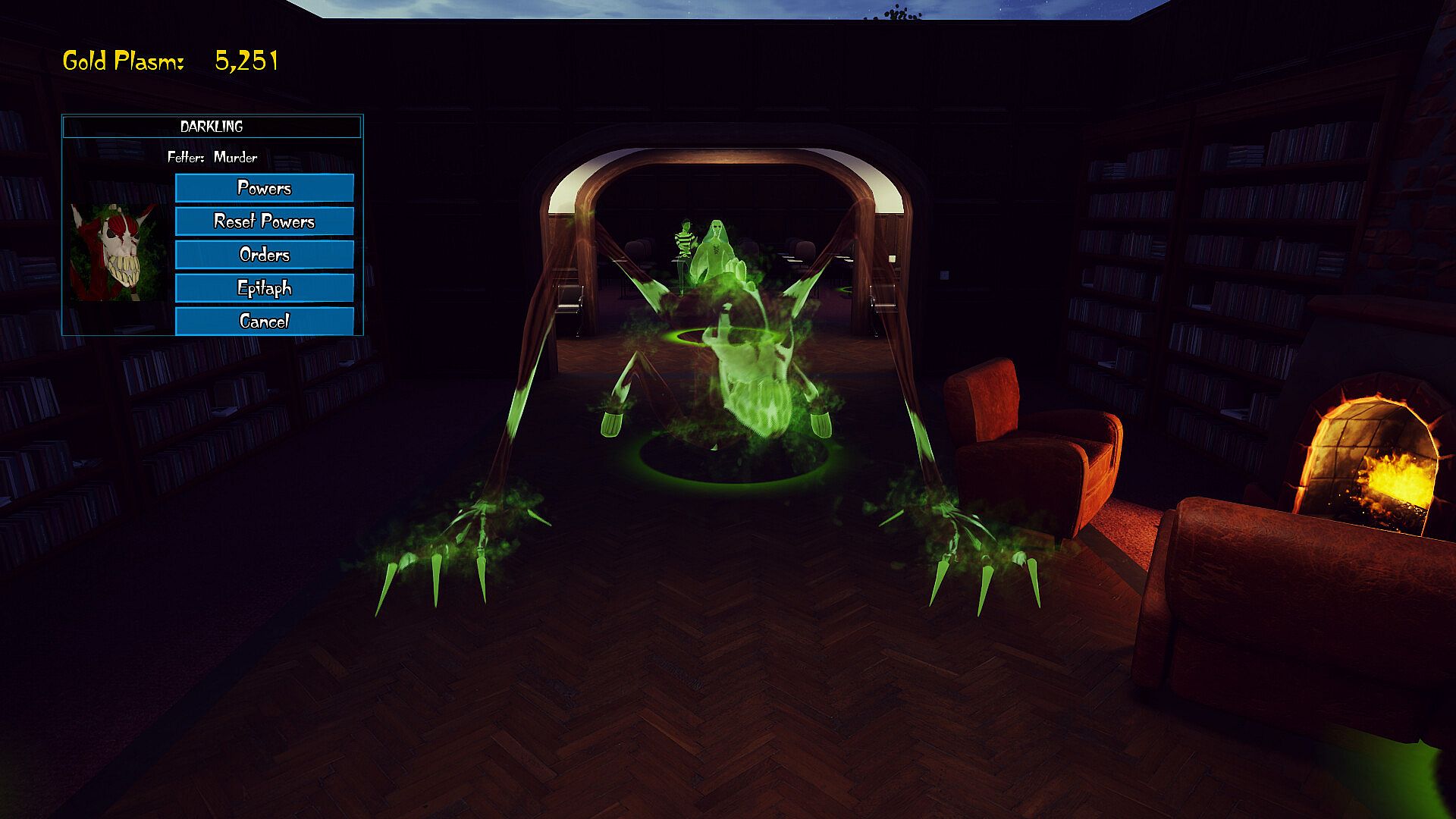
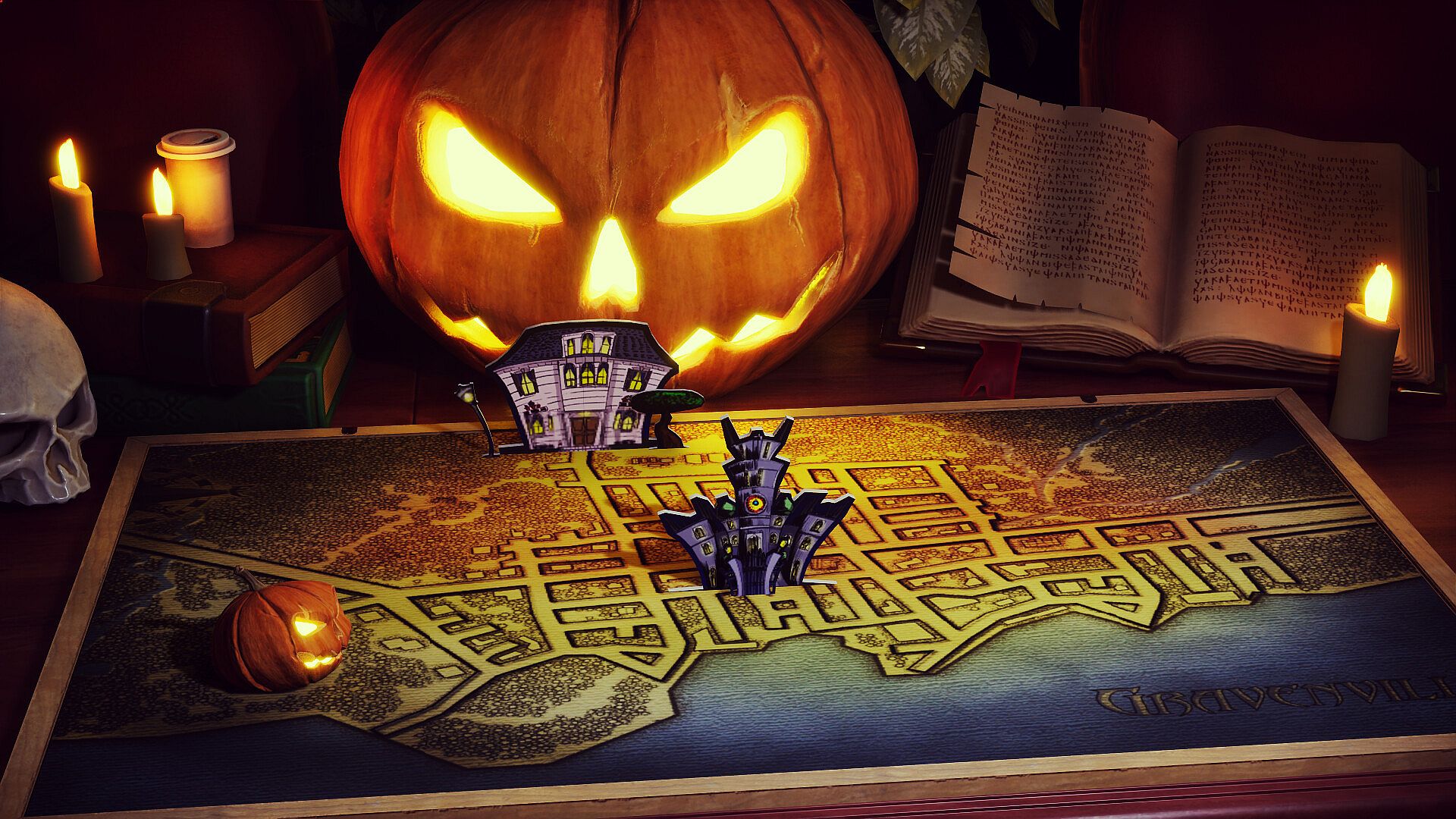
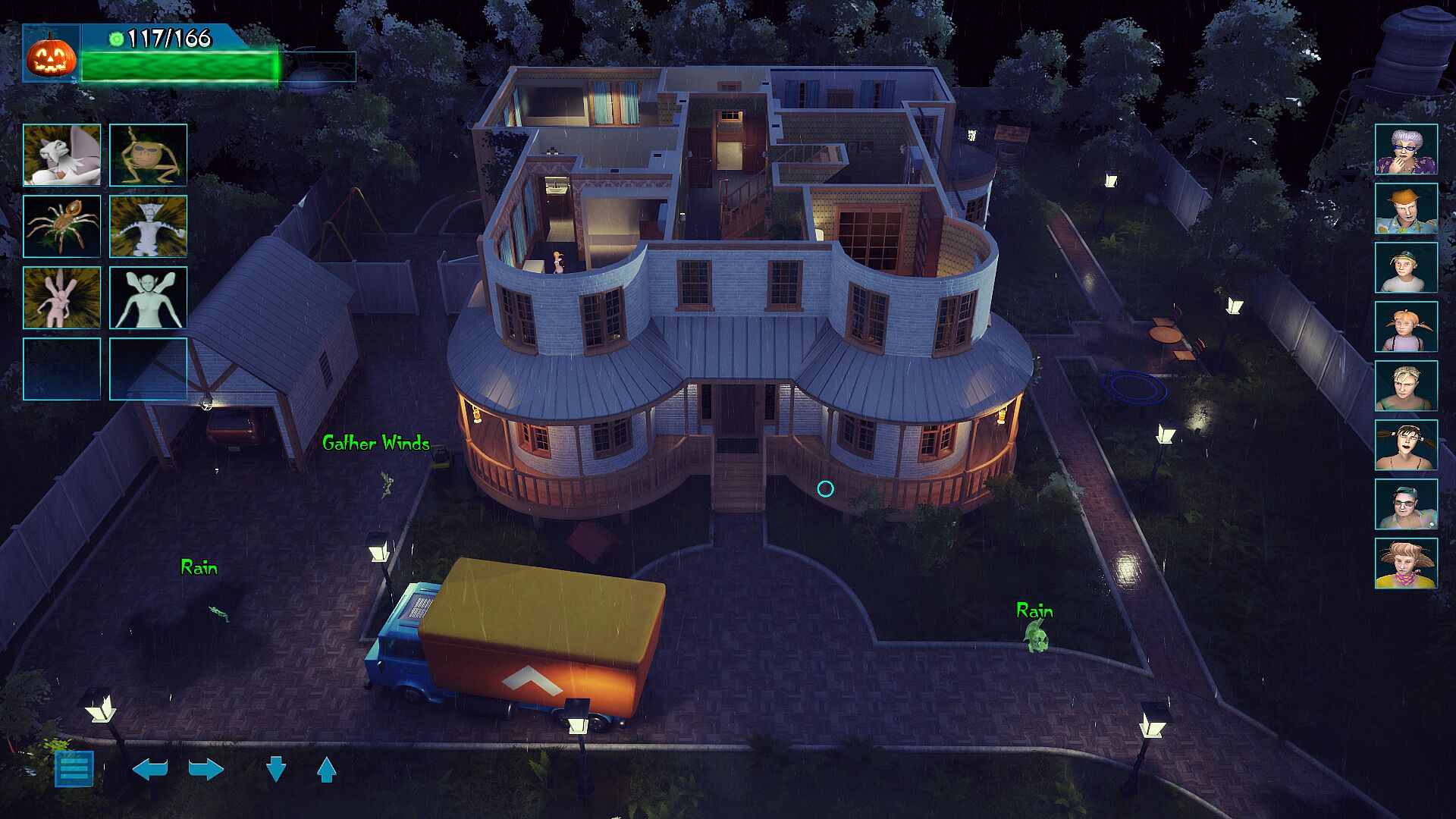
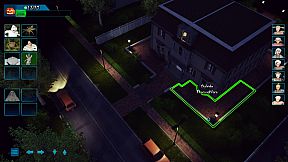
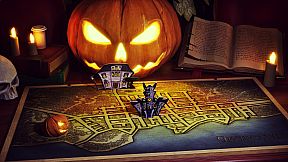
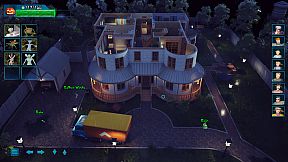
Ghost Master: Resurrection is a single-player strategy game that places players in command of supernatural forces to haunt and manipulate the residents of Gravenville. The title revives the core concept of directing ghosts and other entities through detailed environments, blending tactical placement with puzzle-solving elements to achieve specific objectives in each scenario.
Gameplay
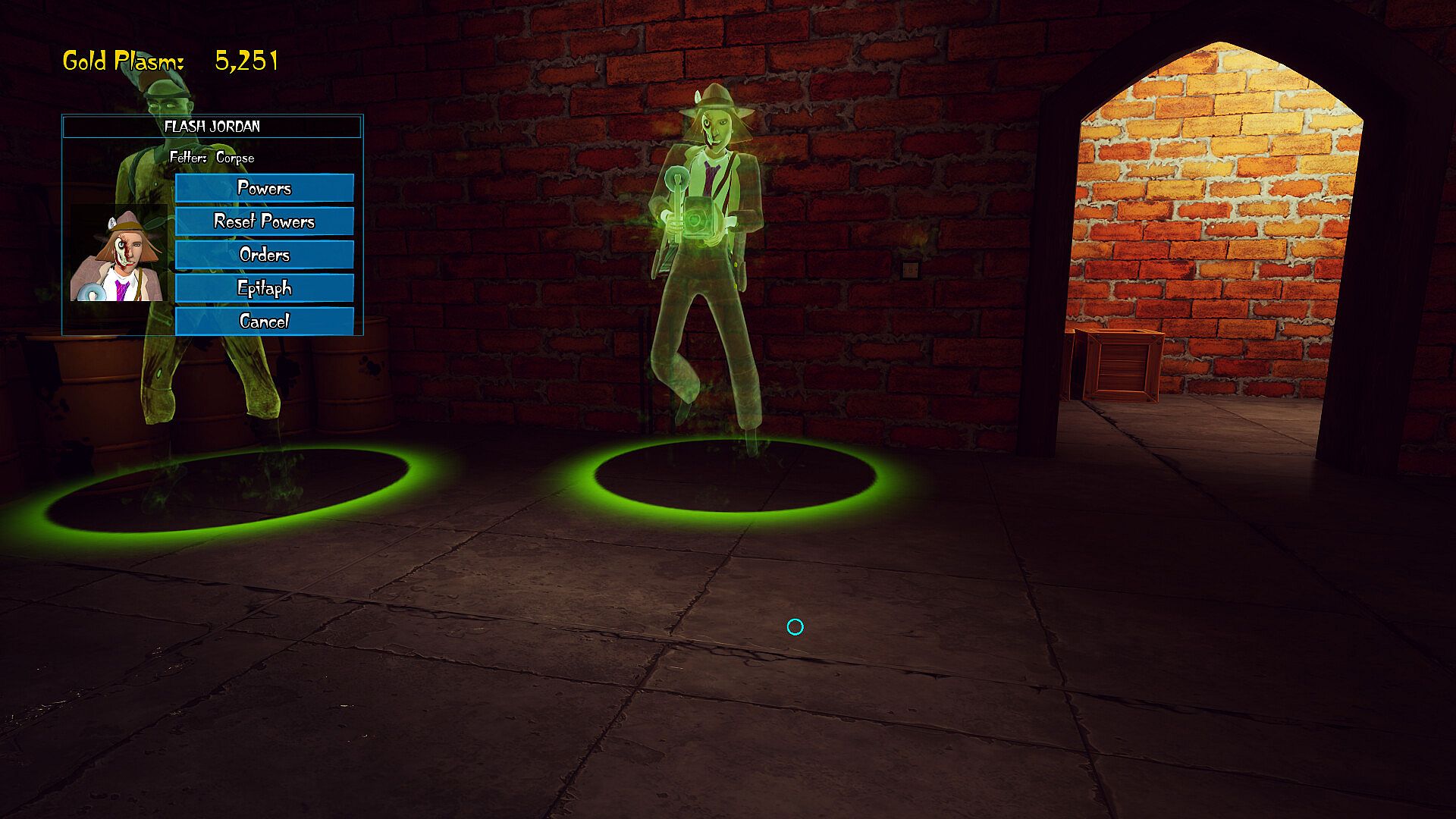
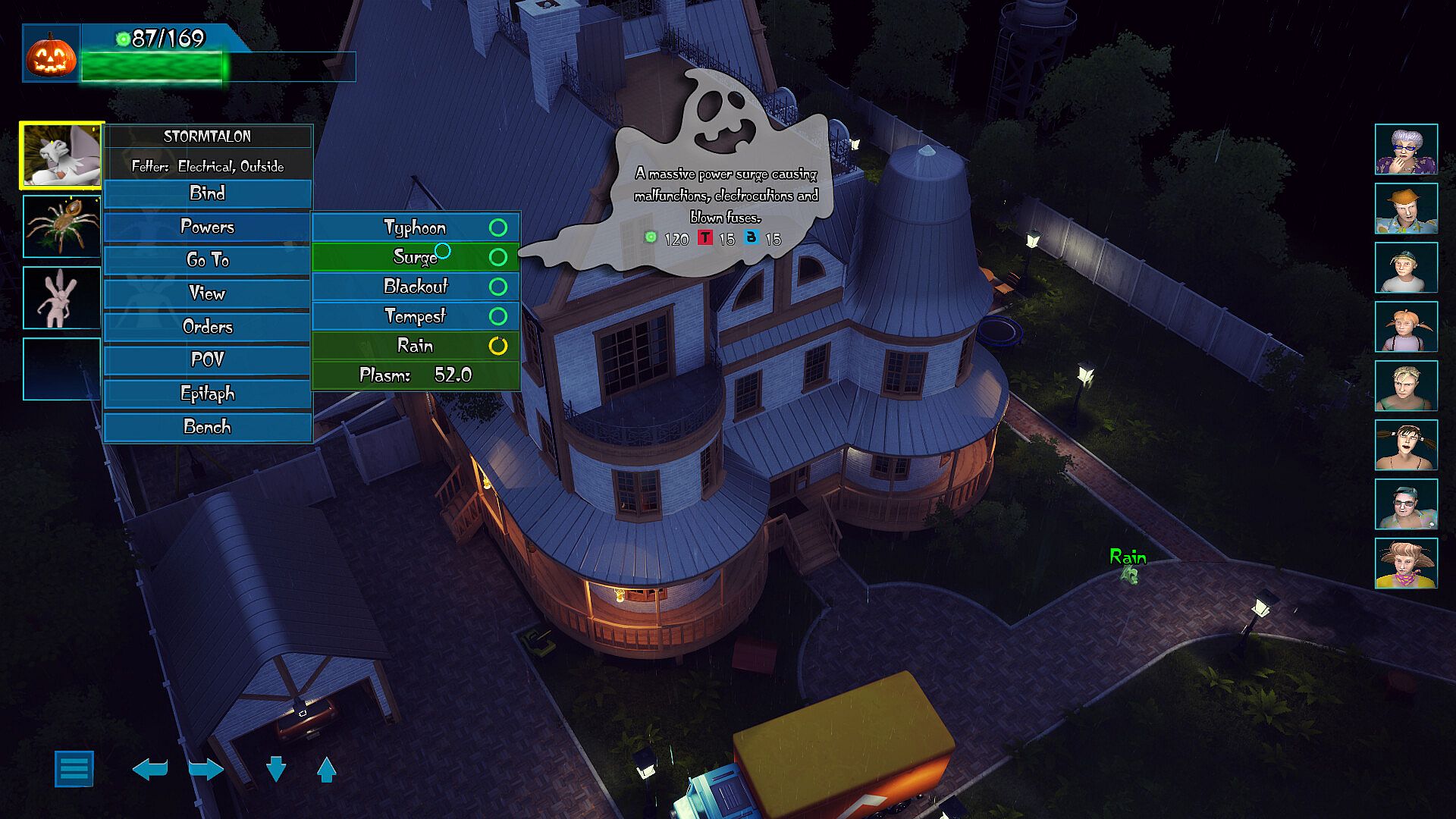
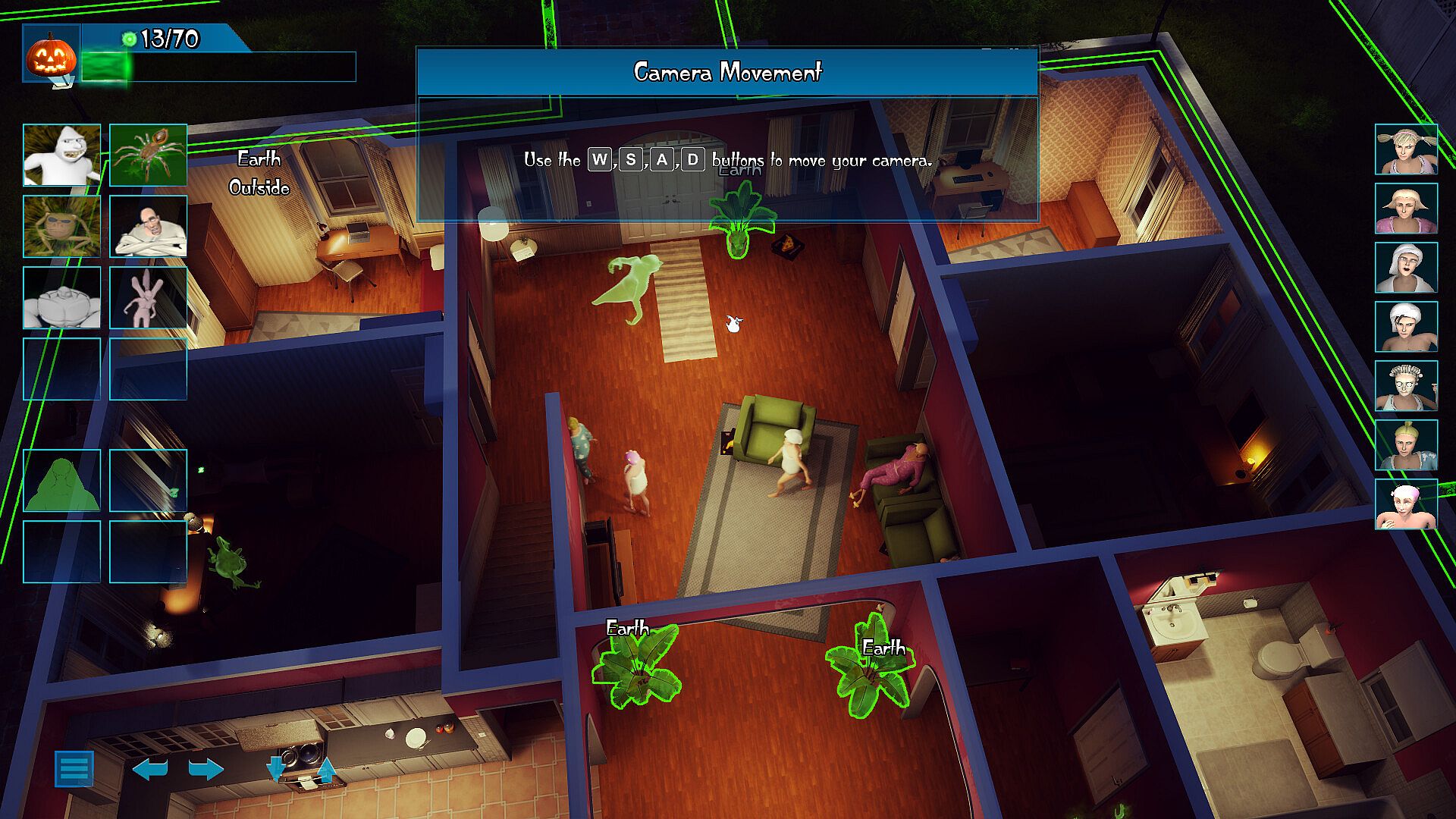
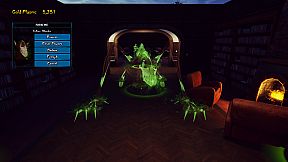
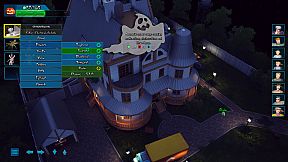
The central loop revolves around selecting and positioning a roster of specters, each equipped with distinct powers that affect the environment or influence human characters. Players summon entities such as banshees and gremlins, then direct their actions in real time across fixed locations. Resource management comes into play through the allocation of haunting energy, while strategic decisions determine how effectively mortals can be scared, distracted, or controlled to progress toward mission goals.
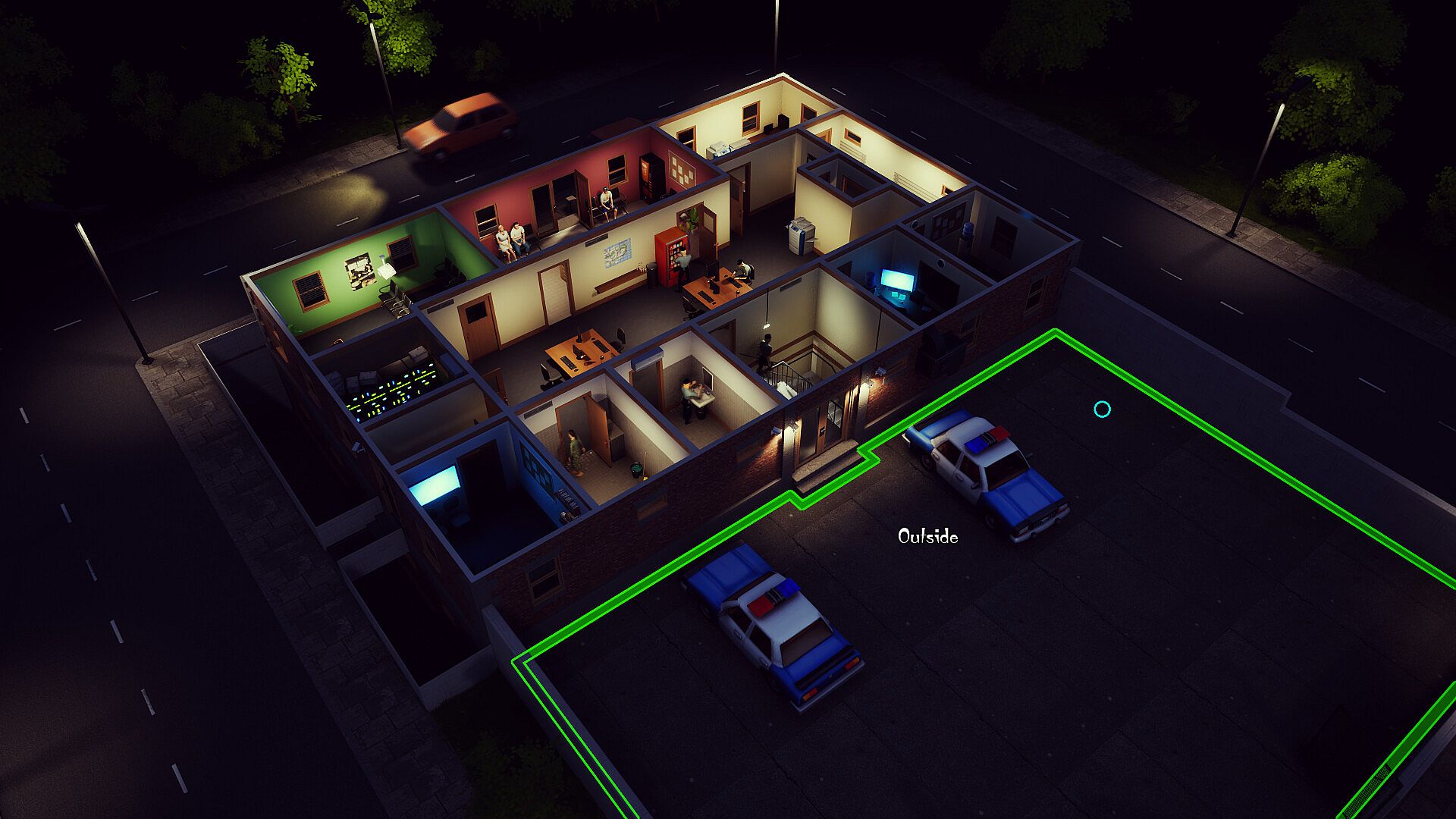
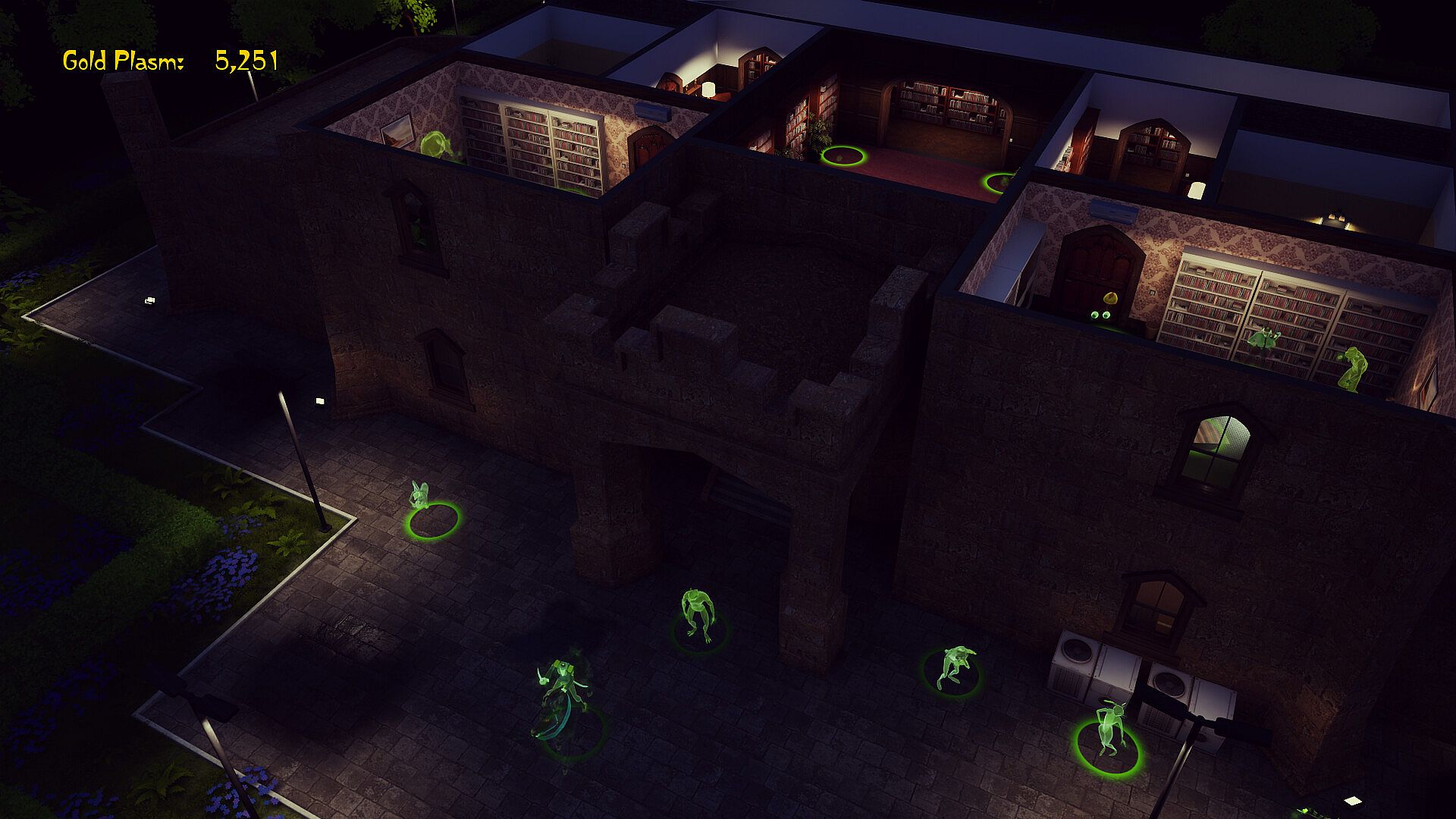
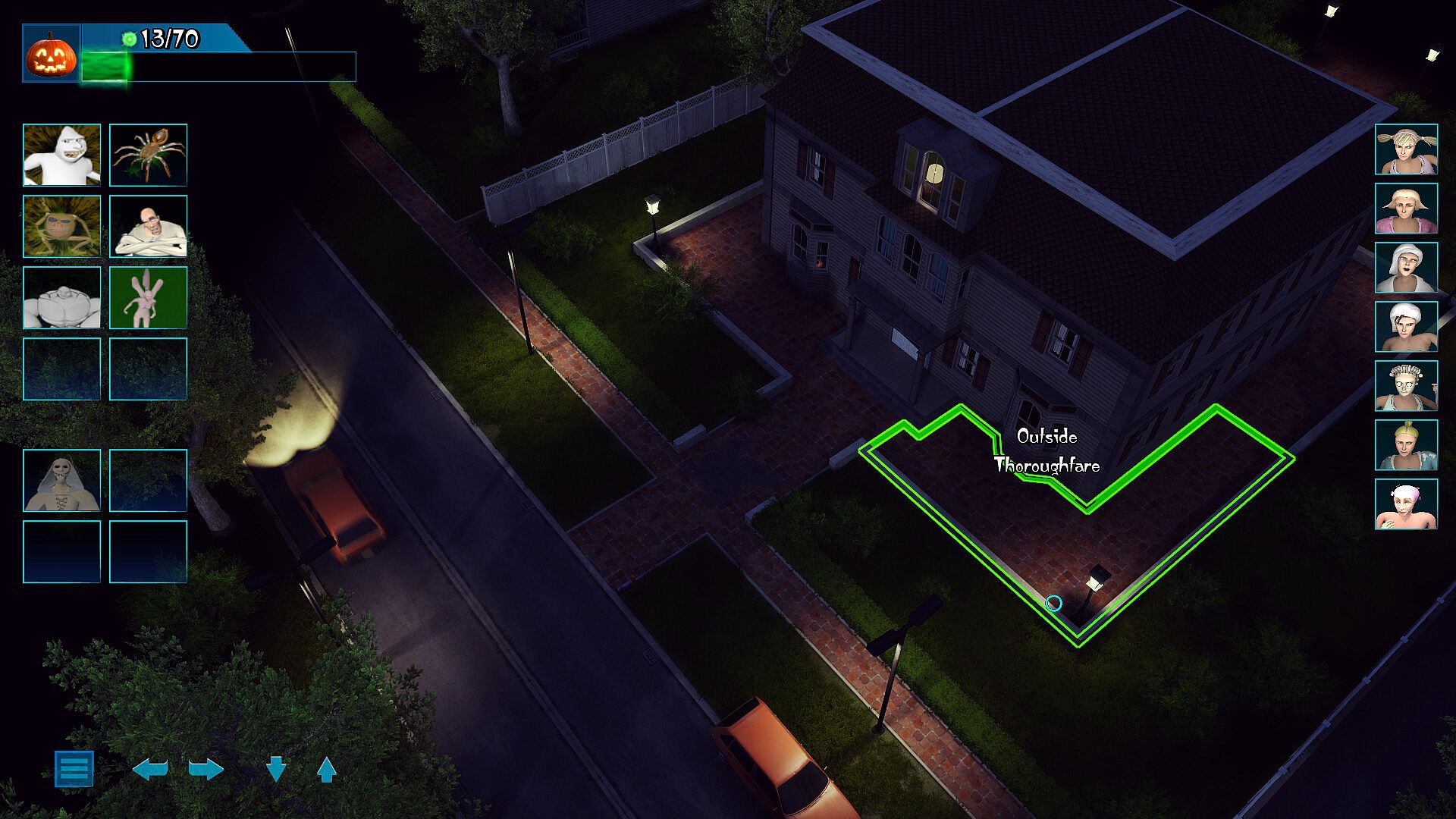
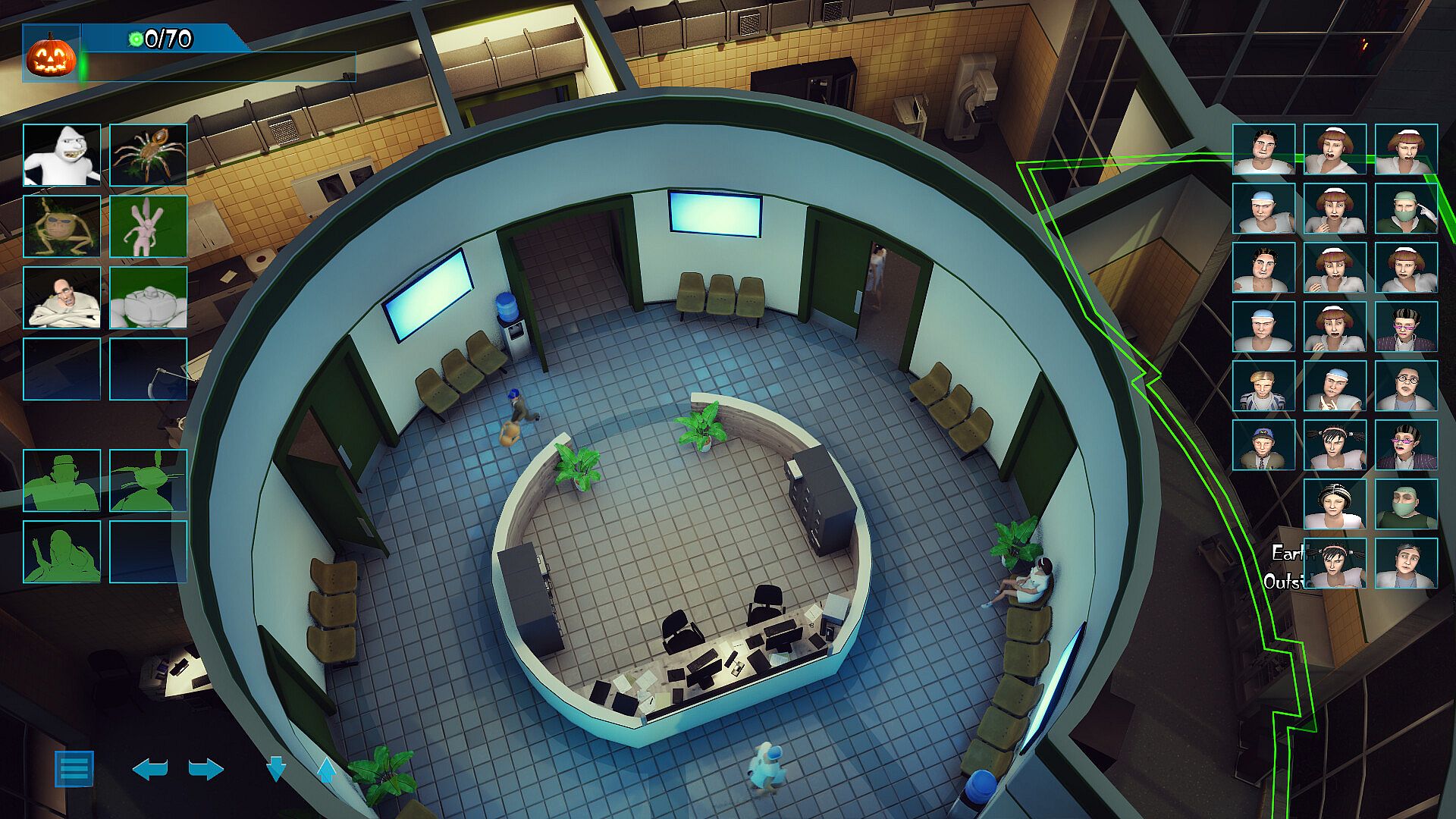
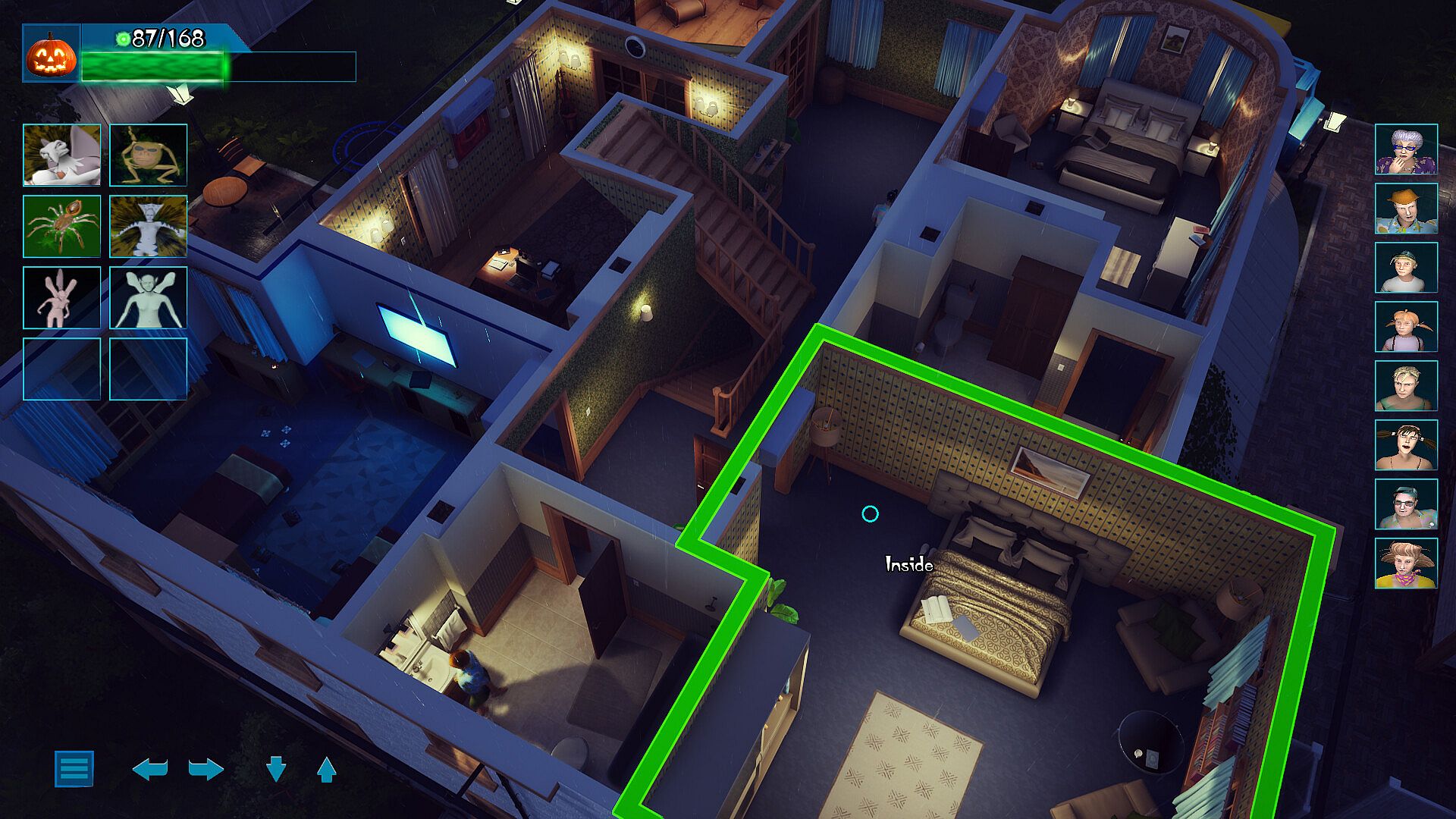
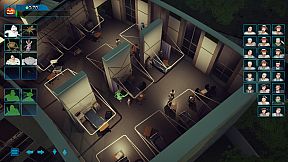
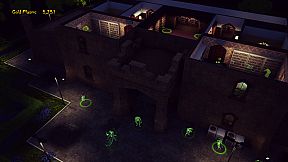
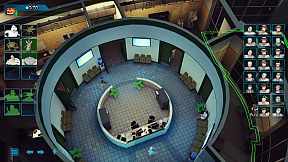
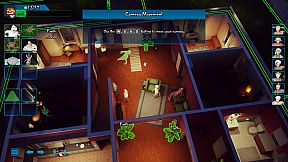
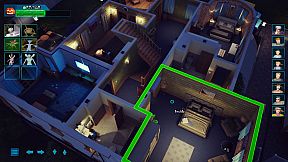
Eleven distinct sites form the playable spaces, ranging from institutional buildings like asylums and police stations to residential and academic settings such as sorority houses and military compounds. Each area features interactive elements that respond to spectral abilities, encouraging experimentation with combinations of ghosts to trigger chain reactions or reveal hidden paths. The modern engine supports improved visual feedback for these interactions, allowing clearer observation of how abilities alter the scene.
Puzzle resolution requires careful observation of mortal behaviors and environmental states. Players adjust weather effects, trigger sounds, or chain multiple ghost powers to create conditions that fulfill objectives without direct confrontation. Multi-branching outcomes emerge from different approaches, rewarding repeated visits to the same location with new results based on prior choices.
Game Modes
The experience centers on a mission structure where each of the eleven locations presents a self-contained haunting challenge. These scenarios incorporate multiple objectives that can be approached through varied ghost selections and timing, leading to different completion paths within the same map. No separate competitive or cooperative modes exist; progression remains focused on sequential advancement through the campaign-style missions.
Within individual missions, players experiment with ghost lineups before deployment and refine strategies mid-haunt based on unfolding events. Hidden elements scattered throughout the environments provide additional layers of discovery, often tied to specific ability combinations or repeated attempts on the same site.
Key Mechanics
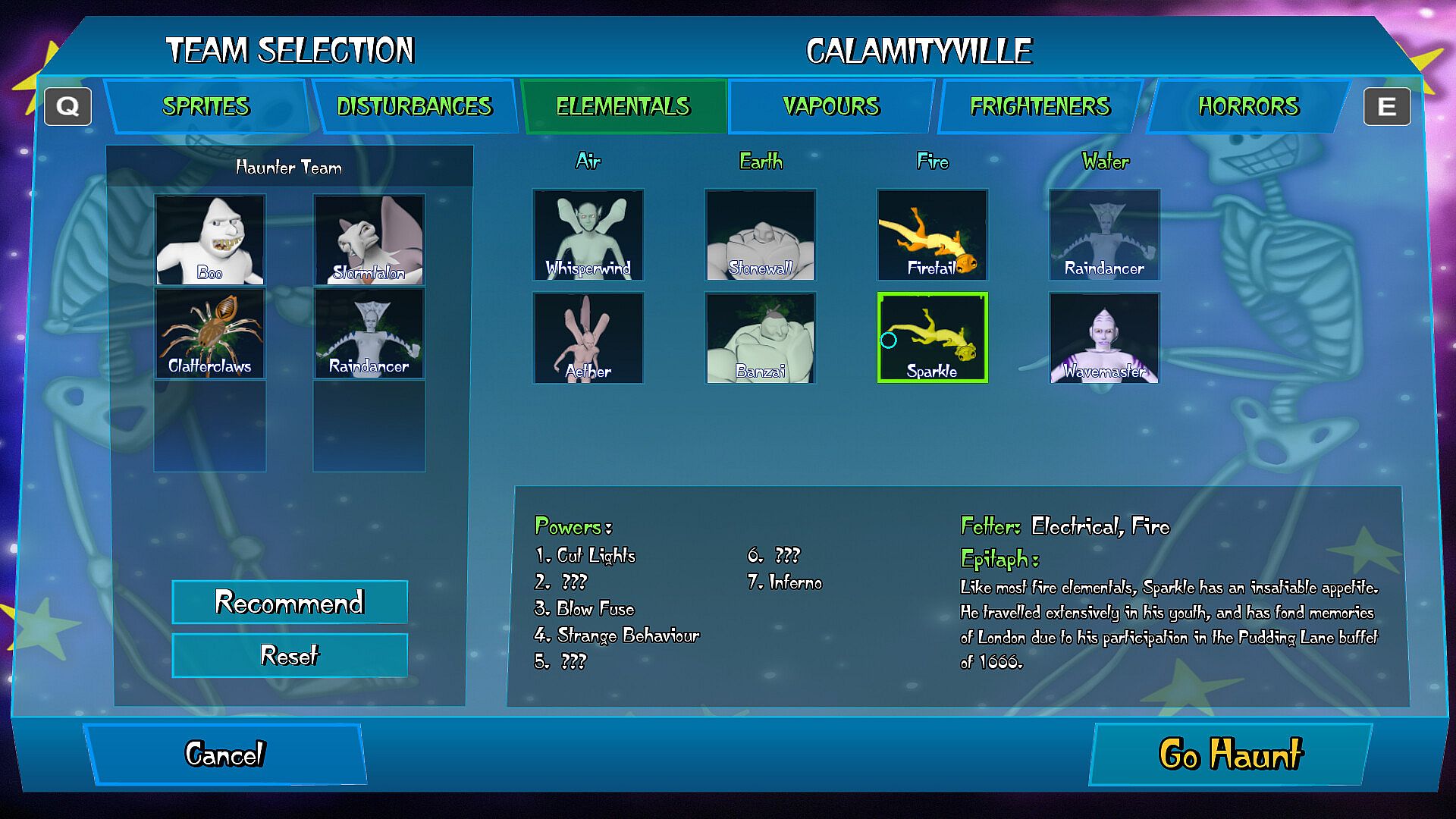
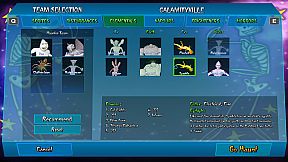
Core systems emphasize preparation and adaptation. Before entering a location, players curate their ghost roster from an expanding collection, balancing offensive scares with subtler manipulation tools. Once active, the interface supports direct commands to individual entities while monitoring overall fear levels and objective progress across the map.
AI improvements allow ghosts to execute orders with greater reliability, reducing the need for constant micromanagement and letting players focus on larger-scale planning. Resource limits prevent overuse of powerful abilities, forcing prioritization that mirrors classic real-time strategy constraints updated for smoother execution.
Is It Worth Playing?
The full 1.0 release arrived in March 2026 after an Early Access period, delivering the complete set of locations and refined systems without ongoing seasonal content or additional modes. Reception among returning fans highlights the faithful recreation of the original haunting formula alongside quality-of-life updates that address older limitations in control and visuals.
This title suits players who enjoy deliberate, single-player strategy with puzzle components rather than fast-paced action or multiplayer competition. Those drawn to supernatural themes and methodical planning will find consistent depth across the eleven missions, particularly if they value replayability through alternative solutions. Newcomers receive an accessible entry point into the concept, while veterans encounter enough mechanical polish to justify a return.














