








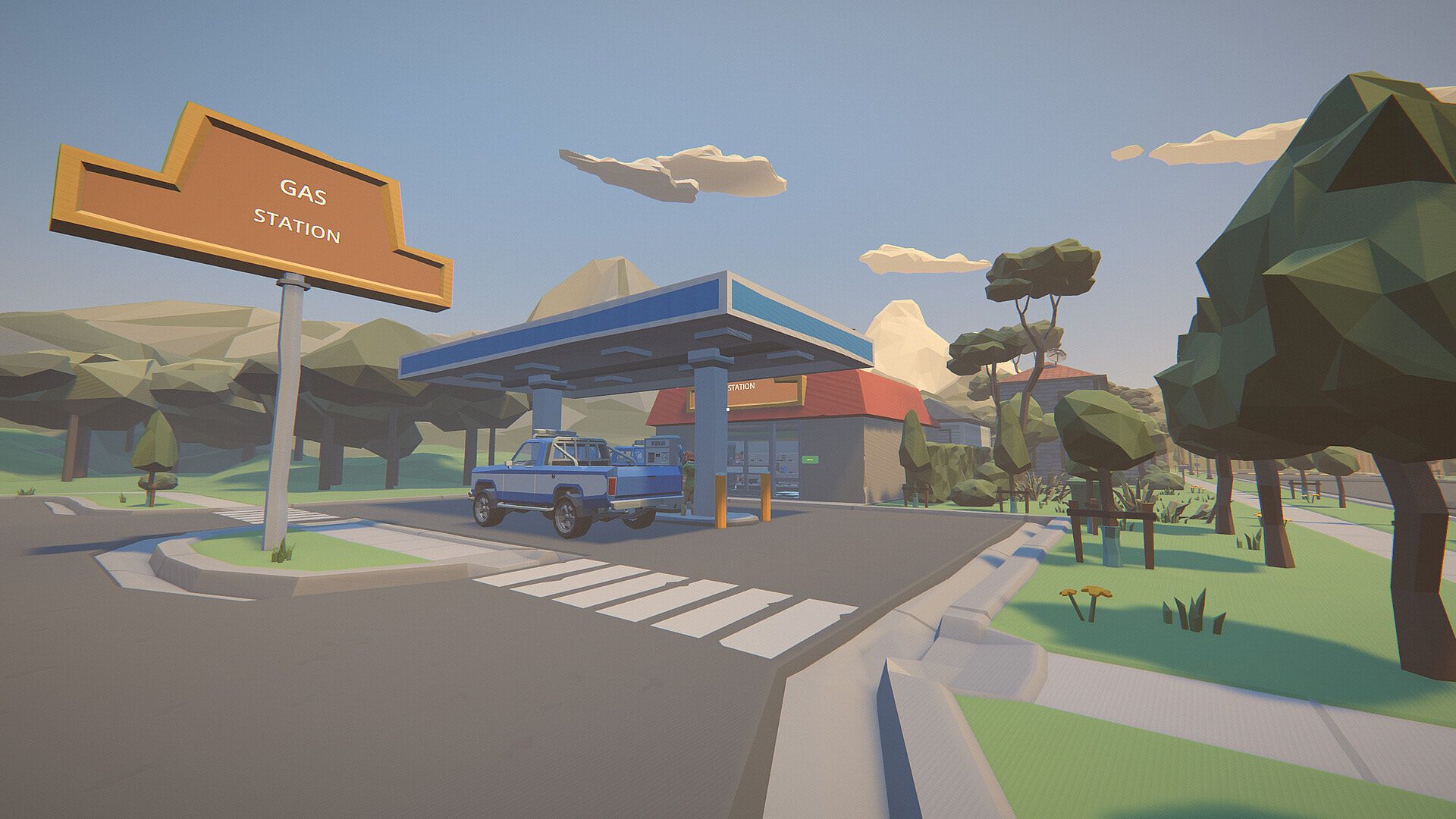


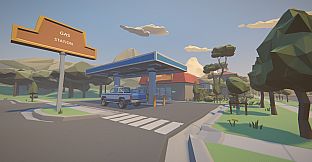
Gas Station Simulator is a first-person indie simulation game focused on renovating and operating a roadside fuel stop and convenience store. Players take over a rundown station and handle every aspect of daily operations through direct physical actions rather than abstract menus.
Gameplay
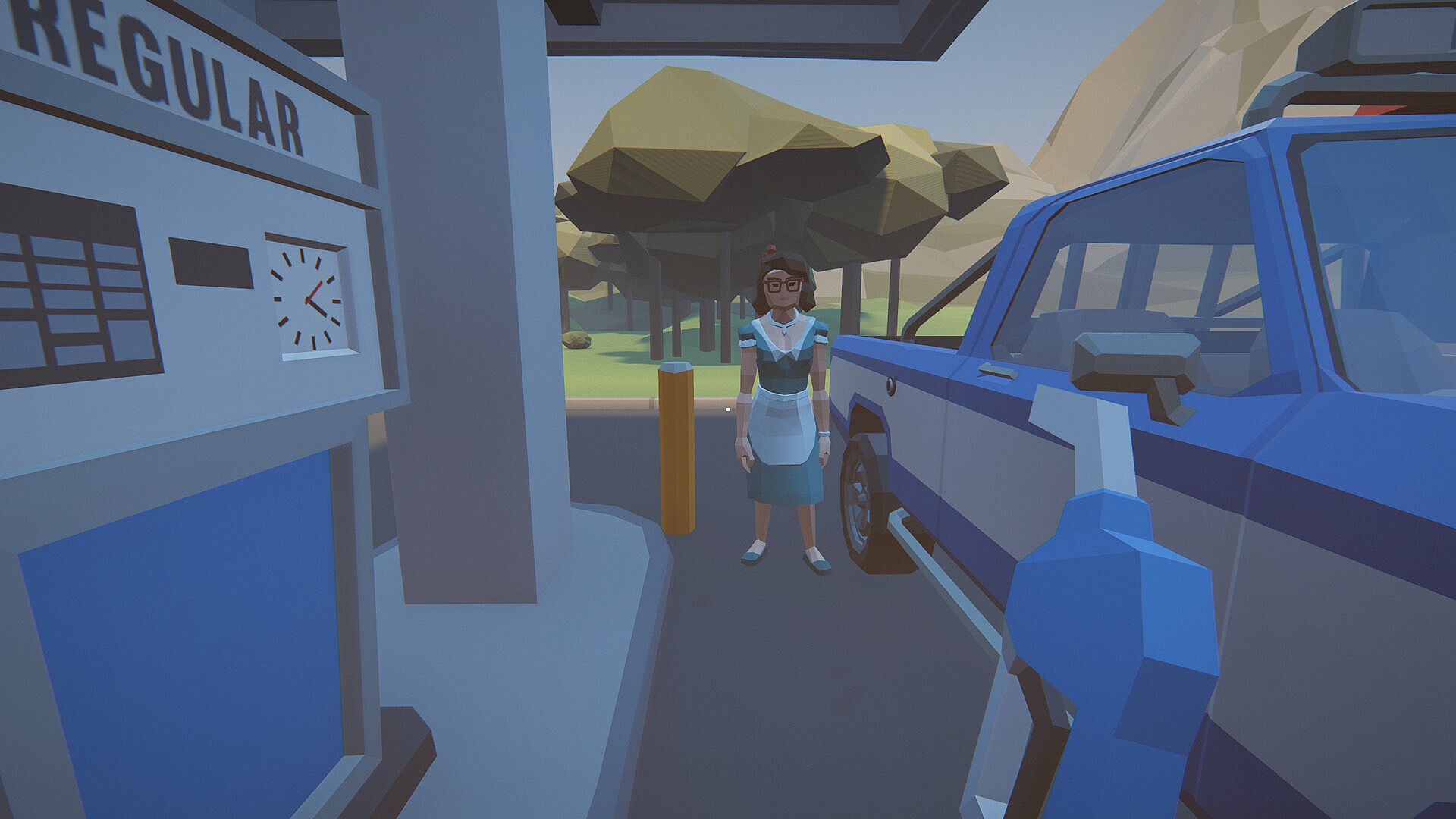
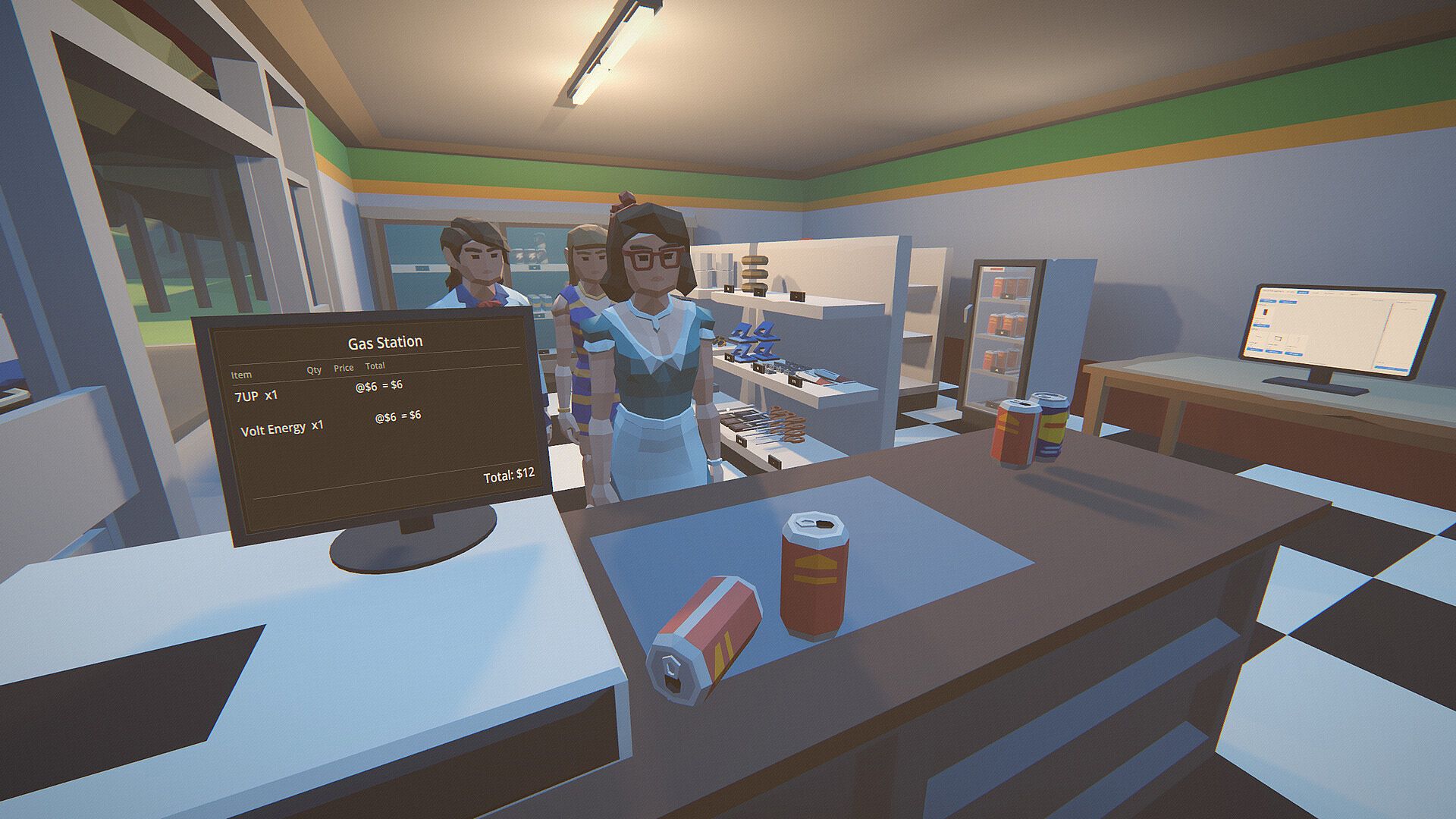
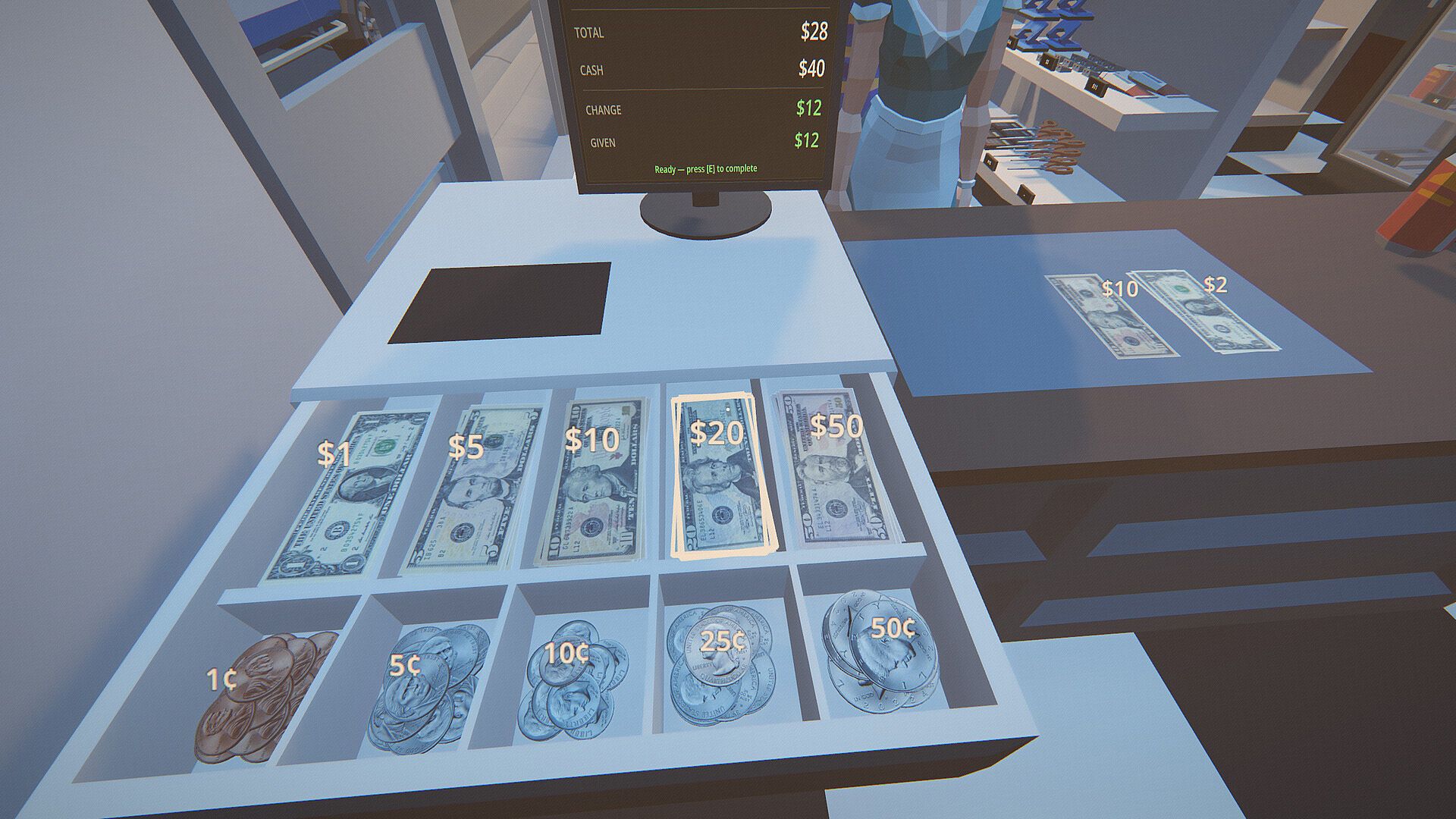
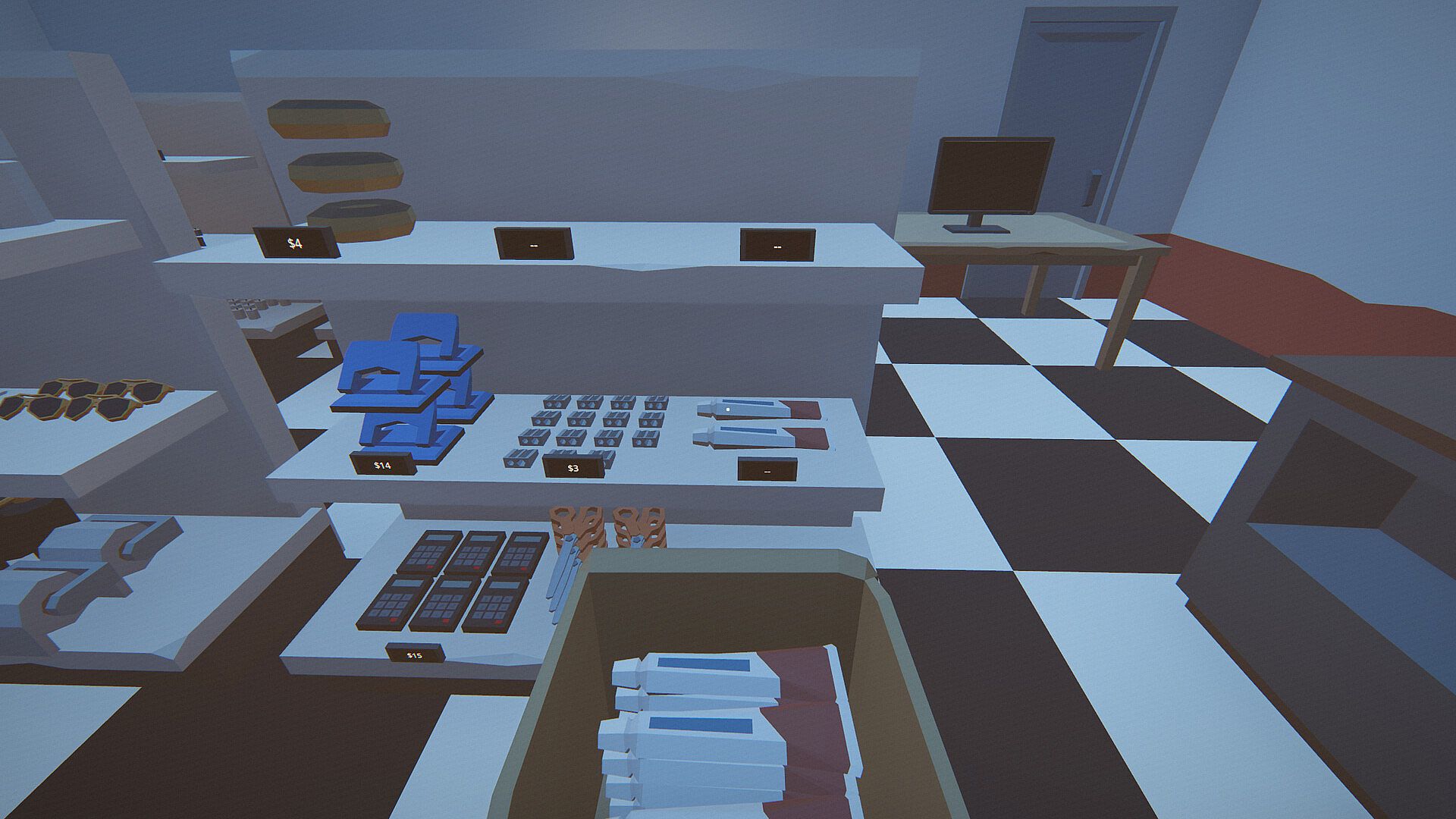
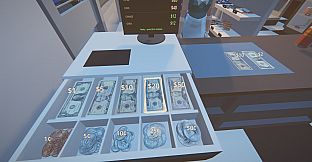
The core loop centers on running the business shift by shift. Players unload deliveries by hand, carry crates to storage, and arrange items on shelves one by one. At the register, each transaction requires scanning products and handling cash with correct change. Cars pull in for refueling, which players perform manually at the pumps. Cleaning up spills, picking up dropped items, and tidying aisles keep the space presentable and functional.
Business decisions shape long-term growth. Setting prices, monitoring stock levels, and balancing expenses determine profitability. Profits fund upgrades such as improved shelving, faster pumps, and expanded storage space. These changes attract more customers and open new revenue streams through additional services like a workshop or car wash. Events occur naturally during operations, adding variety to the routine without altering the fundamental hands-on approach.
Progression rewards consistent management. Early shifts focus on basic tasks and repairs to the existing structure. Later stages involve hiring staff to share the workload and expanding the facility to handle higher volume. The desert highway setting influences customer flow, with traffic patterns affecting how busy each day becomes.
Game Modes
The game operates as a single continuous experience without separate named modes. Players advance through the station's development at their own pace, choosing when to invest in upgrades or expand services. All activity occurs in the same location, with the day-night cycle and customer arrivals providing natural pacing.
Freedom comes from how the station is run rather than from switching between distinct game types. Some players focus on rapid expansion and high customer throughput, while others prioritize steady profits and gradual improvements. The absence of multiplayer or competitive elements keeps the emphasis on personal management of the single station.
Business Management and Upgrades
Inventory tracking and pricing form the economic backbone. Overstocking or underpricing can drain resources, while smart restocking keeps shelves moving and the register busy. Loans provide an option for faster growth when cash flow is tight. Every upgrade directly impacts operations, such as larger warehouses reducing restock frequency or better pumps shortening refuel times.
Customer behavior adds layers to the simulation. Shoppers browse and purchase, sometimes leaving items behind that require cleanup. Occasional incidents like vehicle repairs or special requests break up the standard flow. These elements integrate into the same first-person workday without requiring separate interfaces.
Is It Worth Playing?
Gas Station Simulator suits players who enjoy detailed management simulations with physical task execution. The progression from a neglected roadside stop to a thriving business delivers clear satisfaction through visible improvements and growing customer numbers. Those who appreciate hands-on work like stocking and transactions will find the loop engaging for many hours.
Reception highlights the rewarding nature of the tasks and the sense of building something substantial. Some players note repetition in daily routines after extended play, which can reduce appeal for those seeking constant novelty. Ongoing updates have addressed early issues and added content, supporting continued play for fans of the genre. The game fits best for singleplayer sessions focused on steady business growth rather than quick sessions or competitive play.












