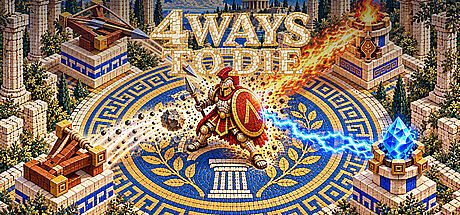


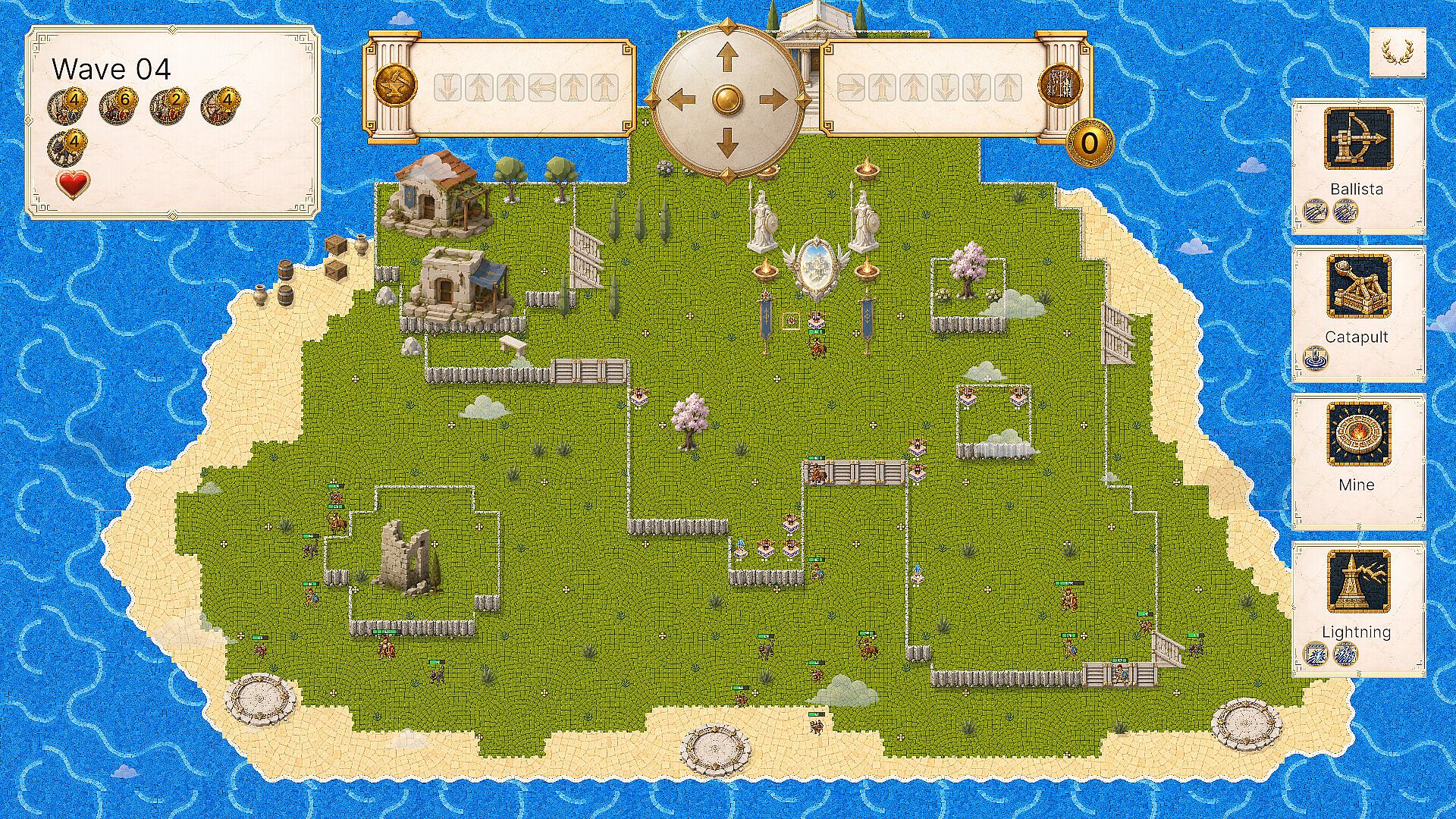
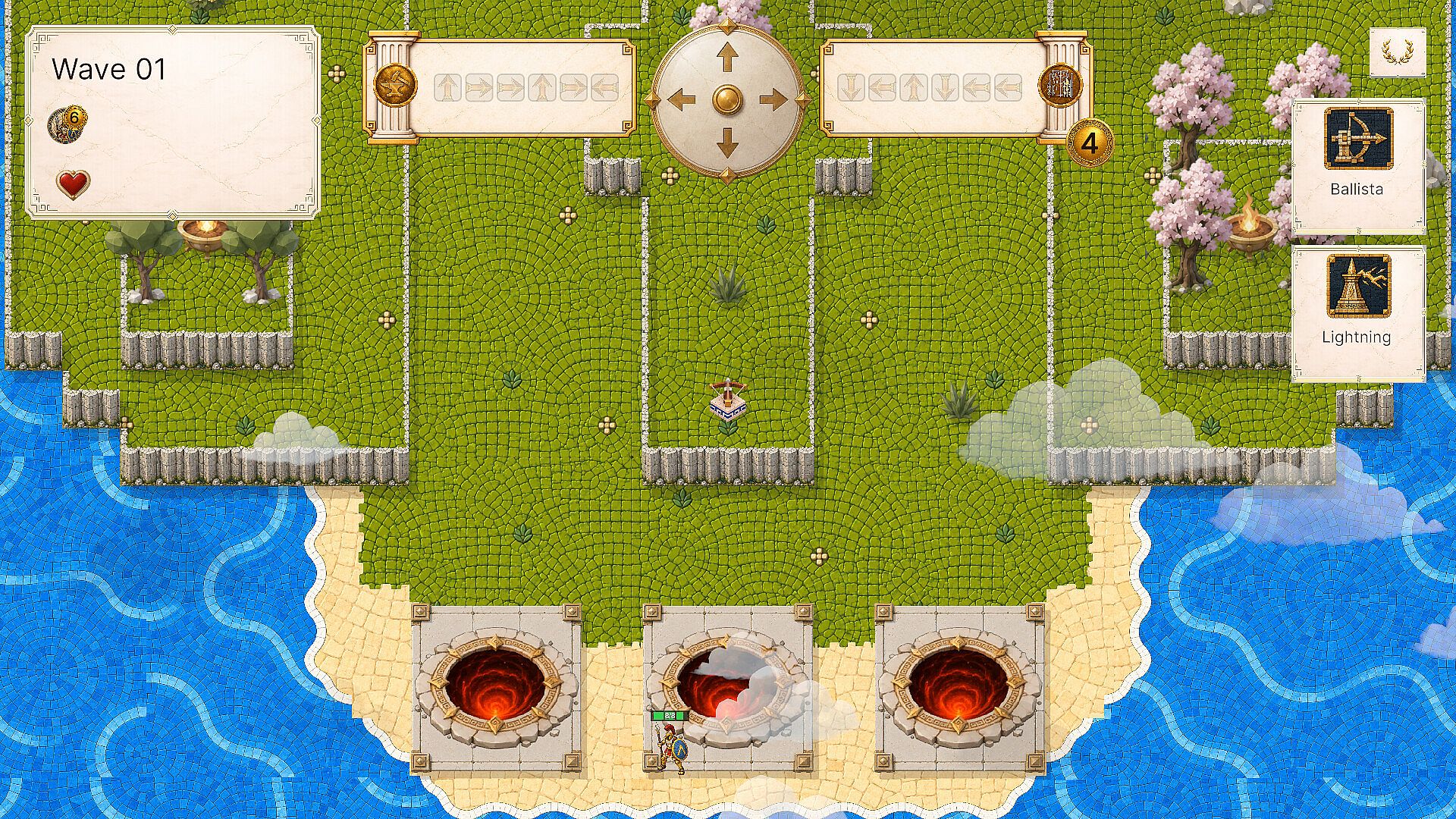
Four Ways to Die is a strategy game that blends grid-based, turn-based tower defense mechanics with visuals inspired by ancient Greece. Players protect a temple from successive enemy waves by positioning defenses and selecting the direction each tower fires. The core loop revolves around anticipation, sequencing, and adaptation rather than rapid reflexes.
Gameplay
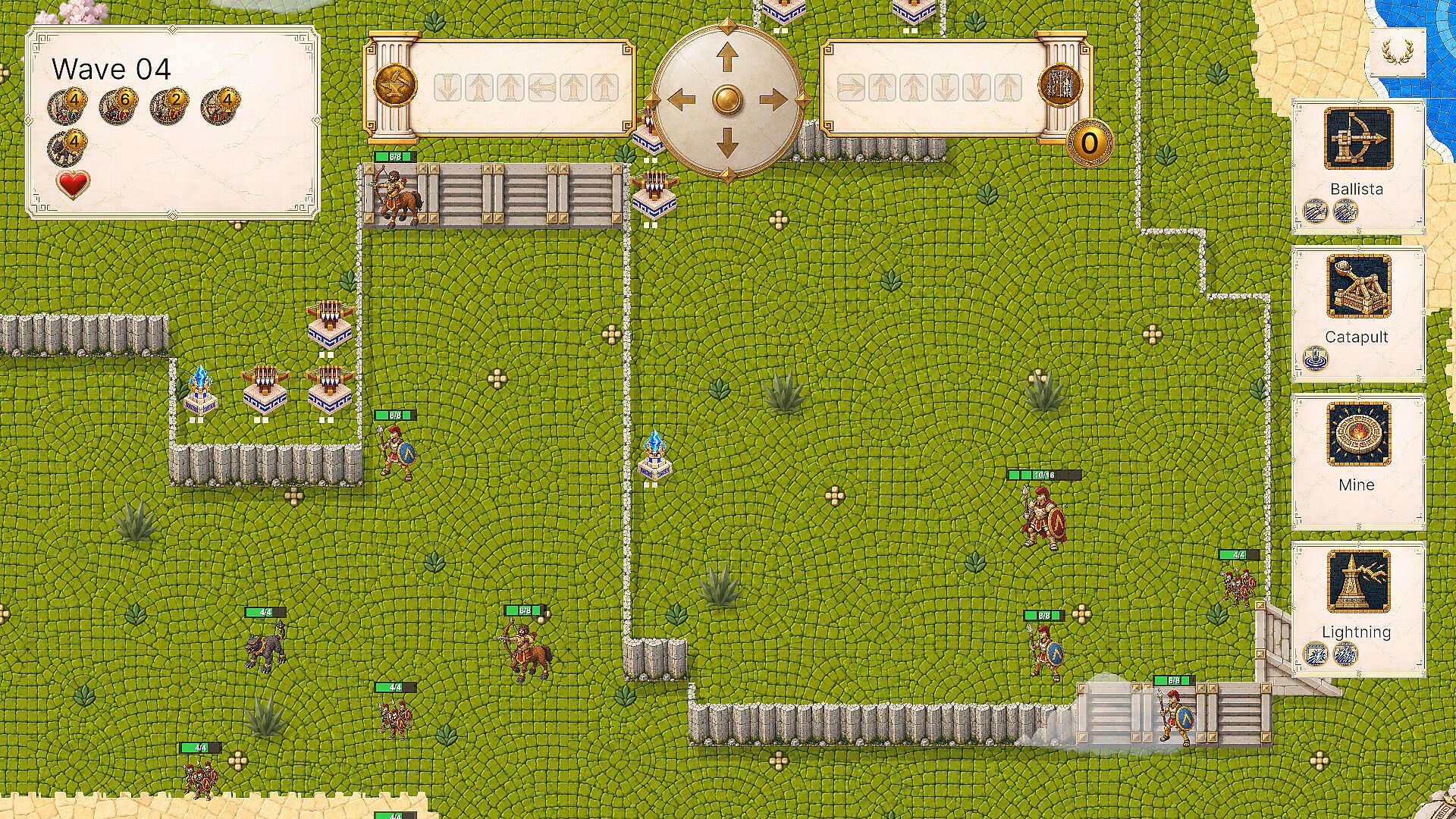
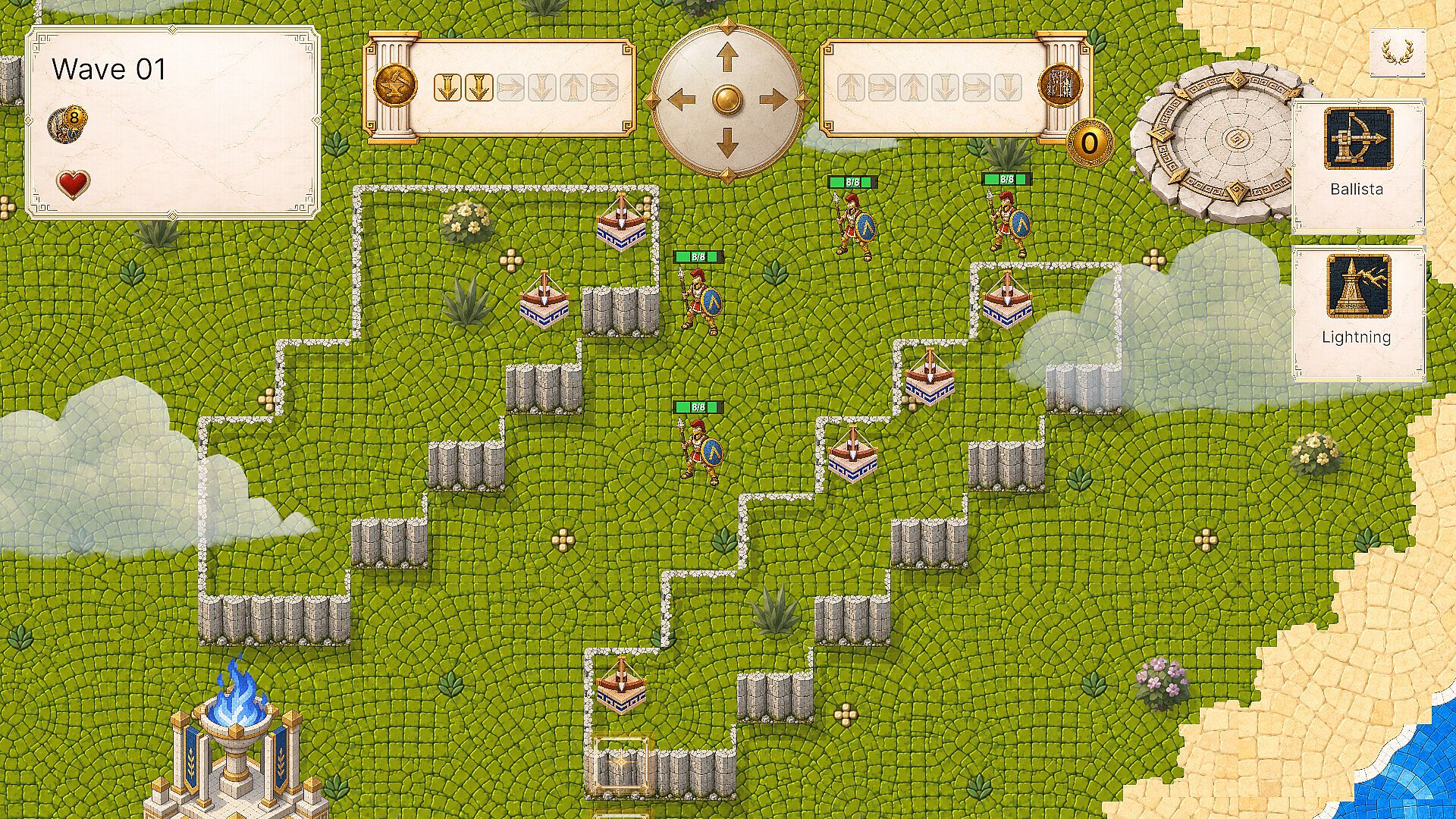
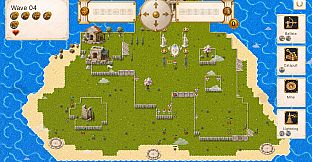
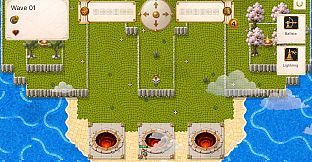
The battlefield operates on a grid where every decision carries weight. Towers can attack in one chosen direction per turn, after which enemies advance along their paths. Effective play requires covering multiple approaches while prioritizing the most immediate threats. Shots fired also trigger sequences of directions that function as recipes. Completing these sequences unlocks new towers or upgrades, allowing a single well-planned volley to both repel enemies and prepare future placements.
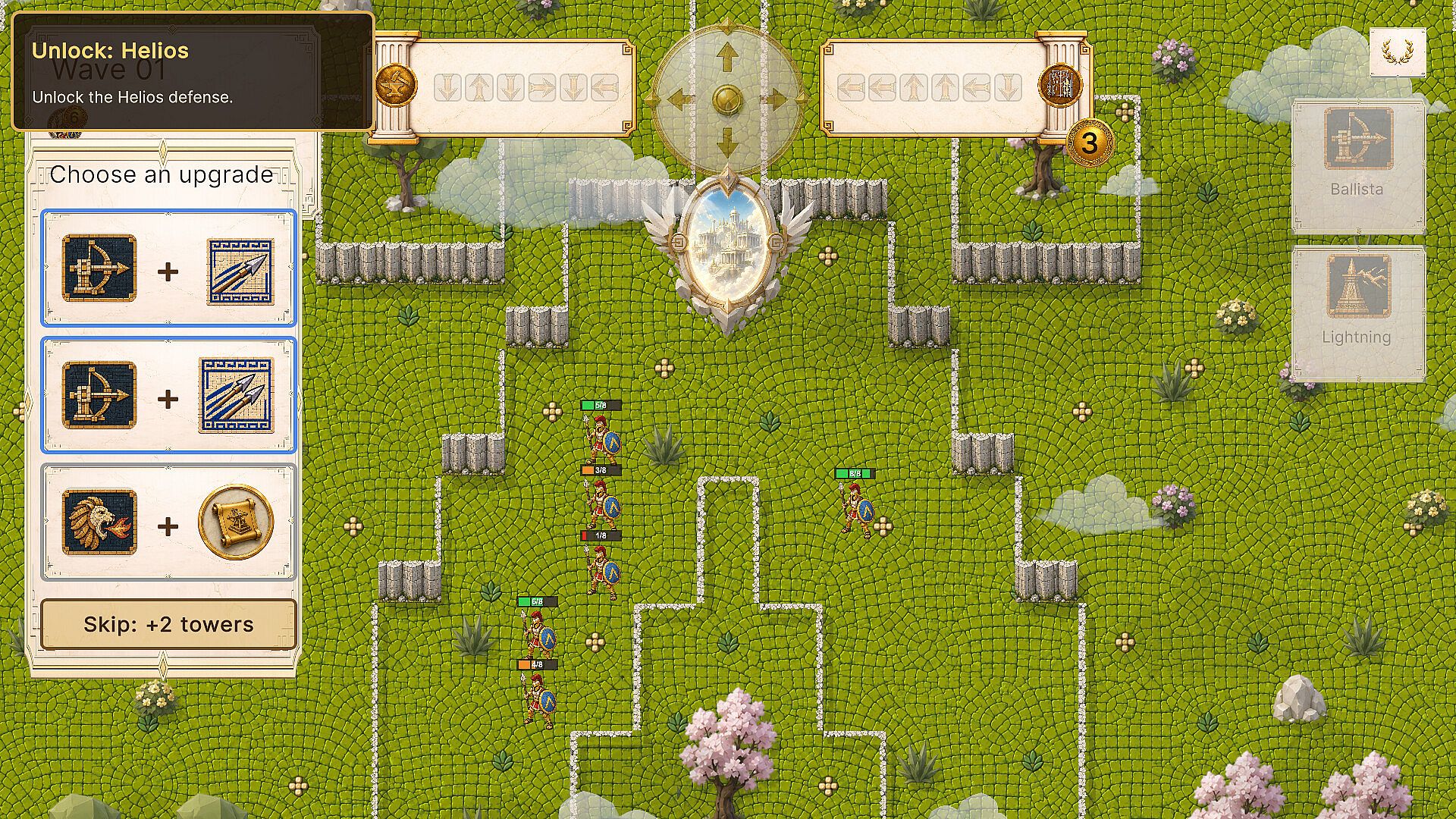
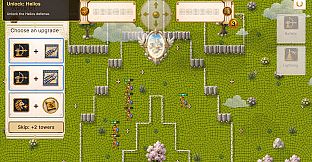
Between waves, players select transformations that strengthen existing defenses, repair the temple, or introduce an entirely new family of towers. A single run can incorporate up to four families, though selecting one branch locks alternatives within that family. This system forces strategic commitment based on the current terrain layout and the composition of incoming waves. The result is a deliberate pace where positioning and directional choices determine survival more than raw firepower.
Game Modes
The available content centers on defensive survival across multiple maps. The demo provides three distinct maps that test different layouts and enemy patterns. Each map emphasizes the same core systems of directional firing and recipe completion, but varies the terrain and wave composition to encourage different family combinations and transformation choices. No additional named modes appear in the current release information.
Progression within each map follows a wave structure. Success depends on building a cohesive setup that adapts as new families become available. The emphasis remains on single-player strategic planning rather than competitive or cooperative elements.
Key Mechanics and Systems
Defense placement forms the foundation of every run. Once towers are positioned, the player assigns a firing direction to all eligible units simultaneously. This unified command creates opportunities for overlapping coverage and sequence activation. Recipes emerge naturally from repeated directional choices, rewarding players who plan several turns ahead.
Transformation selection adds depth between waves. Rewards can focus on immediate survival through repairs, incremental power through upgrades, or long-term flexibility through new tower families. Because branches lock after selection, each choice narrows future options and shapes the overall strategy for that run. The system rewards foresight about upcoming enemy types and map geometry.
Demo Content and Availability
The current demo includes a tutorial that introduces the directional firing and recipe systems. It features seven tower families along with their transformation options. Interface support covers both French and English, with controls limited to keyboard and mouse on 64-bit Windows systems. Three maps provide the primary play experience, allowing players to experiment with different family combinations and directional strategies.
No full-game release date or additional content details have been announced. The demo serves as the complete available experience at this stage.
Is It Worth Playing?
Four Ways to Die appeals to players who enjoy methodical tower defense with an emphasis on directional planning and incremental build crafting. The turn-based structure and recipe system reward careful observation of enemy paths and deliberate sequencing. Those who appreciate adapting a limited set of tools across multiple maps will find the core loop engaging.
The demo offers a self-contained experience with a tutorial and three maps that demonstrate the full range of current mechanics. Players interested in strategy titles that prioritize positioning and foresight over action or resource management may find value in trying the available content. No player reception data or update schedule exists yet for the full game.