





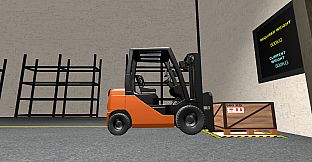
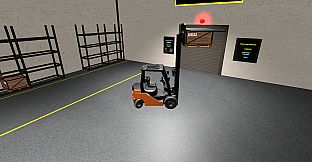
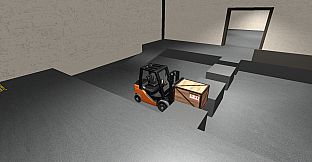
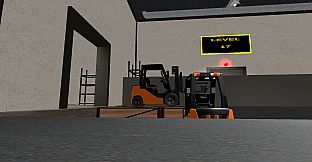
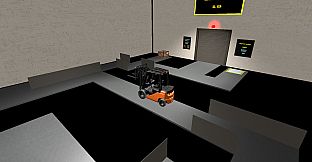
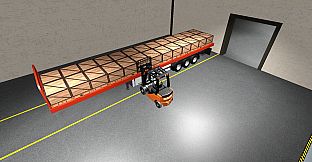
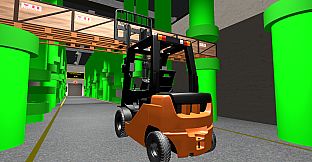
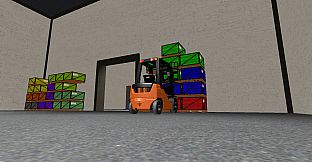
ForkliftLogic is an indie casual simulation game built around precise forklift operation and logistics puzzles on PC. Players take direct control of a forklift in three-dimensional warehouse-style environments to handle pallets and cargo across a series of structured challenges.
Gameplay
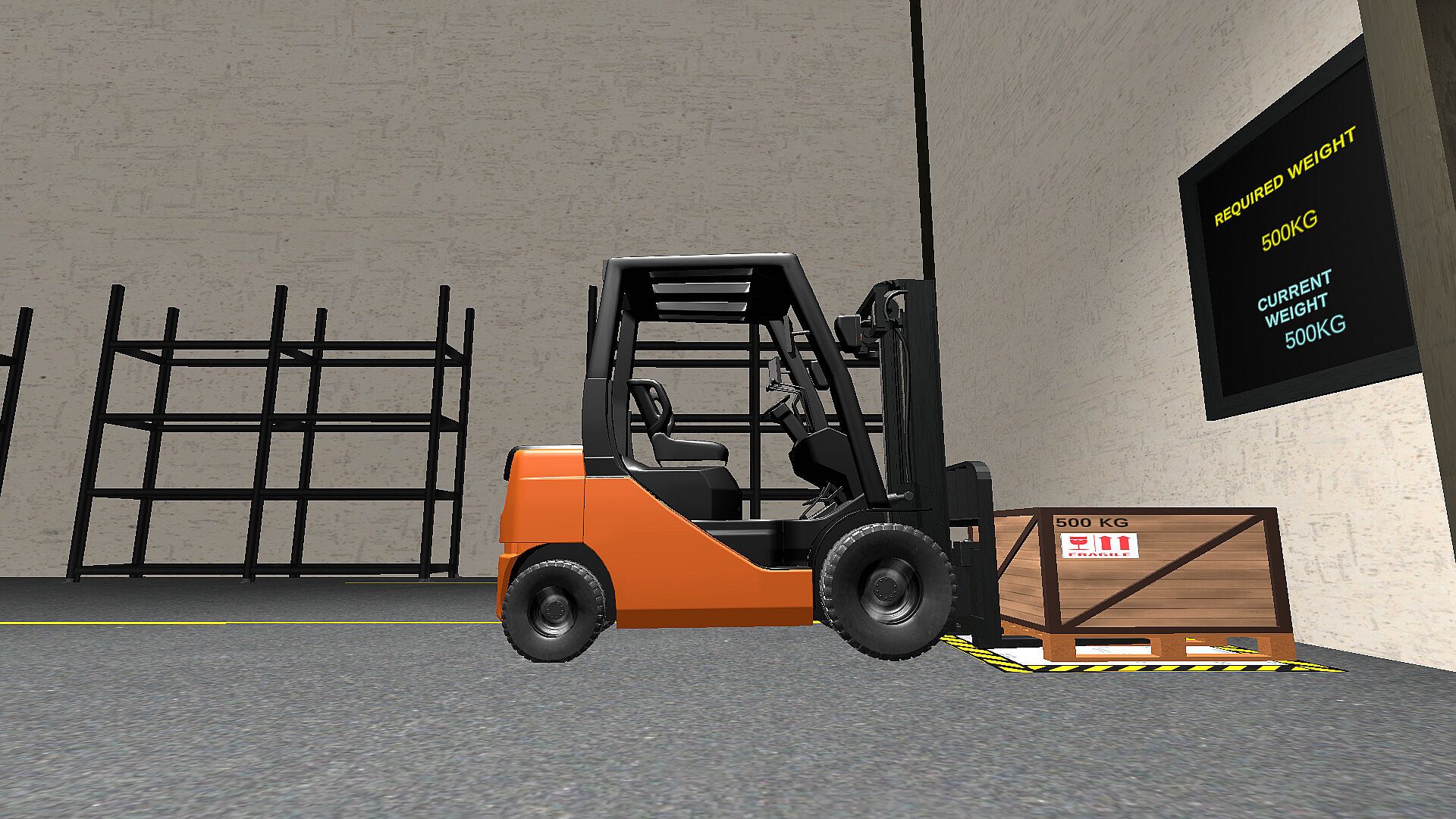
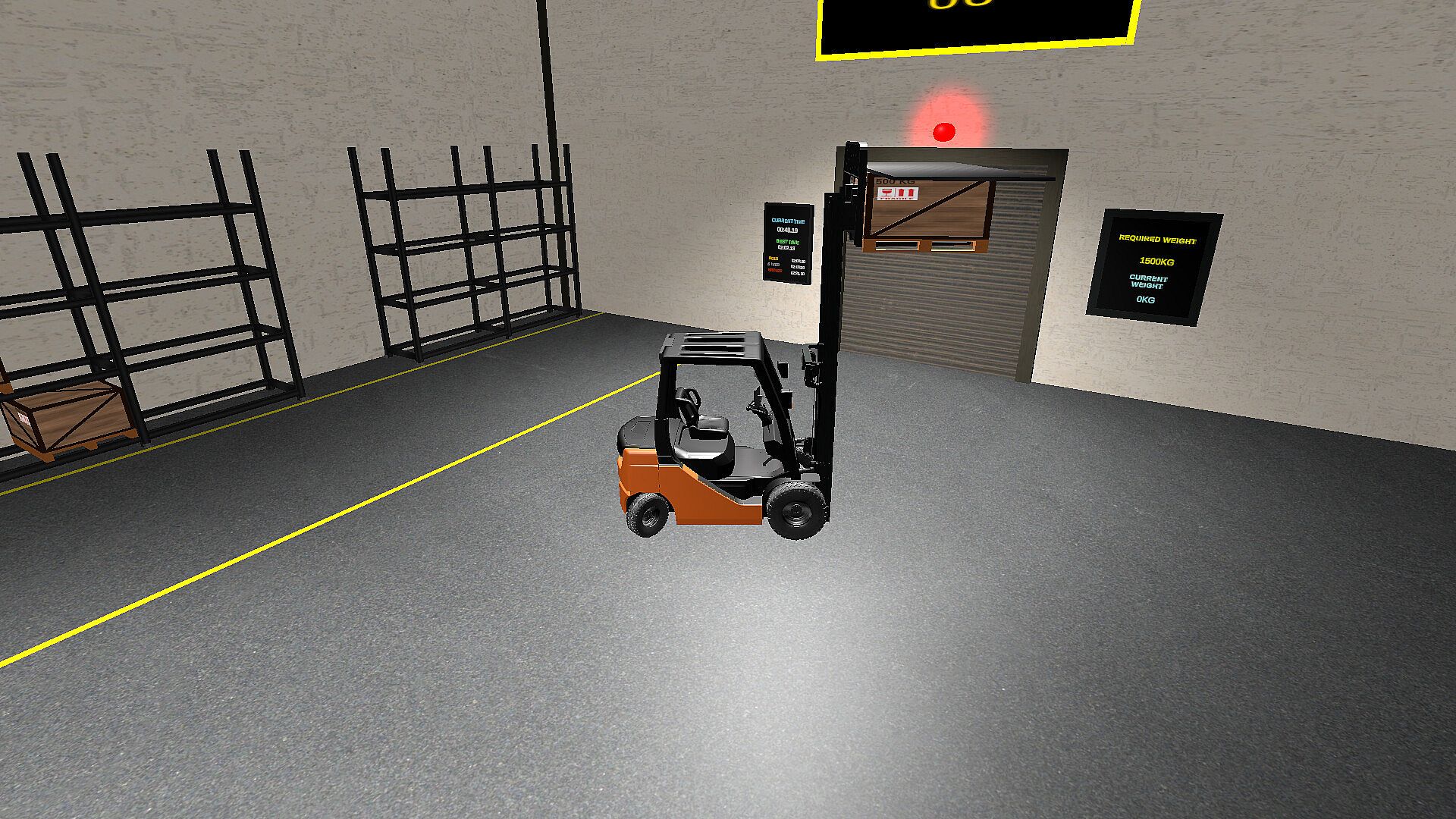
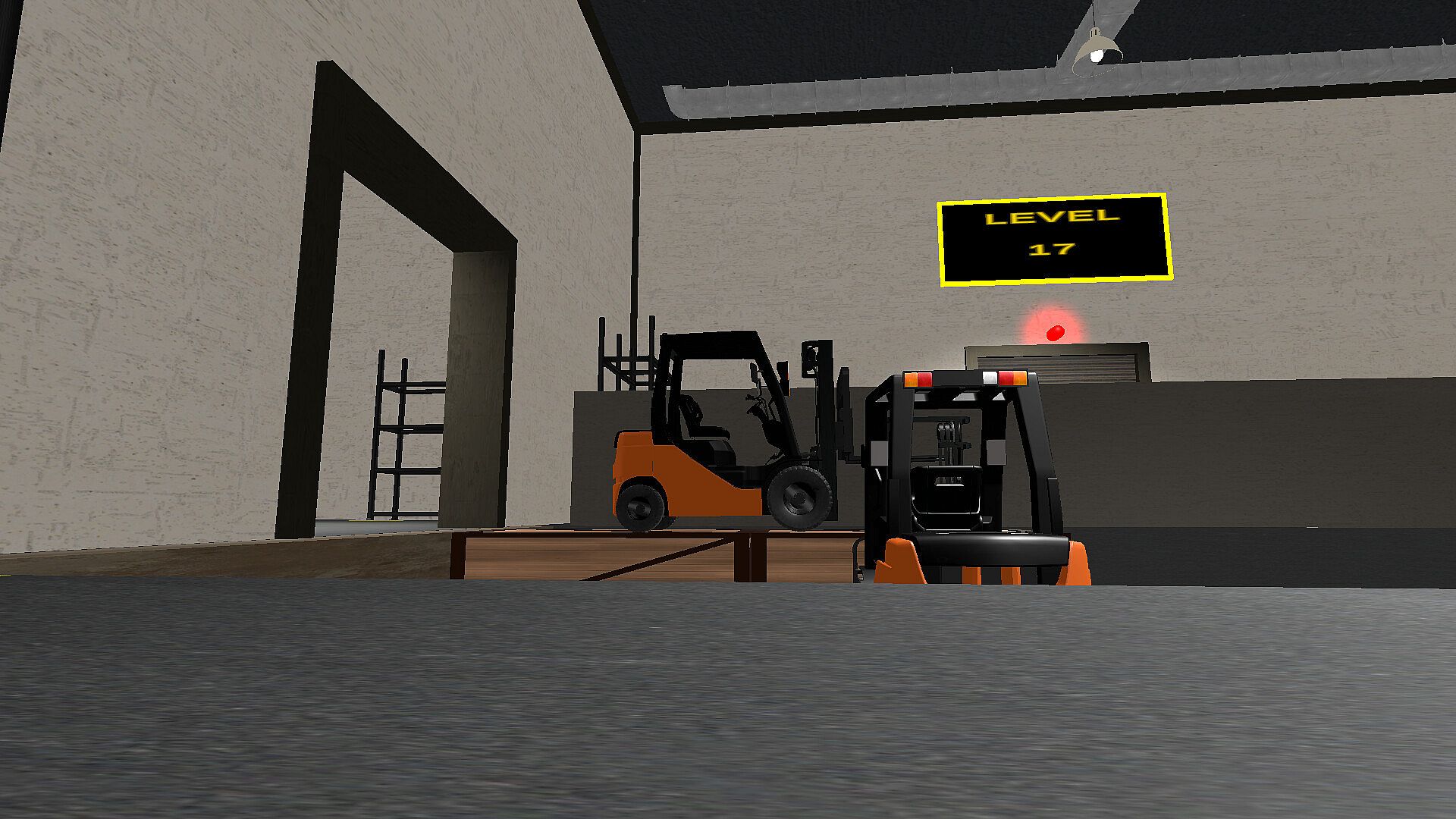
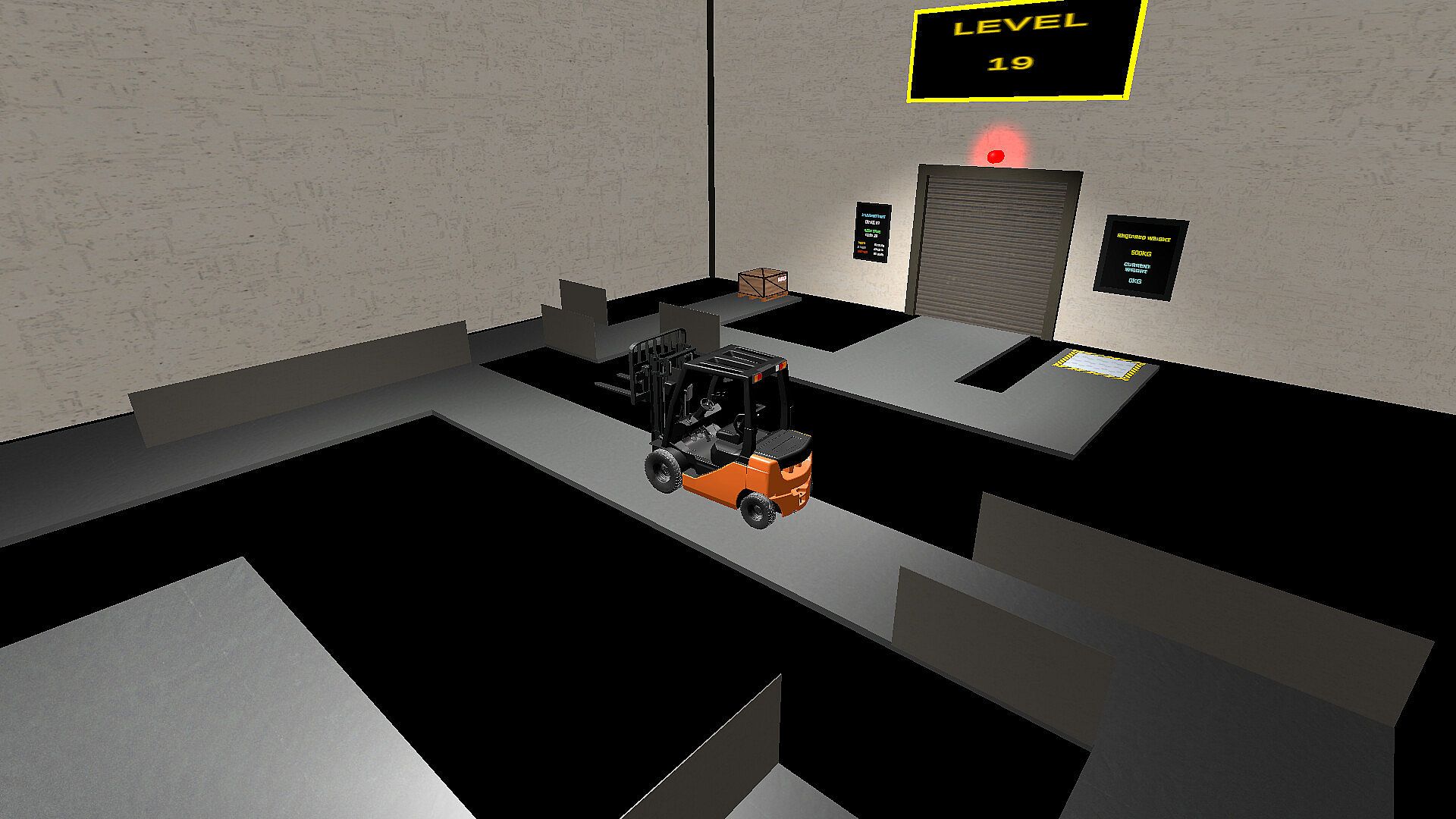
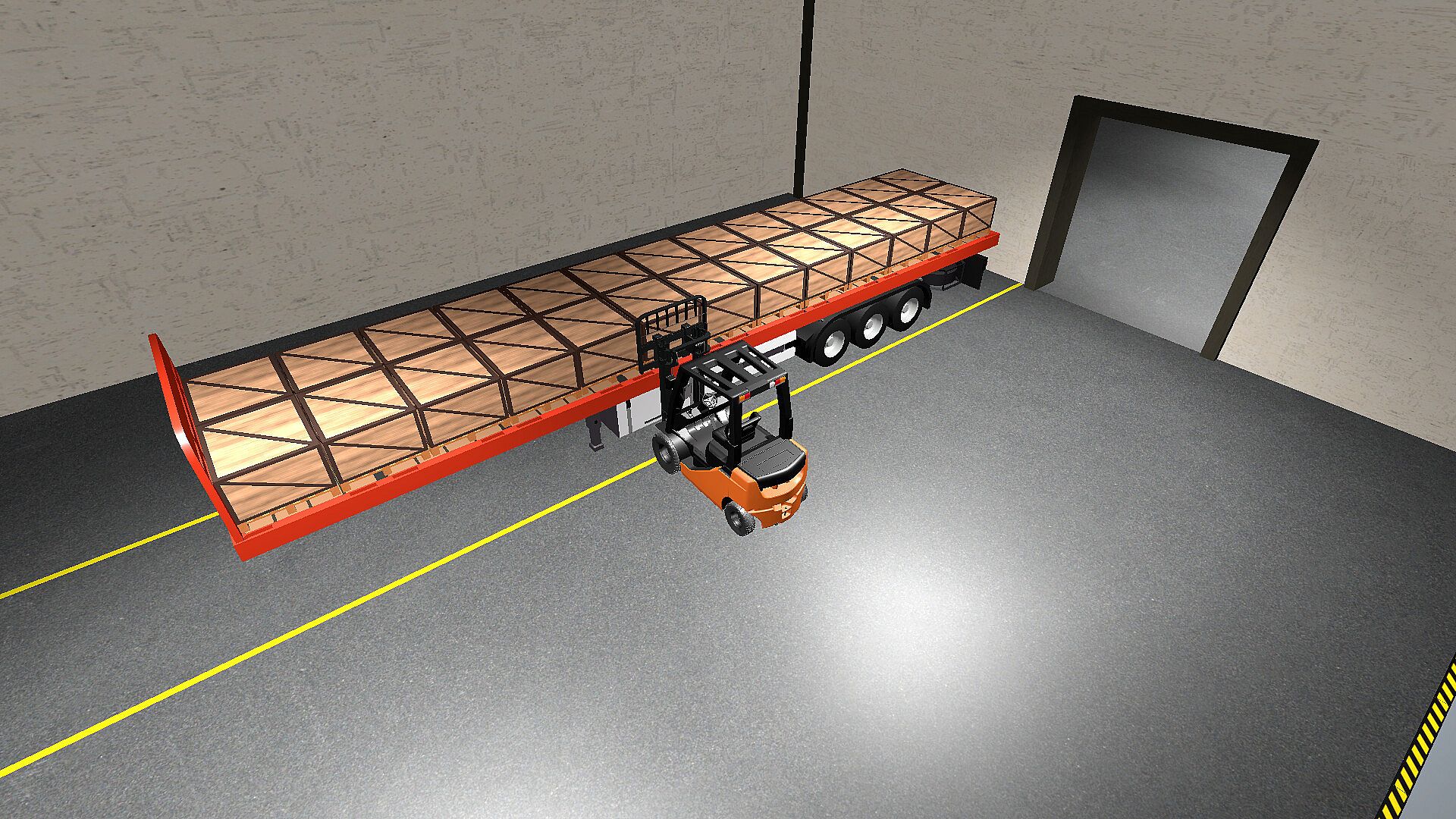
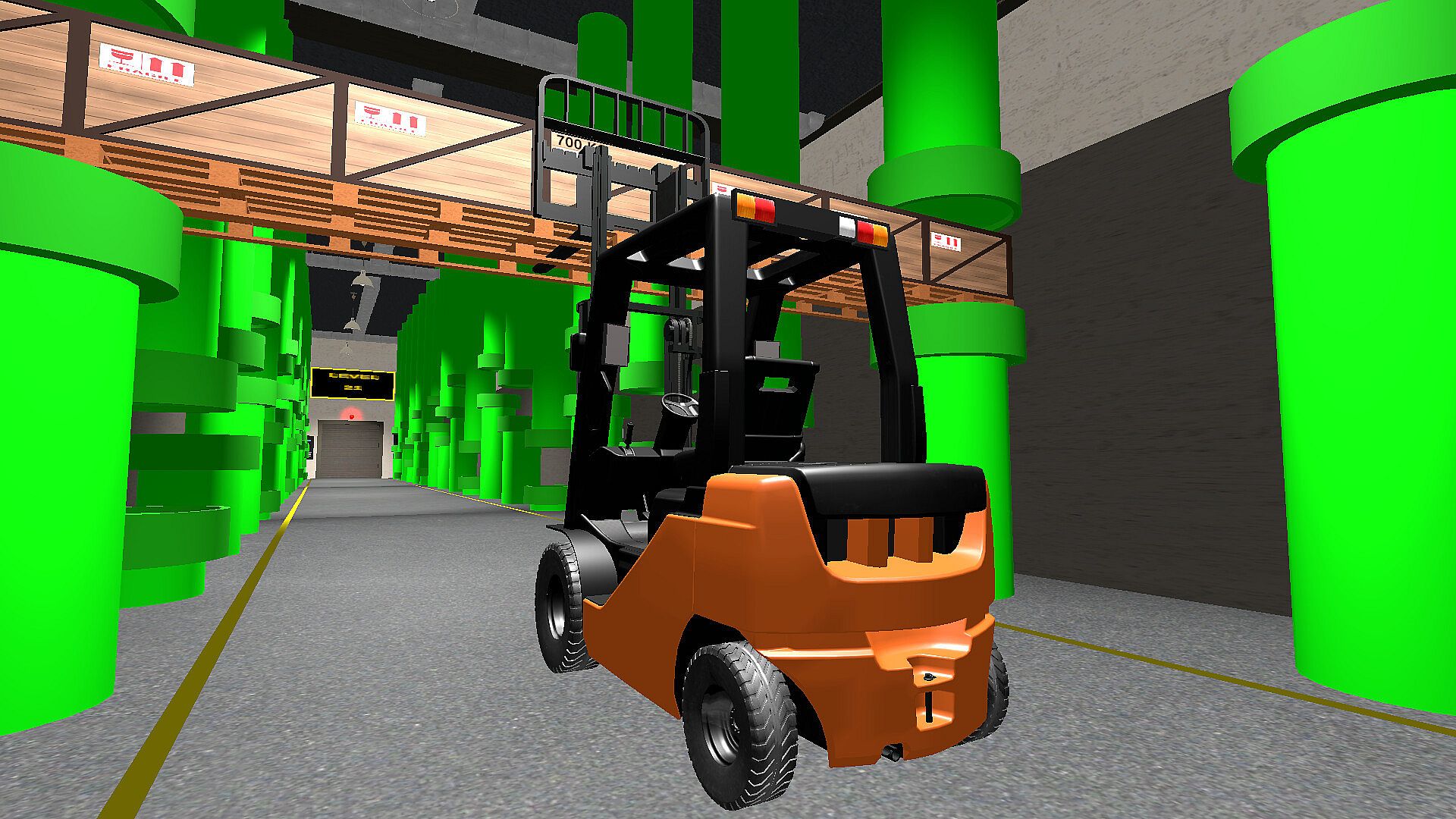
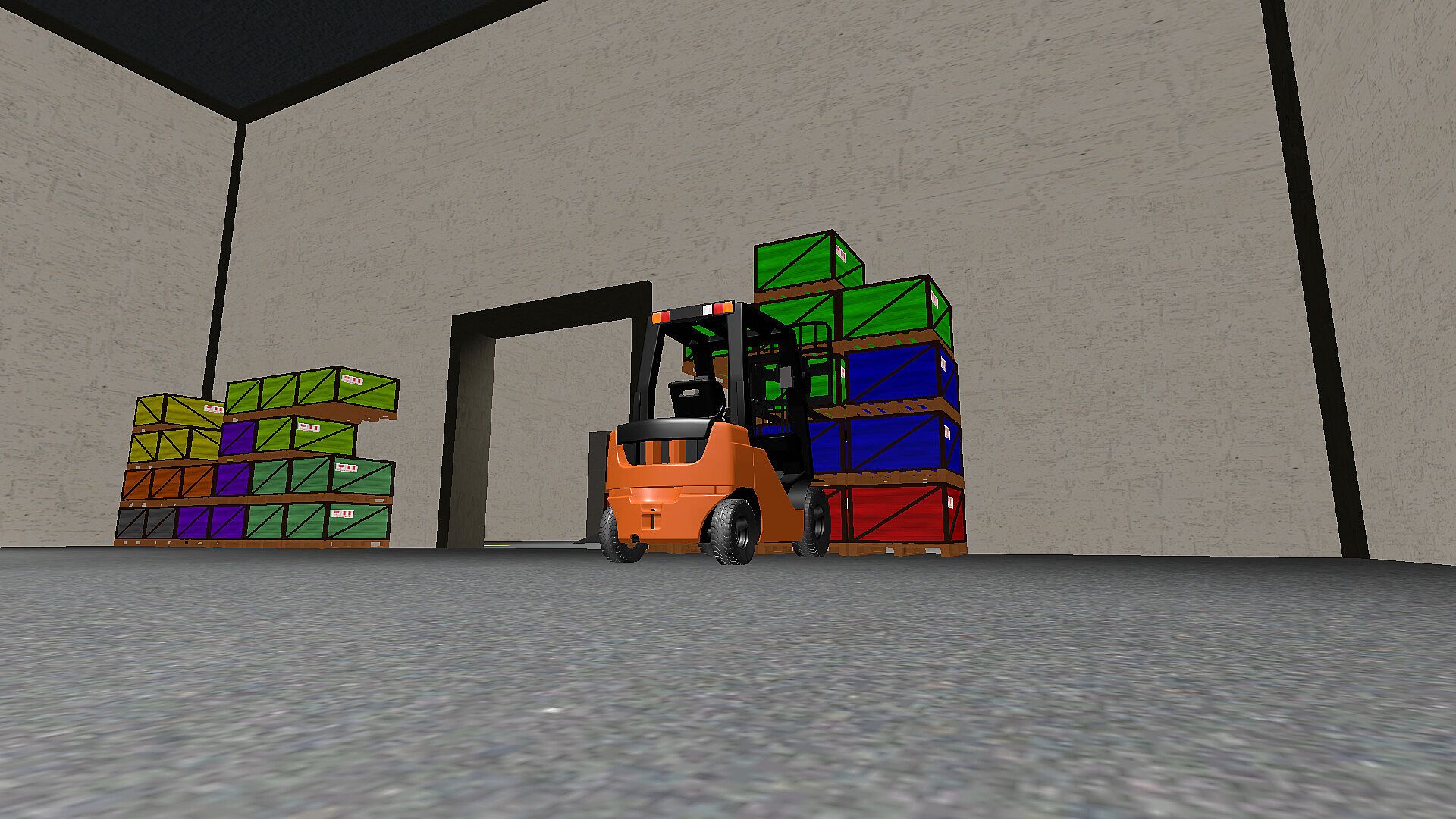
The core loop centers on maneuvering a forklift through 32 distinct levels that present varied logistics tasks. Each level requires careful positioning of the forks, steady transport of loads, and accurate placement of cargo to meet objectives. Movement involves navigating tight spaces while accounting for the forklift's handling characteristics in a three-dimensional space.
Success depends on planning routes in advance and executing movements with steady control. Cargo must be lifted, carried without tipping or dropping, and deposited in exact locations. Levels introduce different spatial constraints and cargo arrangements that test timing and spatial awareness. A medal system awards performance ratings based on how efficiently and accurately each task is completed, encouraging repeated attempts to improve results.
The simulation elements focus on realistic forklift behavior during lifting, turning, and stacking. Players adjust fork height and angle as needed while keeping loads balanced during transit. This creates a steady rhythm of observation, adjustment, and execution that suits short play sessions or longer focused runs.
Game Modes
ForkliftLogic operates entirely in single-player format. The primary experience consists of progressing through the 32 levels in sequence, each designed with unique layout and cargo requirements. No separate competitive or cooperative modes exist.
Within the level structure, the medal system serves as the main performance tracking feature. Players receive bronze, silver, or gold medals depending on completion speed, precision, and minimal errors. This system provides clear feedback on each attempt and motivates refinement of technique across multiple playthroughs of the same level.
Progression follows a linear path through the levels, with earlier stages introducing basic controls and later ones layering additional spatial or sequencing demands. The absence of branching paths or alternate objectives keeps the focus on mastering the forklift controls and cargo handling fundamentals.
Visuals and Controls
The game presents its environments in straightforward three-dimensional graphics that emphasize functional warehouse spaces and clear cargo visibility. Lighting and camera angles support precise positioning without unnecessary visual clutter. Controls map directly to forklift functions such as forward and reverse movement, steering, fork elevation, and tilting.
Players switch between perspectives as needed to judge distances and alignments during complex maneuvers. The interface remains minimal, directing attention to the forklift, its load, and the target placement zones. This setup supports the simulation focus while remaining accessible for casual play.
Is It Worth Playing?
ForkliftLogic targets players who enjoy methodical puzzle solving combined with light vehicle simulation. The 32 levels offer a contained experience centered on skill development rather than expansive storytelling or open exploration. Those drawn to games that reward careful planning and repeated practice will find consistent engagement through the medal system and progressive challenge design.
Because the title emphasizes single-player precision tasks without additional modes or ongoing content updates at launch, it suits individuals seeking a focused, self-contained package. The upcoming November 2026 release means the full scope of level variety and control responsiveness will be available for evaluation once the game launches. For fans of casual simulation and logistics puzzles, the described mechanics provide a direct match to that interest.











