


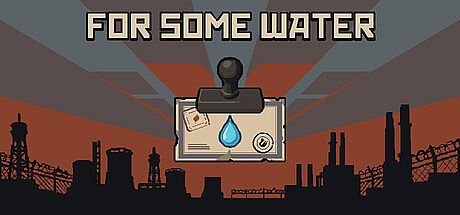


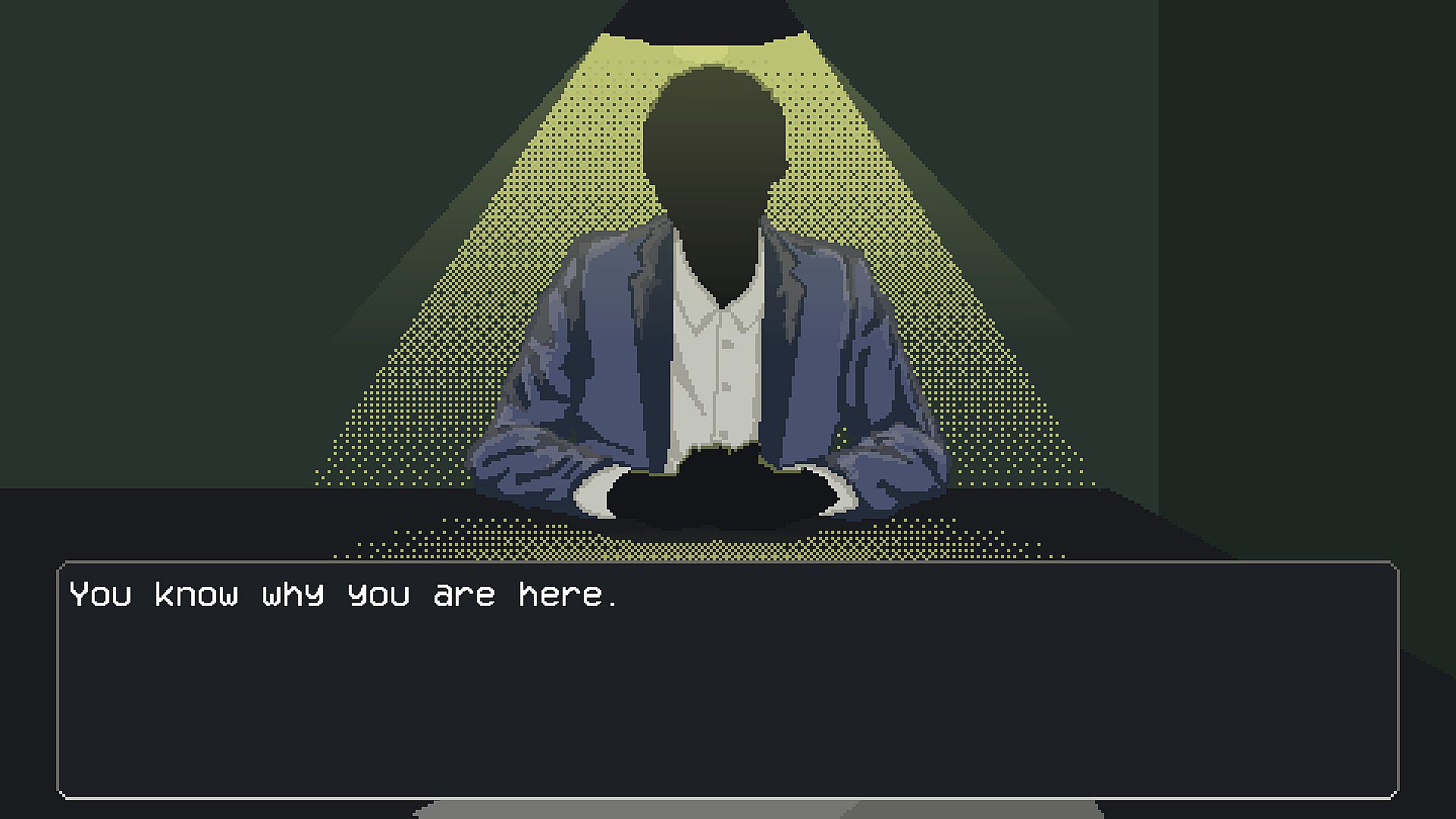
For Some Water is an indie simulation game that places players in the role of a checkpoint official responsible for distributing scarce water resources in the fictional Democratic Republic of Barbunya during a prolonged drought. The experience centers on bureaucratic decision making, ethical dilemmas, and the personal toll of enforcing shifting government policies in a single player format.
Gameplay
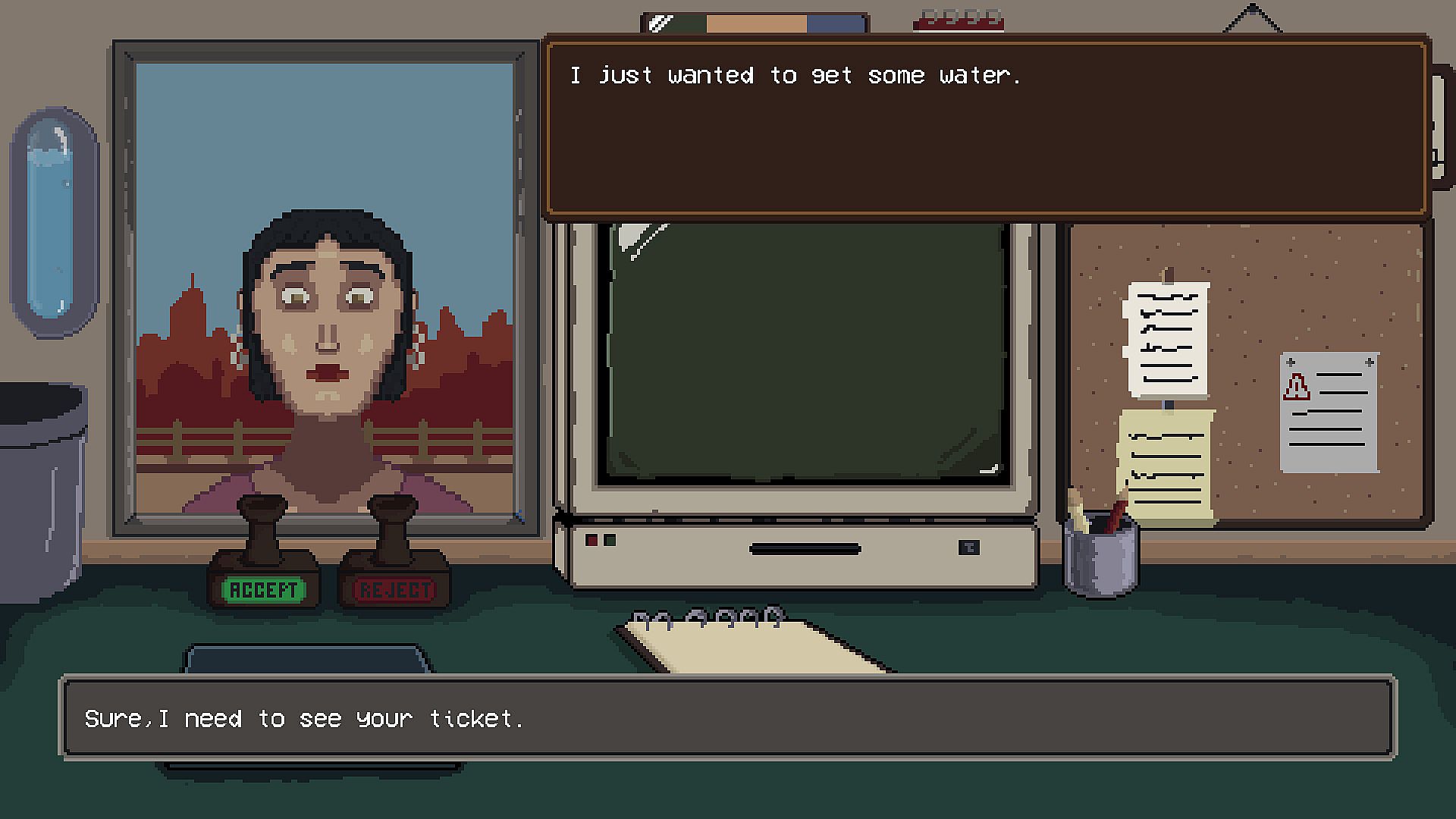
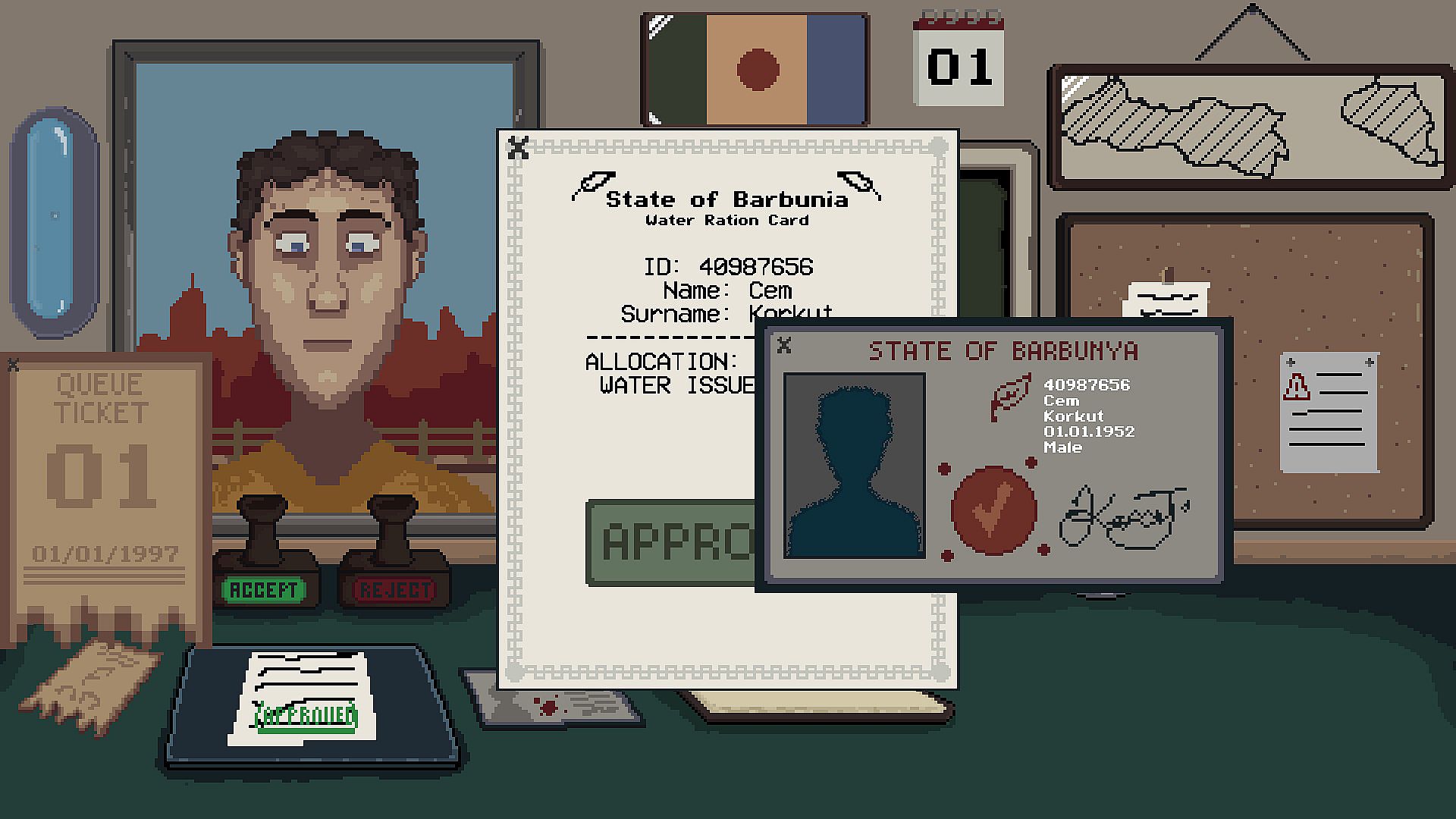
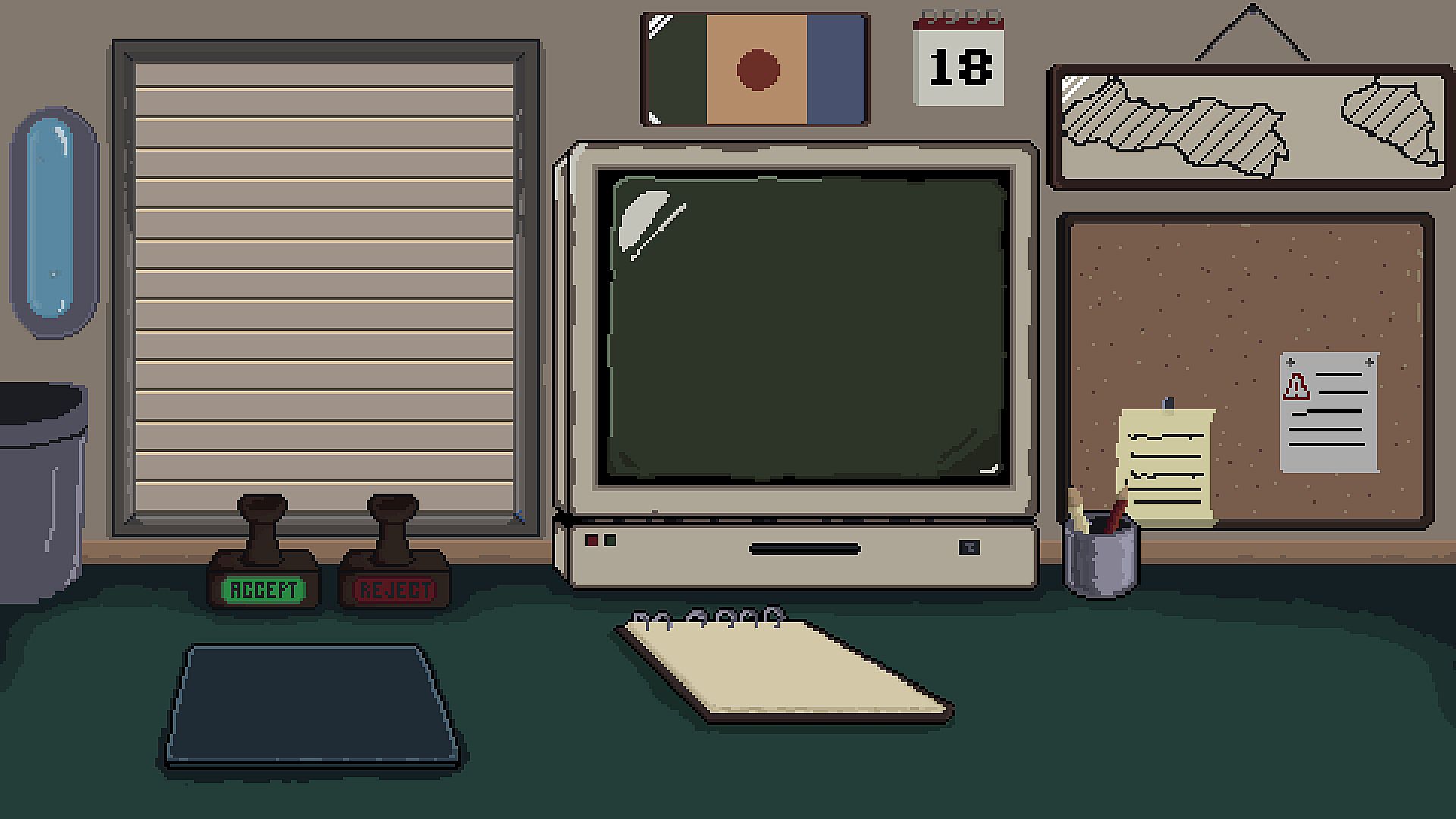
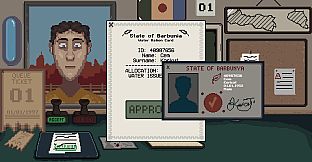
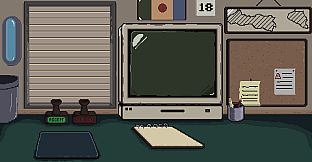
Players spend each shift at a desk equipped with a computer, stacks of paperwork, and a constant line of citizens seeking water. The core loop involves reviewing identification documents, verifying details against official records, calculating quotas, issuing ration cards, and applying stamps to approve or deny requests. Early interactions follow straightforward procedures, but complications quickly arise through mismatched records, incomplete paperwork, or families requesting extra shares beyond standard allotments.
Every decision carries weight. Exceeding official quotas requires a documented justification, and failure to supply one triggers consequences tracked by the government. Rules evolve daily, meaning a citizen approved one day may face denial the next due to new age restrictions or policy updates. Players must weigh compliance against personal judgment, especially when stories from the queue reveal details about children or hardships that challenge the regulations.
After the shift ends, the simulation continues at home. Family interactions include conversations with a spouse about the day's events and efforts to fulfill promises made to two children. This creates a second layer of resource management, as the player balances work obligations with the need to provide for their own household amid the same water shortages affecting everyone else.
Game Modes
The game operates as a continuous single player narrative without separate modes or multiplayer components. Daily shifts form the central structure, with rules and citizen encounters changing over time to reflect evolving government directives. Progression ties directly to the accumulation of decisions, each one logged for potential later review by authorities.
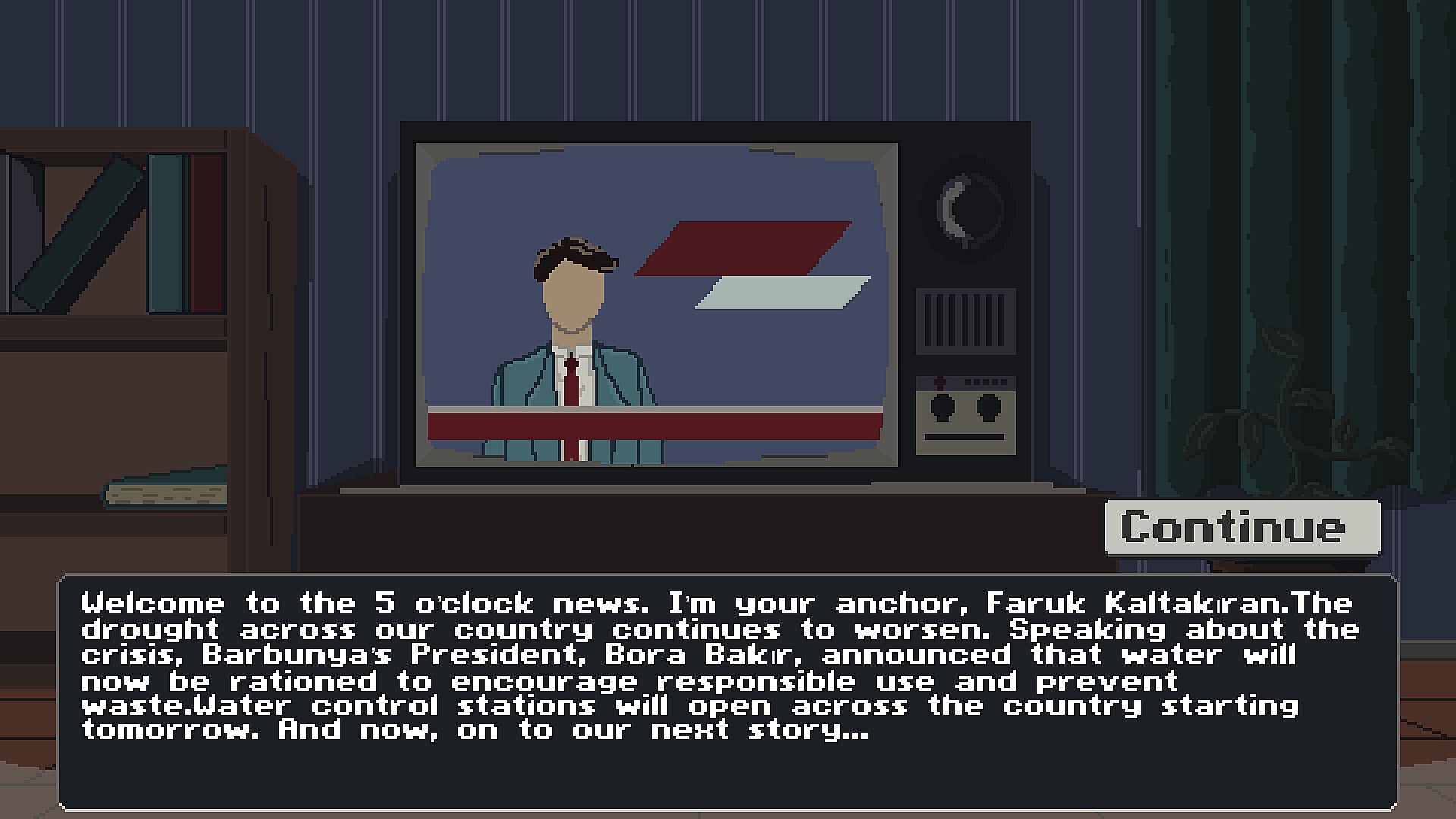
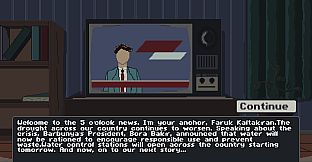
Exploration of the broader setting occurs through conversations at the checkpoint and media reports viewed on television. These elements gradually reveal inconsistencies in official explanations about the drought and the rationing system, encouraging players to piece together underlying motives behind the policies they enforce.
Narrative and Setting
The story unfolds in 1997 within the Democratic Republic of Barbunya, where a three year drought has led to centralized water distribution via ration cards. Official broadcasts frame the system as a necessary solution, yet citizen accounts often introduce contradictions or additional context that prompt further questions about the true purpose of the checkpoint process.
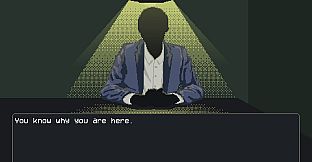
Records that fail to align and citizens who appear to withhold information add investigative layers. Players decide how deeply to probe these discrepancies while managing the immediate demands of the queue. The setting emphasizes the contrast between public messaging and private realities, all viewed through the narrow lens of one distribution point.
Is It Worth Playing?
For Some Water appeals to players who enjoy simulation games built around moral choices and bureaucratic systems rather than action or combat. The experience rewards careful attention to documents and shifting policies, with consequences that extend from the checkpoint into family life. Those drawn to thoughtful decision making in constrained environments will find the daily routine and its evolving challenges engaging. The game suits individuals interested in indie titles that explore ethical gray areas through routine tasks instead of high stakes spectacle. Availability is limited to PC, and the focused scope keeps the emphasis on personal accountability within a larger system.












