

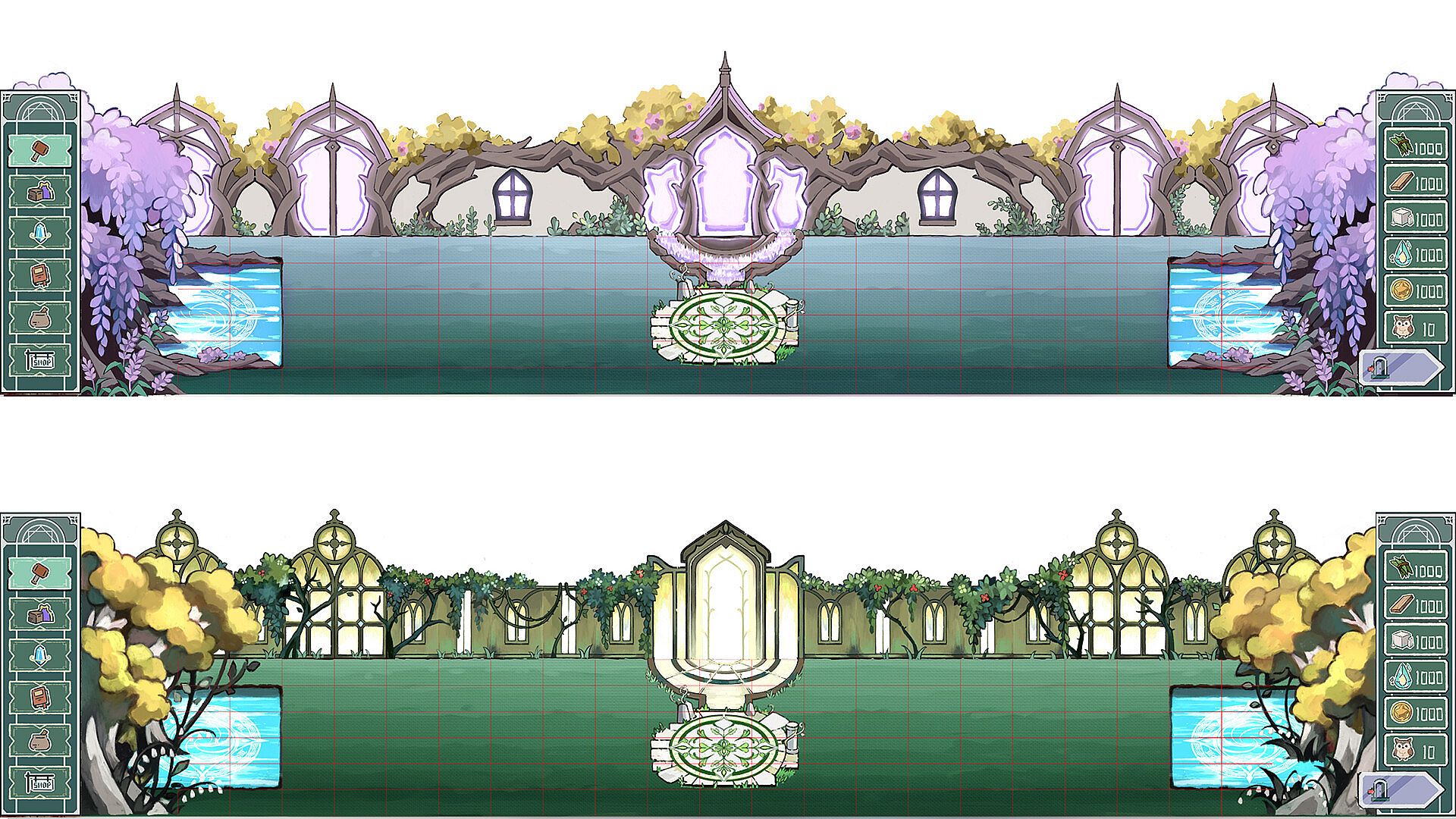
Focus Magic: The Enchanted Land is a casual management game for PC that blends focus tools with light simulation and story elements. Players take on the role of a human wizard summoned to restore a decaying magical courtyard protected by ancient power. The central loop revolves around channeling concentration from real-world tasks into in-game mana that revives the land, while using downtime for planting, crafting, and customization.
Gameplay
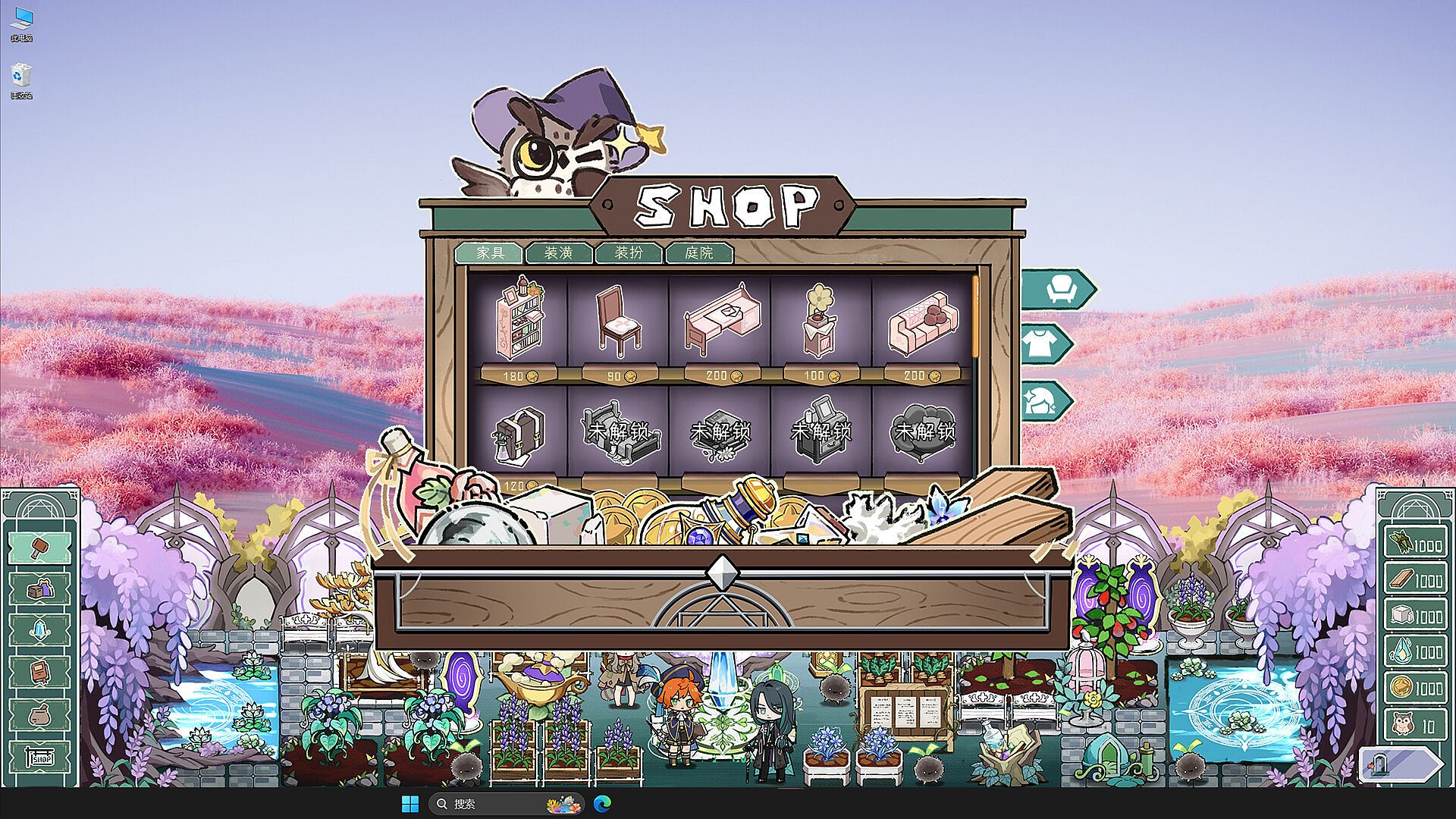
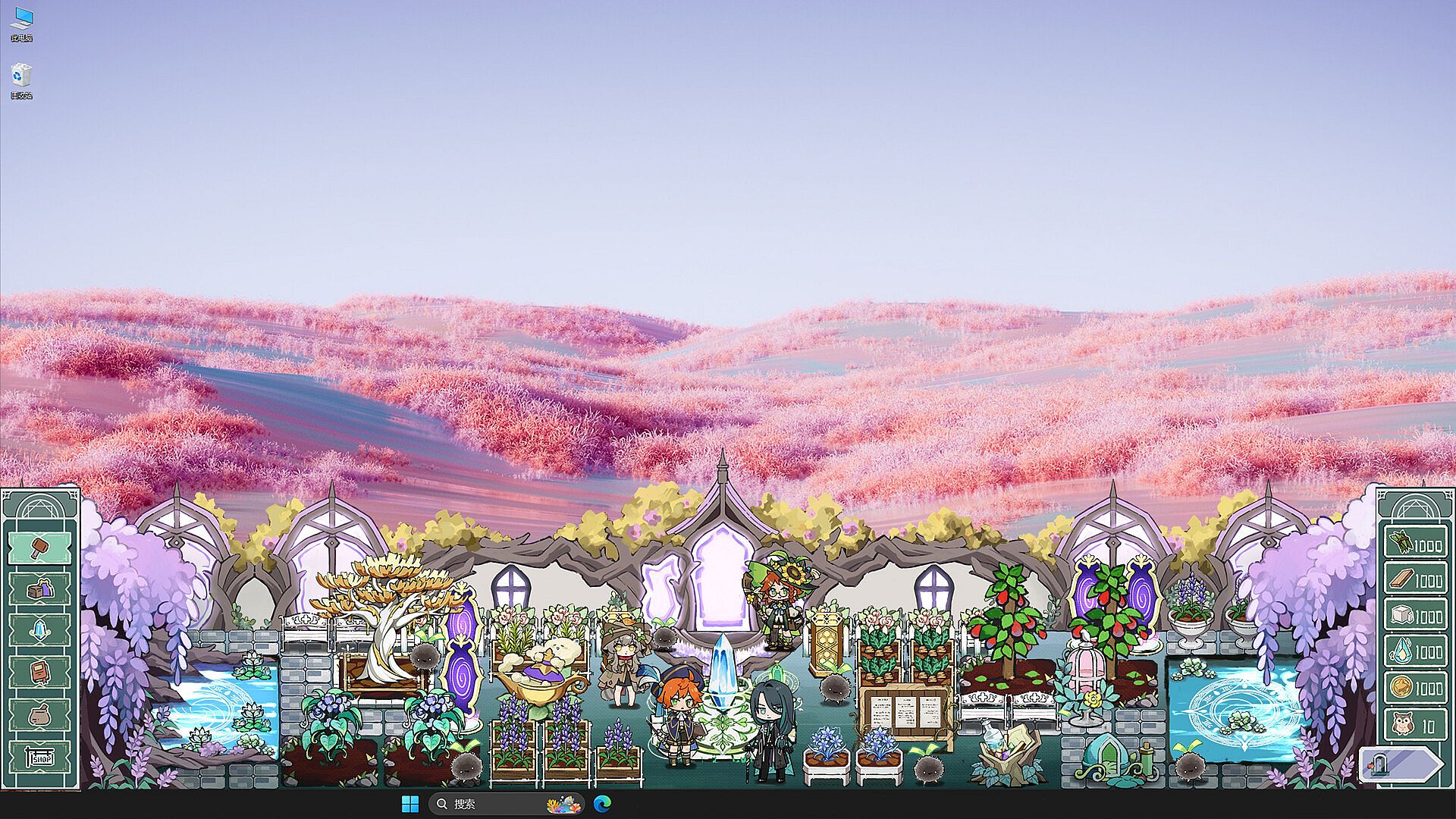
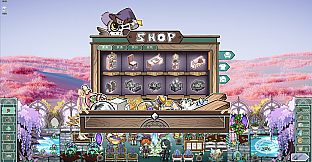
The core experience centers on turning periods of focused work or study into resources that sustain the courtyard. Mana generated during these sessions nourishes plants and structures, allowing progress even while the player handles external responsibilities. Between focus periods, players sow magical seeds, tend unusual crops, and harvest them for use in the alchemy workshop. Successful potions fulfill orders from villagers, companions, and the magic department, yielding gold for purchases in the shop.
Familiars handle routine chores such as sowing and harvesting once unlocked and upgraded through alchemy. This automation reduces micromanagement and lets players stay immersed in their own schedules. The alchemy codex automatically records every successful recipe, making repeat production straightforward. Orders accept both finished potions and select crops as delivery items, creating a steady flow of currency for furniture, outfits, and other upgrades.
Story progression comes through main quests issued by the magic department. These tasks reveal the reasons behind the world's decline and guide players toward restoring balance. Companion interactions deepen through dedicated requests and shared time, unlocking layered personal storylines for each character that explore their backgrounds and resolutions.
Game Modes
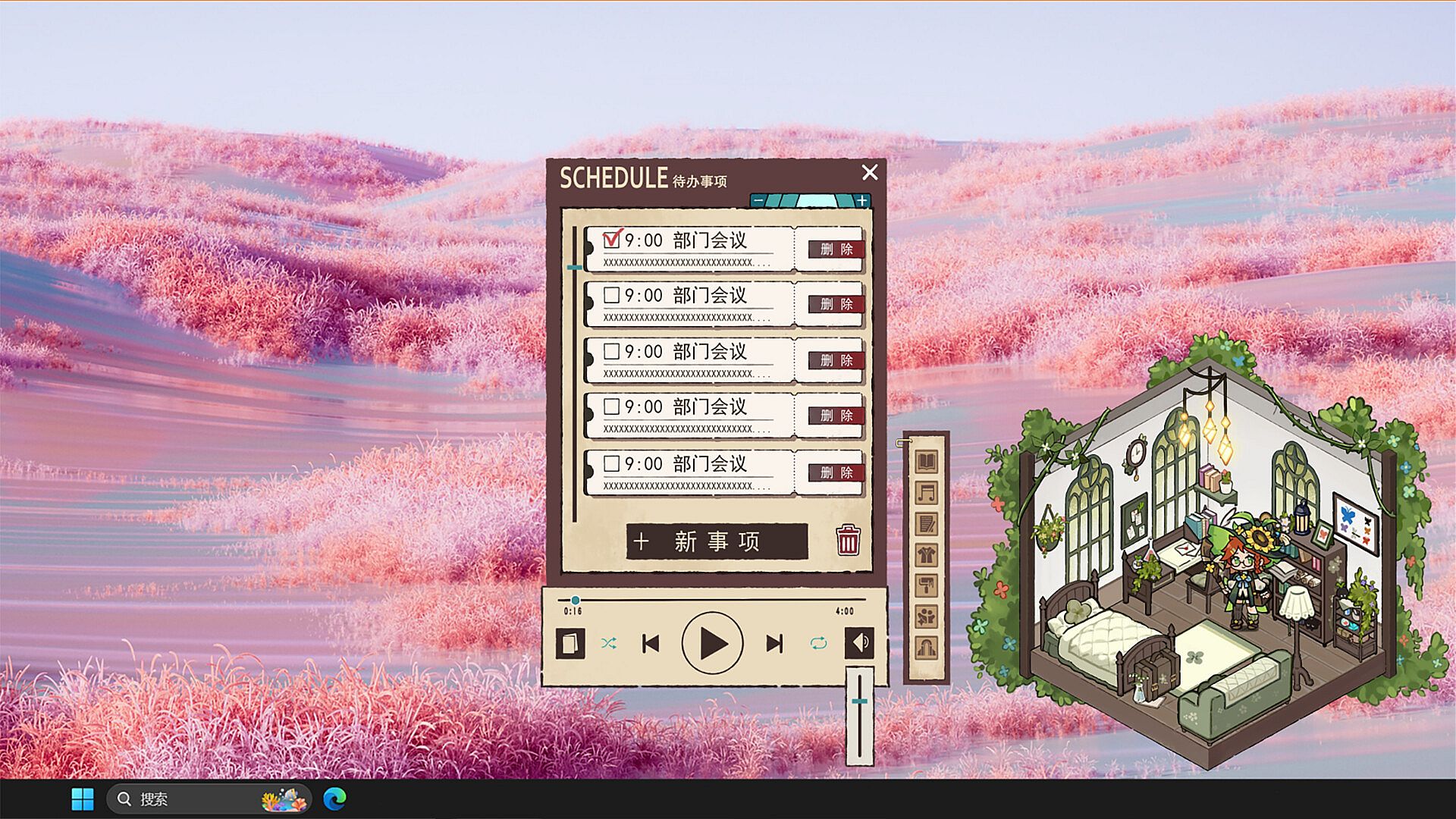
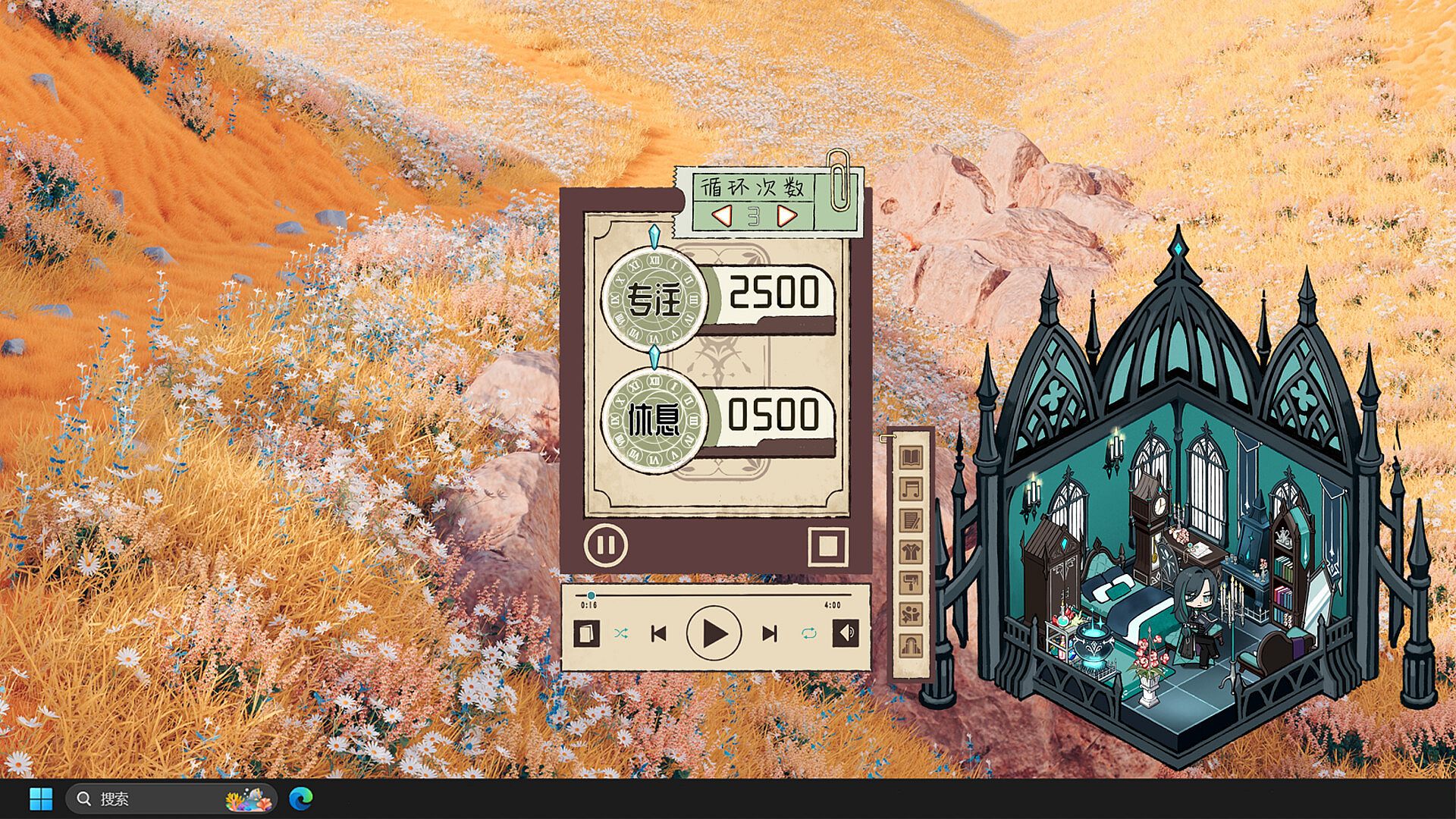
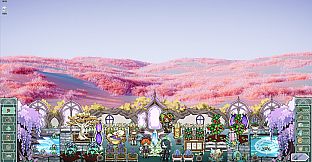
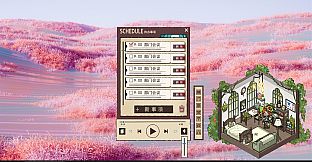
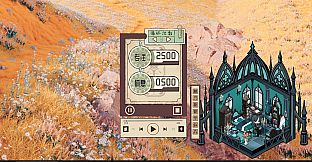
Two primary modes support flexible play. Half-screen management keeps the courtyard visible in a portion of the display while the rest of the screen remains available for other applications. The garden continues producing mana passively during this setup. Companion hut mode shrinks the view to a small window, typically in the corner, and activates a Pomodoro-style timer for structured focus sessions. Music playback and task lists integrate directly into this mode.
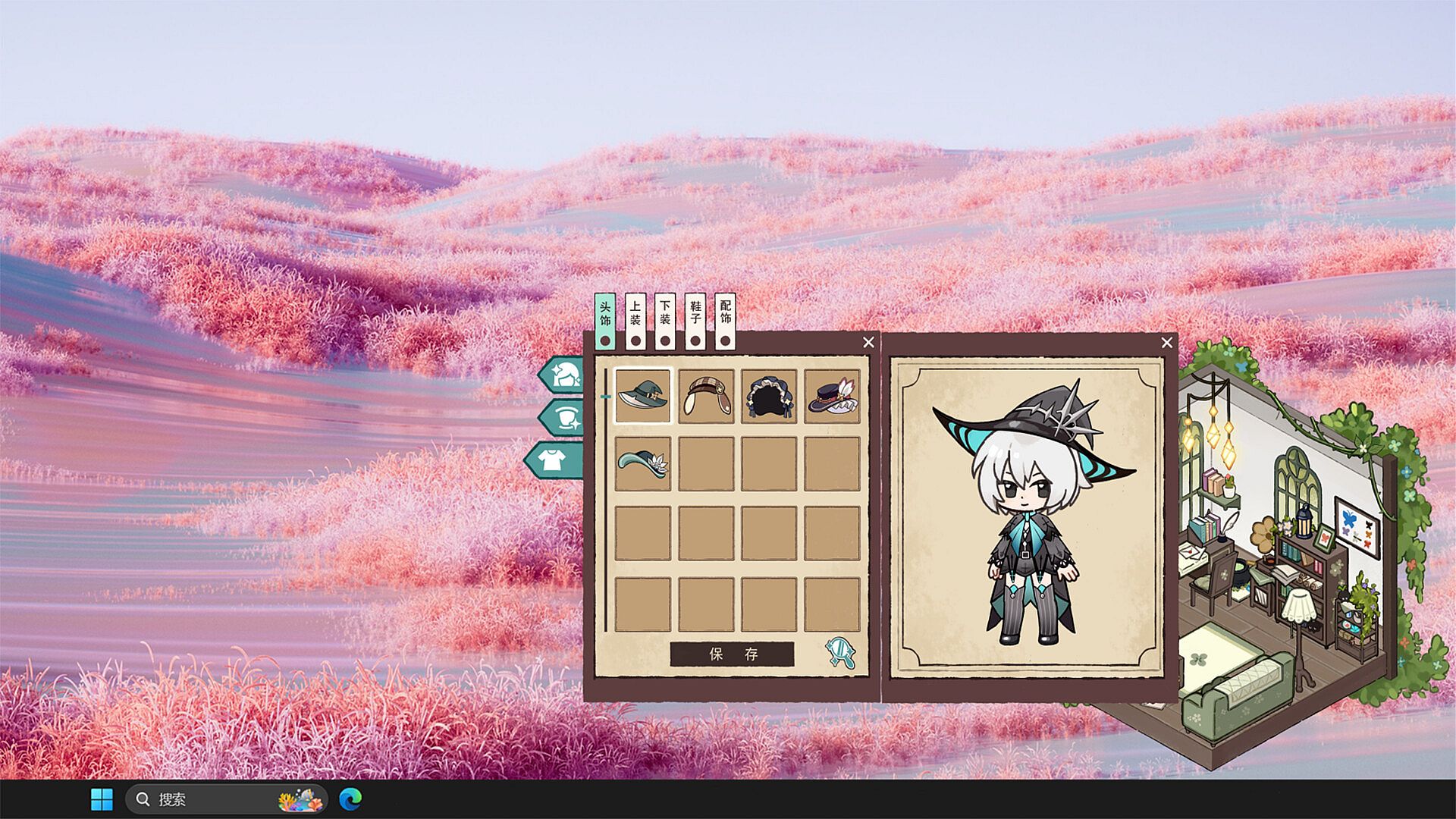
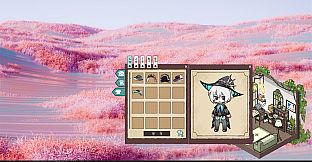
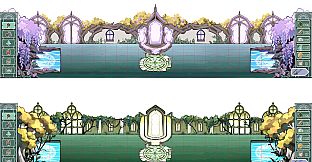
Players can invite NPC companions into the hut for joint focus periods. The hut also serves as a hub for interior decoration, separate from exterior courtyard customization. Both spaces allow free placement of items through drag-and-drop controls, with saves to preserve layouts. Character customization occurs through a dedicated panel that adjusts the wizard's appearance with various options.
Progression and Systems
Planting involves selecting magical seeds suited to different growth conditions, then waiting through focus sessions for maturity before harvesting. Materials feed into potion crafting, where combinations produce varied effects for orders or further upgrades. The familiar system expands capabilities over time, adding irrigation and resource gathering functions that operate independently.
Gold from completed orders funds shop inventory that includes new decor, clothing, and furnishings for both the courtyard and hut. Main story branches intersect with companion affinity levels, where repeated interactions and side tasks raise bonds and reveal additional events. Completion estimates range from twelve to eighteen hours for the primary narrative, extending to thirty or forty hours when pursuing all companion routes, codex entries, and decorative collections.
Is It Worth Playing?
This title suits players who want a low-pressure management experience paired with built-in support for concentration and breaks. The dual-mode design accommodates both background monitoring during computer work and dedicated timer sessions, making it practical for students or professionals seeking gentle structure. Story and relationship elements add narrative motivation without demanding constant attention, while automation features keep the simulation running smoothly alongside daily routines. Those drawn to relaxed customization, resource loops, and light fantasy storytelling will find a consistent fit here, particularly if they value tools that align gaming time with productive habits.