




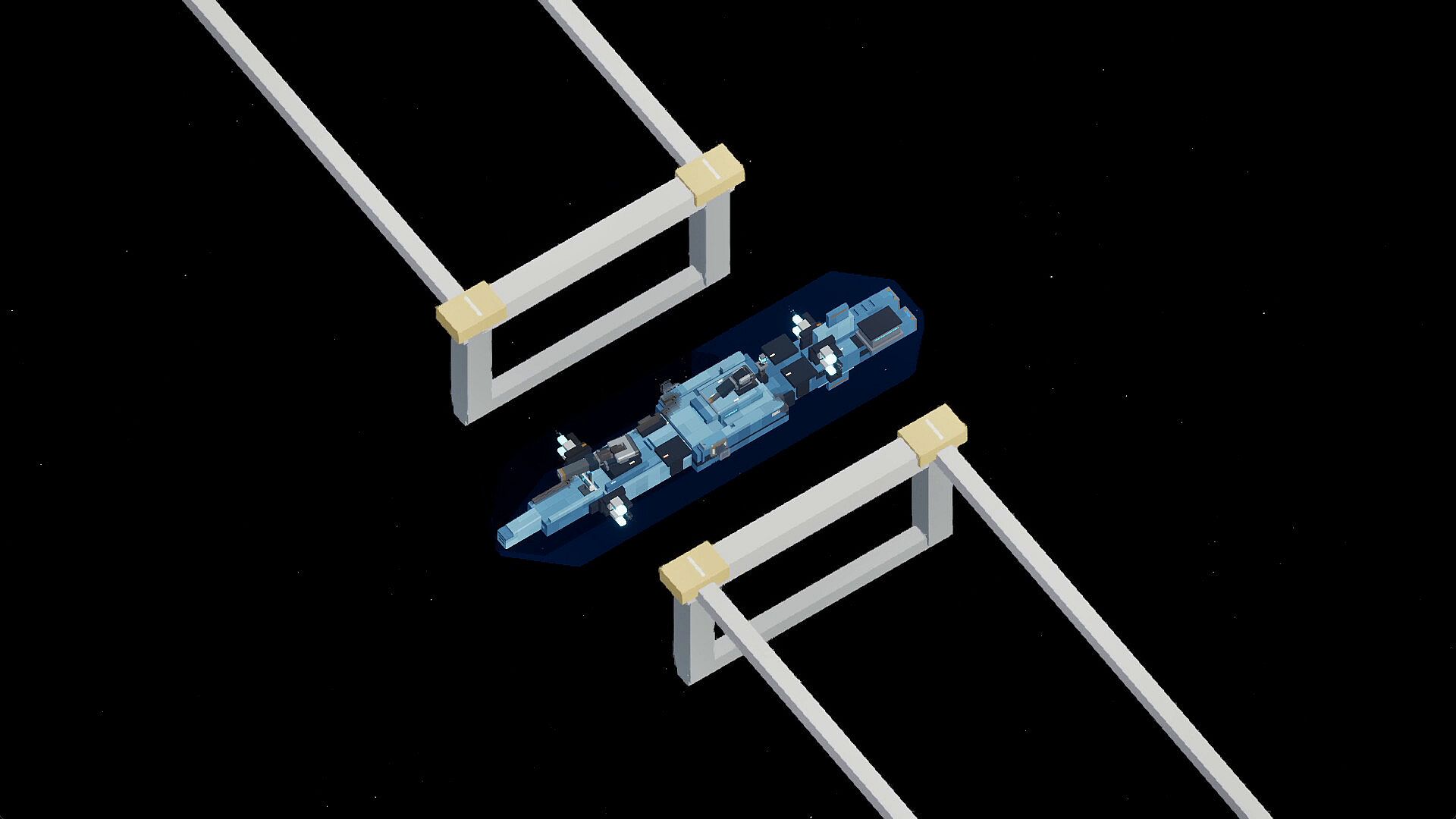
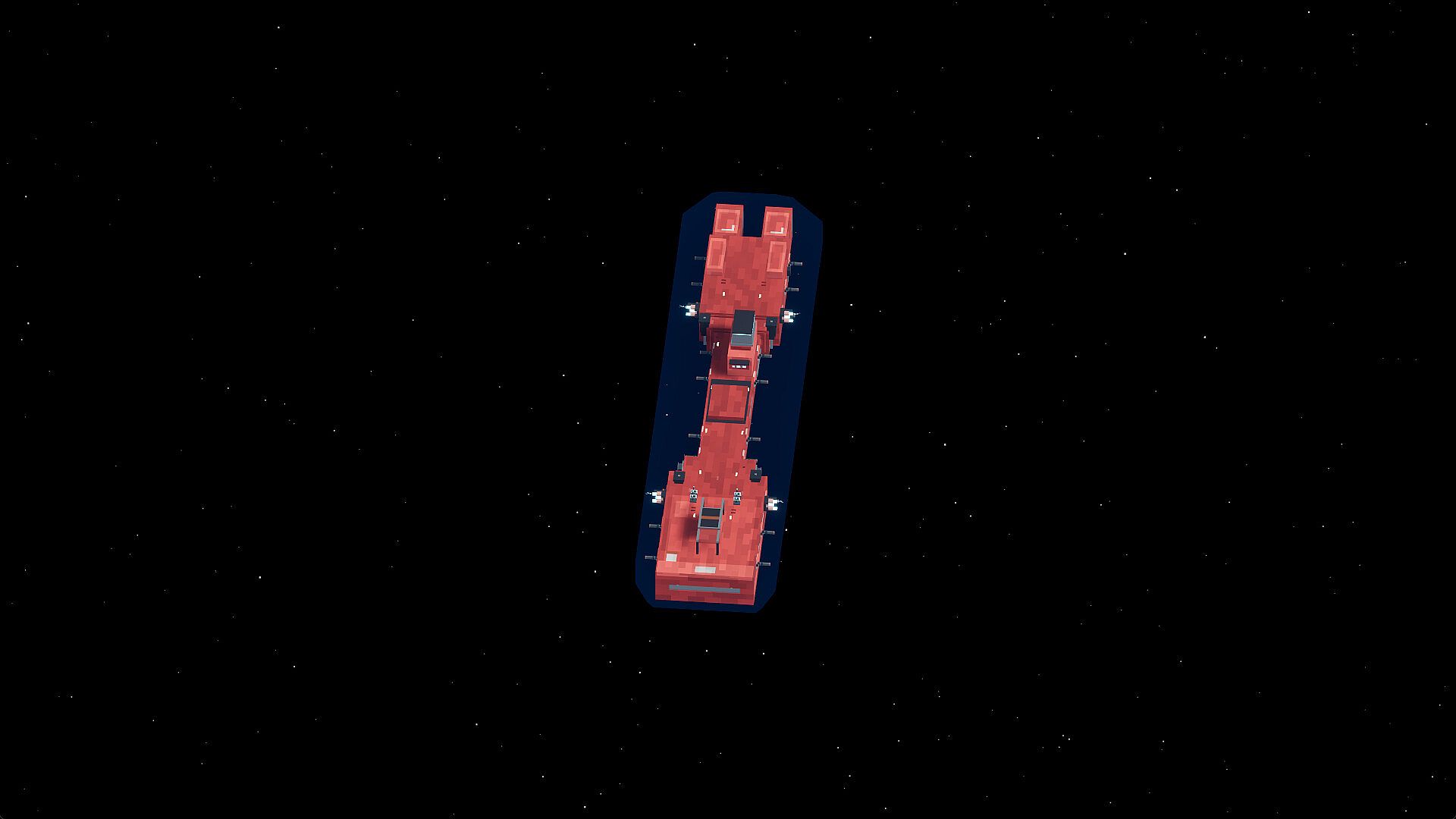


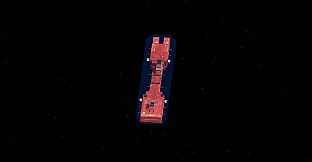
Fleet in Pieces is a single-player space strategy and simulation game focused on commanding fleets of physical ships through tense engagements and long-term fleet management. Players handle positioning, weapon use, and tactical decisions while accounting for limited resources and the lasting effects of combat damage on individual vessels.
Gameplay
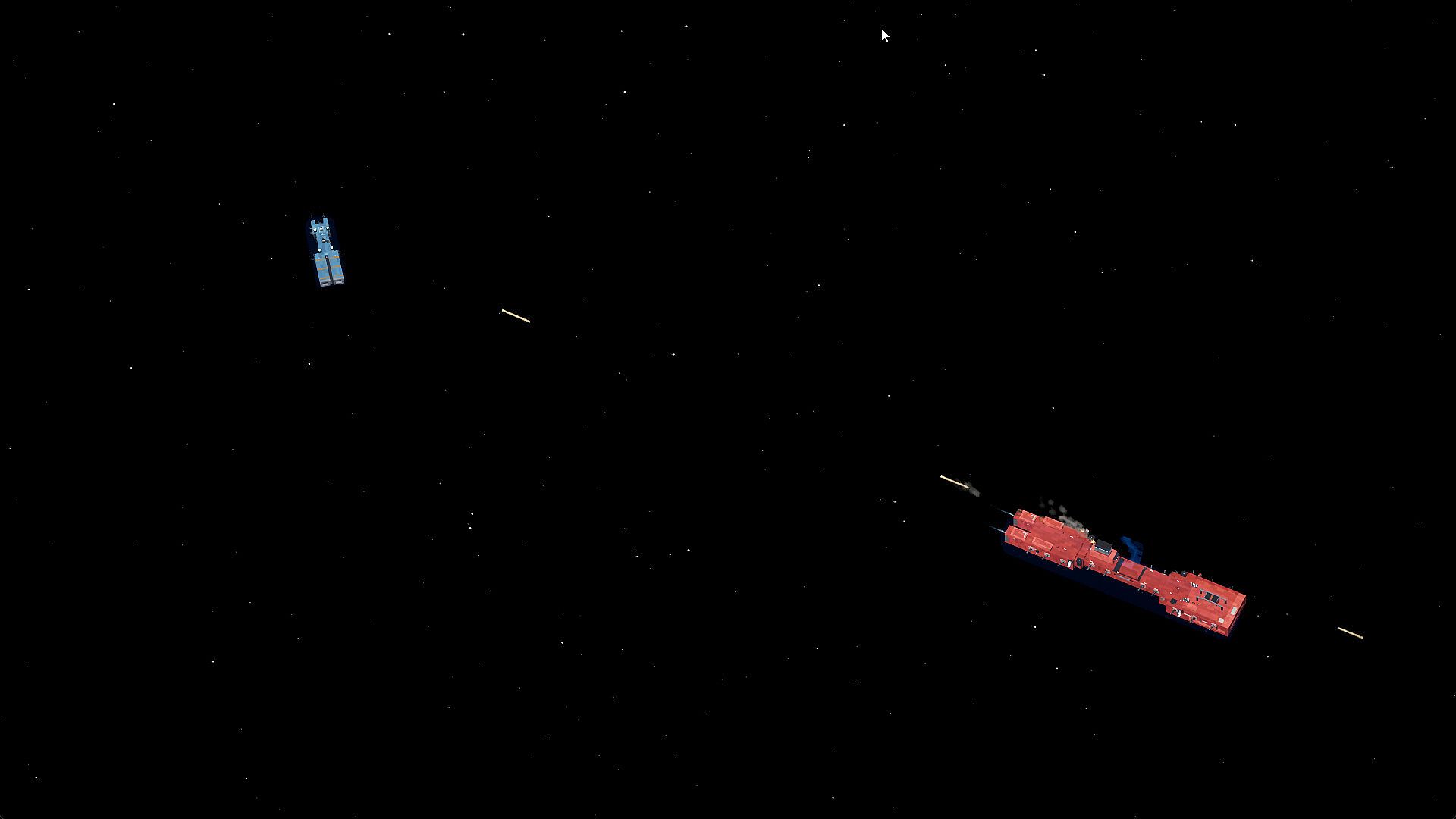
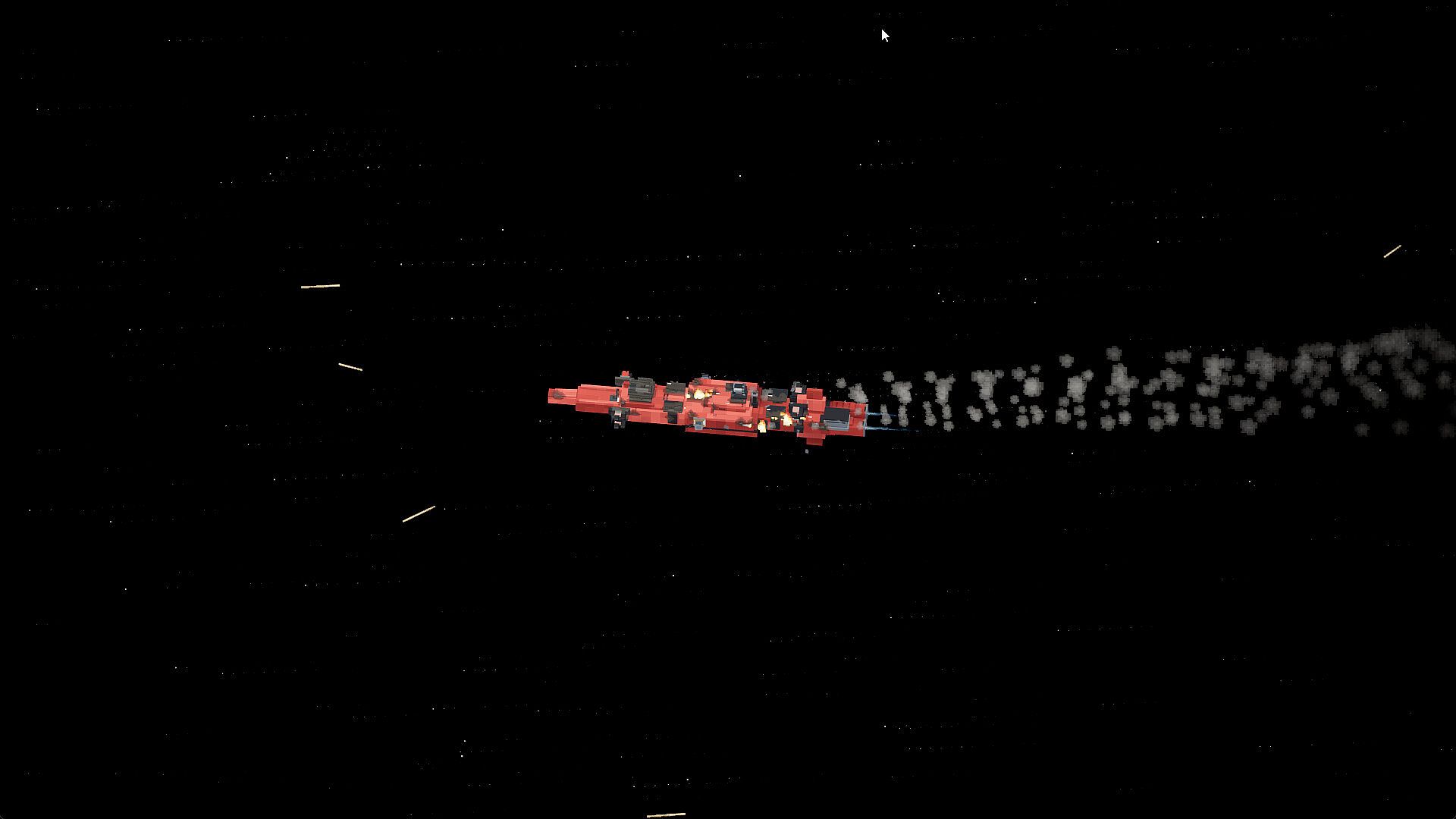
The core loop revolves around directing ships in real time or turn-based encounters where distance, angle, and timing determine success. Each ship carries physical components that can be damaged individually, altering its speed, firepower, or other functions without relying on simple health bars. Finite ammunition and fuel add layers of resource planning, forcing commanders to decide when to commit to an attack or pull back to conserve supplies.
Beyond the immediate fight, maintaining the fleet requires attention to crews, repairs, resupply, and refits. Damaged ships must be brought back to base for restoration, after which players select new equipment and configurations suited to upcoming tasks. This cycle of deployment, combat, and recovery forms the backbone of progression as the fleet expands into new areas.
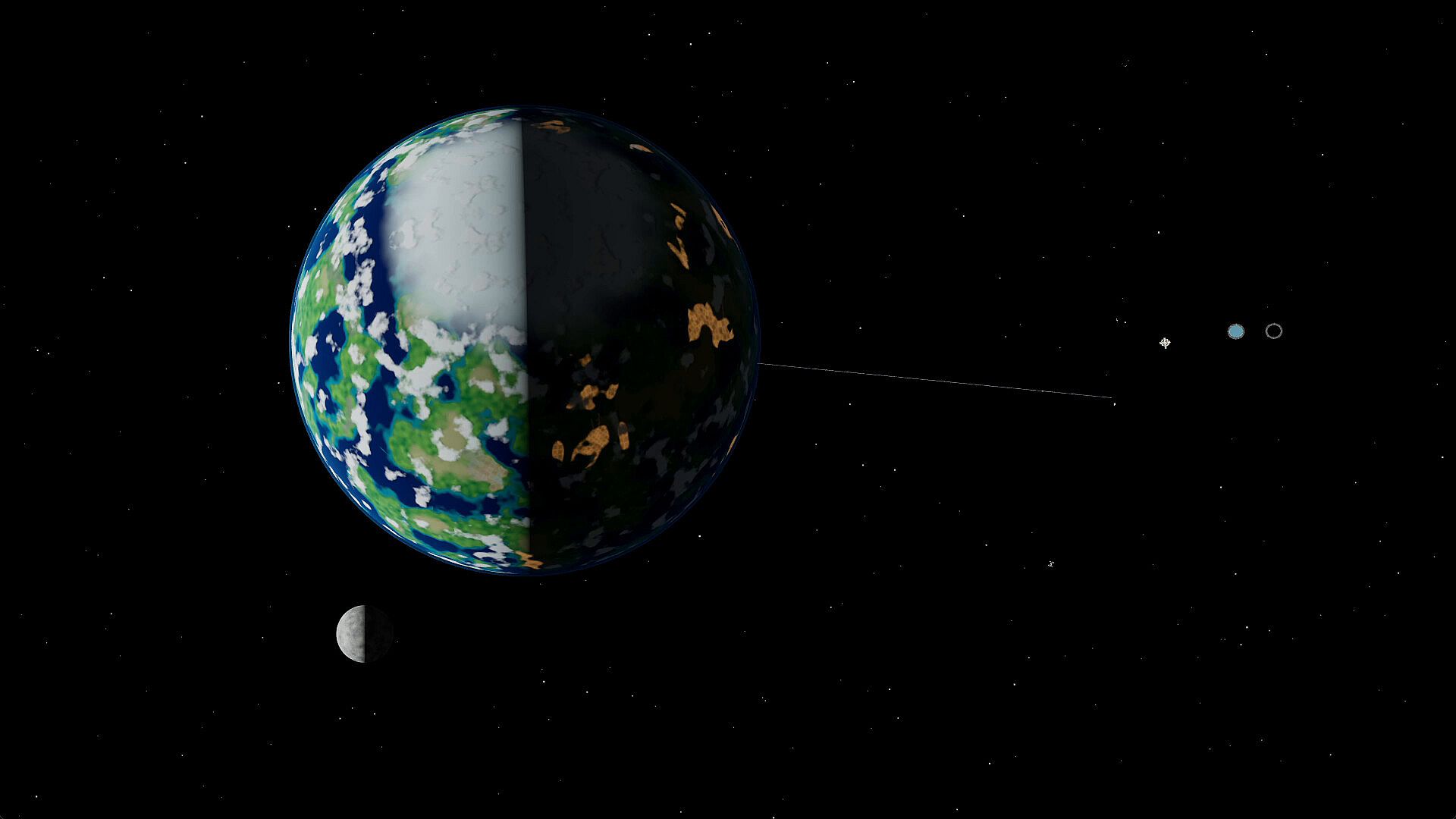
Surveying unfamiliar systems and safeguarding trade routes and civilian vessels ties the naval operations to broader expansion efforts. Civilian elements handle industrial growth, leaving players responsible for security and exploration support in contested or unknown space.
Game Modes
The experience centers on single-player strategic command without confirmed multiplayer components. Players lead the naval aspects of system expansion through a series of assignments that combine combat encounters with logistical preparation and route protection.
Progression involves opening new systems while balancing immediate tactical needs against the long-term health of the fleet. Each engagement feeds into the next through repaired and refitted ships, creating a continuous loop of command decisions that span multiple operations.
Core Mechanics and Systems
Ships function as collections of interdependent parts rather than abstract units. Damage to specific components can disable weapons, reduce mobility, or affect other capabilities, requiring players to adapt tactics mid-fight or accept reduced performance until repairs occur. Positioning plays a key role in bringing the right weapons to bear while minimizing exposure to enemy fire.
Resource constraints extend to ammunition and fuel, which must be managed across the fleet. Withdrawing at the right moment preserves these assets for future fights, while aggressive pushes risk leaving vessels stranded or under-equipped. The emphasis on bringing ships home intact encourages careful planning over reckless charges.
Is It Worth Playing?
Fleet in Pieces remains in active development with no announced release date. The described systems appeal to players who enjoy detailed fleet management, physical ship simulation, and the interplay between combat tactics and post-battle logistics in a single-player setting. Those drawn to strategy and simulation genres may find the focus on component-level damage and sustained fleet operations distinctive once the game reaches a playable state.
Without released builds or player feedback available, suitability depends on interest in the core concept of commanding damaged, resource-limited vessels across expanding systems. The single-player emphasis and integration of repair and refit cycles suggest a deliberate pace suited to thoughtful commanders rather than fast-paced action seekers.












