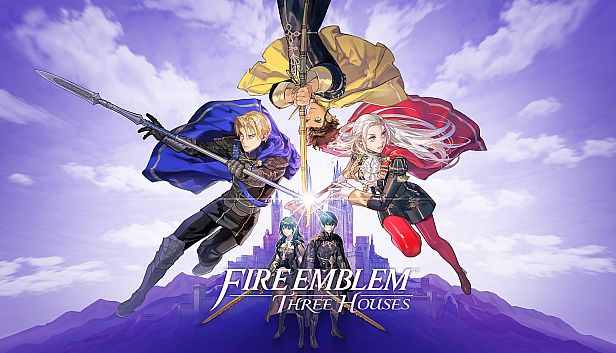




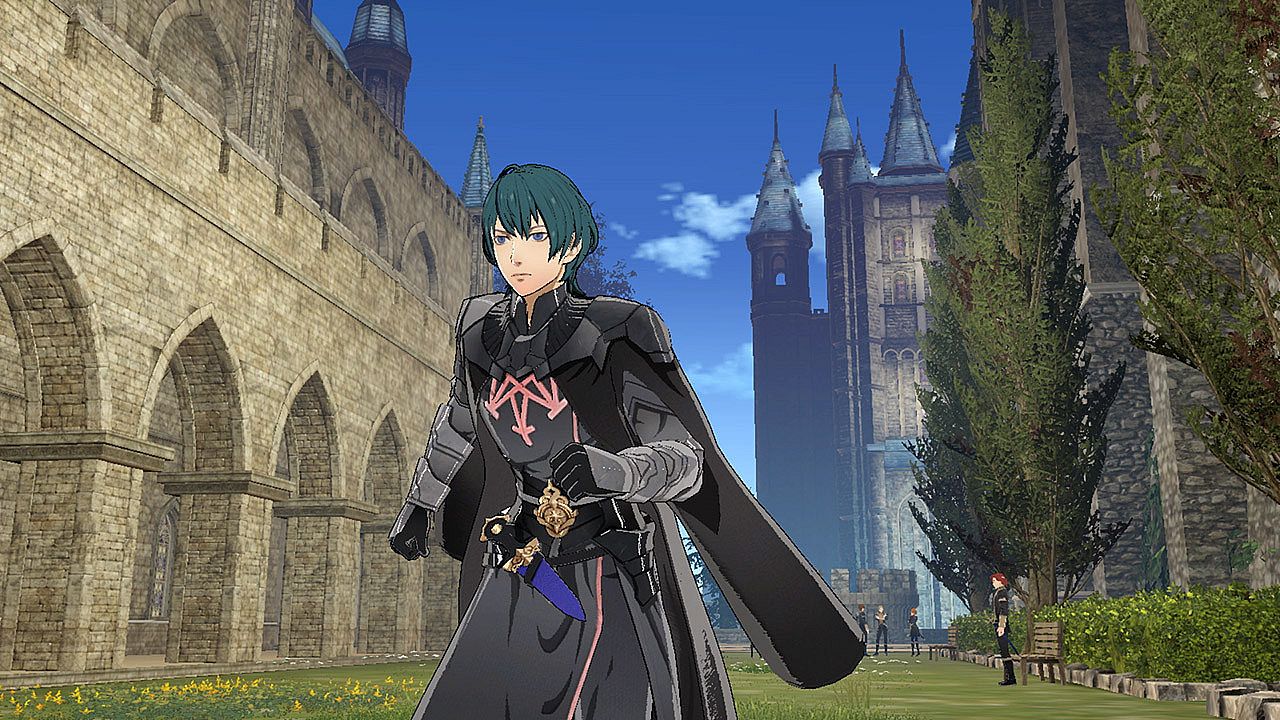

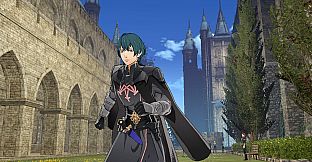
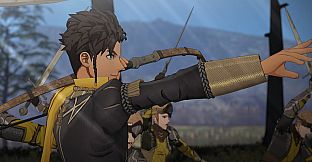
Fire Emblem: Three Houses is a strategy RPG developed for the Nintendo Switch that blends tactical turn-based combat with extensive character development and time management elements. Players take on the role of a professor at the Officers Academy, selecting one of three student houses and guiding its members through training, personal interactions, and battlefield decisions that influence the story of the continent Fódlan.
Gameplay
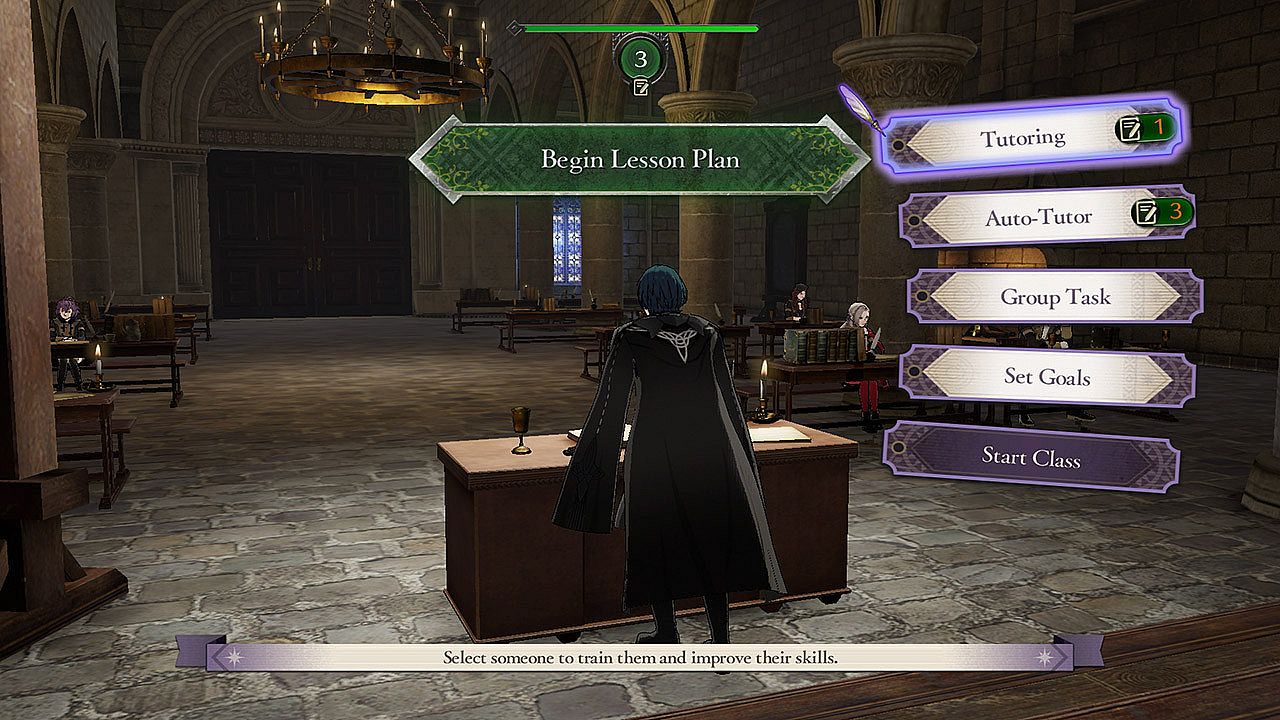
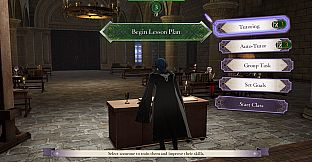
The core loop alternates between monastery activities and map-based battles. In the school phase, time is allocated to teaching classes, participating in group exercises, exploring the grounds, and building relationships through conversations, gifts, and shared meals. These interactions raise motivation levels and unlock support conversations that provide combat bonuses and story insights. Units gain experience in specific skills such as swords, reason, or authority, which determine available classes and abilities during battles.
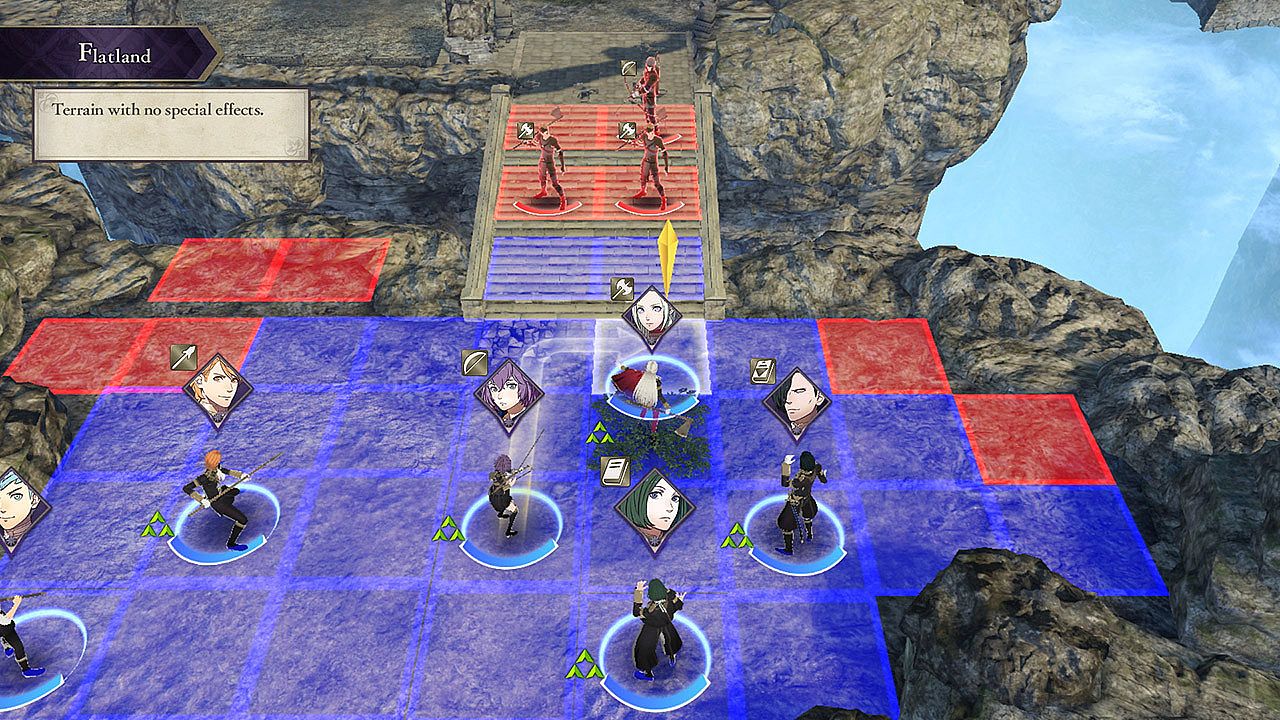
Combat follows the series tradition of grid-based, turn-based encounters where each unit moves, attacks, or uses items on its turn before the enemy responds. New systems include battalions that attach to lead units for passive buffs and special gambit attacks capable of hitting multiple targets or applying status effects. Class promotion paths allow flexible customization, with characters starting in beginner roles and advancing through intermediate and advanced options based on skill proficiency. The game emphasizes preparation and positioning, with objectives ranging from routing enemies to seizing strongholds or protecting key targets.
Game Modes
Difficulty settings include Normal for standard challenge, Hard for increased enemy strength and smarter AI, and Maddening for the most demanding encounters with limited resources and aggressive foes. Separate from difficulty, players select between Classic mode, where fallen units are permanently removed, or Casual mode, where defeated allies return after each battle. These choices are made at the start of a new game and shape the overall risk and replay approach.
Story progression branches according to the chosen house, leading to distinct campaigns with unique events, allies, and conflicts. Multiple playthroughs reveal different perspectives on the central narrative without altering the fundamental battle or academy systems.
Story and Factions
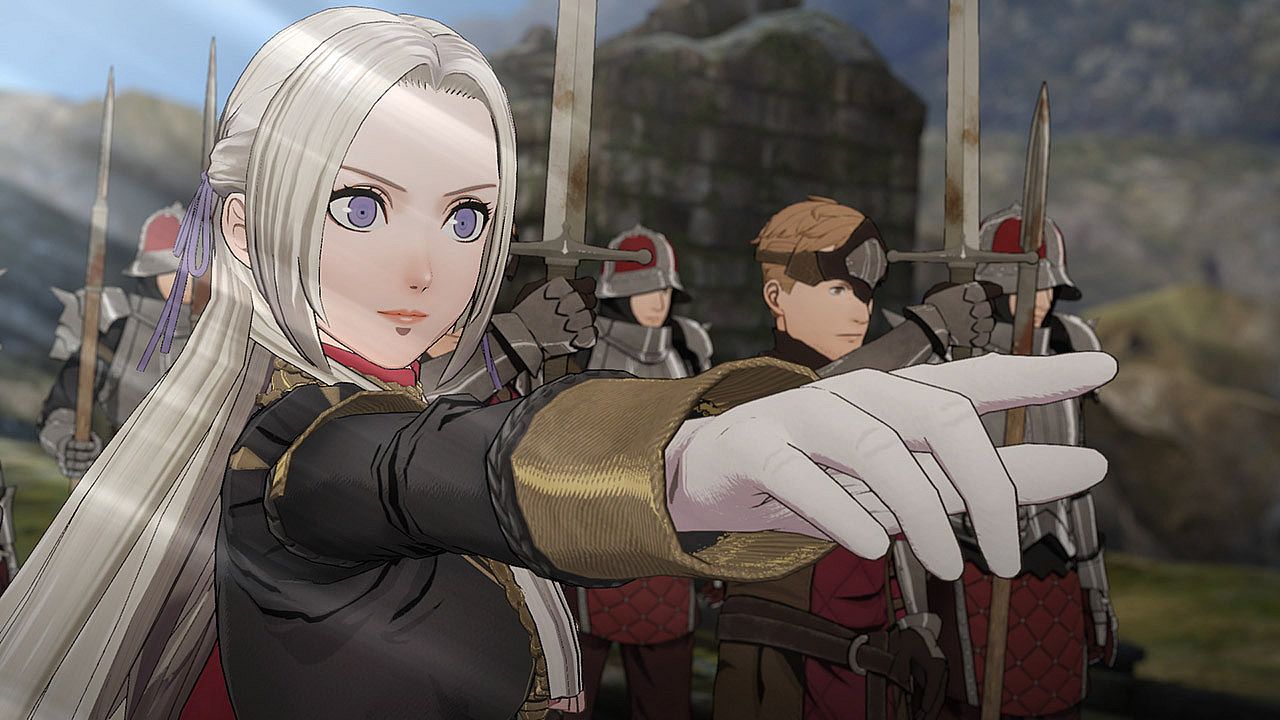
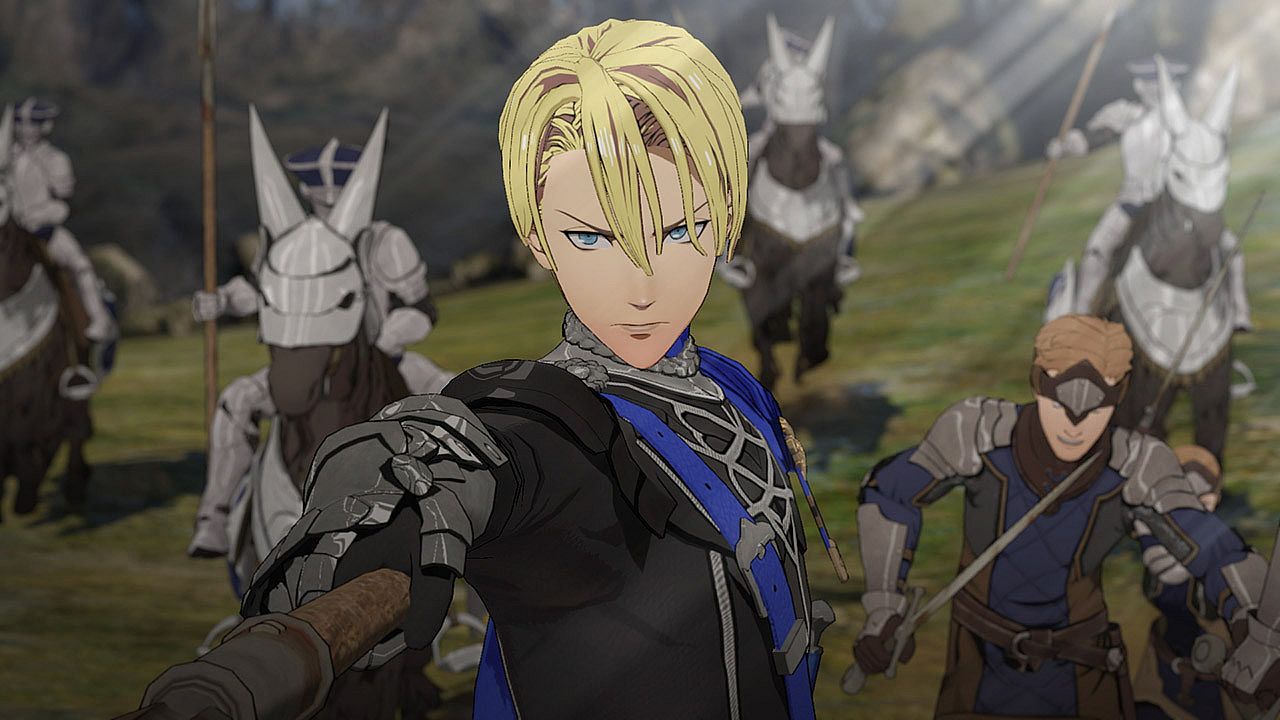
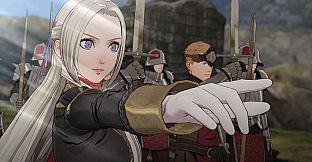
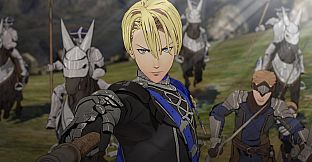
The setting centers on Garreg Mach Monastery, a neutral site housing the academy and the Church of Seiros. The three houses represent students from rival nations: the Black Eagles tied to the Adrestian Empire, the Blue Lions from the Holy Kingdom of Faerghus, and the Golden Deer from the Leicester Alliance. Each group brings its own leaders, backgrounds, and motivations that intersect with the main plot involving political tensions and personal loyalties.
Player decisions during academy life and battles affect unit growth and available story branches, encouraging investment in specific characters across multiple routes.
Is It Worth Playing?
Reception has been strongly positive, with critics and players highlighting the integration of tactical combat and character-focused simulation as a standout feature. The game offers substantial replay value through different house selections and difficulty combinations, appealing to those who enjoy managing unit development alongside strategic battles. No ongoing updates or seasonal content exist beyond initial patches that added features like Maddening mode, leaving it as a complete, self-contained experience.
It suits players seeking a single-player strategy RPG with deep customization and branching narratives rather than competitive multiplayer. Those who appreciate time management alongside turn-based fights will find the systems rewarding, while newcomers can start on lower difficulties to learn the mechanics gradually. Availability on the Nintendo Switch makes it accessible for portable or home play, with strong long-term value for fans of the genre.