

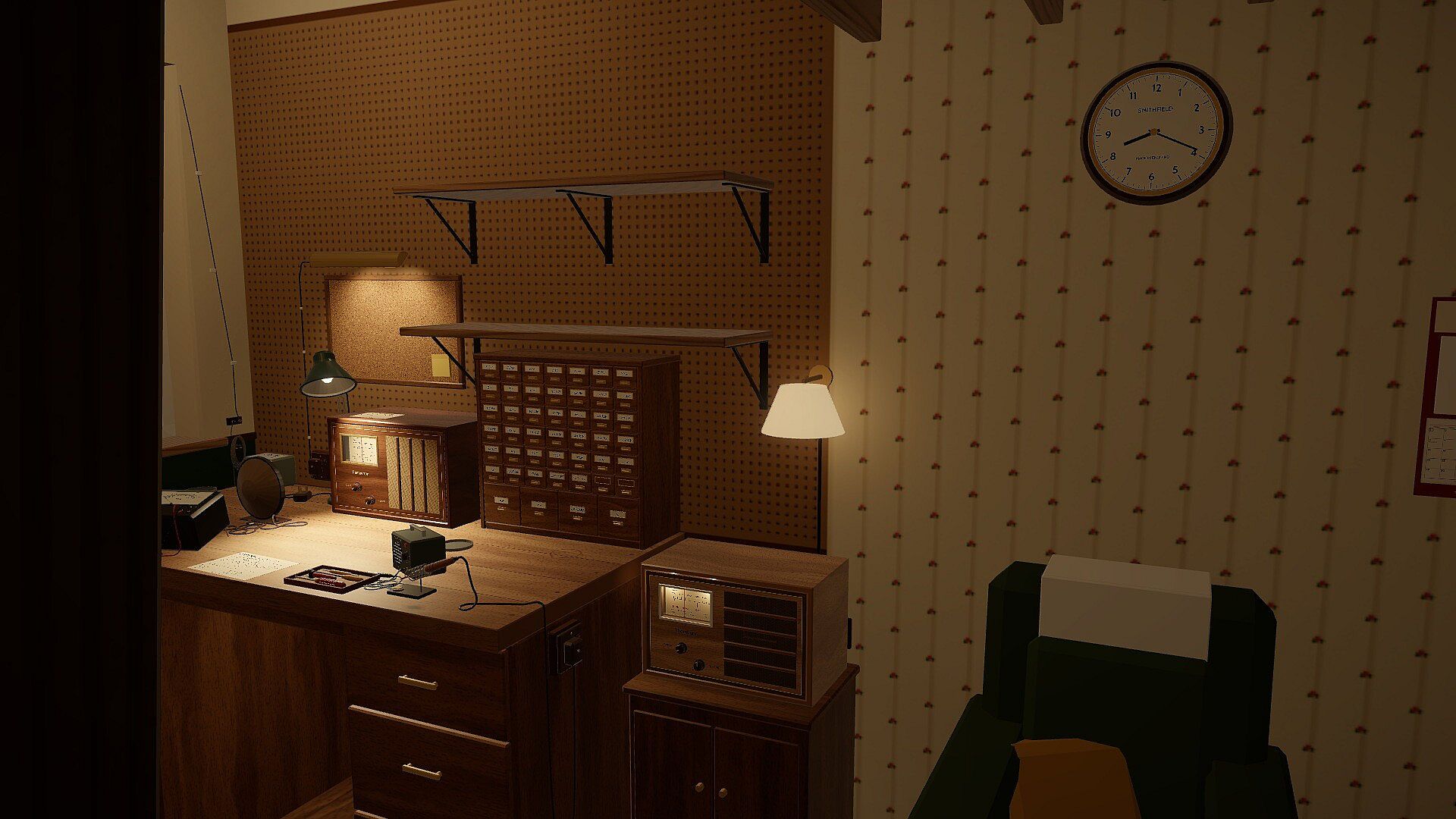
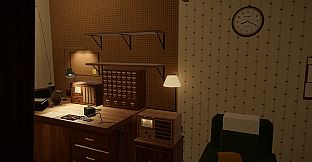
Fine Tuning: A Radio Repair Shop is a single-player simulation game set in a small English town in 1952. Players run a modest wireless repair business, diagnosing and fixing valve radios that arrive with real-world faults like hums, crackles, or complete silence. The experience centers on hands-on work with authentic 1950s circuitry rather than abstracted menus or quick fixes.
Gameplay
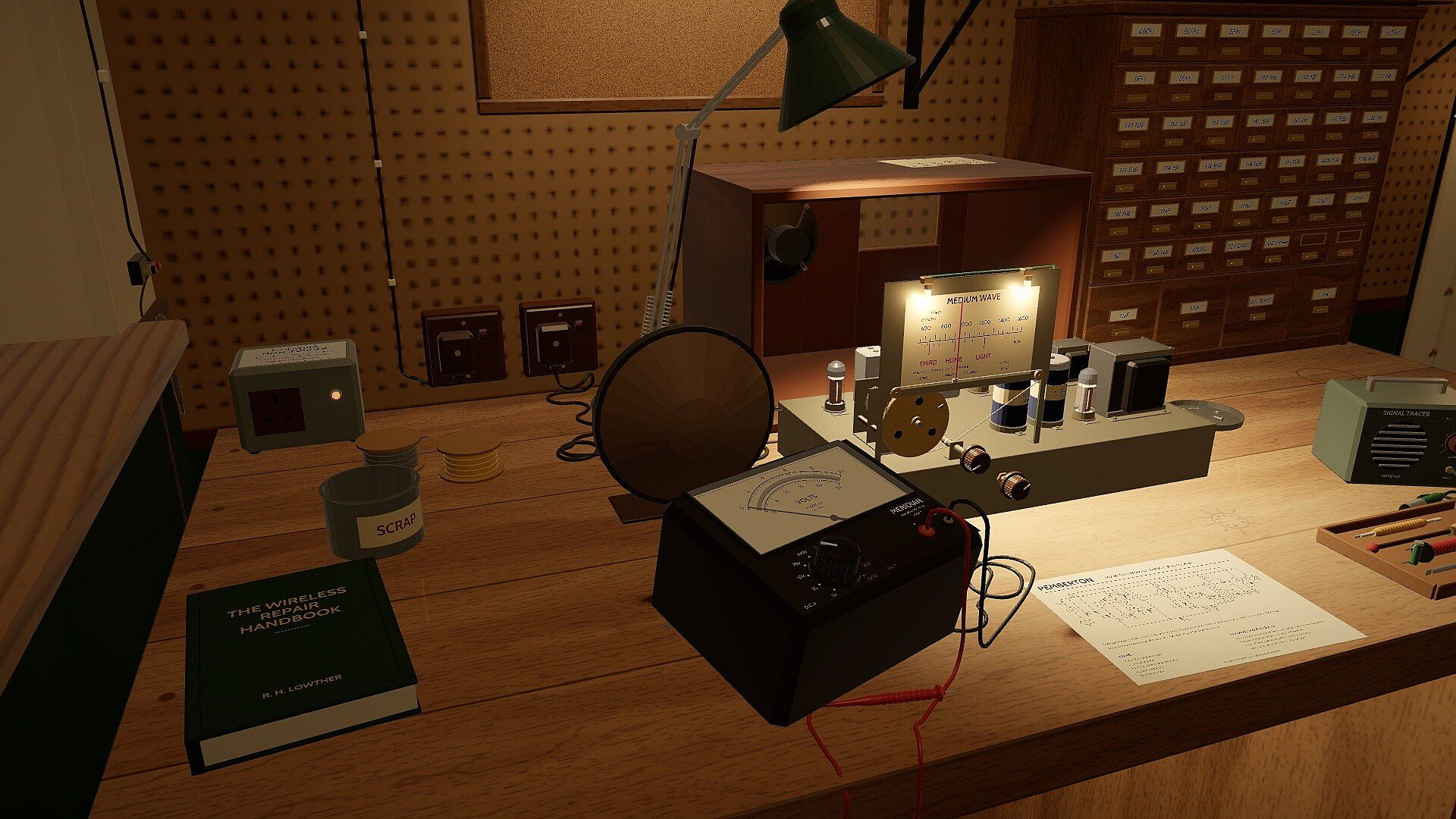
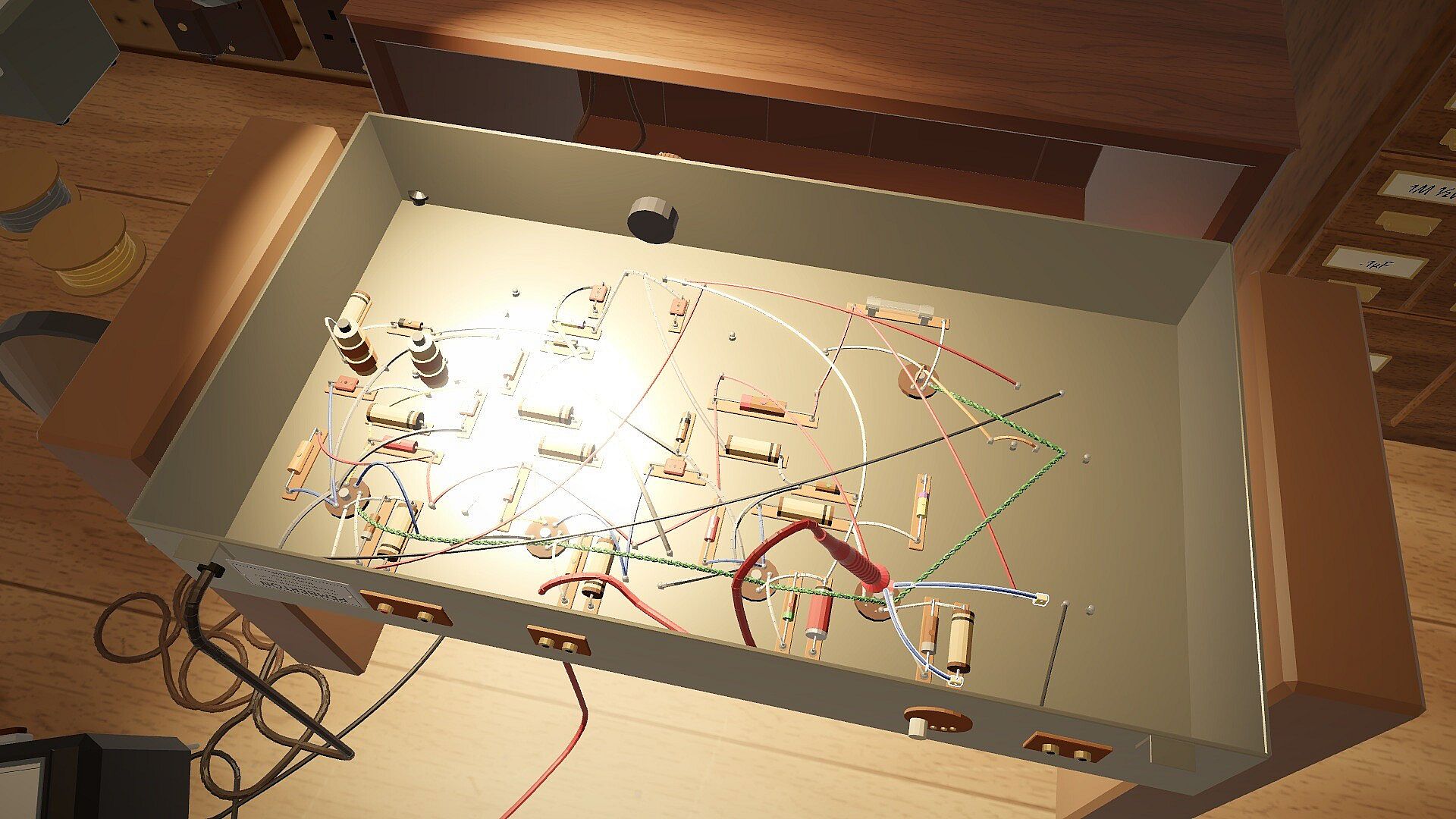
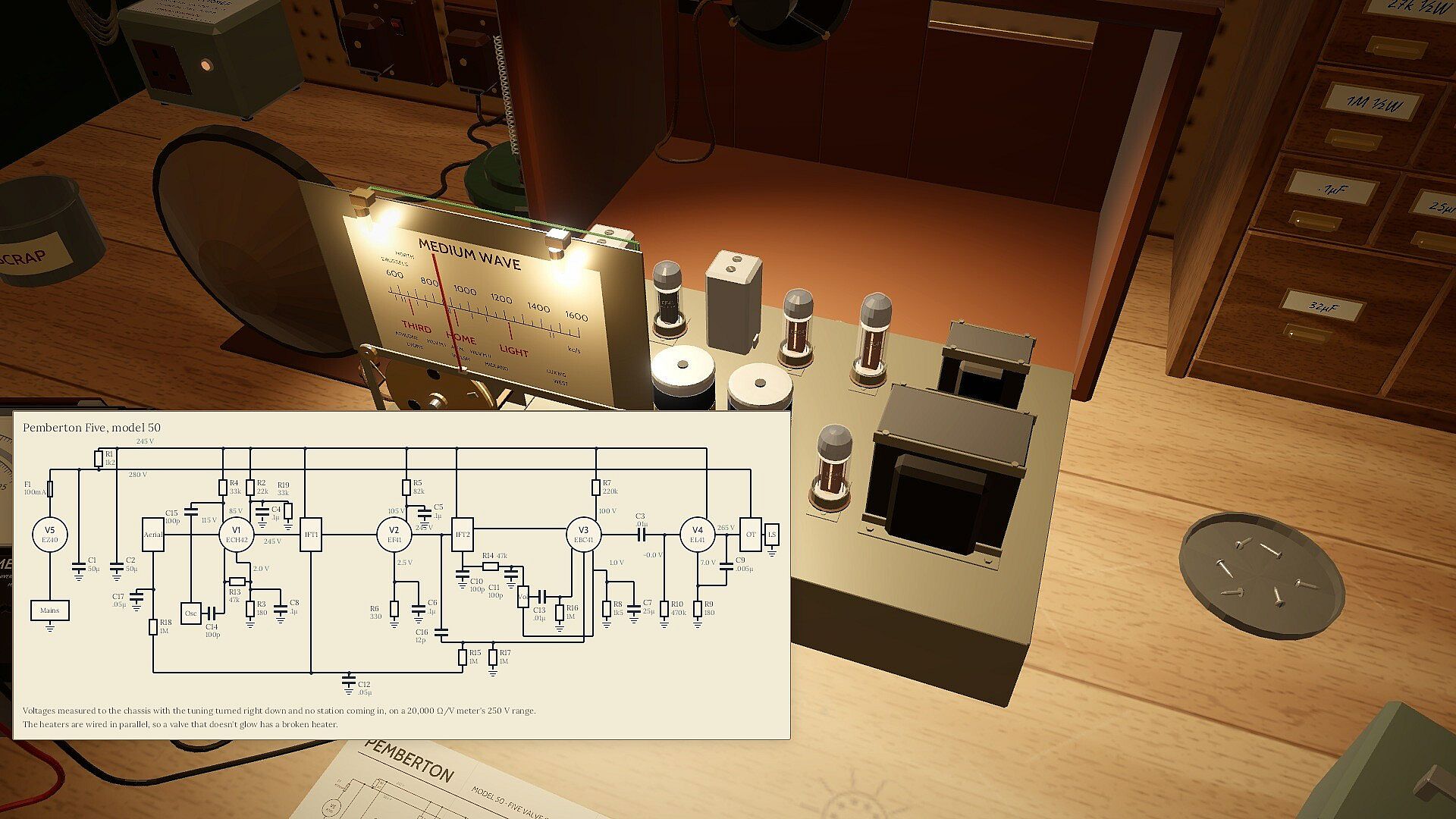
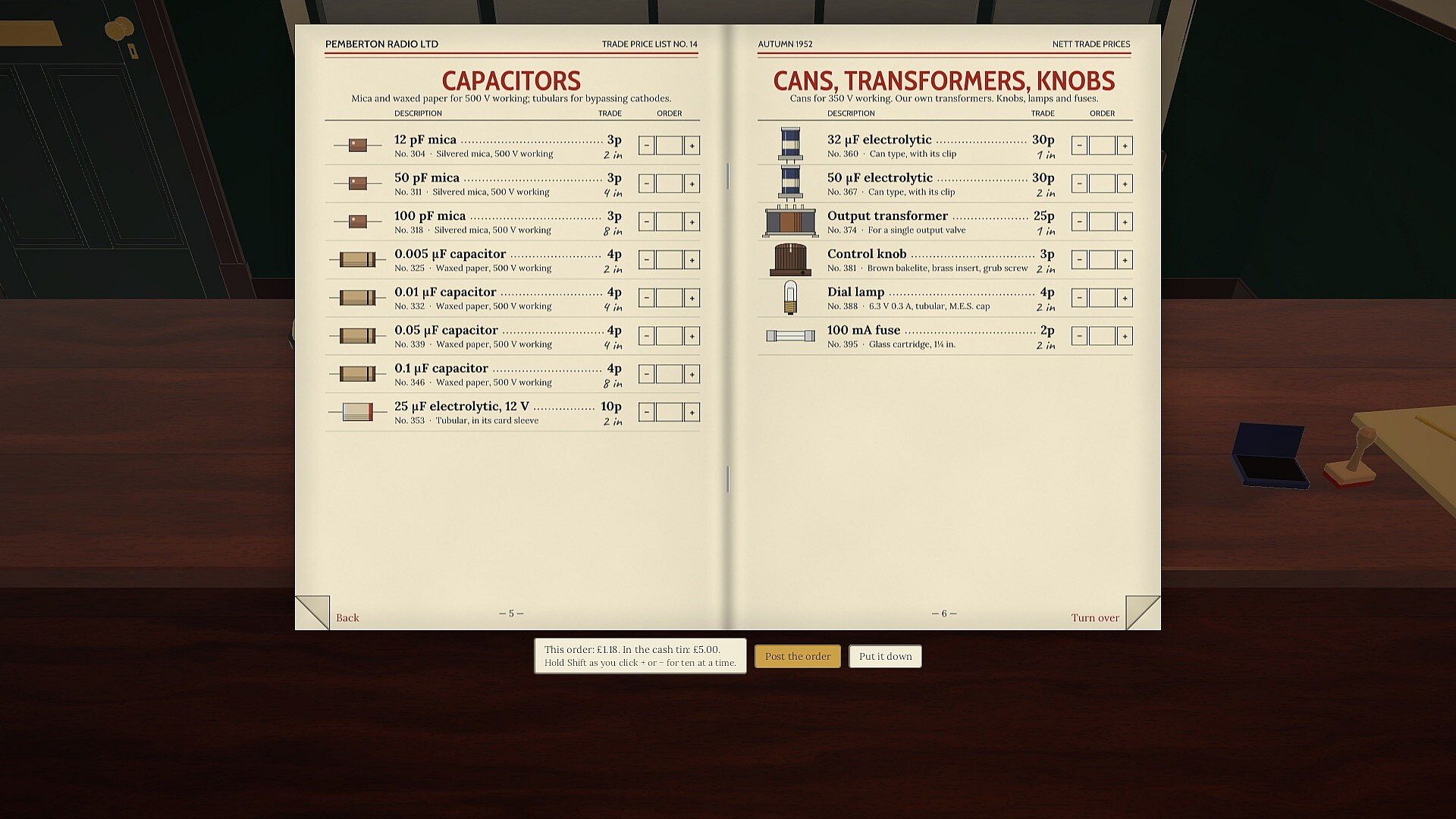
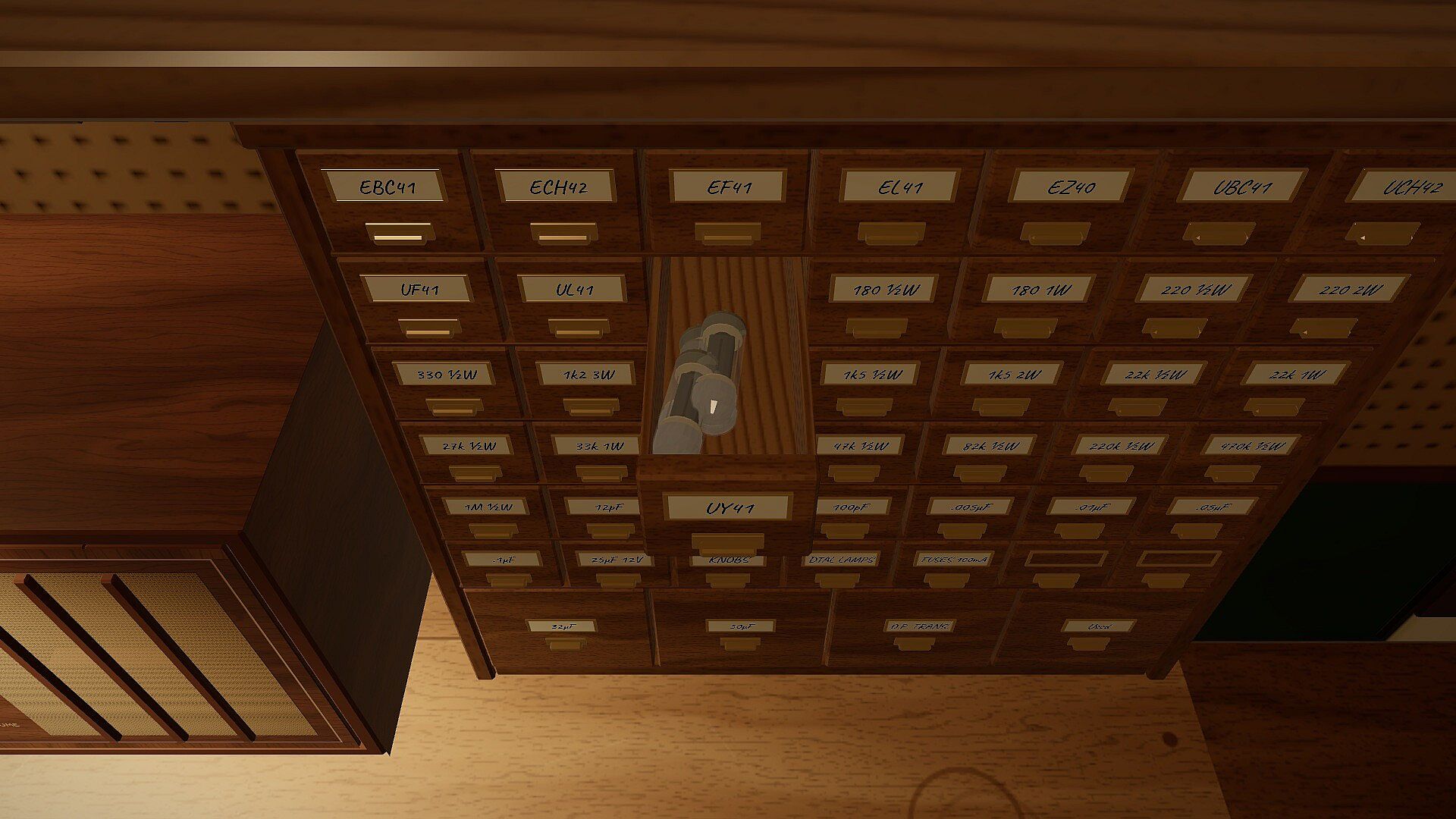
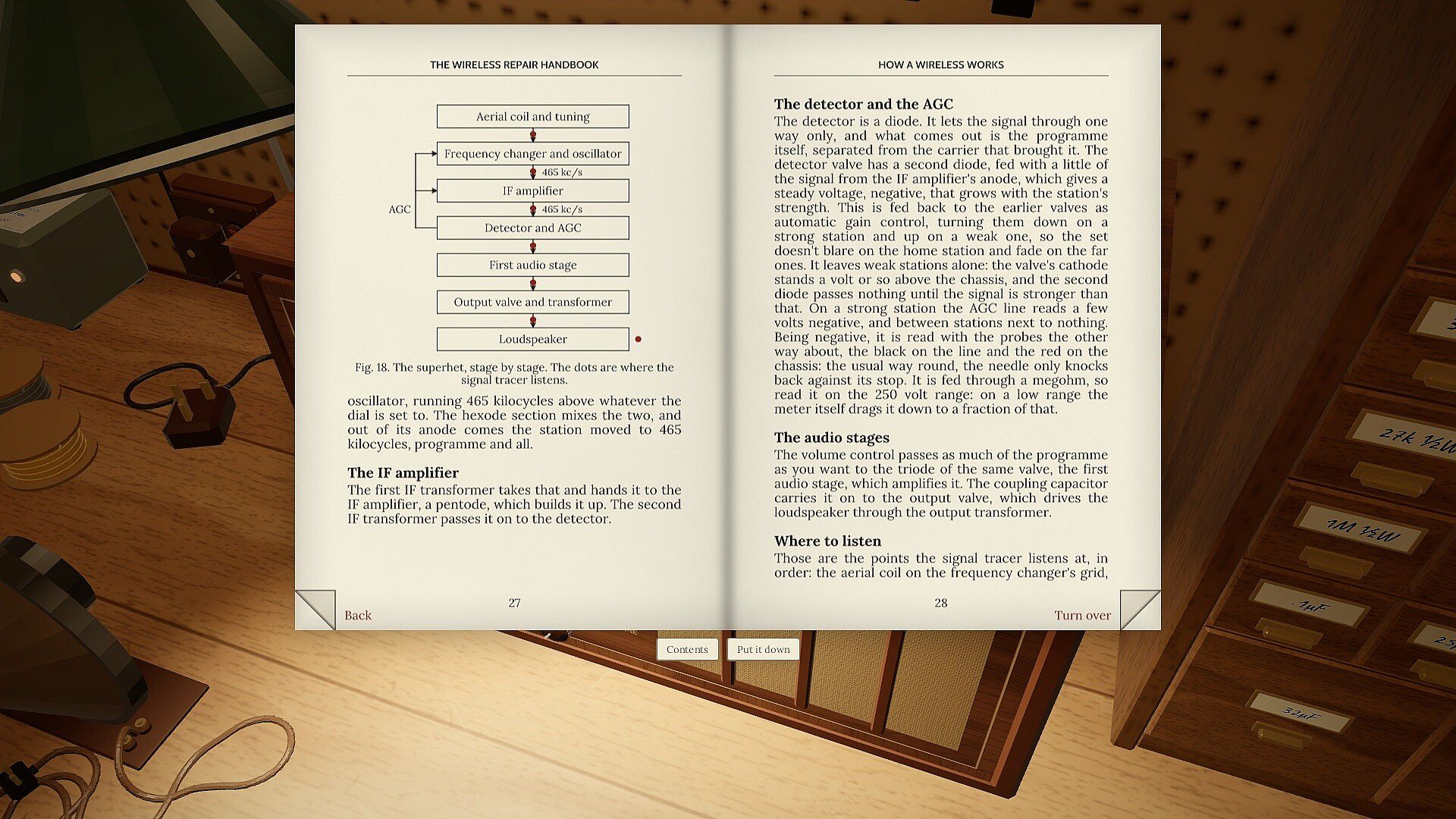
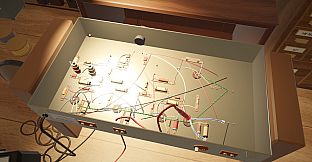
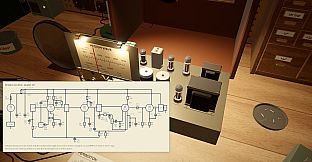
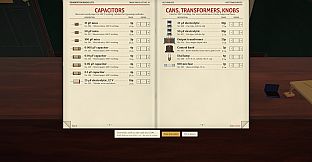
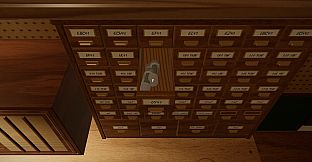
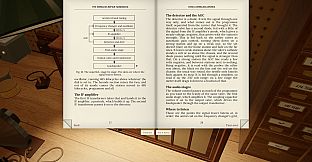
Each radio functions as a working valve superhet circuit that the game calculates in real time. Players remove the back, slide out the chassis, connect test equipment, and use tools such as a signal tracer, soldering iron, and multimeter to locate problems. Visible damage includes charred resistors or cracked valves, while hidden issues require probing pins and tags or listening for faults through the bench speaker. Replacement parts come from a cabinet stocked via trade orders, and miswired sets or damp-damaged units demand extra steps like rerouting screened leads or drying components.
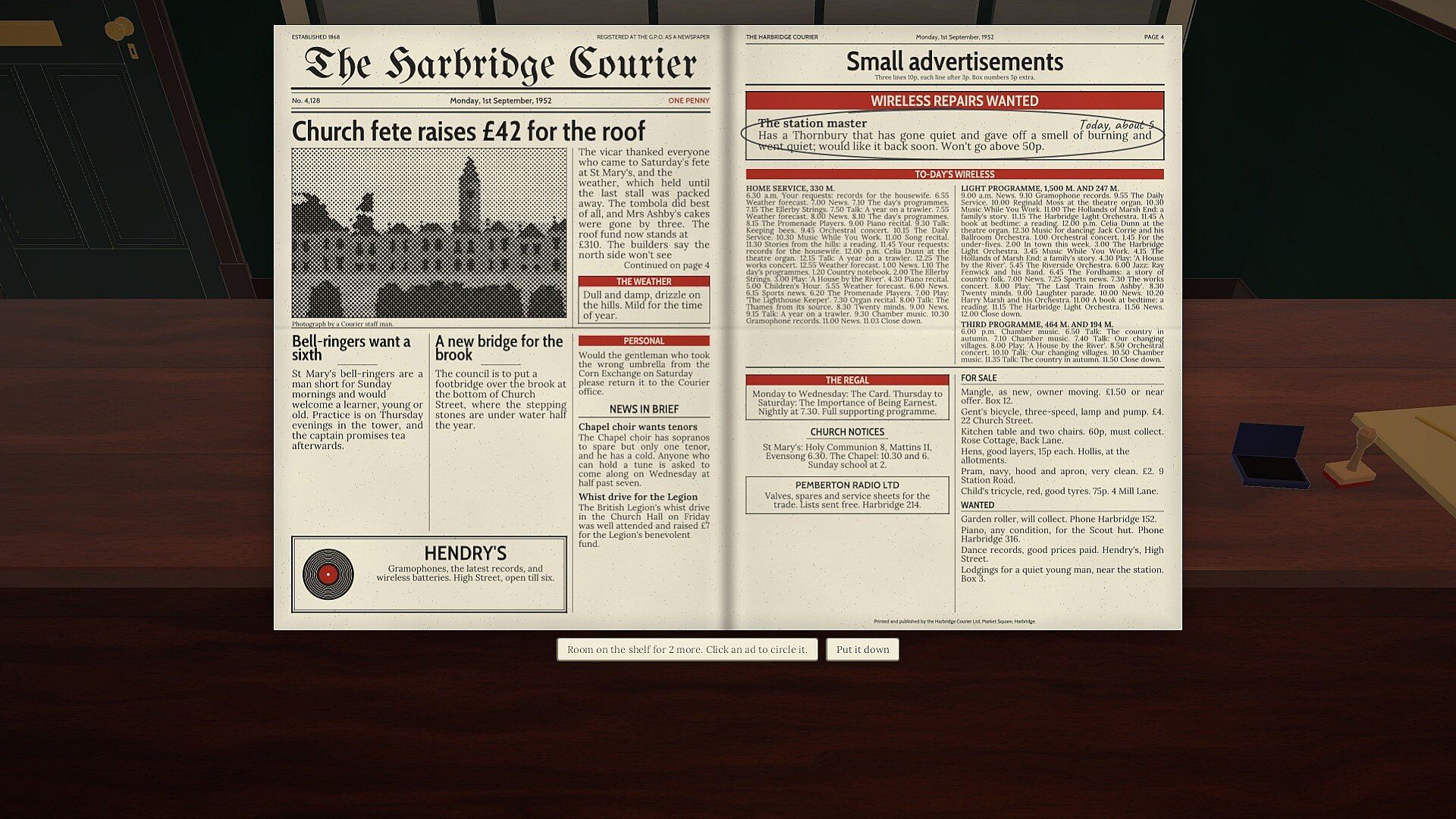
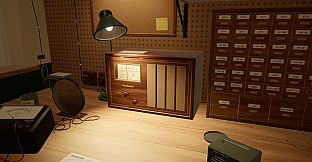
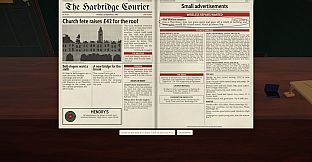
Shop operations run on a daily schedule with half-day closing on Wednesdays. The morning paper delivers job leads through small ads, and completed repairs earn pounds and pence paid at collection. Rent payments and accumulator charging for off-mains homes add routine management. Players can restore a personal set for evening listening or strip unfixable units for spare valves and parts. The fourteen stations on the dial broadcast period-accurate programming, including news pips, dance bands, and theatre organs, all affected by the radio's current condition.
Game Modes
The game offers a single continuous simulation experience without separate named modes. Core activities blend bench repairs, customer ticket management, spare ordering, and equipment upgrades as the shop grows. Jobs arrive through newspaper ads or walk-in trade, with options to prioritize quick turnaround for extra pay or decline unprofitable work. Accumulator charging and battery sales provide steady side tasks, while restoring or selling refurbished sets adds long-term goals. All actions occur in real time within the shop's fixed hours and seasonal light changes.
Shop Management and Progression
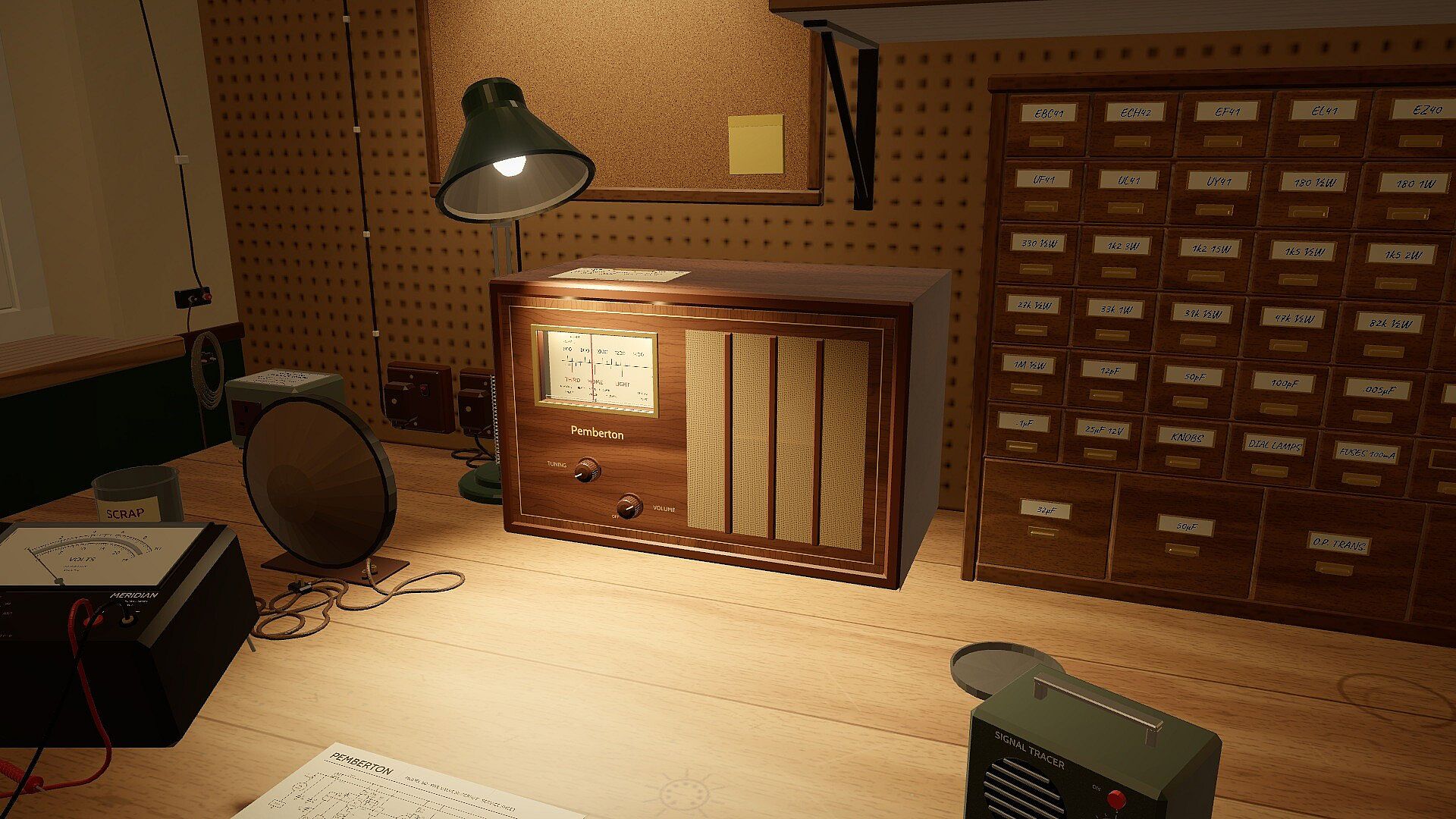
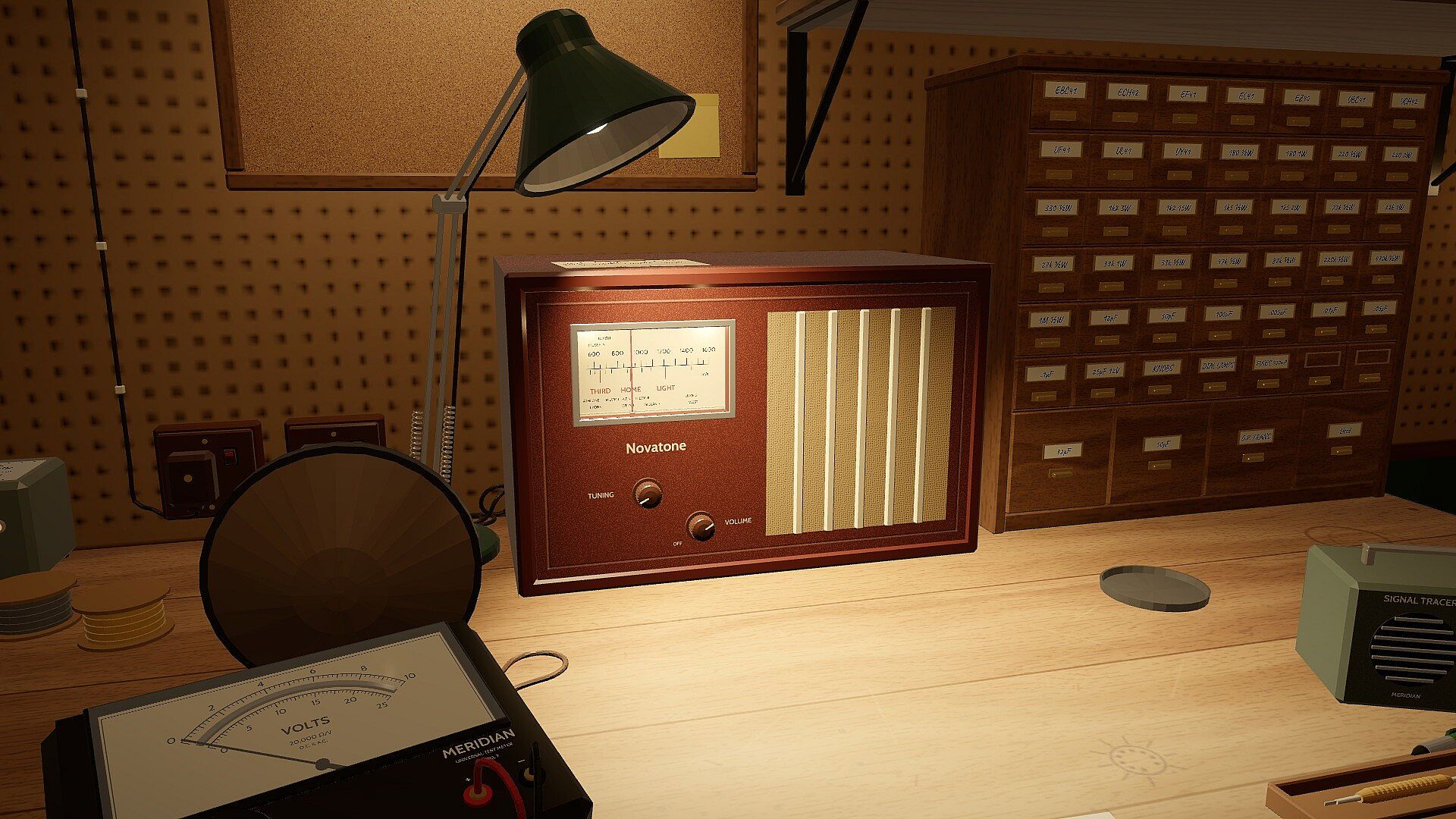
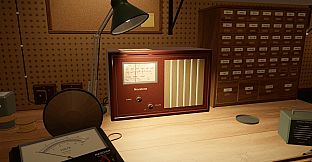
Progress comes from balancing repair quality against customer budgets and deadlines. Better tools such as a signal generator or ohm meter become available once funds allow, improving diagnostic speed. Regular customers return with new sets, and careful record-keeping in the ticket book tracks past work. The two available radios, the Pemberton Five and Novatone Companion, introduce varied chassis layouts and safety considerations like live mains on AC/DC models. Faults generate fresh each job, encouraging repeated playthroughs of the same sets with different issues.
Is It Worth Playing?
This title suits players who enjoy methodical, detail-oriented simulation without combat or time pressure beyond shop hours. The physical interaction with circuits and tools creates a satisfying loop for those interested in historical electronics or cozy management games. As an upcoming Early Access release planned for 2027, the current build focuses on two radios and core shop systems, with plans for additional sets and features based on feedback. Those drawn to precise repair mechanics and period atmosphere will find the described systems rewarding, while players seeking fast action or multiplayer elements should look elsewhere. The game remains in development, so its final scope will depend on updates after launch.