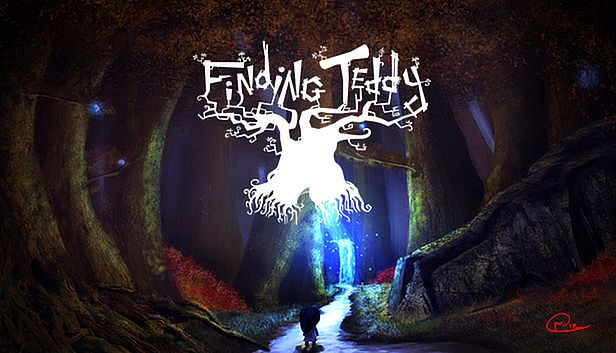
















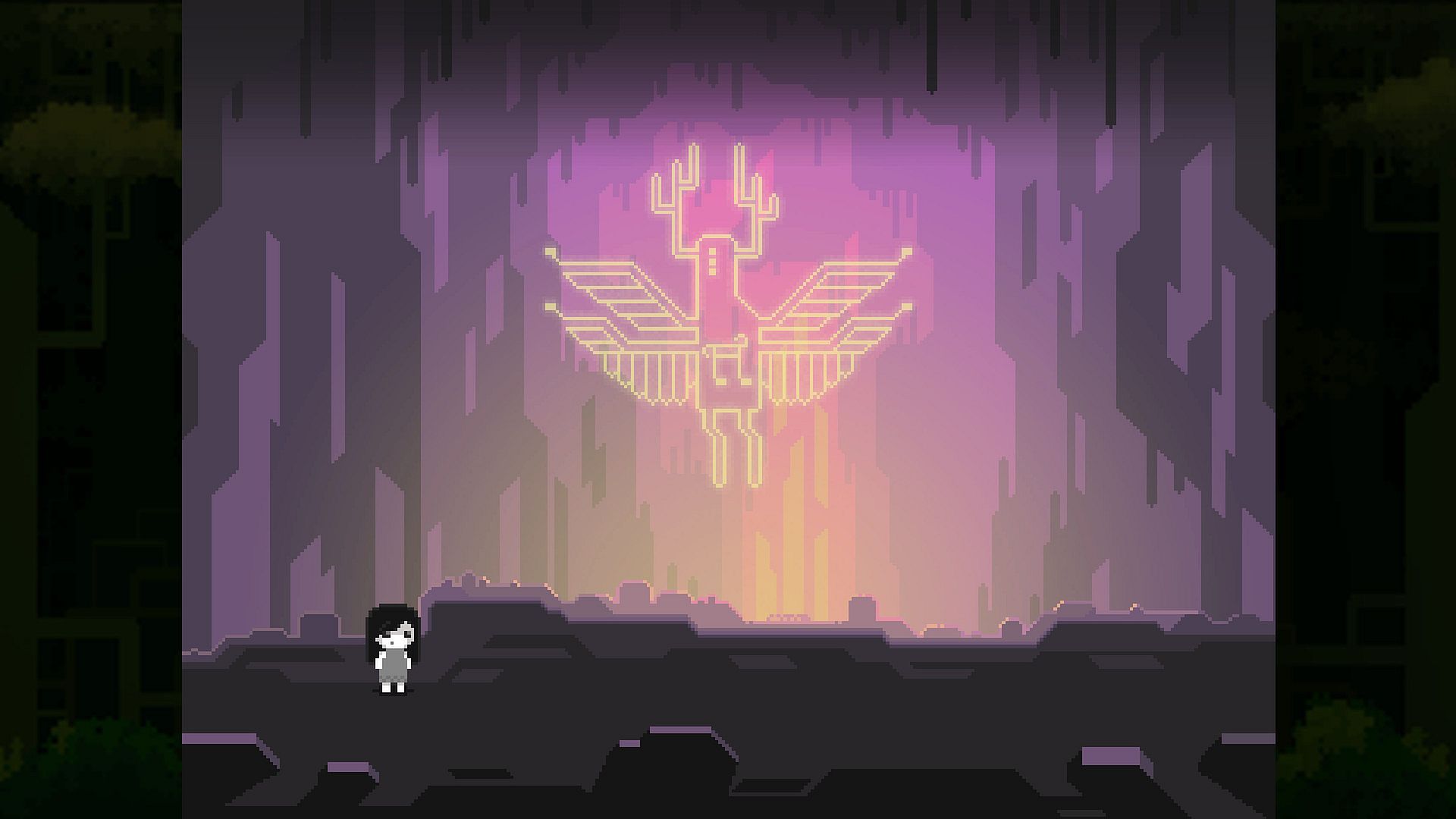
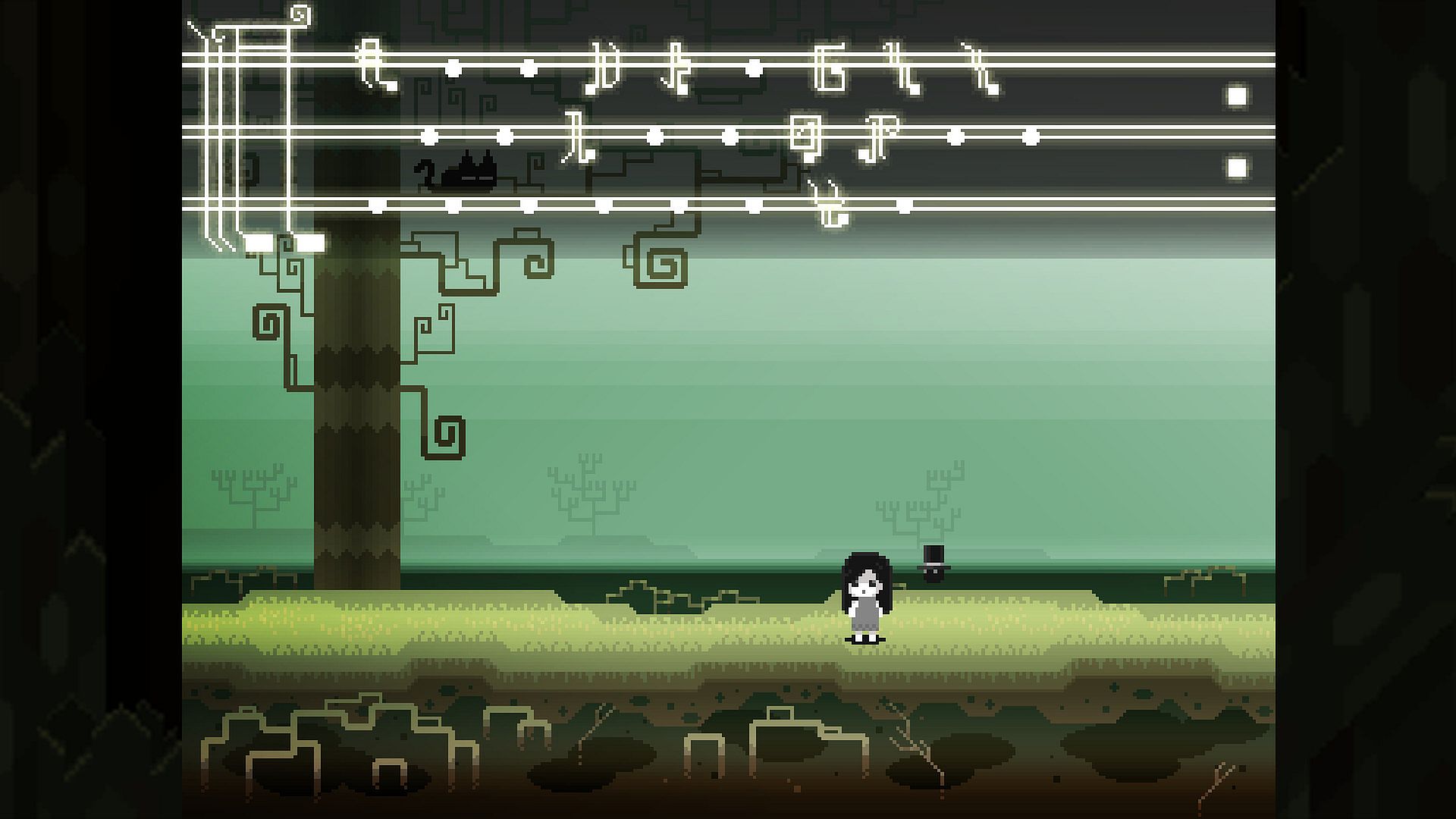
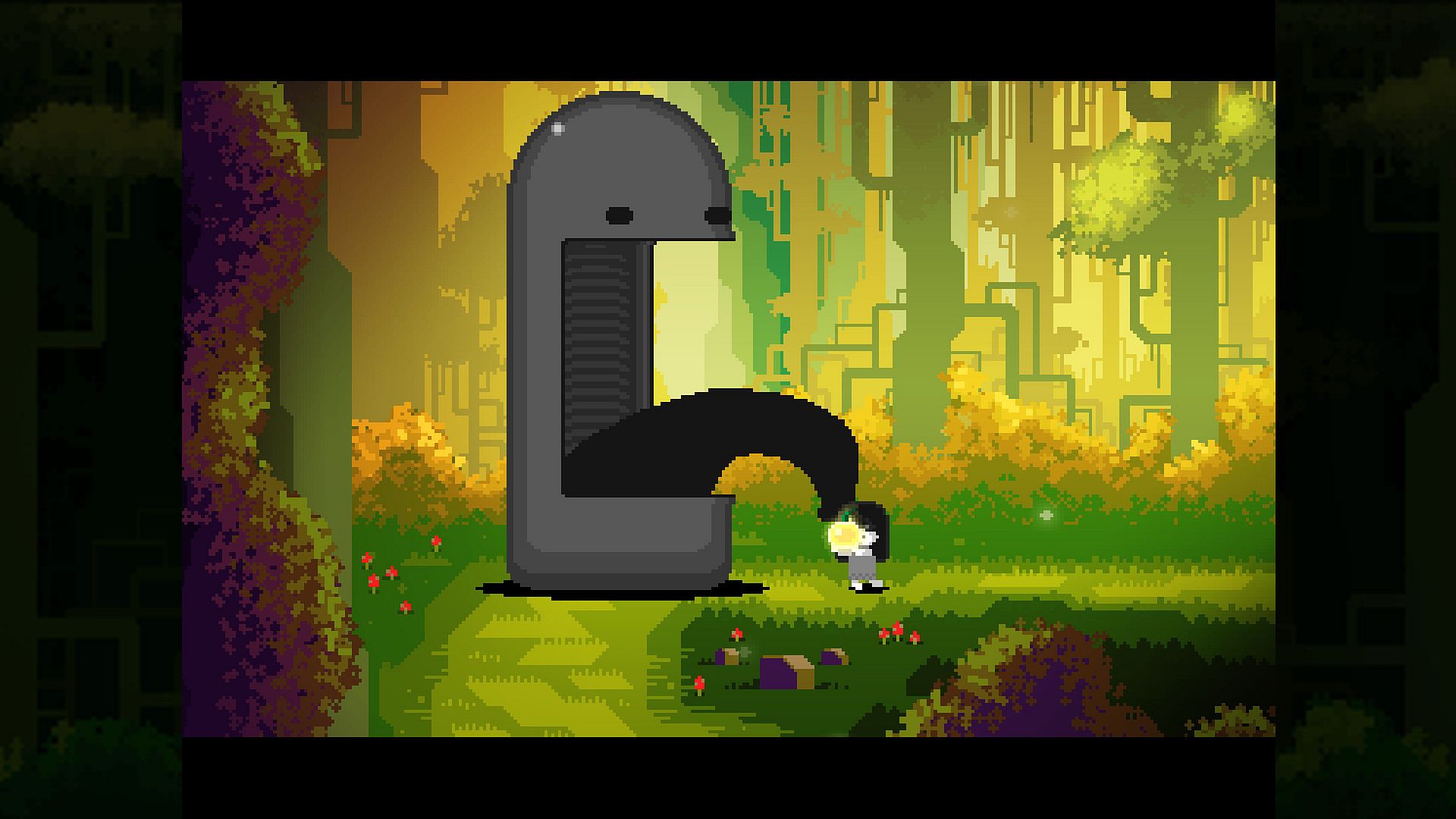
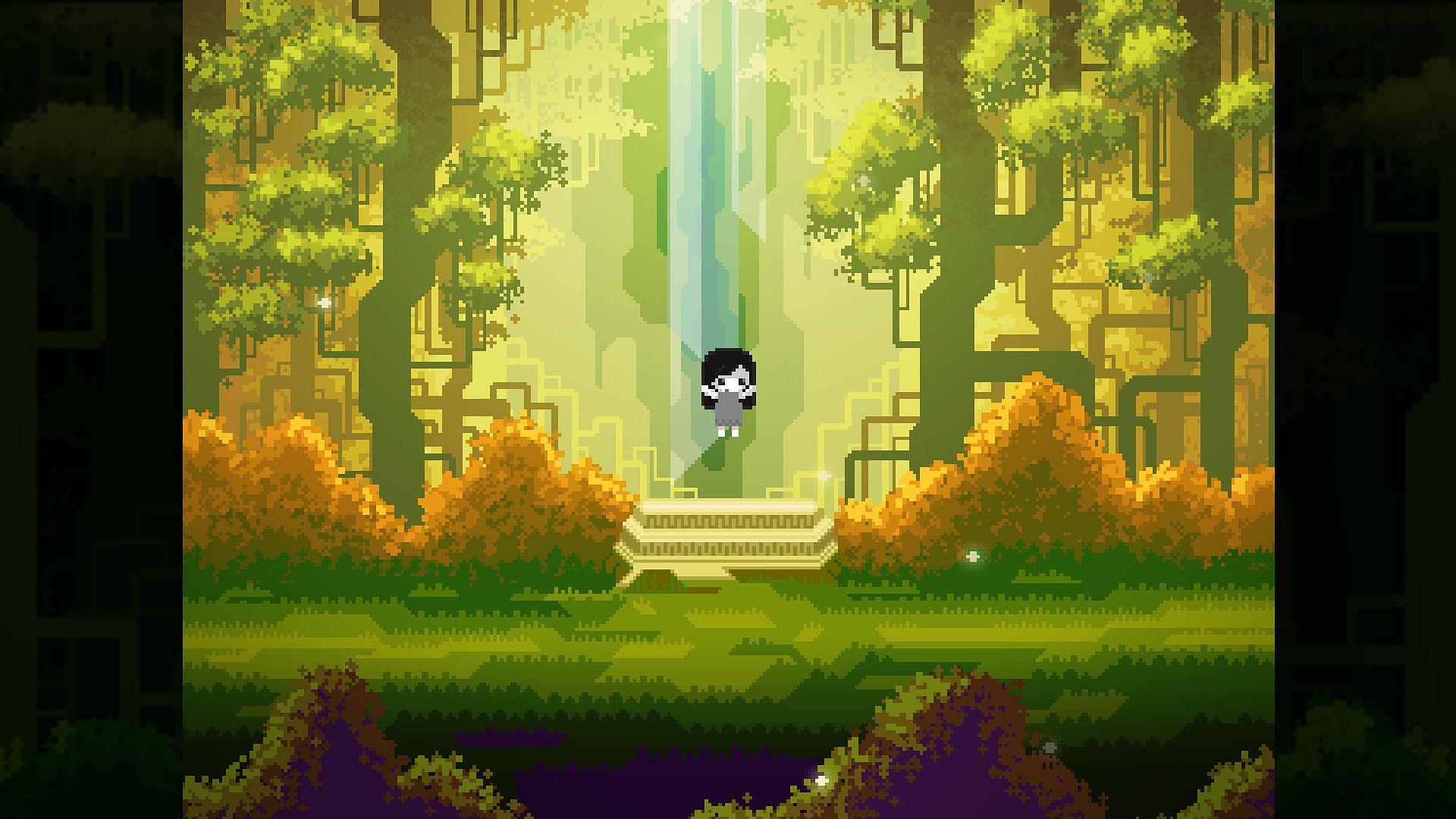

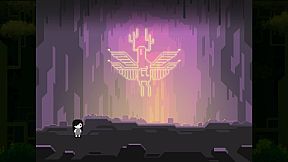
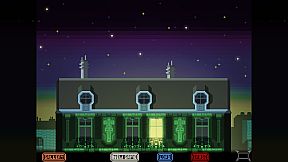
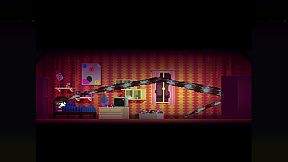
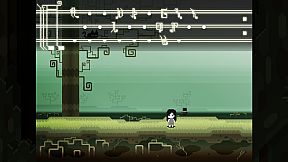
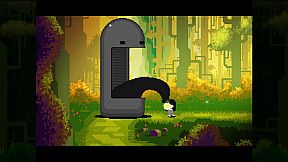
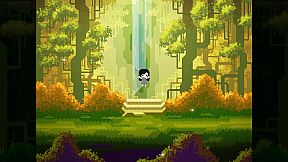
Finding Teddy is a point-and-click adventure game developed as an indie title for PC. Players control a young girl who enters a cupboard and finds herself transported to a magical realm filled with strange creatures and puzzles. The experience centers on exploration, riddle solving, and interaction with helpful animal companions rather than combat or dialogue trees. Handcrafted pixel art forms every background and character, with music serving as a core element that guides progression and atmosphere.
Gameplay
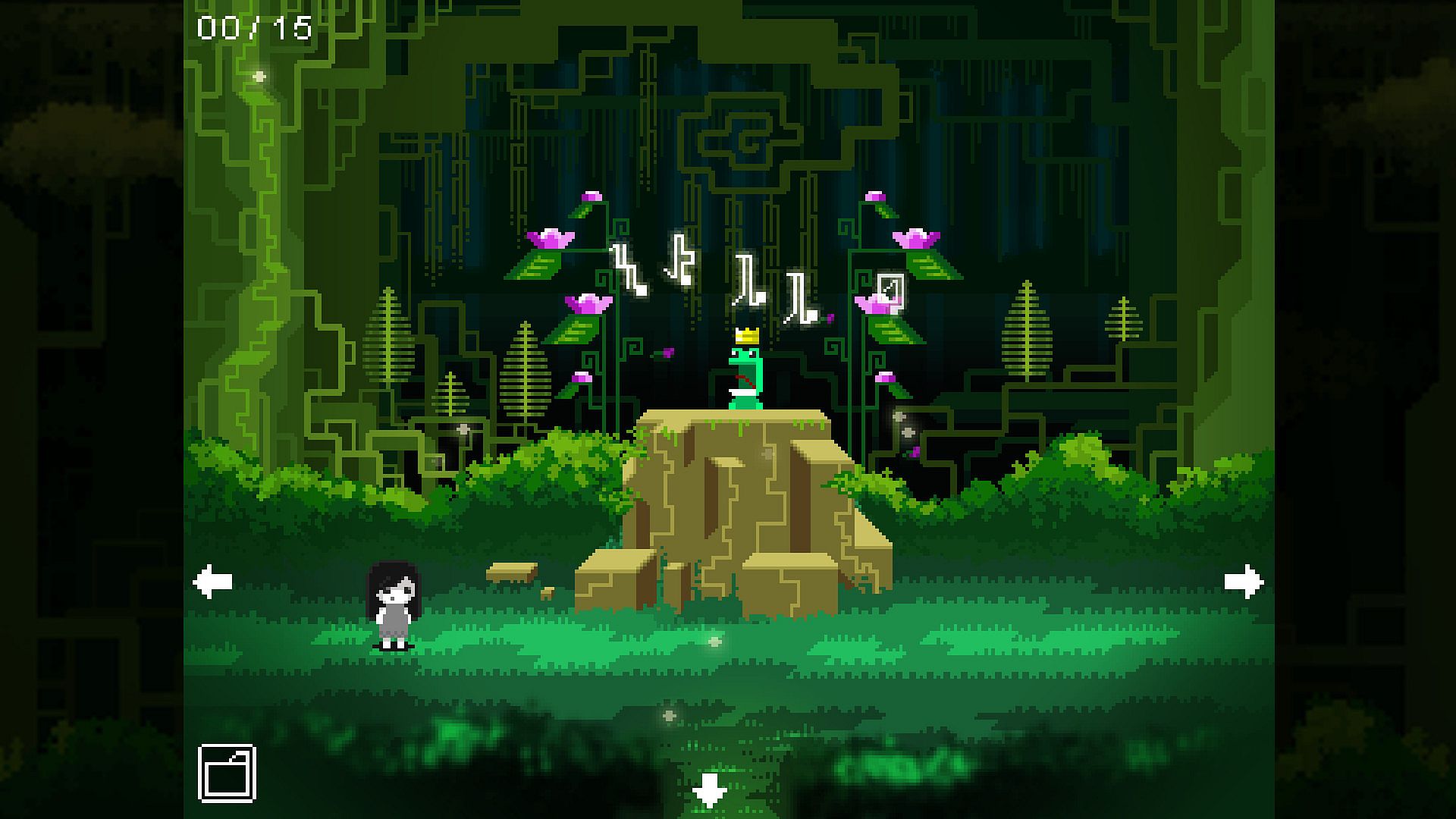
The core loop involves clicking on objects and characters to interact with the environment. Progress comes through solving dozens of riddles scattered across three chapters, often with multiple side quests that branch from the main path. No spoken or written dialogue appears in the game, so players rely on visual clues, environmental feedback, and the soundtrack to understand objectives and solutions. The little girl can call on two companions for assistance: Mister Fly reaches high or distant items, while Mister Cat accesses tight spaces after a quick scratch on its back. These helpers integrate directly into puzzle design without requiring separate controls or menus.
Exploration rewards careful observation of the pixel-art world. Backgrounds contain hidden details that reveal new paths or items when examined in the right order. Side quests typically involve helping the realm's inhabitants, which in turn unlocks tools or information needed for the central goal of recovering the stolen teddy bear. The absence of combat keeps the focus on logic and timing, with music cues often signaling when a solution is nearby or when a new area opens.
Game Modes
The primary experience unfolds as a linear yet flexible single-player adventure divided into three chapters. Each chapter presents a self-contained section of the magical world while advancing the overall narrative. Multiple side quests exist within these chapters, allowing players to tackle challenges in different sequences or skip optional content entirely.
Newgame+ serves as the main replay mode. It offers two distinct starting options: one with the colored version of the girl and another equipped with a Tarant Mask that reveals fireflies invisible in the standard playthrough. This mode also introduces an alternative ending that requires attention to specific hints scattered during the second run. A bonus scene becomes available after completing the endings, accessible only through precise actions discovered in Newgame+.
Story and Characters
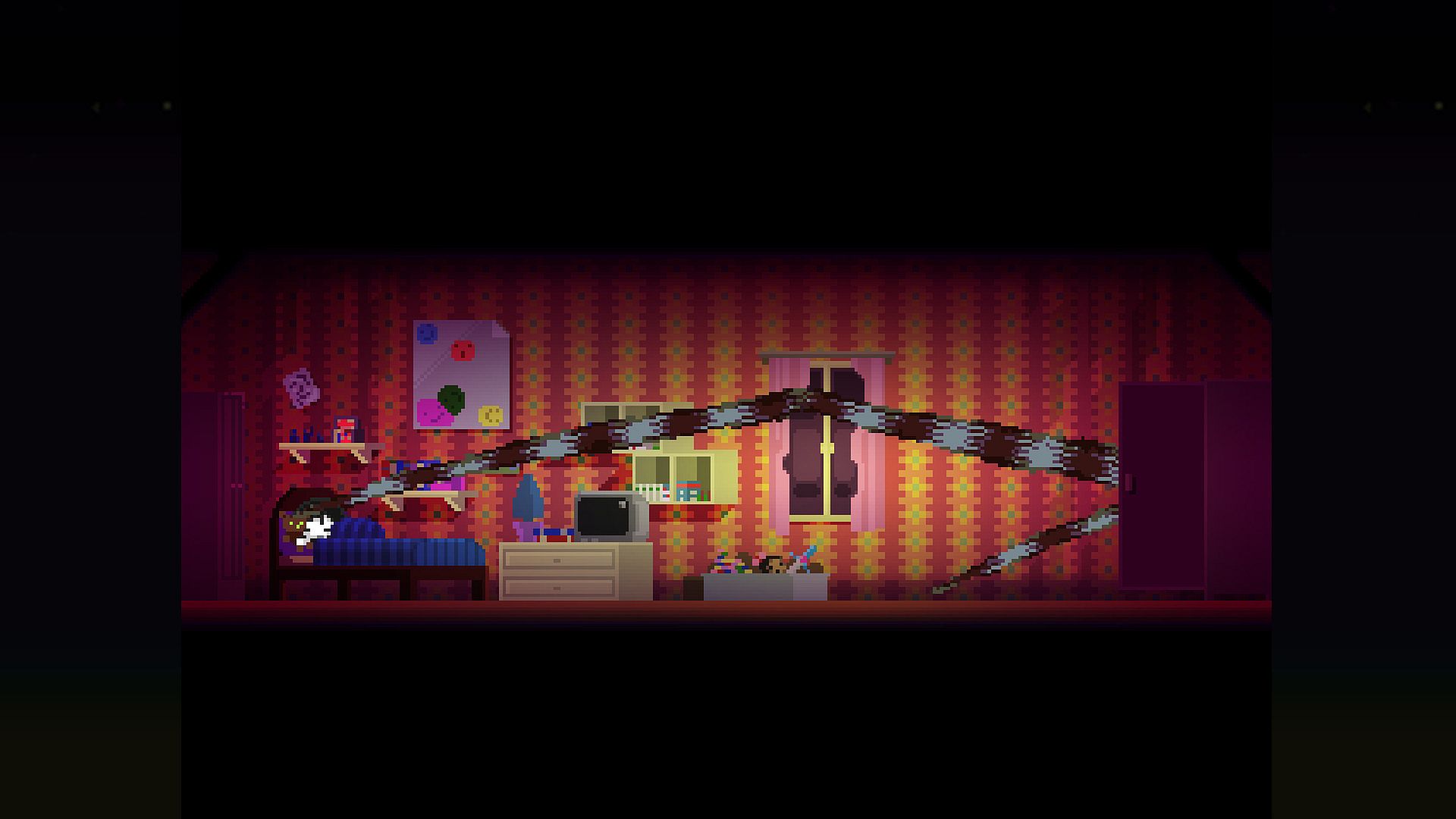
The narrative begins with a girl sleeping beside her teddy bear when a monster emerges from the cupboard and steals the plush. She wakes, enters the cupboard, and arrives in an unfamiliar land populated by monsters and oddities. The central task is to explore this realm, assist its residents, and retrieve the bear while determining whether a return to the original world is possible.
The little girl acts as the sole controllable protagonist throughout. Mister Fly provides courteous support for otherwise unreachable items, and Mister Cat offers access to narrow passages despite its irritable nature. These three figures drive all interactions, with no additional playable characters introduced.
Visuals and Audio
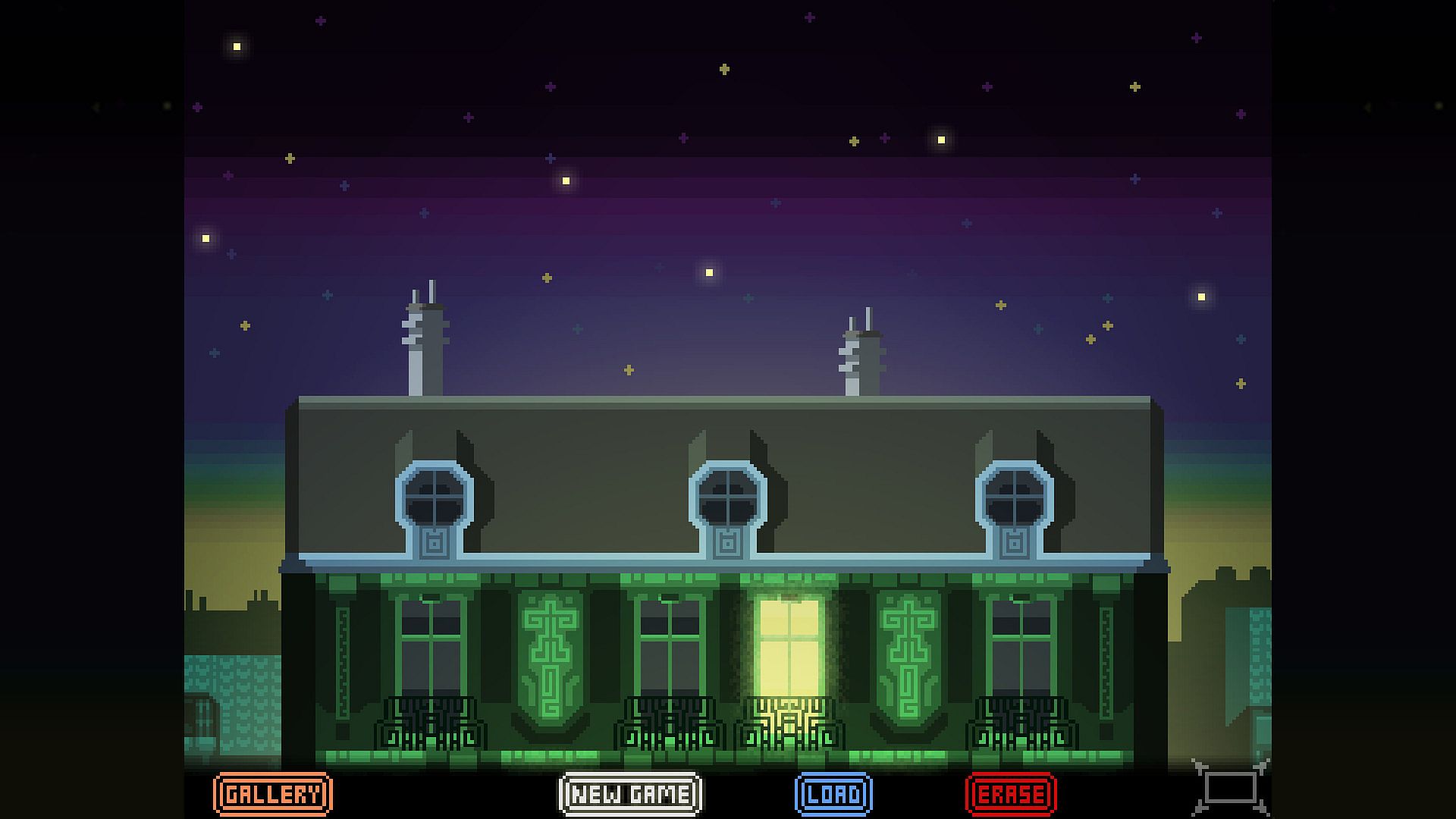
Every graphic element receives handmade pixel-by-pixel treatment, creating a distinctive retro aesthetic updated with HD backgrounds in the PC version. The art style emphasizes detail in every scene, encouraging players to examine each screen thoroughly. Music replaces traditional dialogue as the primary storytelling and guidance tool, with tracks that shift to reflect puzzle difficulty, location mood, or progress milestones.
Sound design supports the riddle-focused structure by providing subtle audio feedback during interactions. The combination of visuals and music creates a self-contained world that players navigate without external text prompts.
Is It Worth Playing?
Reviews for Finding Teddy stand at Very Positive based on hundreds of user submissions. The game suits players who enjoy classic point-and-click adventures centered on logic puzzles and atmospheric exploration rather than action or conversation systems. Its short length and replay features in Newgame+ provide value for those seeking a focused, dialogue-free experience with strong emphasis on music and handmade art.
Availability on PC remains straightforward, and the title continues to receive occasional mentions among fans of indie adventure games from the mid-2010s. Individuals who prefer modern titles with voice acting, combat, or open-world elements may find the mechanics dated, while those drawn to riddle-heavy point-and-click design will likely appreciate the deliberate pacing and companion mechanics. The presence of multiple endings and hidden content adds incentive for a second playthrough without extending the core campaign significantly.