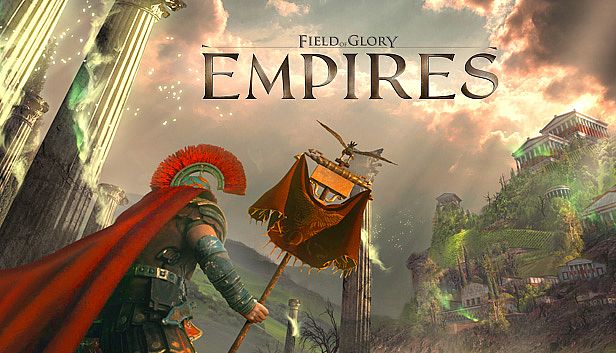



















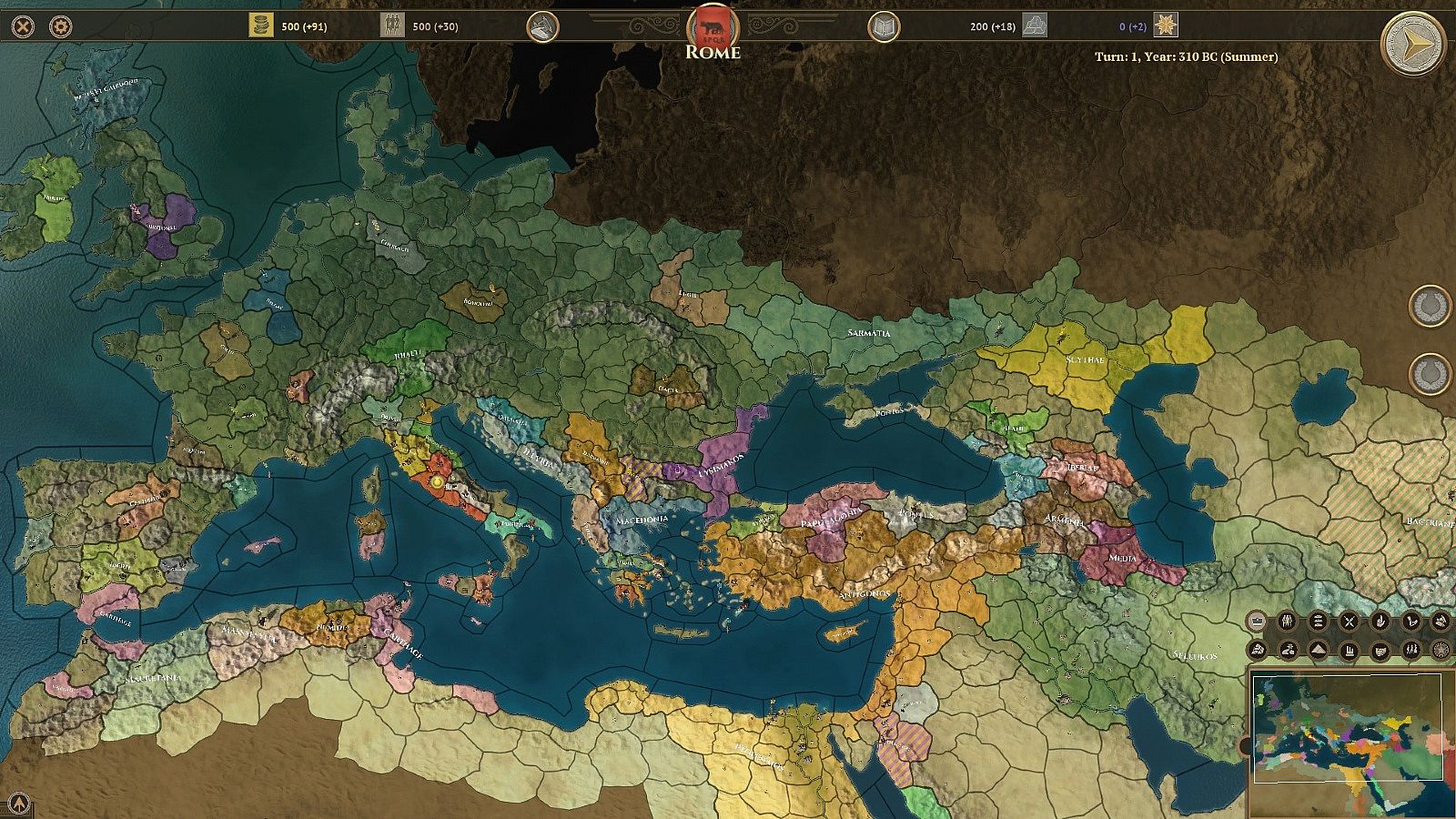
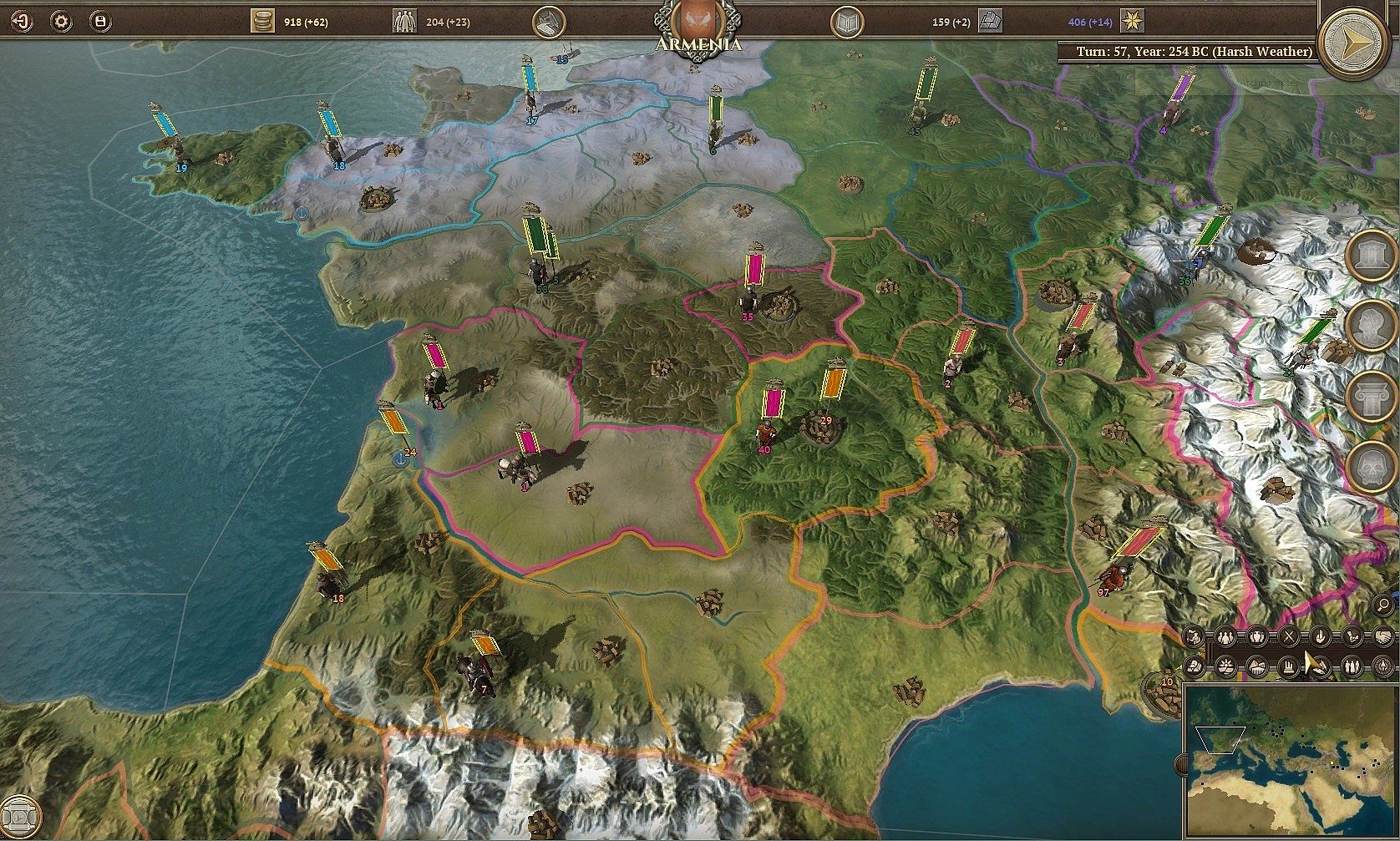
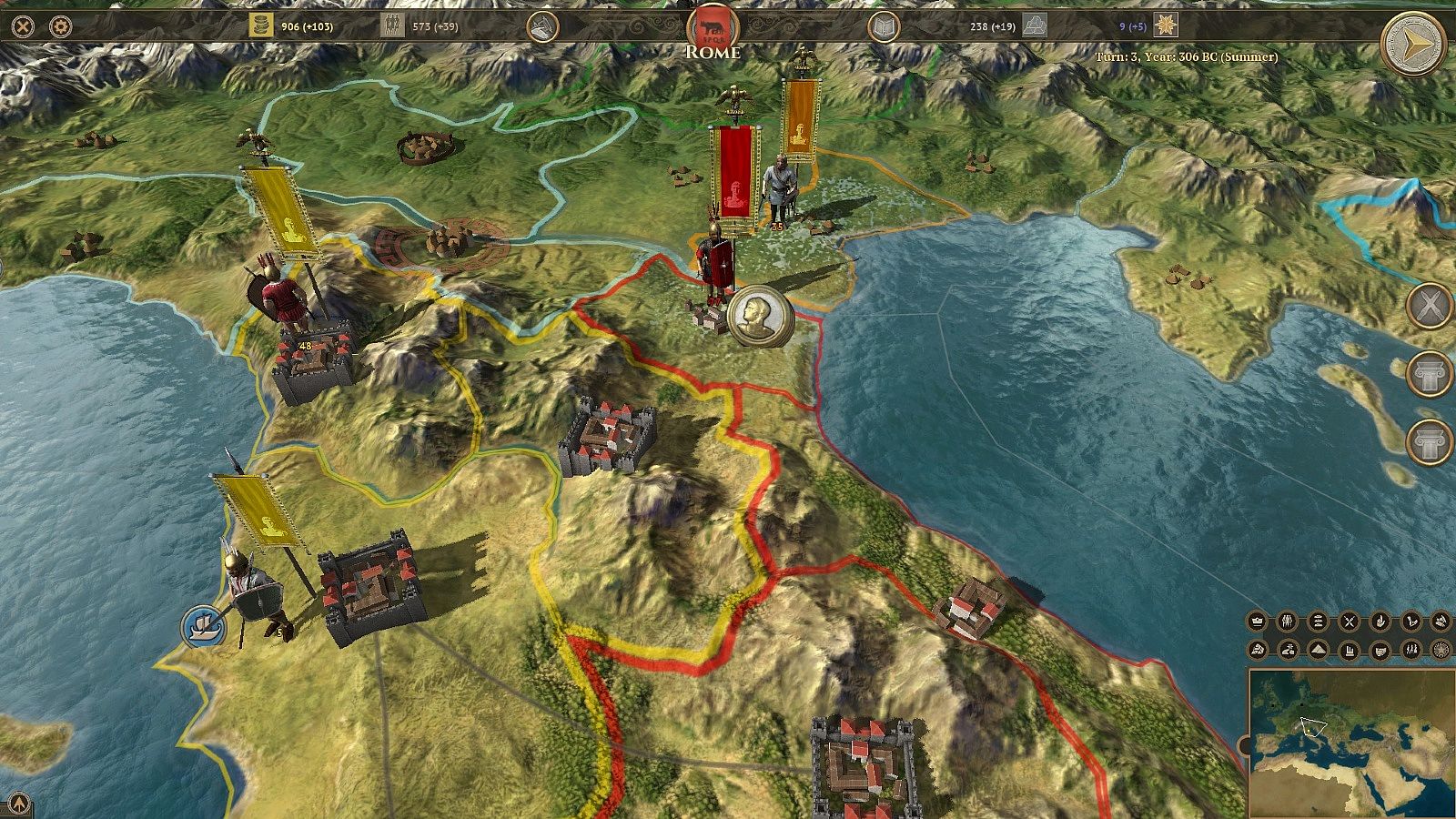
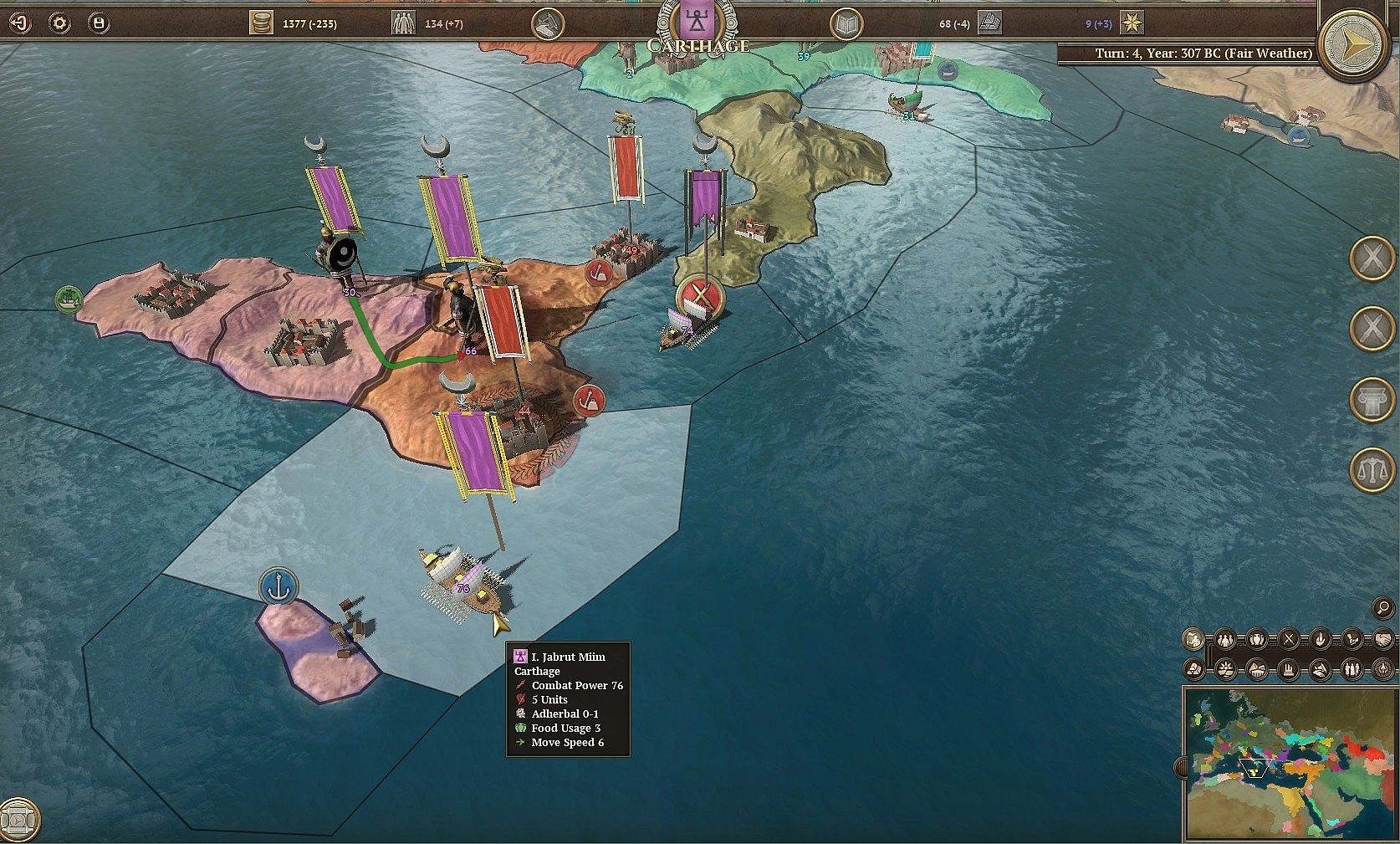
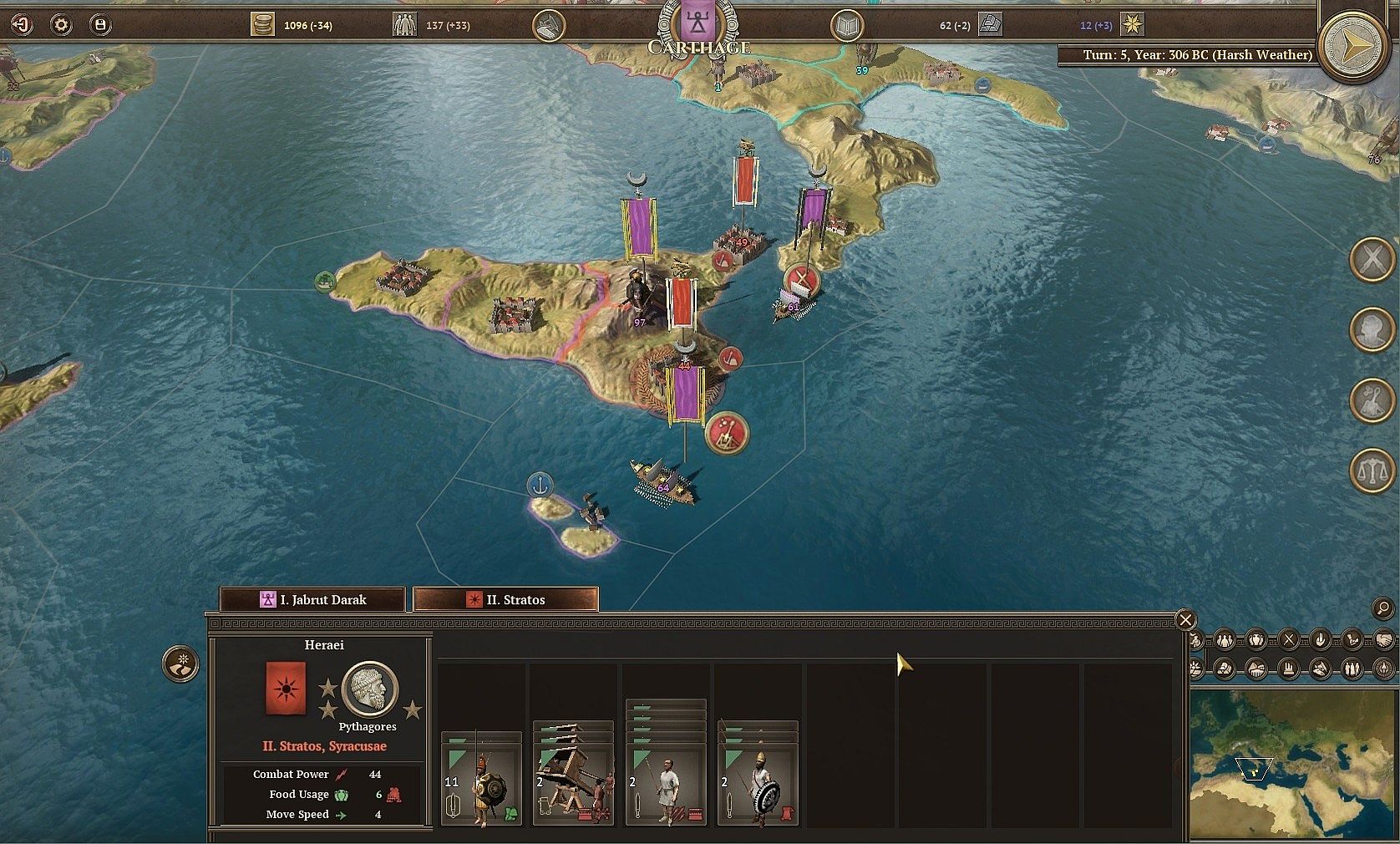
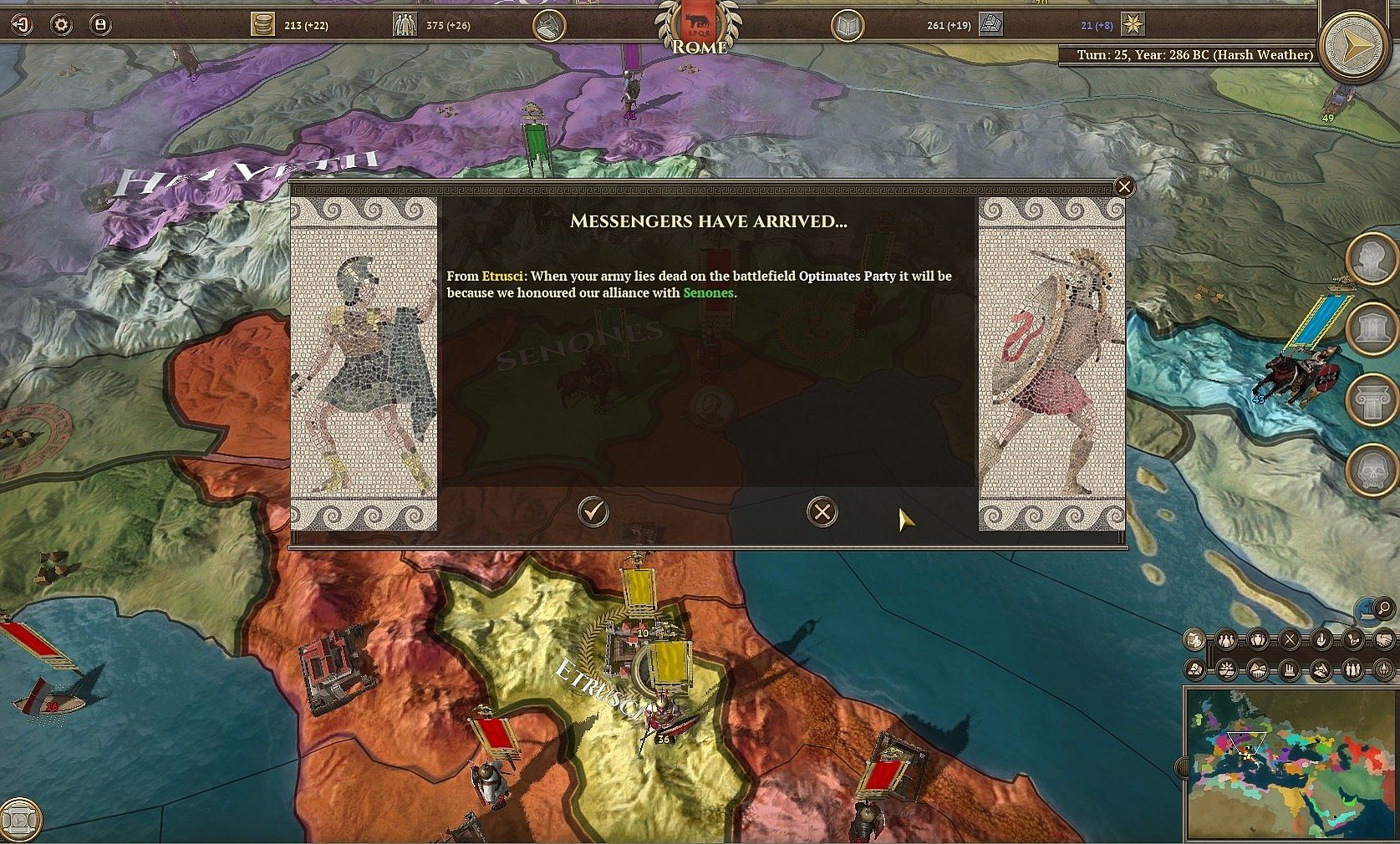
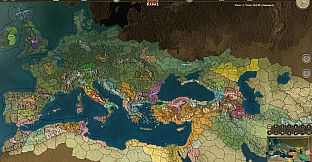
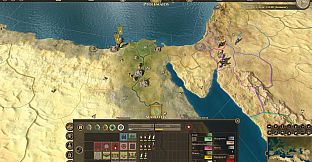
Field of Glory: Empires is a grand strategy game set during the Classical Age across Europe and the Mediterranean. Players guide nations and tribes through the rise and potential fall of empires, balancing expansion with cultural and governmental stability over centuries of simulated time.
Gameplay
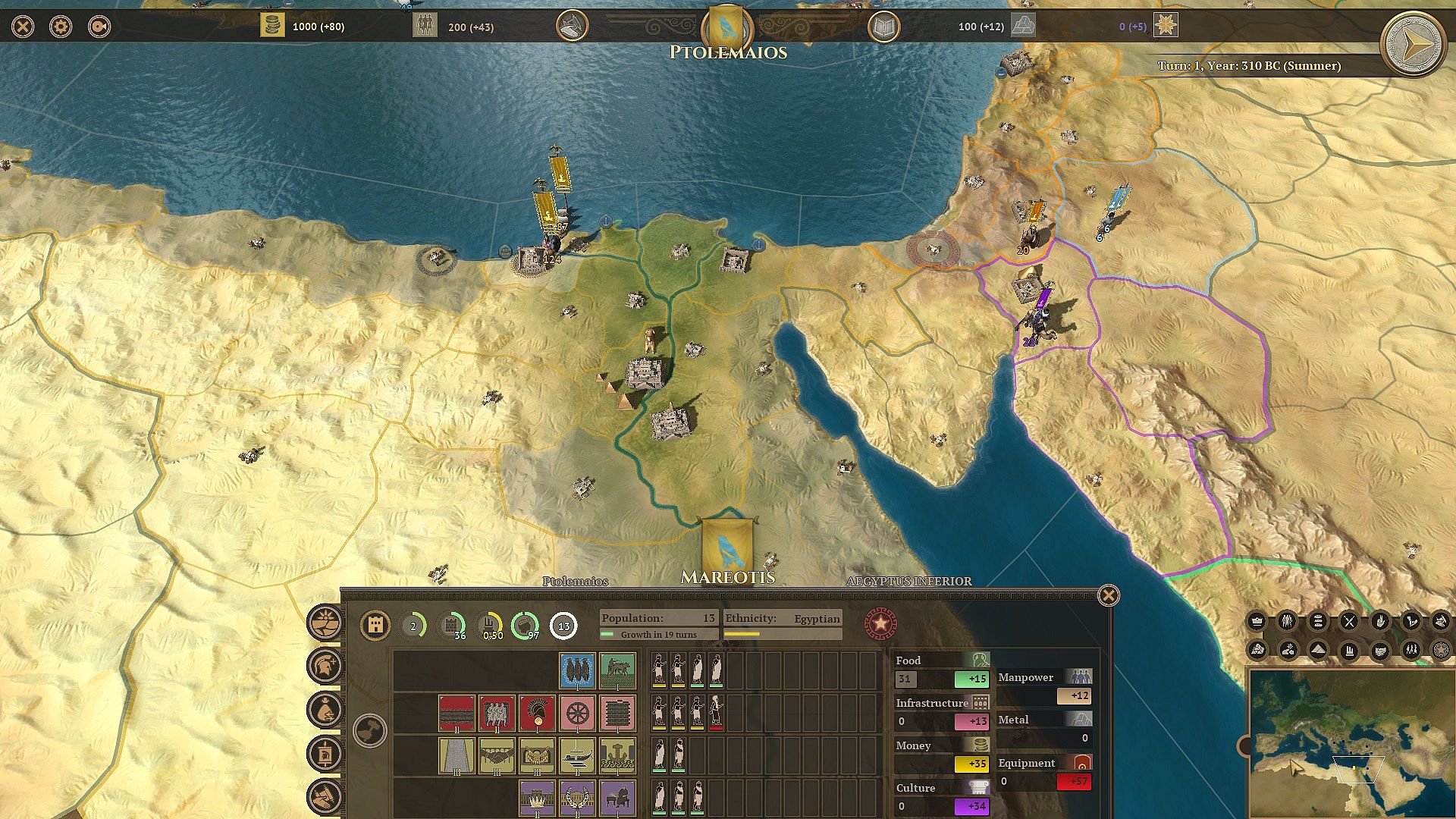
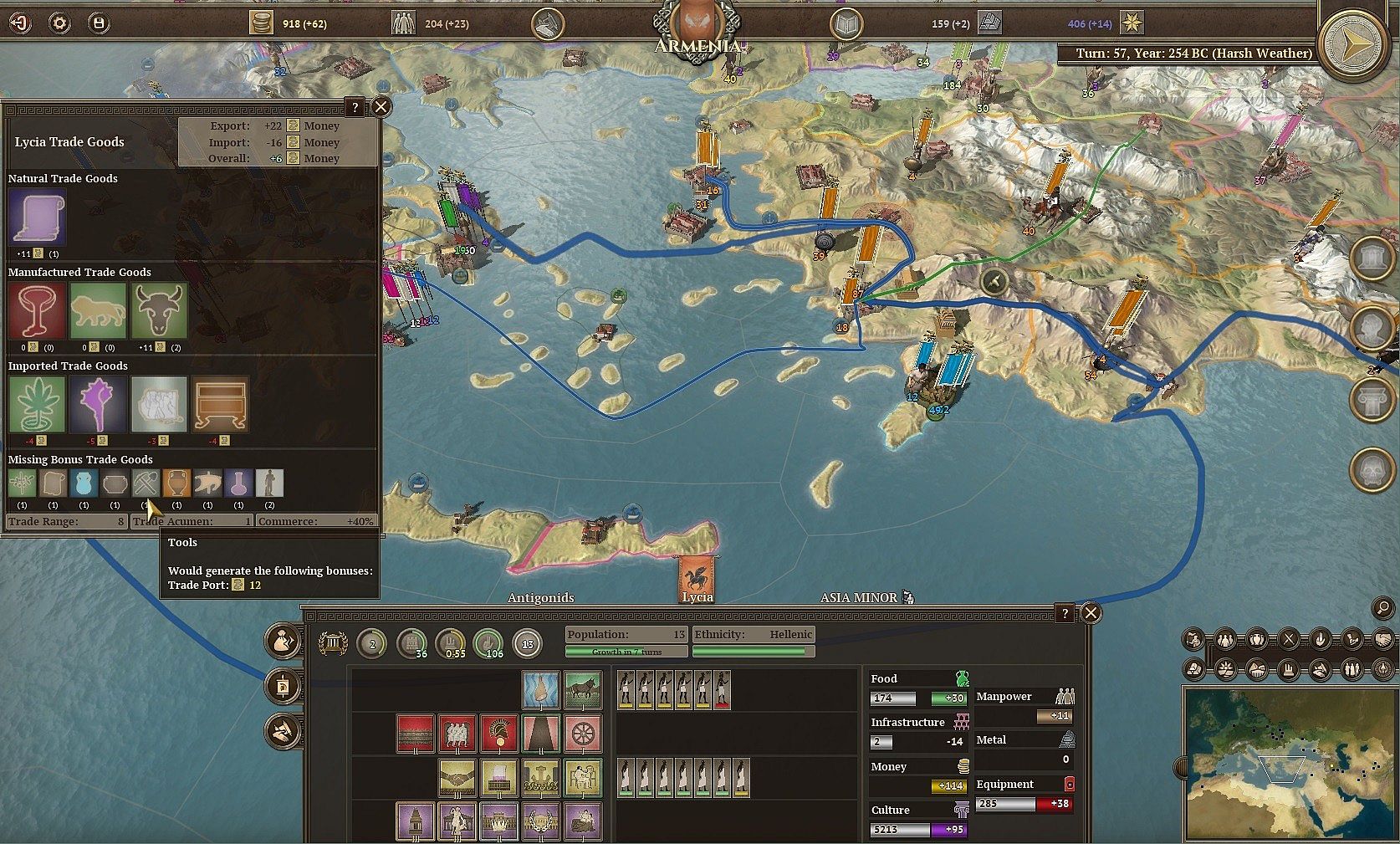
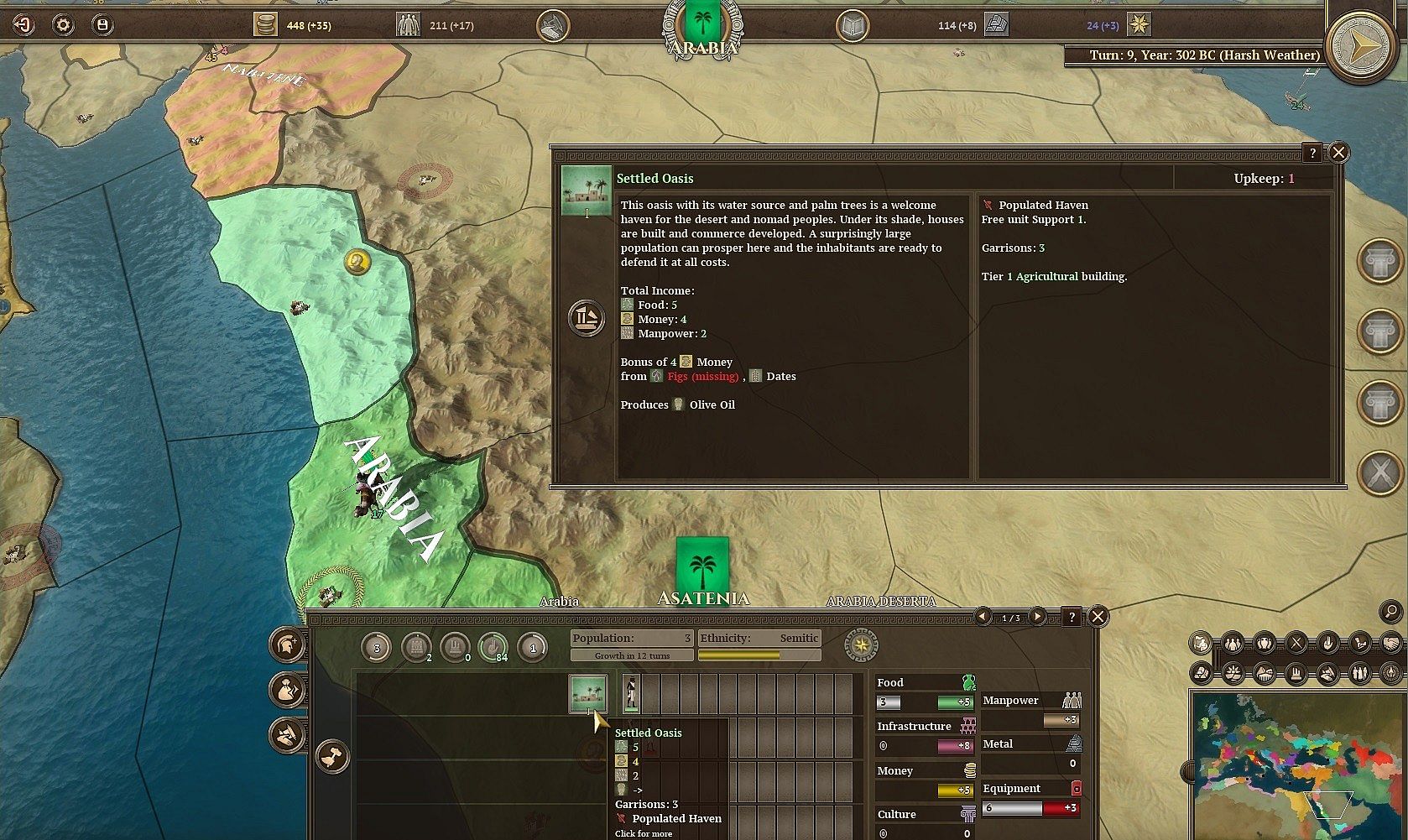
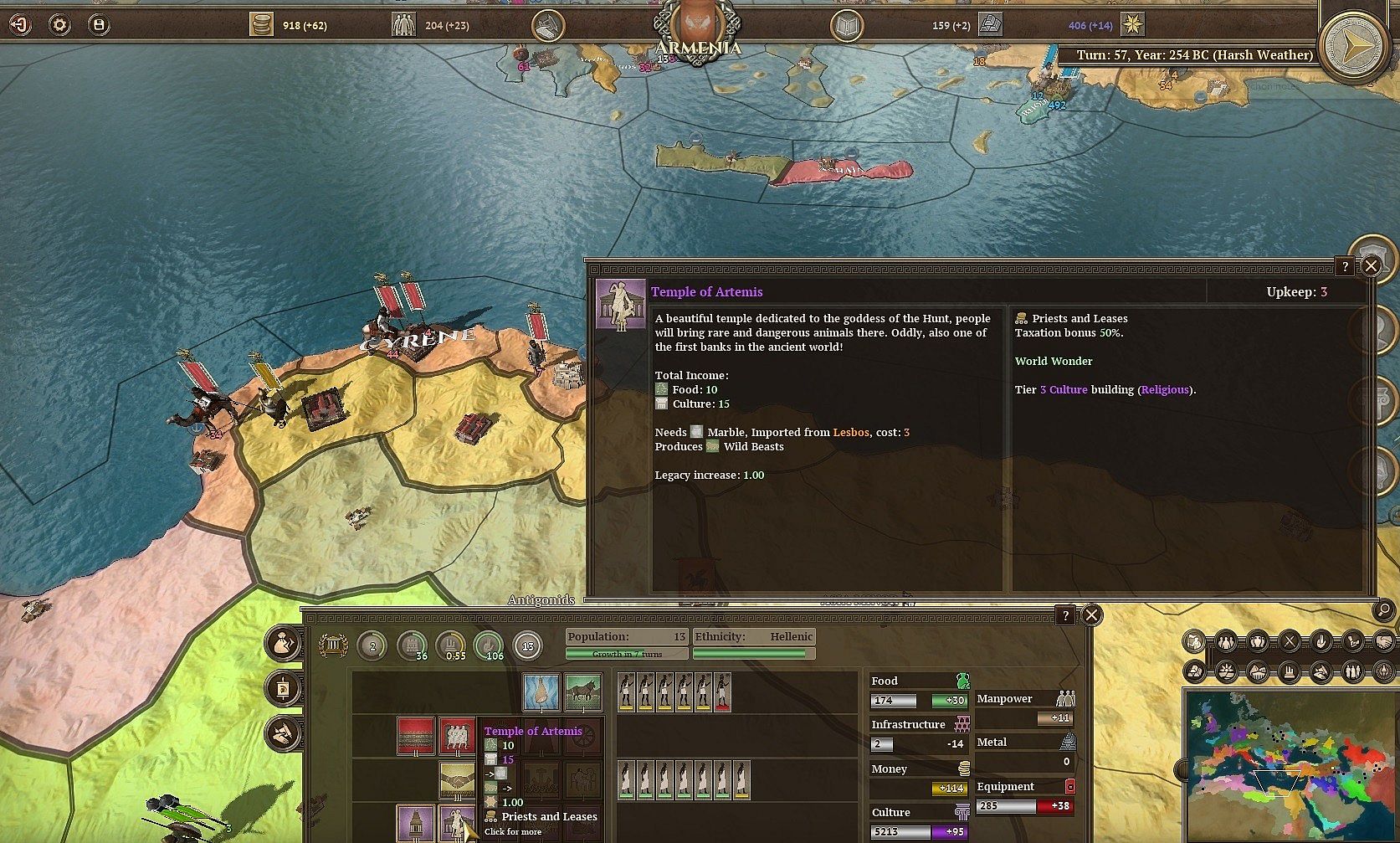
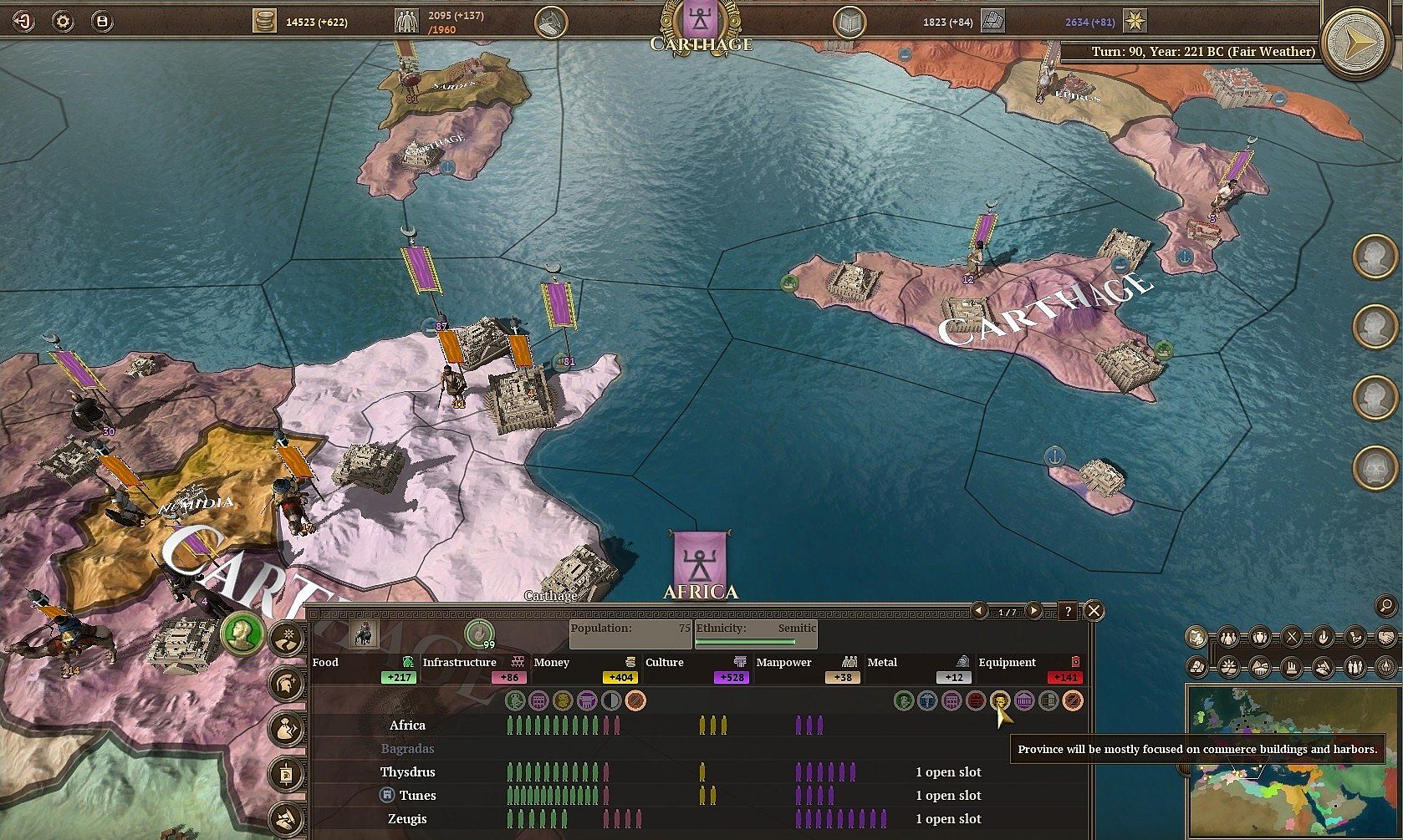
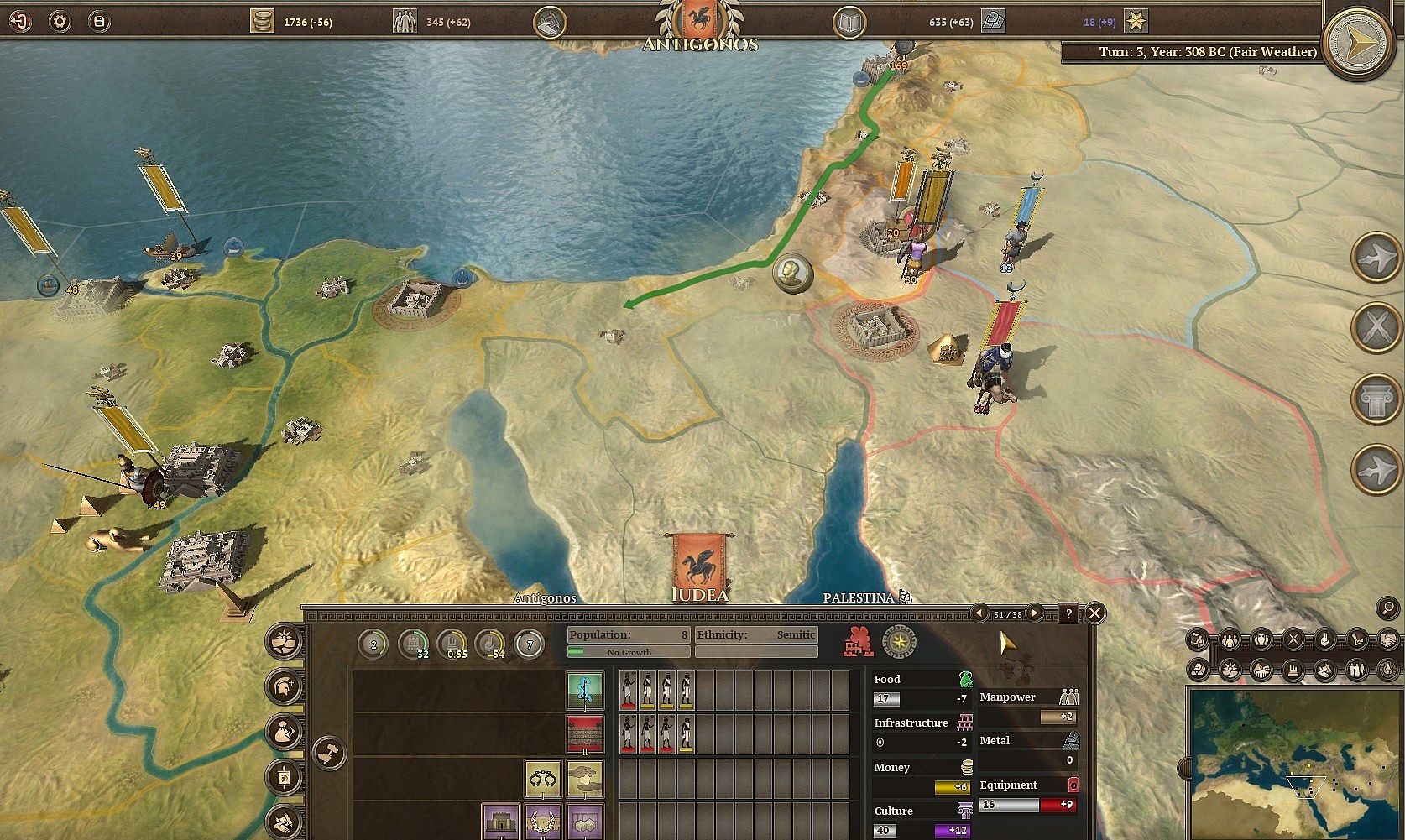
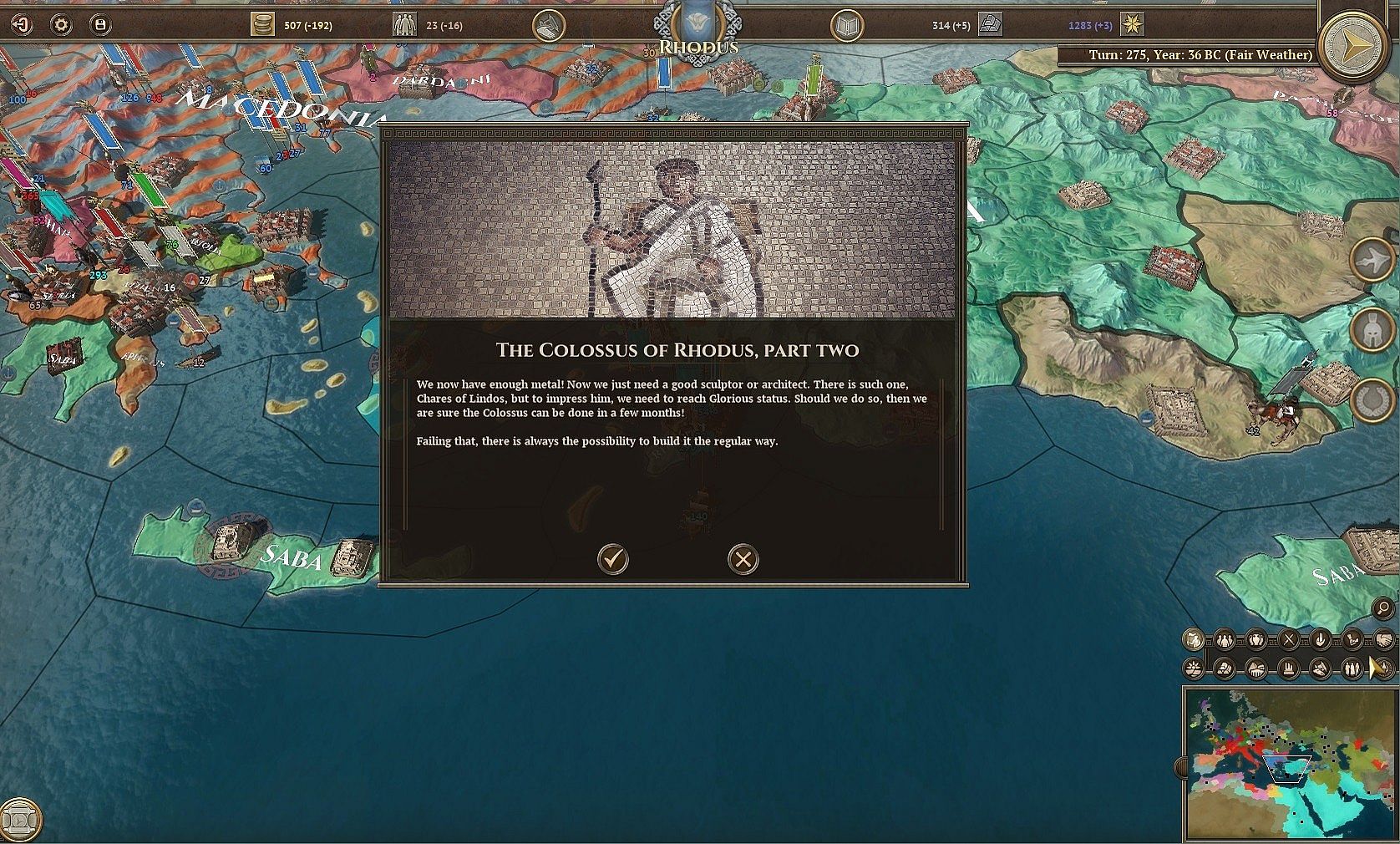
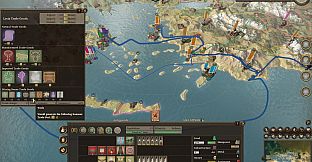
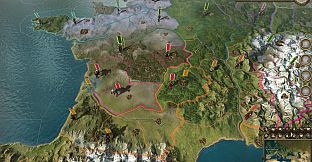
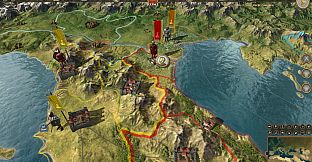
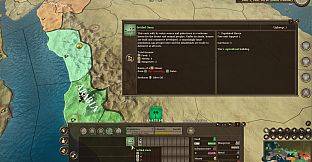
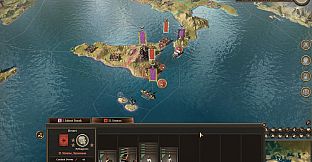
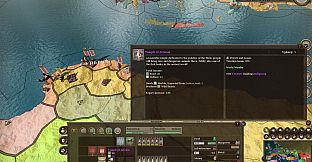
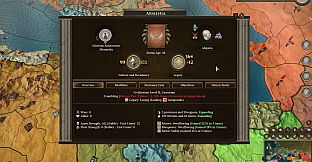
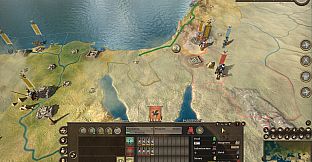
The core loop centers on managing an empire at multiple scales. Regions form the base level of control, where players construct buildings to boost military recruitment, citizen welfare, and economic output. These regions combine into provinces for broader oversight as territories grow. Trade networks develop through the exchange of goods and resources, supporting long-term growth without relying solely on conquest.
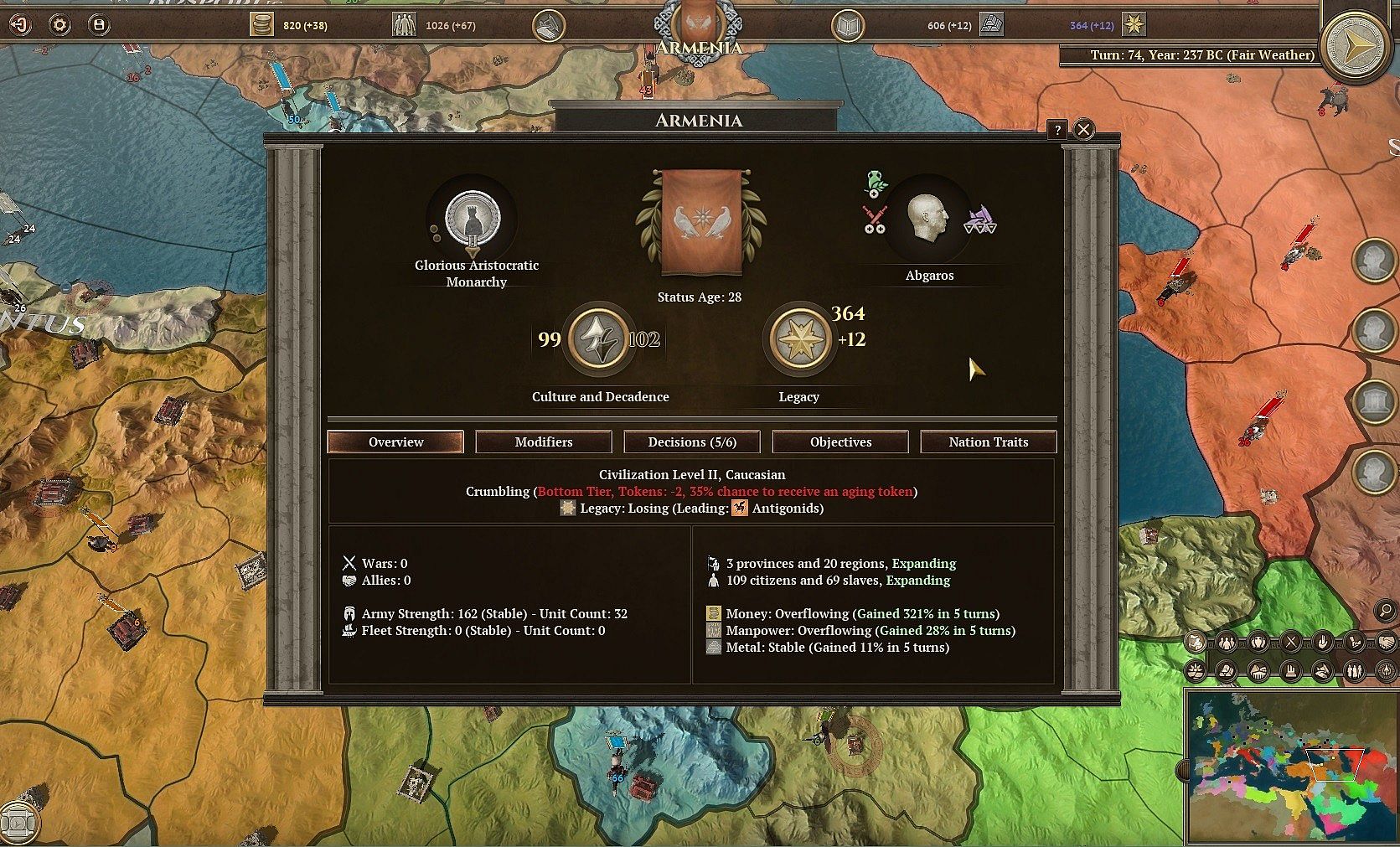
Decadence serves as a central risk. Older empires face increasing internal challenges that can lead to collapse if government forms and cultural development are neglected. Expansion alone proves insufficient; players must shape societal structures to sustain power across generations.
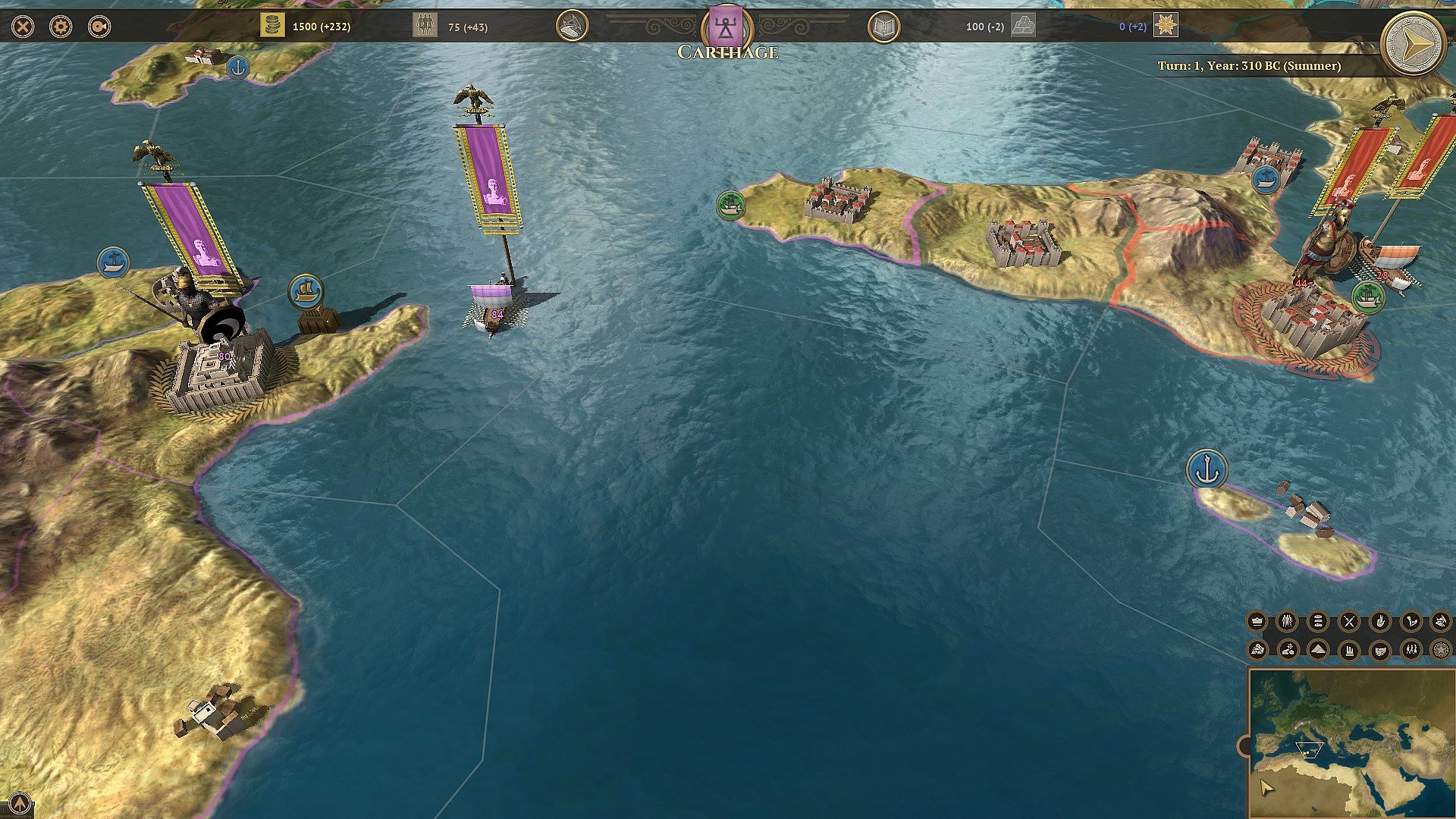
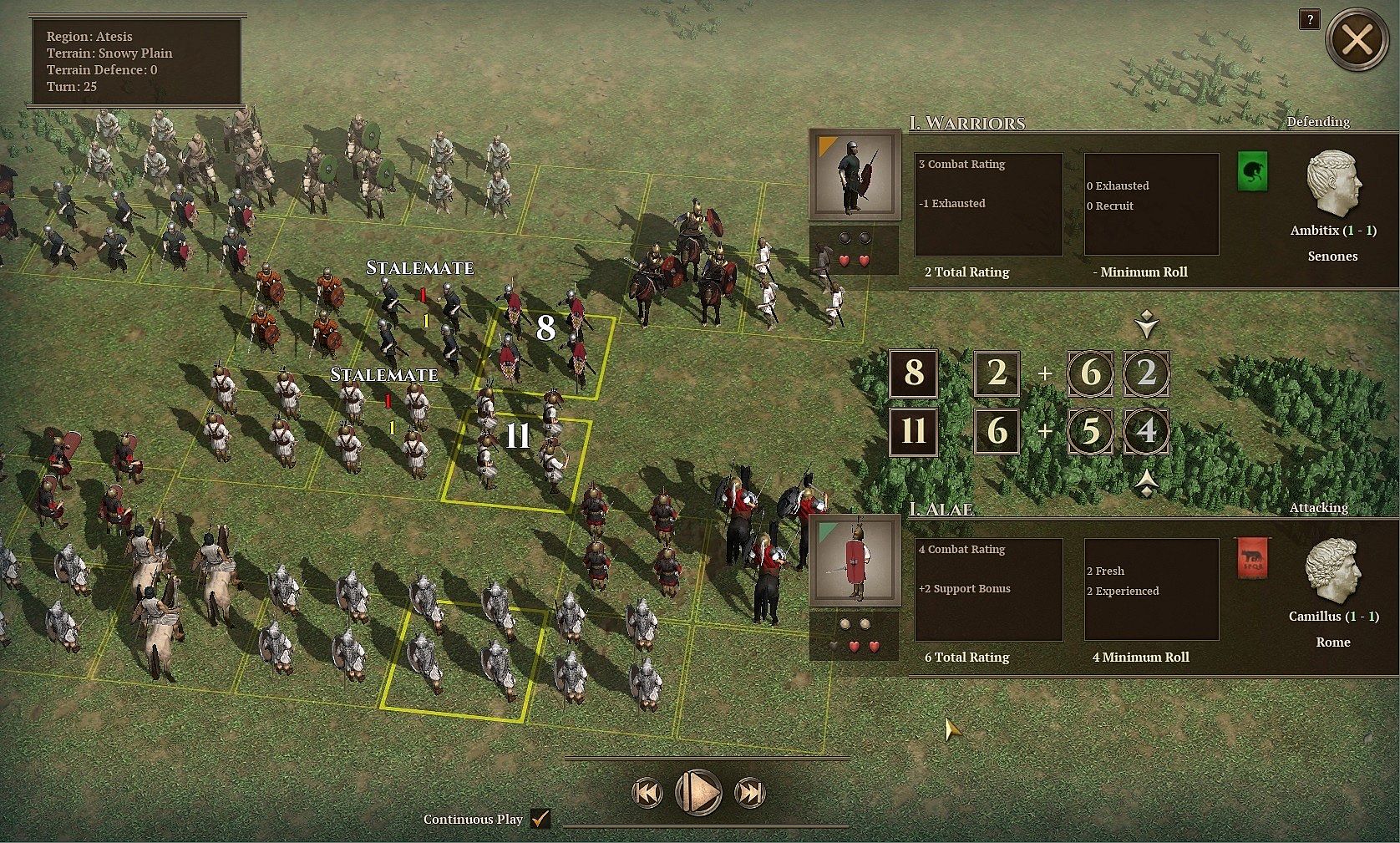
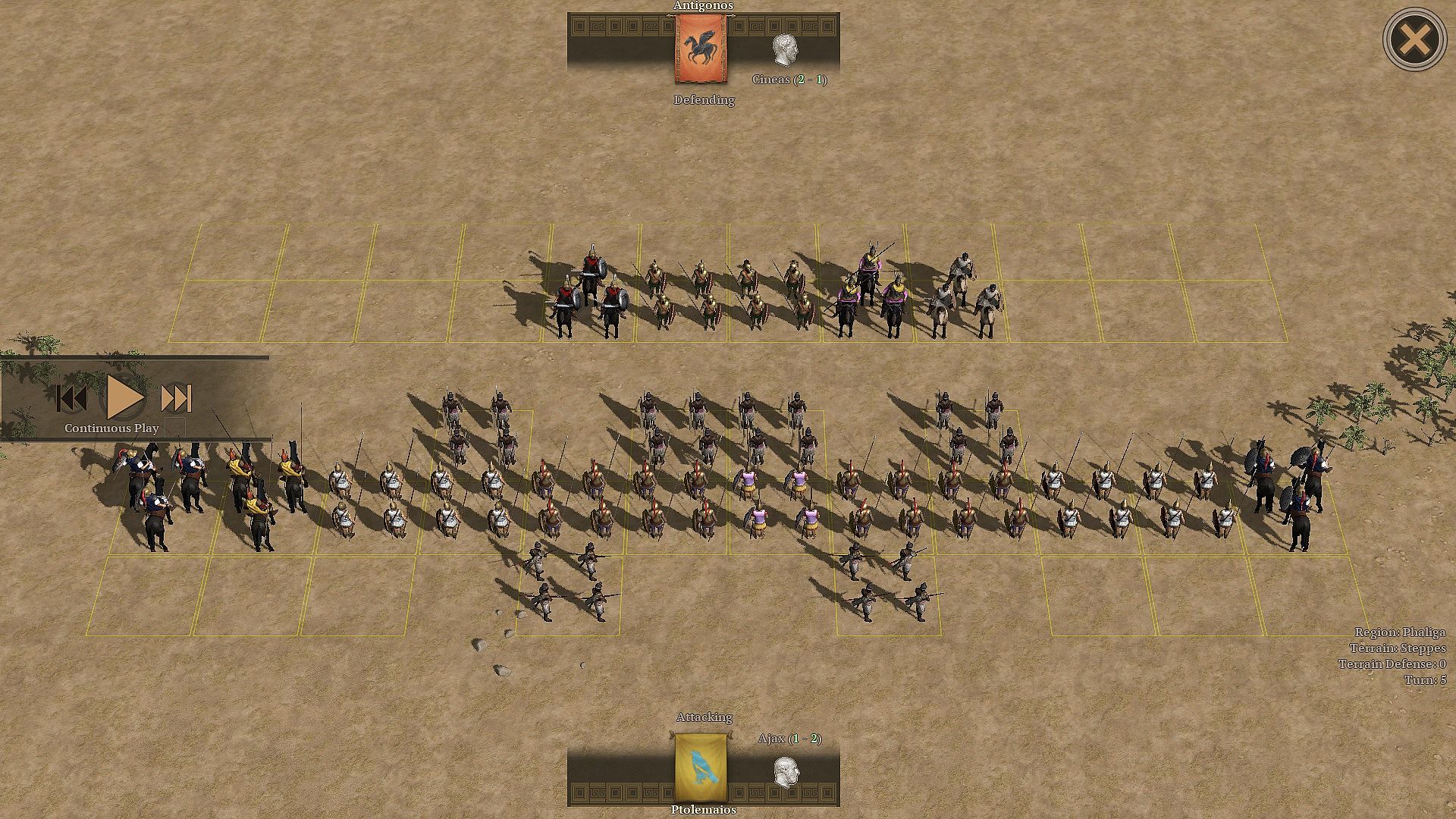
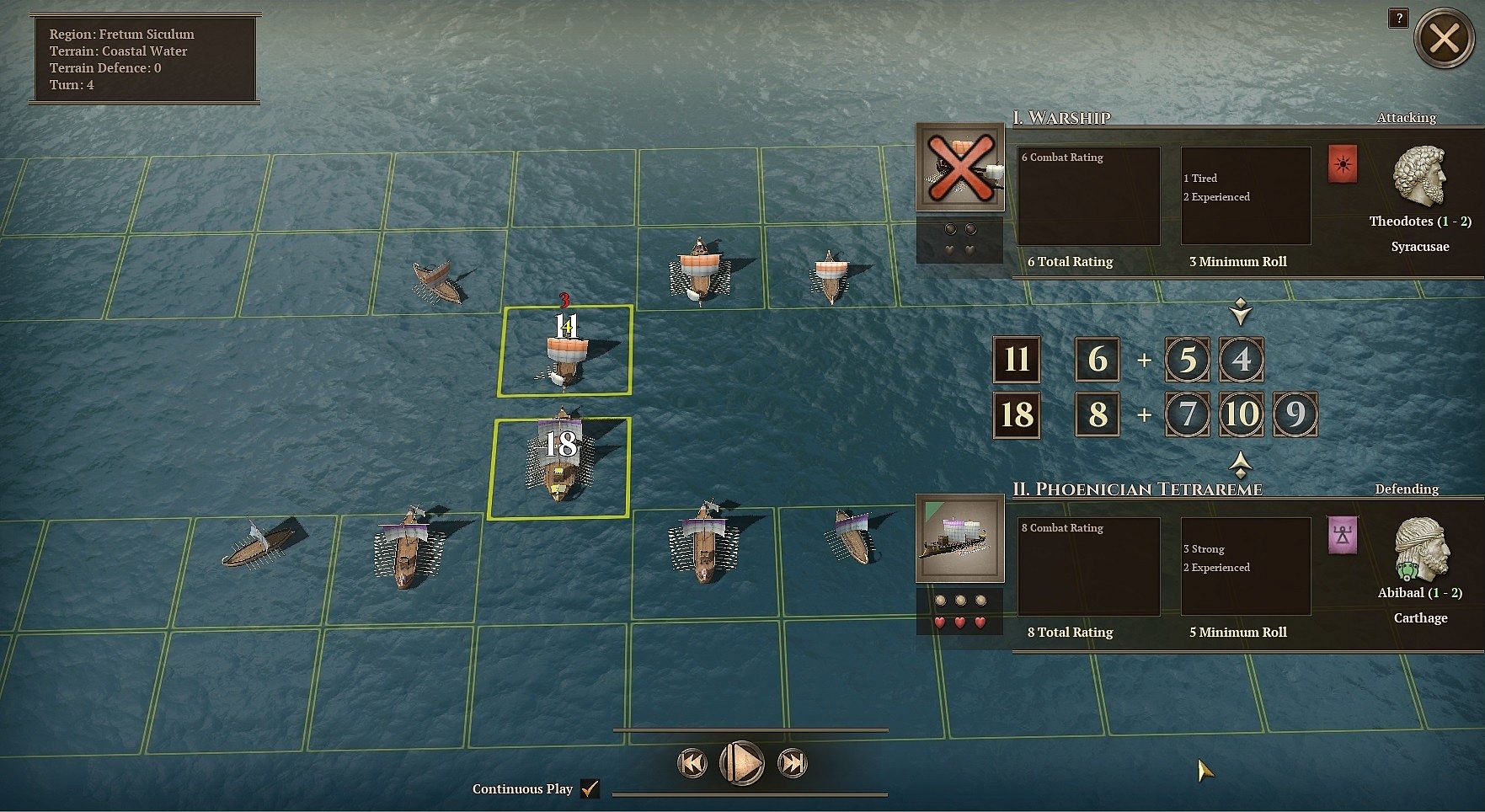
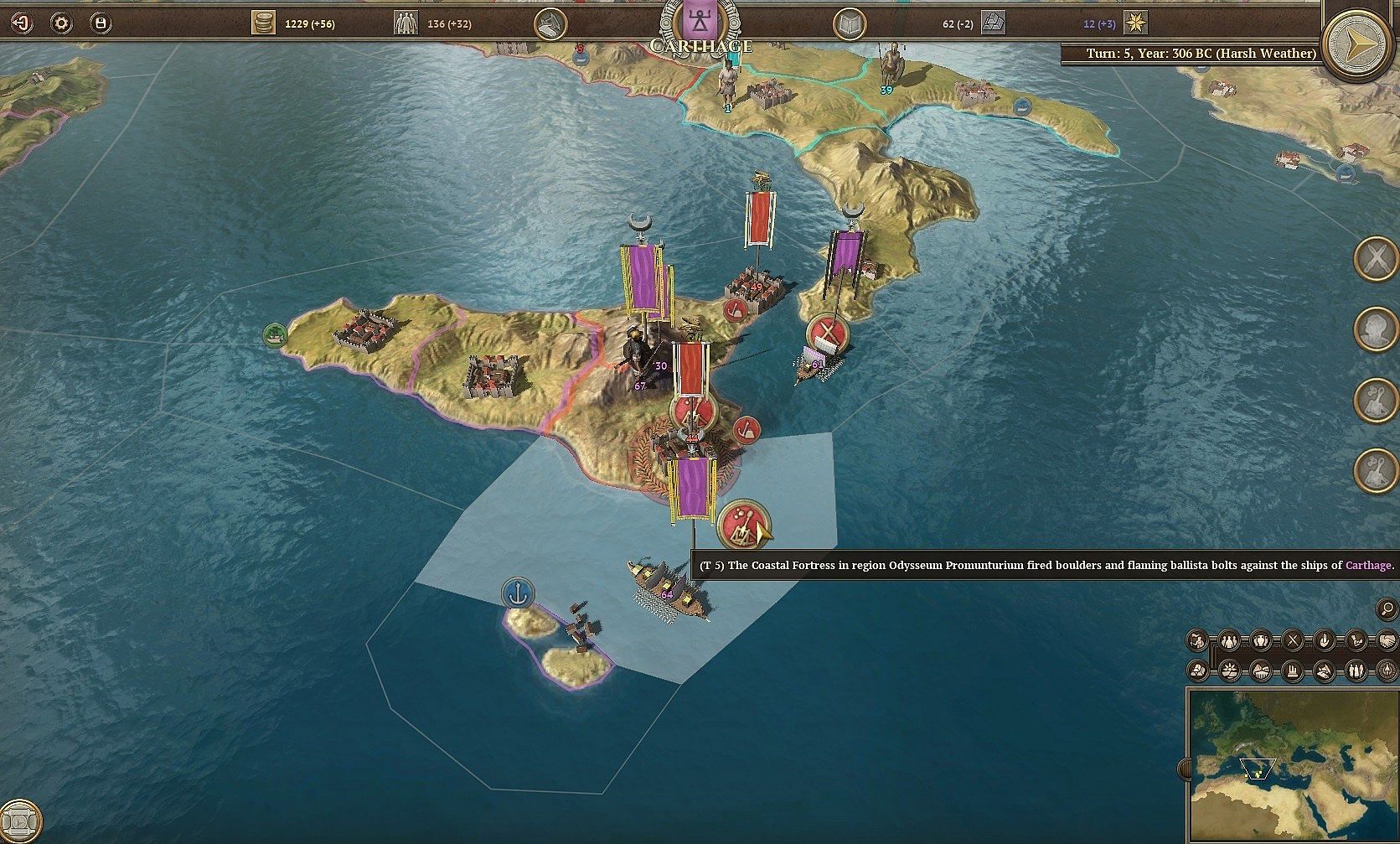
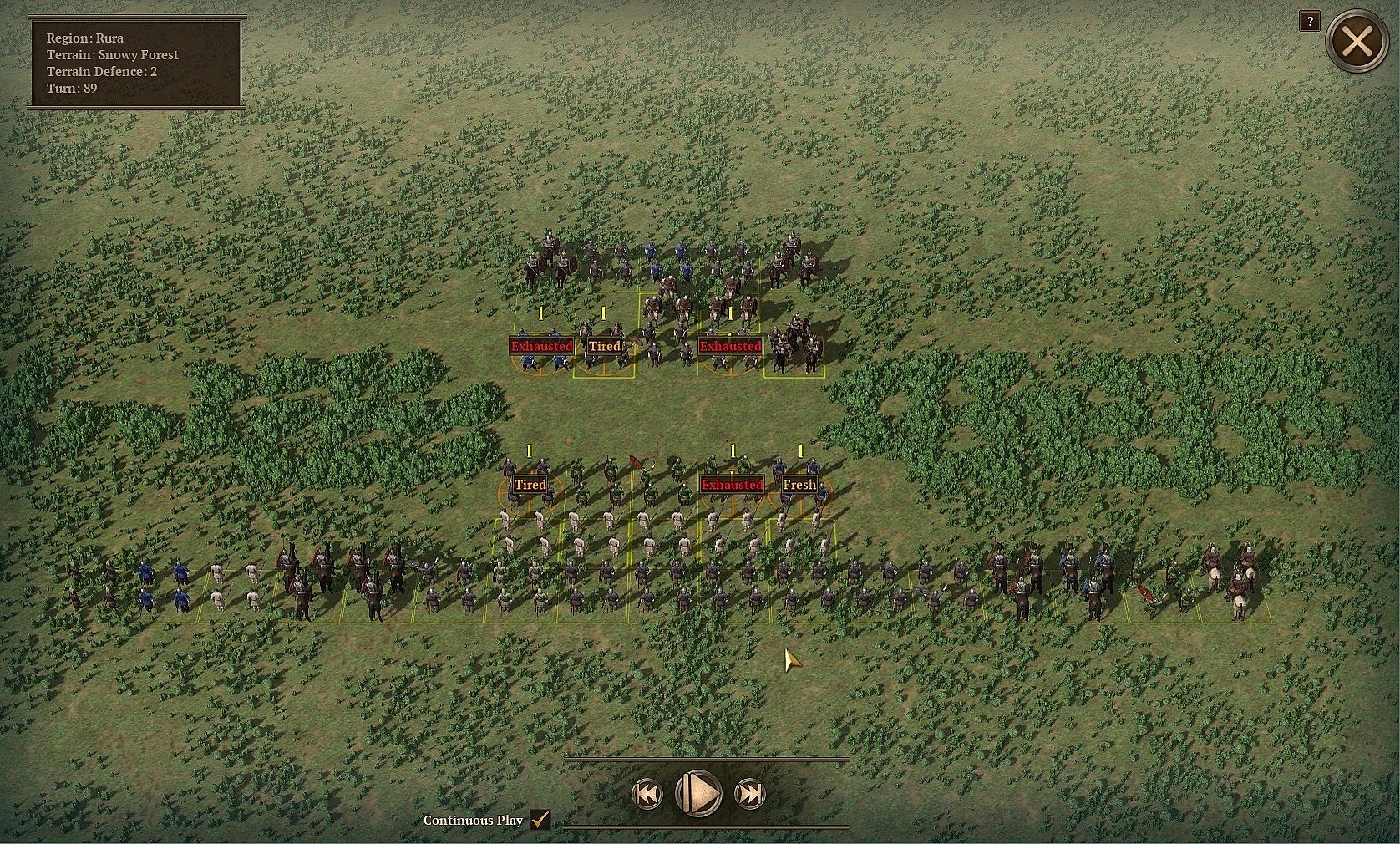
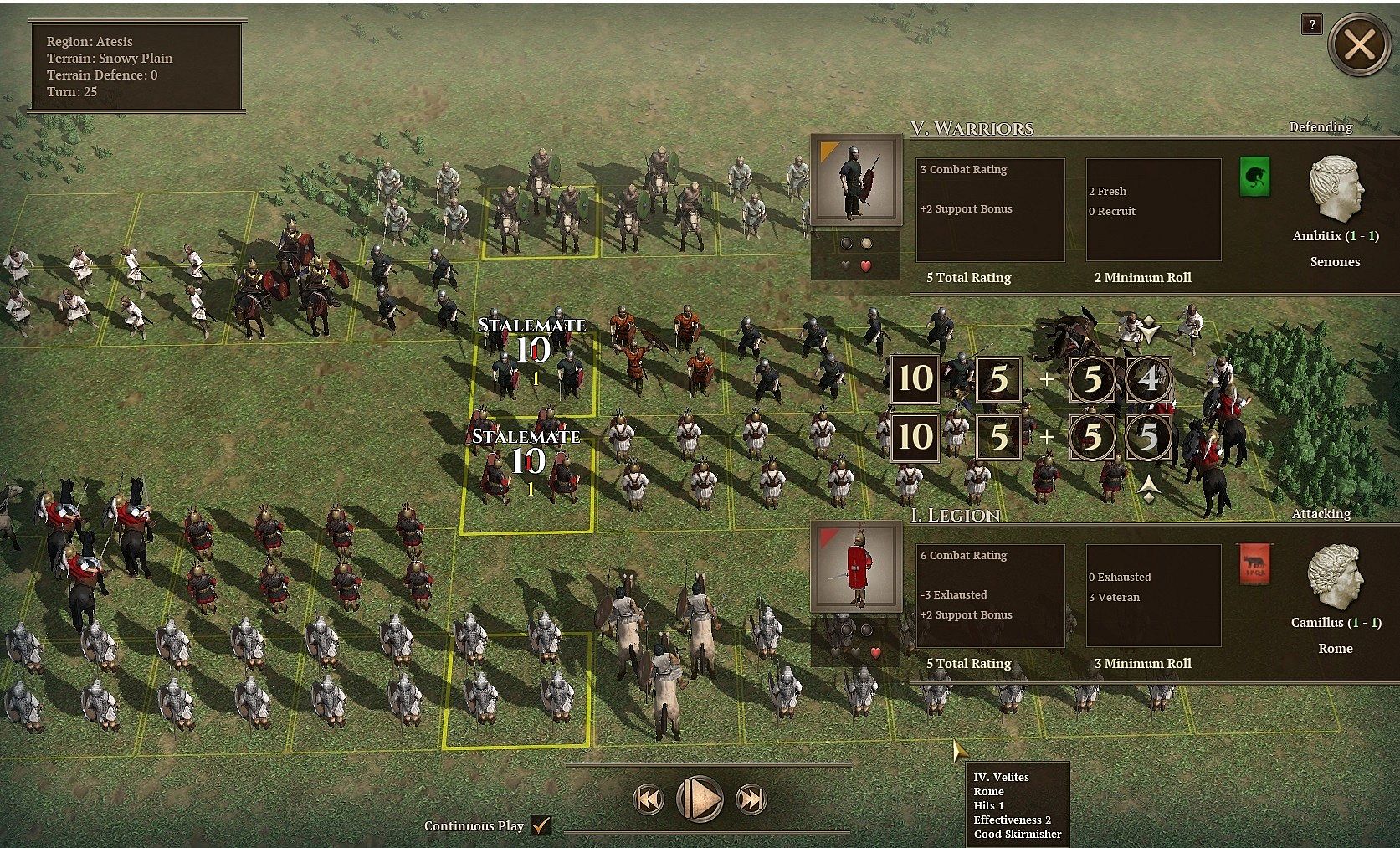
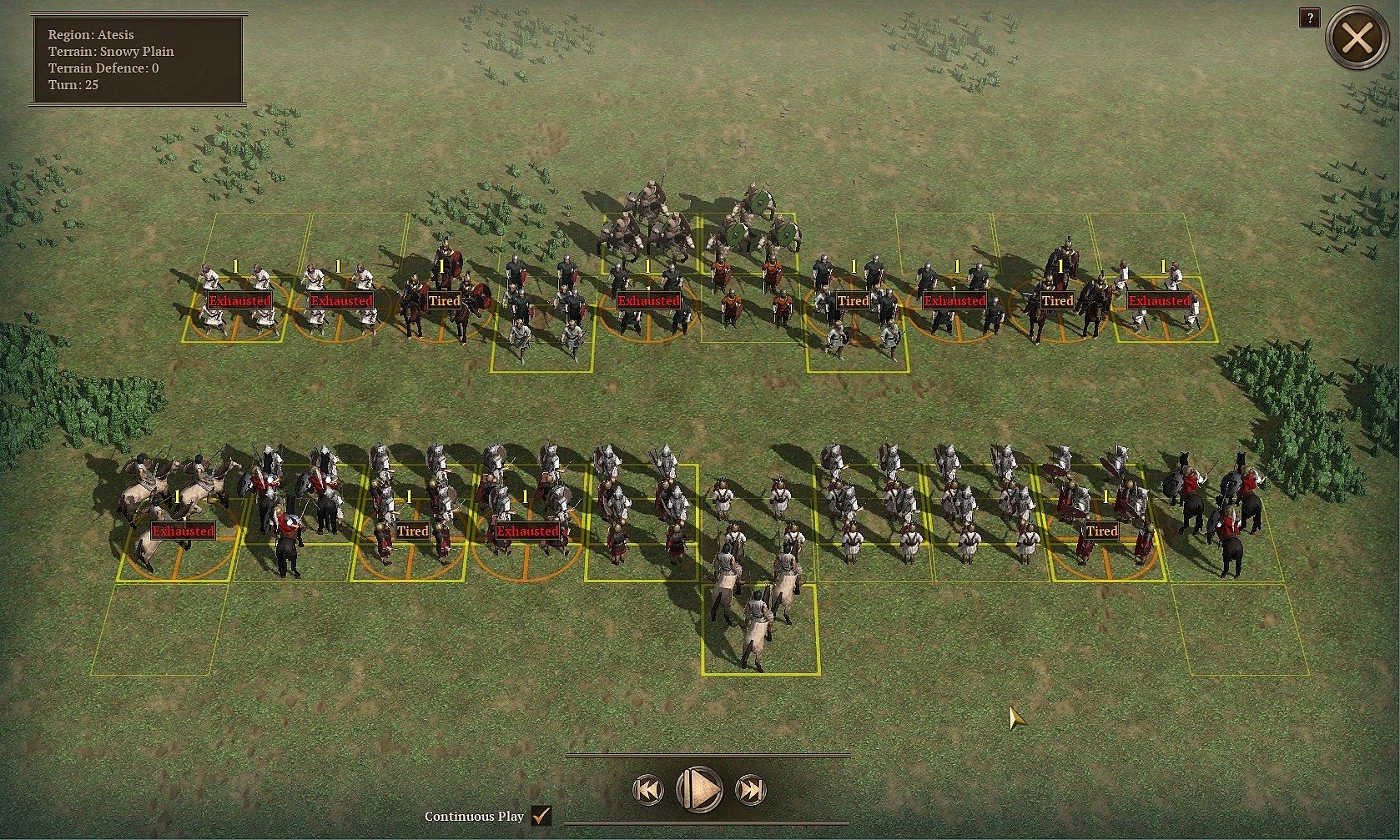
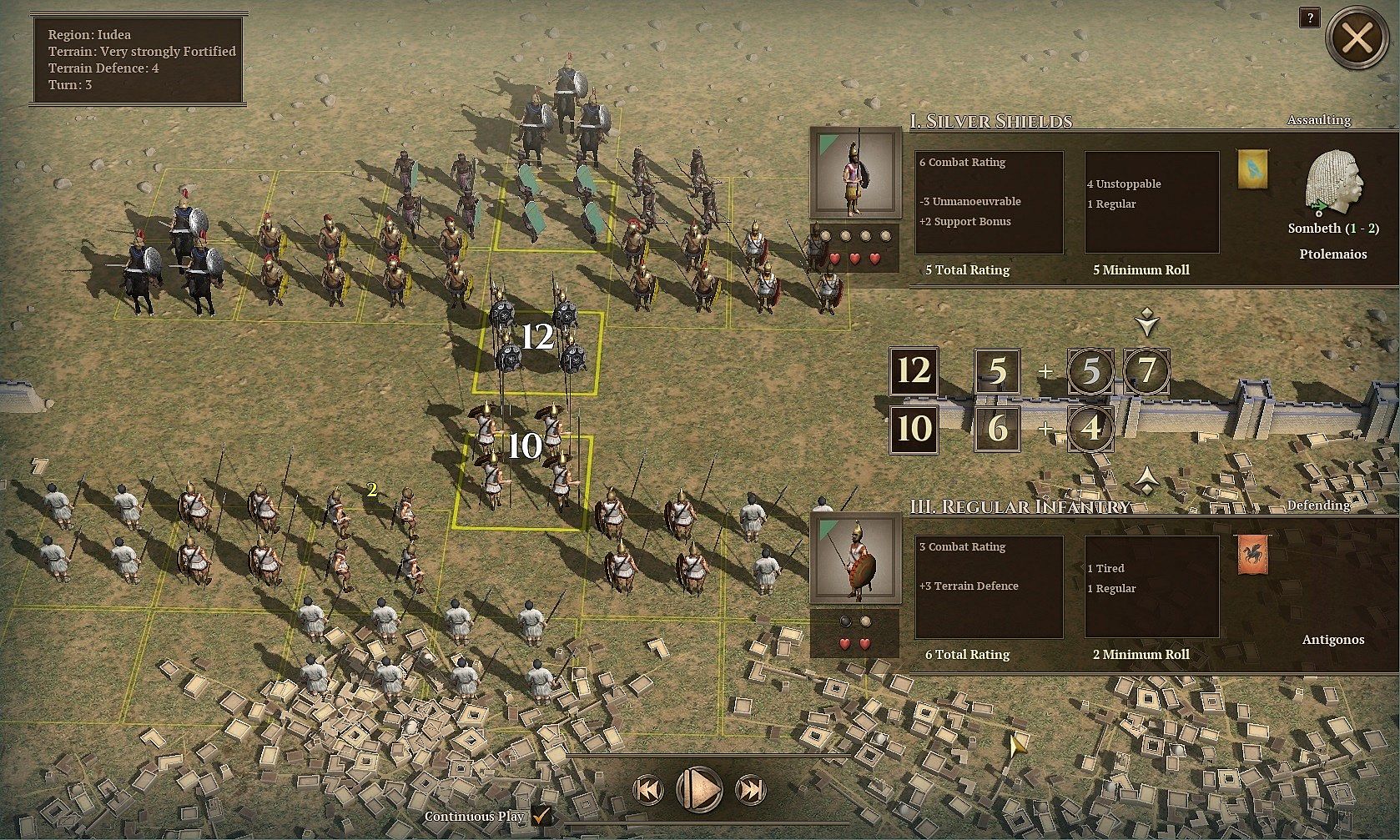
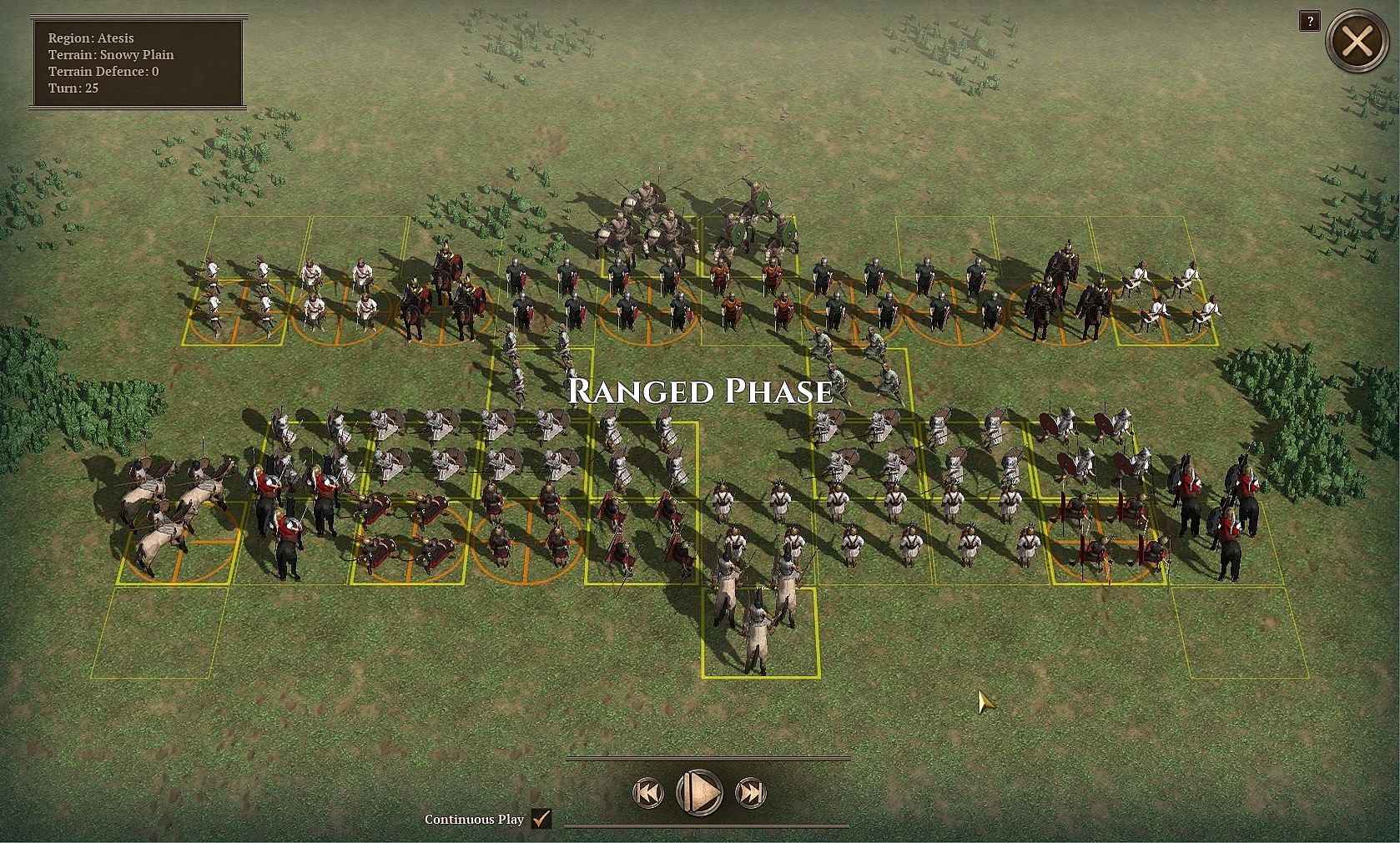
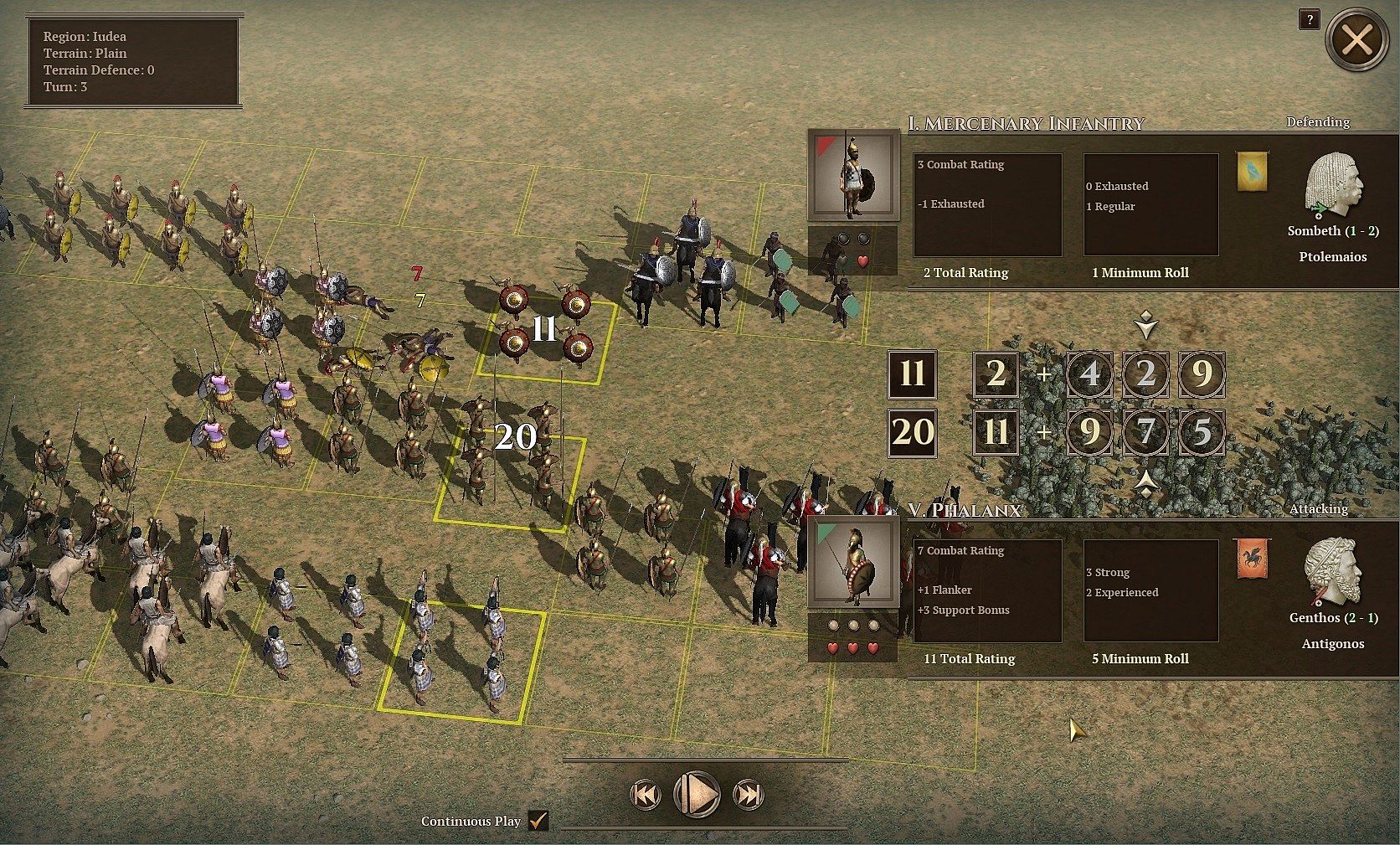
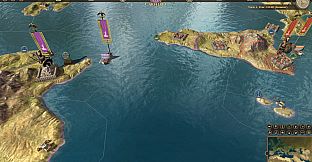
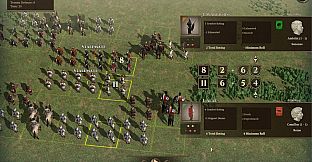
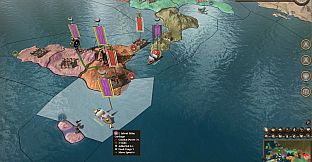
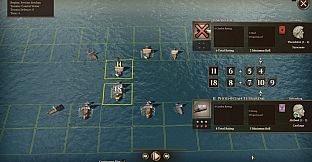
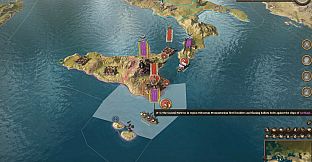
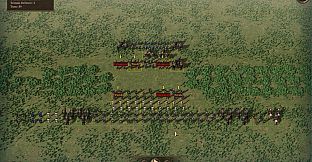
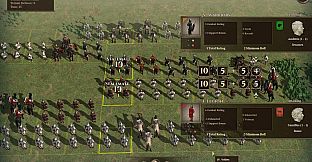
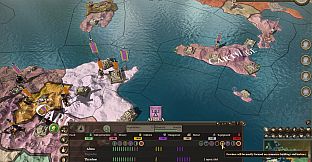
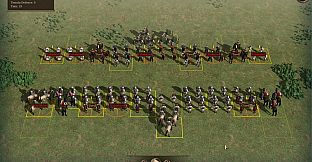
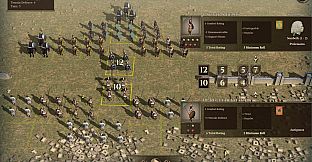
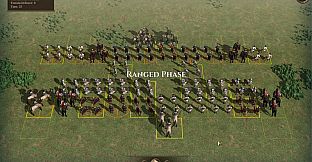
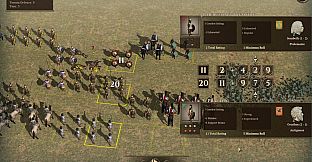
Military operations emphasize composition and positioning over raw numbers. Army makeup, terrain selection, and general assignment influence outcomes in the area-movement system. Each turn represents one year, with simultaneous WEGO resolution requiring forward planning to intercept or evade opposing forces. Battles resolve through paired unit engagements with modifiers for experience, terrain, and fatigue.
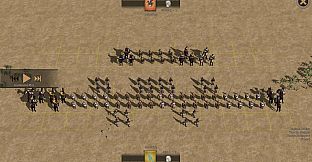
Players may export individual battles to Field of Glory II for more detailed resolution before importing results back into the empire management layer. This integration adds tactical depth for those seeking direct control over combat.
Game Modes
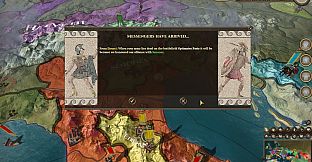
Singleplayer centers on a grand campaign where any of the available nations can be selected. Factions fall into tiers, with major powers, remarkable secondary states, and numerous smaller tribes or kingdoms, each carrying distinctive cultural traits and event opportunities.
Multiplayer operates through an asynchronous system. Participants submit turns independently via a dedicated server, after which all actions resolve simultaneously upon reload. This format supports extended campaigns against human opponents without requiring real-time coordination.
Empire Management and Legacy
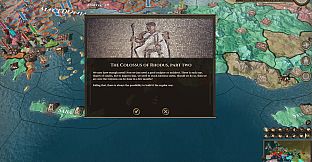
Success depends on more than territorial gains. Cultural legacy persists even as monuments decay, with stories and knowledge passing forward to influence successor societies. Players adjust government types and invest in cultural elements to mitigate decadence while fostering trade and infrastructure.
The living world responds to every decision. Neighboring nations and tribes react to expansions, alliances, or internal shifts, creating interconnected consequences across the map.
Is It Worth Playing?
Field of Glory: Empires suits players who enjoy detailed grand strategy with emphasis on long-term empire sustainability rather than rapid conquest. The decadence system and multi-scale management distinguish it from simpler expansion-focused titles, rewarding careful planning of culture, government, and military composition.
The asynchronous multiplayer provides a substantial option for competitive play within a large player pool, while the singleplayer campaign offers extensive replayability through varied starting factions. Integration with Field of Glory II appeals specifically to those interested in layered tactical resolution.
Those seeking a focused experience on Classical-era empire building, complete with internal decay mechanics and simultaneous turn strategy, will find the systems rewarding. The game remains available for those drawn to its particular blend of management depth and historical scope.