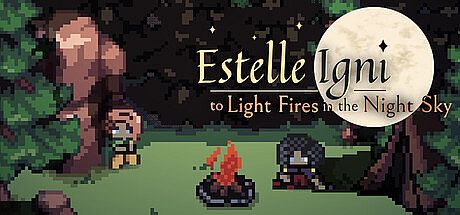


Estelle Igni: To Light Fires in the Night Sky is a single-player RPG built around party building, skill management, and exploration in a fractured world where scholars seek answers amid fading stars and planar rifts.
Gameplay
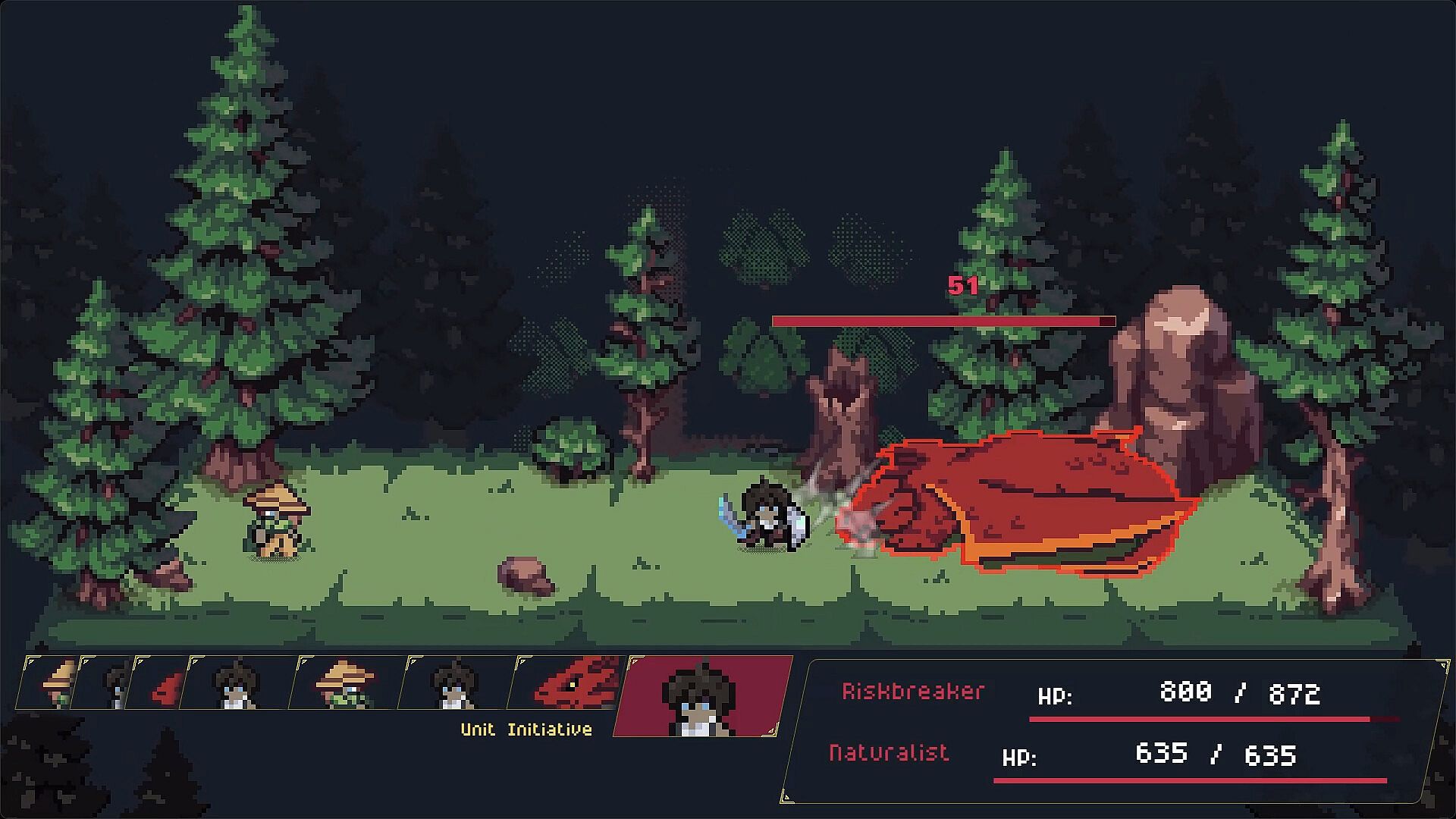
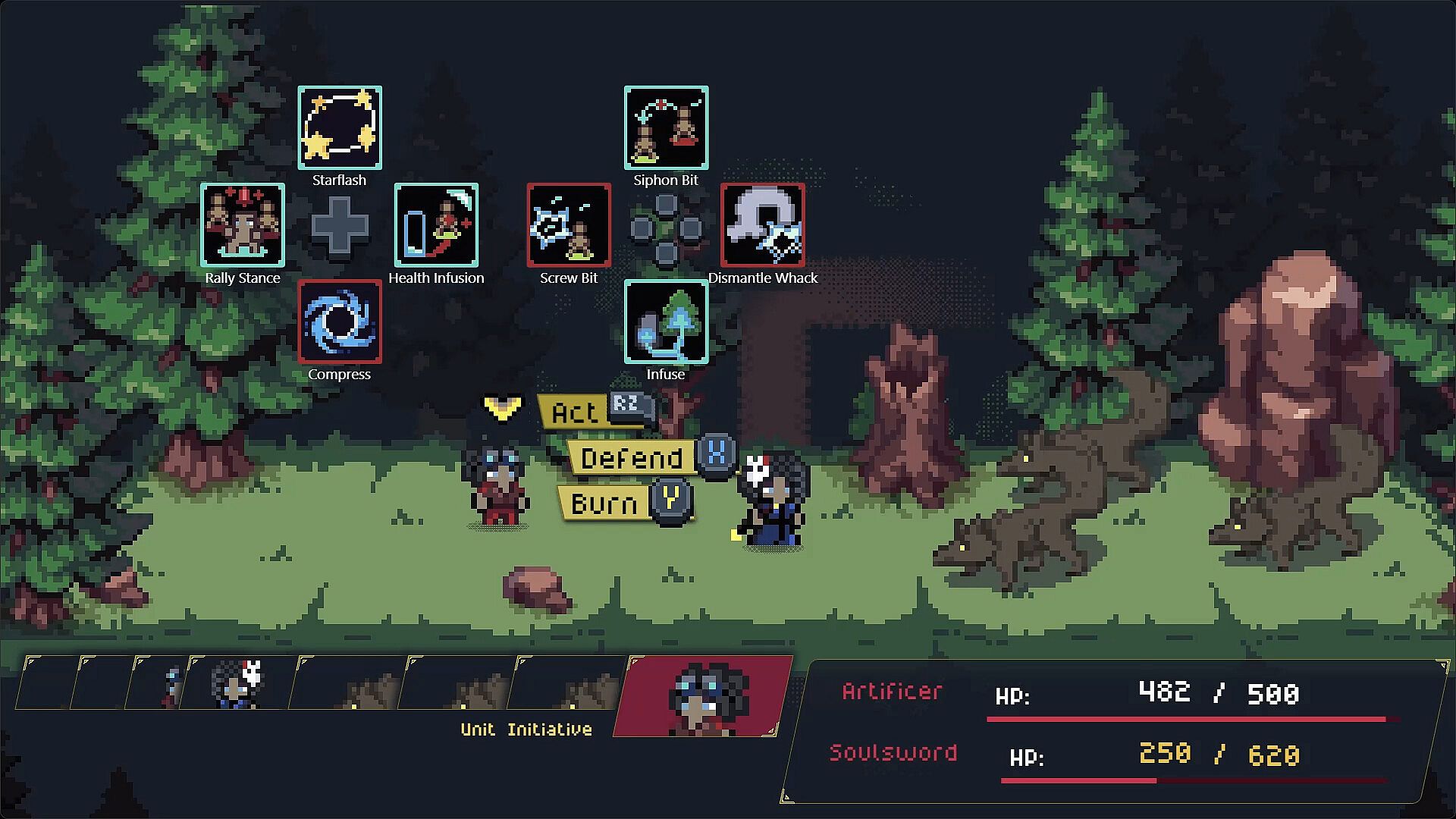
Players assemble parties by blending up to three classes per member from a total of thirteen available classes. Each class brings distinct techniques, with character stories revealing the origins of groups such as the Artificers who animate the earth, the feared Bladesealers, and the Lifebinders who close rifts. The Riskbreaker class lets players store and spend risk to influence random outcomes, pairing effectively with low-accuracy abilities or pet-focused options from the Moonfang and Artificer classes to summon wolves or create magical turrets from trees.
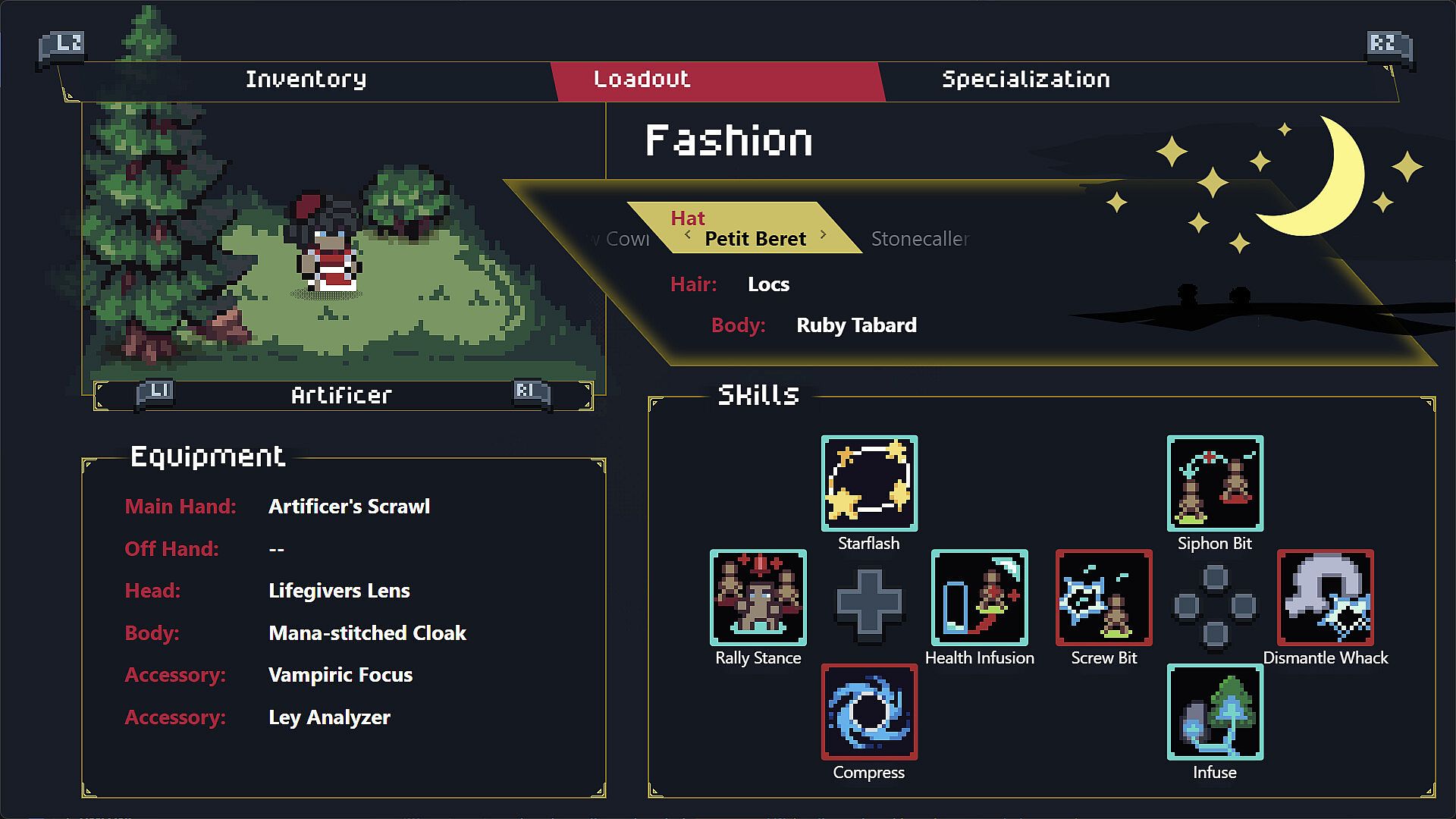
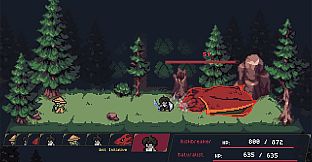
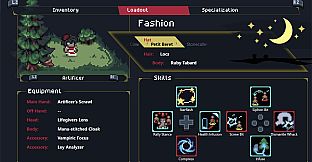
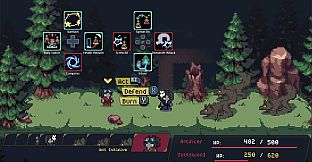
Combat emphasizes strategy through an eight-skill active set. Burning any skill triggers unique effects while disabling it for the rest of the fight, with burn stacks allowing swaps to other learned techniques. Higher burn levels increase the chance of chain encounters and draw out rare enemies. Equipment remains singular, each piece carrying specific augments that alter tactics, while lost techniques recovered during exploration reshape stats and battle options. Appearance customization covers hats, hairstyles, and outfits independently of loadouts.
Non-linear regions reward thorough searches with discoveries that expand combat choices. The system supports toggles for difficulty, allowing players to adjust or bypass challenges as preferred.
Game Modes
Core play centers on party management for varied threats. A two-member group handles many situations, yet multi-party dungeons require broader preparation and test different combinations. Unique encounters modify standard rules to create specialized challenges that stretch available systems.
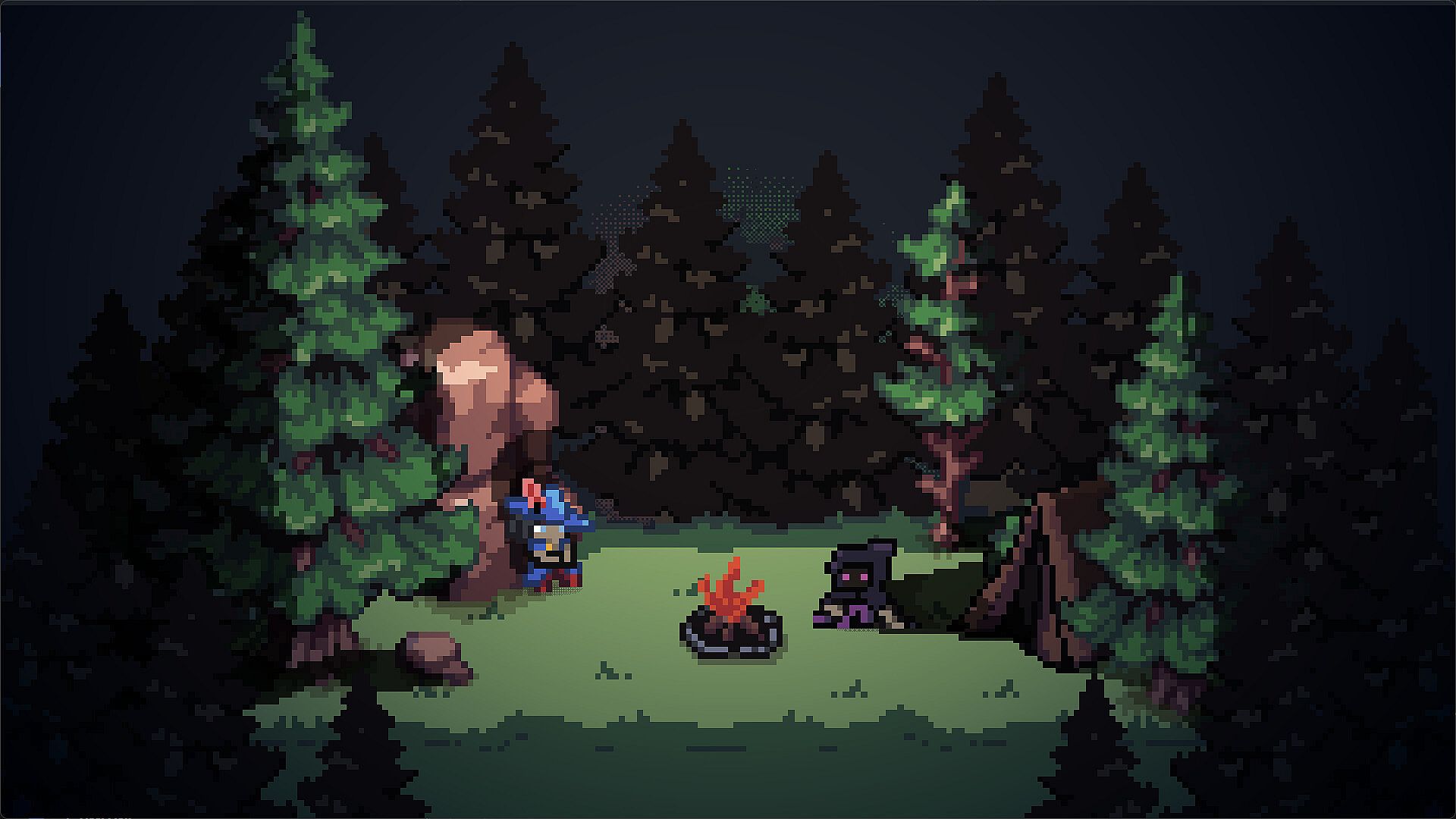
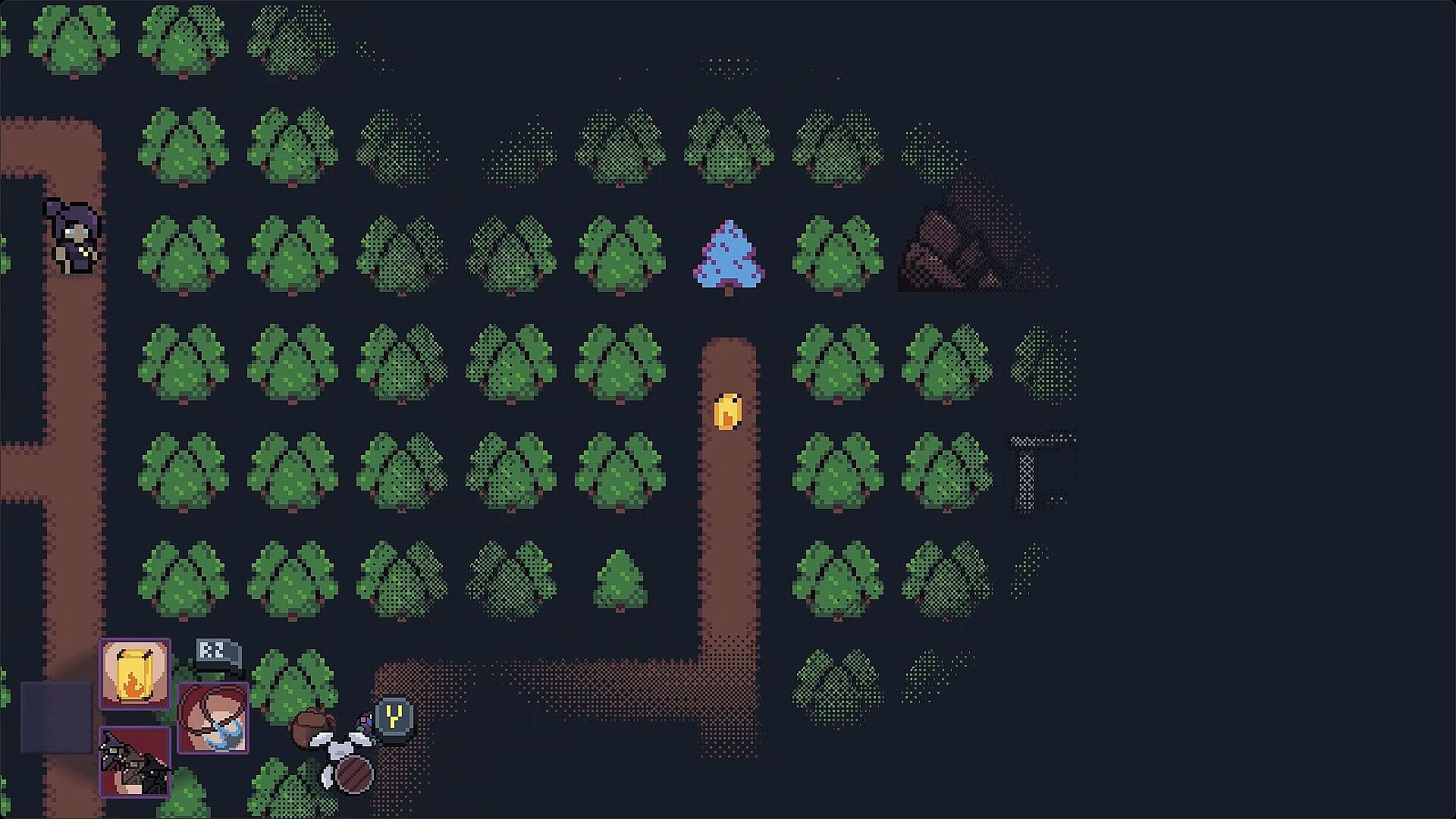
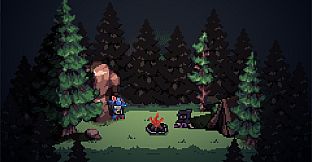
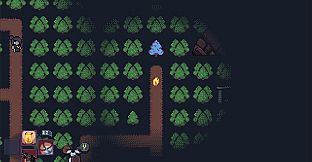
Exploration occurs across dense areas where players recover techniques and equipment at their own pace. Campfire rests provide moments to reflect, with the overall structure supporting both focused progression and open wandering without time pressure on the central mystery.
World and Exploration
The setting unfolds through layered lore uncovered via class practitioners and regional finds. Players investigate how different combat styles developed and what events fractured the sky. Non-linear design encourages revisiting areas as new techniques and augments become available, shaping both narrative understanding and mechanical options.
Customization extends beyond combat to personal style, while risk and burn mechanics add layers of decision-making during fights. The world accommodates different approaches, from careful resource management to aggressive skill burning for greater rewards.
Is It Worth Playing?
Estelle Igni suits players who enjoy deep party customization and tactical combat in an RPG format. The blend of thirteen classes, risk manipulation, and burn mechanics creates flexible strategies that reward experimentation across multiple party setups. Exploration and technique recovery provide ongoing progression without rigid paths.
Those who prefer systems that adapt to preferred playstyles, including difficulty adjustments and appearance freedom, will find the design accommodating. The focus on singular equipment and story-driven class introductions adds specificity to builds and world discovery. Availability on PC supports direct access for those interested in the described mechanics once released.