

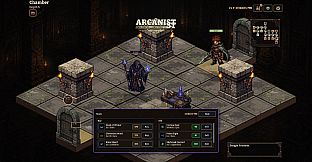
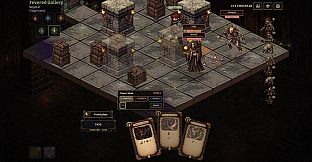
Escape the Umbra is a tactical roguelike deckbuilder that blends strategy and role-playing elements on PC. Players navigate a shifting prison labyrinth where every decision shapes the path forward and the tools available for survival. The core loop centers on descending deeper into darkness while managing resources and adapting a personal deck of abilities.
Gameplay
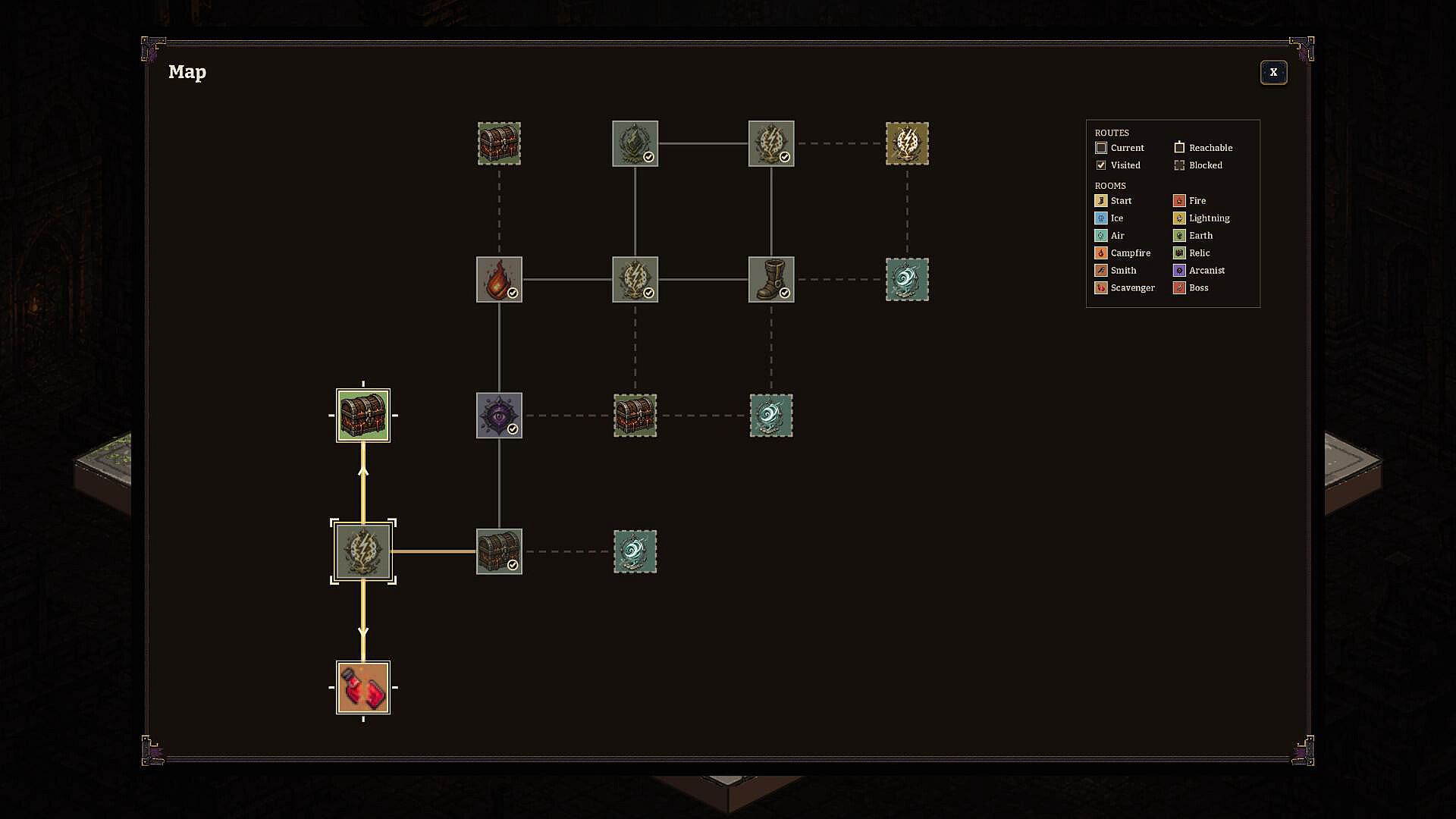
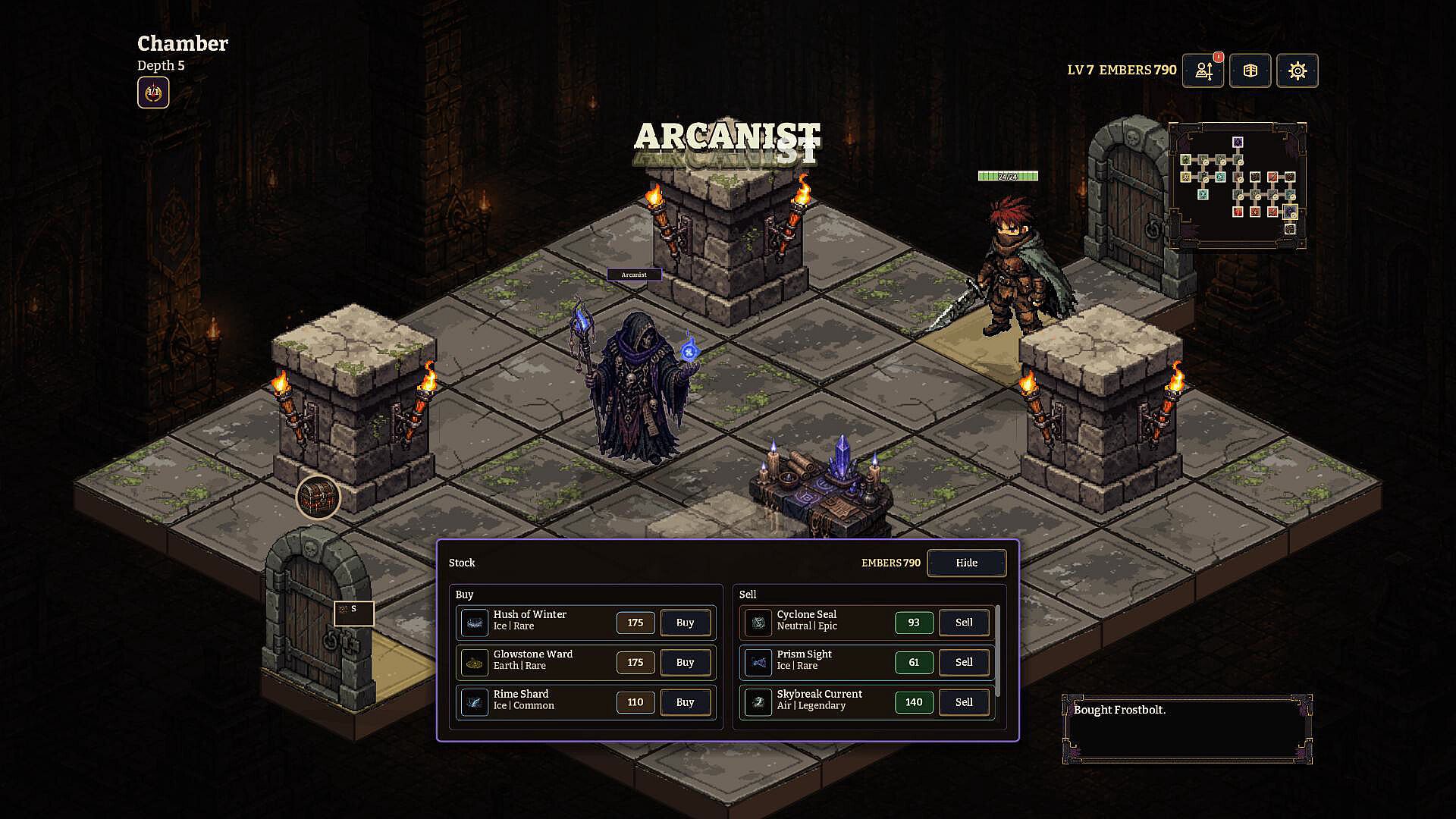
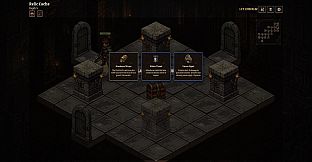
The experience unfolds through careful route planning across connected nodes that include combat encounters, merchant visits, treasure caches, campfires, and arcane chambers. Each choice balances immediate risks against long-term gains in supplies or power. Positioning plays a central role during turns, as players manipulate the environment to gain advantages over opponents.
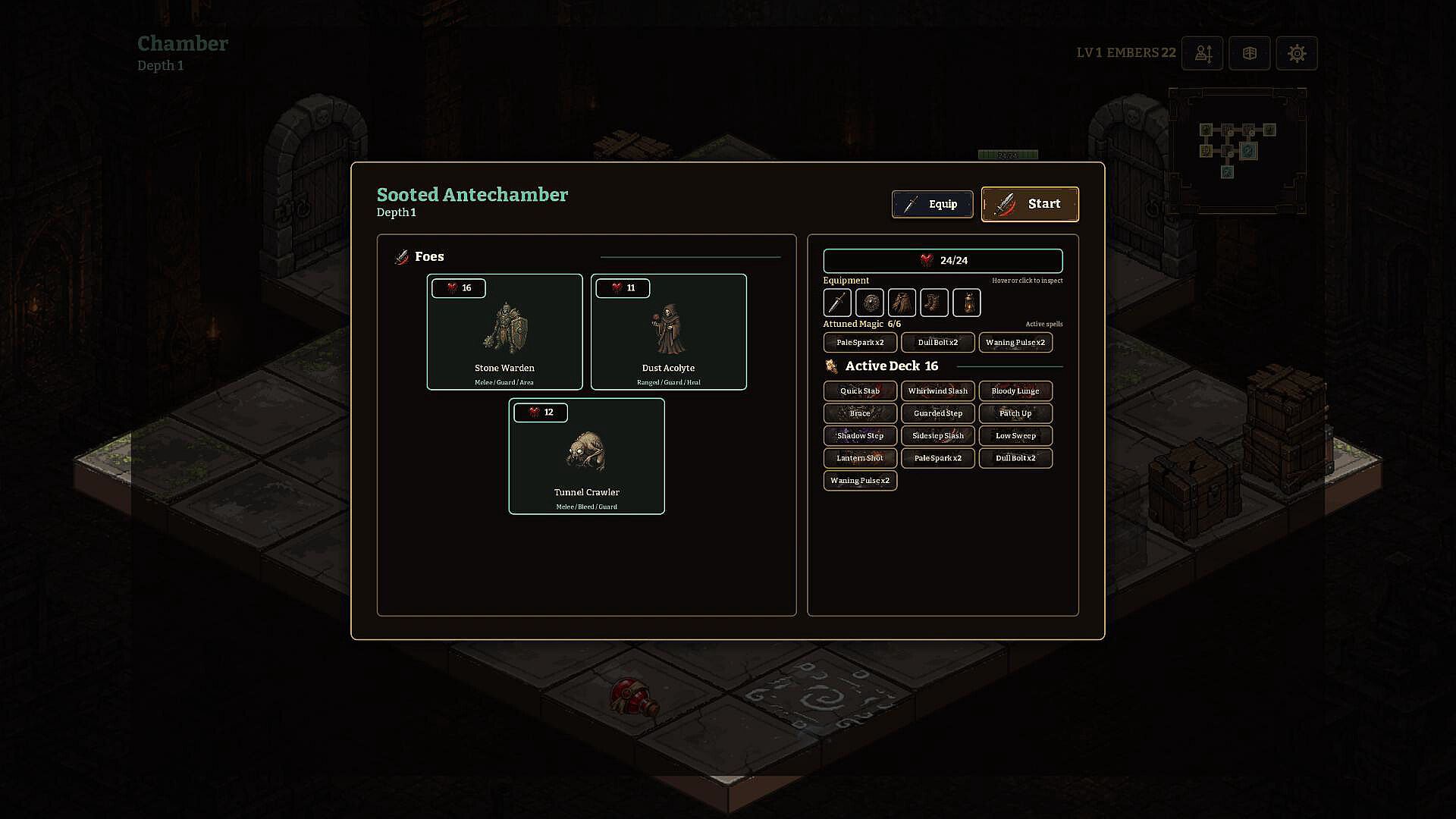
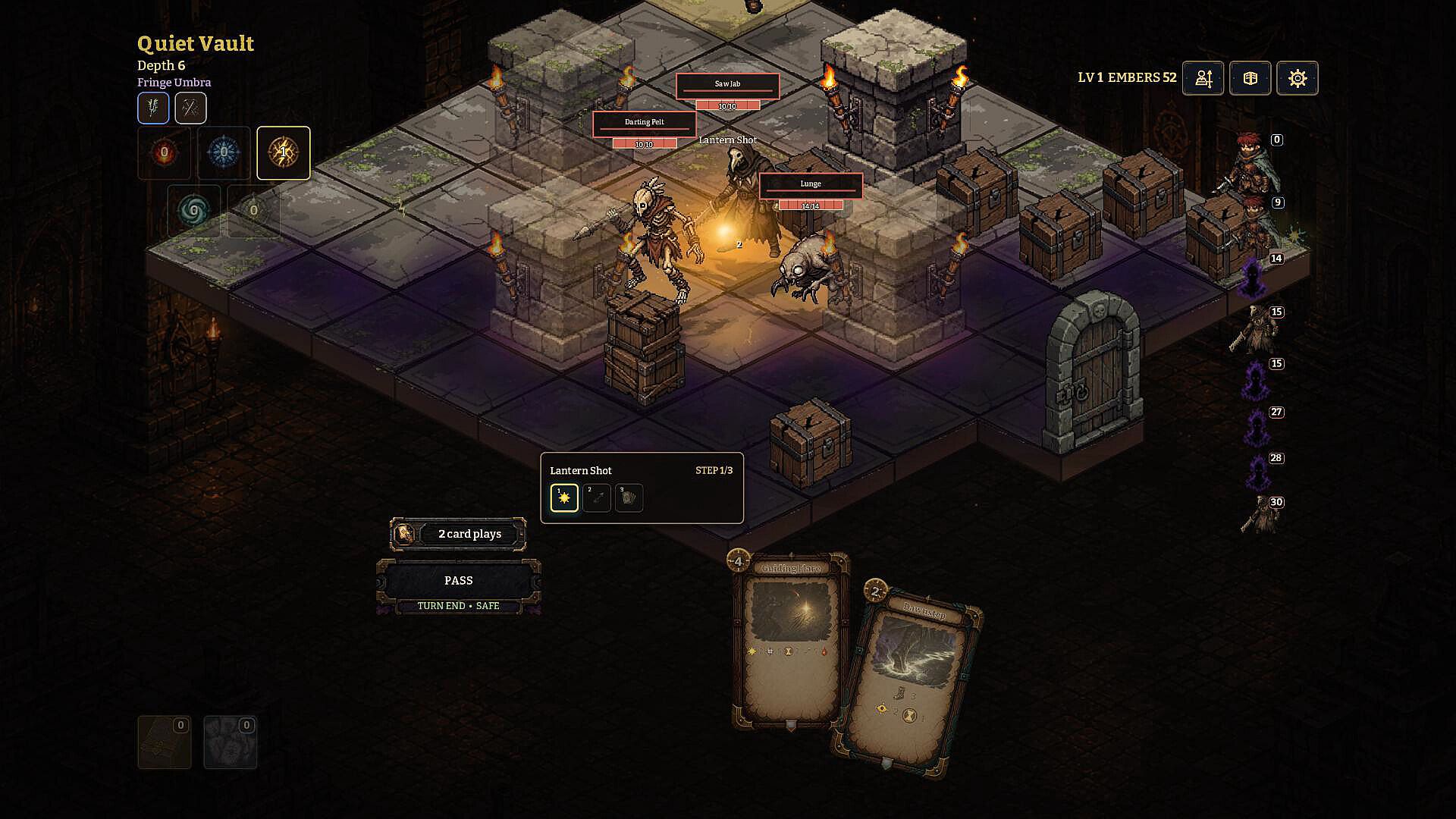
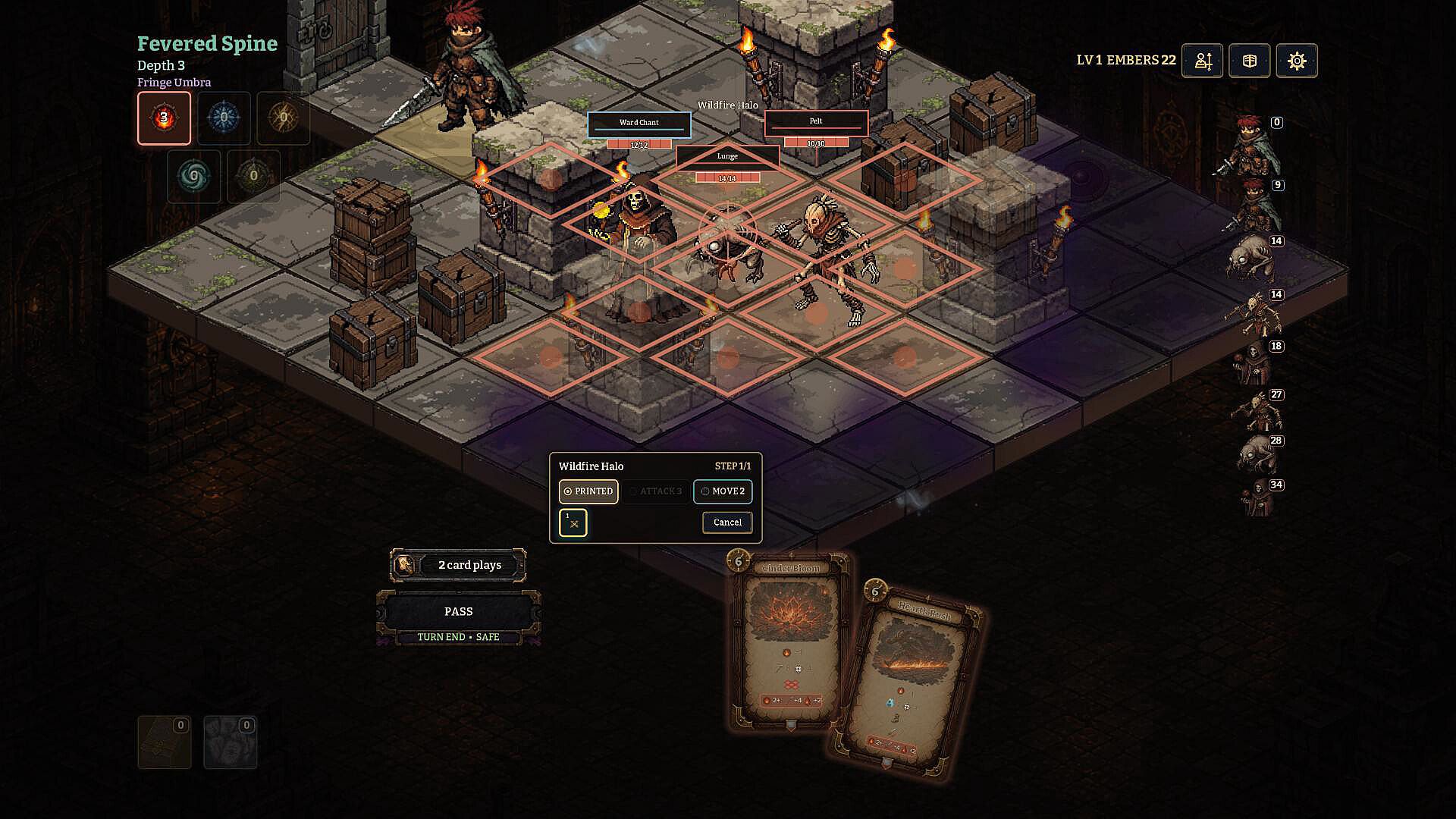
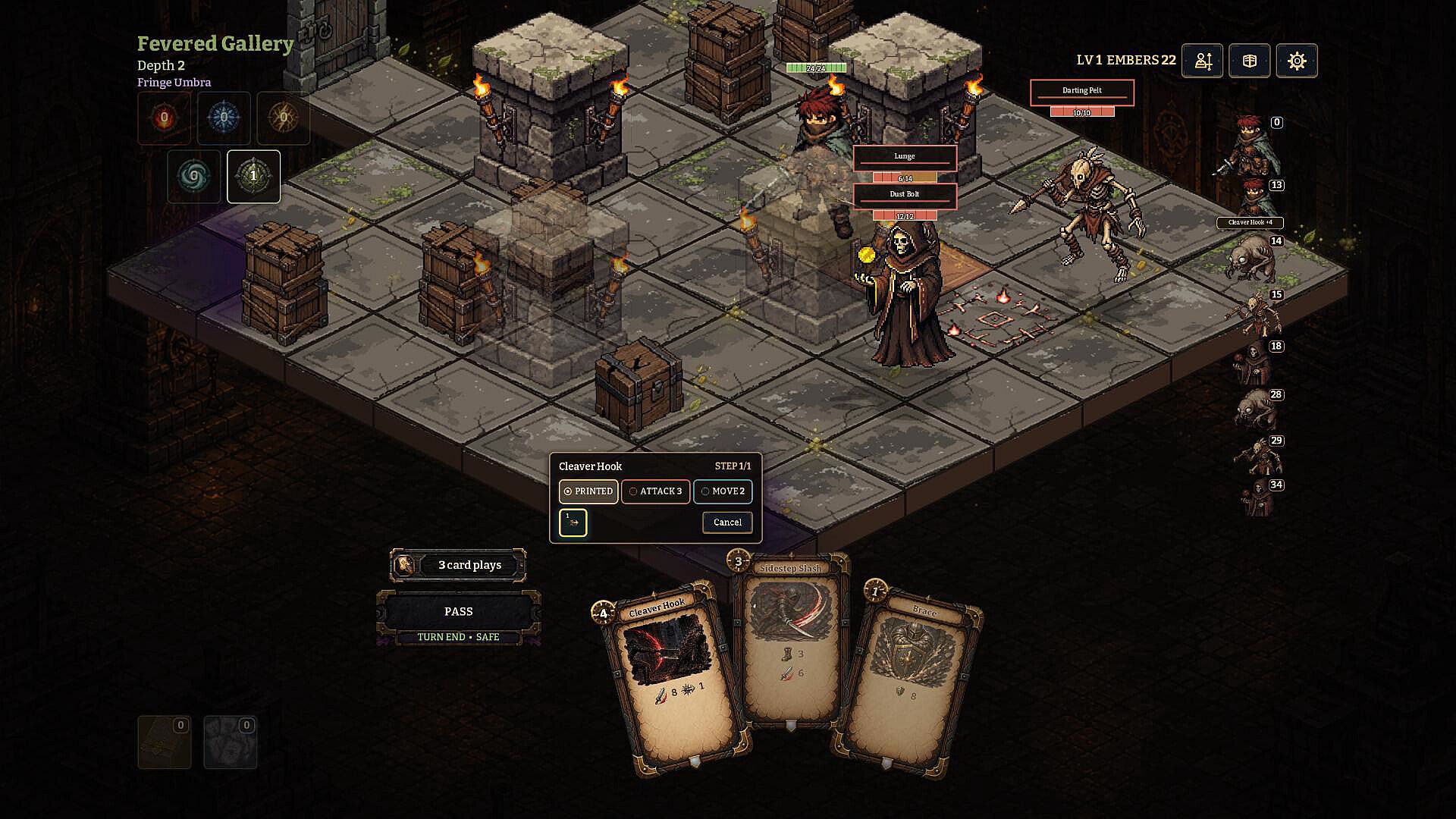
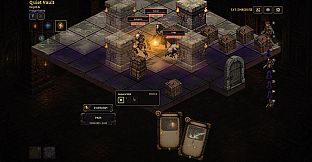
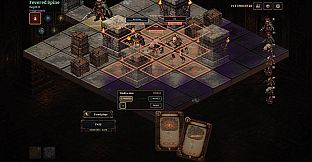
Combat emphasizes turning the labyrinth itself into an asset. Enemies can be forced into traps, terrain features interact with elemental effects, and sequences of movement create opportunities for wide-reaching attacks. Success depends on reading the current room layout and timing actions precisely rather than relying solely on raw power.
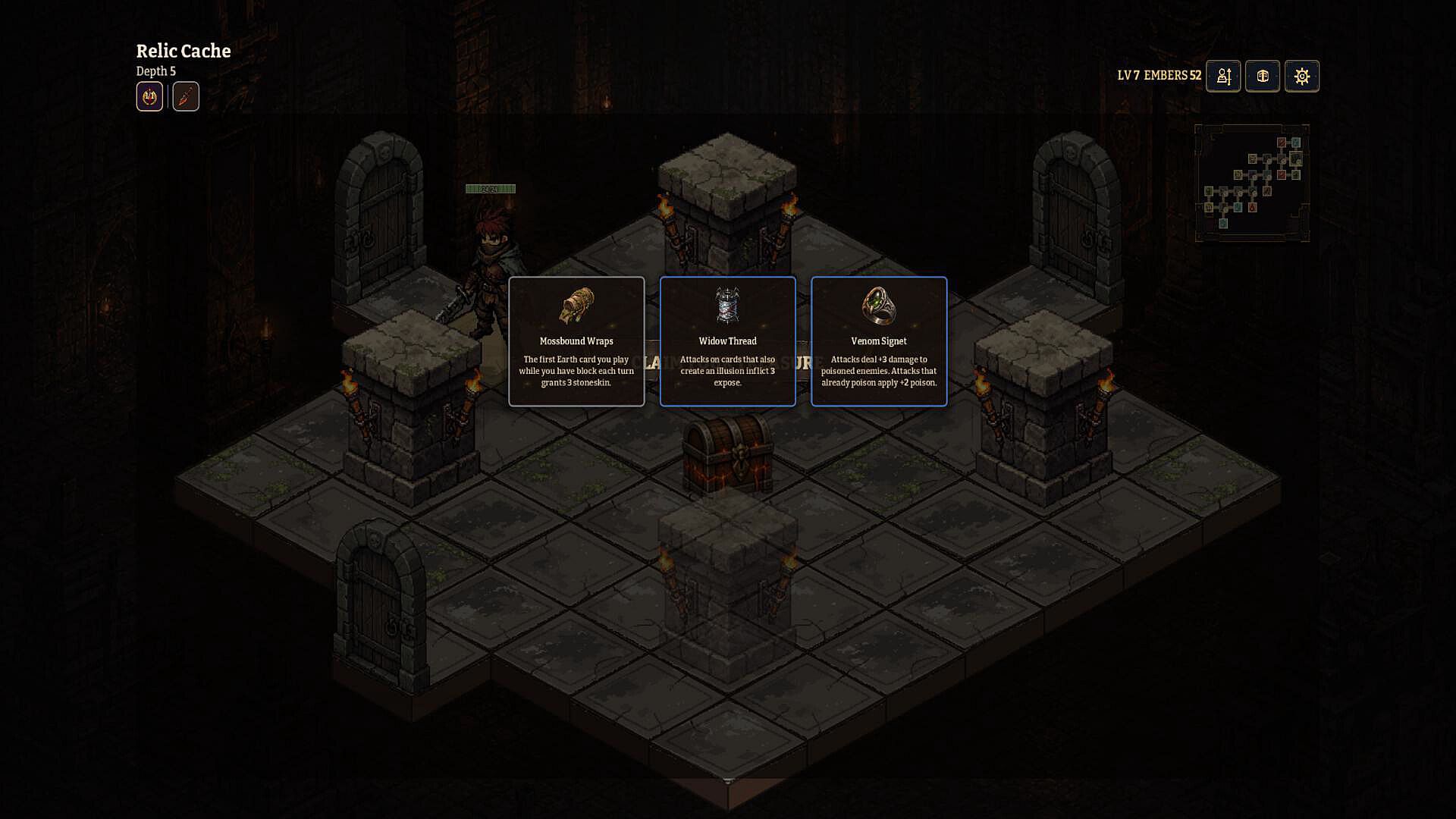
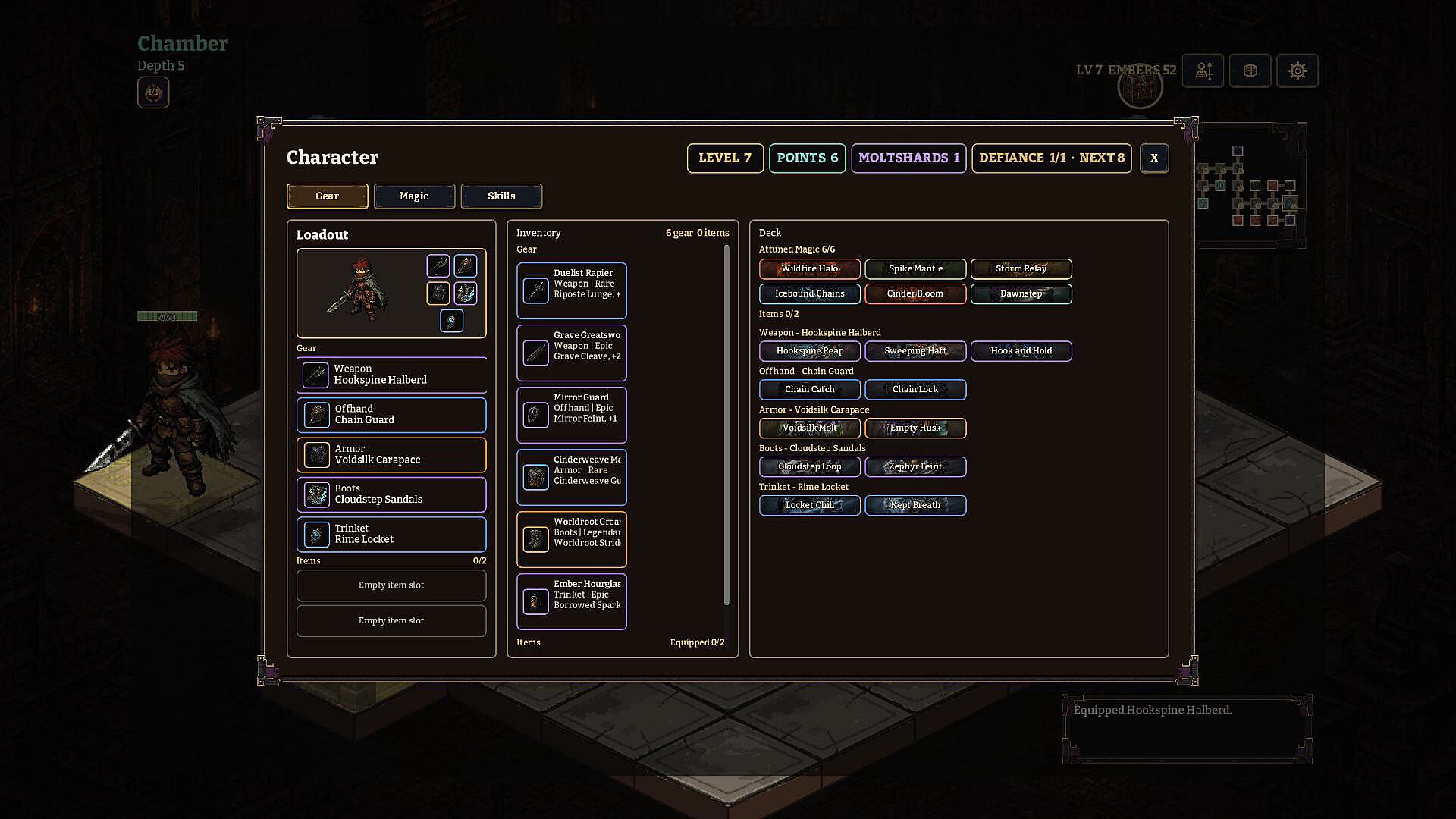
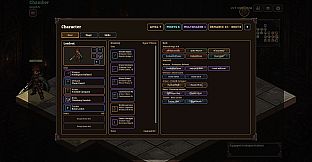
Progression comes from assembling and refining a deck across multiple runs. Cards are acquired through purchases or discoveries, while relics provide lasting modifications. Magic attunement adds another layer, allowing players to specialize abilities. Gear choices further customize how synergies develop, encouraging experimentation with different combinations that alter combat flow.
Light management adds tension to exploration. Shadows conceal dangers, so carrying illumination reveals hidden threats and opens safer paths. This mechanic influences both navigation and combat preparation as players decide how much risk to accept when pushing forward.
Game Modes
The game operates as a single-player roguelike experience built around repeated runs through the labyrinth. Each attempt starts fresh with opportunities to discover new synergies and refine strategies based on prior outcomes. No separate competitive or cooperative modes appear in the design.
Runs vary through procedural route selection and the random distribution of rooms and rewards. Players decide how far to push toward the prison's deepest layers, with each descent testing the limits of their current build and decision-making under pressure.
Core Mechanics and Progression
Deckbuilding integrates directly with spatial tactics. Cards interact with the physical layout of rooms, rewarding setups that combine movement control with area effects or environmental hazards. Relics and magic attunement expand options over time, letting players shift focus between aggressive pushes and defensive positioning.
Resource management extends beyond cards to include light sources and collected items. Campfires and merchants serve as key stops for recovery and upgrades, while treasure rooms offer high-reward risks. The interplay between these elements creates branching paths where safety and opportunity constantly trade off.
Is It Worth Playing?
Escape the Umbra suits players who enjoy deliberate strategy sessions and iterative deck refinement in a roguelike framework. The emphasis on positioning and environmental interaction sets it apart from faster-paced card games, rewarding those who study room layouts and plan multi-step turns. Its indie scale keeps the focus tight on core systems without unnecessary distractions.
Those drawn to tactical RPG elements will find depth in how relics, magic, and gear reshape available options across runs. The single-player structure supports repeated attempts as players test new combinations and push further into the labyrinth. Availability on PC makes it accessible for those seeking a thoughtful, self-contained experience centered on adaptation and discovery.