

Epoch Forge is a 2D sandbox colony game that blends strategy, indie development, RPG elements, simulation depth, and adventure into a single persistent world. Players begin with basic tools on a patch of dirt and shape an open-ended experience where systems interact in real time without turns or pauses. The game supports singleplayer on PC and emphasizes player choice in how far to expand from simple resource gathering into complex settlement management, machinery, trade, and exploration.
Gameplay
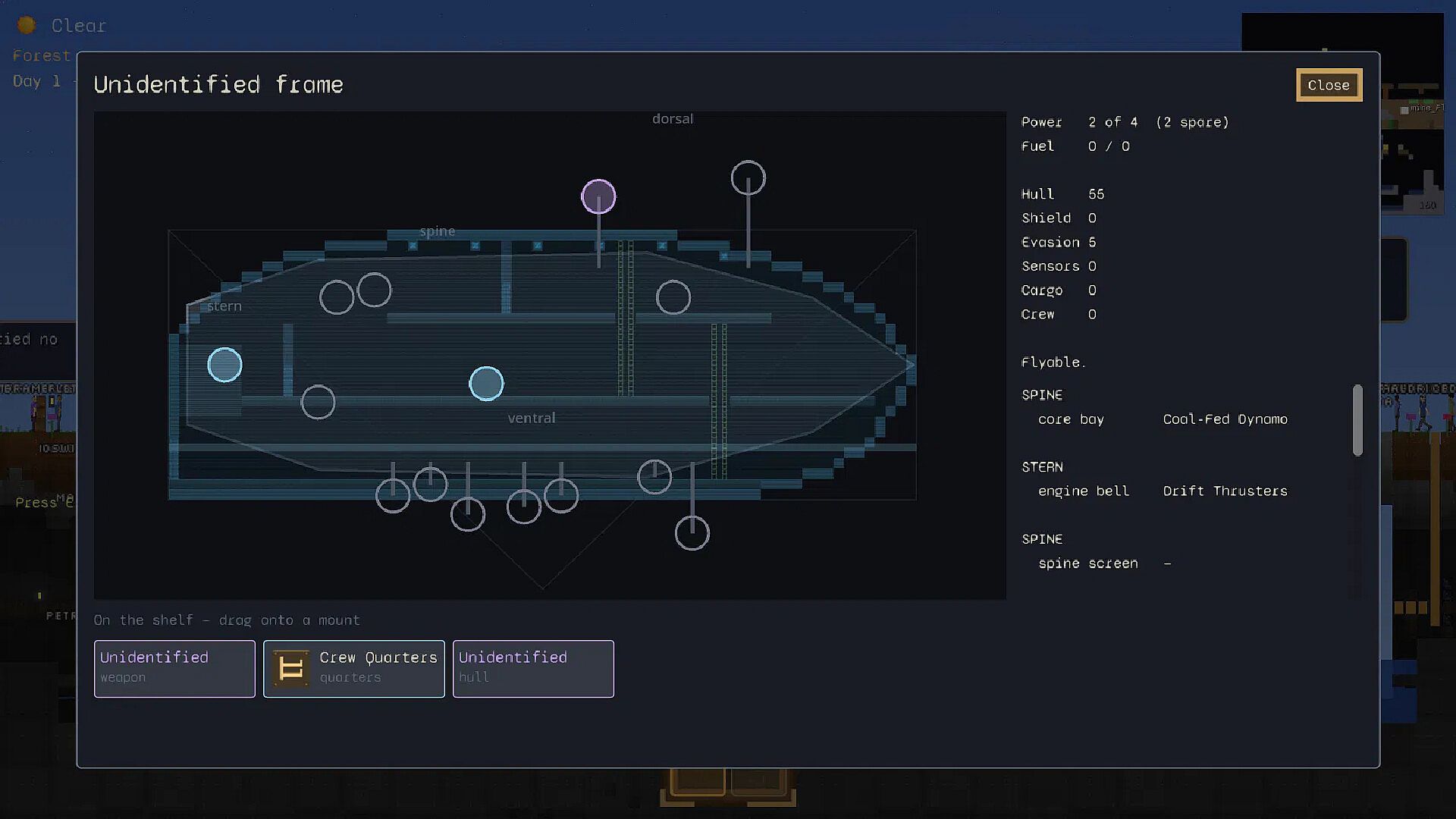
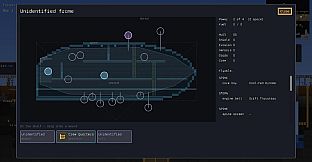
The core loop revolves around building and maintaining a colony where every action carries visible consequences. Structures must support their own weight under grounded physics, and failures appear through structural collapse rather than abstract health values. Circuitry allows construction of functional logic systems using wires, switches, and machines that produce real outcomes in the world. Ships can be assembled with actual frames and mounts, then piloted into combat where damage targets specific systems instead of generic bars.
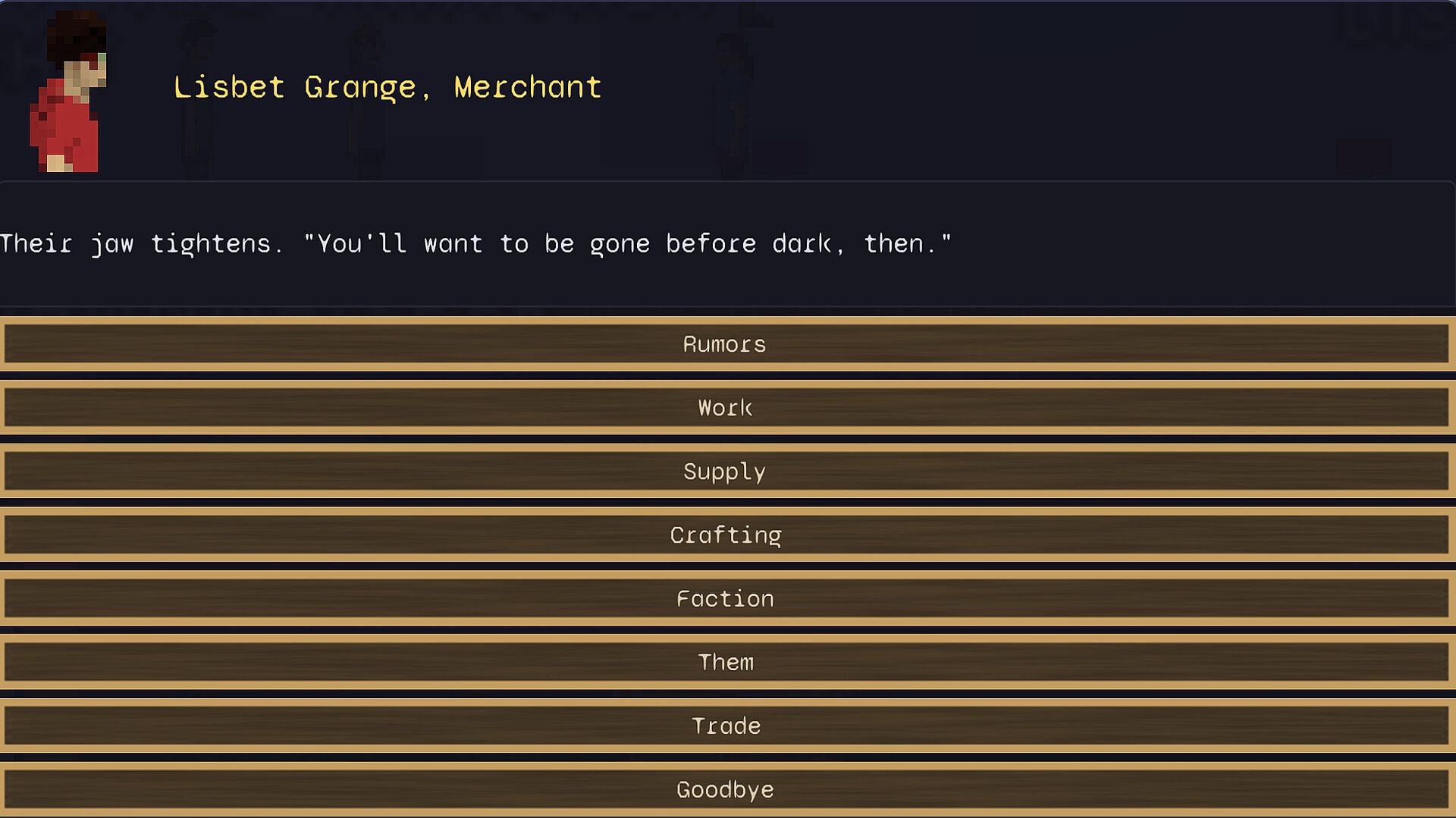
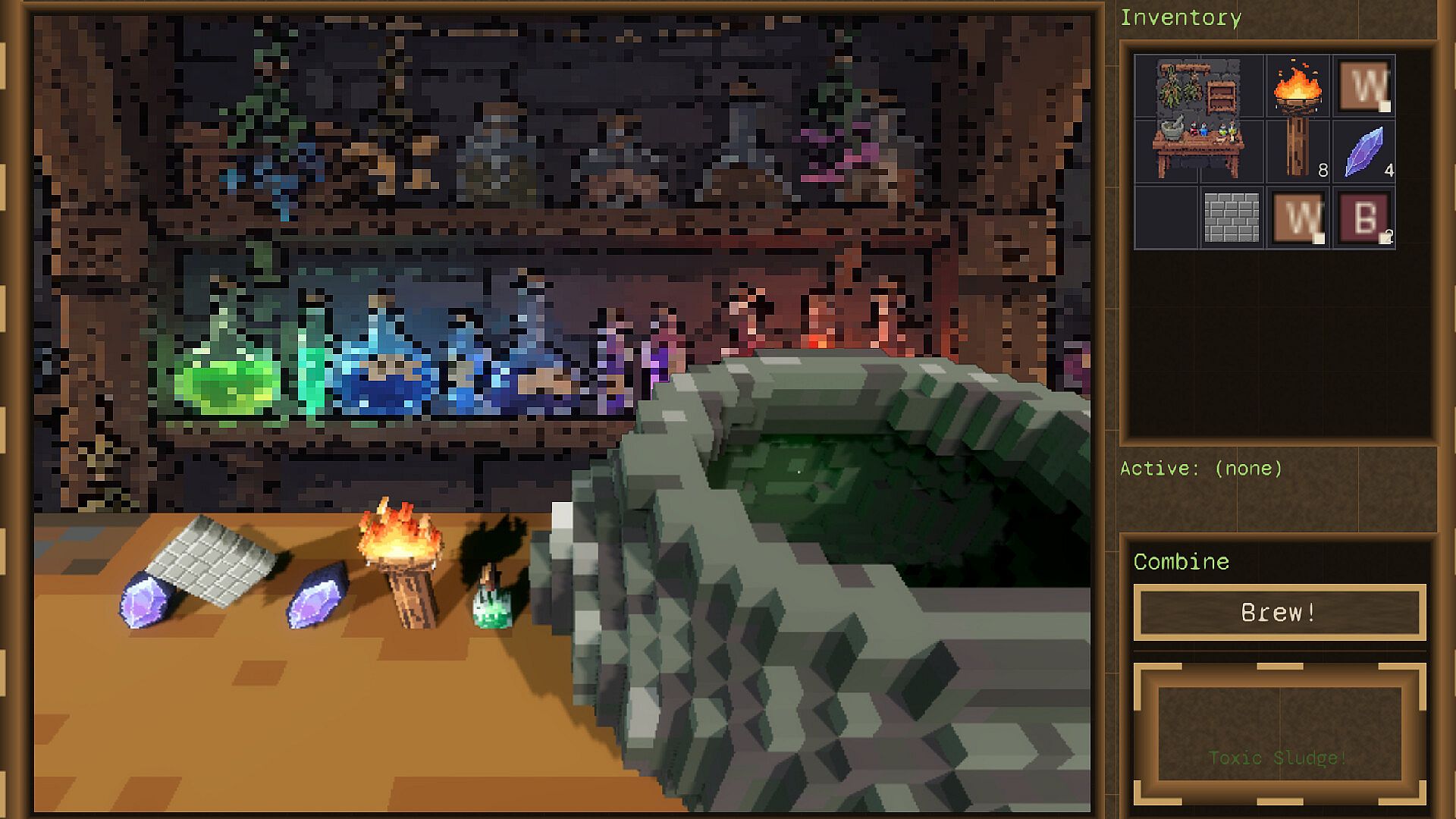
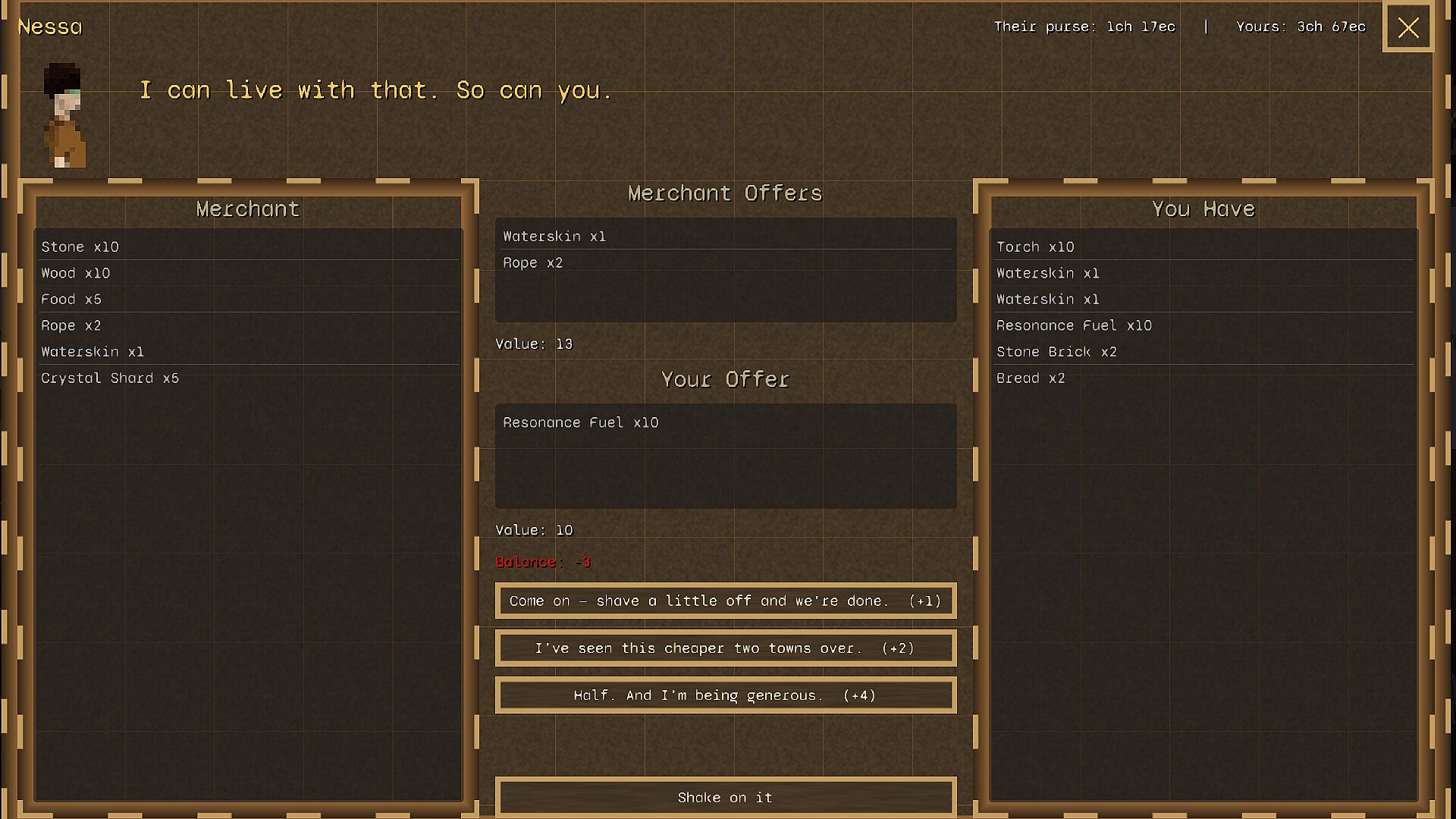
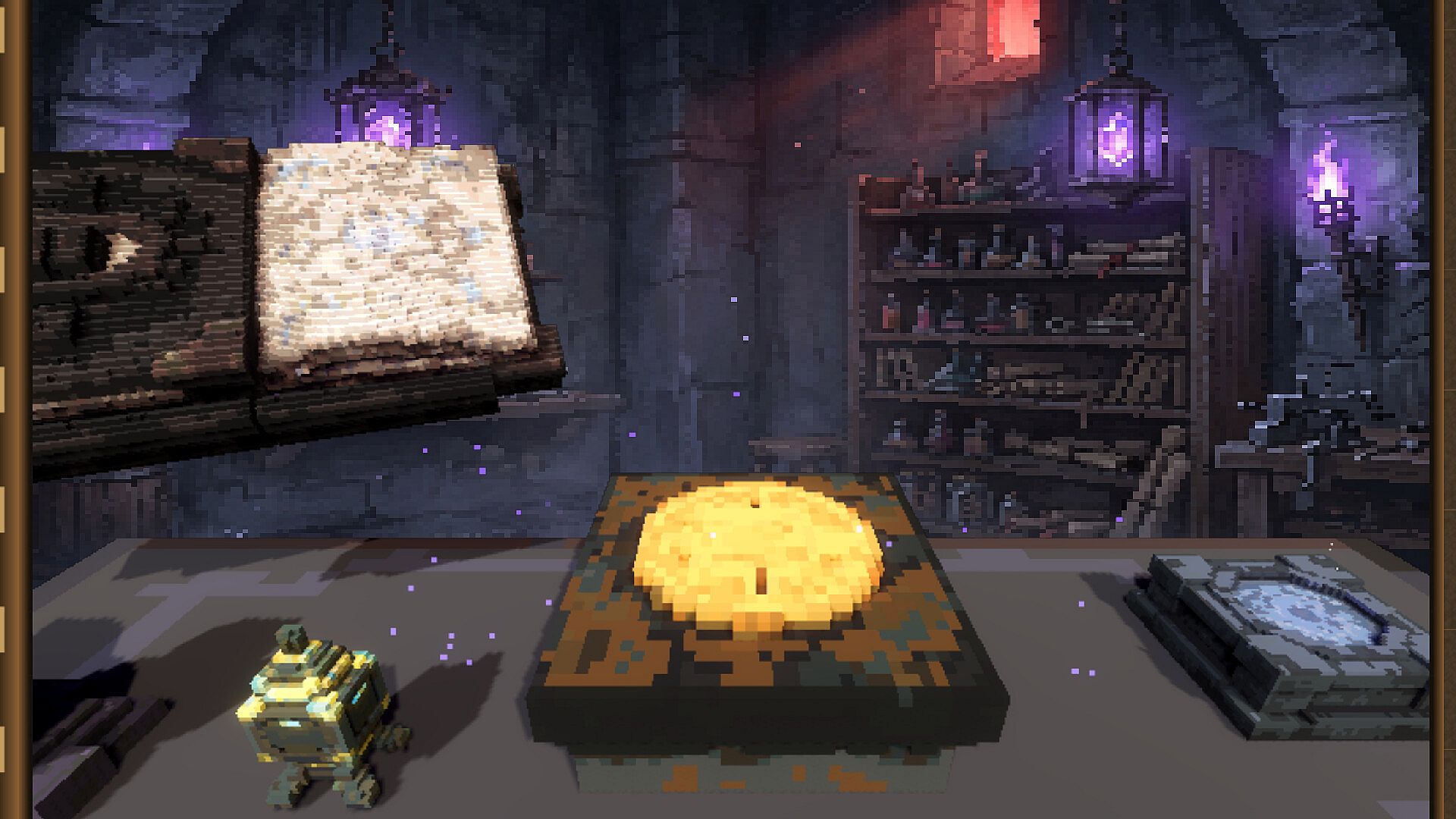
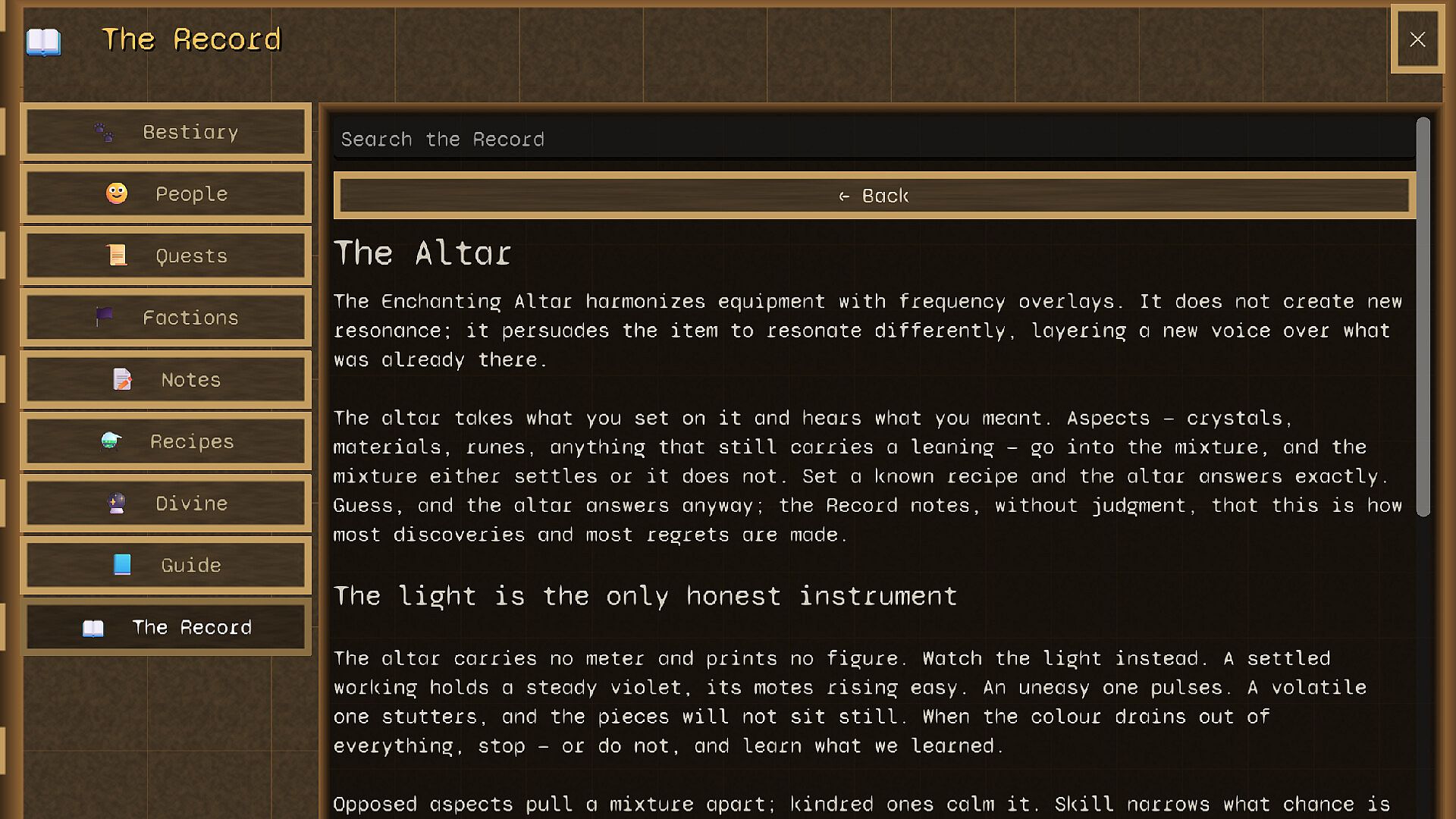
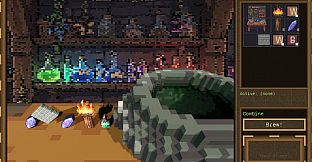
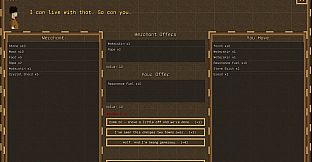
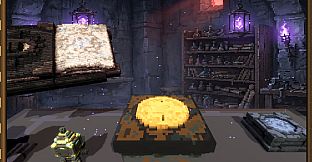
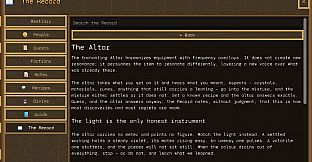
A living economy connects settlements through production, shortages, and contracts fulfilled by caravans that carry physical goods. Prices shift based on observed supply and demand. NPCs engage in open conversations driven by a local language model that references actual events from the player's world. Five gods respond to prayers through their domains, with devotion, hubris, and standing influencing later events. Enchanting occurs at an altar without meters or numbers, where settled workings produce reliable effects and unsettled ones introduce lasting quirks or warps.
Disasters such as meteors, earthquakes, and storms strike the world and leave permanent marks that ripple through the economy. Abilities and rites range from minor effects to large-scale terrain changes. The game runs all systems simultaneously in one shared space, allowing players to focus on settlement building, ship construction, trade networks, or divine interactions as desired.
Game Modes
Three distinct settings alter how information is presented rather than adjusting enemy strength. Casual mode provides full item knowledge and an in-game encyclopedia, along with forgiveness for changes in approach. Intermediate mode requires players to earn knowledge through use, with the encyclopedia available only in specific locations. Complex mode records only what the player has directly encountered, and refusing the record prevents further prompts.
These options suit different preferences for discovery and challenge. The world continues regardless of the chosen setting, with no fixed endpoint or win condition. Permanent changes from player actions influence ongoing events, and the storyteller adapts to deeds without resetting.
Modding and Customization
Content lives in data files that the game scans at runtime. Players can add items, blocks, recipes, runes, deities' works, and even encyclopedia entries without modifying shipped files. This structure supports extensive community modifications to expand the base systems of building, circuitry, economy, and divine interactions.
Is It Worth Playing?
Epoch Forge targets players who enjoy deep simulation and sandbox experiences where systems interconnect without artificial limits. The emphasis on real-time interactions, visible physics, functional circuitry, and responsive NPCs creates opportunities for emergent stories in a single persistent world. Those who prefer guided progression or immediate feedback may find the open-ended nature and information restrictions in higher settings demanding. Since the game remains in pre-release, its full scope will depend on final implementation, but the described mechanics align with interests in strategy, simulation, and adventure genres that reward long-term experimentation over linear campaigns.