






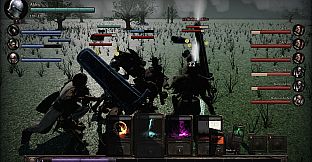
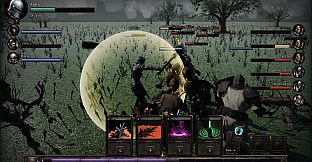
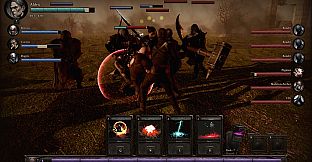
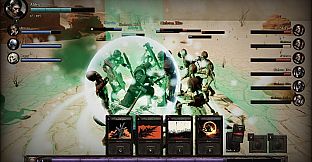
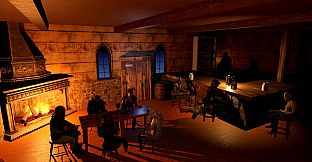
Empty Throne is a dark fantasy strategy game that blends squad-based combat, roguelite progression, and resource management on PC. Players create a hero and assemble a small warband to navigate a ruined kingdom filled with hostile creatures and environmental hazards. The experience centers on short, high-stakes runs where positioning, timing, and card play determine survival.
Gameplay
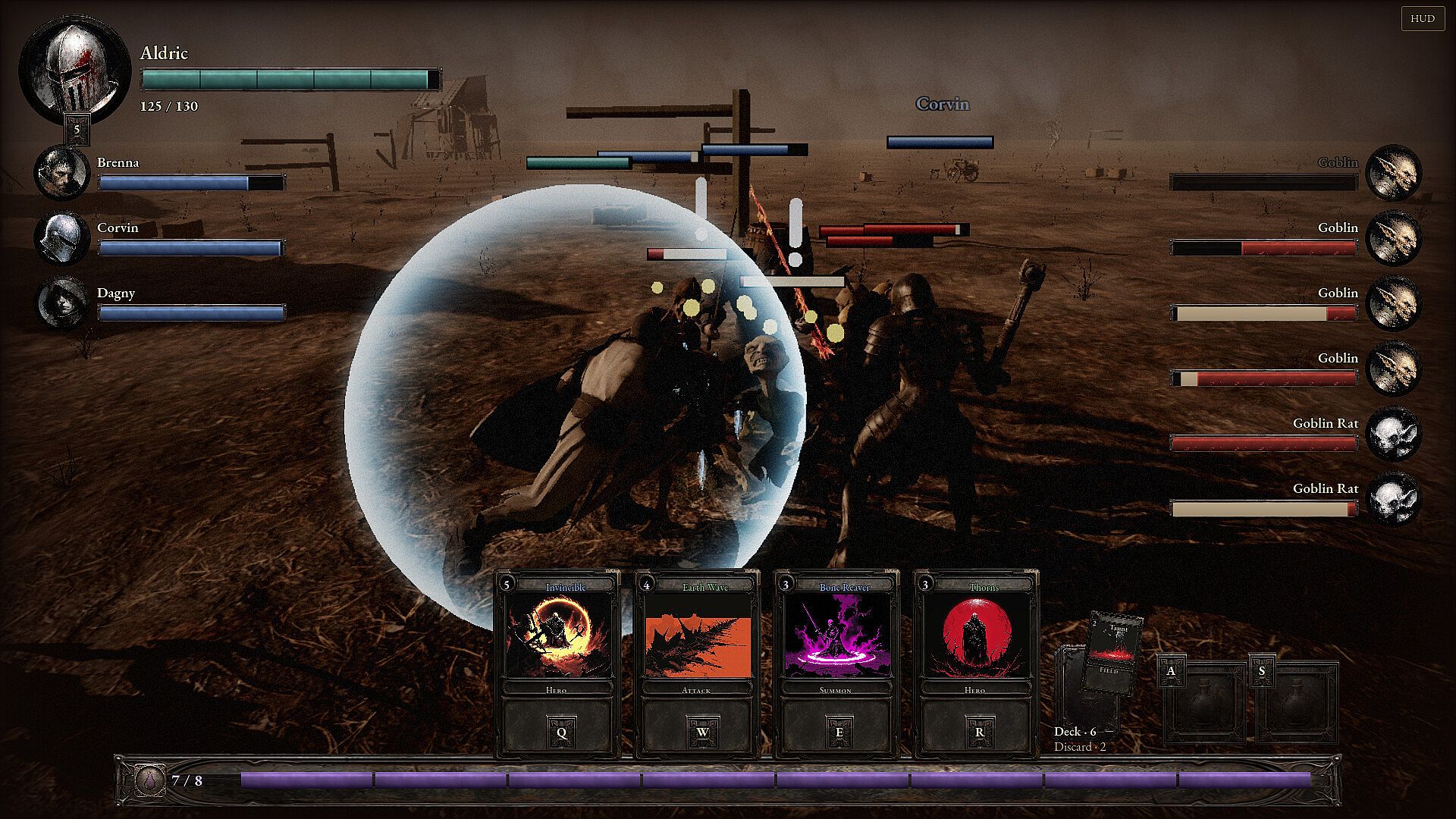
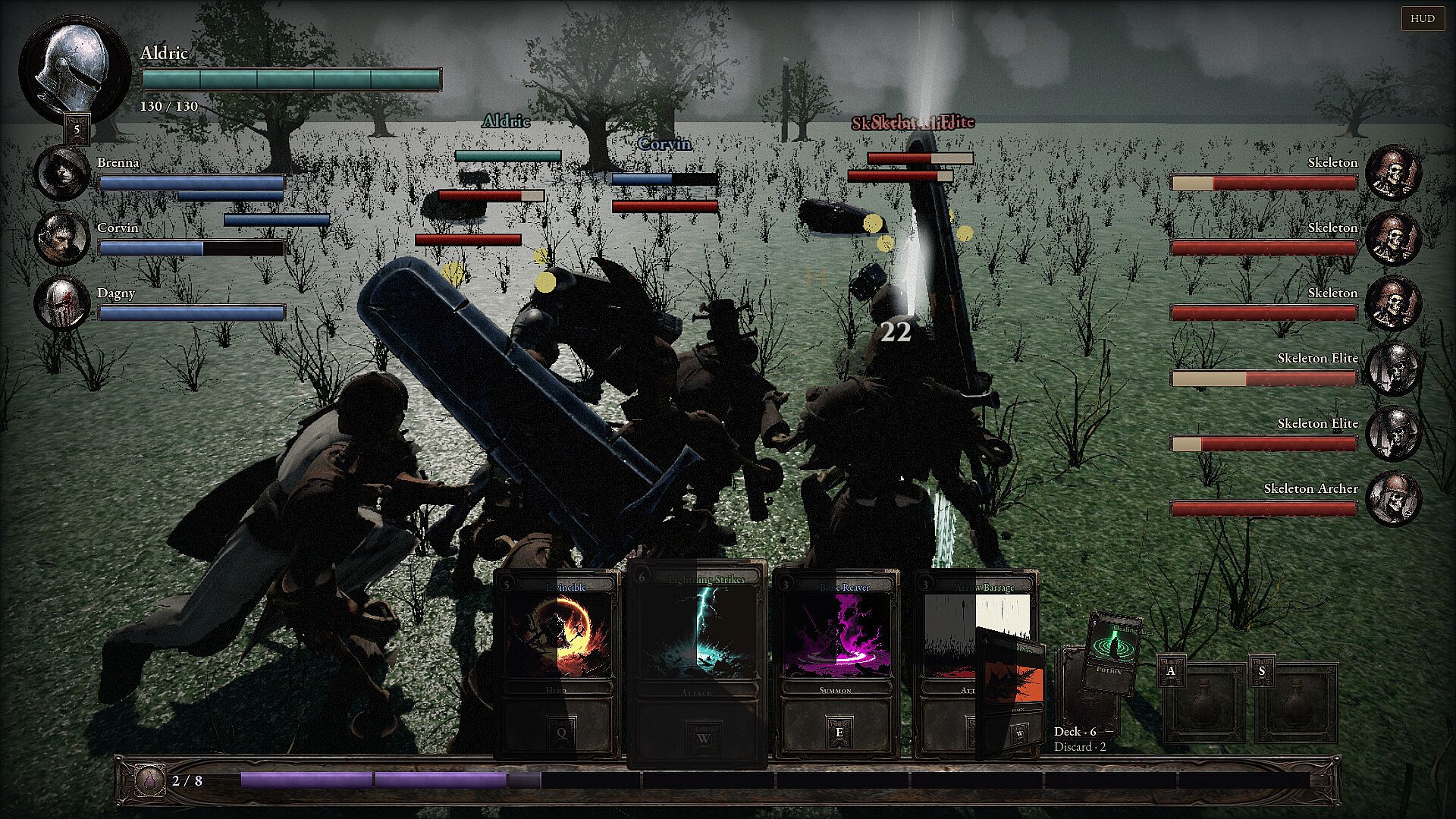
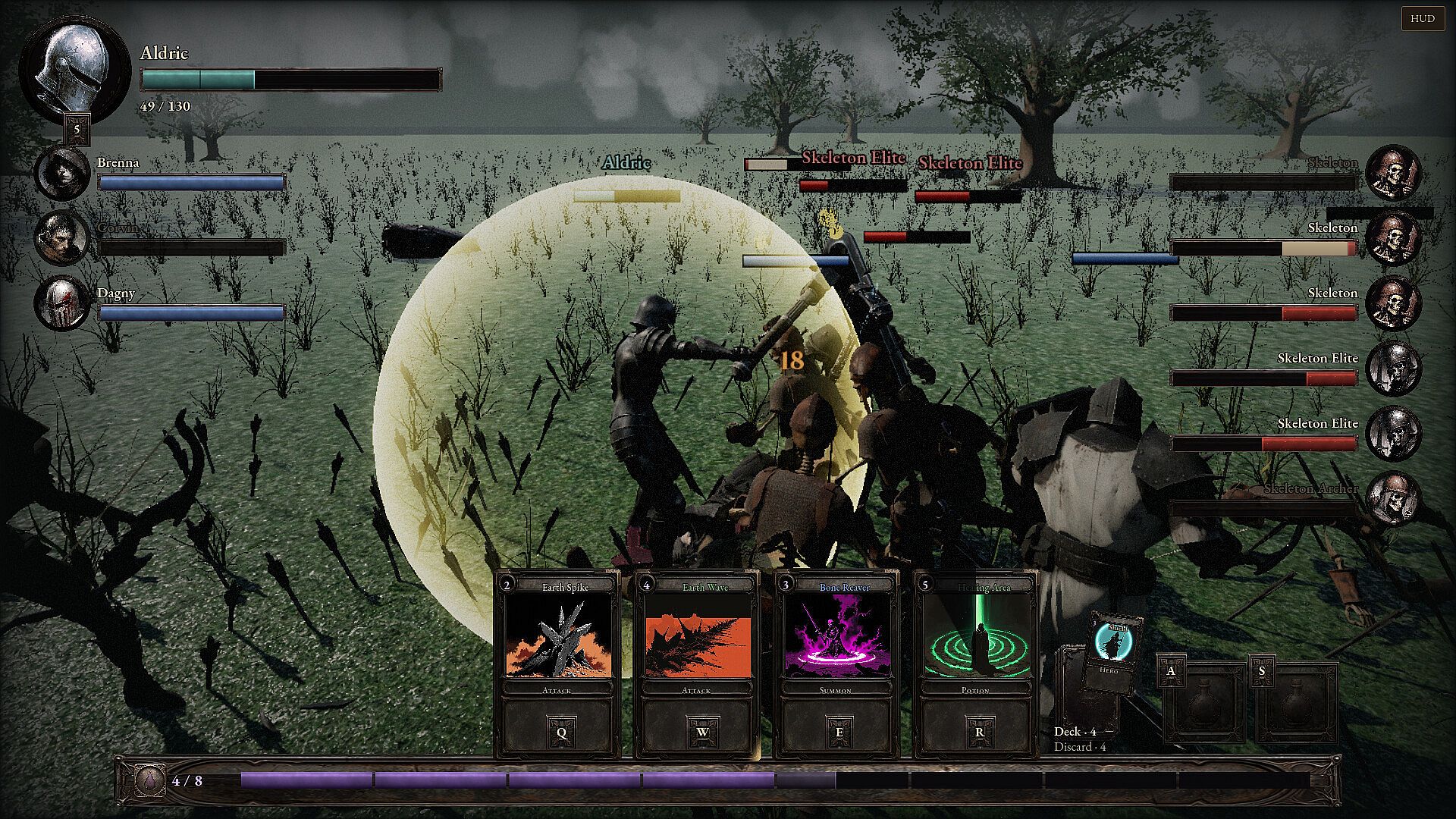
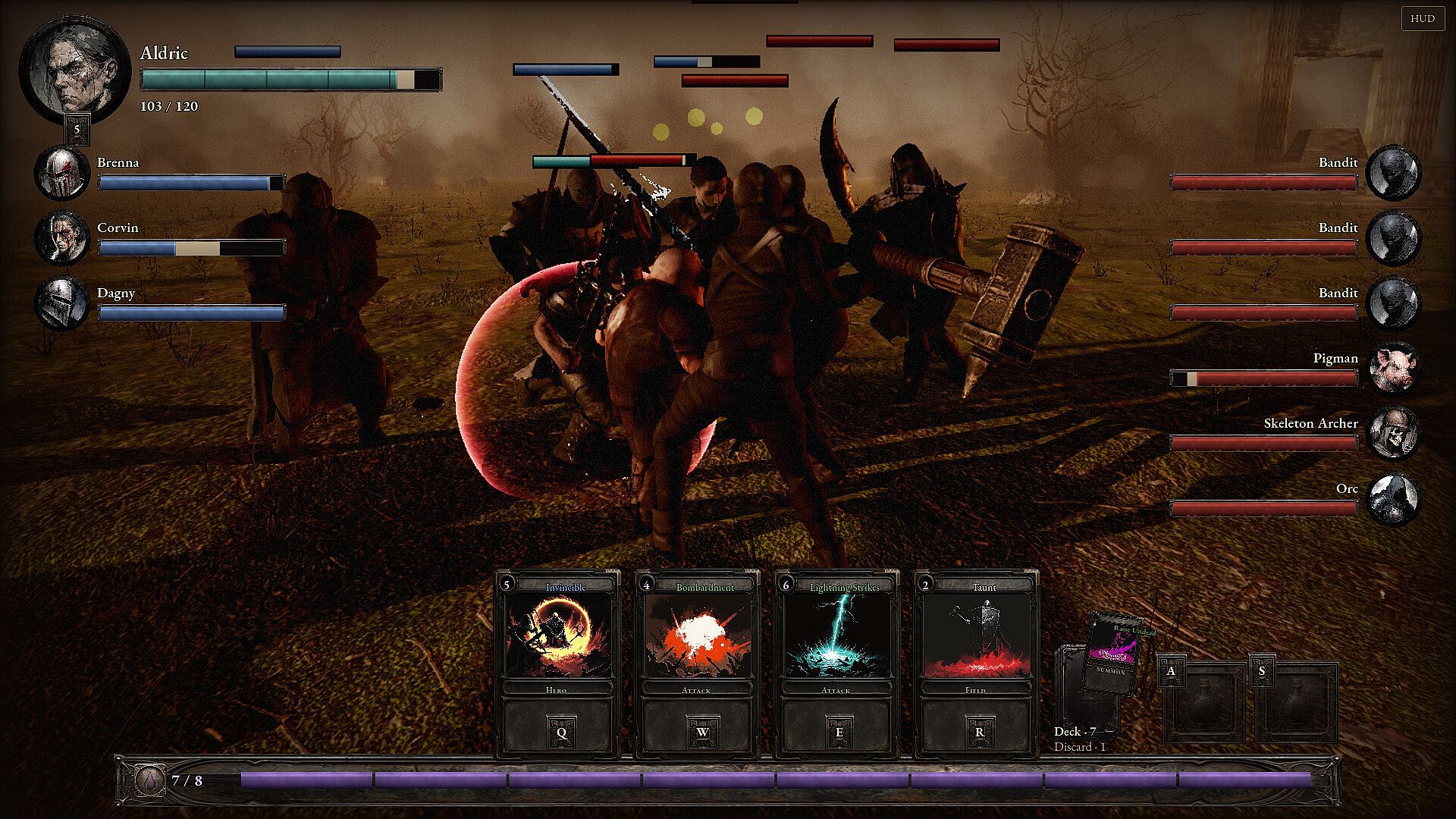
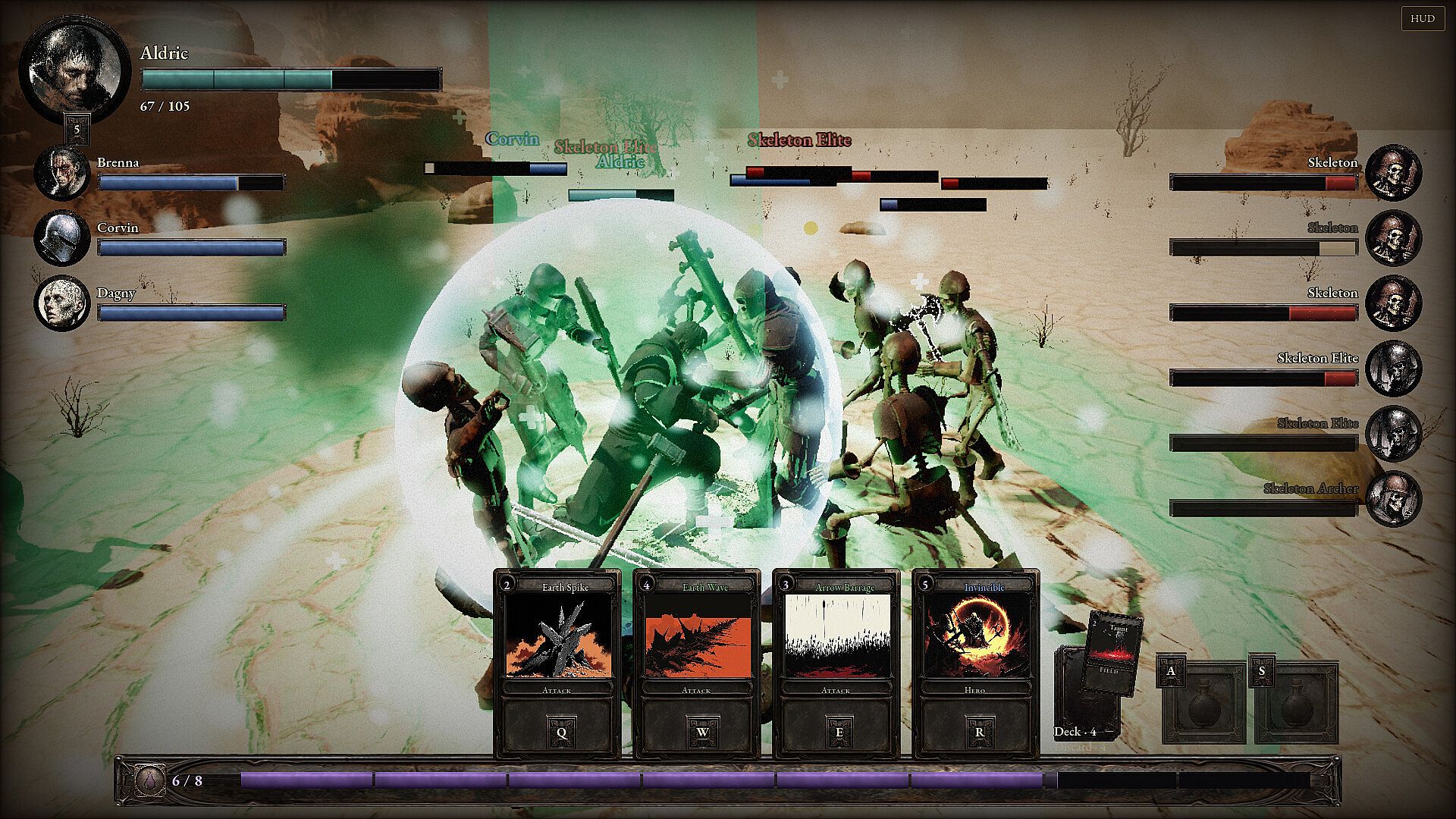
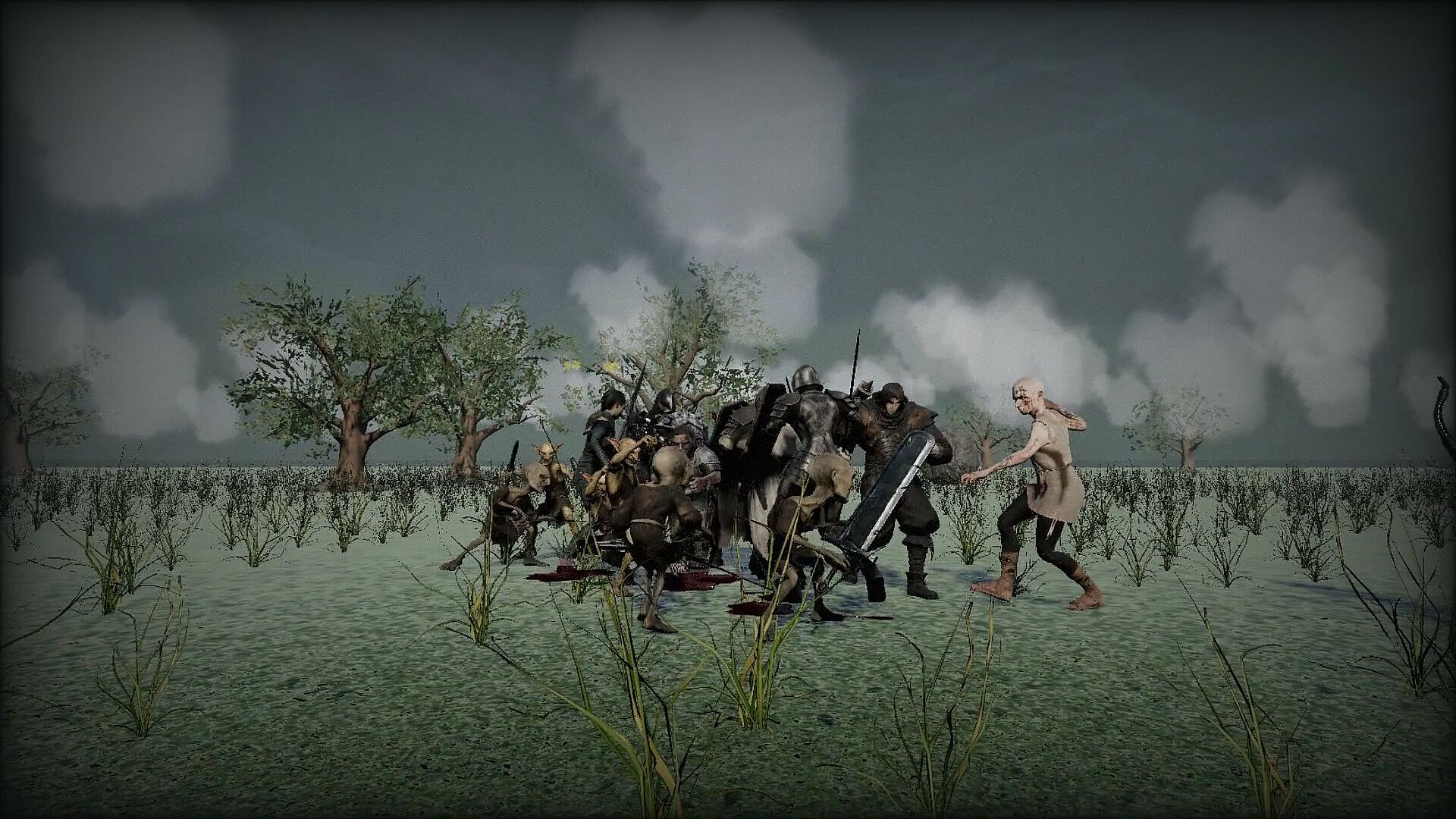
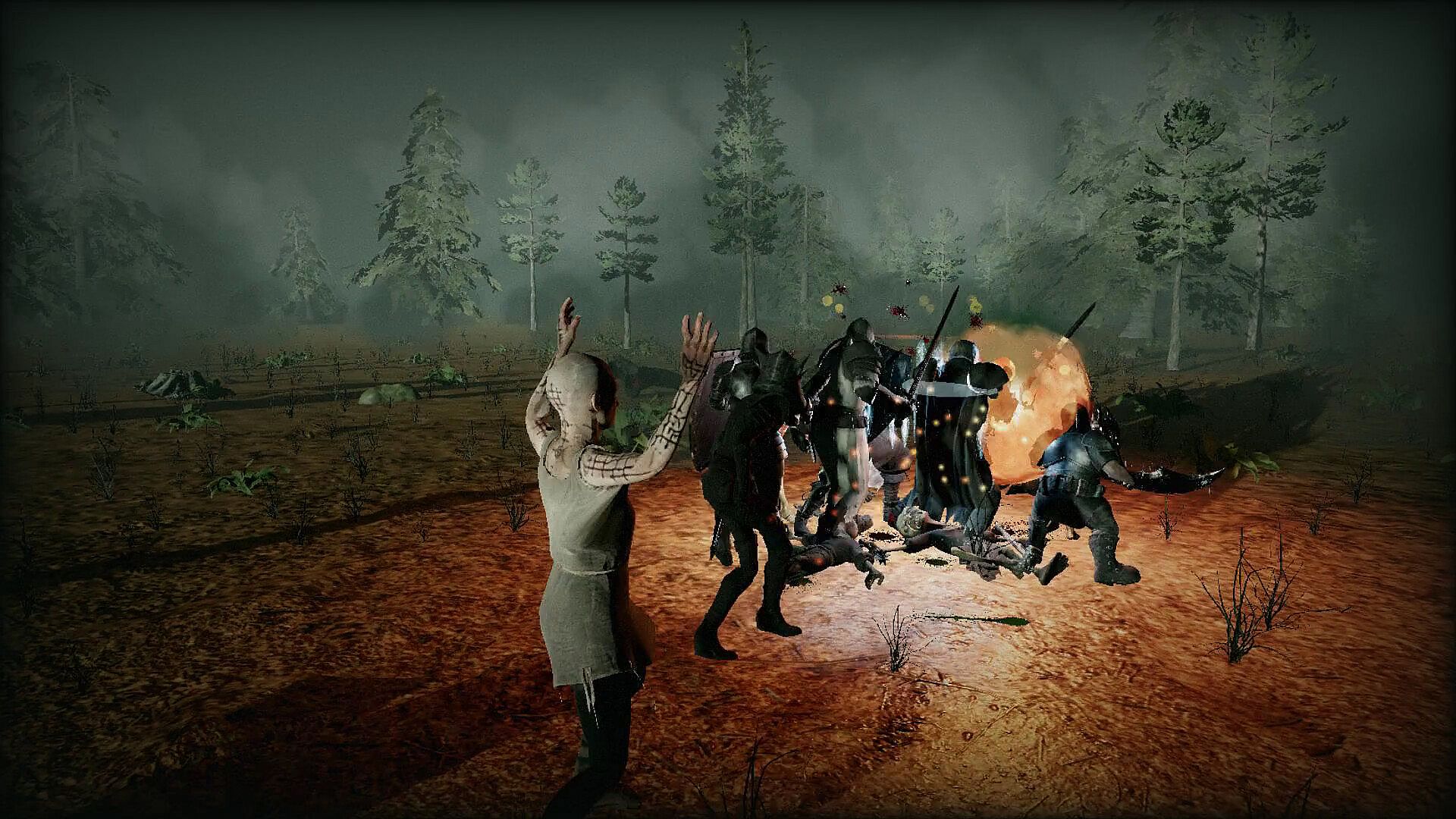
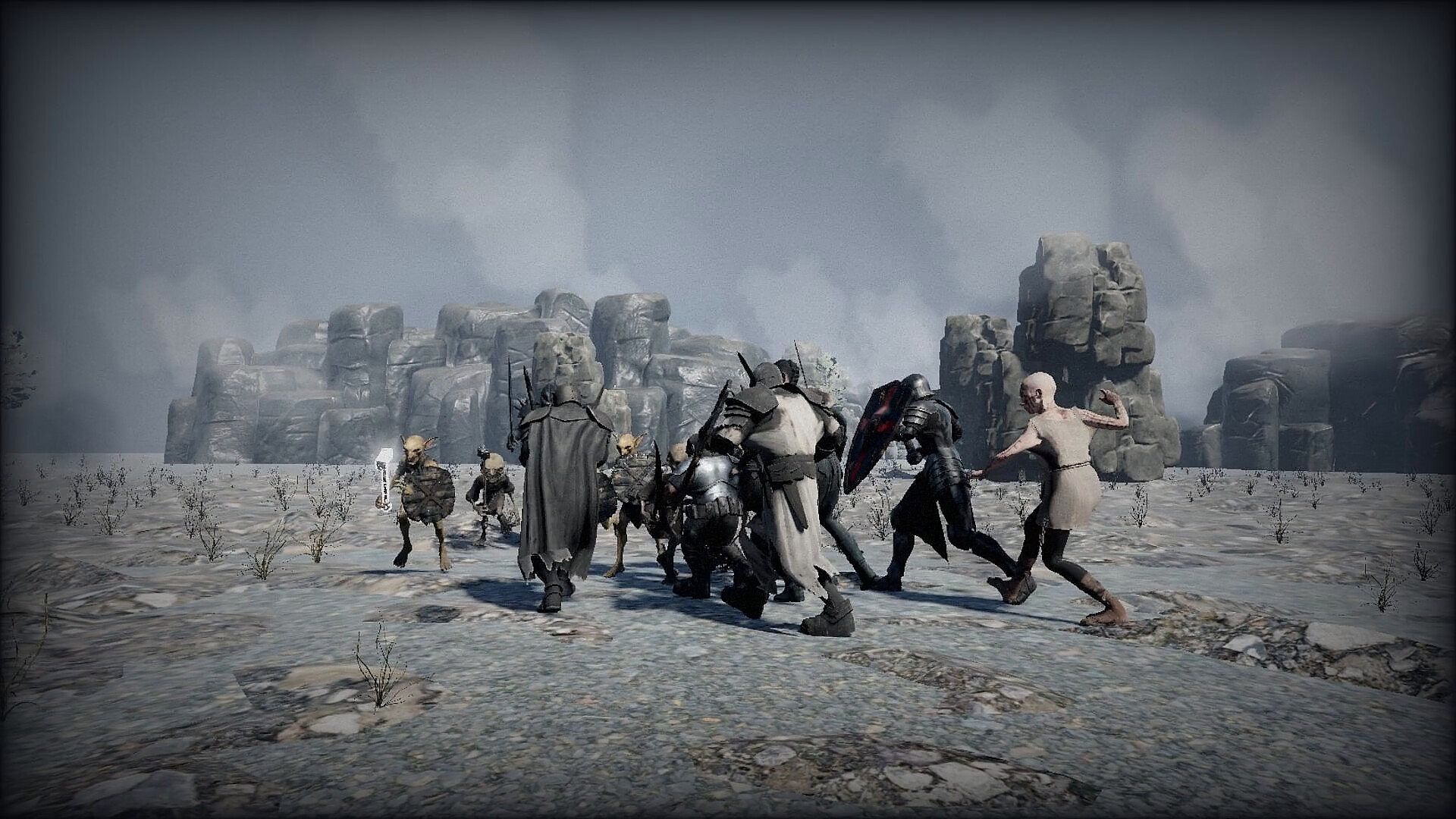
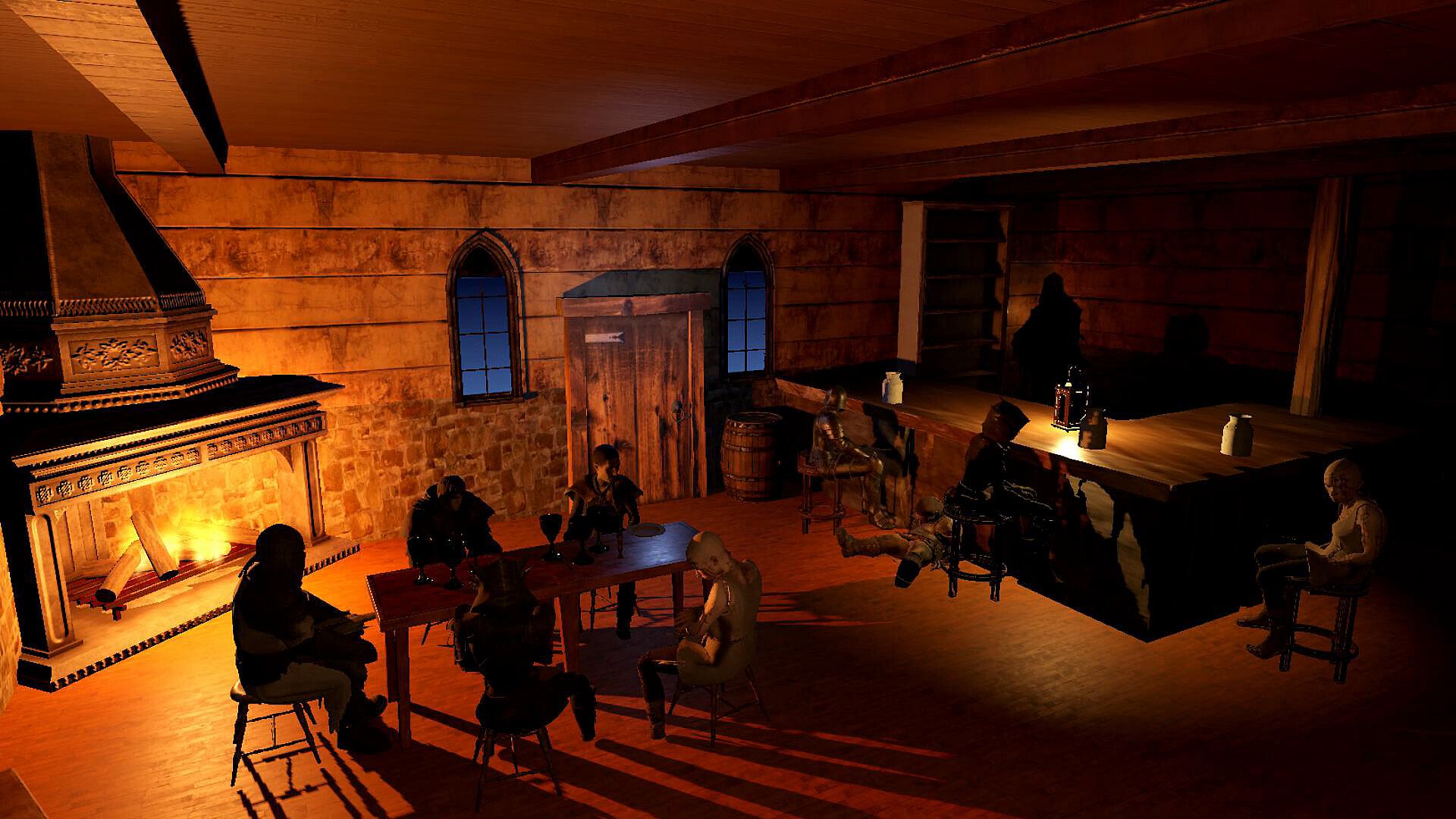
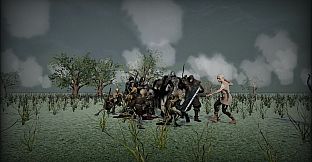
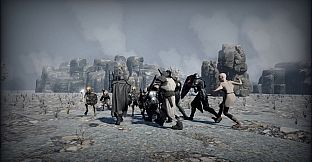
The core loop begins with hero creation and class selection among eight available options. From there, the player recruits up to seven companions from taverns or roadside encounters, choosing from roles such as knights, archers, monks, and mercenaries. Before each encounter, companions are positioned on the battlefield. Battles unfold in real time with three-dimensional models, where attacks carry visible weight and impact.
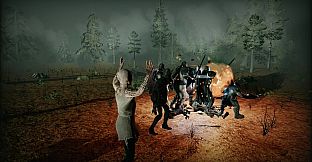
While the warband handles direct combat autonomously, the player actively influences outcomes by generating elixir and deploying cards from a hand. These include healing potions, offensive spells like fireballs, summons, and effects that alter terrain or unit behavior. Successful card timing can reverse unfavorable situations. The hero remains the focal point of each attempt; companions may be lost and replaced, but hero death ends the run immediately. Between fights, the hero gains levels and equipment to improve survivability across repeated attempts.
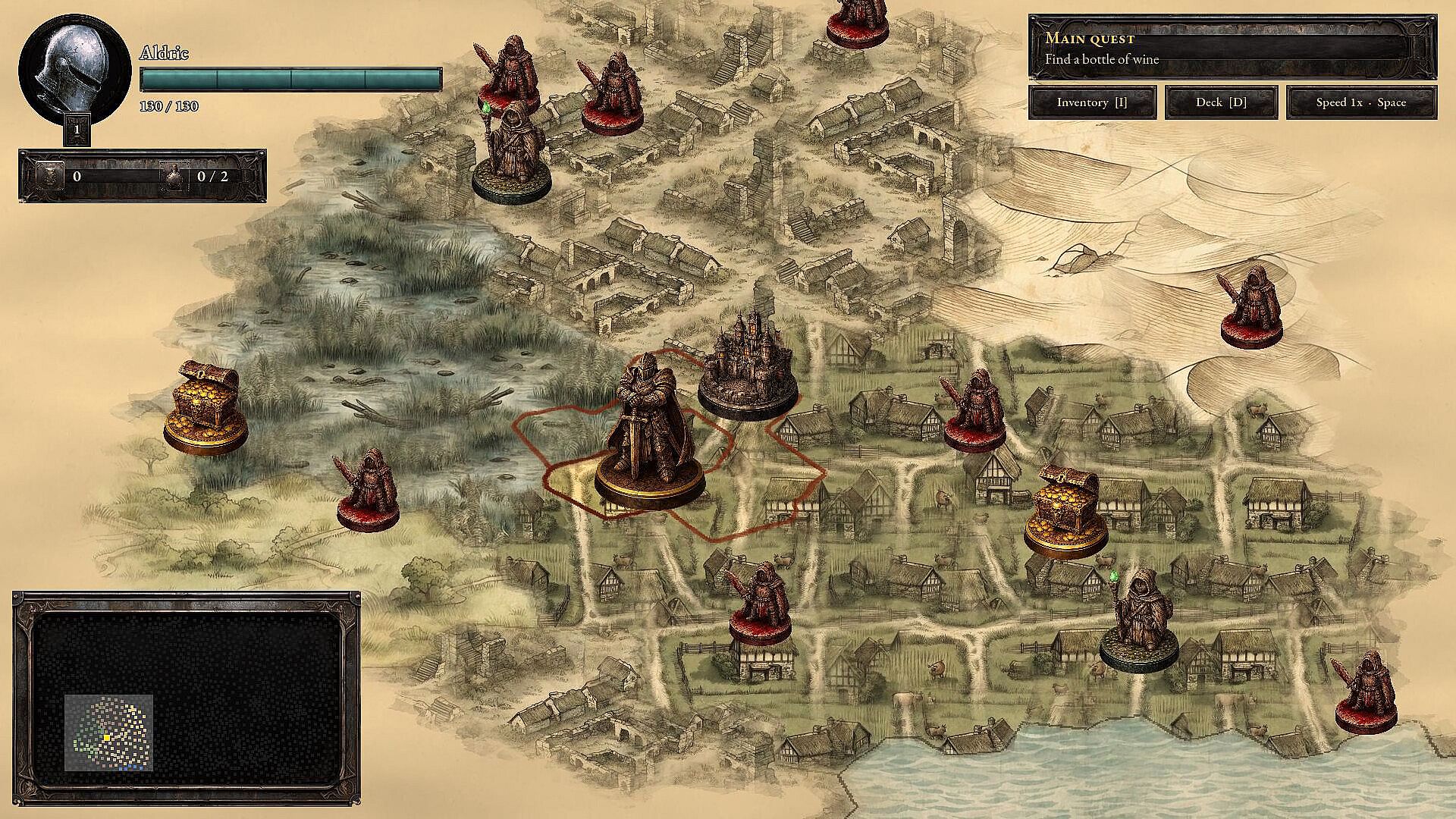
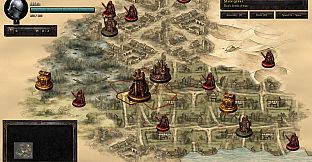
Exploration takes place across a province map featuring forests, swamps, deserts, and mountains. Returning to the central city allows access to specialized buildings for rest, weapon forging, potion brewing, card study, and prayer. Enemies range from common threats like goblins, orcs, and skeletons to larger foes such as minotaurs, with four distinct bosses positioned at key points along the path.
Game Modes
Empty Throne operates as a single-player roguelite experience built around repeated runs. Each attempt starts with a fresh hero and warband assembly, progressing through the province map until either victory or hero death. Permadeath applies only to the hero, encouraging careful battle selection and resource use. No separate multiplayer or cooperative modes are present; the focus remains on solo progression through procedural elements in enemy encounters and map traversal.
City visits between runs provide consistent progression layers, where buildings unlock or improve services that carry forward across attempts. This structure rewards experimentation with different hero classes, companion combinations, and card decks while maintaining the tension of permanent loss for the central character.
Key Mechanics and Systems
Card and elixir management adds an active layer atop the automatic squad fighting. Elixir accumulates during combat to fuel card plays, creating moments where the player must decide between immediate healing, area damage, or summoning support. Companion recruitment and positioning introduce tactical depth before fights begin, while hero-focused upgrades ensure long-term investment in a single character per run.
The dark fantasy setting emphasizes grim, weathered environments and dangerous foes rather than polished aesthetics. A growing roster of companions and enemies supports variety across multiple attempts, with battles designed to feel weighty through real-time three-dimensional presentation.
Is It Worth Playing?
Empty Throne suits players who enjoy roguelite runs combined with squad tactics and light card-based intervention. The permanent hero death mechanic creates meaningful tension, while the ability to rebuild a warband each time supports experimentation with different classes and companion synergies. City management elements provide a steady sense of progression between attempts, appealing to those who like simulation and RPG systems alongside strategy combat.
The game targets fans of dark fantasy settings who prefer focused warband leadership over large-scale army command. Its real-time battles with manual card support offer a distinct rhythm compared to purely turn-based or fully automated squad games. Availability on PC makes it accessible for those interested in iterative runs that reward careful planning and timely interventions.











