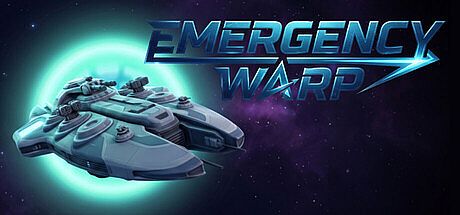




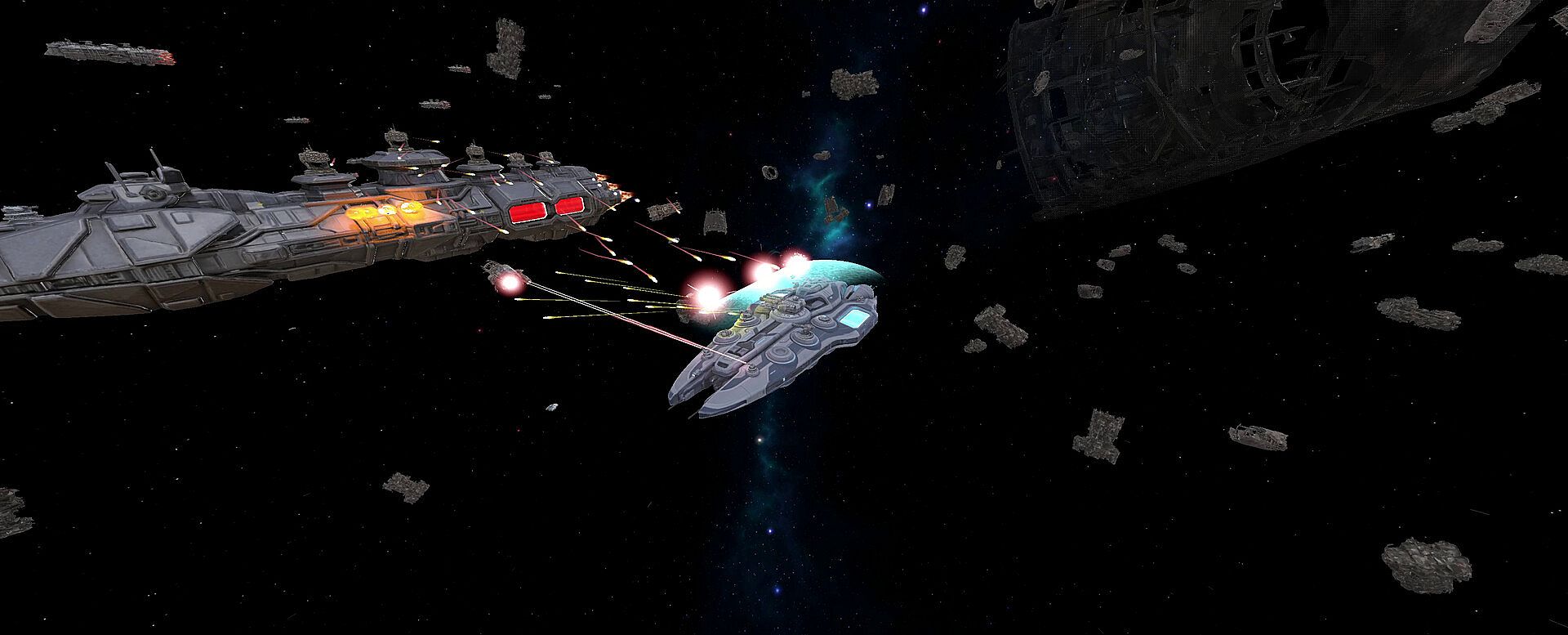


Emergency Warp is a casual tactical space defense roguelite built around high-stakes extraction runs in hostile space sectors. Players command an orbital fortress that relies entirely on energy shields for survival while deciding how far to push each run for greater rewards. The core loop centers on defending against waves of debris and enemy fire, managing limited resources, and choosing the right moment to trigger an emergency warp retreat before shields fail.
Gameplay
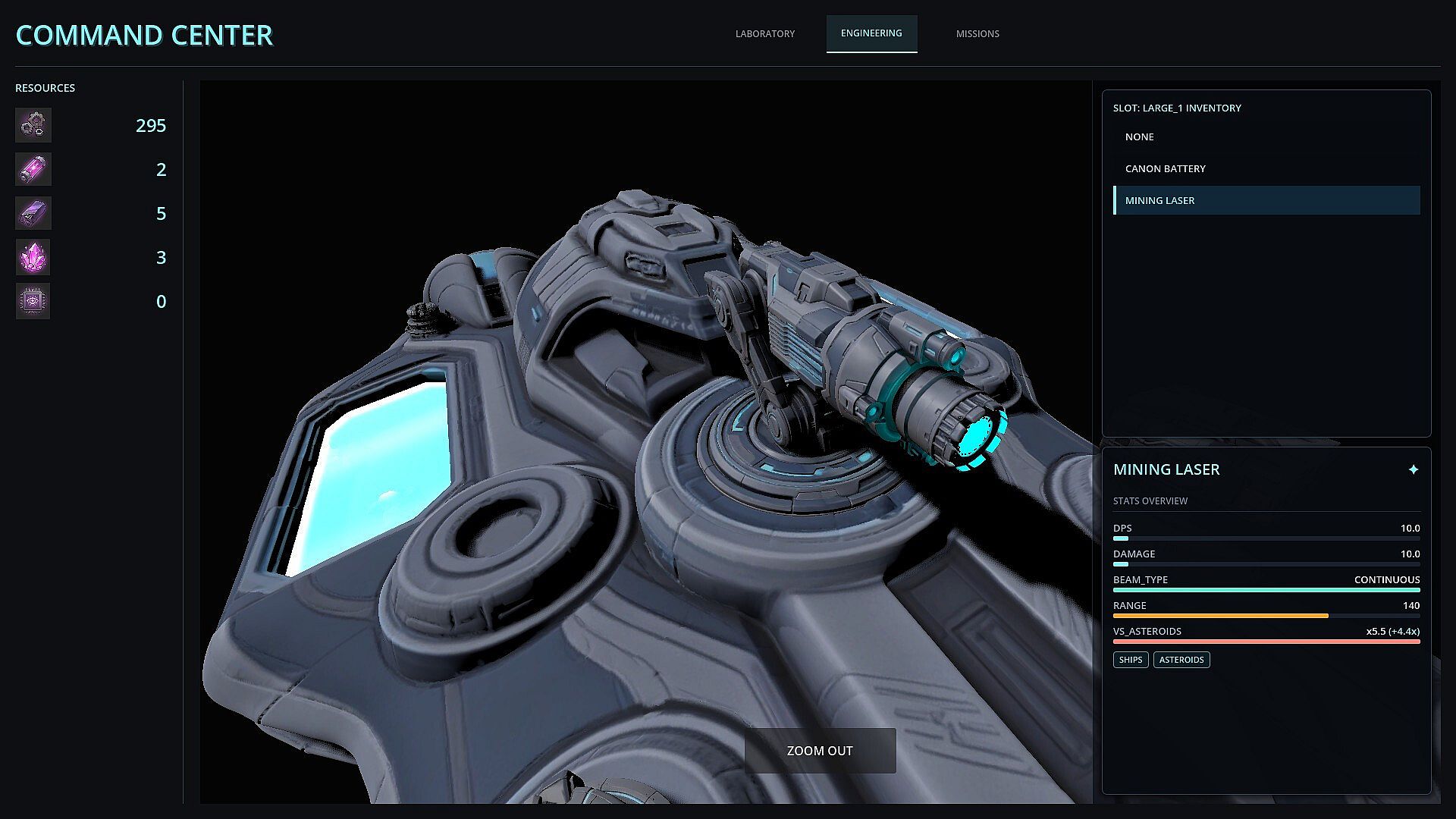
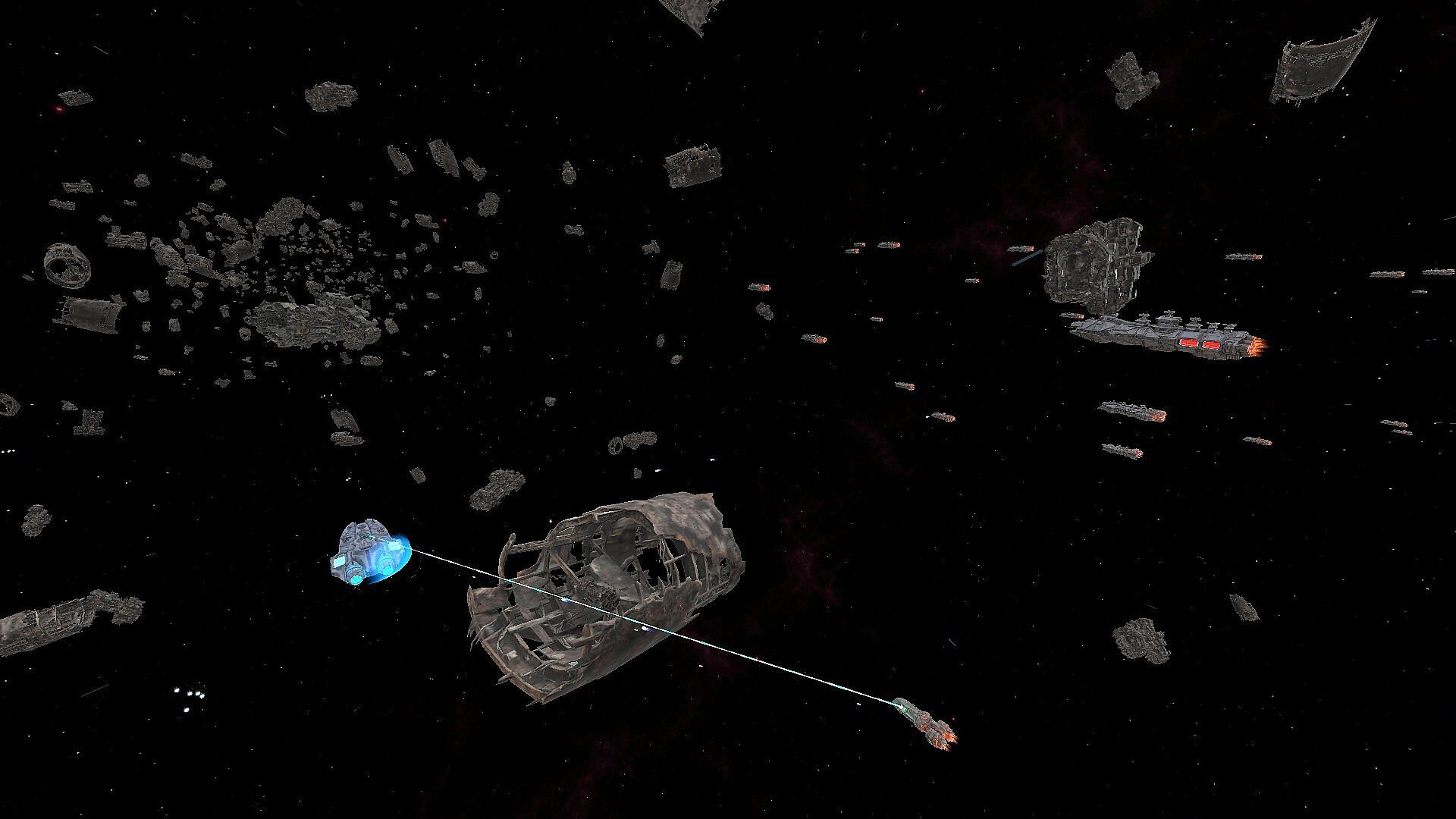
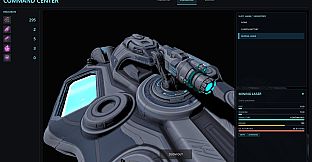
Combat revolves around point-defense systems that intercept incoming torpedoes, rockets, and debris before they reach the ship. Players mount weapons on modular hardpoints, choosing from options such as heavy cannons, piercing railguns, plasma batteries, swarm missiles, and high-yield torpedoes. Autonomous strike fighters and patrol interceptors provide additional firepower, while salvage drones collect resources during the fight.
Shields serve as the only barrier between the fortress and destruction. There is no hull integrity to fall back on, so every hit reduces shield strength directly. Strategic utilities add layers of defense, including deployable flak fields, emergency shield overchargers, and automated refineries that process gathered materials on the fly. Resource management plays a constant role, as scrap, plasma, and hypercrystals fuel both immediate survival and long-term upgrades.
The tension builds through escalating waves that increase both the volume of threats and the value of collected cargo. Players must balance aggressive clearing of sectors against the risk of shield collapse, creating runs that reward careful positioning and timely retreats.
Game Modes
Each session follows the roguelite structure of procedural sector runs that end either in successful extraction or ship loss. Runs scale in difficulty through successive waves that culminate in boss encounters, forcing players to adapt turret loadouts and drone commands on the fly. Meta-progression carries resources across runs to unlock new hardpoint configurations, shield upgrades, and carrier capabilities in a branching tech tree.
The central decision point remains the emergency warp mechanic. Initiating the three-second retreat sequence secures whatever resources have been gathered, while staying for one more wave risks total loss of the haul if shields reach zero. This creates repeatable short sessions focused on optimization rather than lengthy campaigns.
Key Systems and Progression
Customization extends beyond weapons to include specialized modules that alter how the fortress handles threats. Heavy cannons excel at sustained fire, railguns pierce multiple targets, and missile swarms overwhelm clustered enemies. Drone operations add another dimension, letting players direct fighters for offense or interceptors for layered defense while salvage units keep resources flowing.
Meta-progression rewards successful extractions by letting players invest recovered materials into permanent hangar improvements. These upgrades expand available weapon types, increase shield capacity, and improve drone autonomy, gradually opening new strategies for later runs without altering the core risk-reward loop.
Is It Worth Playing?
Emergency Warp suits players who enjoy roguelite runs that emphasize tactical positioning and resource timing over fast reflexes alone. The shield-only survival system and the constant pressure of the emergency warp decision create a focused loop that rewards planning and restraint. Those who appreciate modular loadouts and drone coordination will find depth in experimenting with different hardpoint combinations across multiple attempts.
The game delivers its experience through short, self-contained runs that scale naturally with player skill. Its casual classification reflects accessible controls paired with meaningful strategic choices rather than simplified mechanics. Players seeking a space defense title centered on extraction risk and shield management will find the systems align closely with that preference.