



















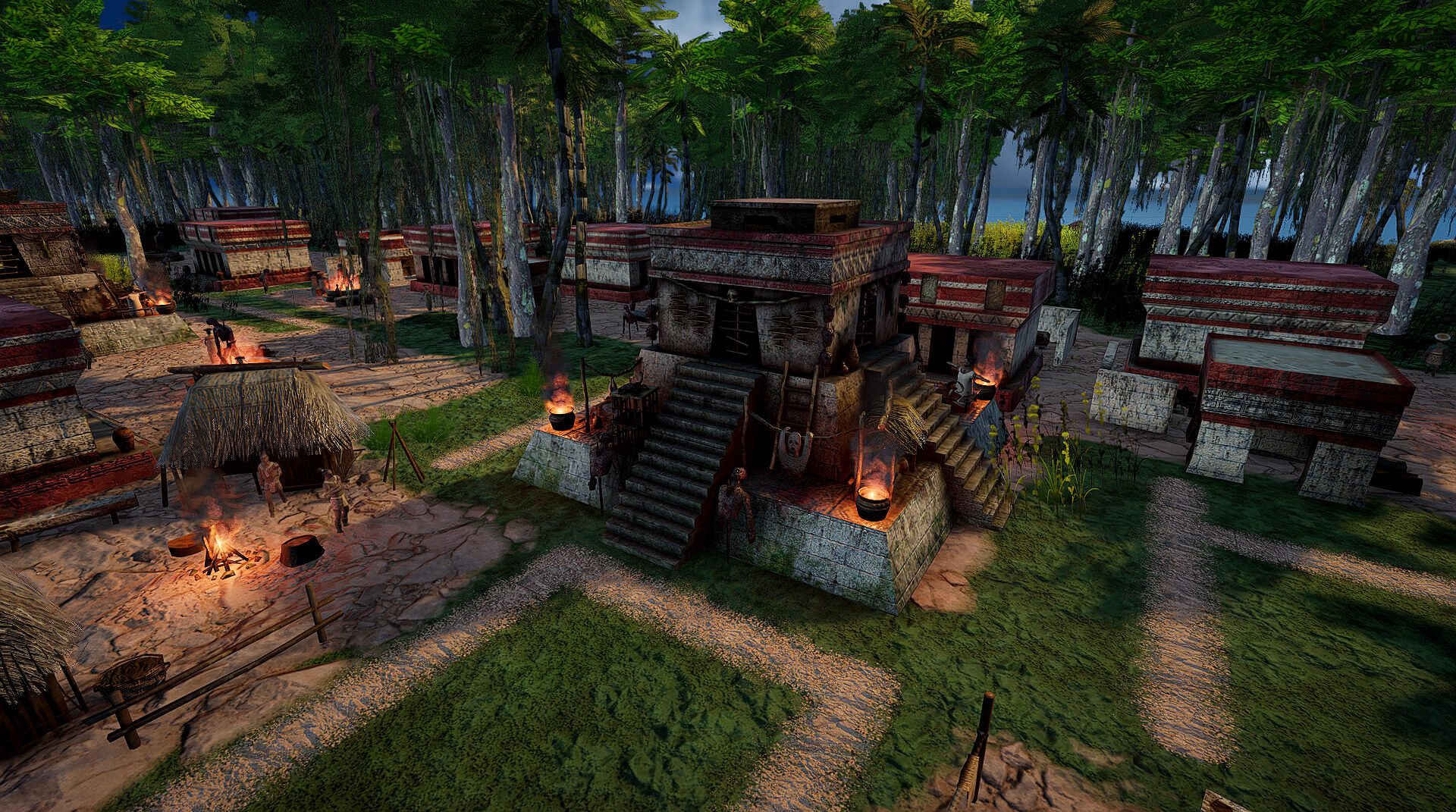
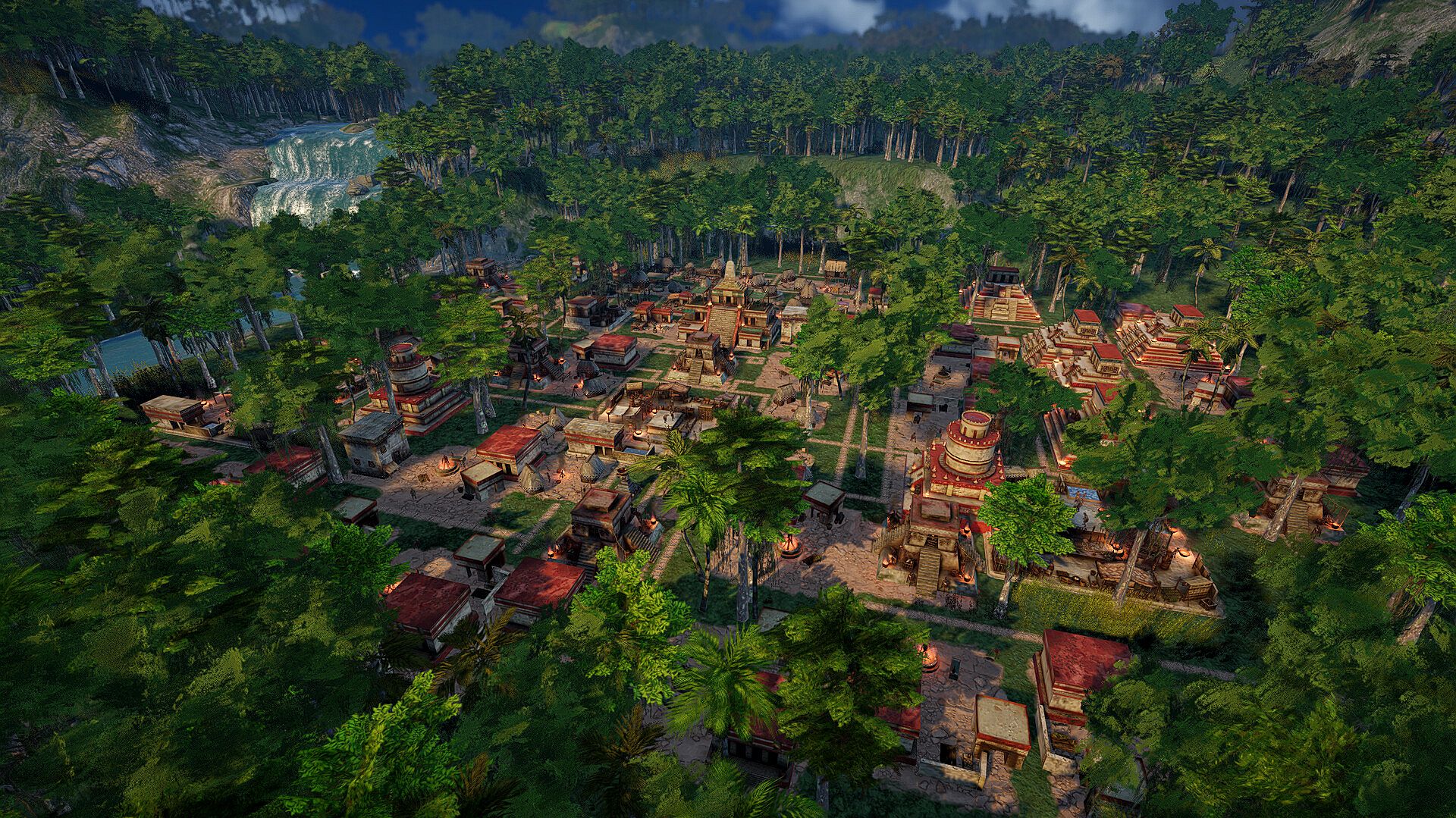
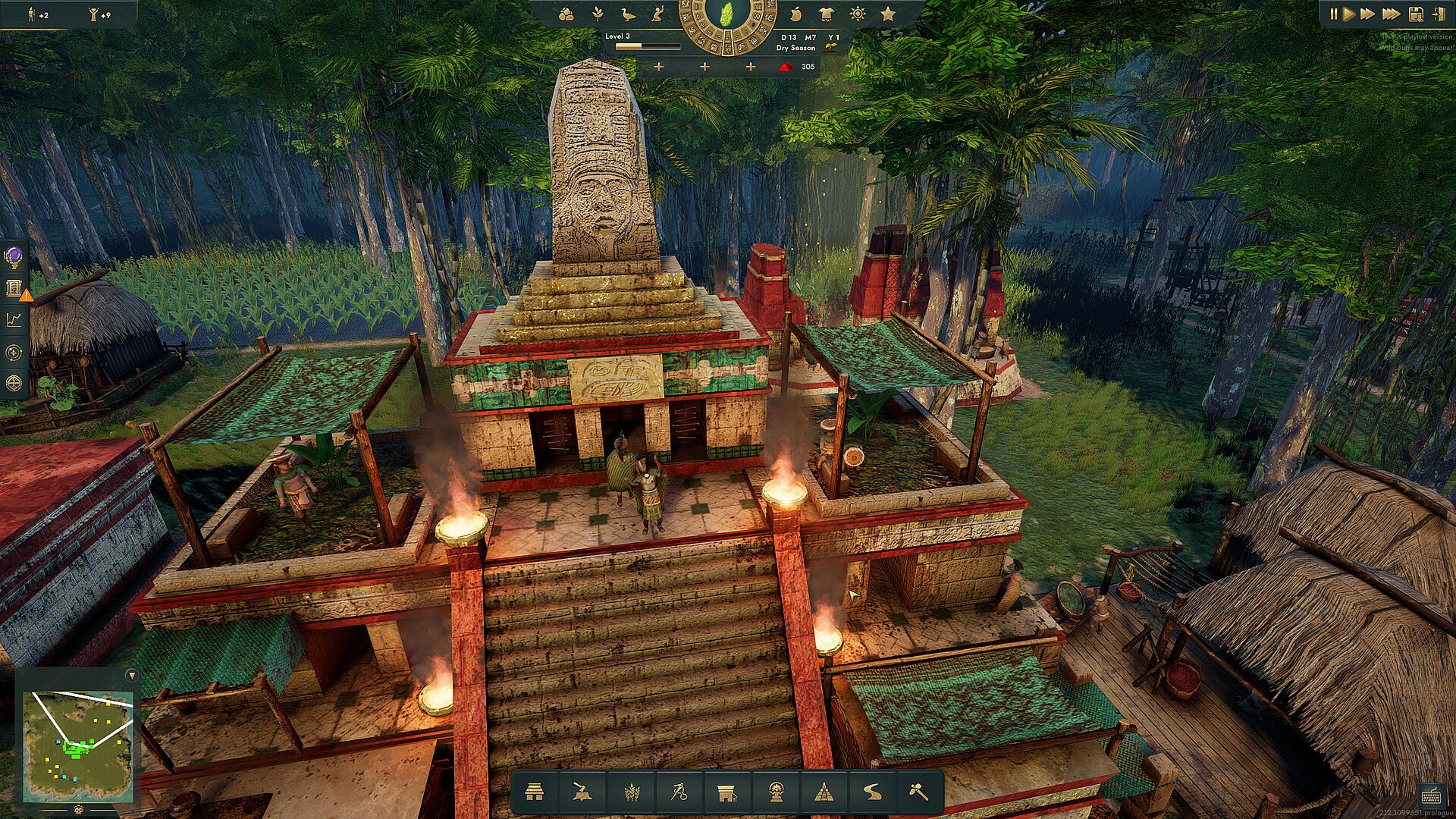
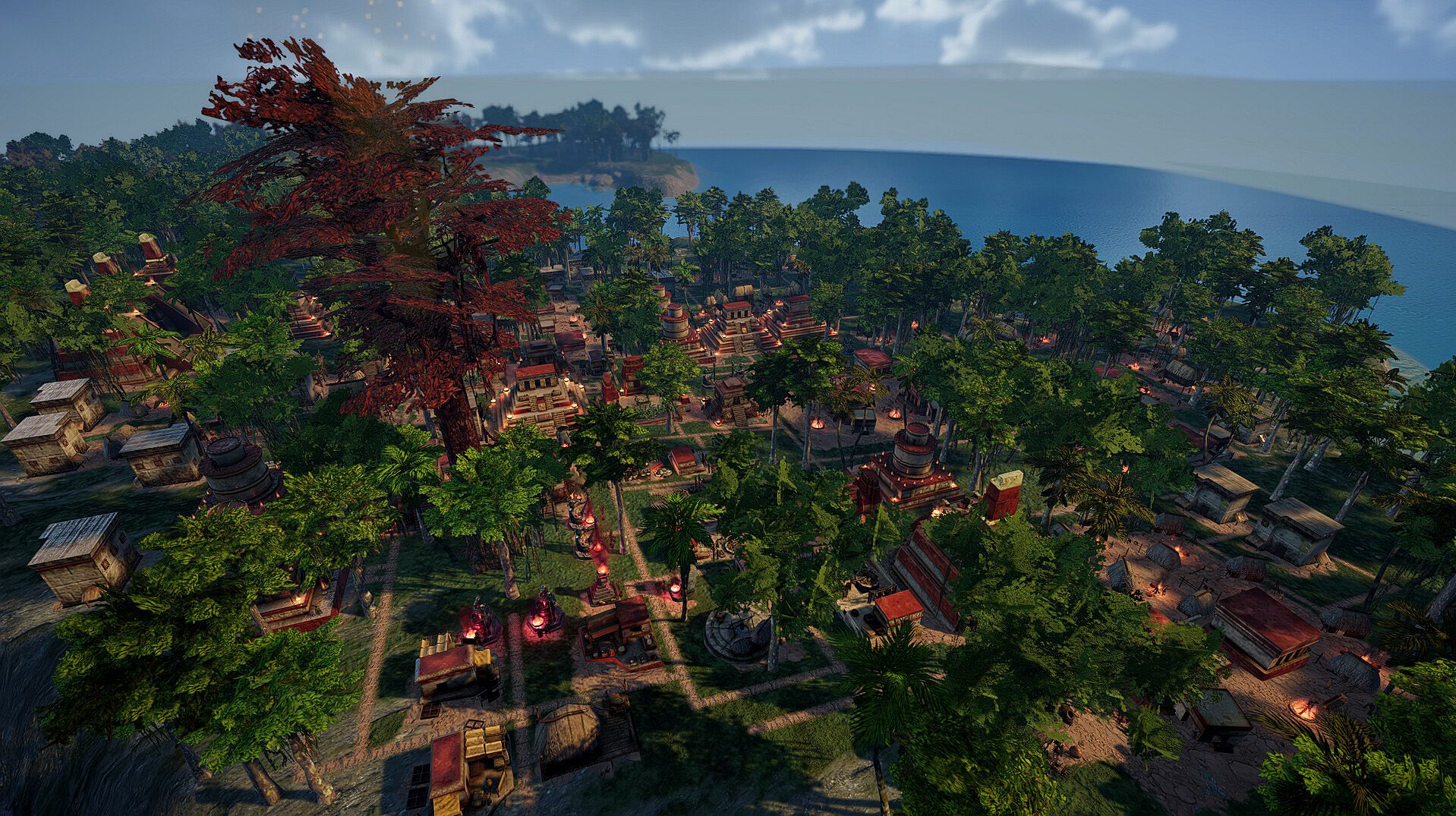
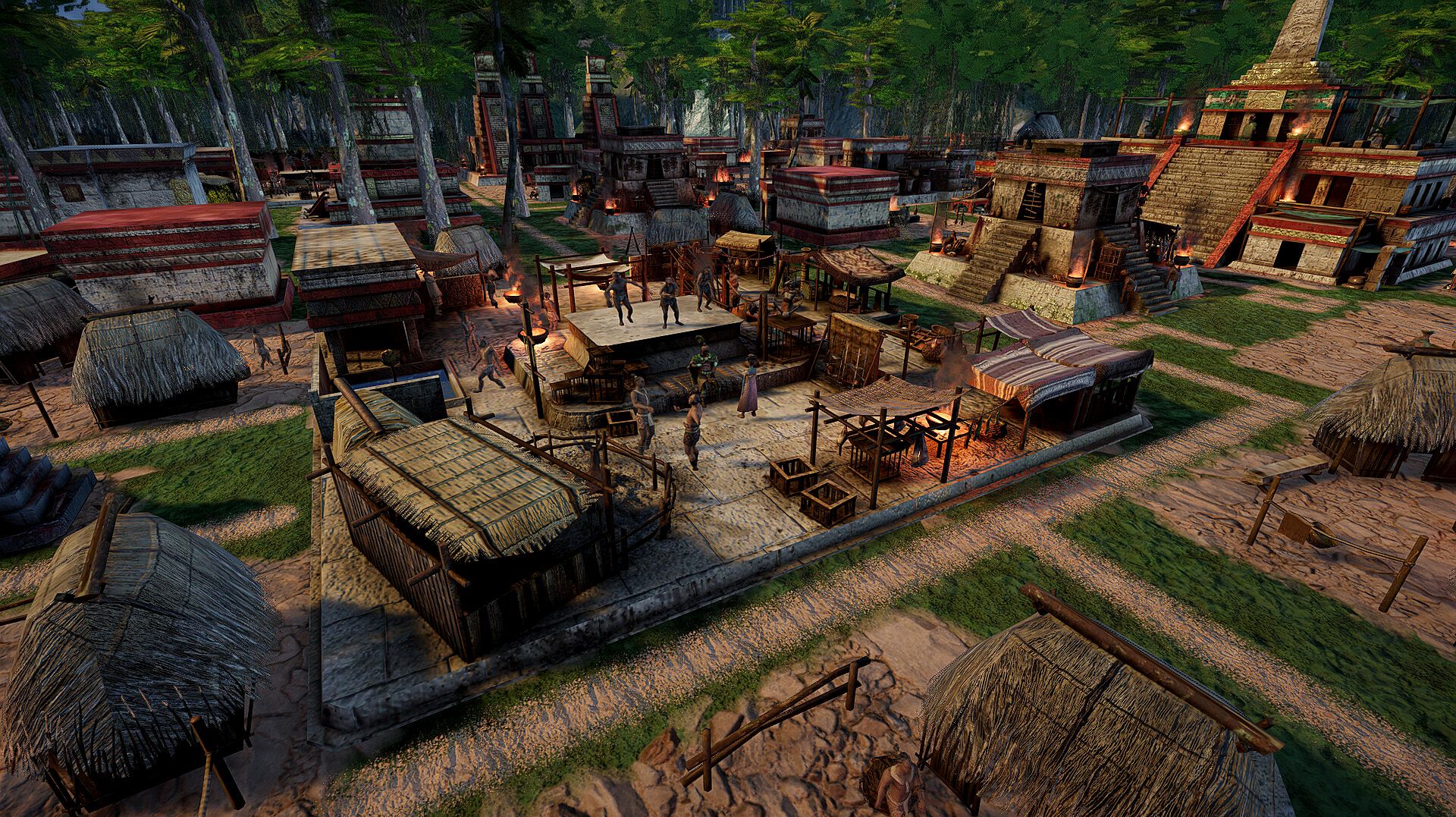
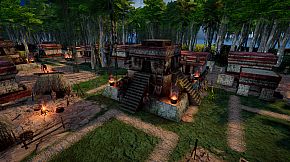
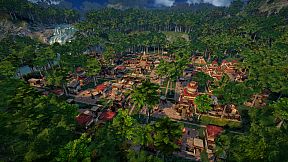
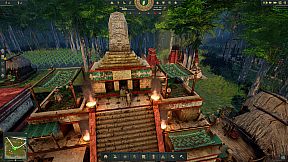
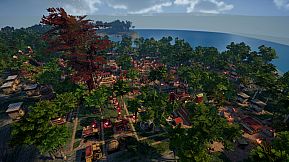
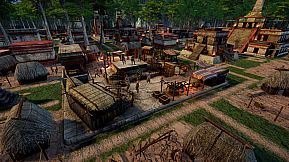
El Dorado: The Golden City Builder is a strategy and simulation game focused on city building and empire expansion across the Yucatan peninsula. Players start with a small settlement and work to transform it into a thriving, gold-rich city while managing resources, constructing buildings, and balancing relations with neighboring groups and divine forces.
Gameplay
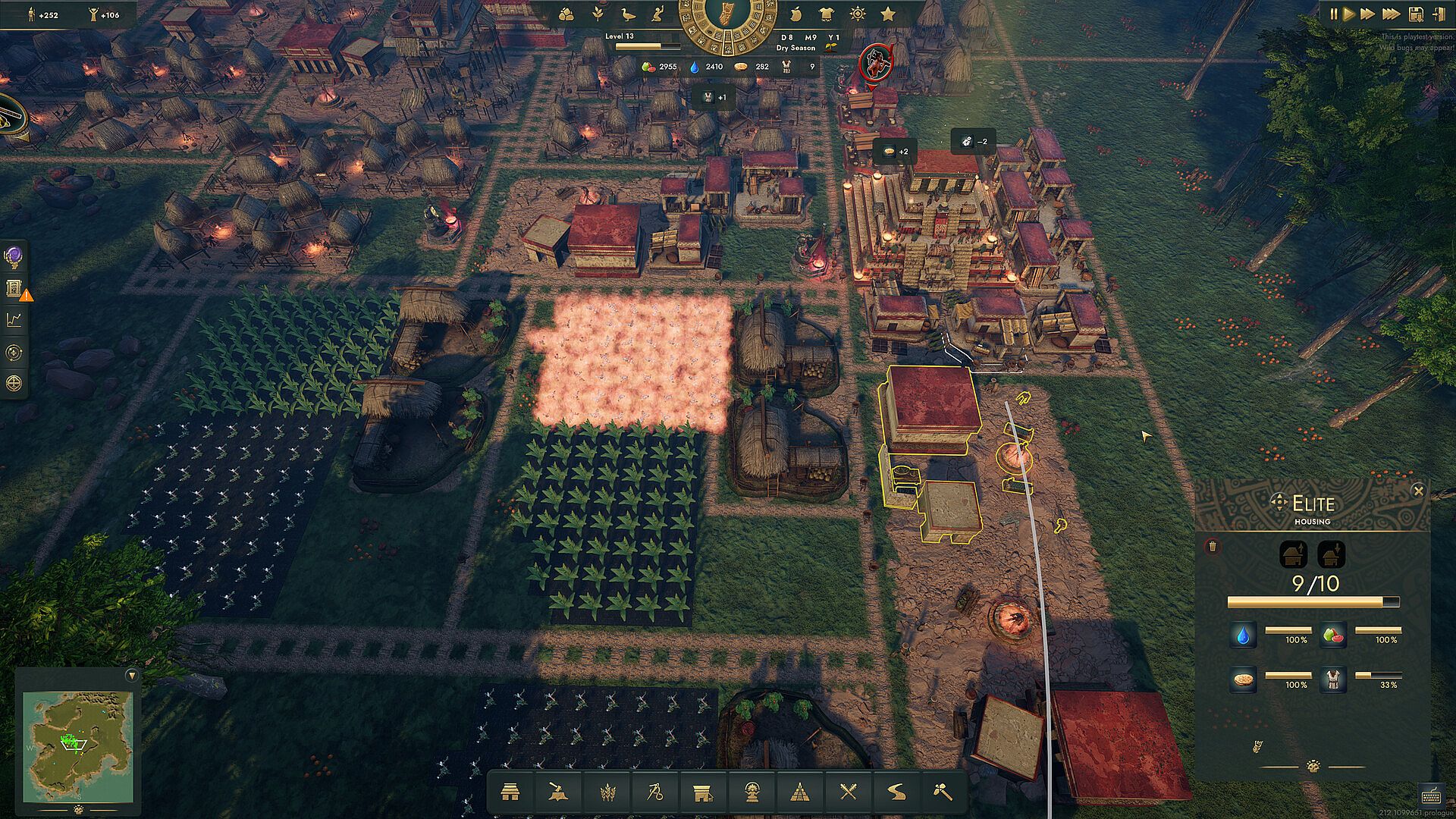
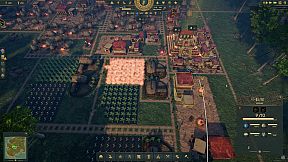
The core loop centers on planning and expanding a settlement into a dominant empire. Every structure placed, from sawmills and housing to temples and barracks, influences how efficiently the city grows and functions. Careful zoning helps speed development and supports stable resource flows needed for daily operations and military efforts.
Resource gathering forms a constant priority. Materials collected from the territory support construction, daily needs, and the creation of weapons for conflicts. Players must allocate these assets wisely to keep the settlement stable while preparing for expansion or defense.
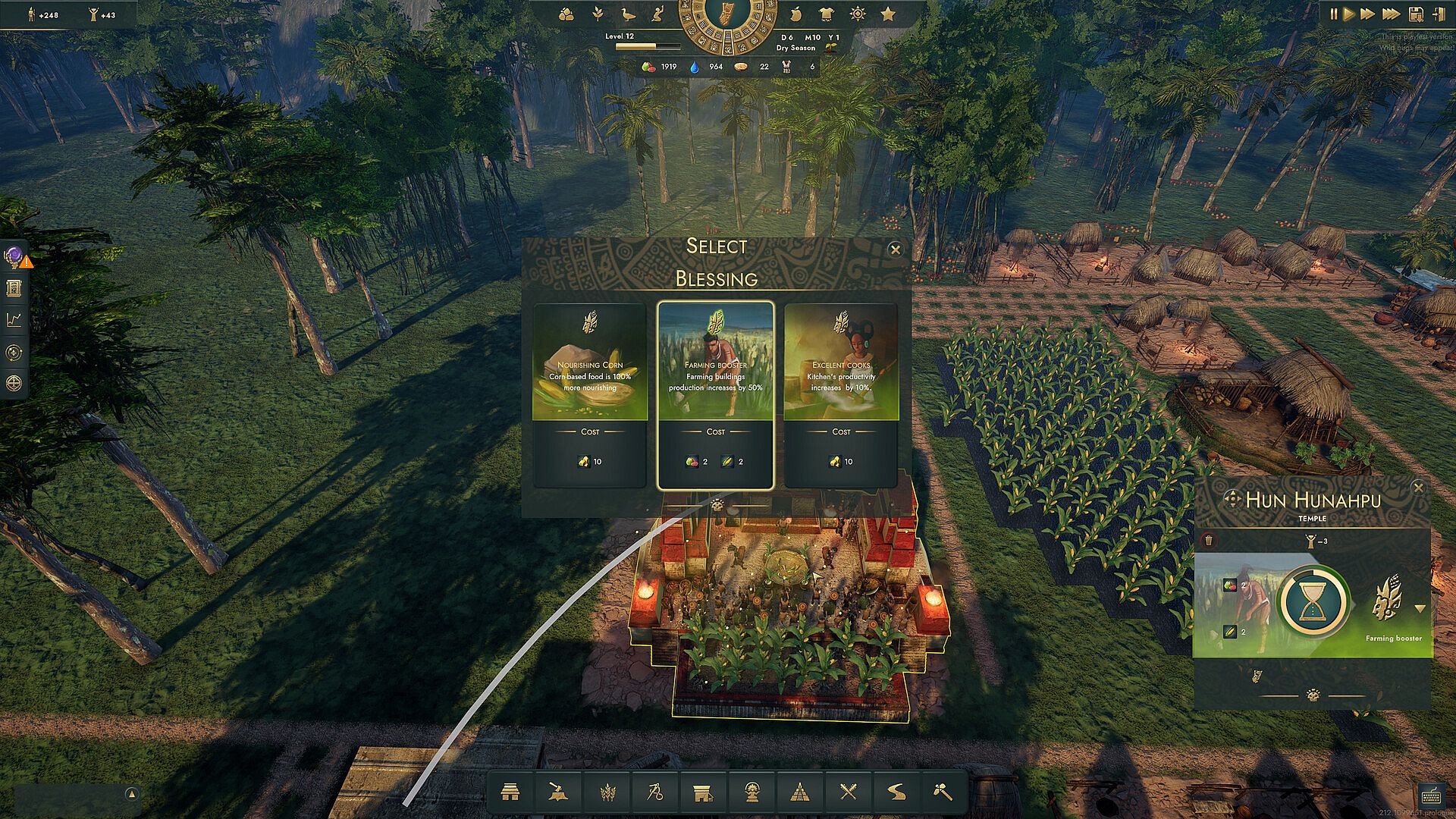
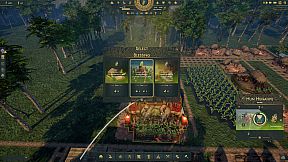
Appeasing the gods through sacrifices at temples and festivals brings benefits such as protection from disasters or higher farm yields. Neglecting worship triggers cataclysms like lightning strikes or tornadoes that damage buildings and slow progress. Timing and choice of offerings matter, as repeated or large events demand consistent attention to avoid divine wrath.
Expansion often involves interaction with other settlements. Options range from diplomatic negotiations to military campaigns that yield new land, resources, and captives. Resource management during these efforts determines whether expeditions return successful or suffer losses.
Game Modes
The experience centers on a single-player campaign of empire building. Players pursue the goal of becoming the mightiest ruler of the region through a combination of construction, resource oversight, religious observance, and optional conquest. No separate competitive or cooperative modes appear in the available information.
Progress unfolds through ongoing settlement development and periodic challenges from gods or rival groups. The structure encourages repeated playthroughs focused on different approaches to city layout and external relations.
Key Mechanics and Systems
Building placement and pathing directly affect city efficiency. Well-organized districts accelerate growth and help maintain order among citizens whose well-being depends on the leader's decisions.
Religious systems add a layer of risk and reward. Festivals and rituals performed by priests can secure divine favor, while lapses invite destructive events that require recovery time and resources.
Military and diplomatic choices shape long-term territory control. Successful campaigns provide slaves and materials that fuel further development, yet they demand careful preparation to avoid setbacks.
Is It Worth Playing?
The game released on June 17, 2024, and has received mostly negative reviews, with 38 percent positive ratings from a modest number of user submissions. Peak concurrent players reached 329 shortly after launch, and activity has remained low since.
Players interested in detailed city planning combined with resource and religious management may find the systems engaging. Those seeking polished presentation or extensive variety in objectives may encounter limitations based on current feedback. The title suits fans of indie strategy simulations who accept a focused, sometimes punishing loop centered on steady empire growth and occasional setbacks from divine or rival interference.