


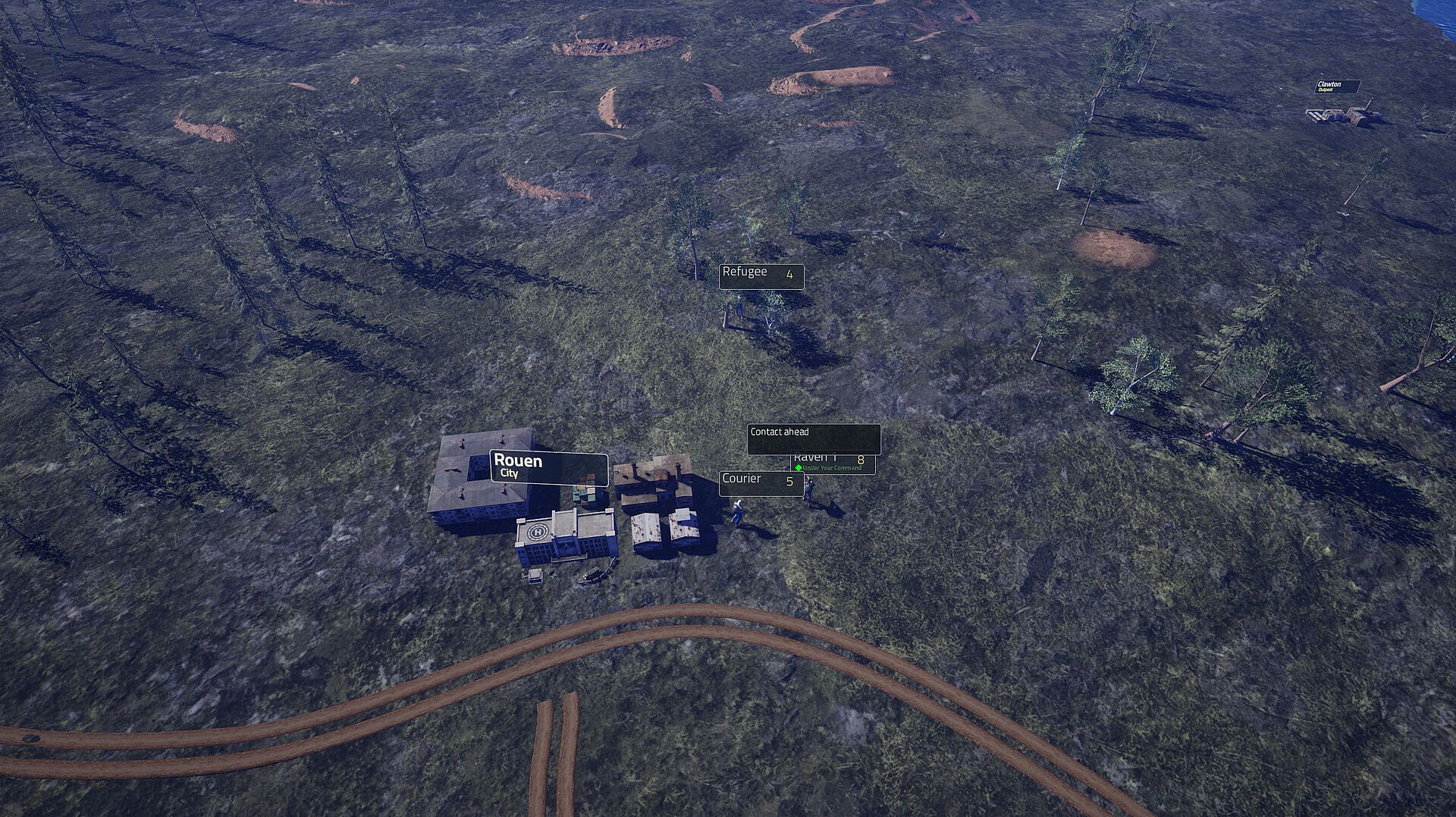
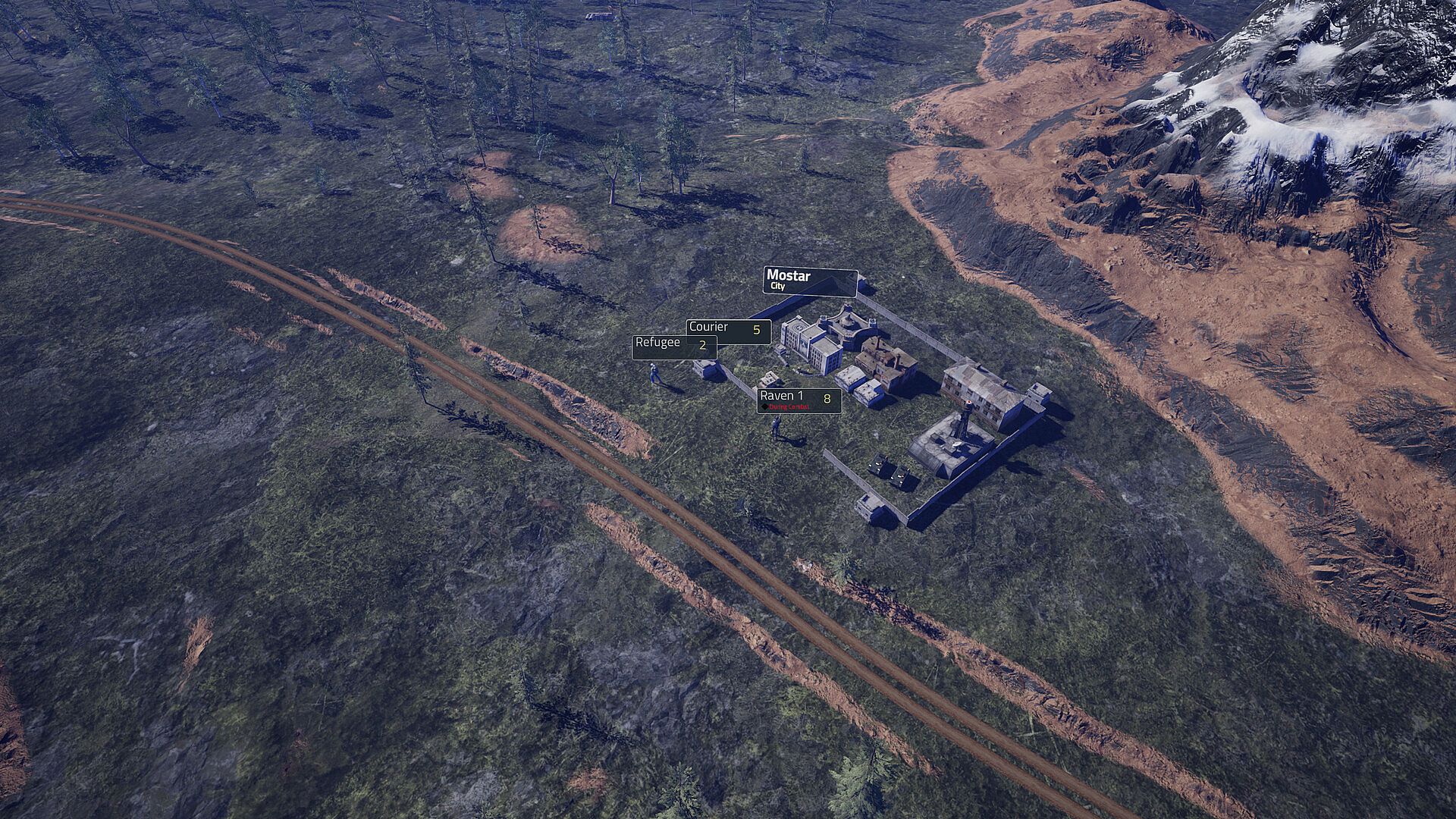
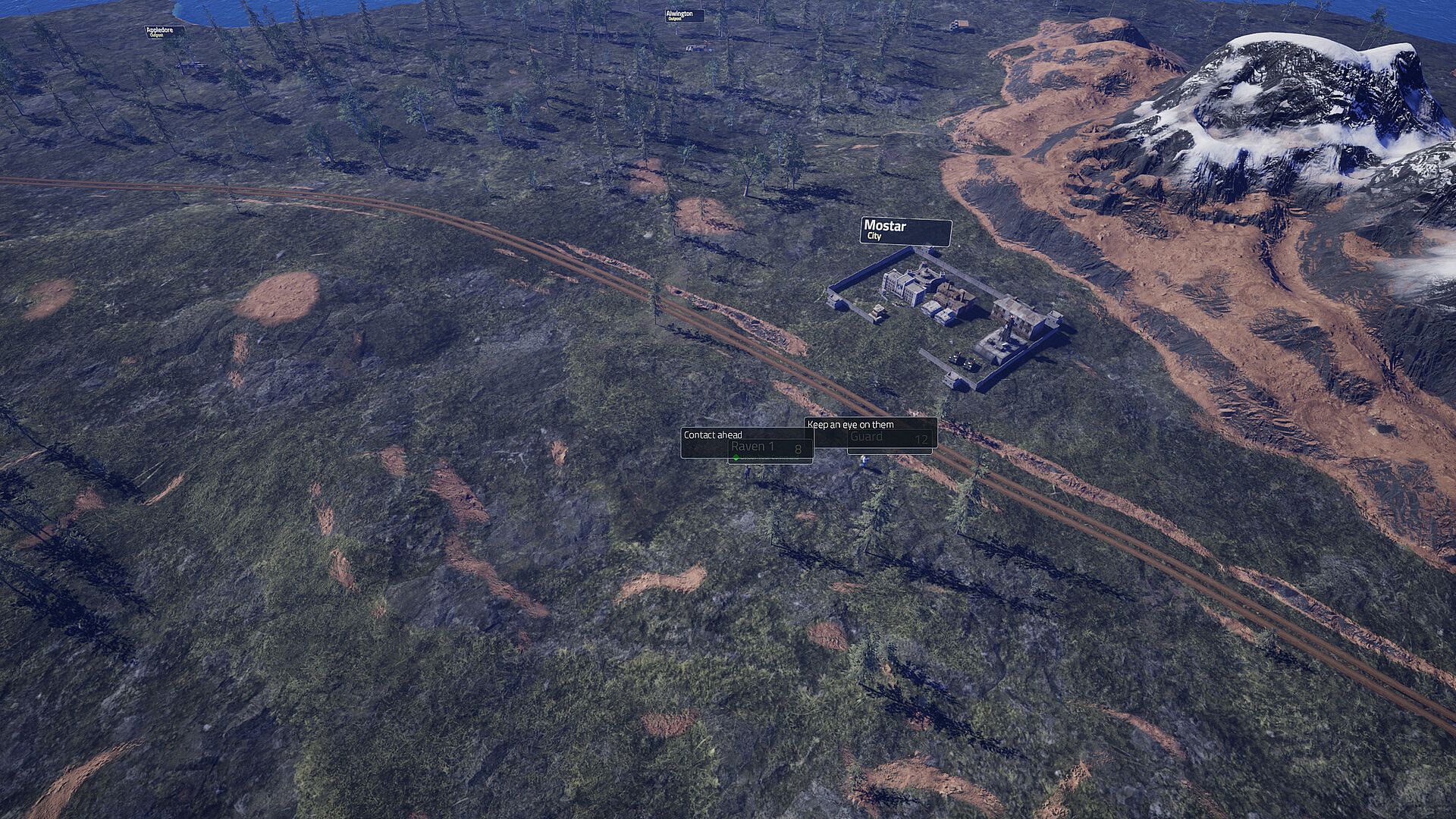
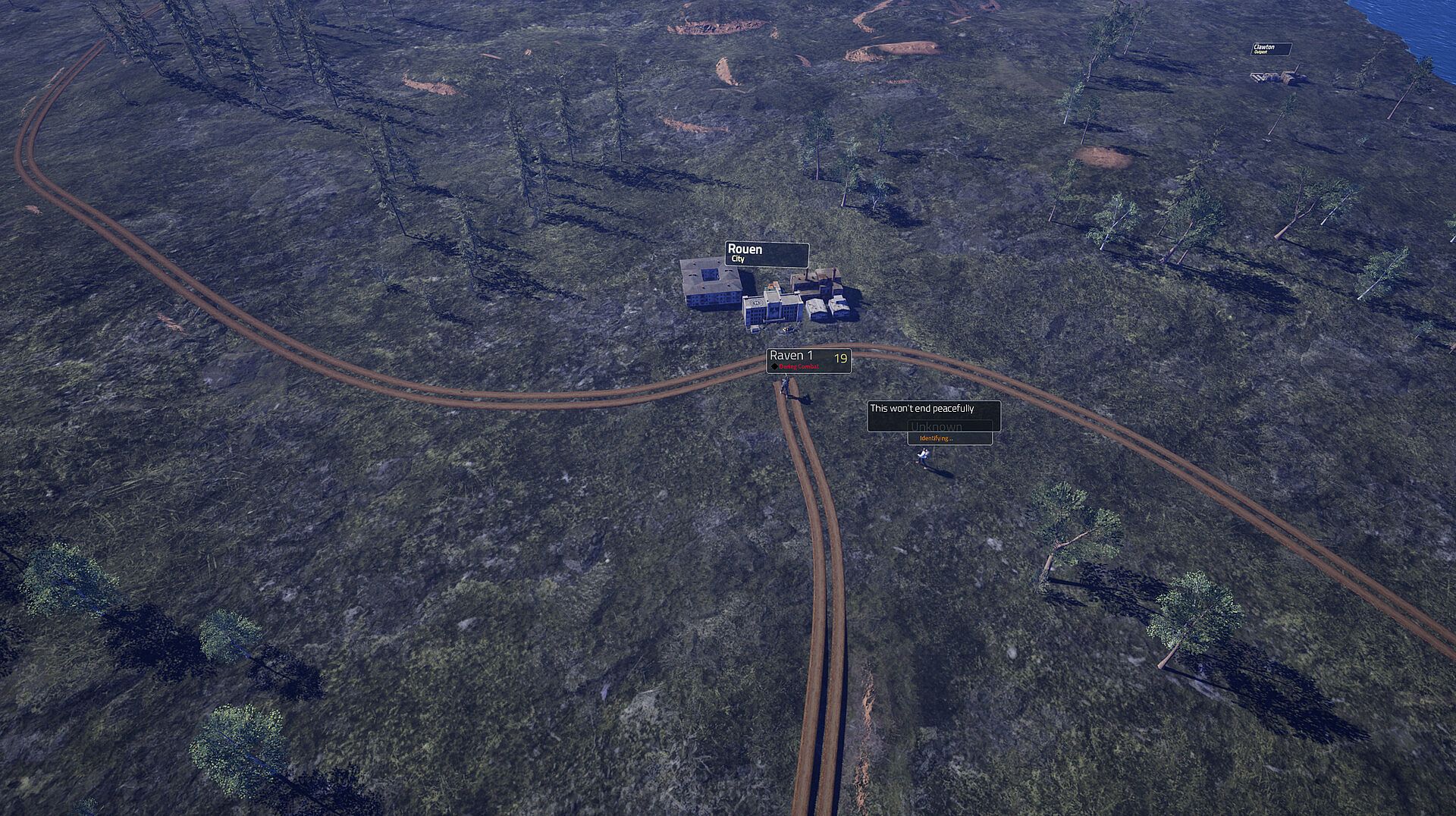
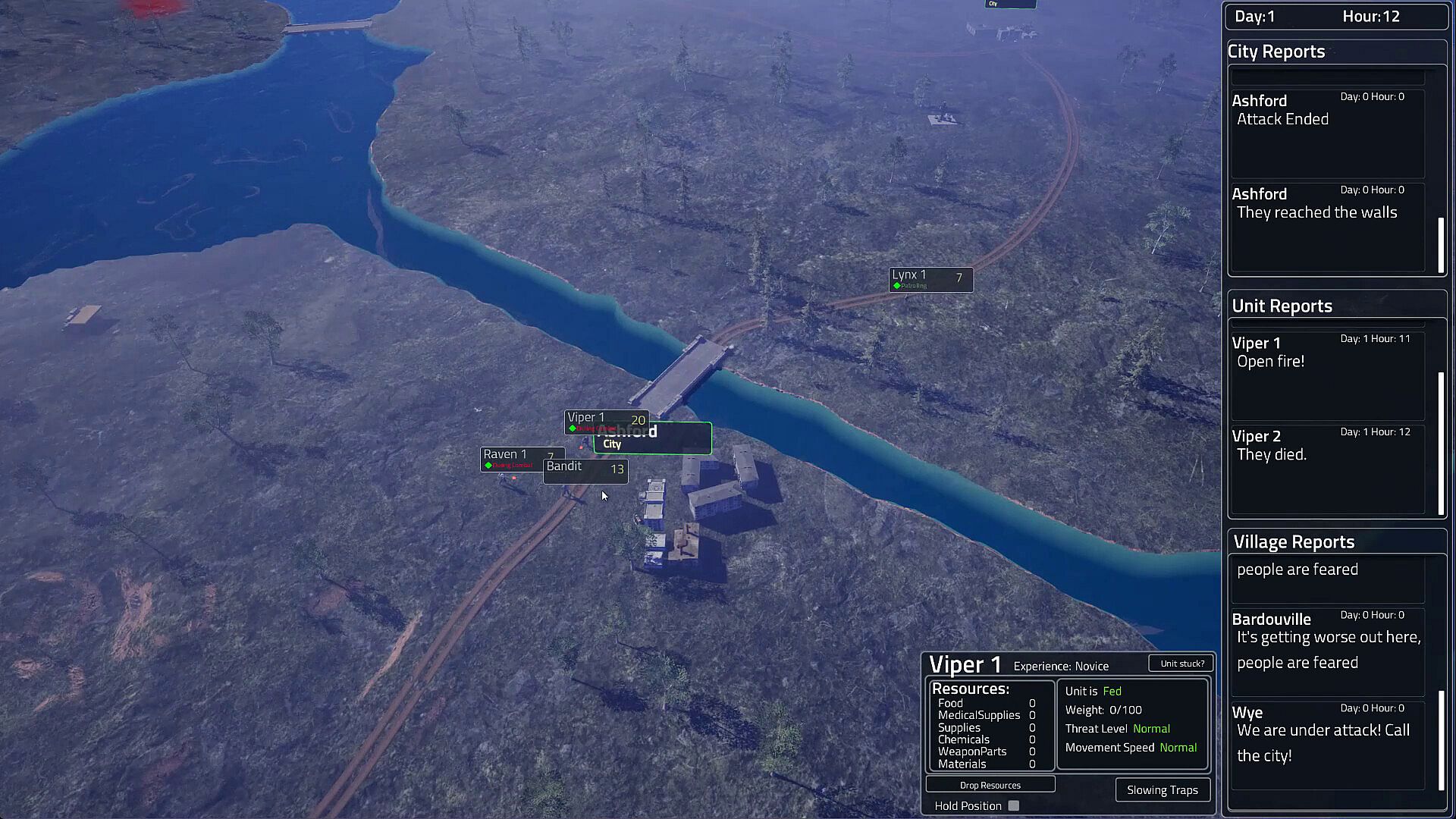
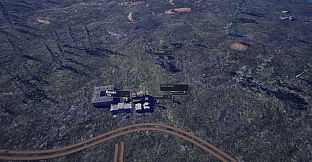
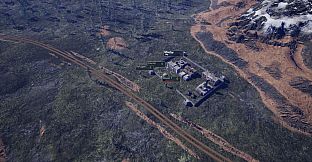
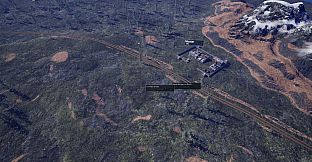
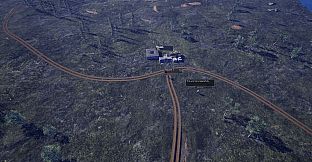
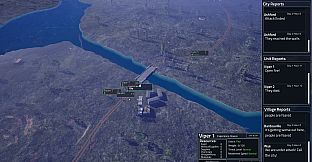
Echoes: Unforgotten is a top-down strategy game set in a collapsing post-apocalyptic region where players manage limited resources, squads, and information under constant uncertainty. The core experience revolves around expanding from a single capital while contending with mist that obscures threats, supply lines that require physical couriers, and a population that serves as both workforce and military. Every action carries trade-offs, as troops, messengers, and infrastructure all draw from the same pool of people.
Gameplay
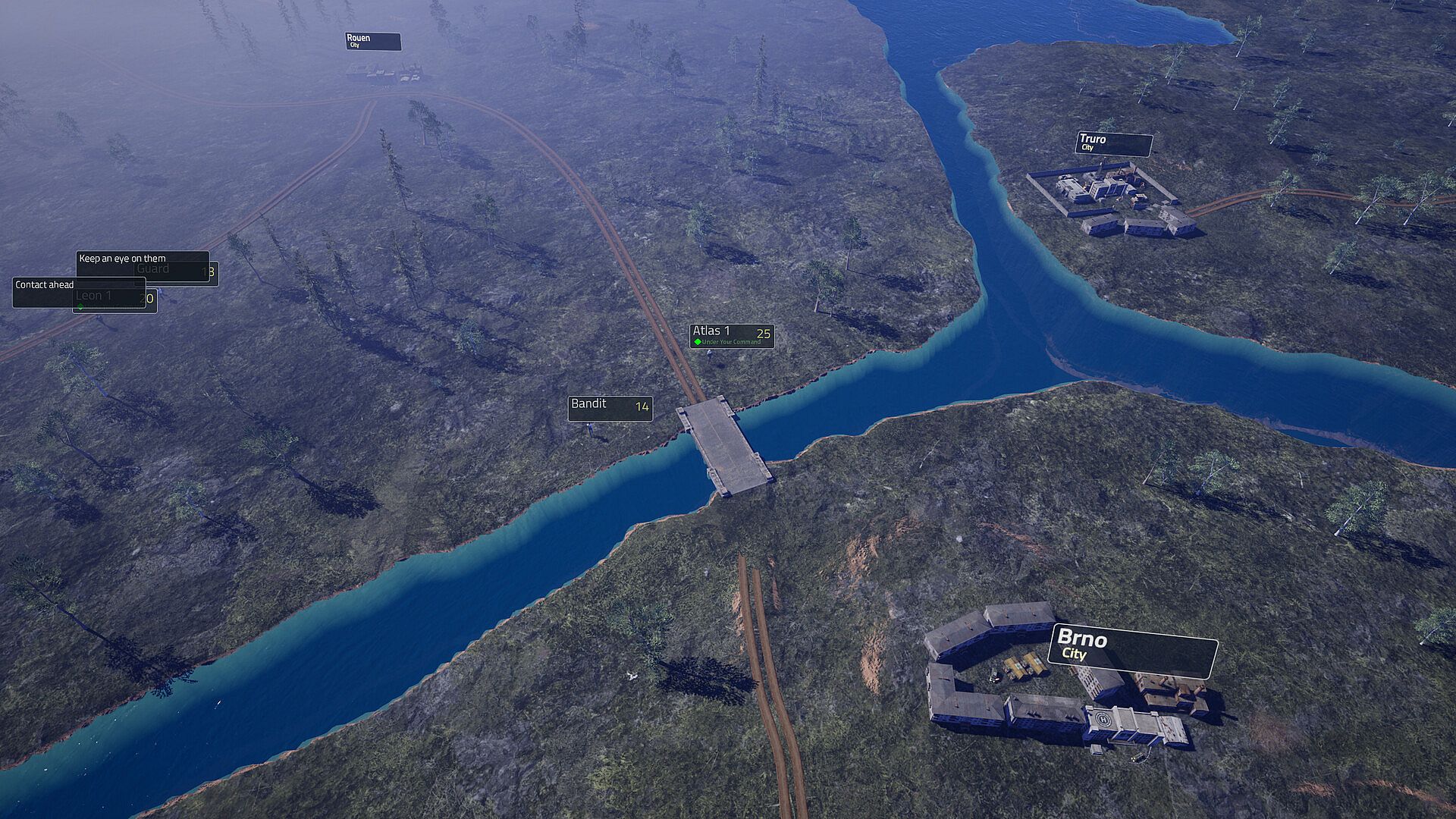
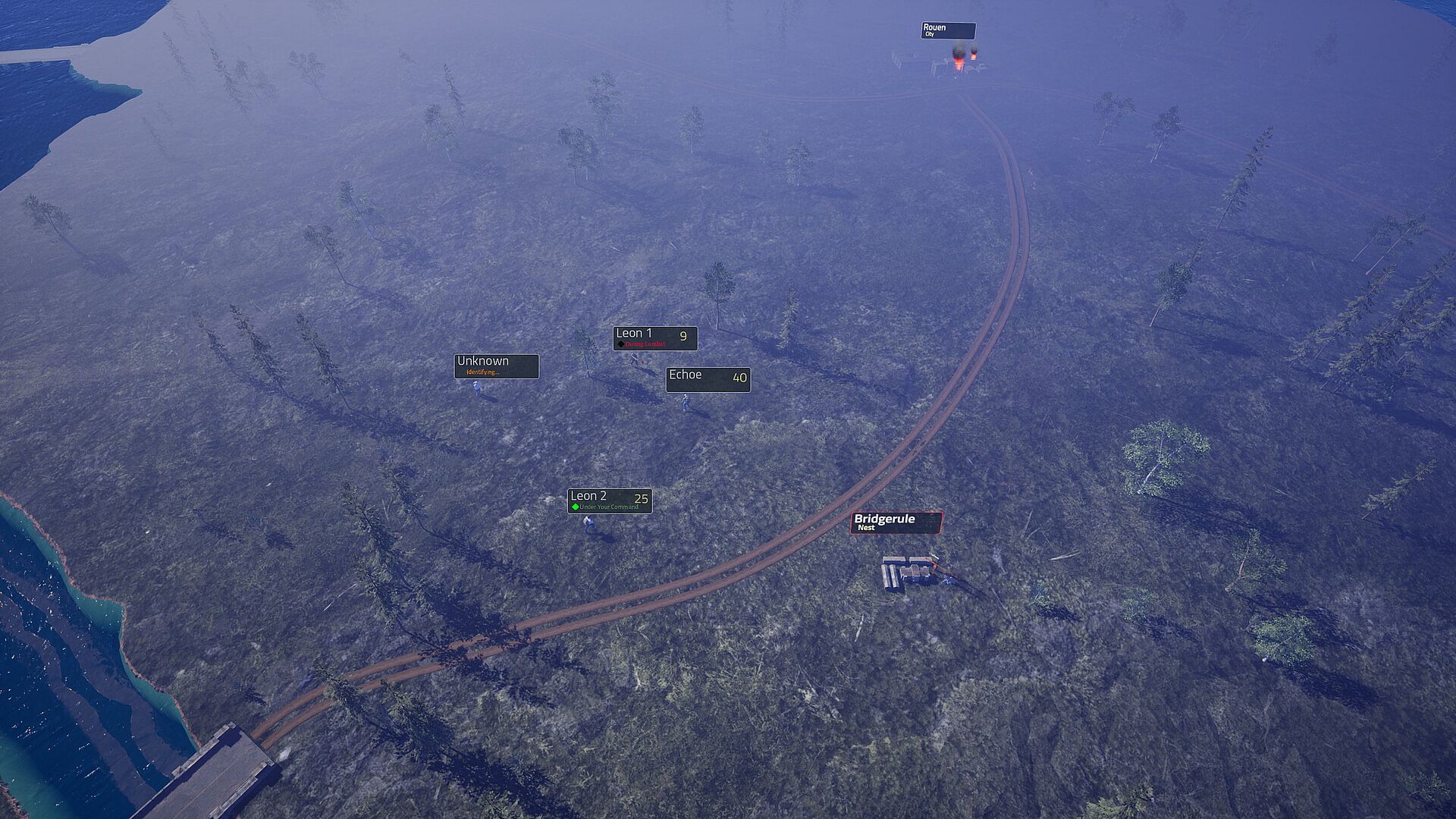
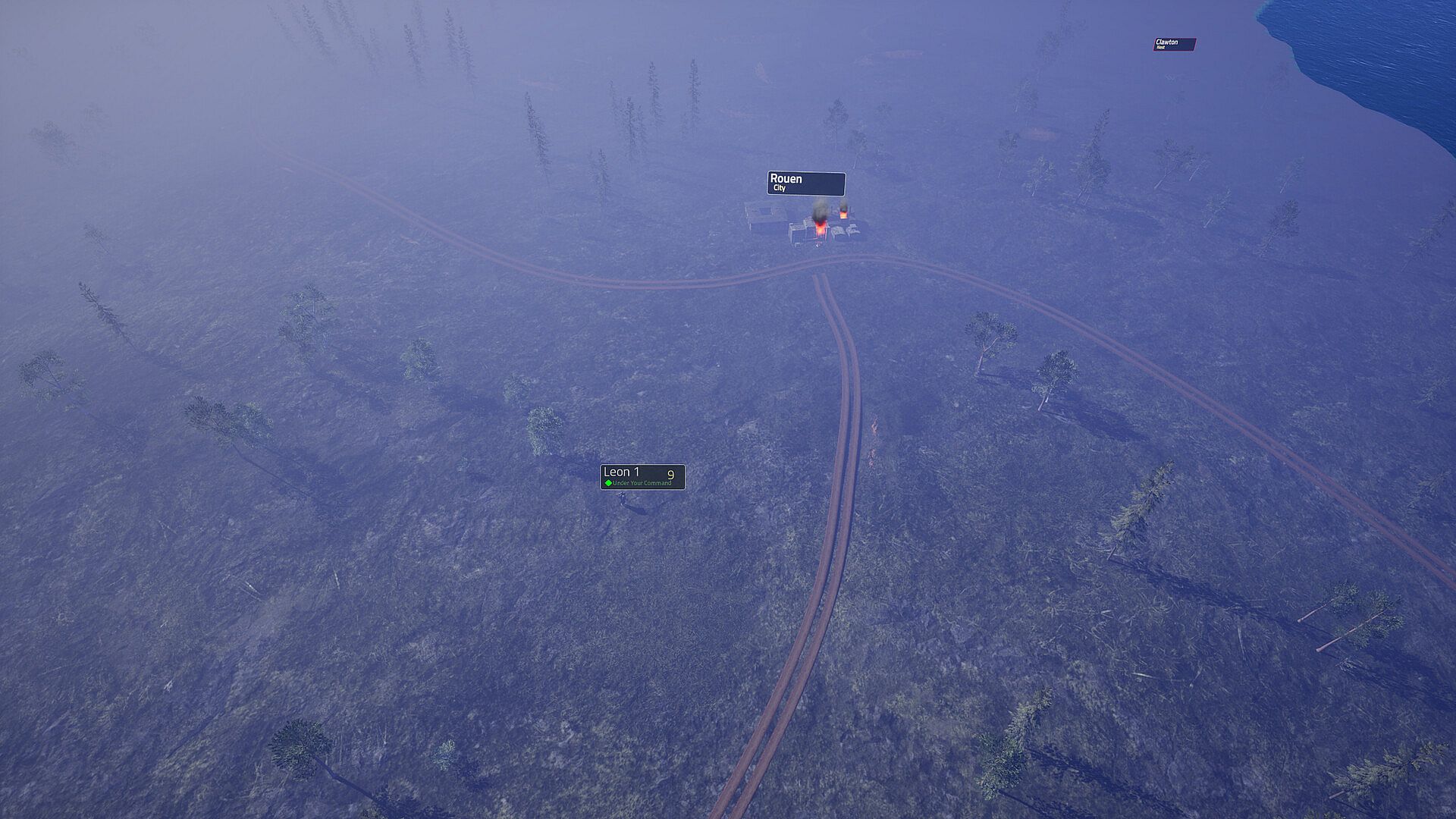
Players begin with control of one settlement and must secure additional cities and villages to expand production of food, medicine, materials, and weapons. Settlements require upgrades to buildings tailored to specific needs, such as agriculture for sustenance or industry for components. Supply networks rely on couriers who travel roads that may pass bandit camps or unobserved areas, carrying resources and reports that can be lost to attacks or delays. The mist thickens over time, extending the period needed to identify distant figures that could represent refugees, bandits, or Echoes advancing on settlements.
Combat involves directing squads against Echo nests and other threats, though direct engagements are secondary to positioning and timing. Captured locations provide new production options but also generate casualties that feed instability across the region. Population management forms the foundation, as every soldier or courier removed from a settlement reduces its output and defensive capacity. Experienced units progress through ranks, offering better survival odds in later encounters, while novice groups risk being overwhelmed during deep reconnaissance.
Infrastructure damage from assaults or natural decay demands scarce materials for repairs, forcing choices between fortifying one site or developing another. Independent settlements reinforce over time, and bandit activity or growing nests create ongoing pressure that does not pause for player preparation.
Game Modes
The game centers on a single-player campaign structure where each playthrough presents different settlement placements, starting conditions, and regional instabilities. Random elements alter routes, available resources, and threat distributions, requiring adaptation rather than repetition of prior strategies. One run might favor an early strike on a lightly defended city, while another demands containment of expanding nests or rescue operations for refugees before expansion proceeds.
A distinct late phase called the Final Week activates after an in-game trigger, during which nests release maximum forces and remaining settlements face accelerated collapse. Players must intercept hordes, deploy slowing traps or outposts, and decide on measures such as barricades, population mobilization, or full evacuation to the capital. Success depends on prior network strength, with final evaluation based on protected settlements, saved population, and overall stability rather than a simple win condition.
Core Mechanics and Challenges
Information flow depends entirely on physical movement, as reports and supplies travel the same vulnerable roads as military units. A returning courier might deliver critical updates on disease or shortages, arrive empty-handed after an ambush, or fail to return at all, removing both the message and a member of the population. Larger caravans increase capacity but attract greater attention from threats along the way.
Outposts converted from cleared sites serve as temporary delays against Echo movement, buying time for reinforcements even if they ultimately fall. Veterans among the squads provide reliable performance in high-risk areas, yet their scarcity means losses compound quickly across multiple fronts. The region evolves independently, with cities strengthening garrisons and nests expanding regardless of player focus.
Is It Worth Playing?
Echoes: Unforgotten suits players who enjoy deliberate, high-stakes strategy where incomplete information and resource scarcity drive every decision. The emphasis on supply lines, population trade-offs, and adaptive responses to procedural campaign variations creates repeated tension without relying on overwhelming force. Those seeking straightforward conquest or predictable progression may find the constant need to prioritize and sacrifice frustrating, while fans of management systems with physical logistics and escalating end-game pressure will encounter meaningful consequences in each choice. The game remains in active development with no confirmed additional modes or updates beyond the described campaign experience.