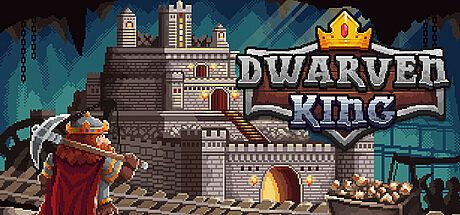


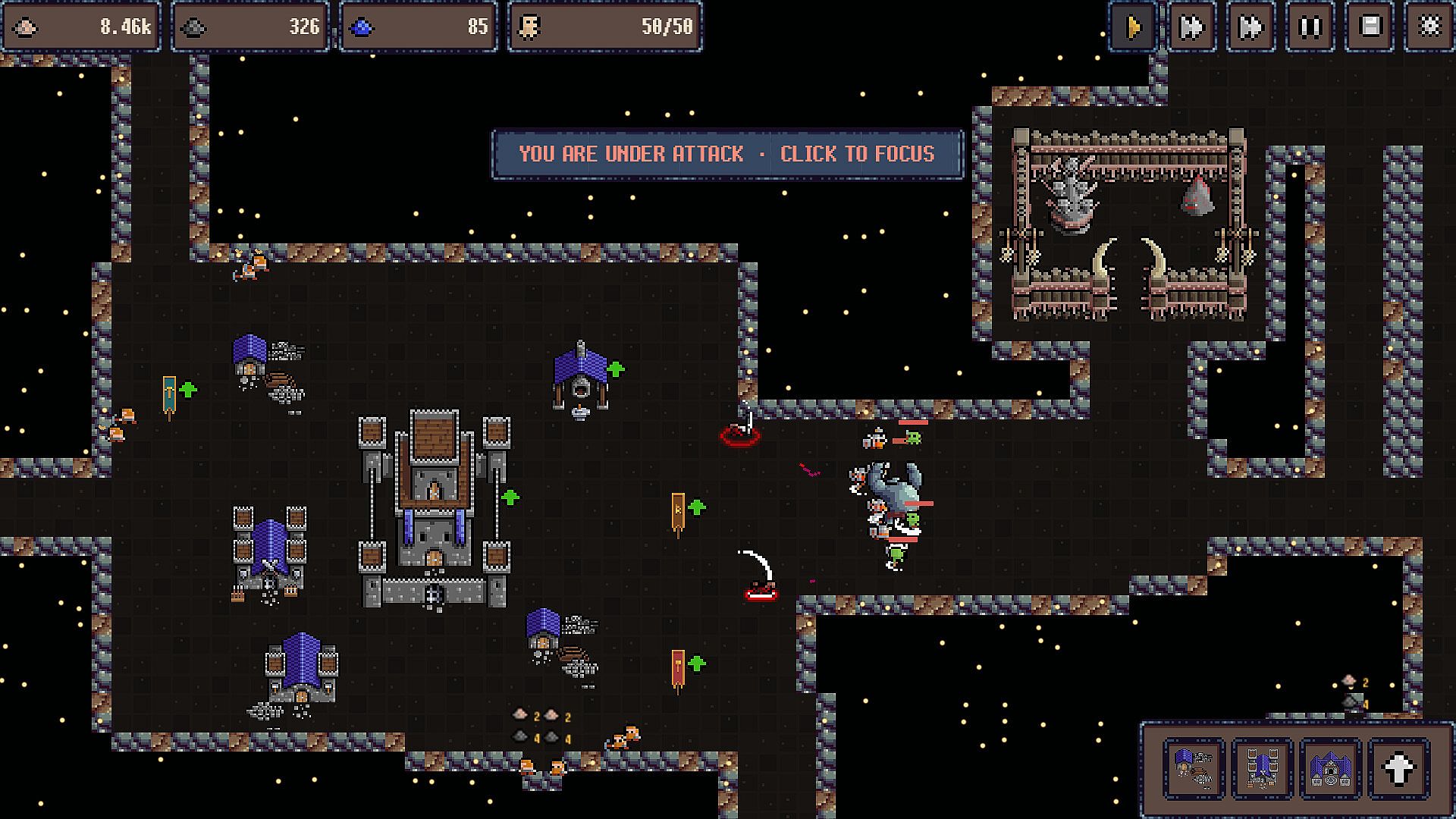
Dwarven King is a strategy game focused on excavation and settlement building beneath a mountain. Players begin with a castle and a pickaxe, then expand by carving tunnels, gathering resources, and constructing facilities while contending with hostile creatures revealed during exploration.
Gameplay
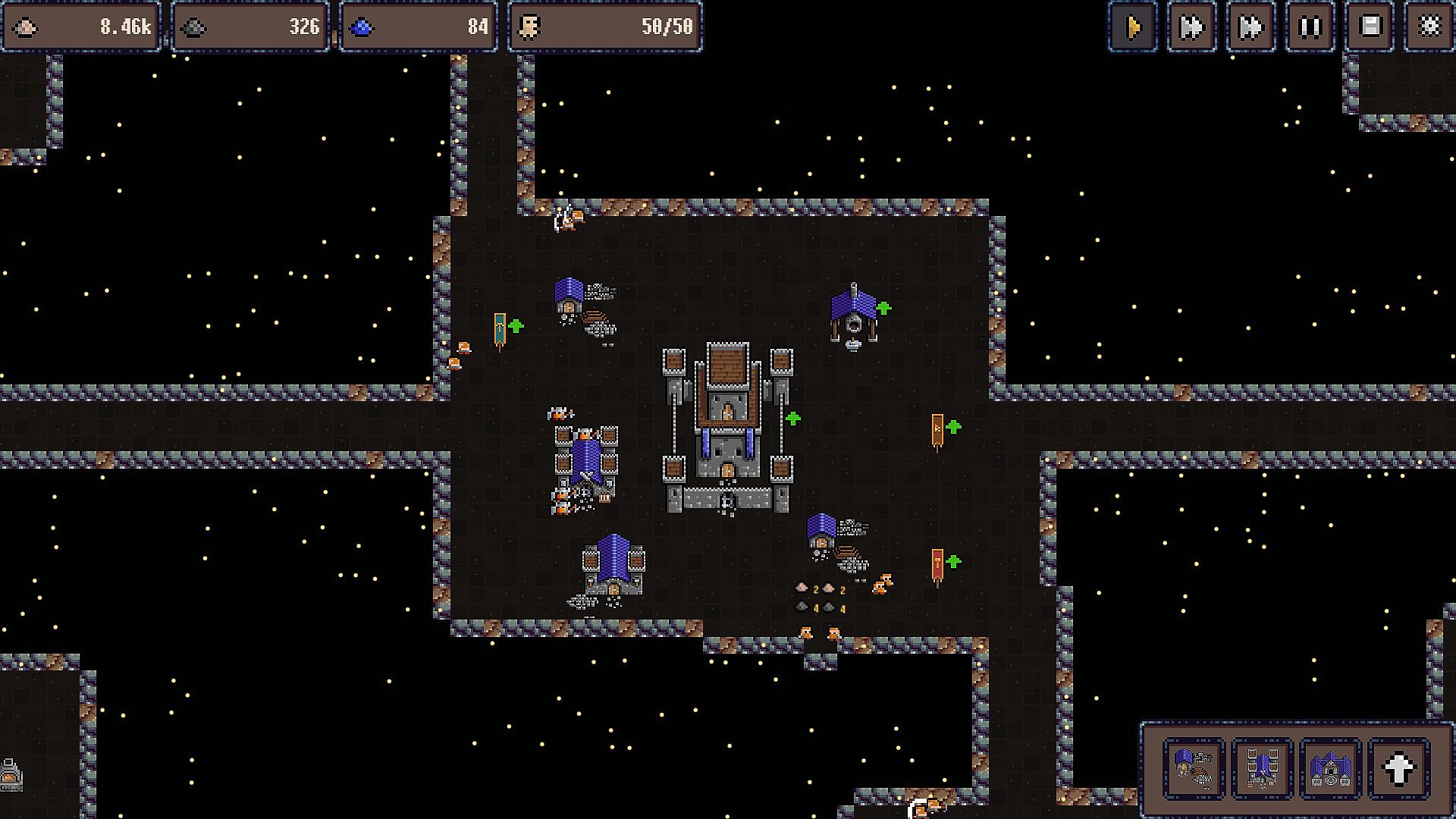
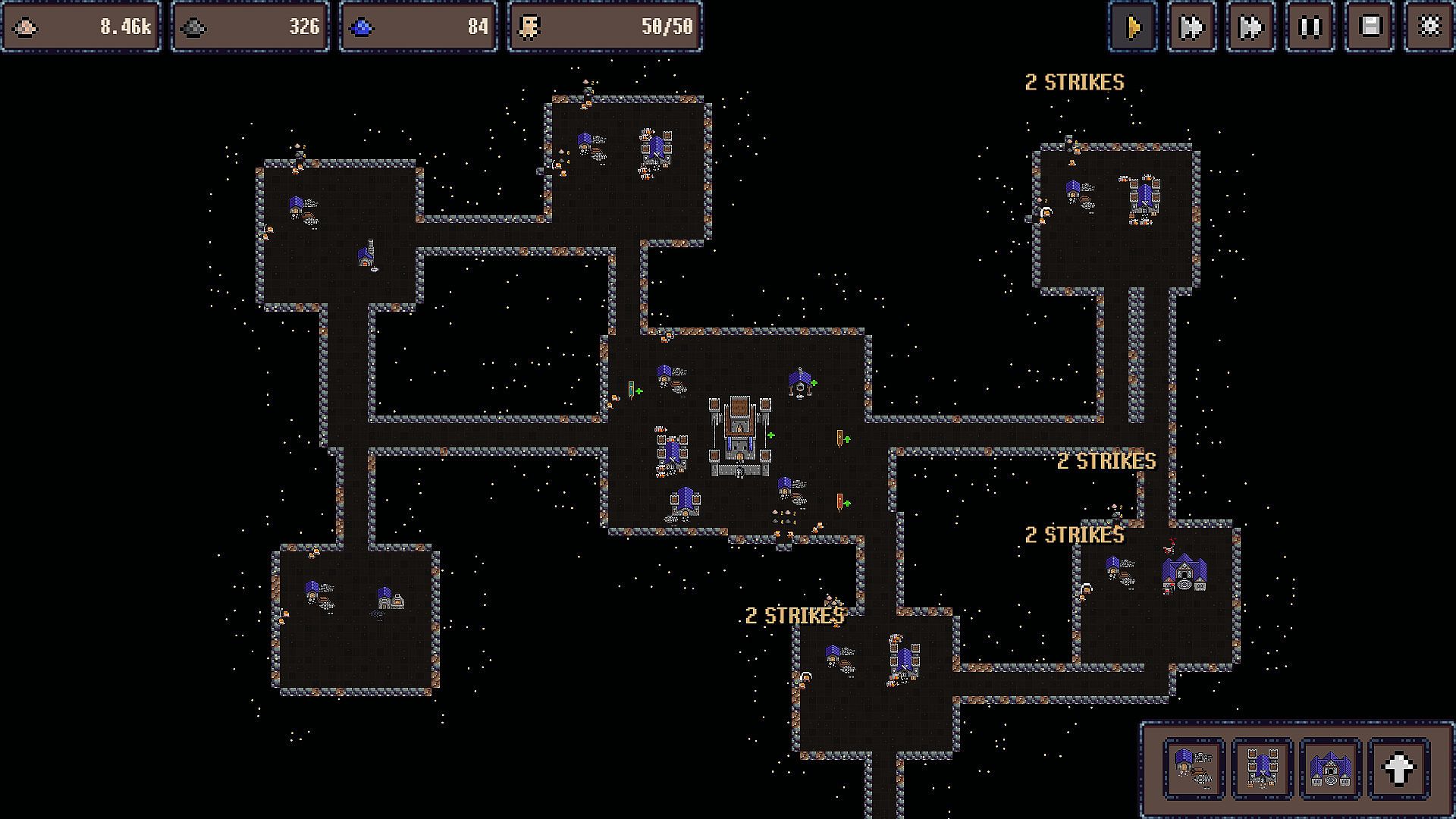
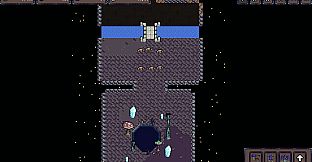
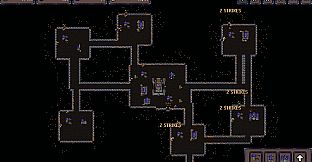
The core loop centers on manual digging at the start, followed by automation through hired miners. Players assign work zones to lodges so that workers excavate walls and transport ore and other materials back to storage without constant oversight. Expansion involves placing structures such as lodges for housing, barracks for training, and smithies for production around the central castle, then pushing outposts deeper into the mountain where mined walls directly supply construction resources.
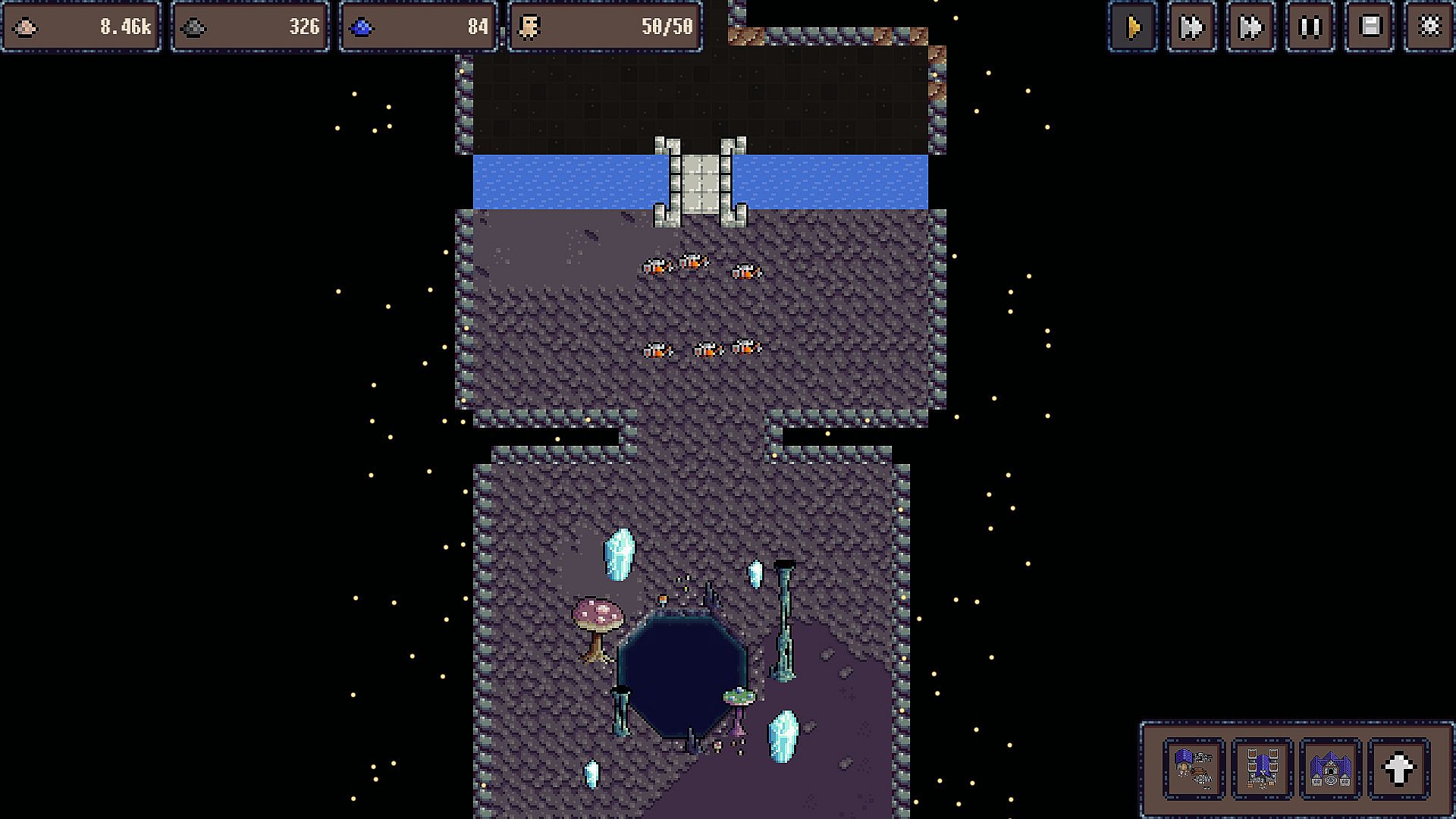
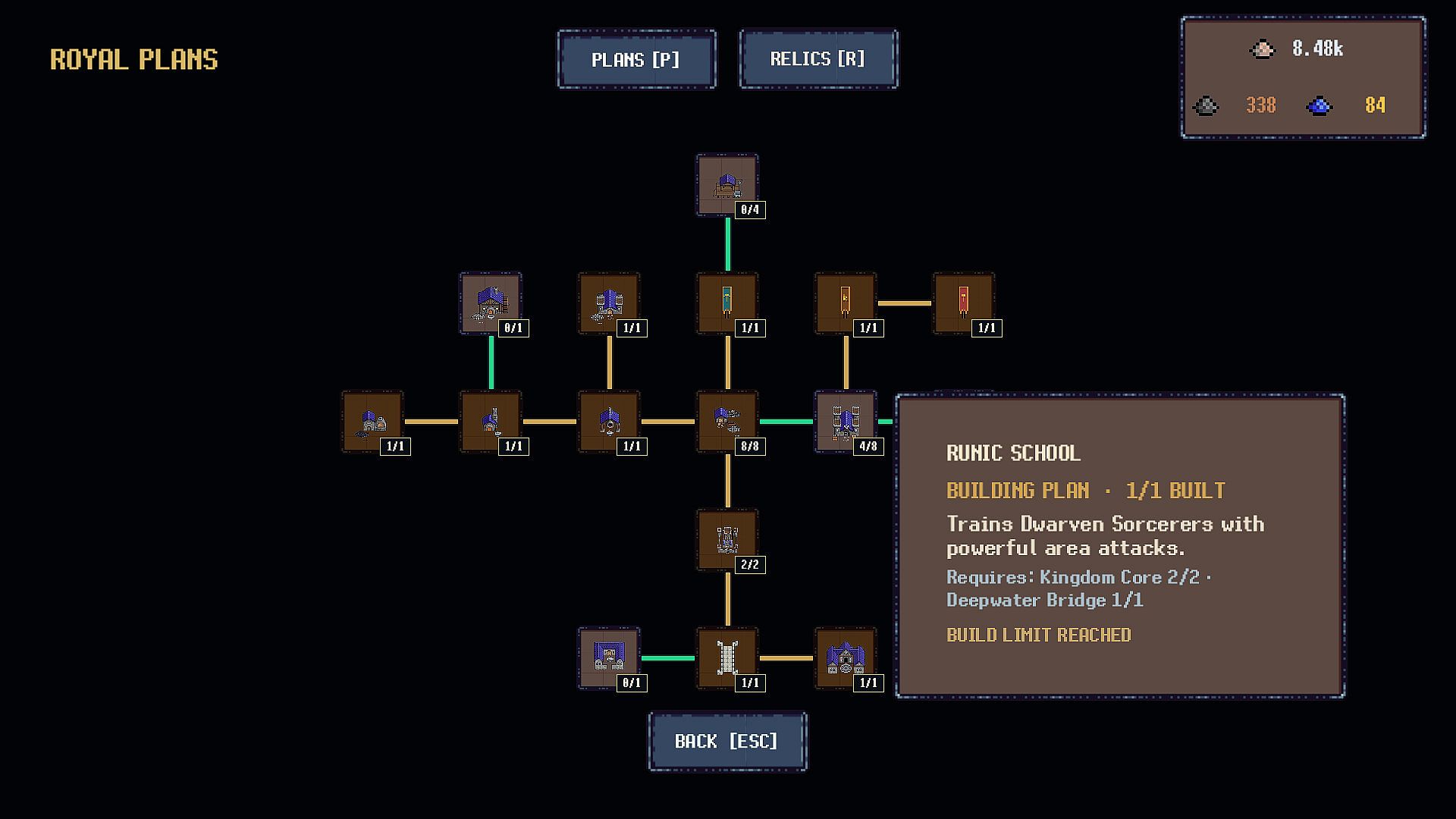
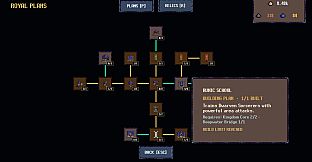
Royal Plans serve as the progression system. These unlock new buildings, increase capacity for more dwarves, and enhance production chains or military capabilities. Specific examples include the Runic School for training sorcerers capable of area attacks and bridges that span underground rivers to reach new areas. Resource management requires balancing investment between mining efficiency, living space, and defensive forces as the settlement grows.
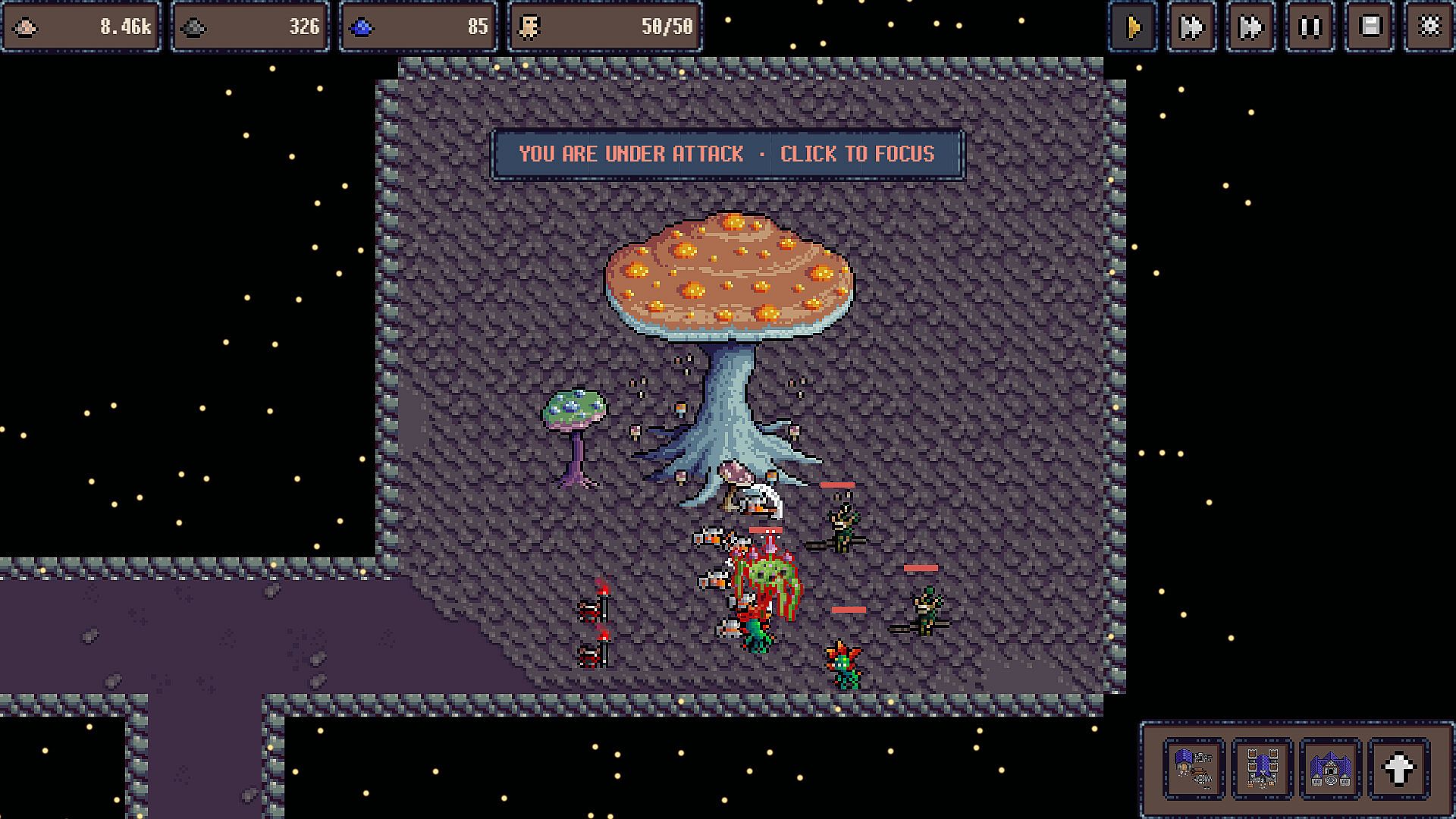
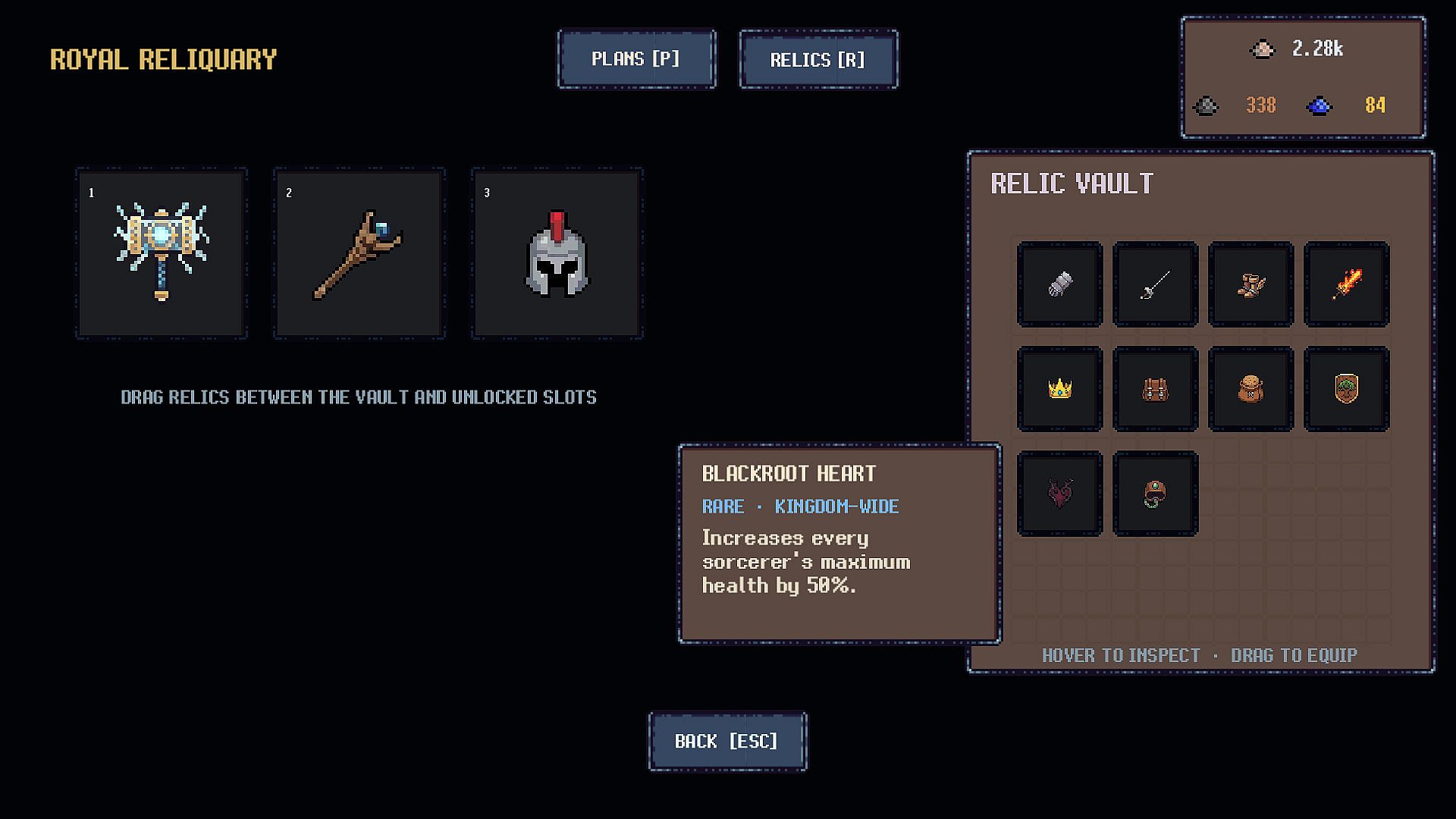
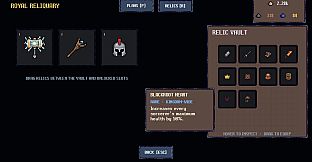
Combat occurs when goblins and trolls are uncovered in adjacent halls. Soldiers and sorcerers are trained and positioned via rally points. Units engage automatically once combat begins, but the game supports pausing to reposition rally points, adjust mining zones, or assess threats before resuming. Relics collected during exploration can be equipped for additional benefits, adding a layer of customization to long-term strategy.
Game Modes
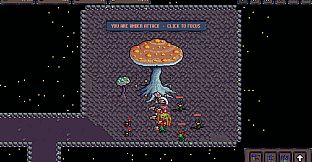
Dwarven King offers a single-player experience centered on progressive kingdom expansion. The mode combines directed excavation, automated resource gathering, building placement, and defensive combat against discovered enemies. Exploration of hidden halls, crystal mining, and river crossings form part of the same continuous session rather than separate modes. Mouse and keyboard controls handle all actions, with pause functionality available at any time to manage multiple fronts of activity.
Key Mechanics and Progression
Early gameplay emphasizes personal control over digging and initial worker recruitment. As lodges are built and upgraded, miners take over routine excavation and hauling, freeing the player to scout new passages or plan further construction. Tool improvements and additional hires scale output to match growing demands. Royal Plans guide long-term development by offering choices between economic, population, or military branches based on available resources.
Defense integrates directly with expansion. Rally points allow focused responses to threats at outposts, while sorcerers provide area support alongside conventional soldiers. The automatic nature of unit combat keeps attention on overall planning rather than individual unit commands, though the pause option supports tactical adjustments during larger engagements.
Is It Worth Playing?
Dwarven King suits players who enjoy deliberate strategy games that blend resource management, base building, and light combat in a contained underground setting. The automation of mining and hauling reduces micromanagement over time, while Royal Plans and relic equipping provide meaningful decisions about kingdom specialization. Because the game remains in a pre-release state with no user reviews available yet, prospective players should monitor development updates for confirmation of final features and balance. Those drawn to single-player experiences involving excavation, settlement growth, and defense against fantasy foes will find the described systems align closely with that preference.