




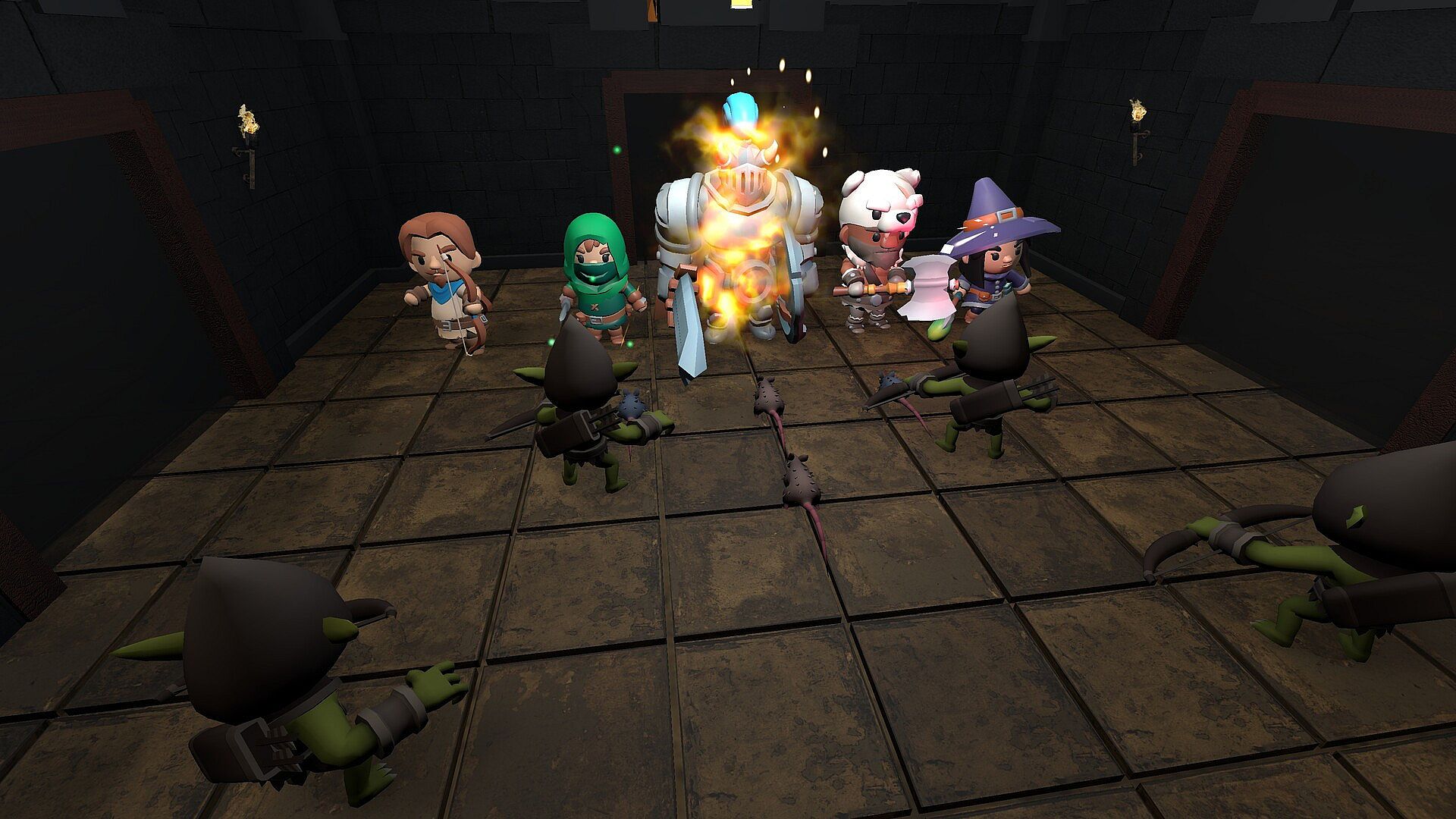
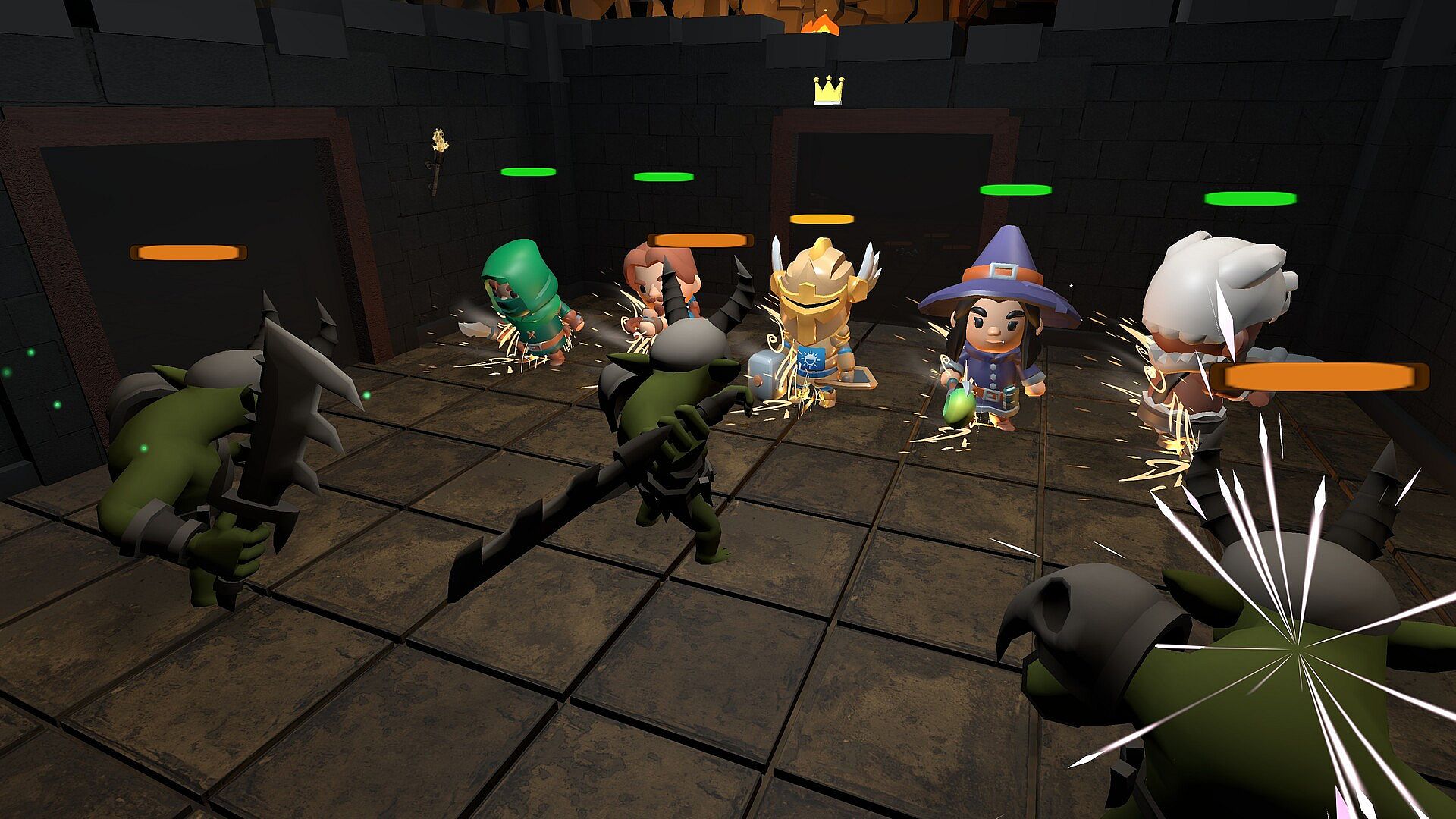
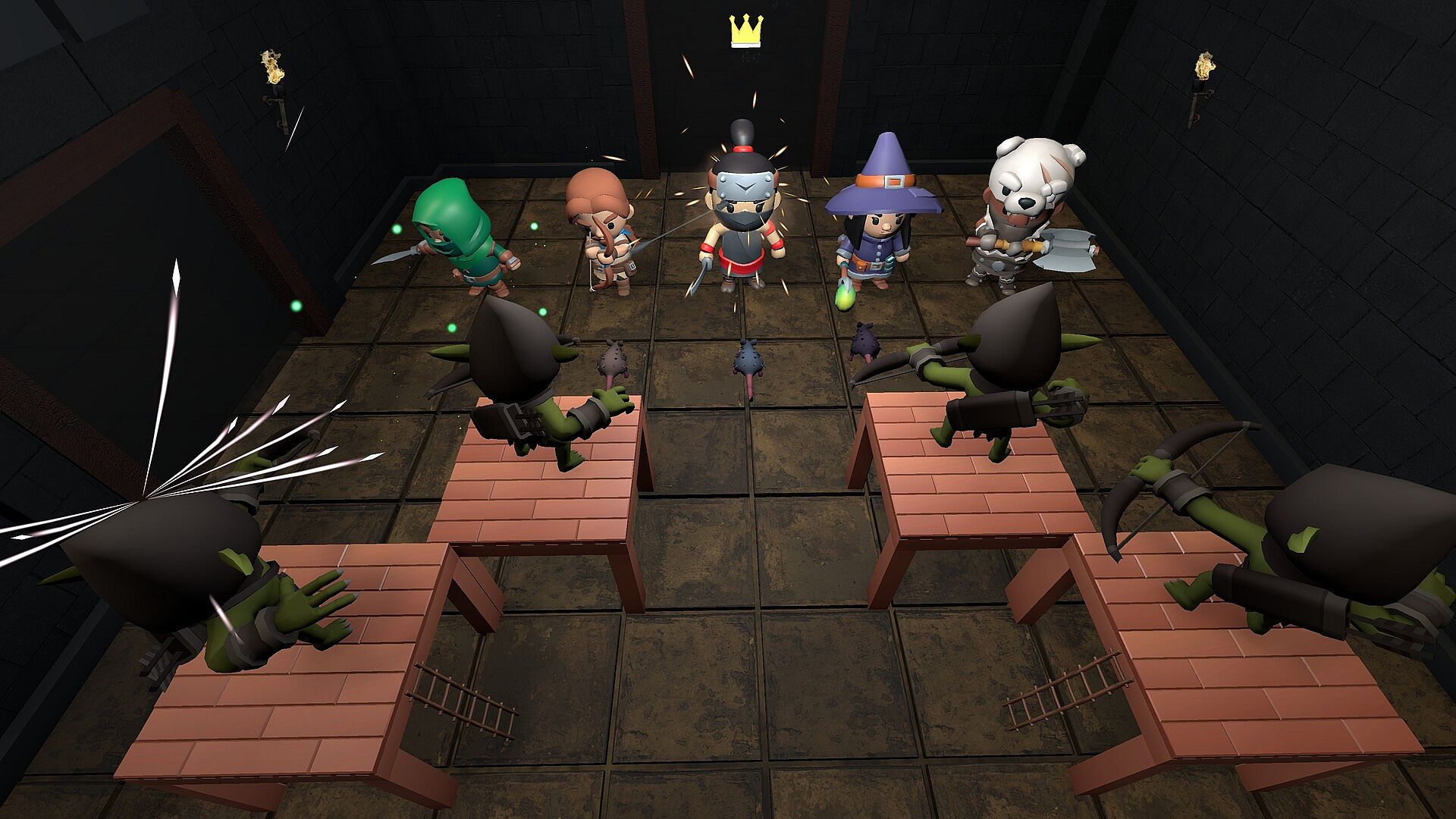
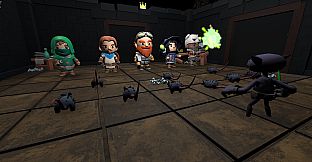
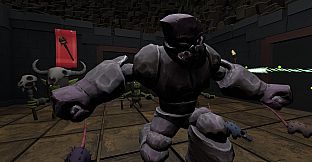
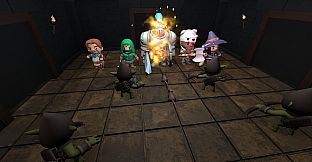
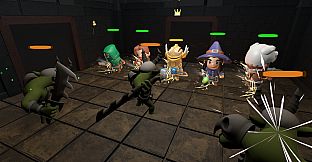
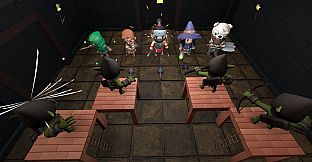
Dungeon Defense is a singleplayer strategy indie game that puts players in the role of a goblin boss constructing and defending a dungeon against waves of invading heroes. This tower defense roguelite focuses on grid-based layout planning, trap placement, and automated combat resolved through room upgrades and boss interventions.
Gameplay
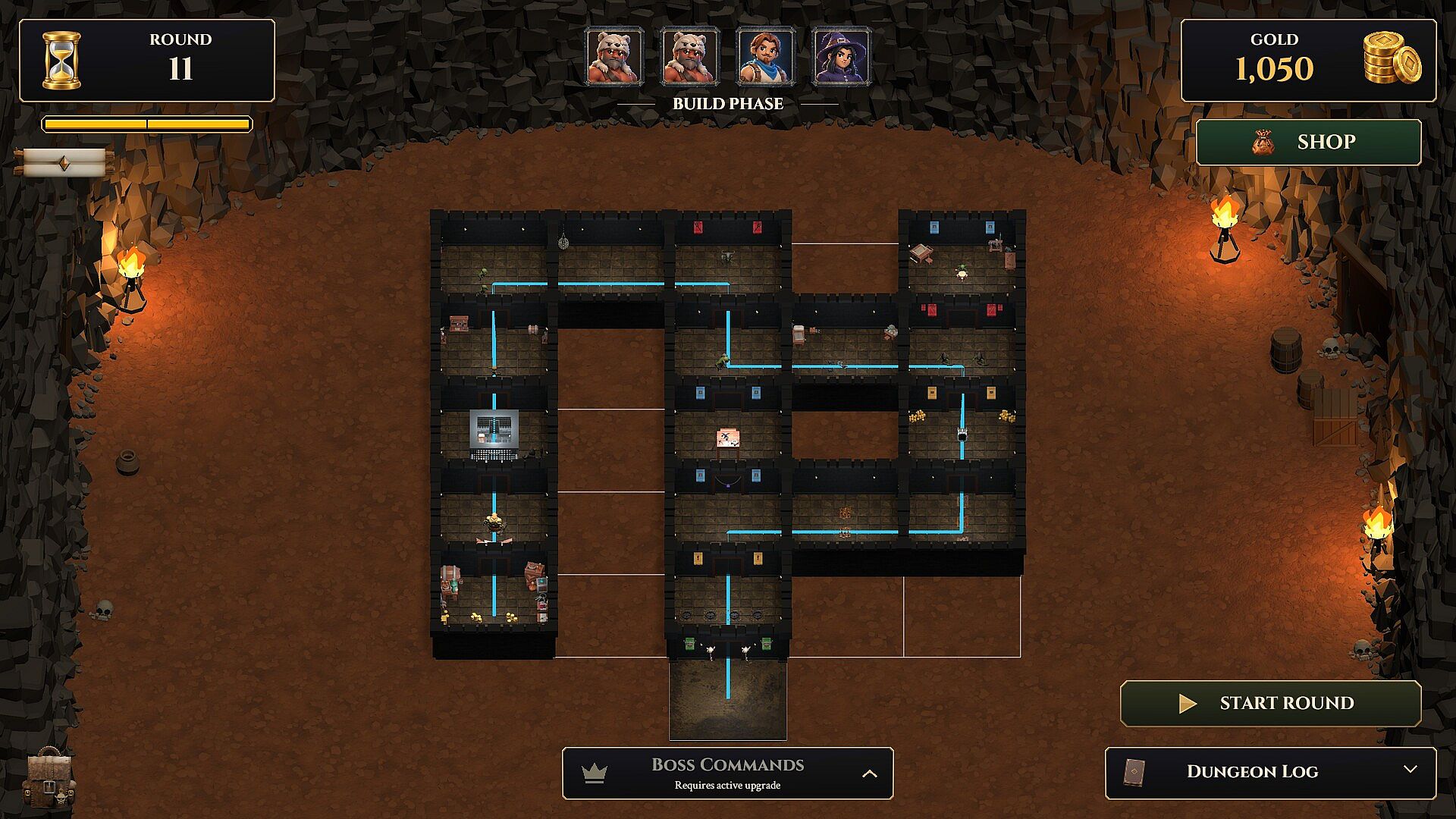
Players arrange combat, trap, and utility rooms across a grid to control paths leading to the central Loot Room. Limited space and gold force careful decisions about room placement and specialization to create effective chokepoints and defensive synergies. Between waves, gold funds dungeon expansions, defender improvements, and equipment purchases from rotating shop offers that players socket into rooms for combined effects.
Preparation involves scouting upcoming hero parties to identify classes and gear, then tailoring defenses to exploit specific weaknesses. Traps incorporate detection, disarm, and saving-throw mechanics that introduce variability, allowing players to adjust odds through upgrades. The boss character develops along Combat, Traps, or Utility paths, unlocking commands that rally minions, disrupt invaders, or bolster preparations during fights.
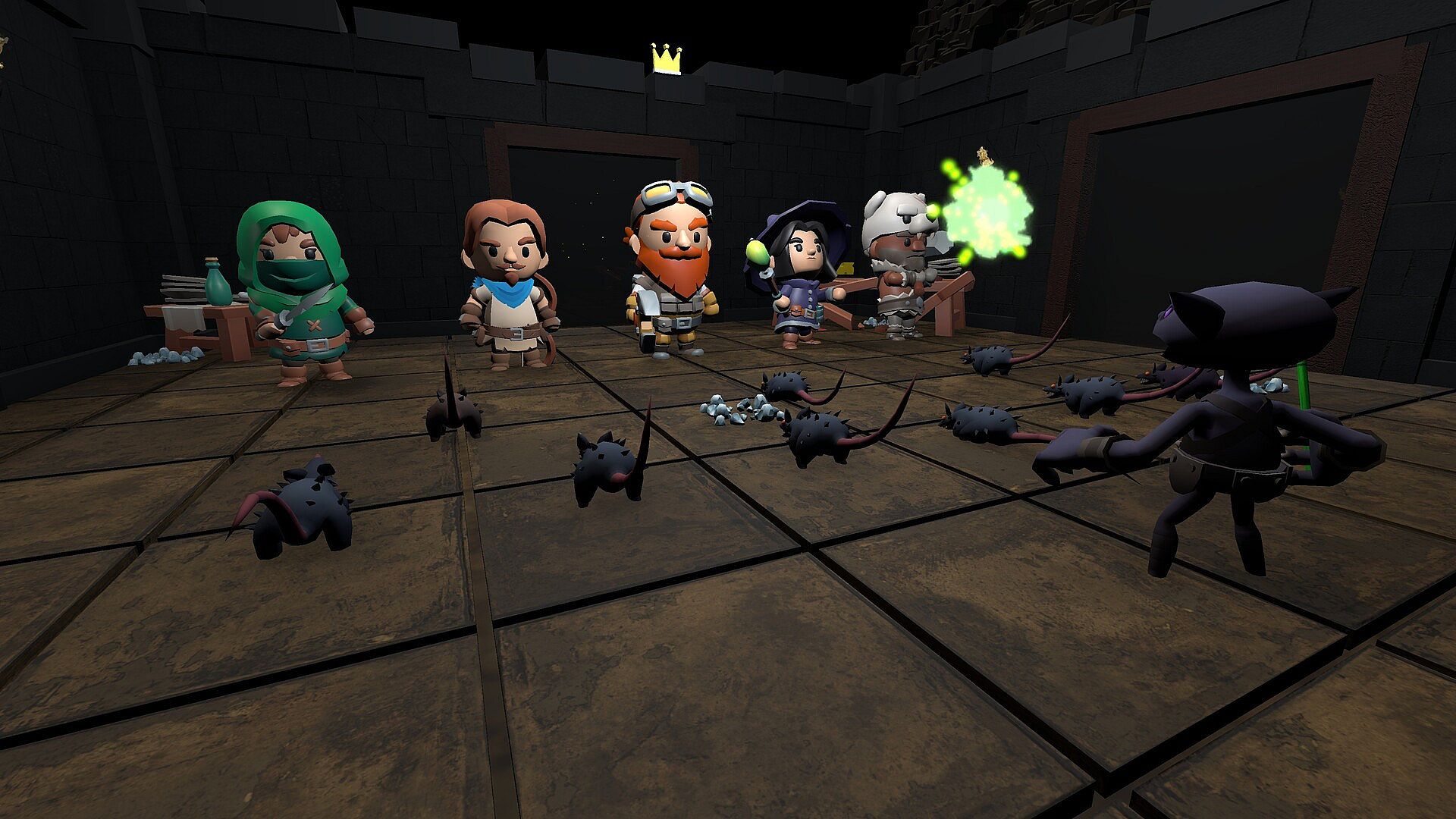
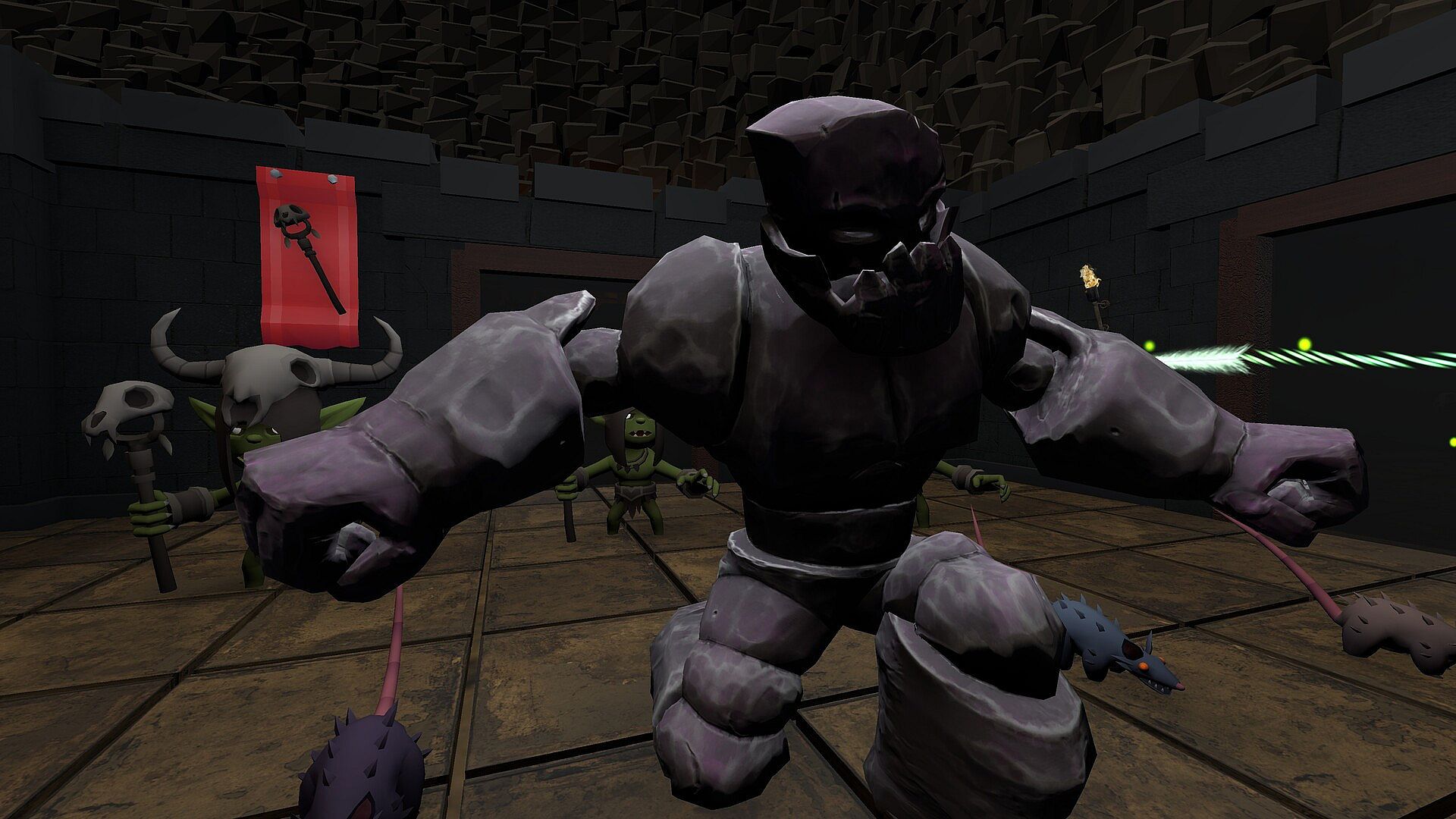
Automated battles play out once a round begins, with outcomes shaped by prior layout choices, item combinations, and boss abilities. Permanent progression comes from faction XP earned across runs, spent on upgrades in the three specialization trees to unlock new options for subsequent attempts.
Game Modes
The core experience revolves around repeated dungeon defense runs in a roguelite structure. Each run challenges players to survive successive hero invasions through strategic building and preparation, with failure resetting the current layout while retaining permanent upgrades from prior progress. Between invasions, players manage resources to refine their dungeon and gather new tools for the next attempt.
Scouting and adaptation form a key layer, as different hero compositions demand varied defensive setups. The singleplayer format emphasizes experimentation with room combinations, item synergies, and boss commands without external competition or cooperative elements.
Core Mechanics and Progression
Room placement on the grid determines enemy routes and defensive coverage, with utility options supporting economy or specialized functions alongside direct combat and trap rooms. Equipment and specializations interact to create layered effects that reward thoughtful combinations over raw power.
Hero encounters introduce probabilistic elements through trap checks, encouraging players to stack advantages in detection resistance or disarm chances. Boss commands provide active intervention points during automated fights, shifting momentum in critical moments.
Long-term growth centers on the faction XP system and its three upgrade trees. These permanent unlocks expand available rooms, items, and commands, allowing strategies to evolve across multiple runs as players refine approaches to recurring challenges.
Is It Worth Playing?
Dungeon Defense targets fans of tower defense games who enjoy roguelite progression and deliberate layout planning. The emphasis on grid management, trap variability, and boss commands creates a focused loop centered on adapting defenses to shifting threats. With the game listed as coming soon and no reviews available yet, interested players can monitor its release for a closer look at how the described systems perform in practice. Those drawn to singleplayer strategy experiences with resource management and run-based refinement may find the mechanics align with their preferences.












