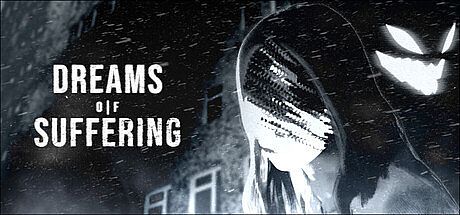


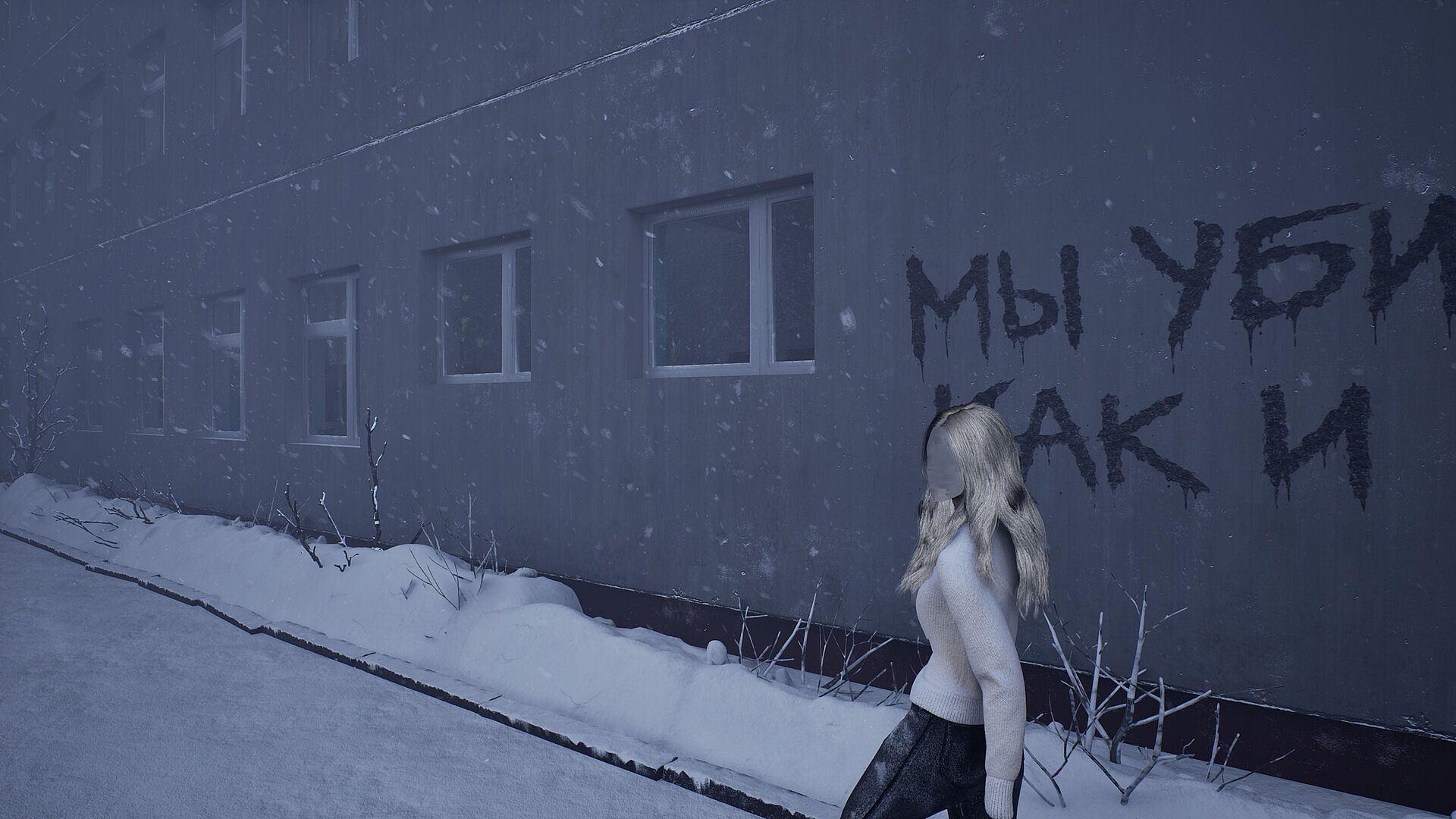
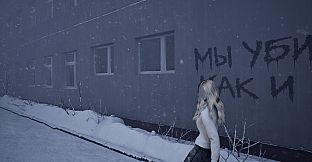
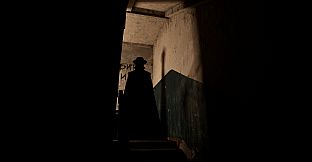
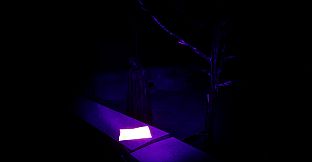
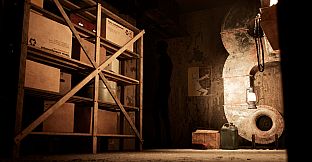

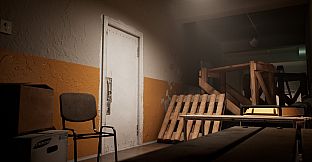
Dreams of Suffering is a single-player indie adventure game centered on psychological horror and exploration. Players navigate a frozen world blending post-Soviet architecture with surreal dream logic, where tension builds through isolation, sound design, and instinct-driven decisions rather than combat or resource management.
Gameplay
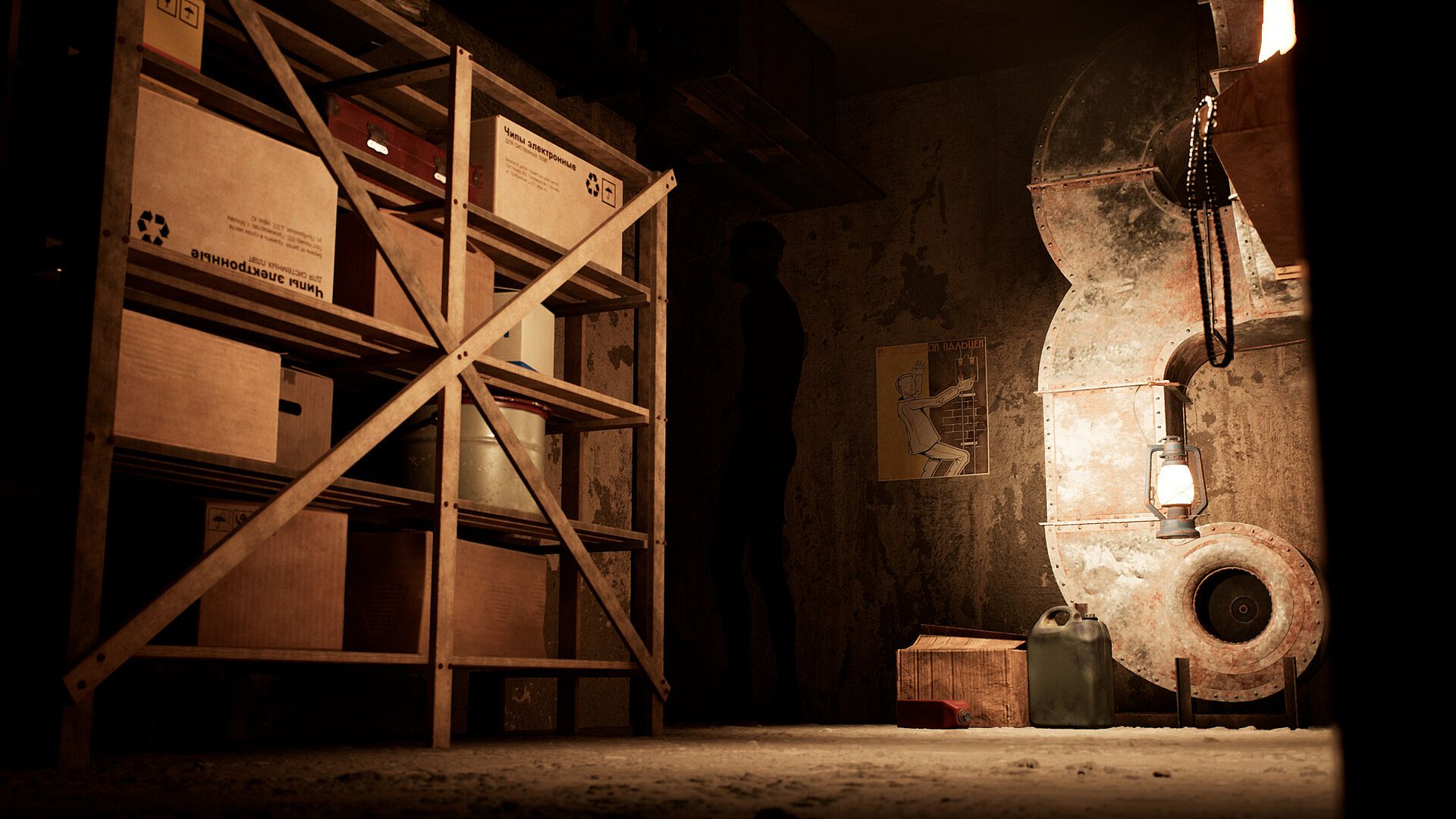
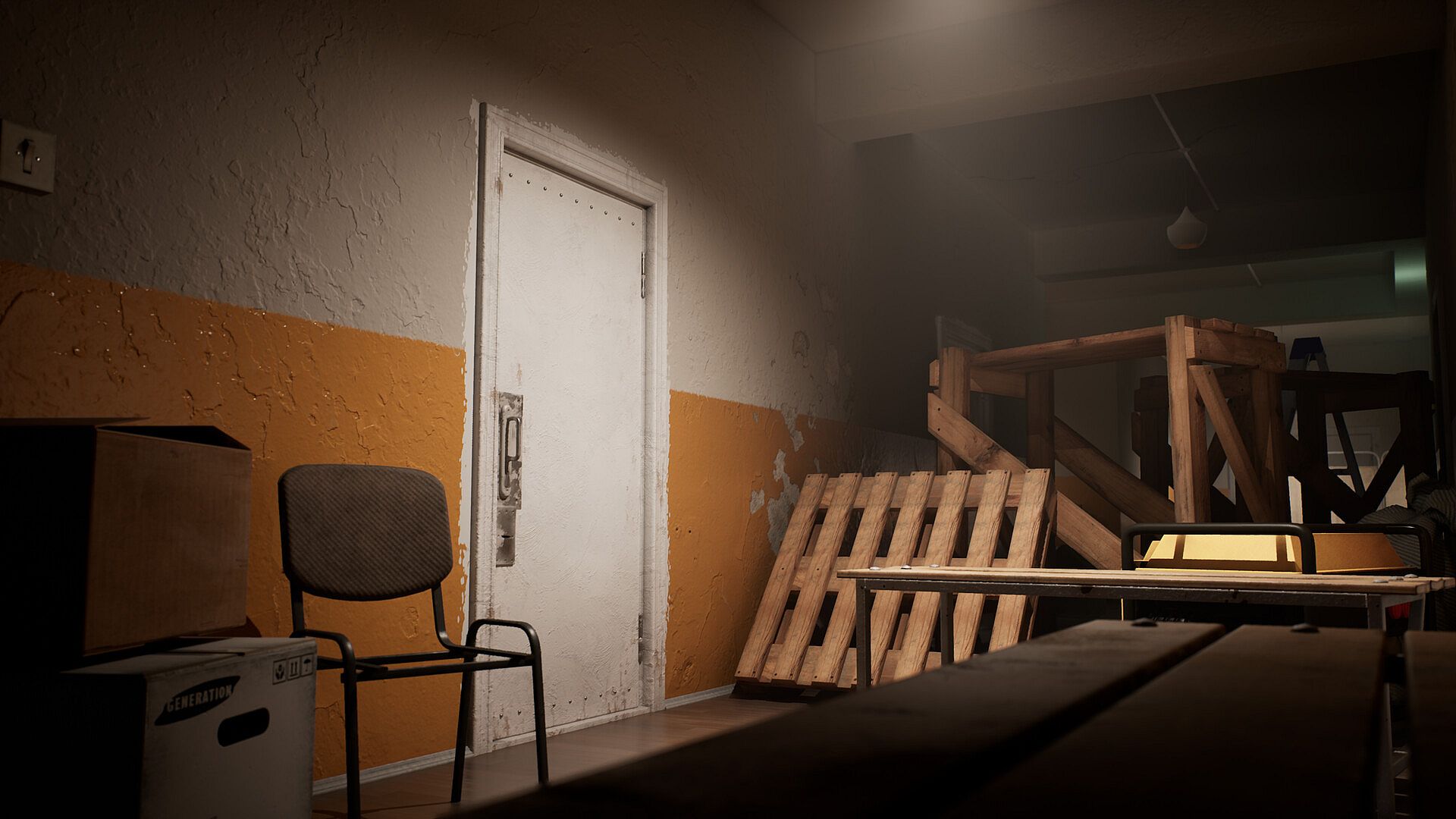
The core loop revolves around careful movement through abandoned corridors, empty buildings, and shifting dreamscapes. Investigation forms the backbone of progress, as players examine objects and spaces for hidden details that advance the narrative. Environmental puzzles require observation and logical connections between elements in the environment, often demanding a shift in perspective to reveal solutions.
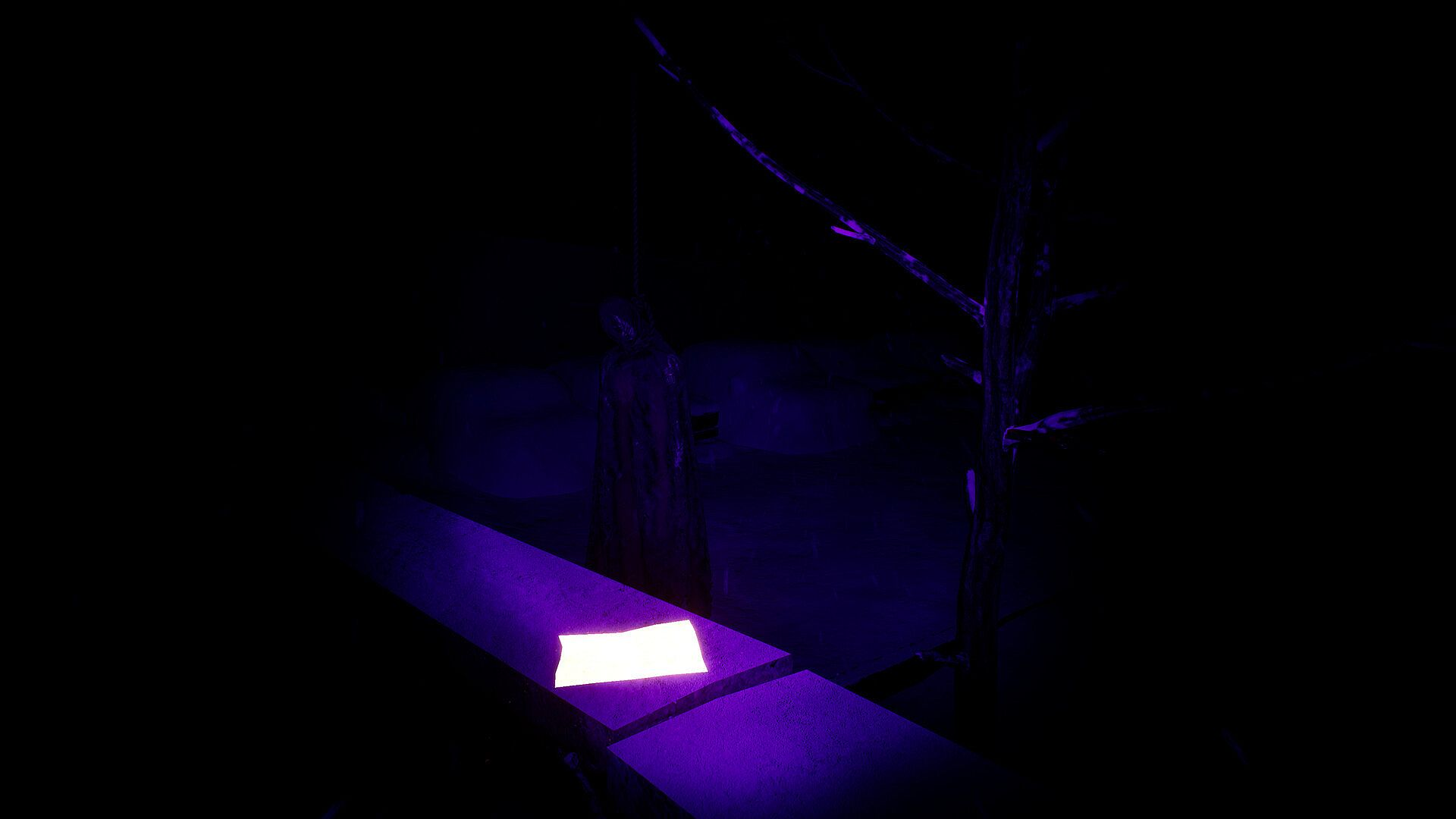
A key mechanic involves a pair of purple glasses that expose layers of the world otherwise invisible to normal sight. These tools highlight clues, alter perceptions of certain areas, and open new paths through otherwise impassable sections. Survival hinges on awareness and adaptation rather than direct confrontation, with players learning to interpret signs of danger in shadows, sounds, and sudden changes in the surroundings.
Progression feels deliberate and measured, encouraging players to pause, listen, and piece together the rules of this unstable reality. The absence of traditional health systems or weapons shifts focus entirely to perception and timing, making every decision carry weight in an environment that reacts to presence and attention.
Game Modes
Dreams of Suffering offers a single-player experience with no multiplayer components or separate modes. The entire journey unfolds as one continuous narrative adventure, structured around sequential exploration of distinct locations that blend realistic winter settings with impossible dream elements. There are no branching campaigns, competitive elements, or cooperative options, keeping the emphasis on solitary progression through the story.
Players move at their own pace through the fixed sequence of areas, uncovering clues and solving puzzles in a linear yet atmospheric path. This design reinforces the themes of isolation and personal confrontation with fear, without any alternative playstyles or difficulty variants confirmed at this stage.
Story and Environment
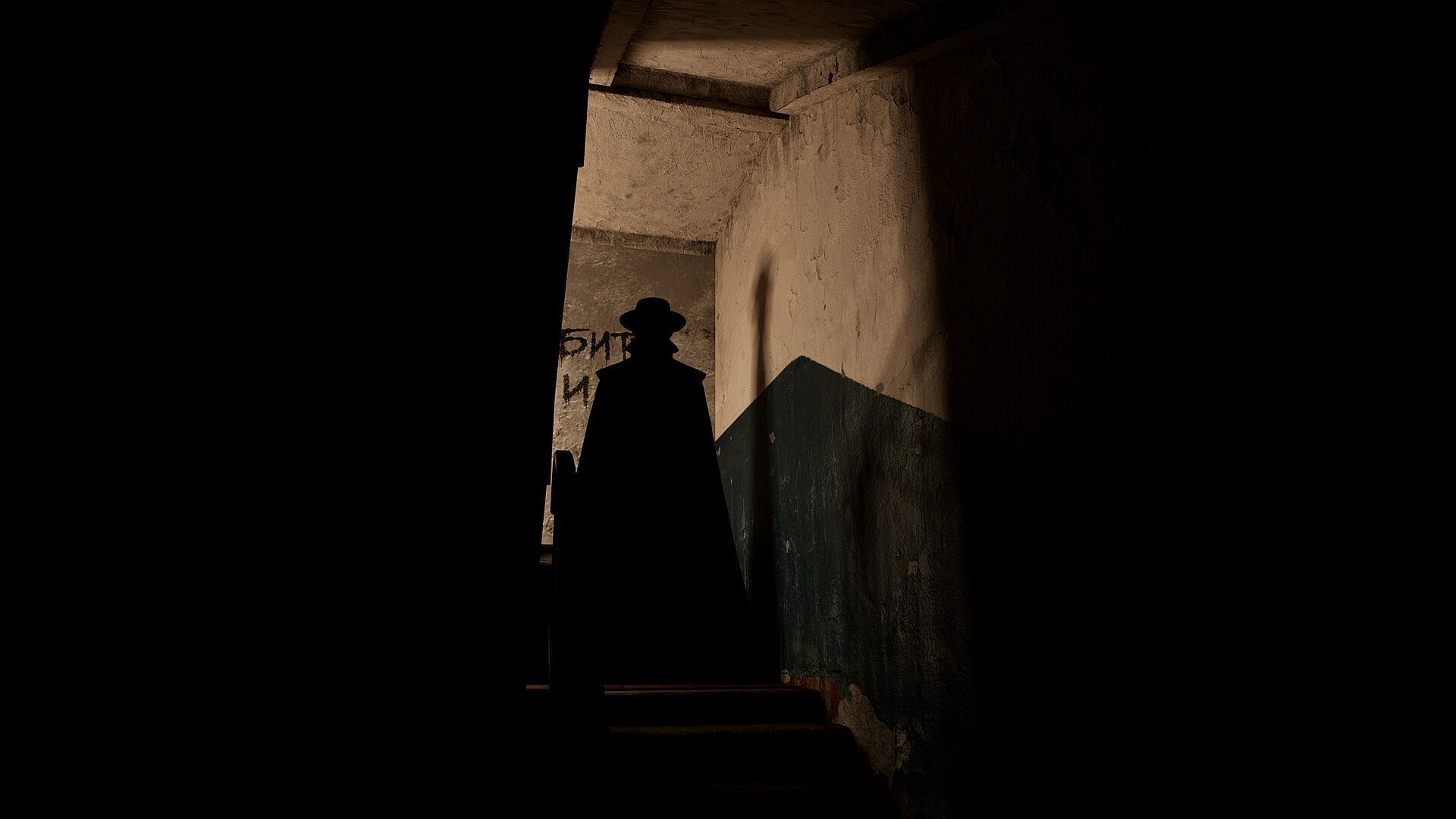
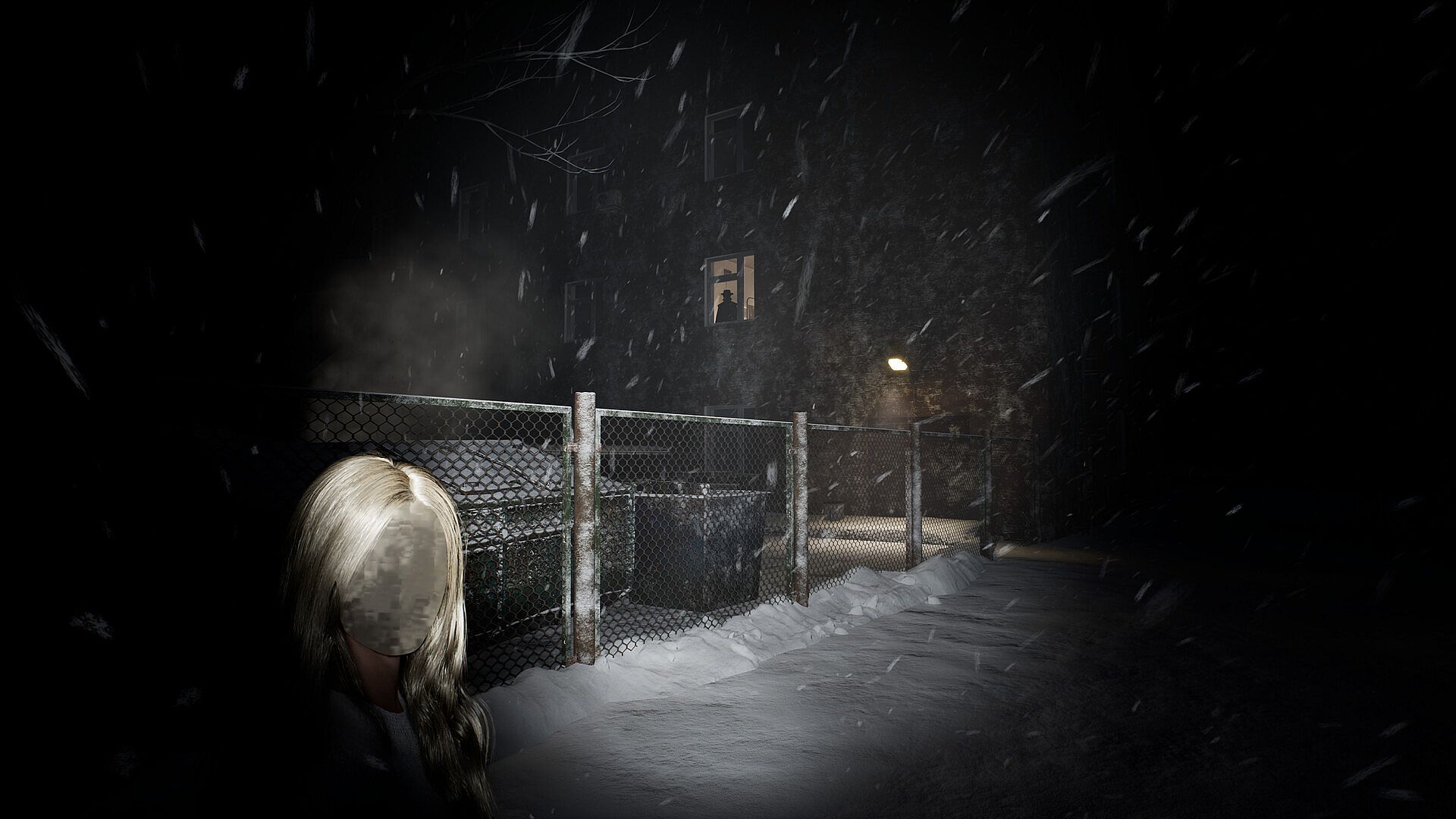
The narrative begins with an awakening in an unfamiliar frozen reality that blends memory and nightmare. A mysterious girl appears as a companion figure, guiding the journey while remaining tied to the strange rules of this place. Together they traverse abandoned locations inspired by quiet post-Soviet landscapes, moving from dark corridors into abstract spaces that defy normal logic.
Every setting contributes to the atmosphere without spoken exposition, relying on visual details, silence, and environmental storytelling. The boundary between what is real and what belongs to the dream grows thinner as progress continues, creating a sense of disorientation that mirrors the protagonist's own uncertainty.
Fear and Survival
Fear emerges from subtle cues rather than overt threats. Strange entities and distorted events test perception, forcing reliance on sound cues, visual anomalies, and gut instinct to navigate safely. The design avoids jump scares in favor of sustained tension built through detailed audio layers and moments of complete silence.
Adaptation comes from recognizing patterns in the nightmare's behavior and adjusting movement or investigation accordingly. This approach makes survival feel personal and fragile, centered on staying alert amid an environment that seems to watch and respond to the player's presence.
Is It Worth Playing?
Dreams of Suffering targets players who appreciate slow-burn psychological horror and atmospheric single-player adventures. Its focus on exploration, environmental puzzles, and sound-driven tension suits those drawn to experiences where narrative emerges through discovery rather than action sequences or dialogue trees.
With its emphasis on instinct and perception over combat or complex systems, the game appeals to fans of introspective horror titles that prioritize mood and unease. As a title still listed as coming soon with no released version or player feedback available, its value will depend on how well the final execution matches the described atmosphere and mechanics once it launches.