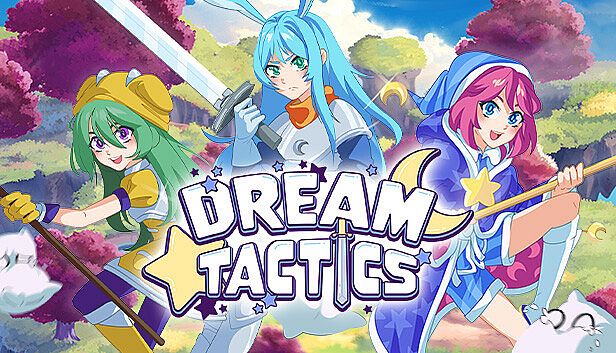





















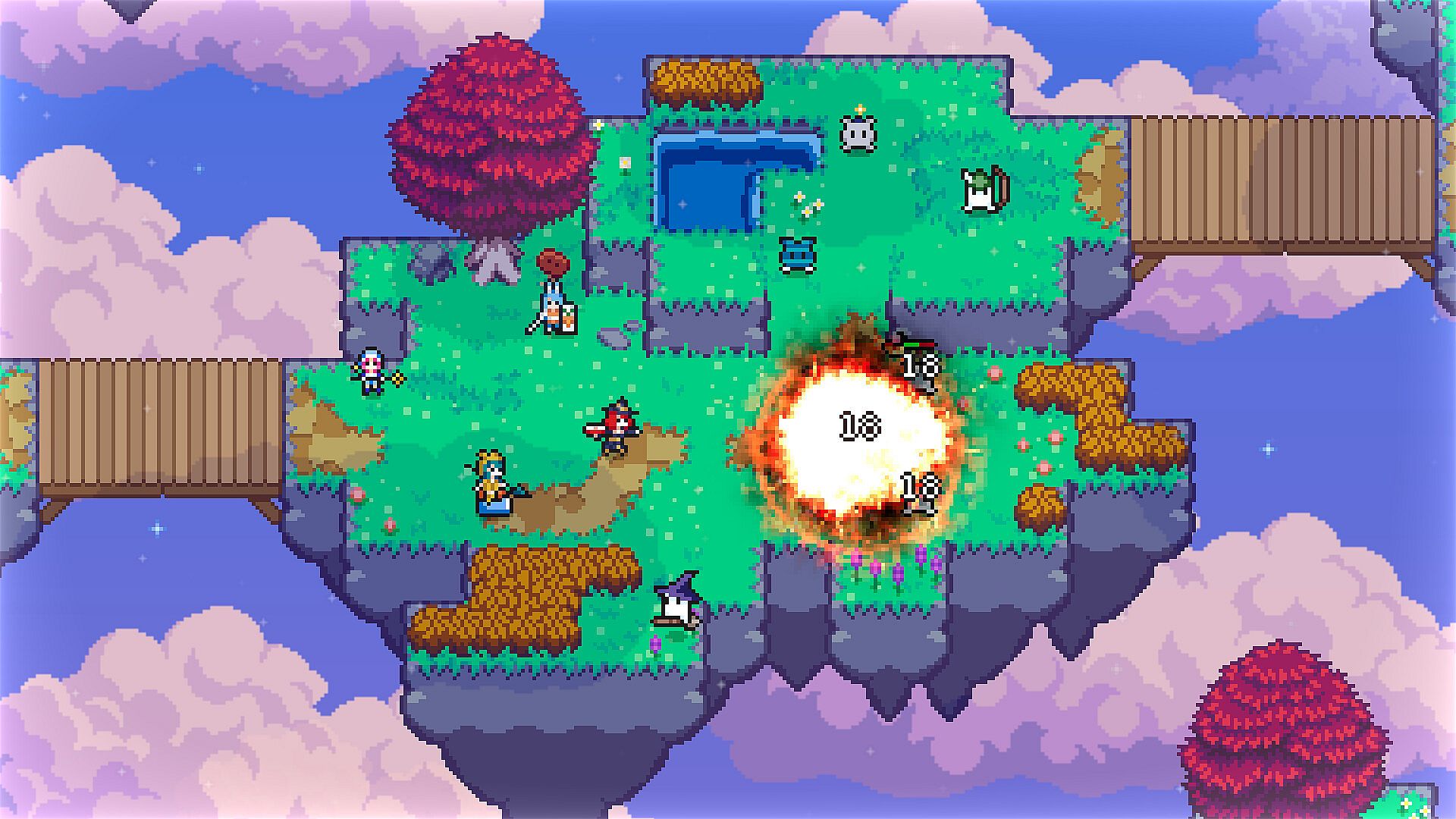
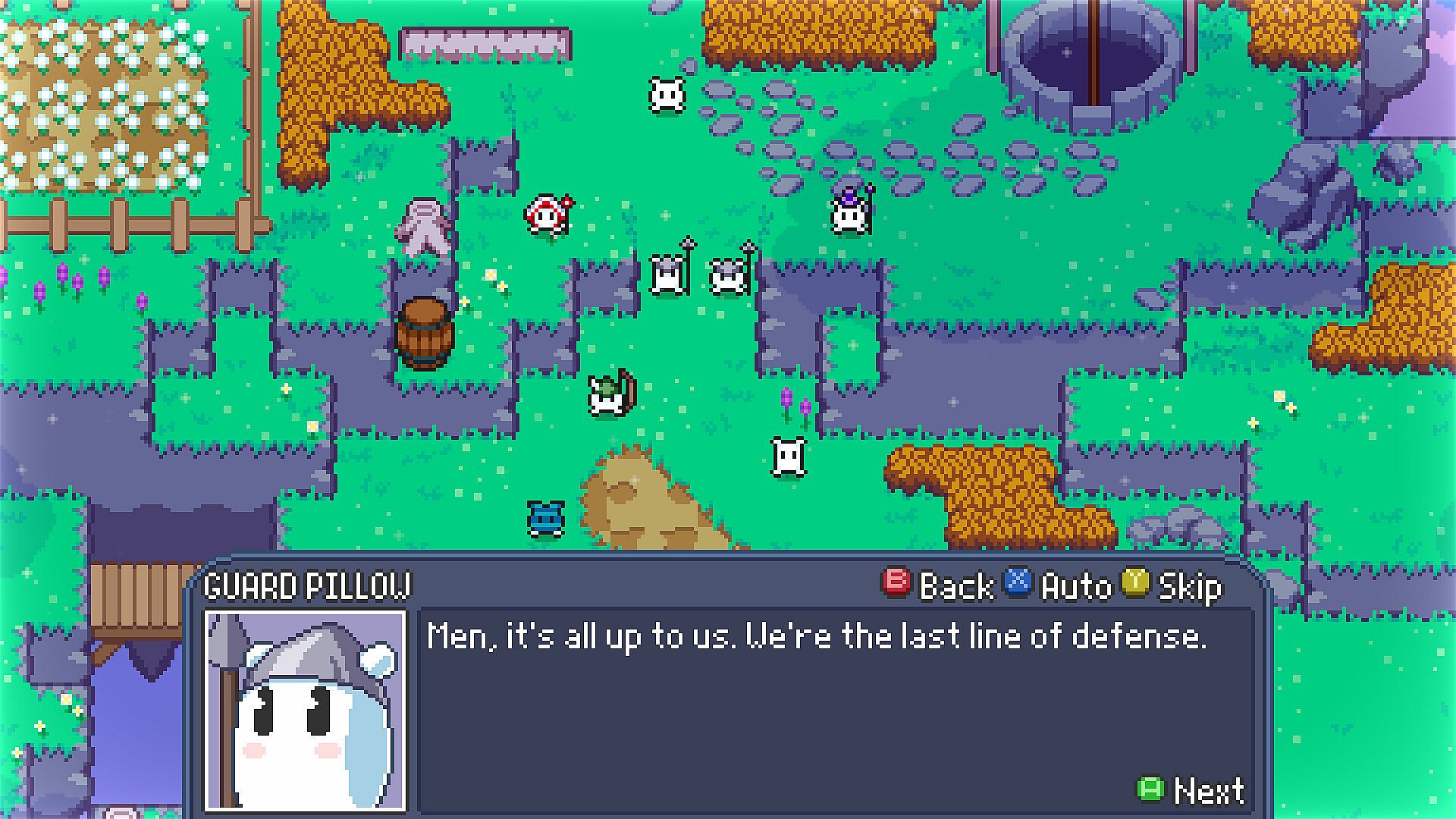
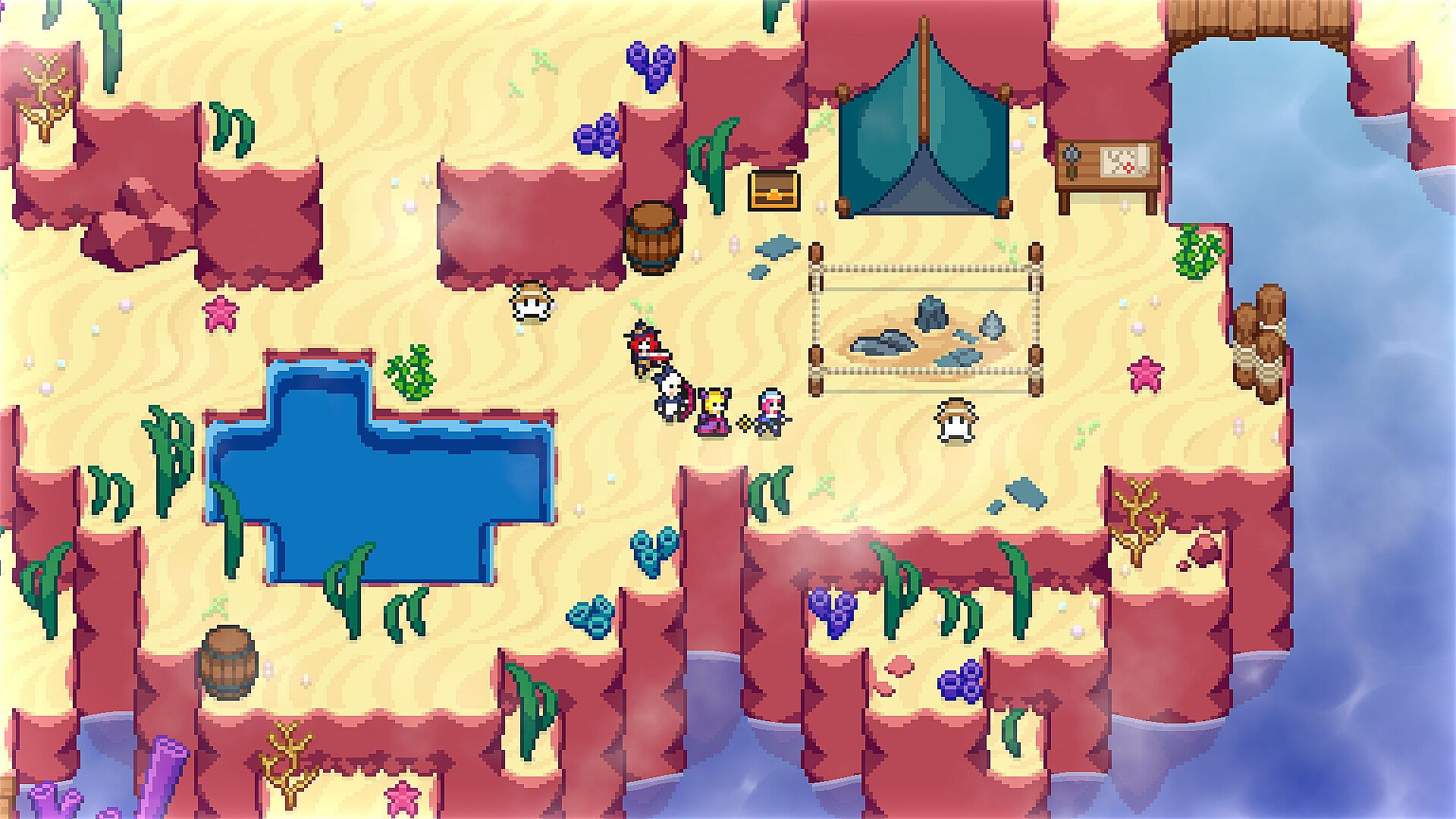
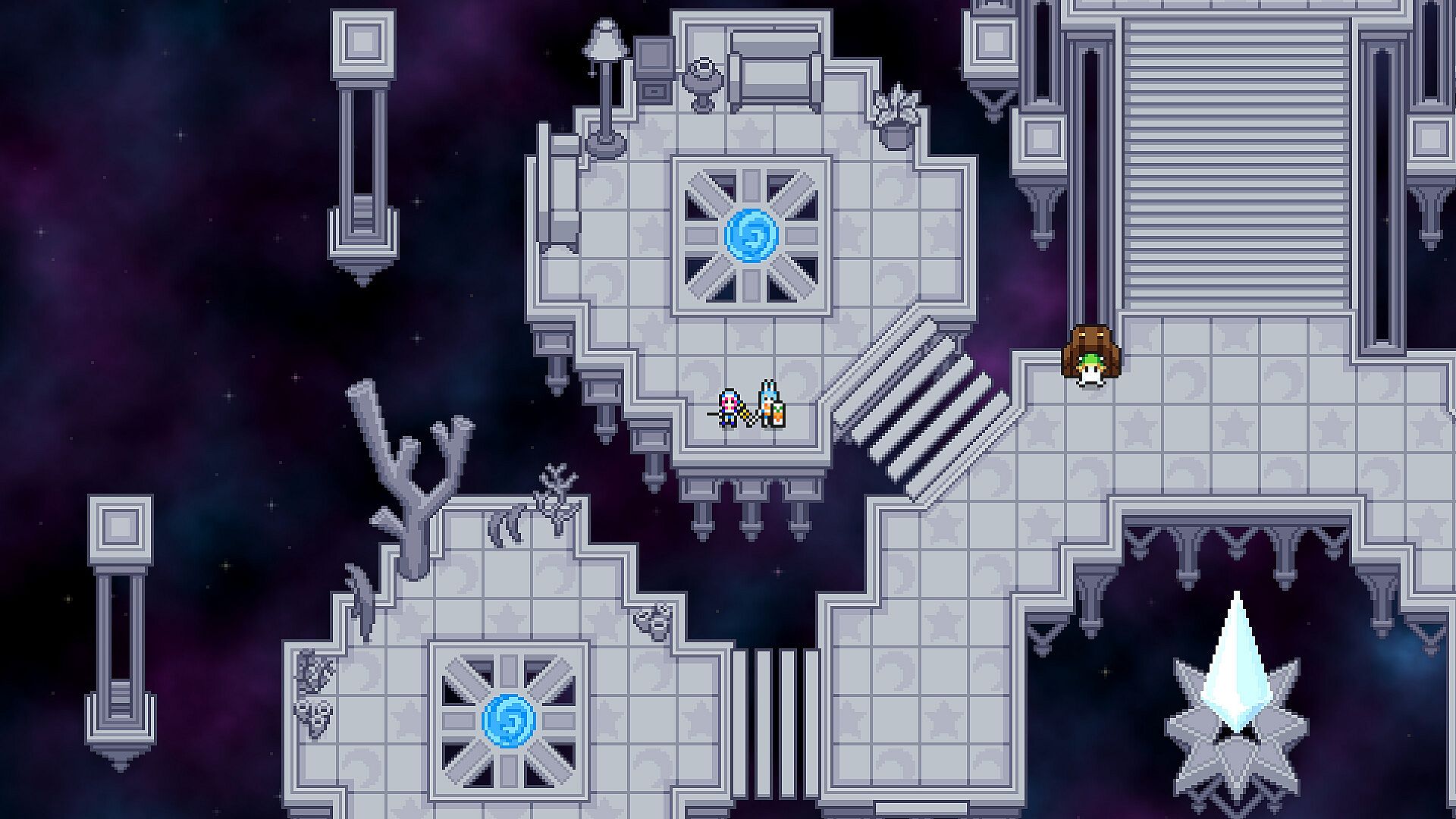
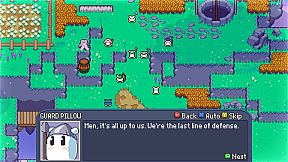
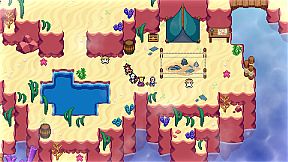
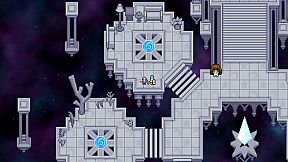
Dream Tactics is a strategy RPG that blends grid-based tactical combat with deckbuilding mechanics in a single-player adventure set across the surreal Dream World. Players take control of Neru and a growing roster of allies to battle pillow-like enemies while managing cards, equipment, and party composition to overcome challenges on islands filled with hidden paths and treasures.
Gameplay
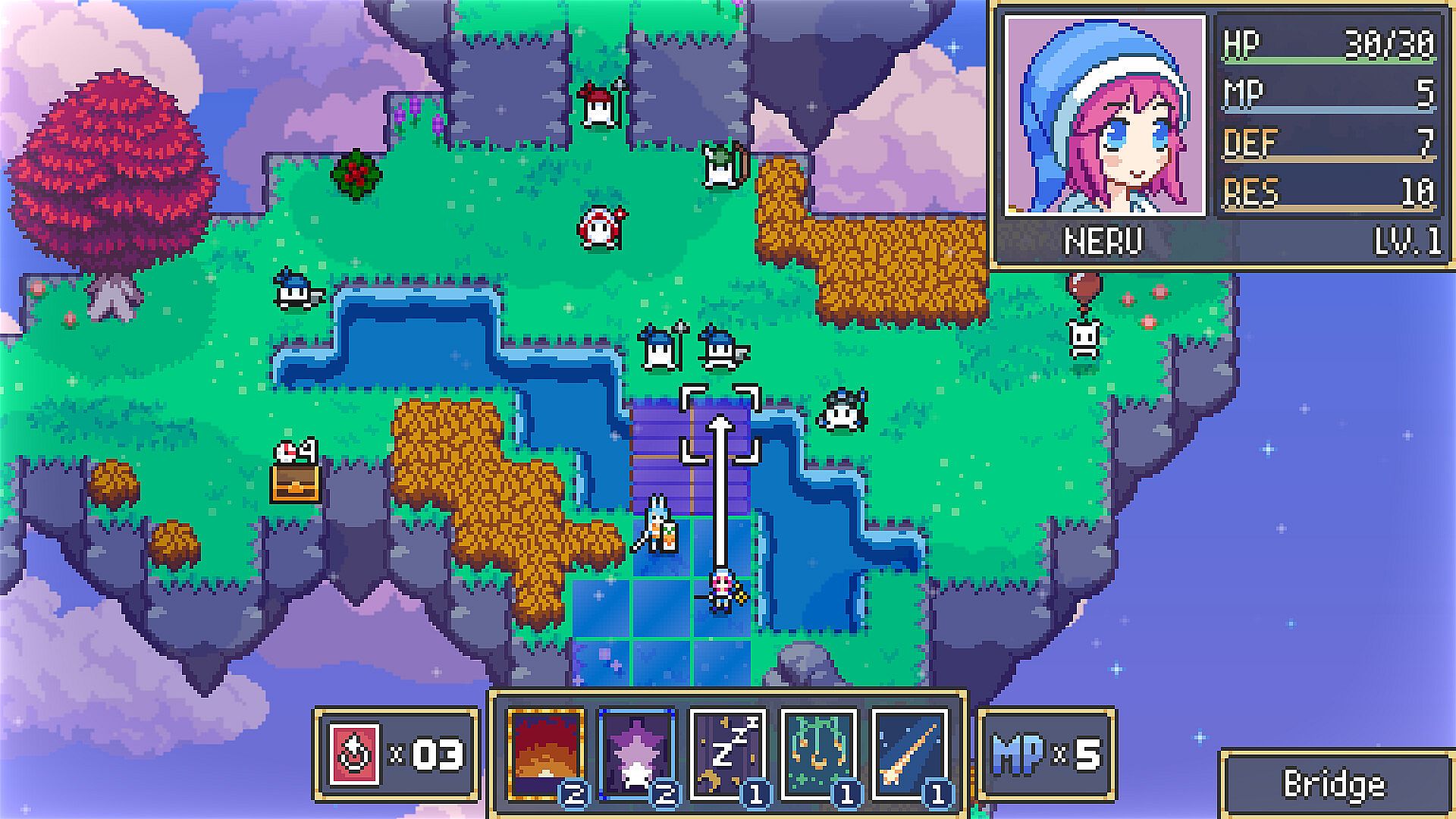
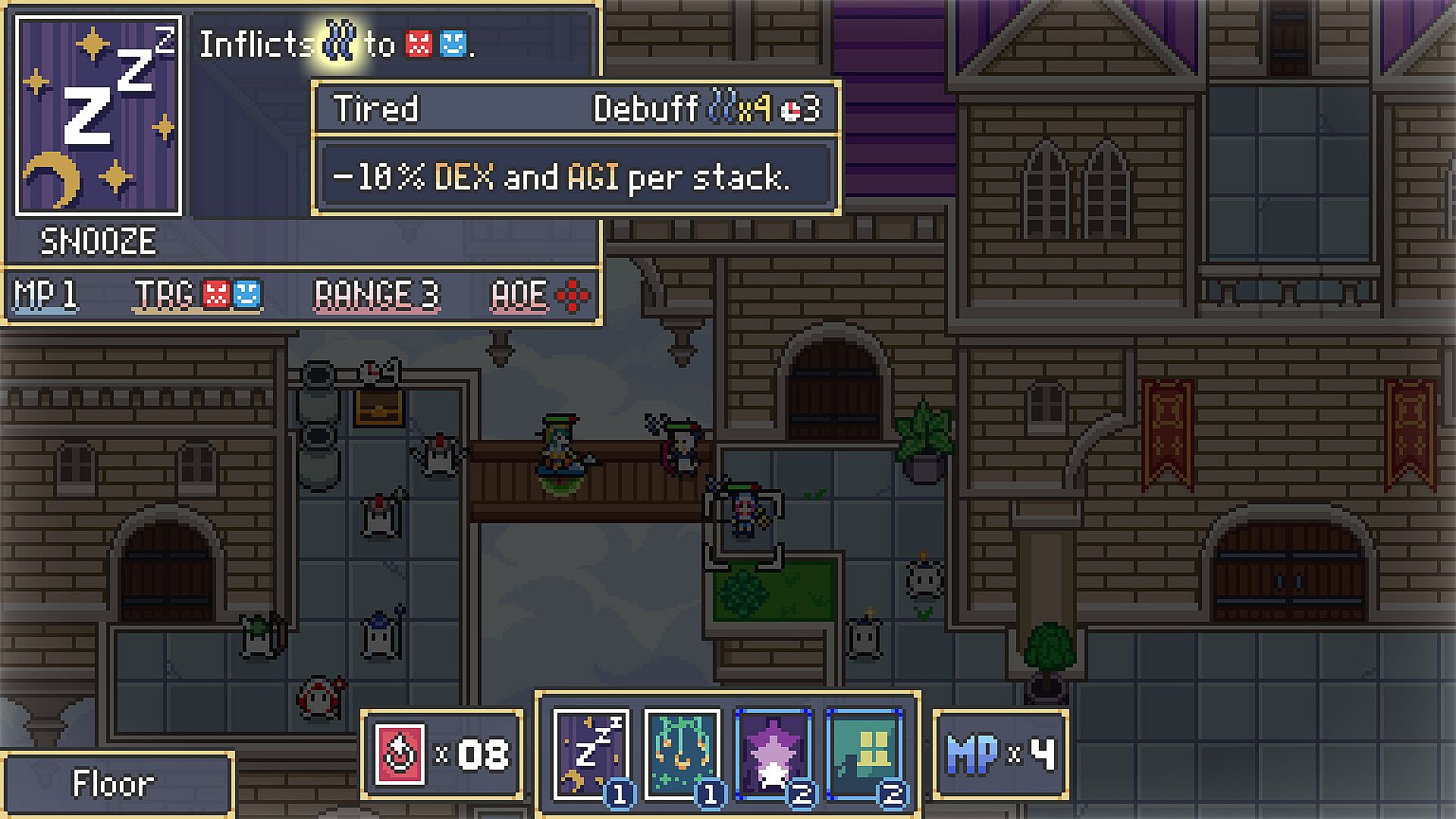
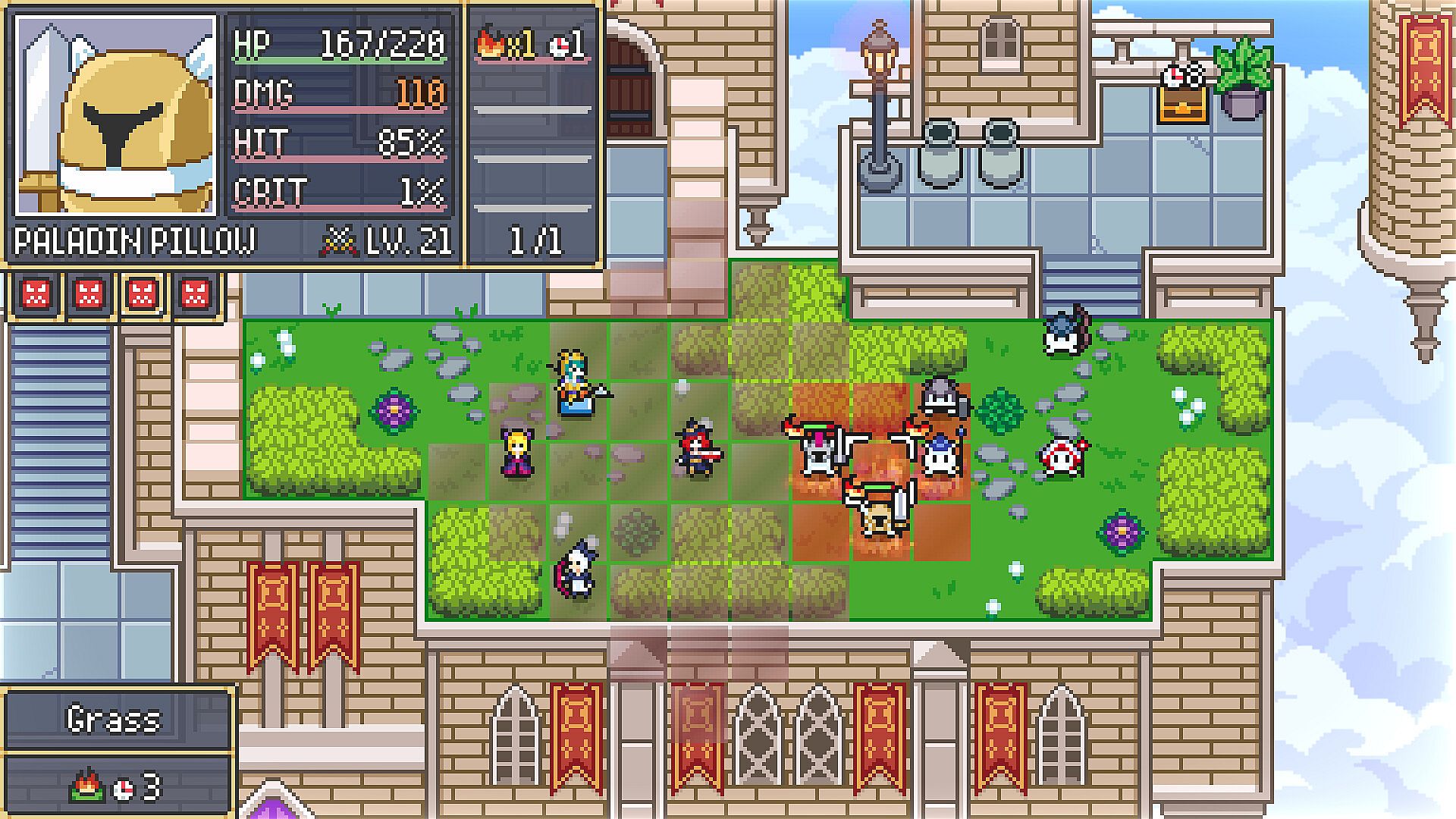
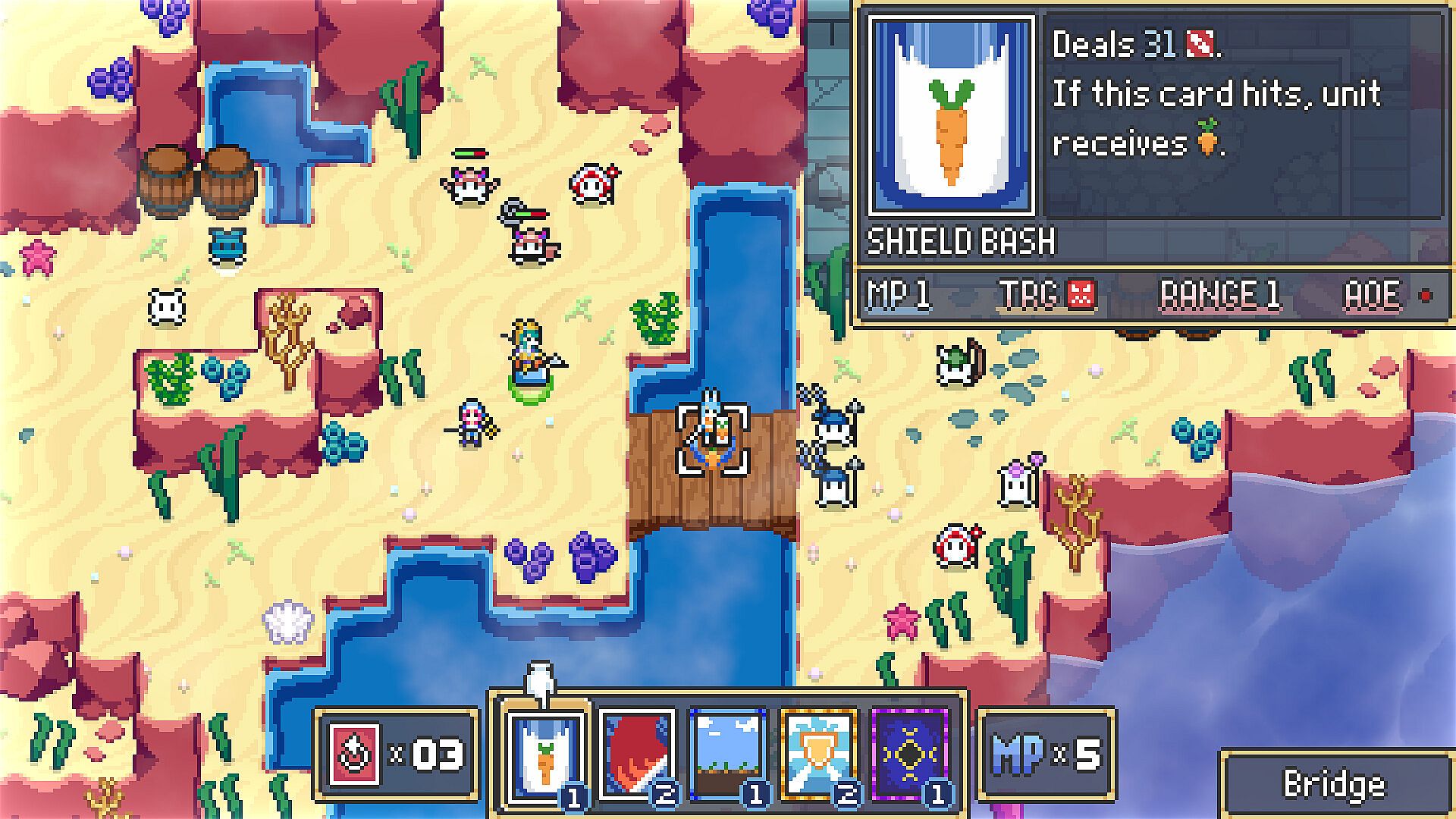
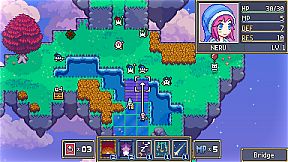
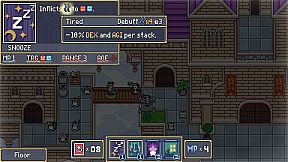
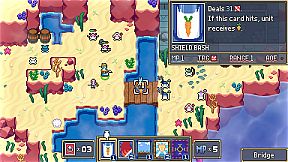
Combat unfolds on a grid where characters move and execute actions each turn. Every party member draws five cards from a personal deck of fifteen at the start of their turn, then spends MP to play abilities that can deal damage, apply status effects, reposition units, or support allies. Multiple cards can activate in sequence for combos, and players spend points to redraw for better options when luck runs against them.
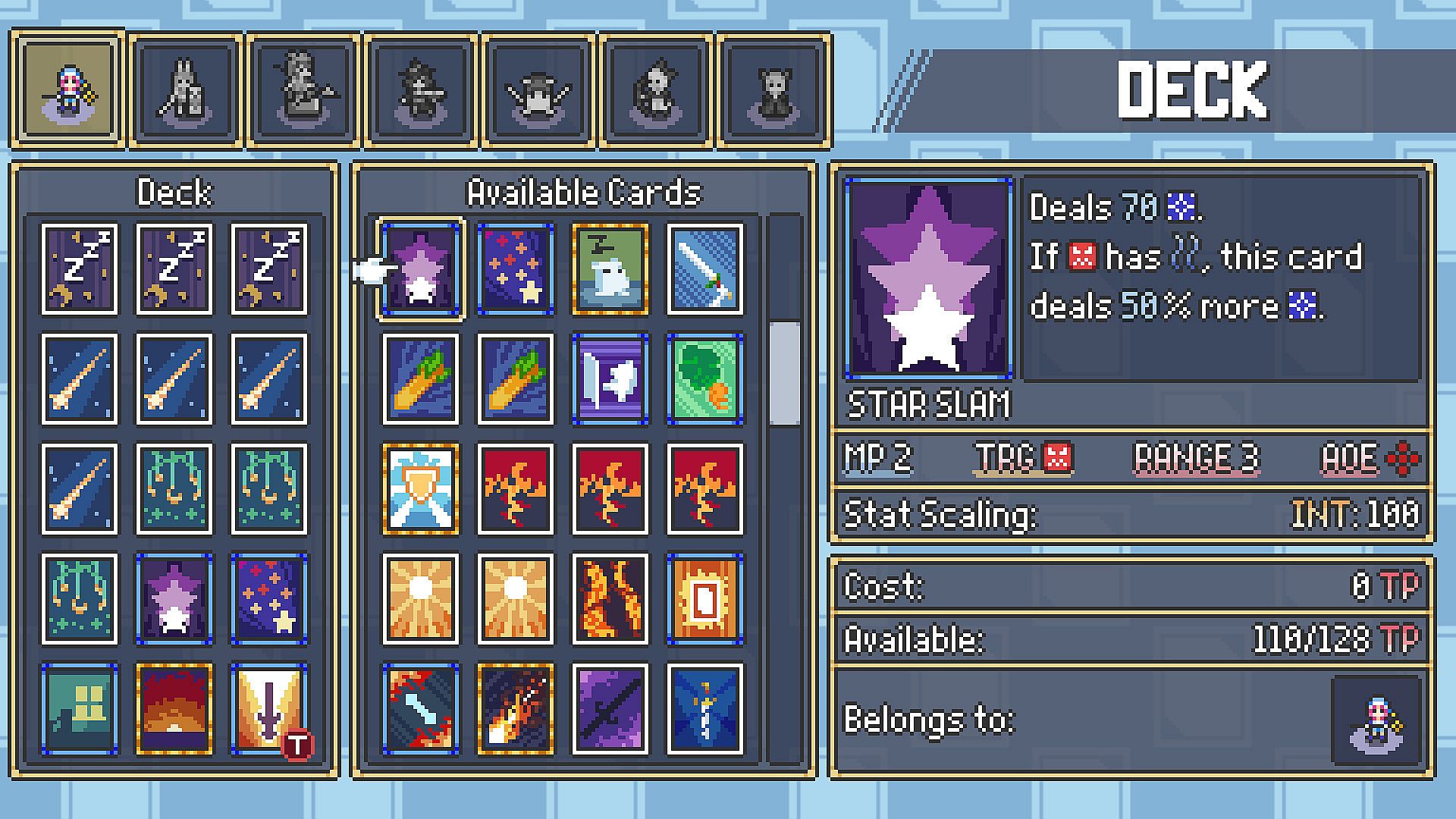
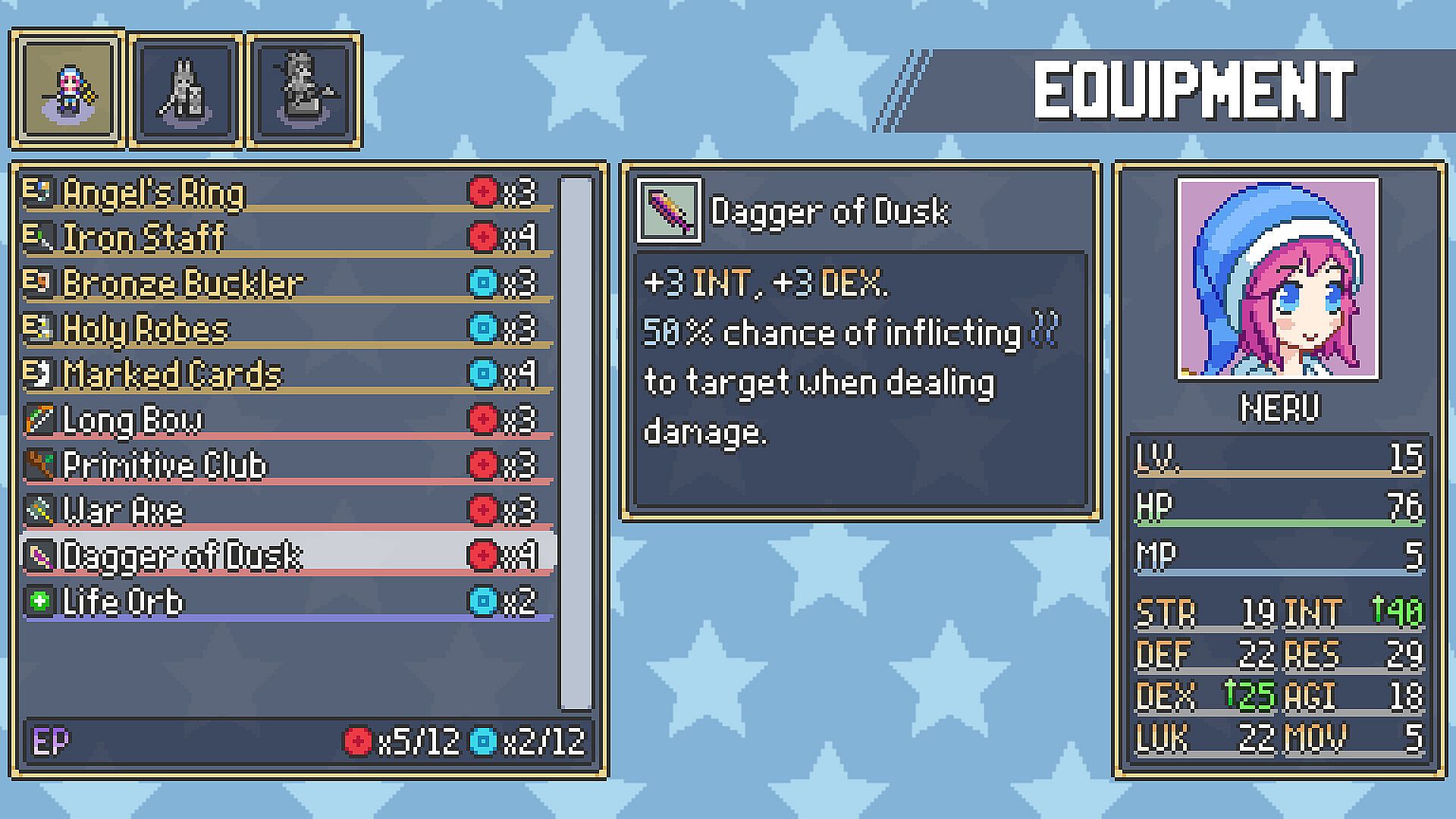
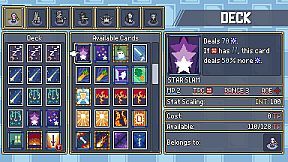
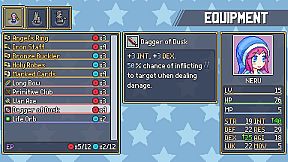
Decks expand through exploration as new cards are discovered and assigned to any character, since all allies share the same pool of abilities. Cards trade freely between party members to create specialized roles, such as area damage dealers or mobile strikers. Equipment adds further layers, with each item carrying a cost that limits how many a character can carry at once, encouraging careful inventory management as levels increase capacity.
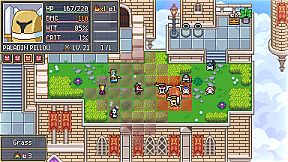
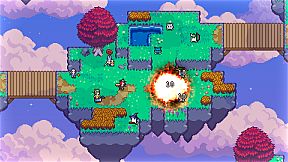
The Dream World features terrain that influences movement and line of sight, allowing players to gain advantages by positioning around obstacles or elevation. Pillow enemies appear in varied forms that demand different approaches, from swarms that overwhelm with numbers to tougher variants that punish poor planning. Exploration rewards thorough searching of each island for cards, items, and allies who join the cause with their own starting decks.
Game Modes
The game centers on a linear campaign of exploration and battles. Players assemble a party of up to four members from available allies and progress through story-driven islands, defeating key threats to advance the narrative. Battles occur in set encounters and optional fights, with no separate competitive or endless modes present.
Difficulty settings adjust enemy behavior and resource availability, providing options for players seeking greater challenge without altering the core structure. The experience remains focused on single-player progression through the Dream World rather than multiplayer or alternate formats.
Character Customization and Party Building
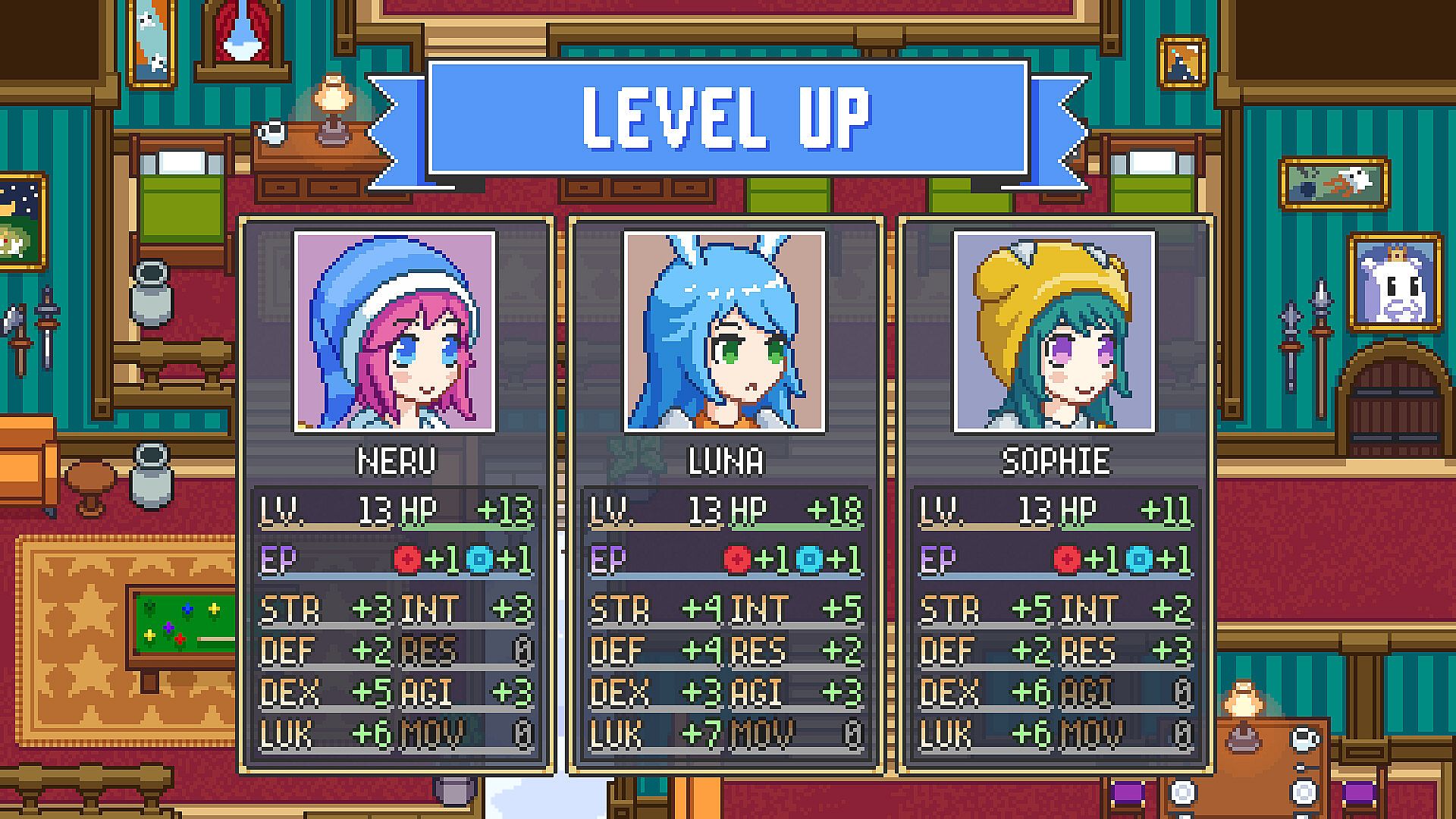
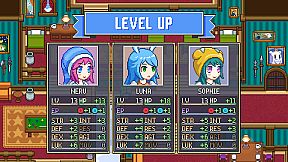
Customization revolves around deck construction and equipment choices rather than traditional classes. Starting characters like Neru bring baseline abilities focused on area effects and debuffs, while recruits such as Luna emphasize physical strikes and mobility. As the story unfolds, more allies appear, each contributing unique card options that expand strategic variety.
Balancing a party involves selecting members whose card pools complement one another, then refining loadouts through trading and new finds. Leveling unlocks more equipment slots, but the cost system forces trade-offs between offense, defense, and utility items. This system supports multiple viable approaches without requiring restarts for experimentation.
Is It Worth Playing?
Dream Tactics appeals to players who enjoy tactical RPGs that incorporate deckbuilding for fresh decision-making each turn. The integration of card draws with grid positioning creates engaging combat loops that reward planning and adaptation over rote repetition.
Reception has been strong, with Very Positive user feedback highlighting the depth of customization, satisfying challenge on higher difficulties, and charming presentation that masks substantial strategy. The game launched complete in April 2024 and maintains steady support through its core systems without reliance on ongoing seasons.
Those who appreciate GBA-era tactics titles mixed with modern card mechanics will find a focused, self-contained experience that emphasizes thoughtful party management and combat execution. Shorter play sessions suit the structure well, making it accessible for dedicated strategy fans seeking something distinct from standard turn-based fare.