

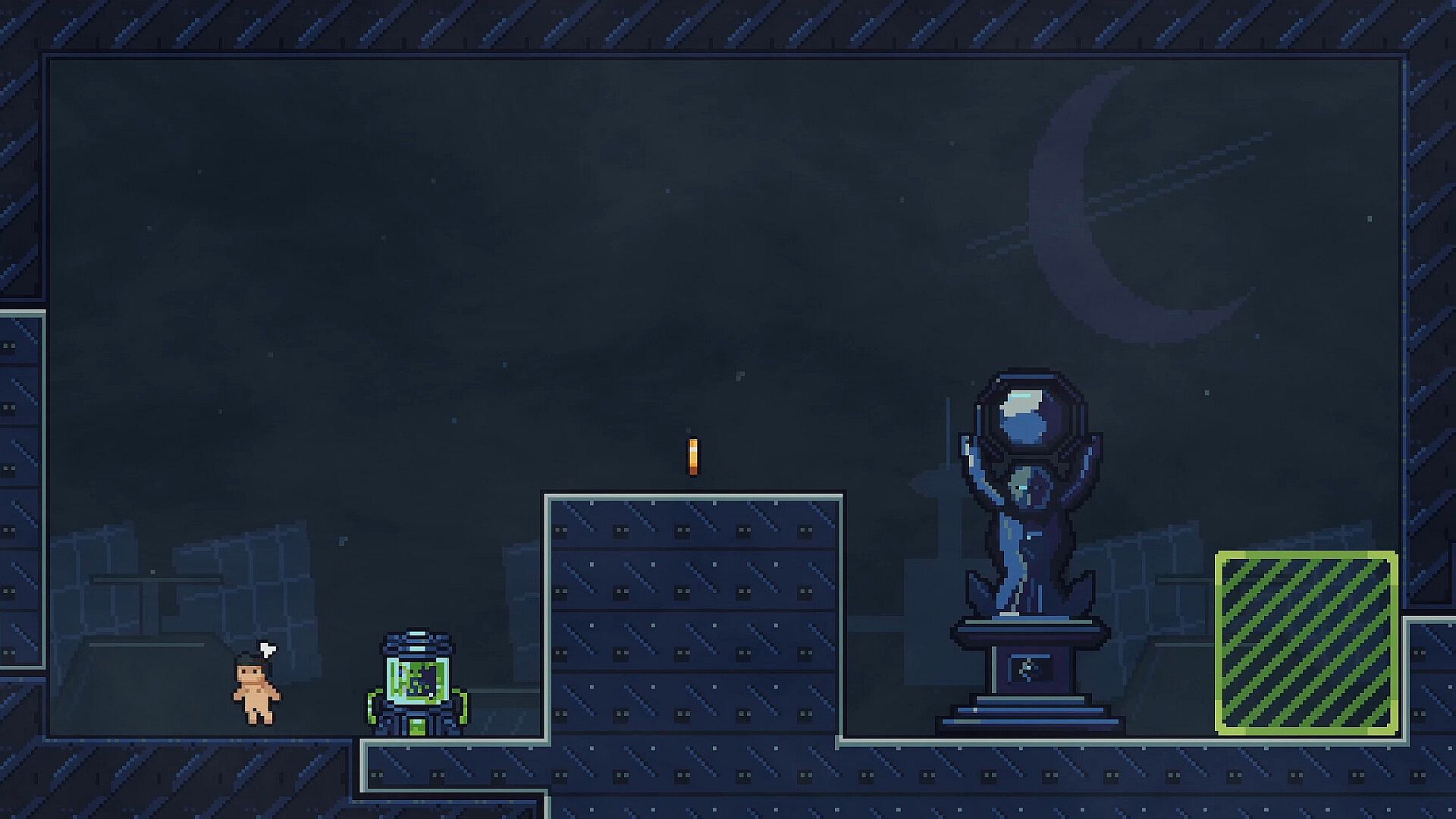
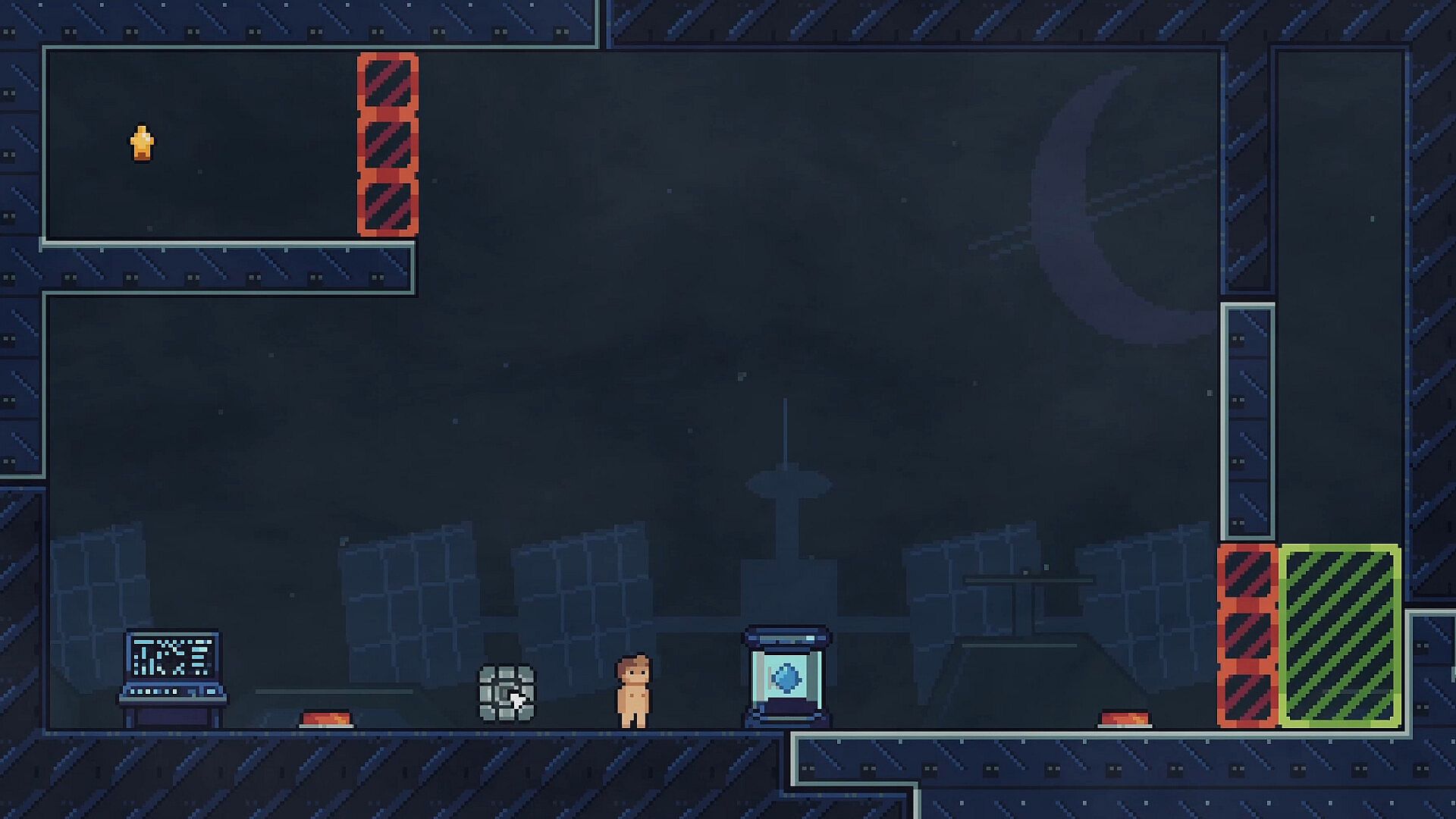
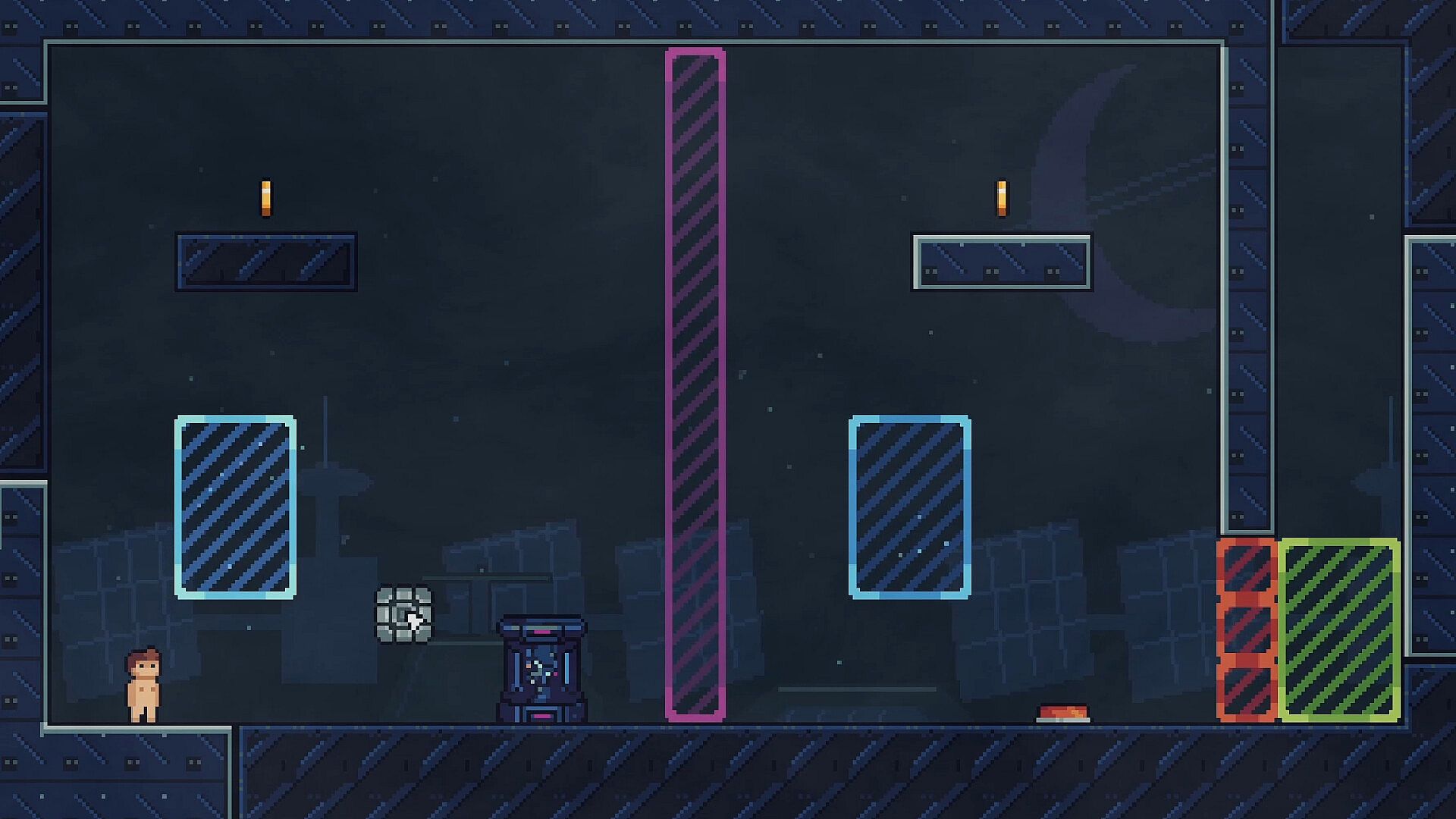
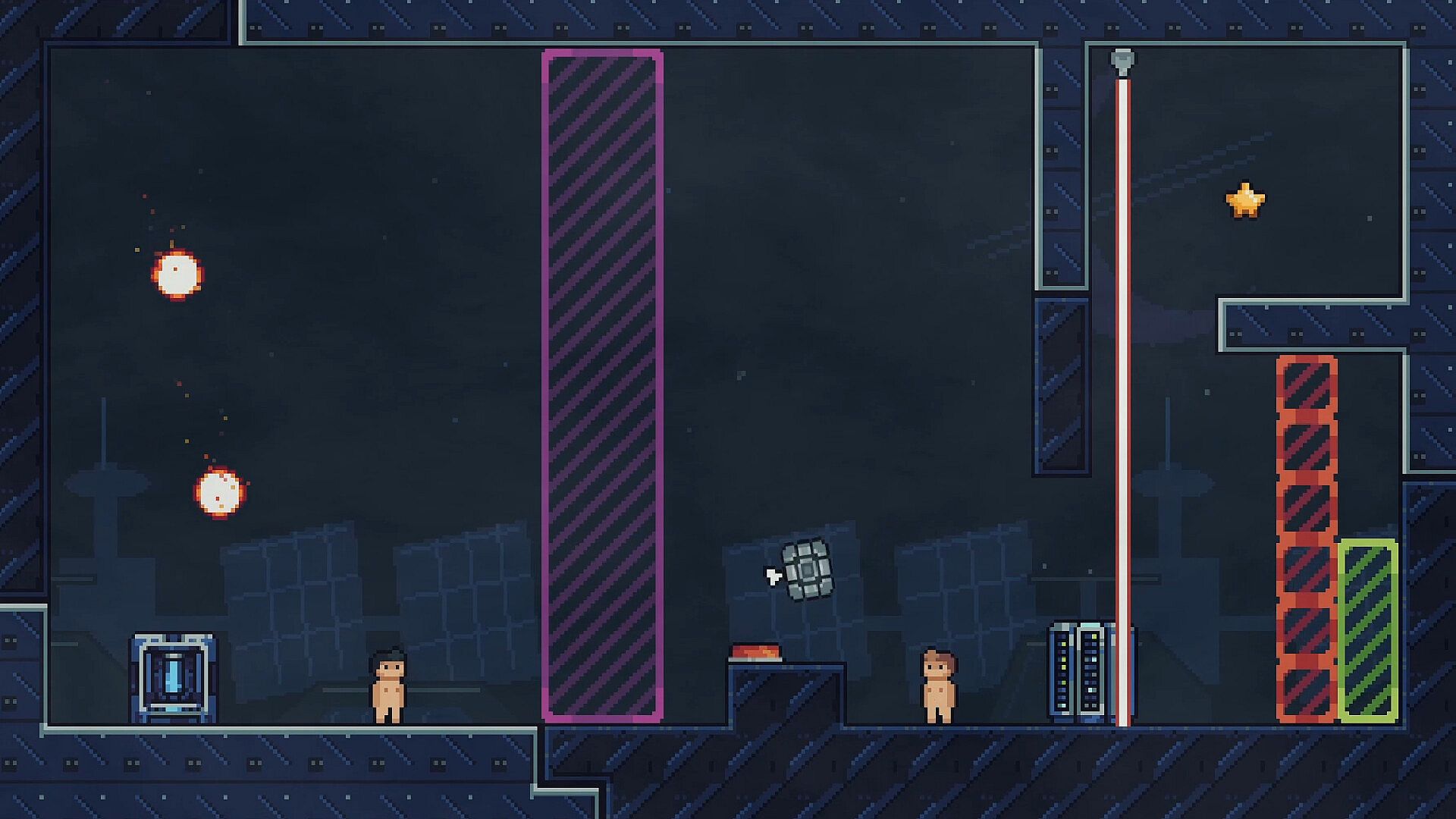
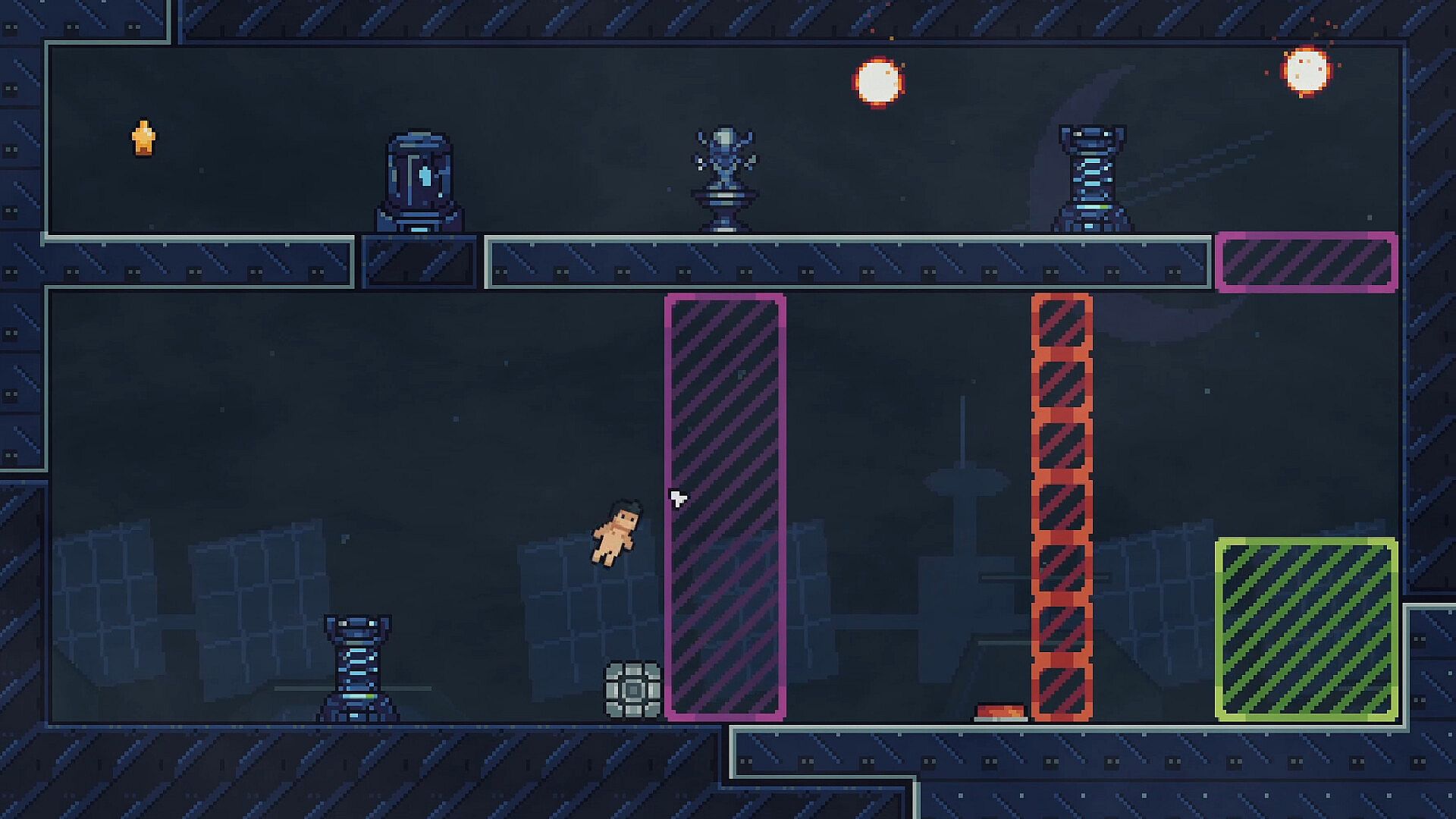
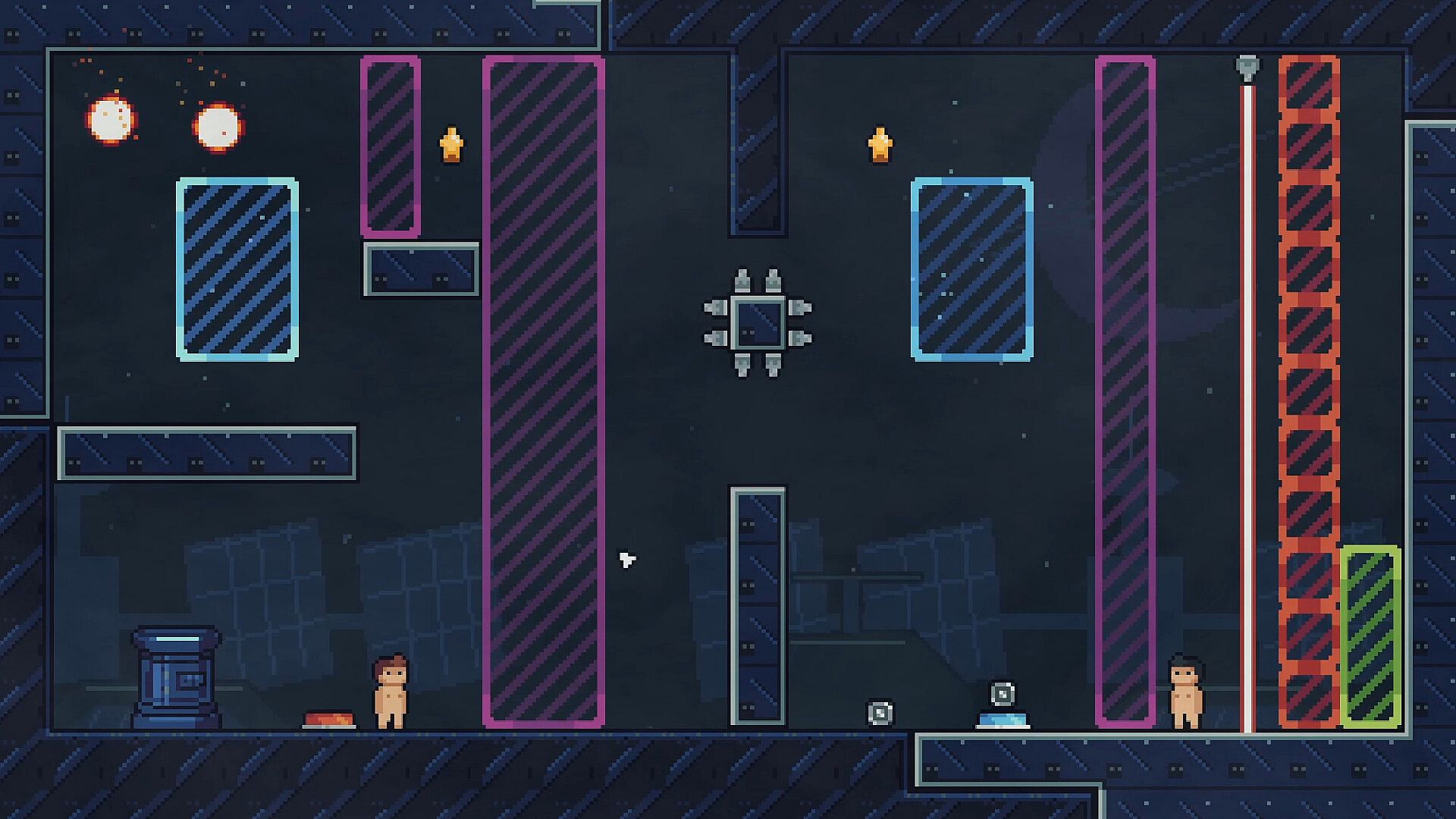
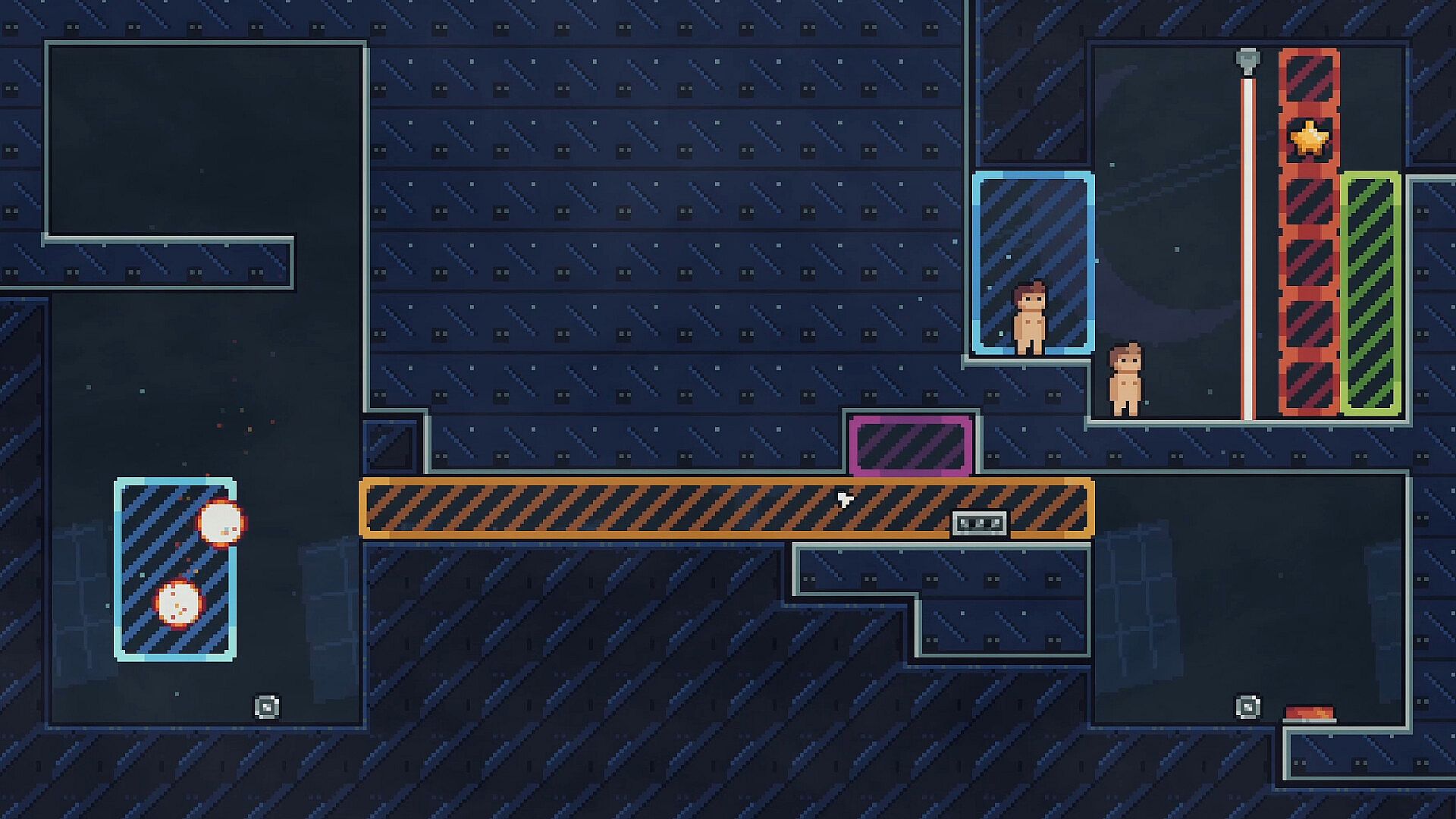
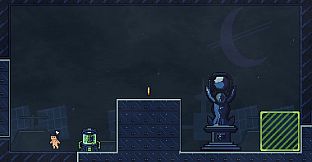
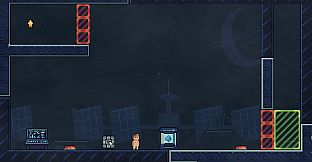
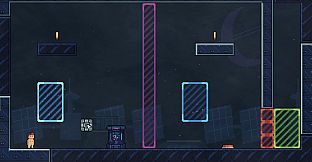
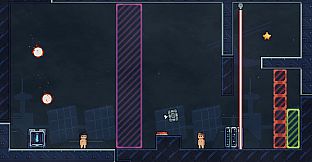
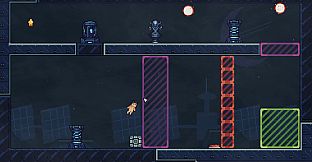
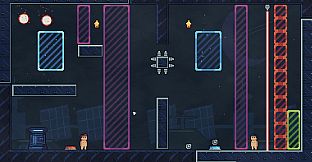
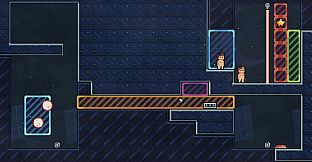
Drag and Drop: Space Shifting is a casual puzzle game for PC that moves the drag-and-drop series into a cosmic setting. Players use the mouse to grab characters and direct them across stations, asteroids, and nebulae in search of an exit.
Gameplay
The core loop centers on precise mouse control. Each level presents a layout of hazards and paths where characters must be dragged from start to finish. The mechanics reward careful planning because the shortest route to the exit rarely aligns with the positions of hidden collectibles. Players adjust their approach mid-level by weighing the time spent on detours against the satisfaction of clearing every objective. Pixel art renders the environments with clear starfields and glowing details that keep the focus on spatial relationships rather than visual clutter.
Levels build around the established drag-and-drop rules while introducing new obstacles tied to the space theme. Asteroid fields and station corridors create tight spaces that demand exact placement of characters. The challenge grows steadily across the full set of stages, encouraging repeated attempts to refine routes without introducing unrelated systems.
Game Modes
Two distinct approaches define play sessions. The first focuses on reaching the exit as directly as possible. This method suits quick runs and emphasizes efficient dragging through the level geometry. The second approach shifts priority to locating every collectible star scattered in out-of-the-way spots. Completing this version requires entirely different paths and often multiple passes through the same stage.
Switching between the two styles happens naturally within a single level. A player might begin by heading straight for the exit and then backtrack once the main objective is met, or they might map out star locations first and treat the exit as the final step. No additional modes or variations appear beyond these core options.
Level Design and Progression
Forty hand-crafted stages form the complete experience. Each one places stars in positions that force trade-offs between safety and reward. Brighter stars often sit near hazards, so deciding whether to pursue them becomes part of the puzzle. The progression moves from straightforward station interiors to more open asteroid belts and nebula regions, maintaining variety while staying true to the drag-and-drop foundation.
Collectibles serve as the main driver for replay value. Finishing a level once provides a baseline sense of completion, yet returning to gather every star transforms the same geometry into a new challenge. This structure keeps sessions focused on spatial reasoning rather than new mechanics or external systems.
Visual Style and Atmosphere
Crisp pixel art defines the presentation. Starfields, compact space stations, and luminous nebulae create a consistent cosmic backdrop without overwhelming the puzzle elements. The art style supports clear visibility of character positions and potential paths, which matters most during precise dragging actions. Sound and interface elements remain minimal to keep attention on the mouse-driven gameplay.
Is It Worth Playing?
Drag and Drop: Space Shifting suits players who enjoy deliberate puzzle solving and the satisfaction of full completion. Those who prefer short, focused sessions can finish levels quickly by heading straight for the exit. Players who like hunting every collectible will find the star placements create meaningful decisions about risk and route planning. The game stays within the casual genre, offering forty self-contained stages that scale in complexity without requiring external knowledge or ongoing updates. Anyone drawn to mouse-based spatial puzzles in a simple space setting will find a complete, self-contained package here.