







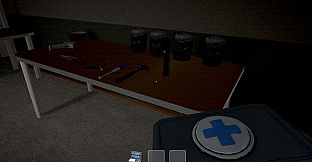
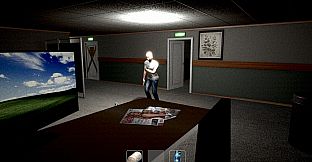
Dr. Harlow's Clinic is a first-person psychological horror simulation adventure game set on PC. Players take on the role of Dr. Victor Harlow, a physician navigating routine medical duties at Korsivia Central Hospital that gradually give way to unsettling disturbances. The experience blends hands-on patient care with an atmosphere of creeping dread, where everyday hospital tasks intersect with subtle anomalies that intensify over successive shifts.
Gameplay
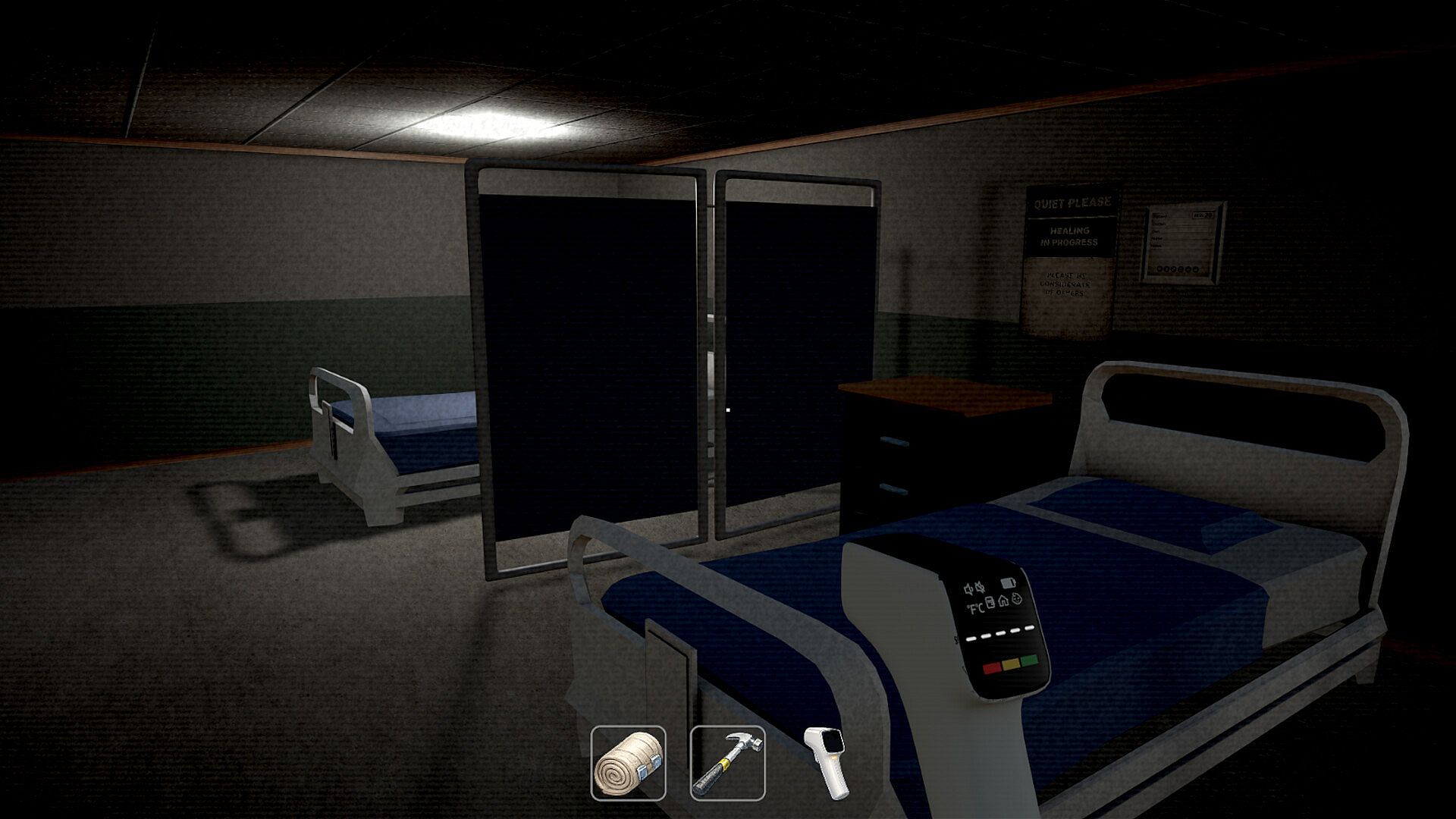
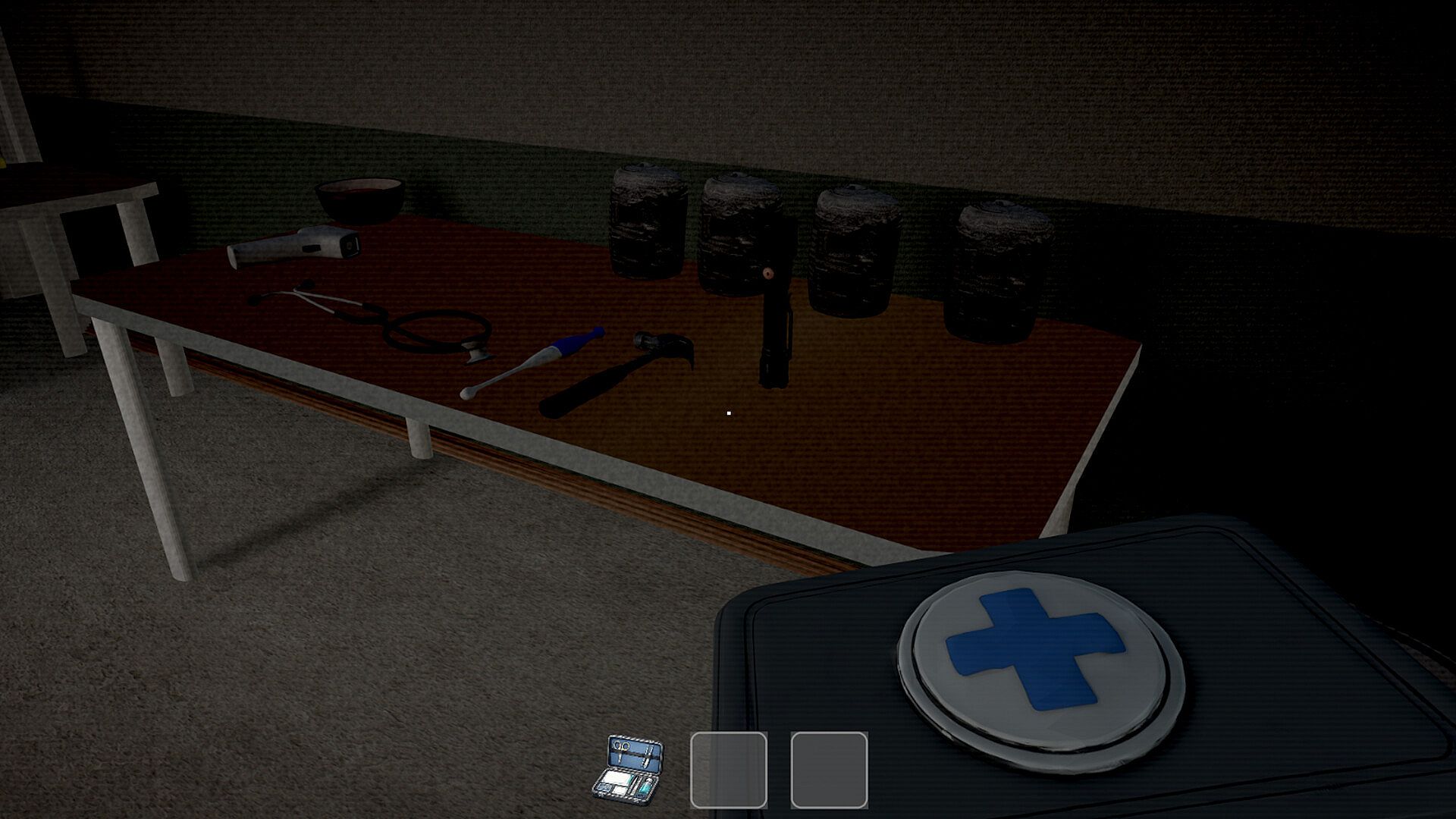
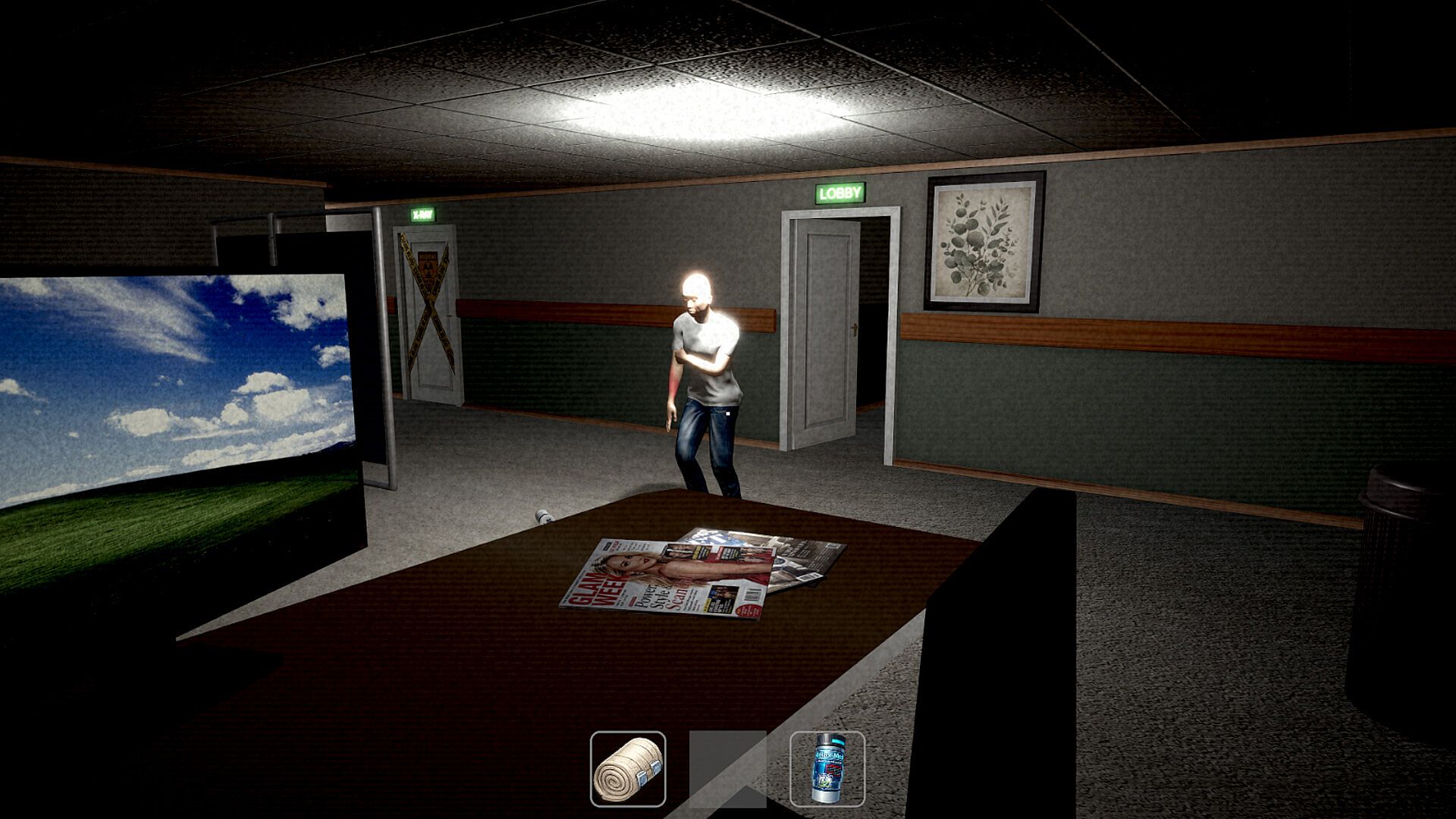
The core loop centers on managing patient arrivals during each shift. Individuals present with conditions such as burns, fractures, wounds, and infections. Diagnosis begins with listening to symptoms, followed by targeted examinations using tools like X-rays and laboratory tests. Treatment involves direct interaction with equipment for procedures including bandaging, casting, administering IV fluids, suturing, and wound care. These actions unfold through interactive sequences rather than simple selections, requiring precise timing and attention to detail in mini-game style segments.
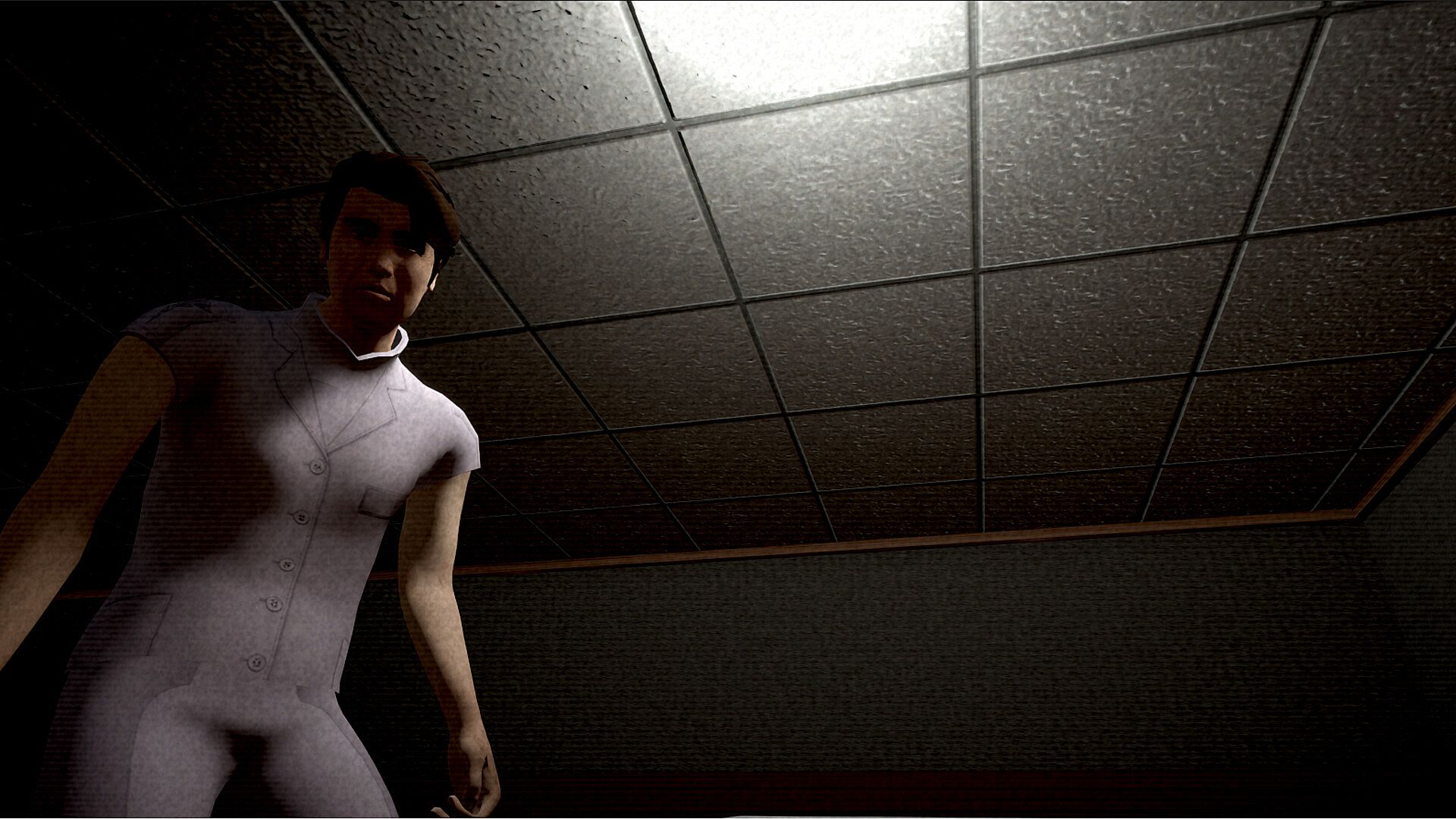
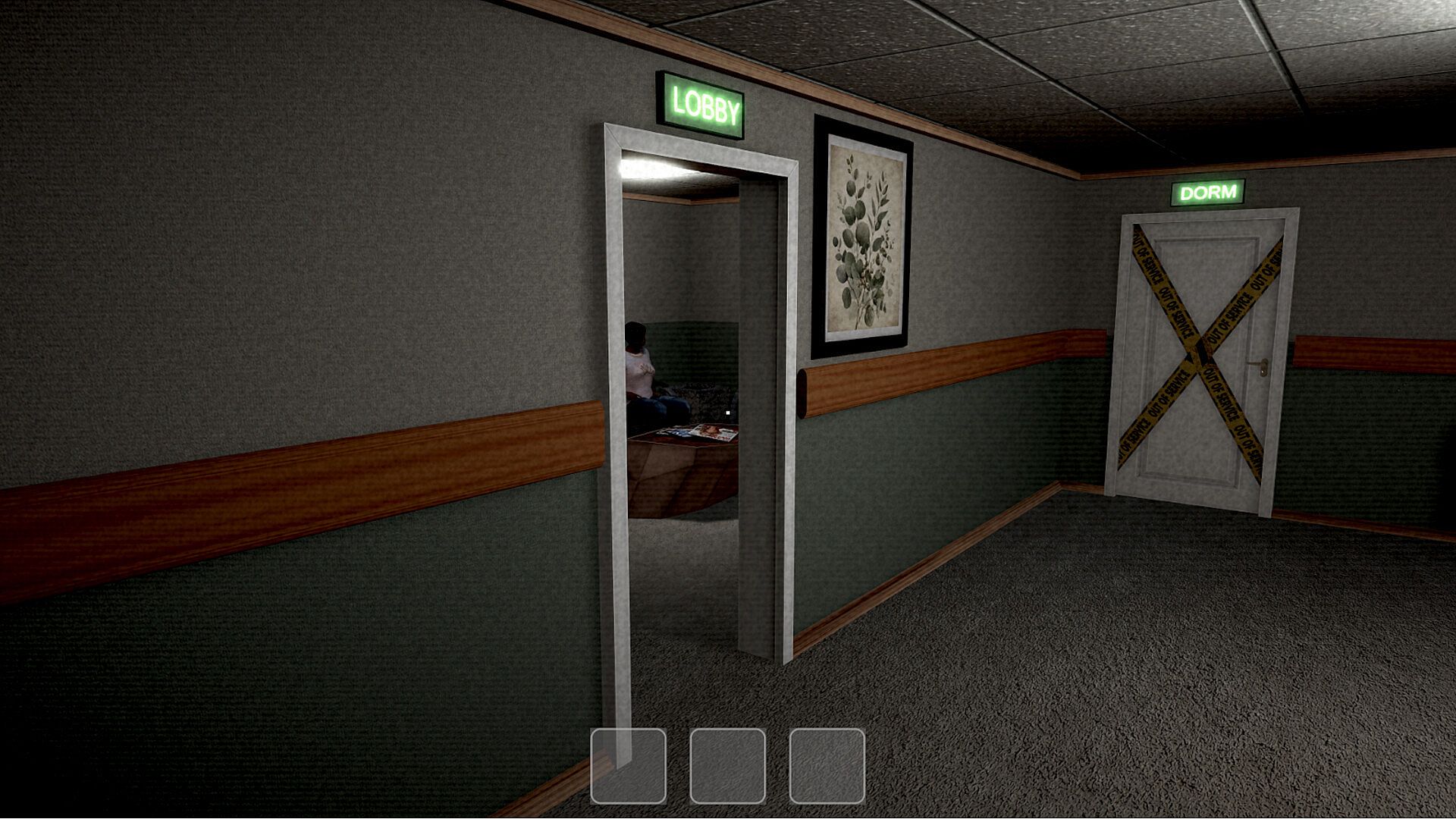
Exploration forms another layer as the hospital environment shifts subtly between shifts. Closed doors may open unexpectedly, distant footsteps echo in empty halls, and fleeting shapes appear in peripheral vision. These elements demand constant vigilance without interrupting the medical workflow. The first-person perspective heightens immersion, placing emphasis on sound cues and environmental changes that signal the hospital's growing instability.
Progression ties directly to completing shifts while maintaining patient care standards. Each day introduces new cases and incremental environmental alterations, building tension through repetition that slowly erodes familiarity with the setting. Medical accuracy in procedures combines with the psychological elements to create a grounded yet disorienting experience.
Game Modes
Dr. Harlow's Clinic operates as a single-player experience with no separate multiplayer or competitive modes. The structure revolves around sequential working days, where each shift advances both the medical responsibilities and the overarching narrative of the hospital's transformation. Players progress linearly through these days, encountering varied patients and events that unfold in a story-driven sequence without branching paths or alternative playstyles.
The absence of traditional game modes keeps focus on the integrated loop of treatment and observation. Shifts serve as the primary framework, encouraging repeated playthroughs to notice finer details in the evolving environment while refining medical technique. This format suits focused sessions centered on atmosphere and procedural engagement rather than varied competitive formats.
Story and Atmosphere
The narrative unfolds across multiple shifts as Dr. Harlow continues treating patients amid mounting irregularities. Initial routines give way to questions about the hospital's layout and unseen presences. Patients arrive consistently, providing continuity while the surroundings grow less predictable. This slow escalation avoids sudden scares in favor of sustained unease built from auditory hints, visual inconsistencies, and the weight of unfinished duties.
Environmental storytelling plays a key role. Subtle alterations accumulate without overt explanation, inviting players to piece together the changes through observation during downtime between cases. The psychological horror stems from this erosion of trust in the familiar workspace, reinforced by the need to remain professional amid distractions.
Is It Worth Playing?
Dr. Harlow's Clinic appeals to players who appreciate deliberate pacing in horror combined with simulation mechanics. The interactive medical procedures offer tangible engagement during each shift, while the psychological elements reward close attention to detail and repeated visits. As a single-player title scheduled for release in November 2026, it targets those seeking a contained experience that merges professional simulation with building tension rather than action-oriented or multiplayer-focused gameplay.
Those drawn to first-person adventures that emphasize atmosphere over combat or exploration in vast worlds will find the shift-based structure satisfying. The game maintains a consistent focus on its core loop without additional modes or expansions confirmed at this stage, making it a specialized choice for fans of psychological narratives intertwined with hands-on tasks. Availability on PC supports accessibility for the intended audience interested in this blend of genres.











