


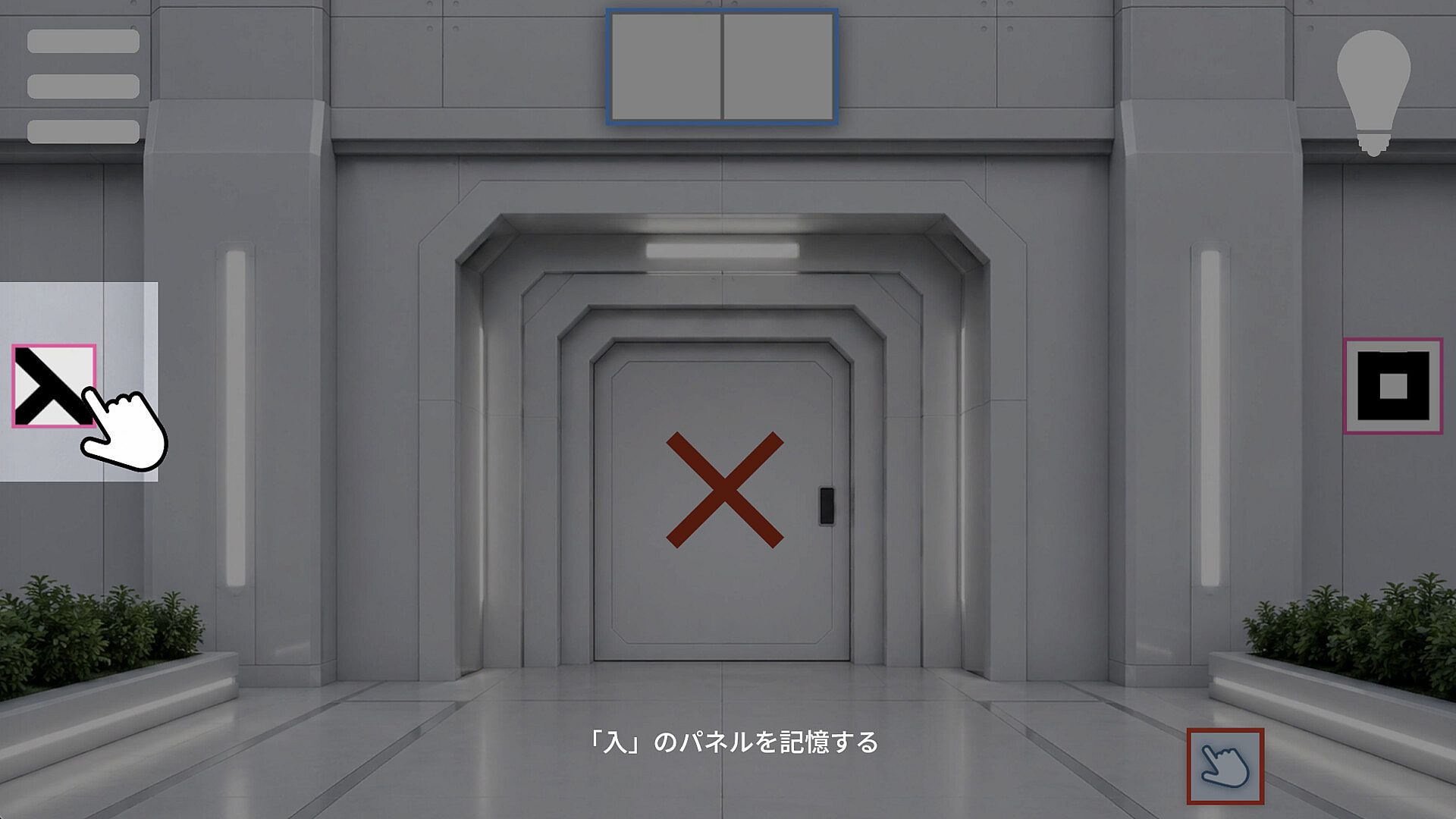
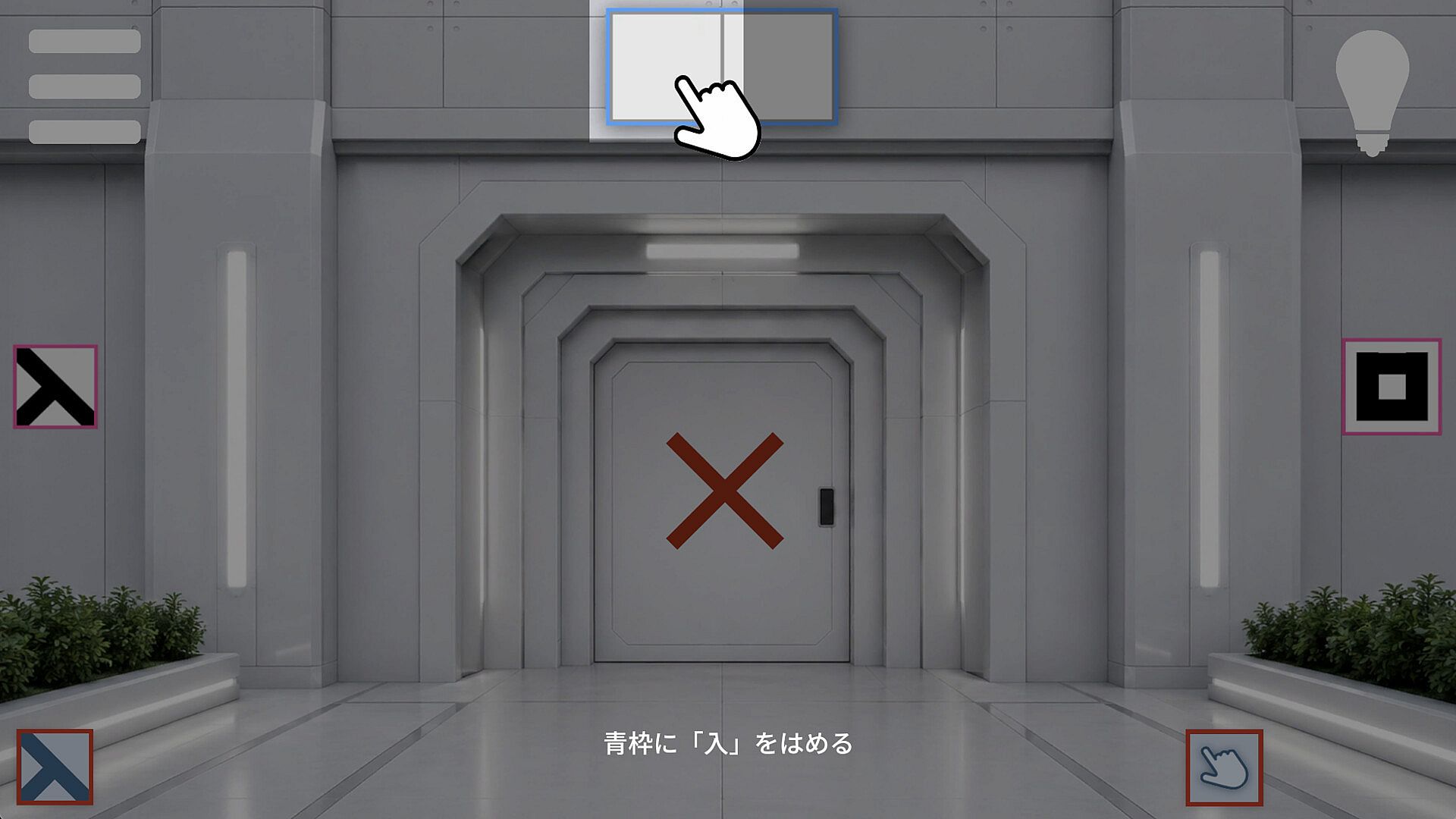
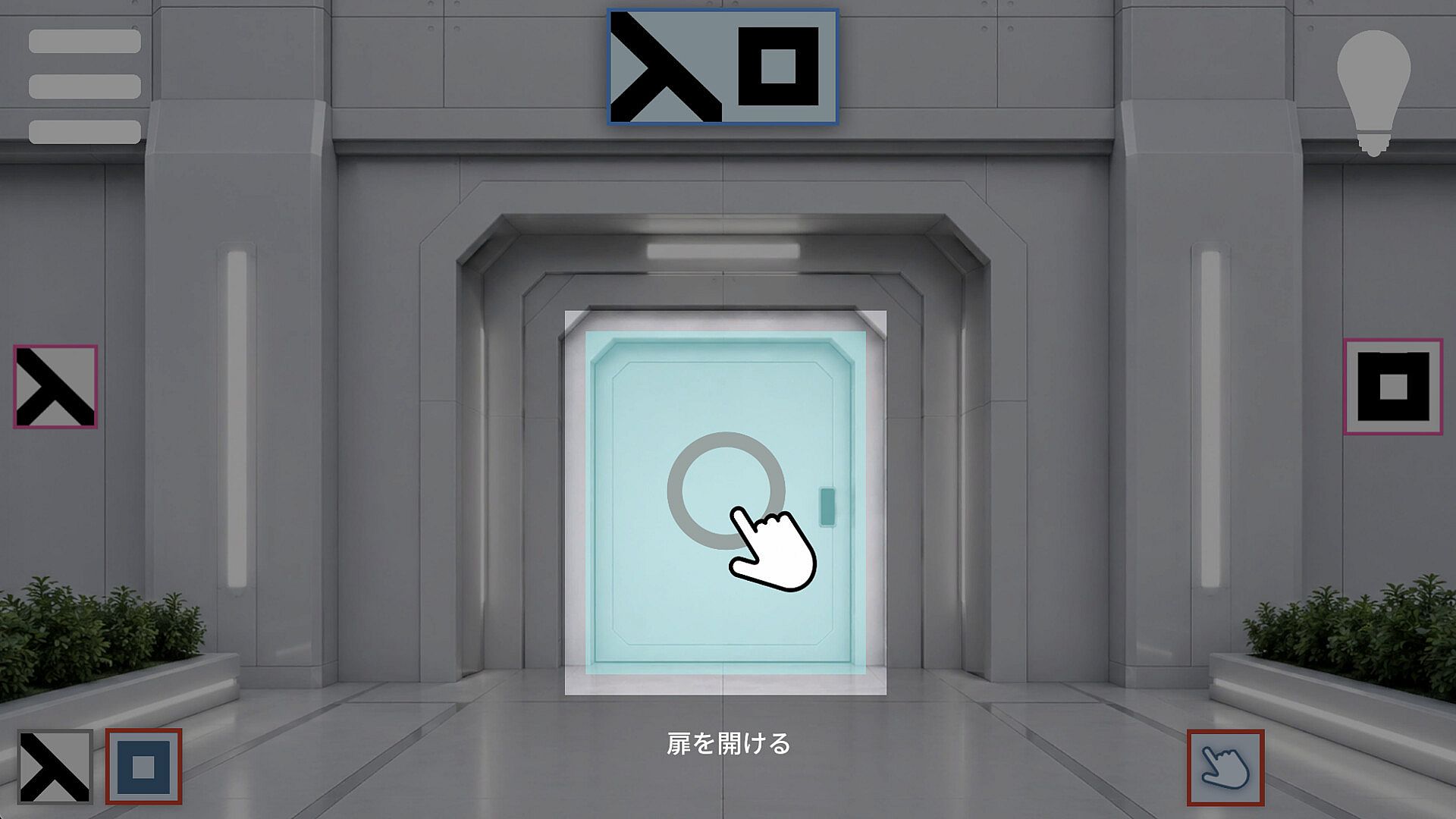
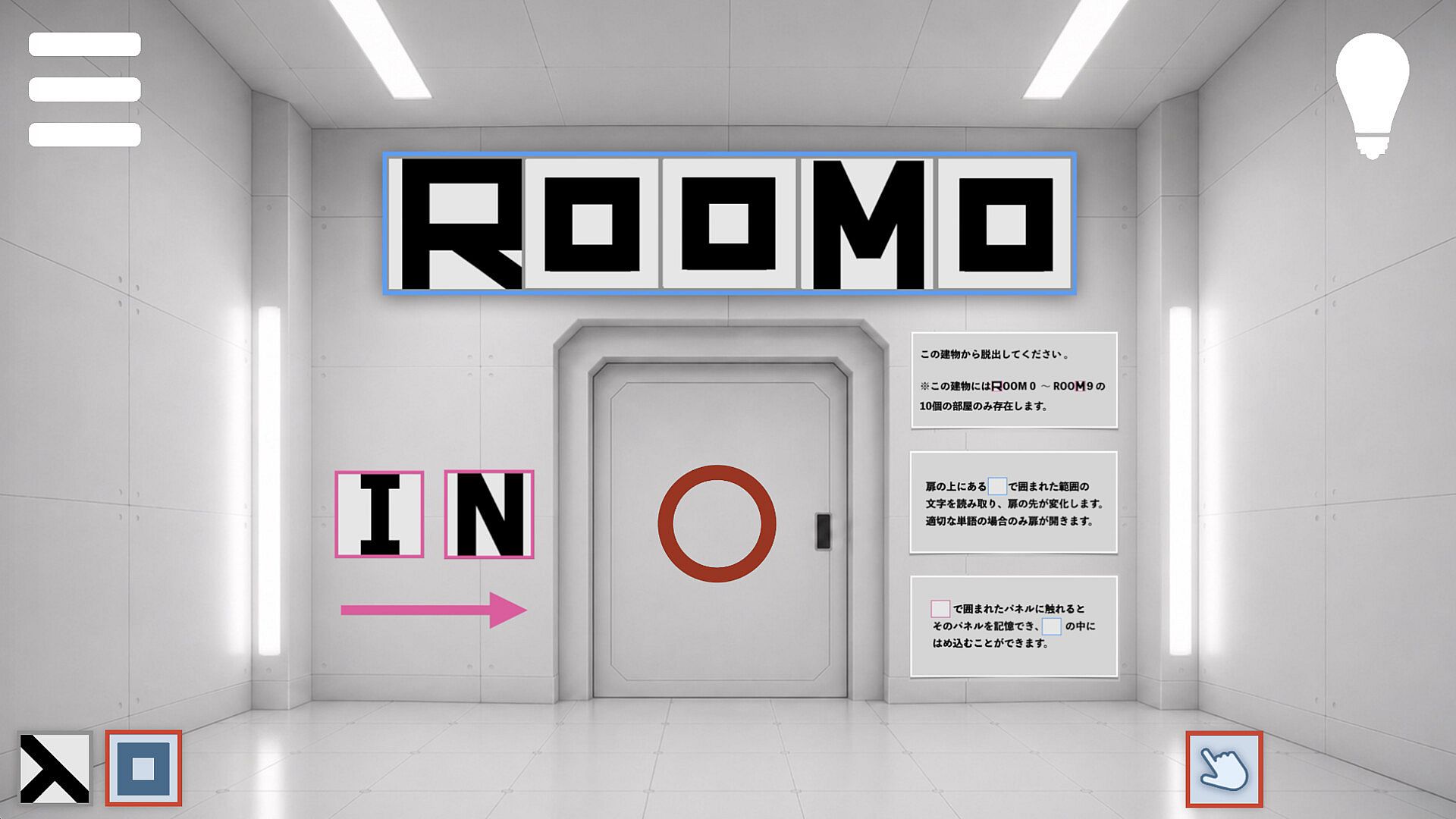
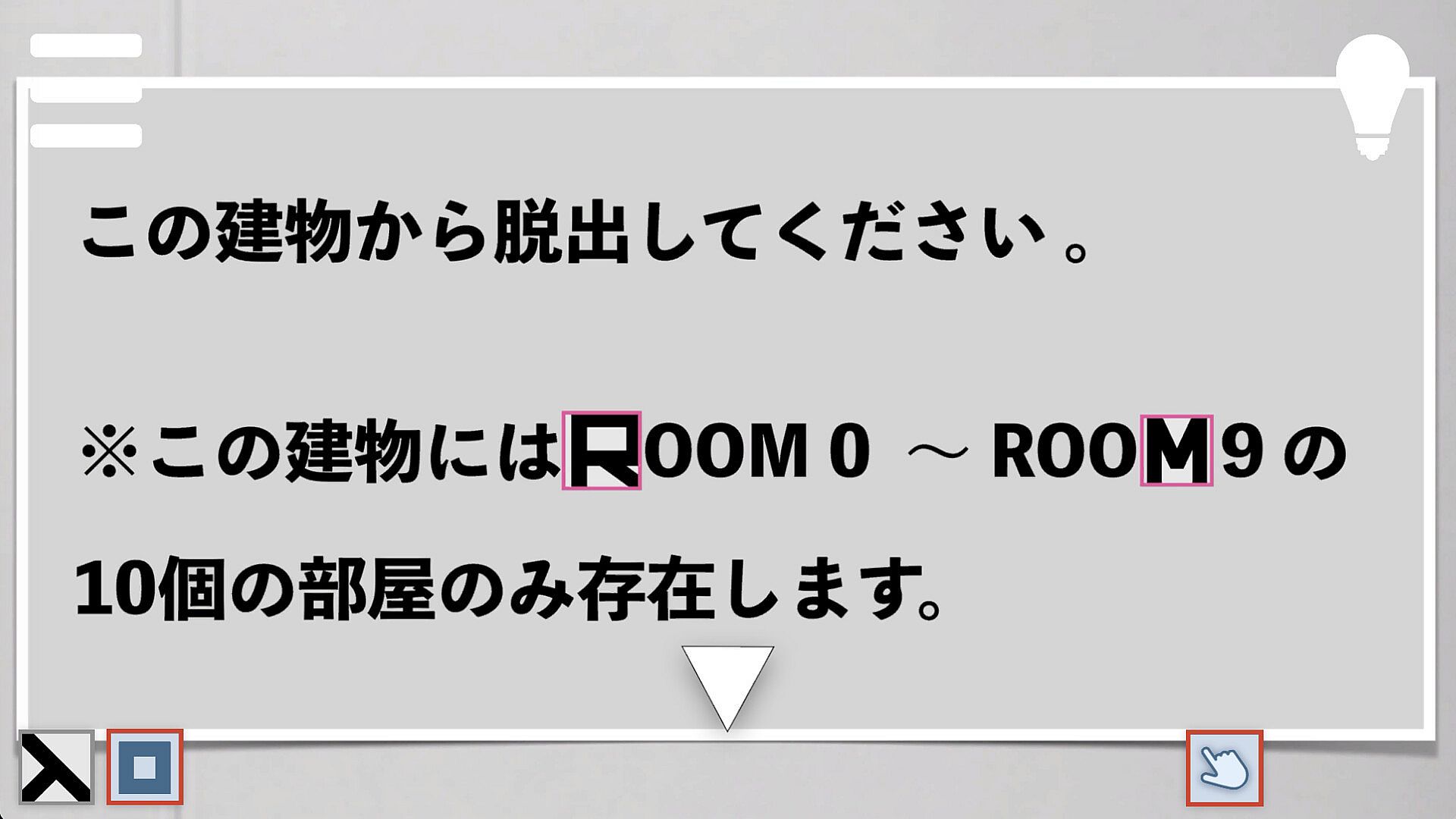
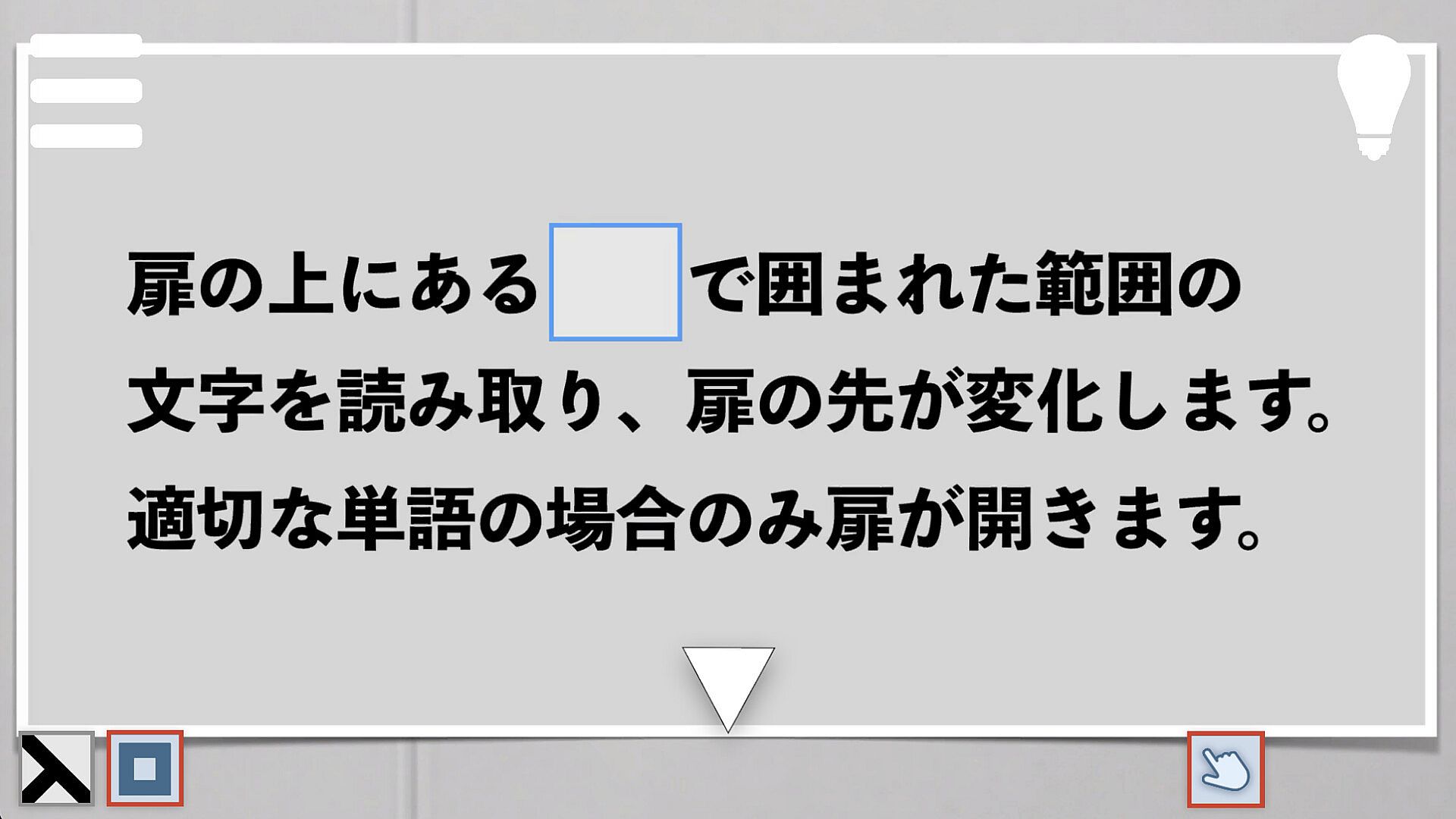
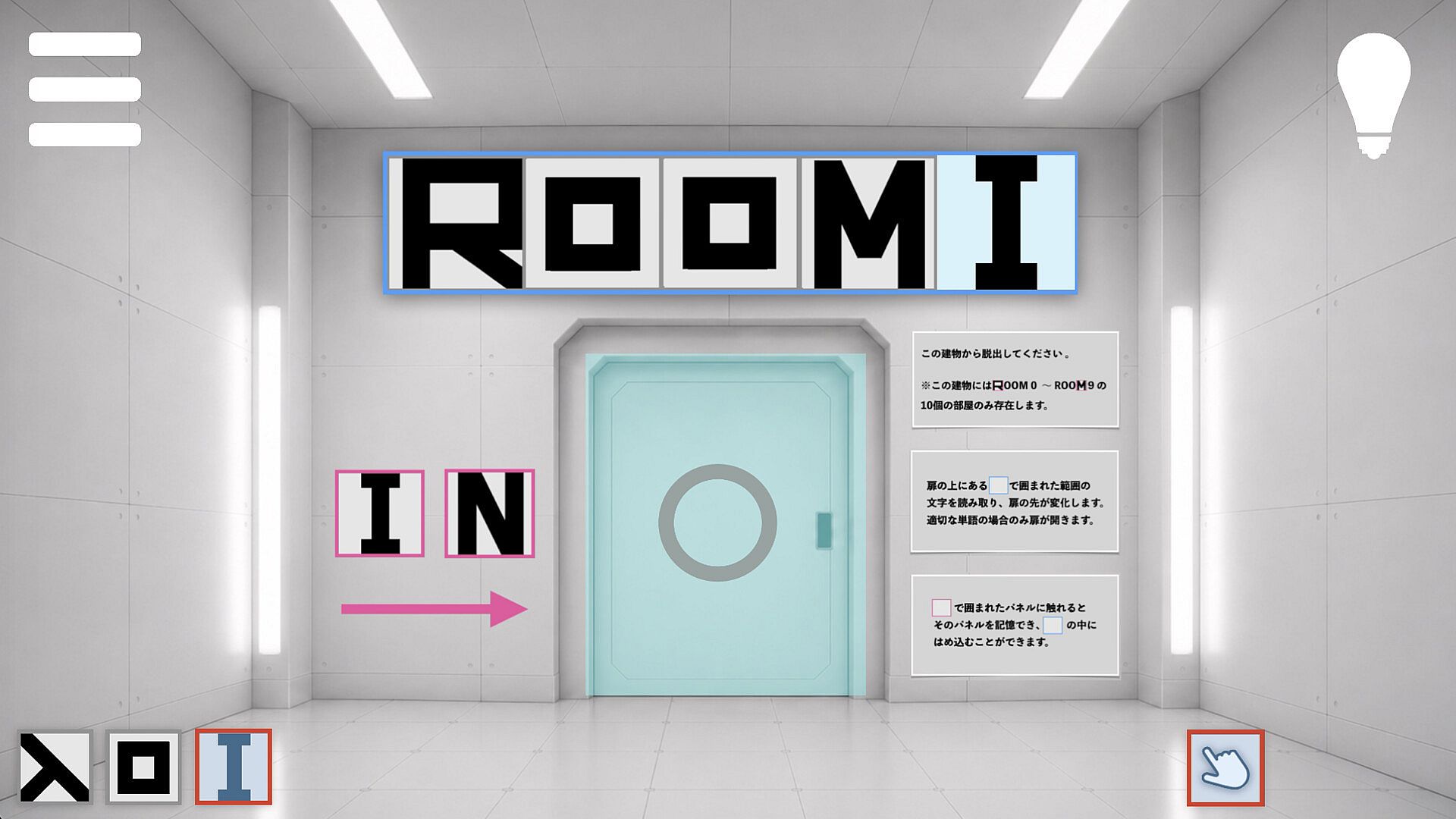
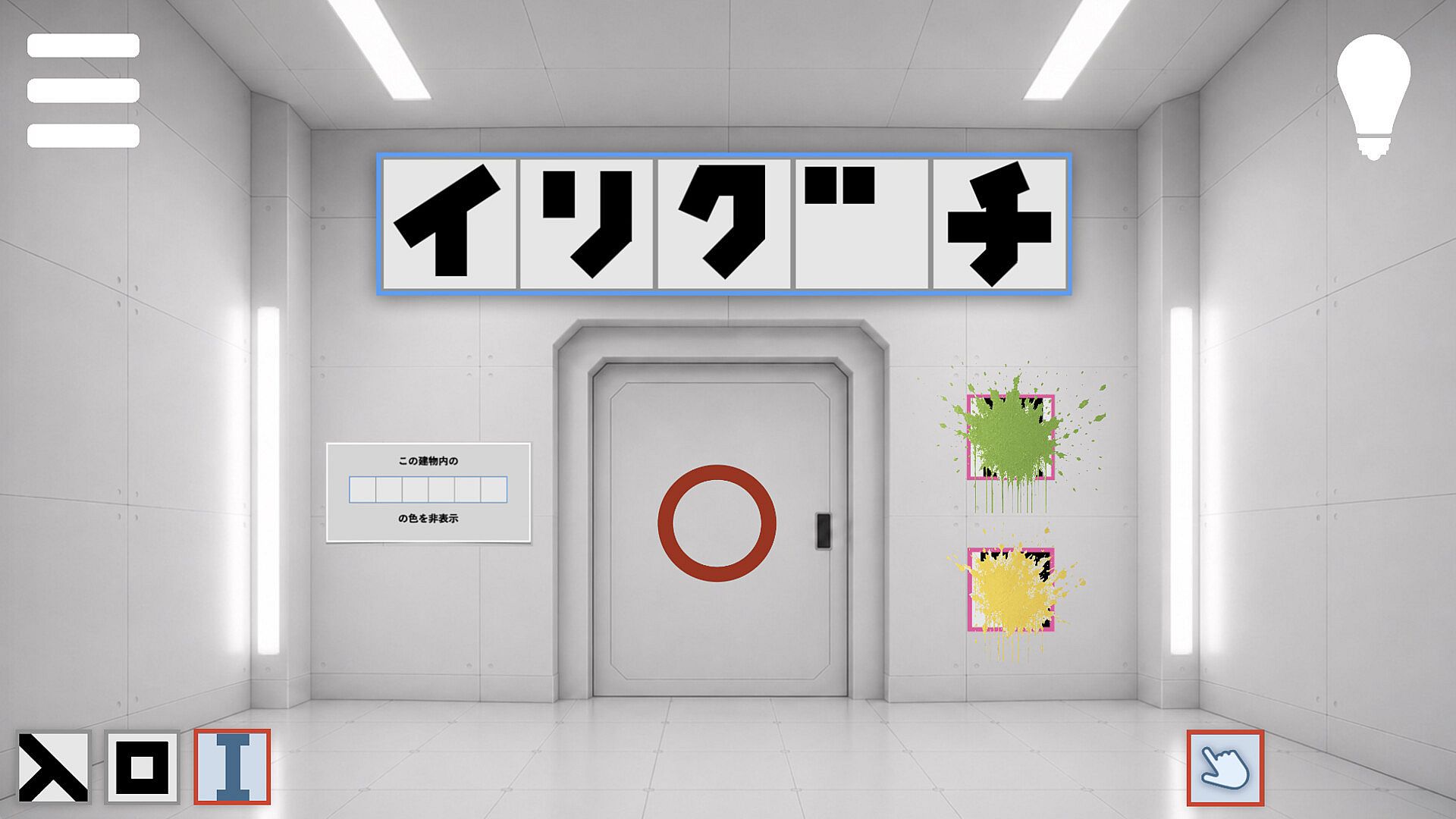
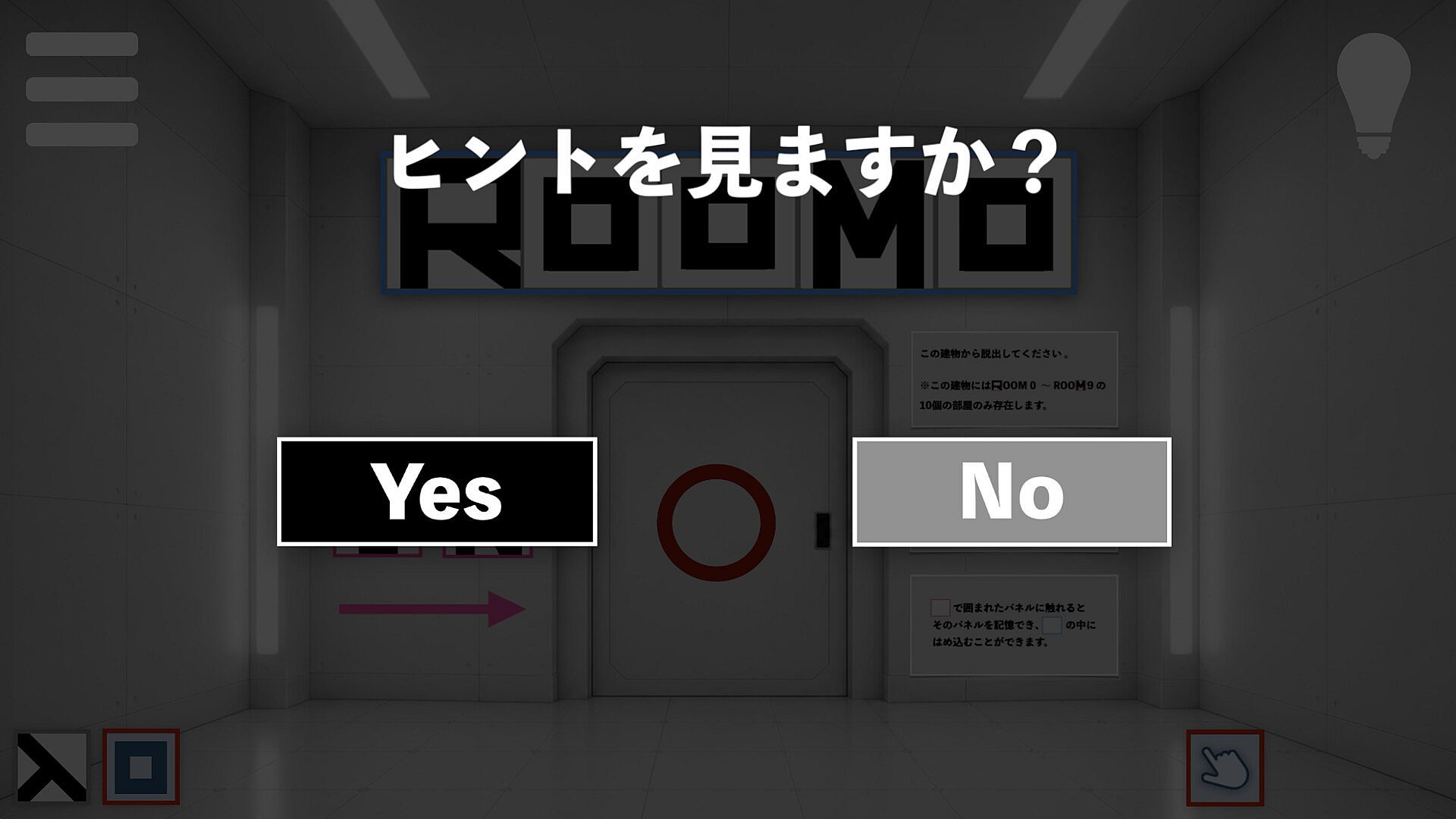

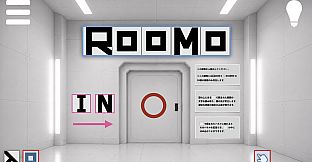
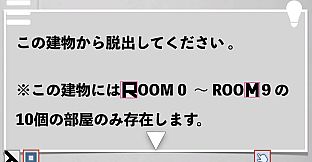
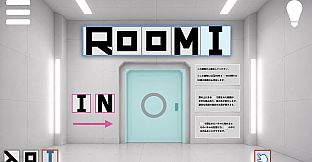
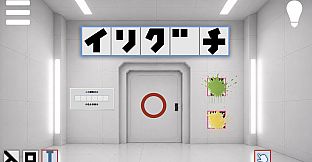
Door Code is an indie strategy and adventure puzzle game for PC that places players inside a mysterious building filled with rooms connected by doors. Each door features a frame where panels collected from explored spaces can be arranged to spell words. The word formed determines how the area beyond the door transforms, creating new paths or obstacles that advance the escape attempt. The experience emphasizes logical thinking combined with creative word choices, supported by a short overall playtime and built-in hints plus answers for guidance.
Gameplay
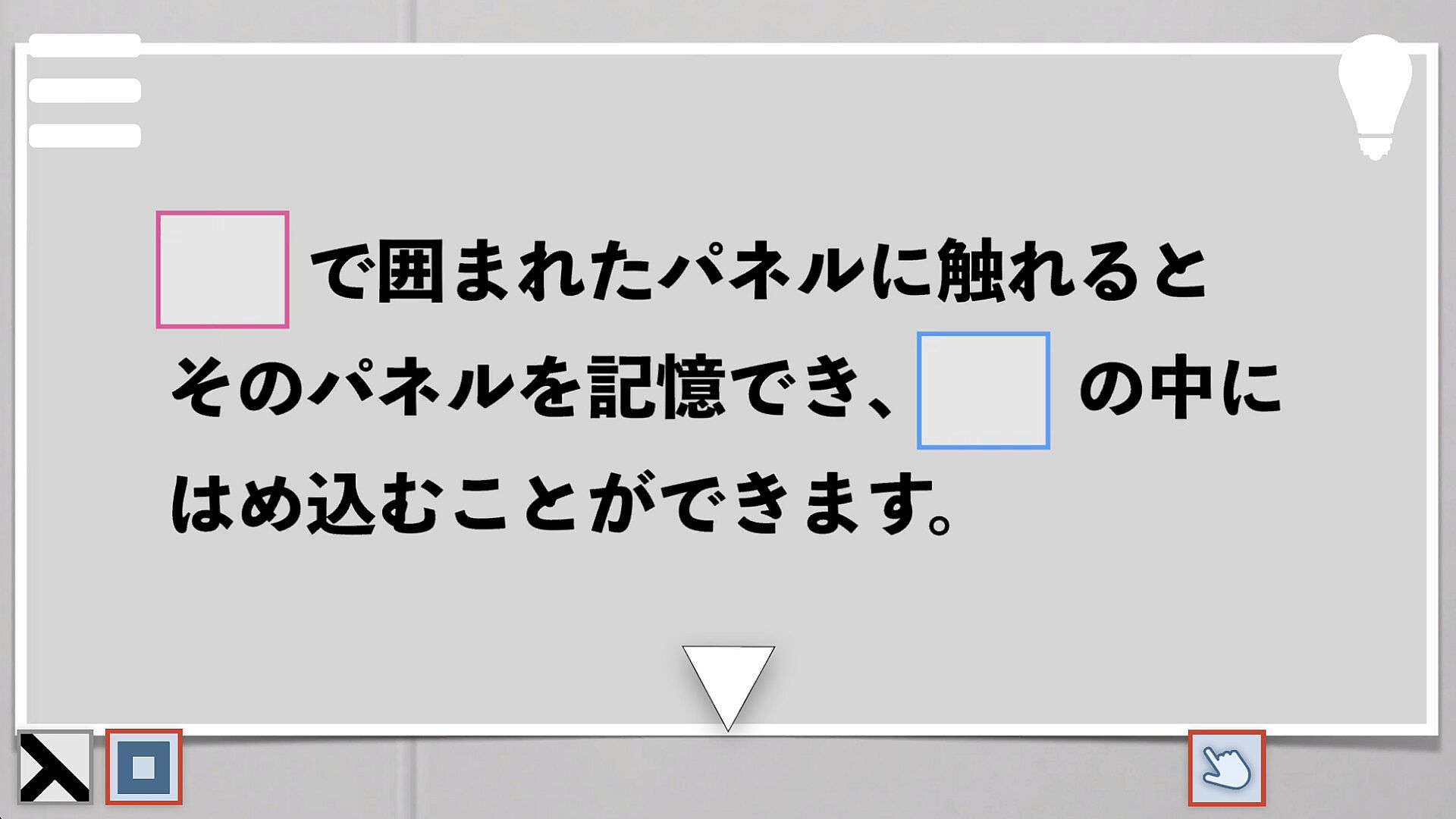
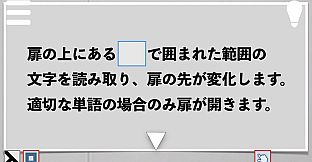
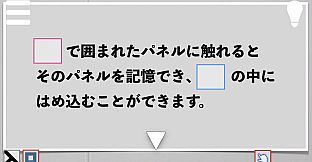
Players begin by entering the building and searching individual rooms for panels that display letters or symbols. These panels must be memorized because they cannot always be carried forward. Once enough panels are gathered, they are placed into the frame above the next door to create a complete word. The resulting word alters the environment on the other side, sometimes revealing new rooms, items, or routes while other times presenting fresh challenges that require different word combinations. This loop repeats across a series of interconnected spaces, building toward an exit. The rules remain straightforward throughout, yet each puzzle demands careful observation of available panels and insight into which word will produce the desired change. Difficulty stays at easy to medium levels, allowing most players to progress steadily without excessive frustration. Hints appear when needed, and full answers are provided for those who reach an impasse.
Game Modes
The game operates as a single continuous single-player sequence focused entirely on the word-forming escape process. There are no separate modes or variations; instead, the core loop of room exploration, panel collection, word construction, and environmental transformation serves as the complete experience from start to finish. Progression follows a linear path through the building, with each door presenting a new puzzle that builds on previous discoveries. The structure encourages repeated attempts at word arrangements within the same set of panels to test different outcomes, all while maintaining the same underlying mechanics across the entire session.
Puzzle Design and Progression
Every puzzle centers on the interplay between memory and word selection. Panels found in one room often carry over in usefulness to later doors, rewarding players who track letter combinations and possible words across multiple stages. The design keeps the focus on inspiration rather than complex controls or timers, letting the logical challenge stand out. Short sessions fit naturally into the estimated fifteen to sixty minutes of total playtime, making it easy to complete in one sitting or spread across brief returns. Background music and sound effects accompany the actions, providing subtle atmosphere without overpowering the puzzle focus. The inclusion of hints and answers ensures accessibility while still preserving the satisfaction of independent solutions for those who prefer them.
Is It Worth Playing?
Door Code suits players who enjoy compact logic and word-based puzzles that reward observation and creative thinking. Its straightforward mechanics and adjustable support through hints make it approachable for newcomers to the genre, while the insight challenges keep more experienced puzzle fans engaged. The short playtime means a low time commitment, ideal for those seeking a complete experience without long campaigns. Availability on PC allows straightforward access, and the indie presentation delivers a focused, self-contained adventure centered on escape through word formation. Those who appreciate strategy elements in puzzle form and value clear progression with optional assistance will find the game aligns well with their preferences.