


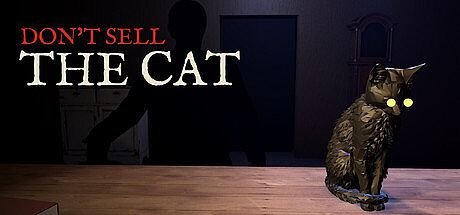


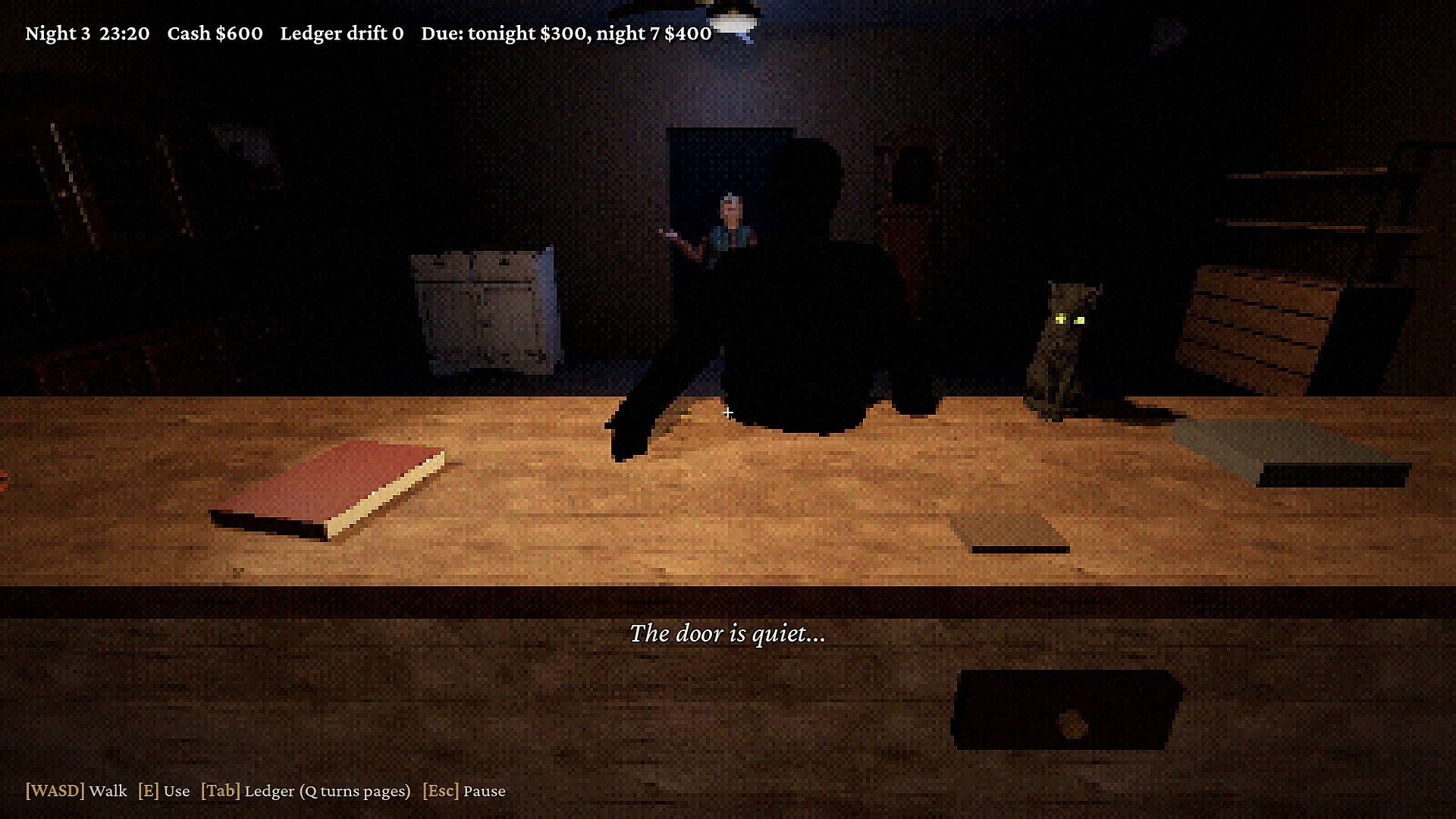
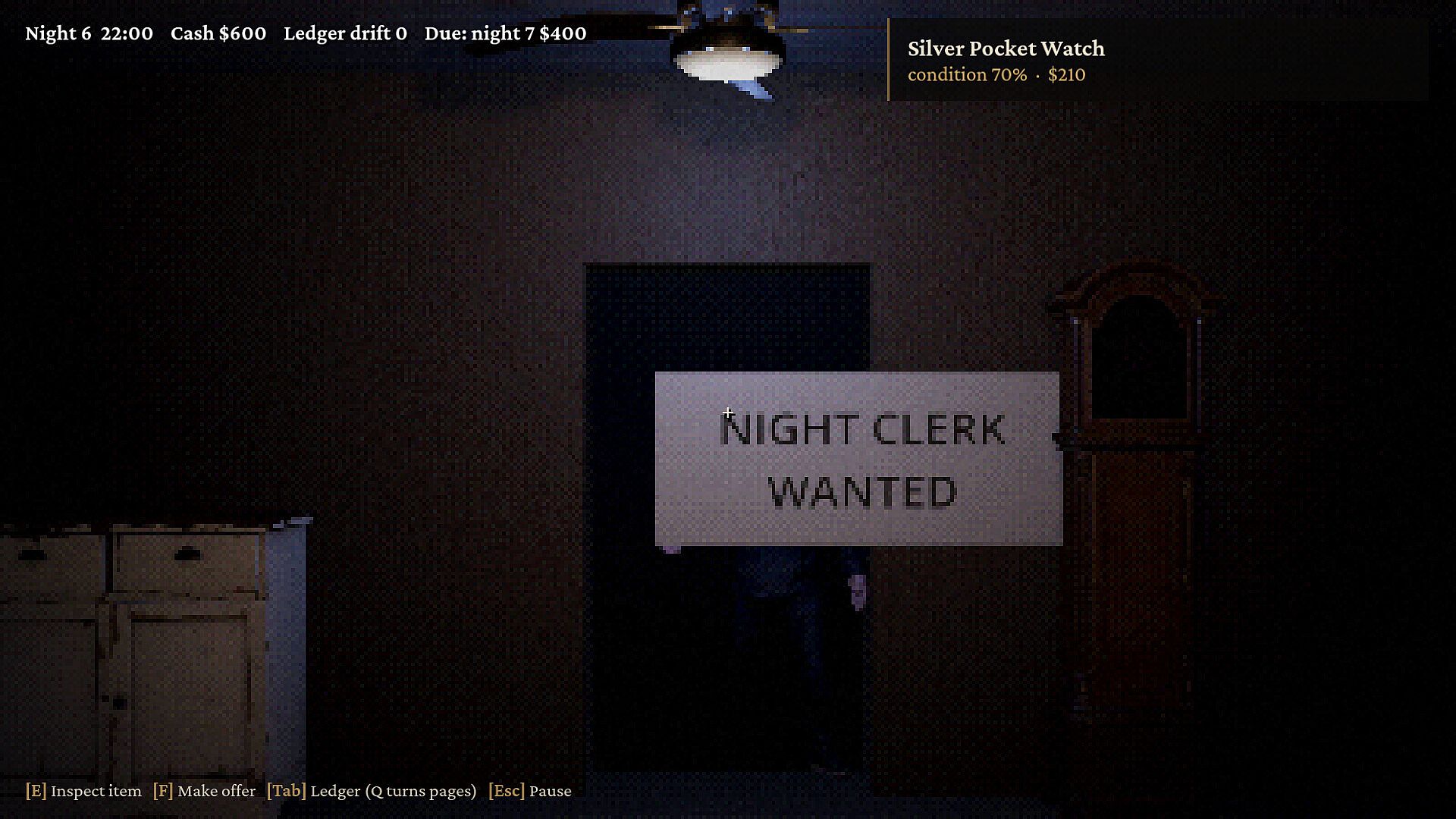
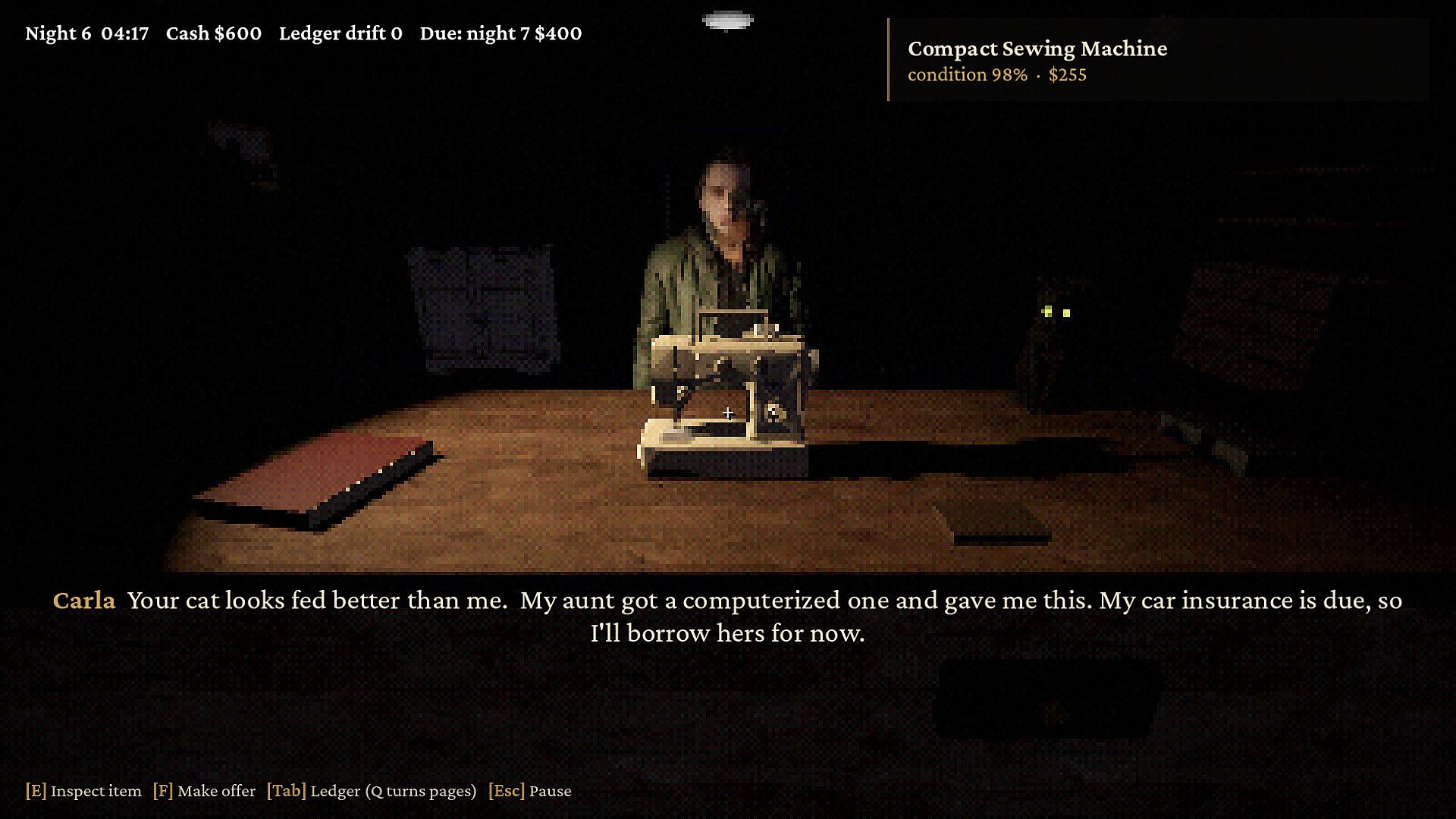
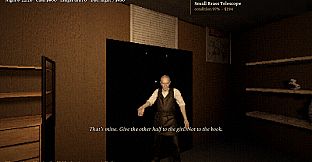
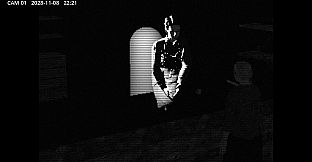
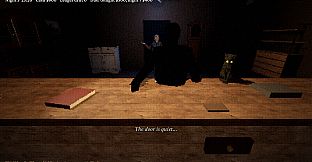
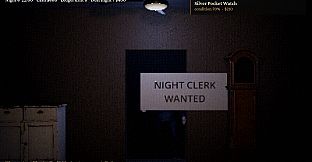
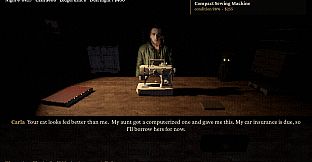
Don't Sell the Cat is an indie simulation adventure game centered on managing a pawnshop during the night shift. Players examine items brought in by customers, decide whether to buy, pawn, or refuse them, and navigate the financial pressures of keeping the business running while the story unfolds through repeated visits and personal choices.
Gameplay
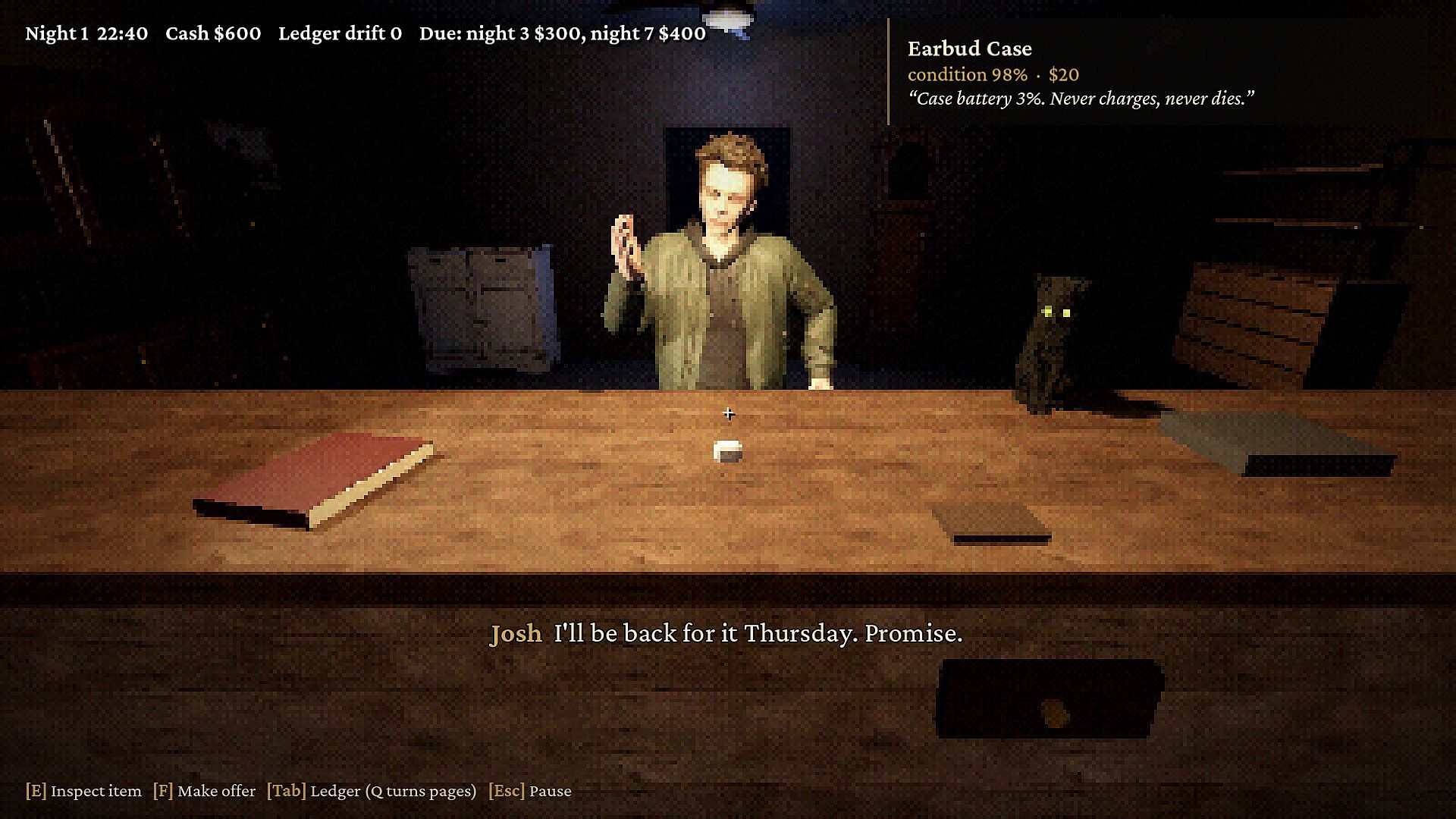
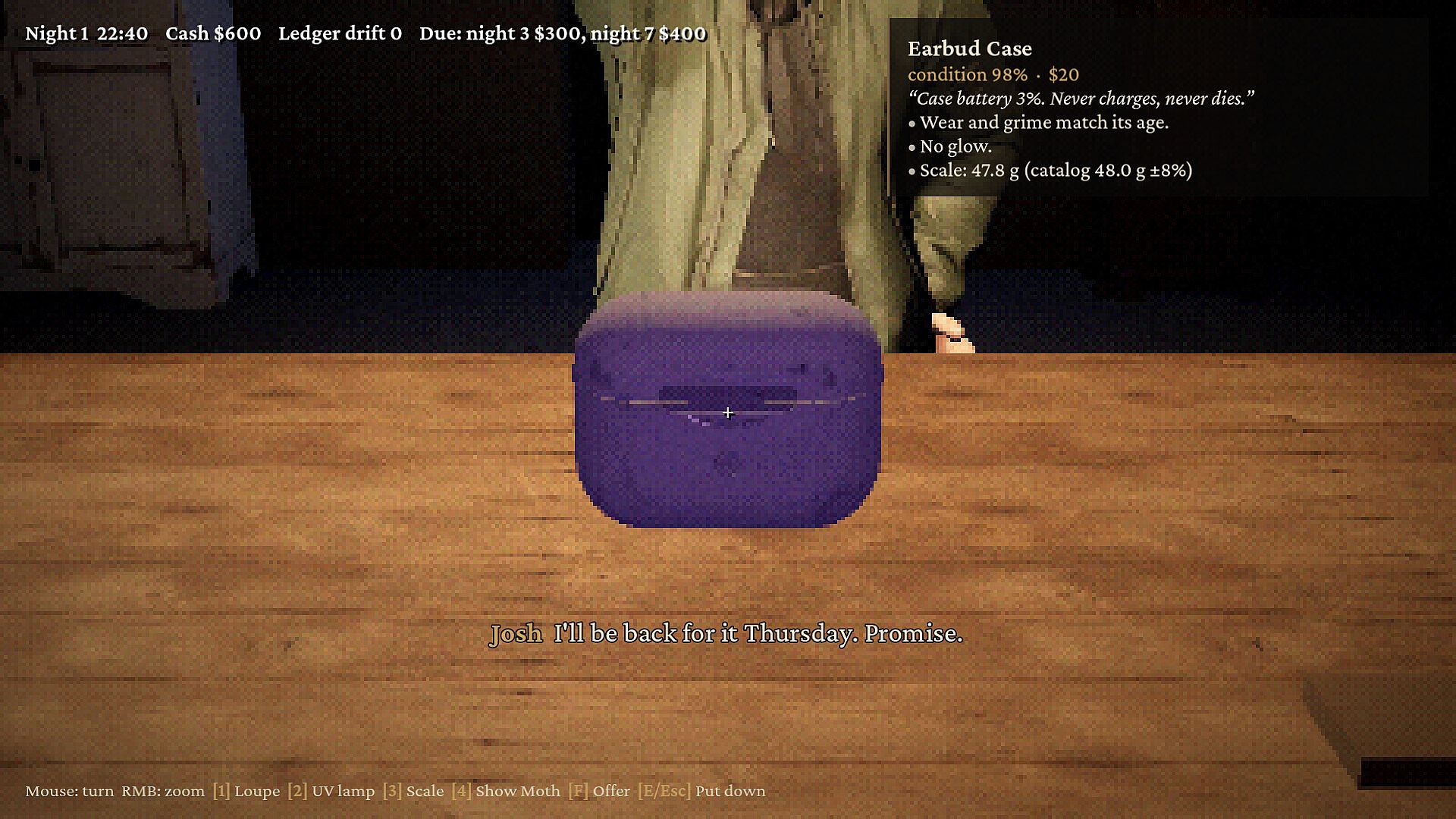
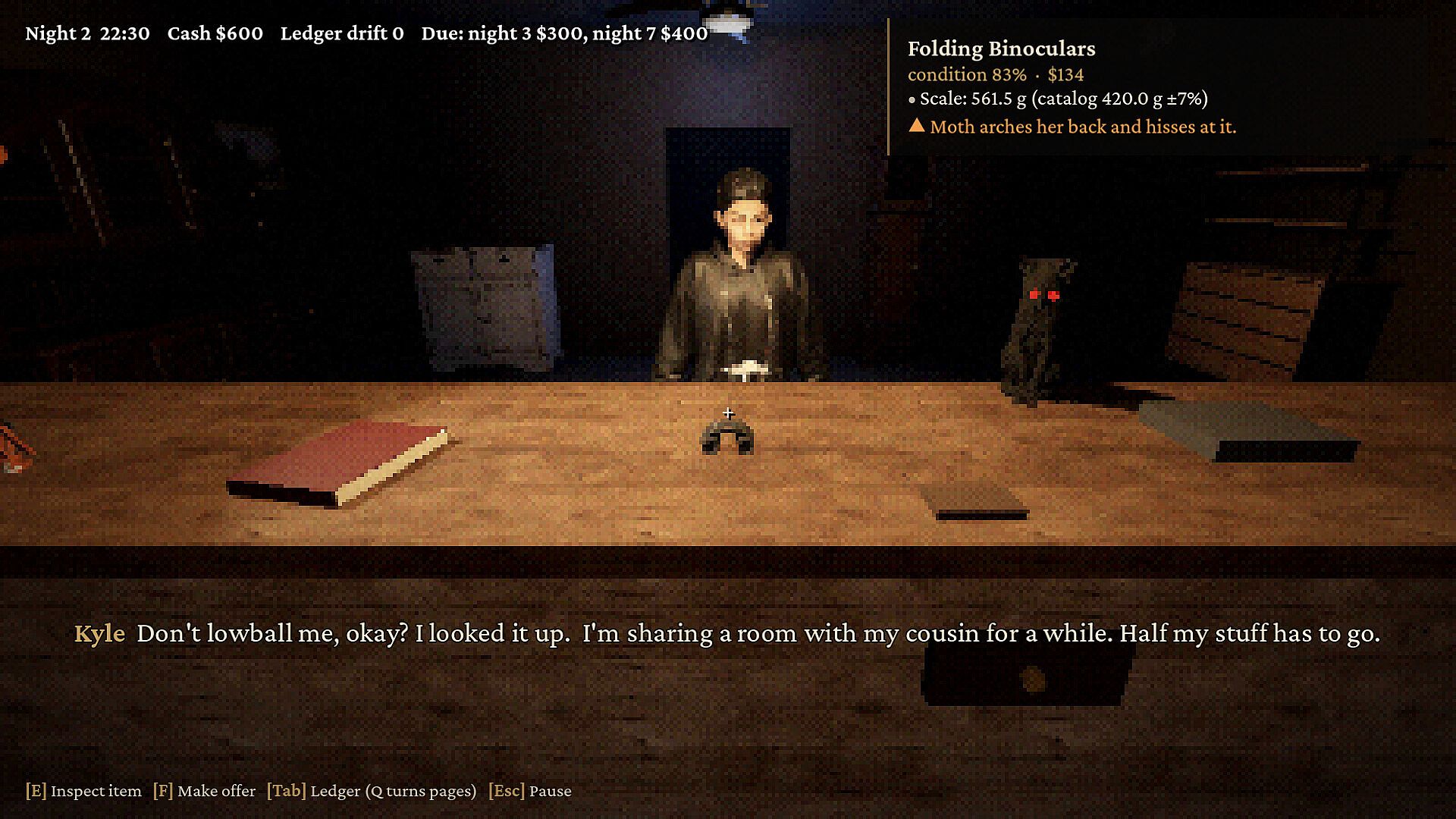
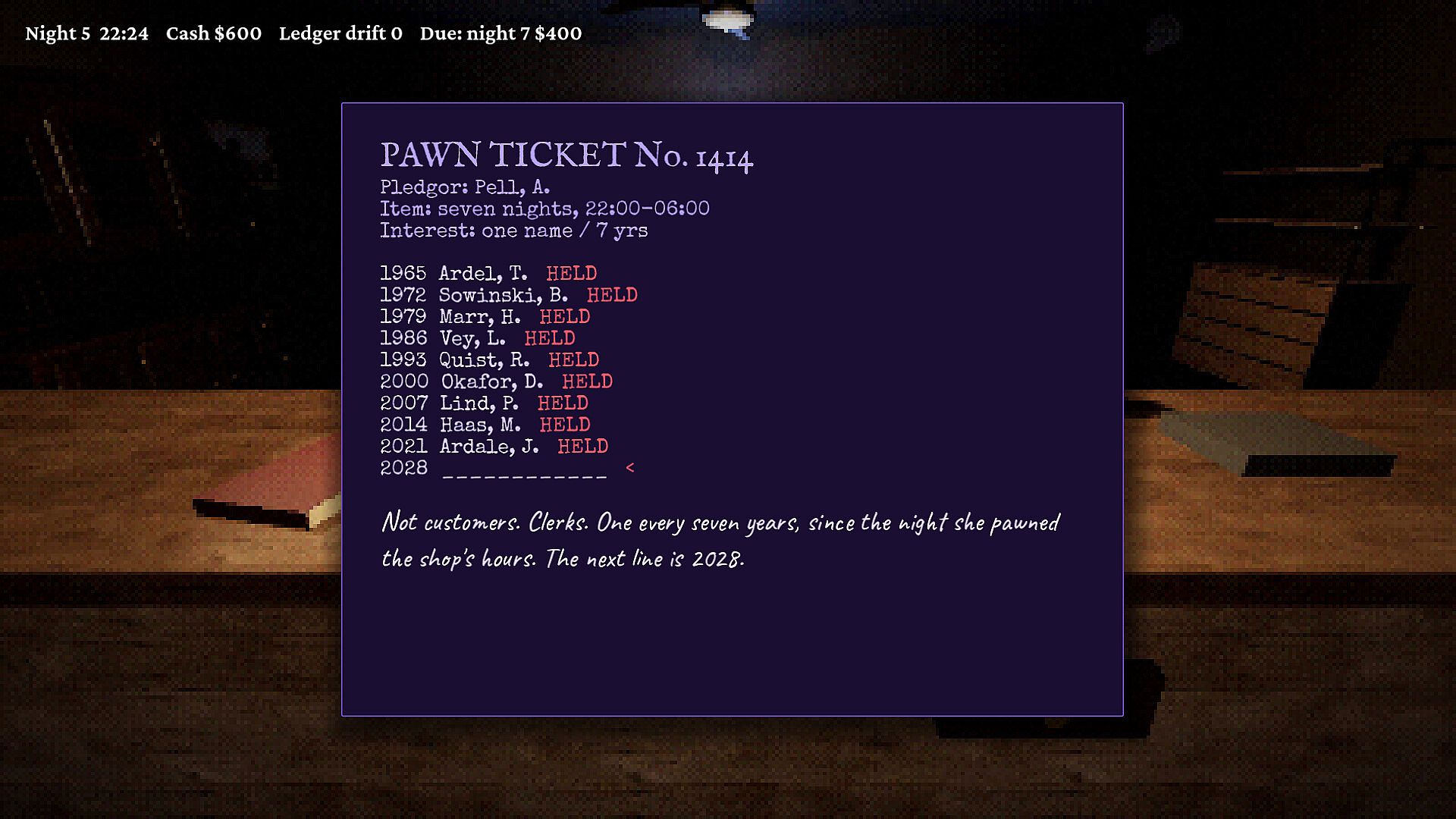
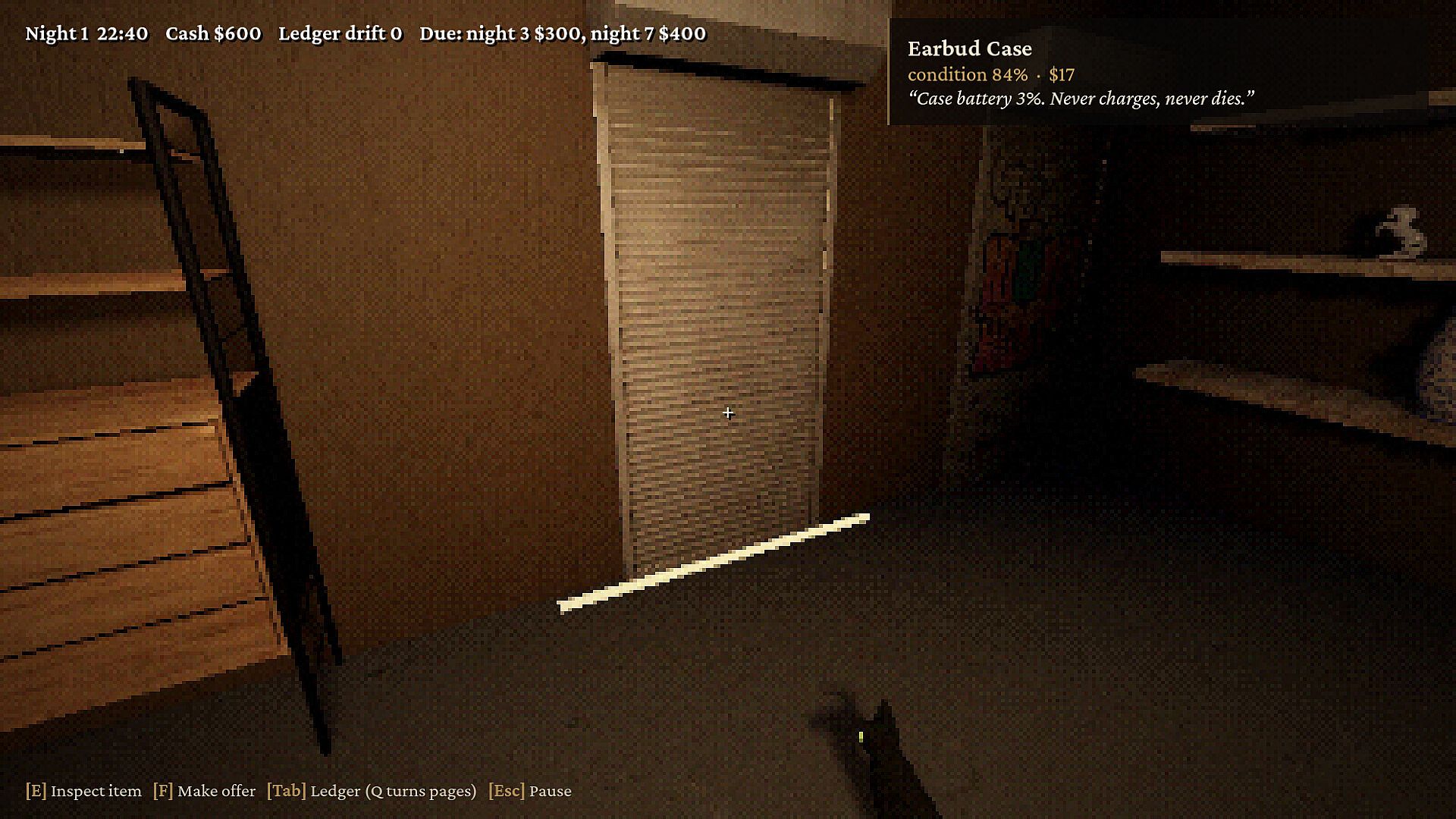
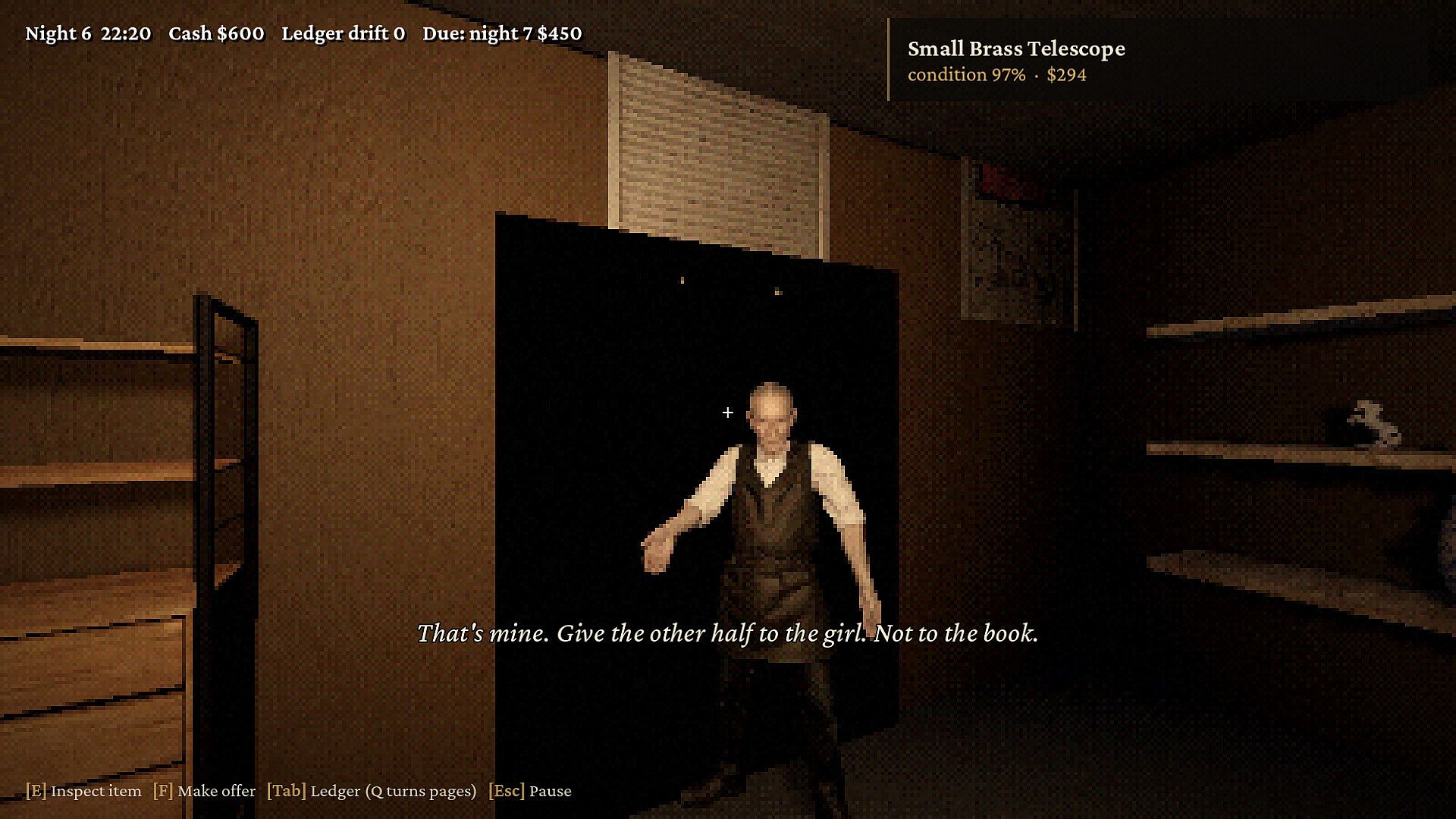
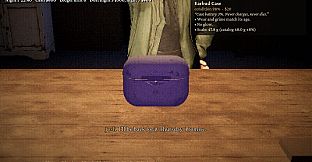
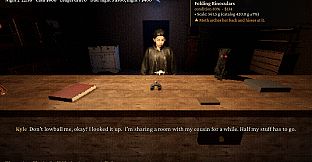
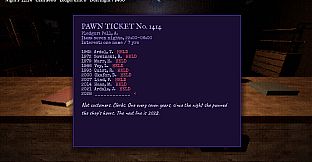
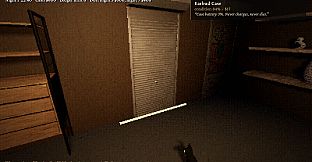
The core loop revolves around seven nights behind the counter at Pell and Daughter Loans. Customers arrive one at a time, each presenting an item that requires inspection using a loupe, UV lamp, scale, and the shop cat Moth. Fakes often reveal themselves under these tools, while cursed objects prompt a hiss from the cat. Players haggle over prices, accept pawns that may return with interest, or turn people away. Rent payments come due on the third and seventh nights, covering both current obligations and older shop debt. After closing, the ledger on the counter updates with its own notes, recording events and hinting at deeper connections among the visitors.
Interactions carry consequences across nights. Buying, selling, or refusing an item can alter which regulars return and what they say on subsequent visits. Five main regulars and one stranger appear in scripted sequences, alongside fourteen neighborhood customers whose situations shift with each playthrough. The atmosphere stays grounded in quiet details such as rain against the window and Satie's Gymnopédie playing on the shop radio. A few jump scares occur, though a settings option reduces flashing lights. No voice acting is present, and each initial run lasts roughly two hours.
Game Modes
The game structures its experience around sequential playthroughs rather than traditional separate modes. Completing the first seven-night run unlocks the Second Ledger, which presents the same characters in a different narrative with increased difficulty and two endings reachable only by carrying forward knowledge from the initial week. After that, the shop remains open indefinitely as long as rent can be paid, allowing continued play with changing customer cases and branching outcomes based on prior decisions.
Ten endings exist in total. The structure encourages multiple runs to explore how choices affect dialogue, visitor patterns, and final results. The Second Ledger specifically ties certain conclusions to memory of the first sequence, creating a layered progression that rewards attention to recurring details without requiring separate difficulty settings or competitive elements.
Story and Atmosphere
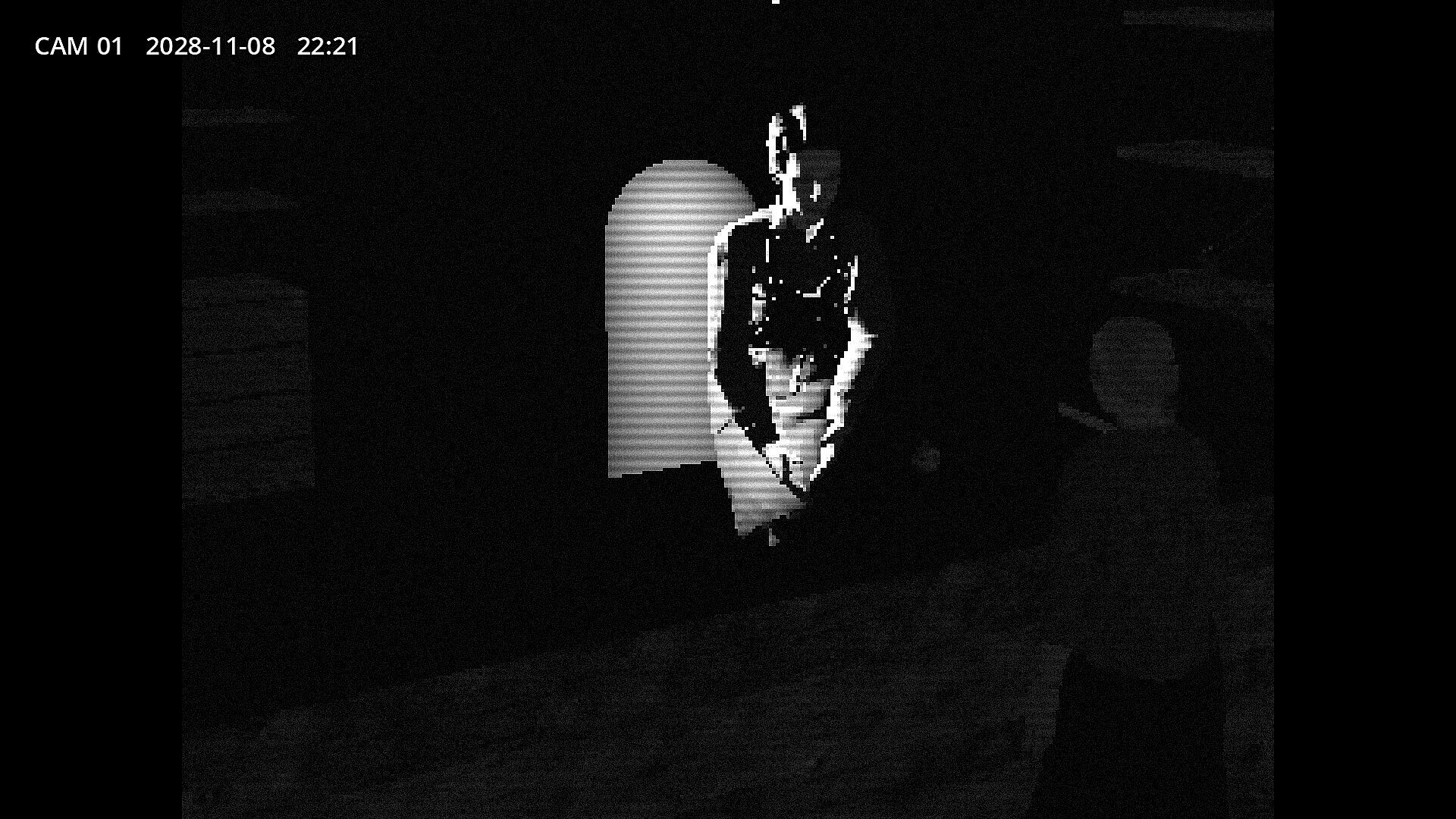
The narrative emerges through customer encounters and the ledger's independent records. Regular visitors include a mother with a ring, a man insistent on non-cash transactions, and a nurse who repeatedly pawns items from the hospital across the street. Some owners never return for their goods, leaving items that tie into broader themes of debt, loss, and unexplained occurrences. The shop itself carries history from its 1958 opening, with notes left by the absent owner guiding the night shift. Horror elements appear through cursed objects and subtle supernatural hints rather than overt action, supported by the quiet soundscape and limited but effective scares.
Is It Worth Playing?
Don't Sell the Cat suits players who enjoy short, choice-driven simulation experiences with narrative depth and atmospheric tension. The mechanics of item inspection and customer negotiation create a focused loop that rewards observation and memory across runs. With its emphasis on consequences from decisions and multiple endings tied to replaying the ledgers, the game appeals to those interested in indie titles that blend everyday management with unfolding personal stories. No user reviews exist yet ahead of its December 2026 release, but the confirmed structure of scripted visits, variable neighborhood cases, and layered endings provides clear replay value for fans of this style. Those seeking longer campaigns or multiplayer features may find the contained two-hour first run and subsequent extensions more limited in scope.











