




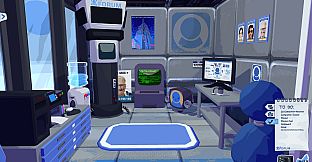
Don't Keep the Job - Office Designer is an indie casual simulation game centered on deliberate office sabotage. Players step into the role of an employee determined to get fired by crafting the most unappealing workspaces possible for a series of bosses. The experience blends light puzzle elements with creative decoration tools, all wrapped in a humorous premise that rewards poor taste and strategic mismatch.
Gameplay
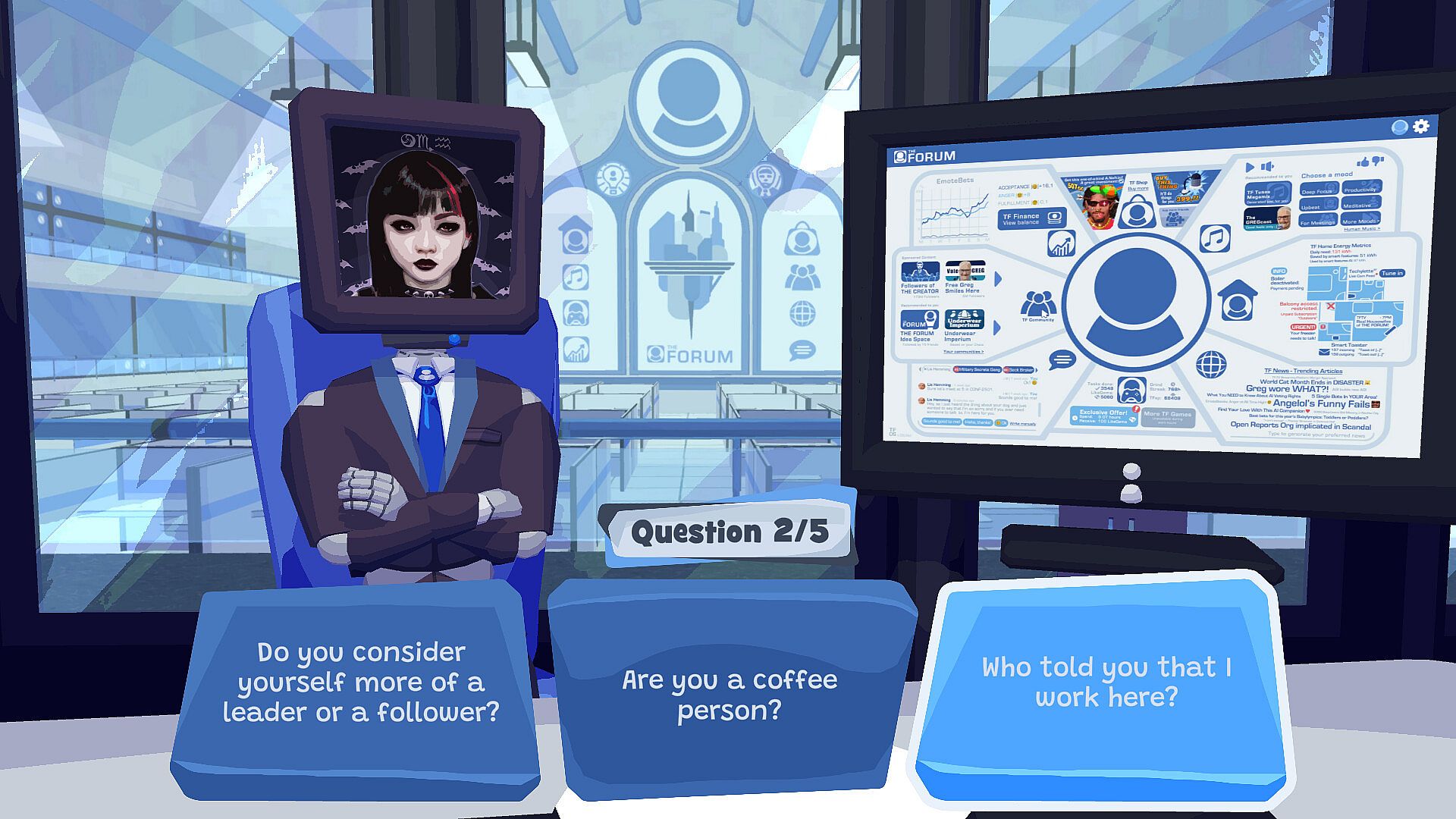
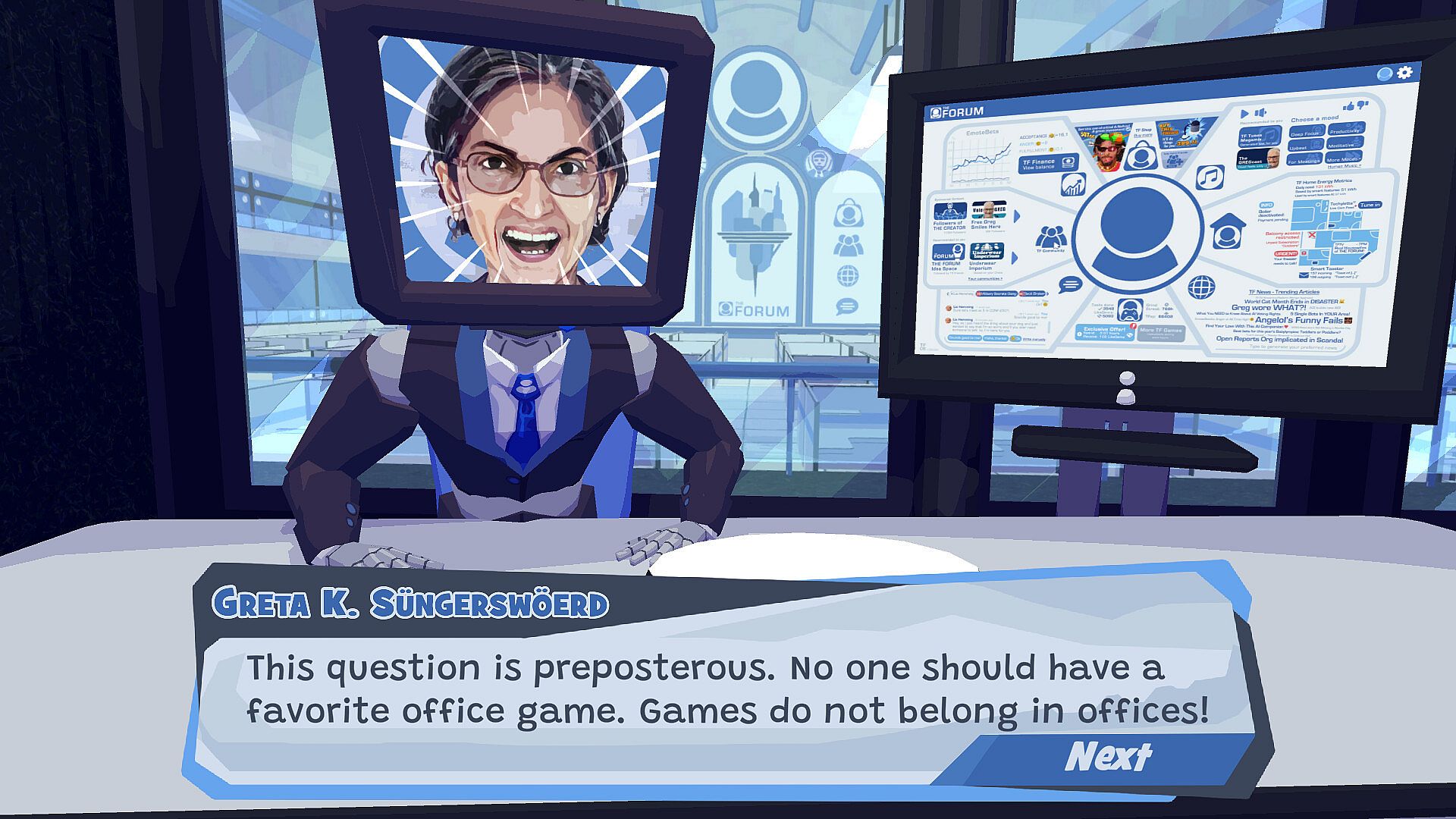
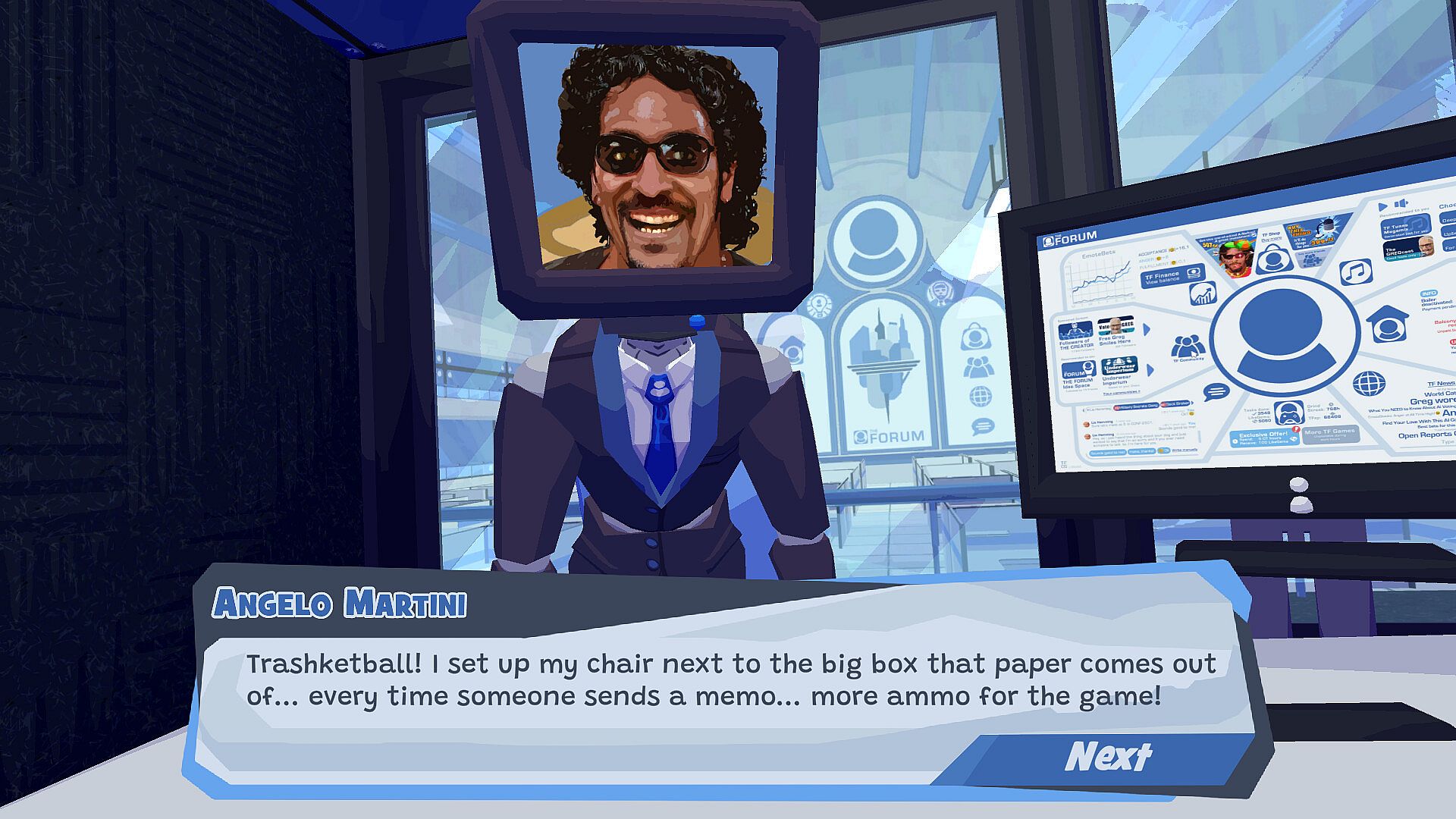
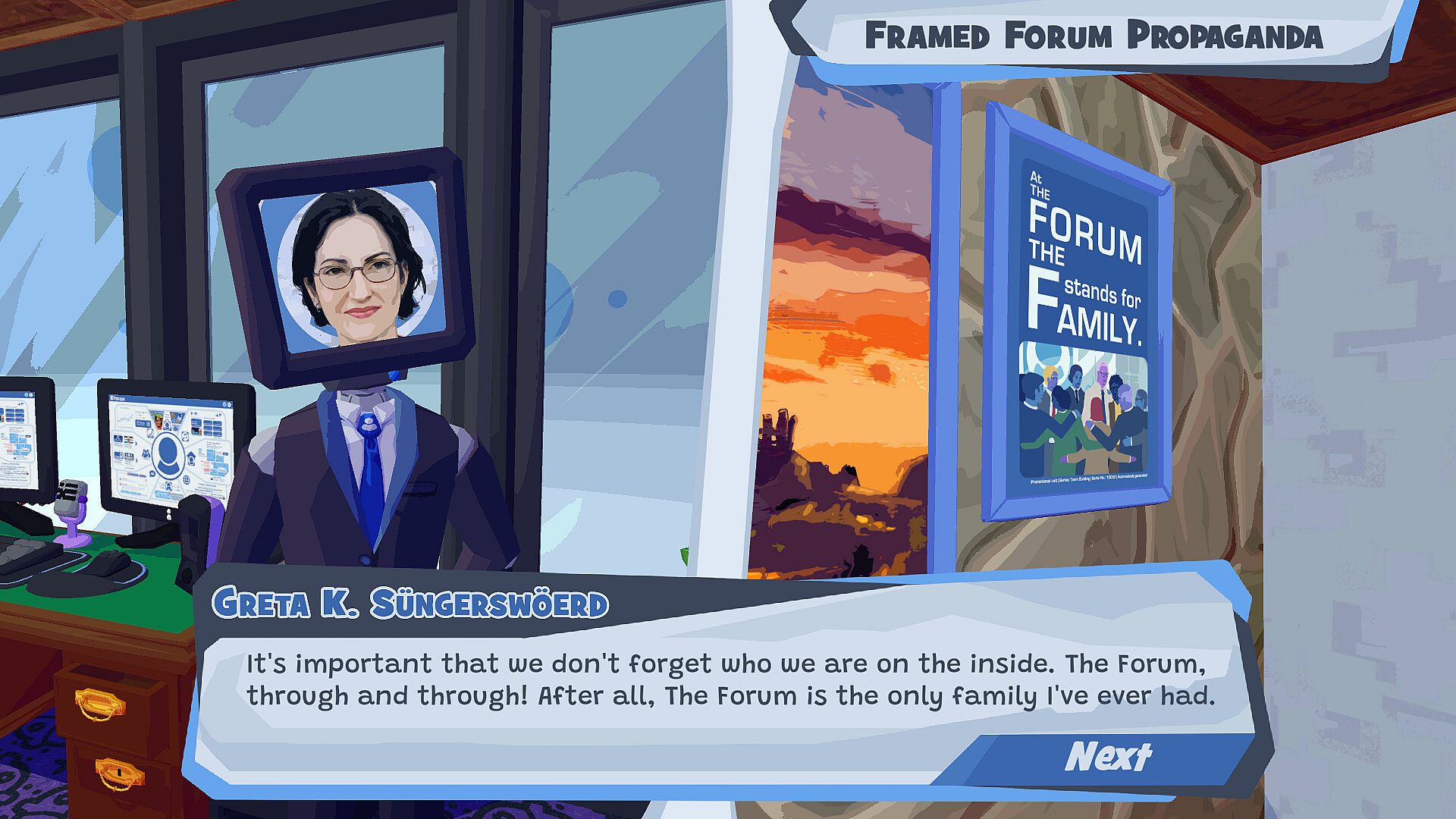
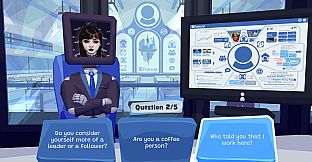
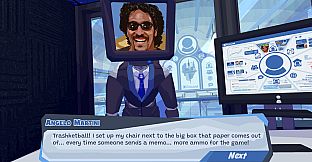
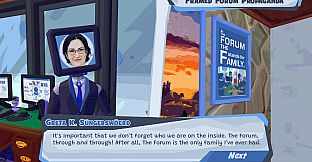
The core loop begins with an interview session. Players question each boss about preferences and aversions, noting details that will guide later design choices. Attention to these responses proves essential because every character reacts differently to colors, object types, and overall layouts.
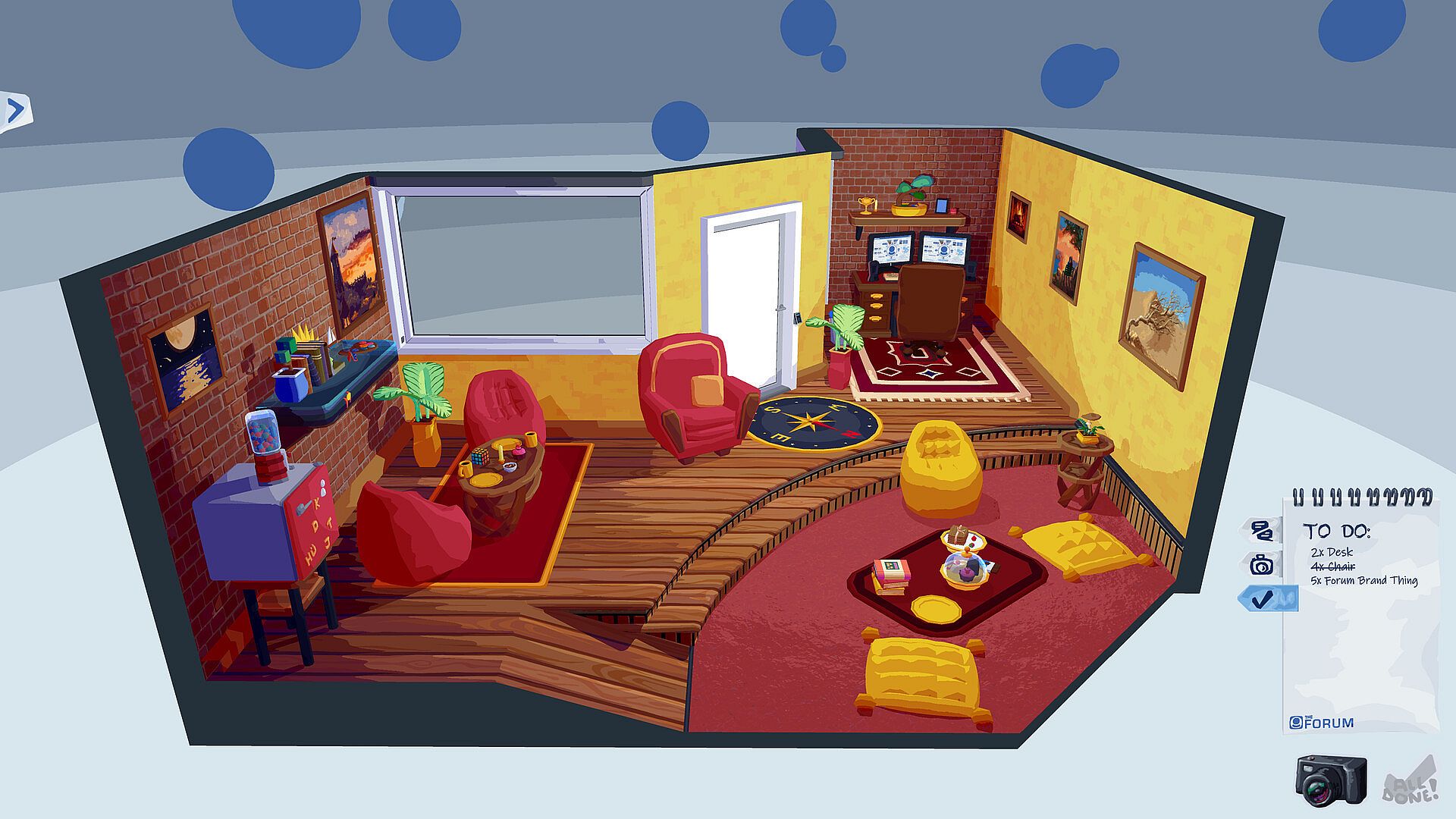
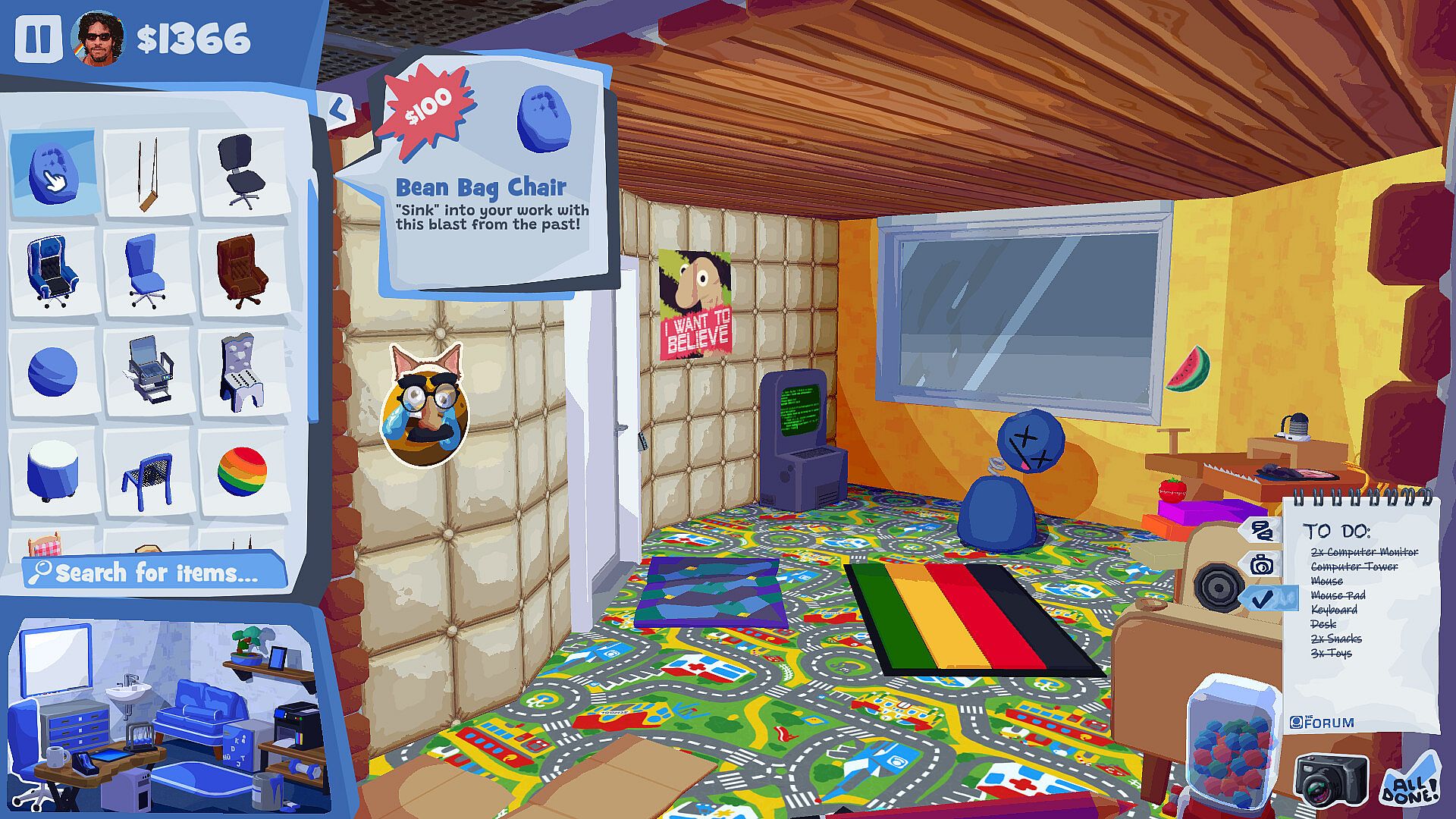
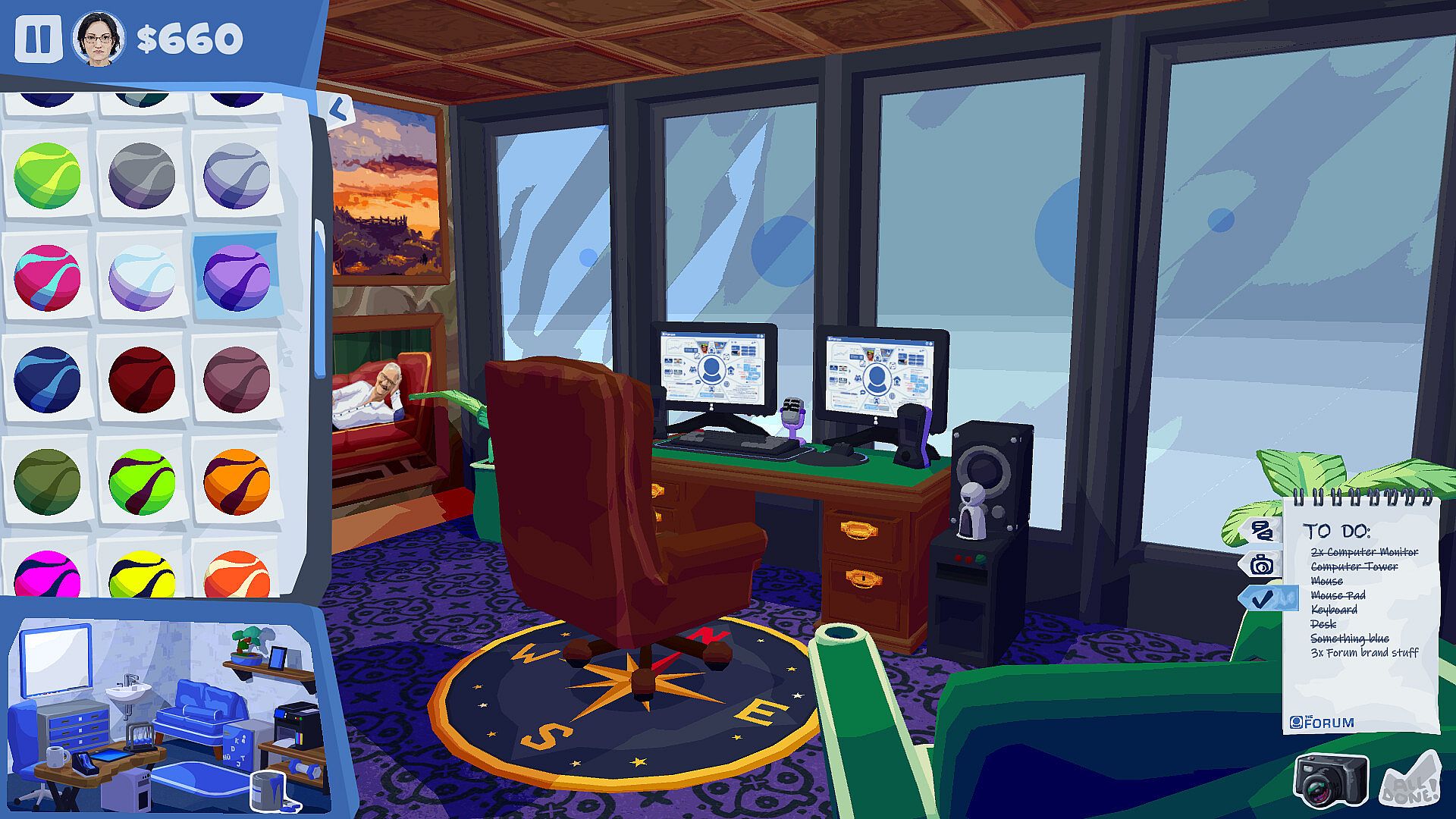
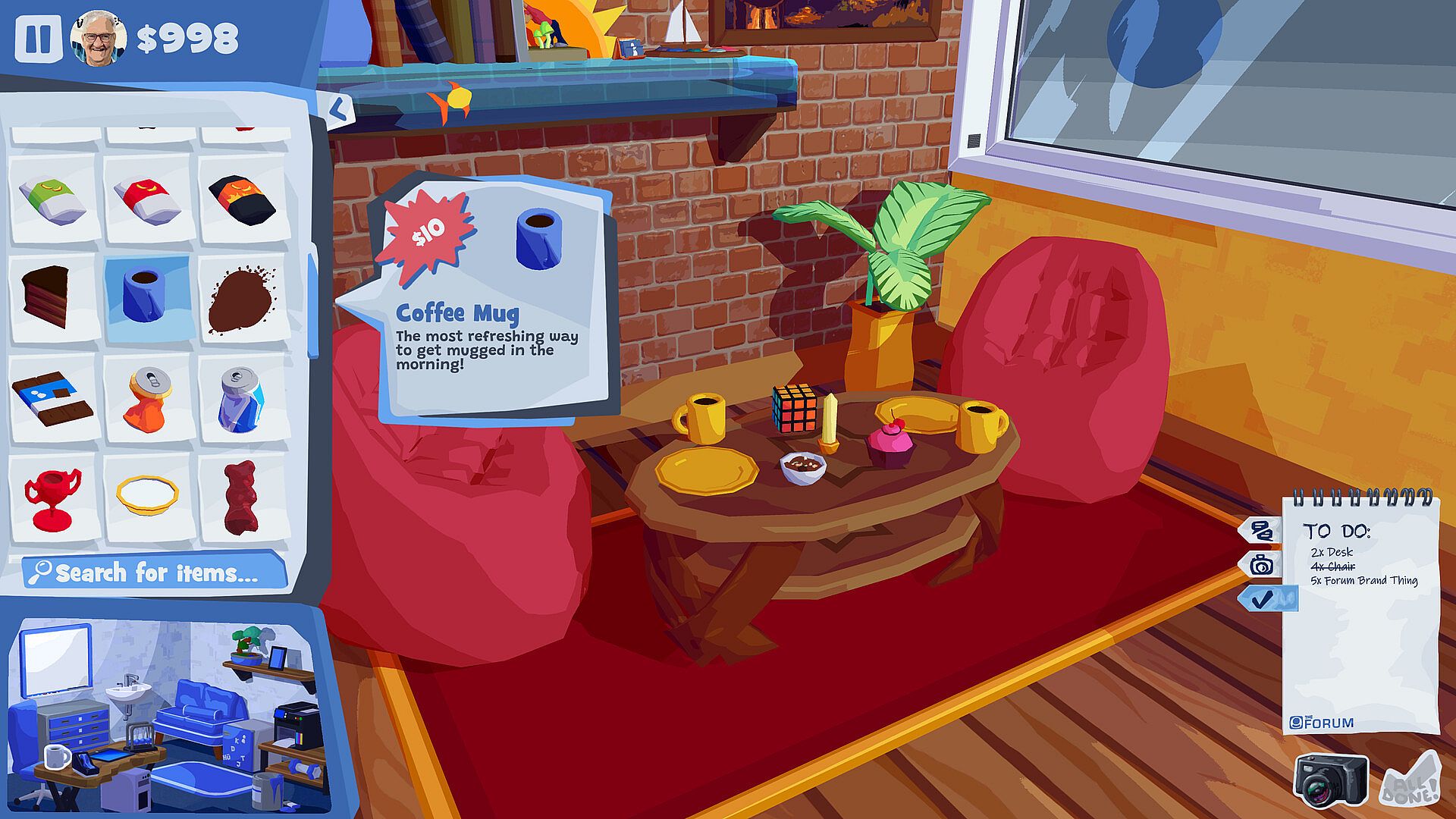
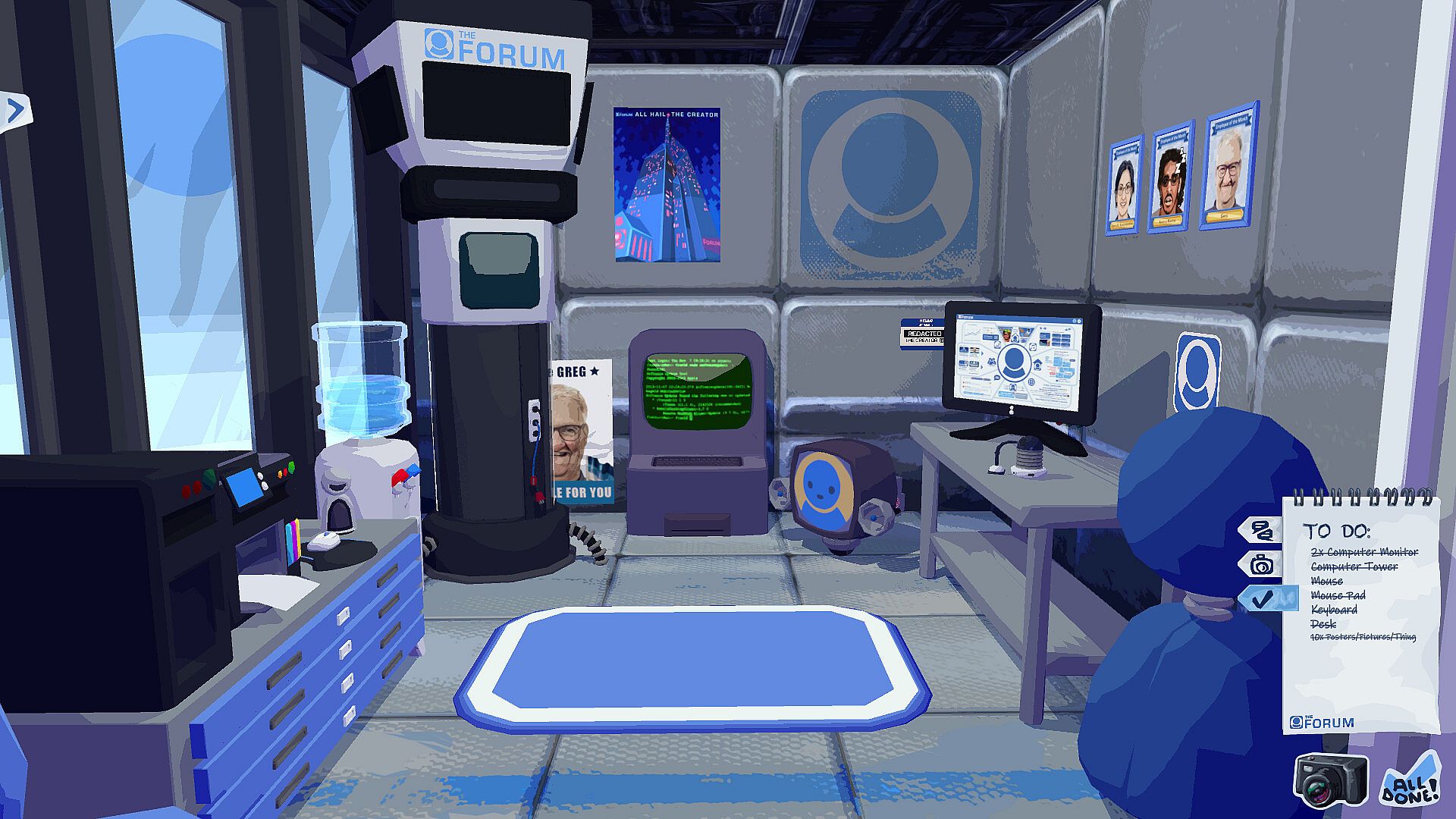
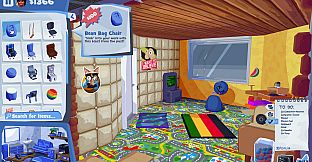
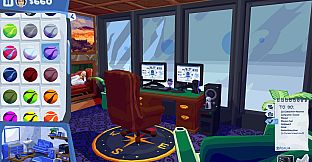
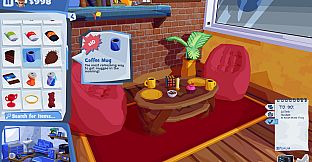
Once the interview ends, the real work starts in the empty office space. Players select from a broad collection of furniture pieces, ranging from desks and chairs to smaller accents such as pens and desk toys. Color palettes allow customization of many items, letting designers align or clash with the boss's stated tastes. Wallpapers, carpets, floor coverings, wall treatments, and ceiling materials further expand the options, while paintings and posters provide final accents.
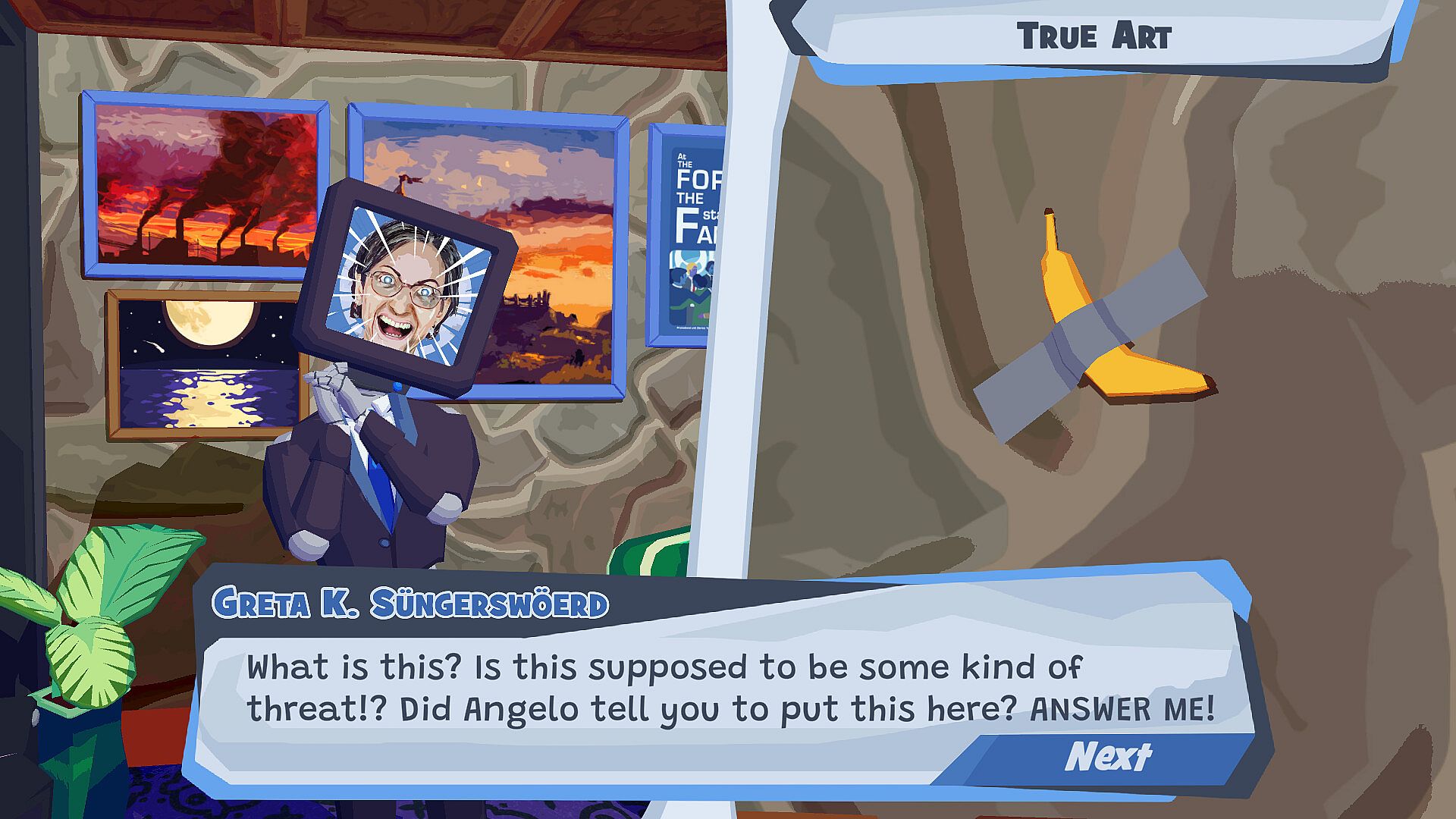
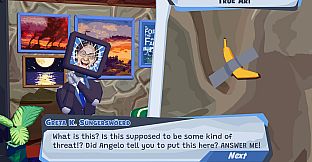
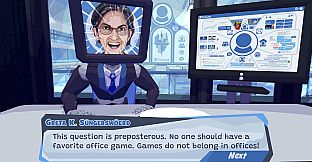
Placement feels deliberate rather than freeform. Each item contributes to an overall impression that the boss will evaluate upon completion. The game then plays out the reaction in a short scene, showing the boss's response to the finished room. Accumulating enough negative reactions across multiple bosses triggers a collective vote that ends the employment and delivers the desired outcome.
Game Modes
The primary experience follows the interview-and-design sequence across successive bosses. Success depends on interpreting the gathered information and deliberately choosing elements the boss dislikes. Multiple endings branch from the degree of dissatisfaction achieved.
Creative mode removes the constraints of the main sequence. Players gain unrestricted access to the full item library for open-ended building without performance pressure or boss reactions. This mode supports experimentation with layouts, color combinations, and material mixes at any scale.
Opposite mode inverts the objective. Instead of provoking anger, players aim to create spaces the boss adores, potentially earning a promotion rather than dismissal. The same tools and interview system apply, but the target shifts toward positive alignment.
Additional systems support progression. Players can photograph completed rooms to receive direct feedback from the client. Repeated play unlocks new sets of furniture and decorative items, expanding the available choices for future rounds.
Visual and Audio Presentation
The game adopts a lighthearted, cartoonish style that suits its silly premise. Office environments remain simple yet detailed enough for meaningful customization. Color choices and material swaps produce immediate visual feedback, encouraging players to test combinations that maximize contrast with the boss's preferences.
Sound design stays understated, focusing on ambient office tones and brief voice reactions during the evaluation scenes. The overall presentation keeps the focus on the decoration mechanics rather than complex narrative or high-fidelity graphics.
Who the Game Appeals To
Fans of casual simulation titles that emphasize creativity over competition will find the relaxed pace appealing. The game rewards observation during interviews and thoughtful (or deliberately poor) placement decisions. Those who enjoy short sessions with replay value through different bosses and modes may appreciate the structure.
Players seeking high-stakes action or intricate management systems will likely look elsewhere. The experience stays light and focused on the decoration puzzle at its heart.
Is It Worth Playing?
The game suits anyone drawn to cozy yet subversive building experiences. Its strength lies in the interview-to-reaction loop that turns decoration into a targeted puzzle. Creative mode offers a no-pressure outlet for pure design, while opposite mode provides a contrasting challenge for those who want to flip the script.
Progression through item unlocks and multiple endings adds incentive to replay the main sequence. The title remains a single-player PC experience with no confirmed multiplayer components or seasonal content at this stage. For players comfortable with short, repeatable sessions built around humor and customization, the game delivers a focused alternative to traditional office or design simulators.












