










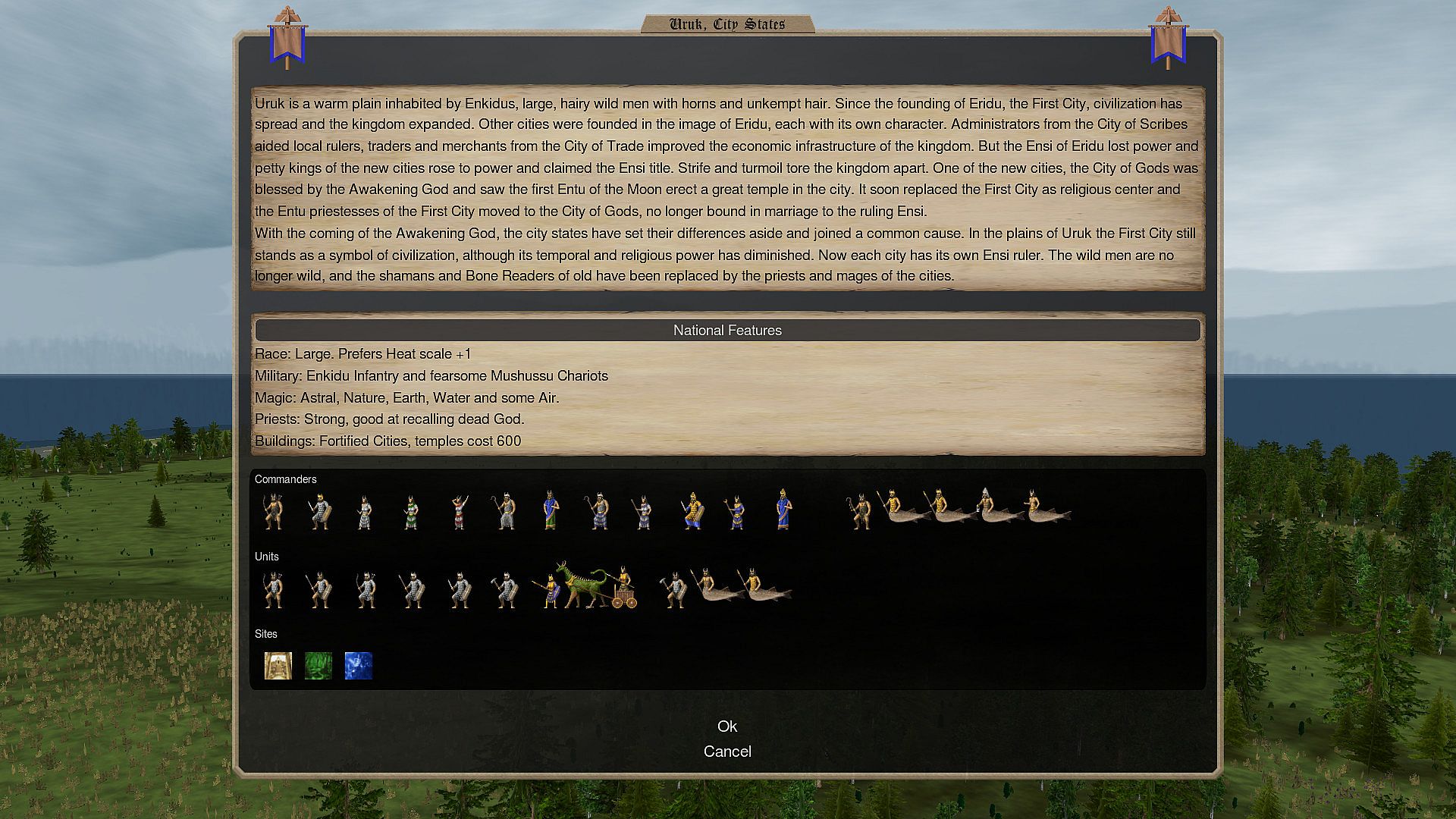
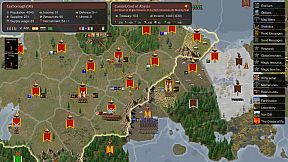
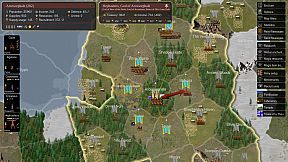
Dominions 5 Warriors of the Faith is a turn-based strategy game in which players assume the role of a pretender god who rules a nation and seeks to achieve true divinity. The title places heavy emphasis on nation management, magical research, and large-scale military campaigns set against a backdrop of mythic and historical influences. Players select from a wide array of nations drawn from Norse, Aztec, Roman, Greek, and other cultural sources, each with distinct unit rosters, magical traditions, and sacred troops. The core loop revolves around expanding dominion influence, recruiting commanders and armies, researching spells across multiple paths, and engaging in battles that determine control of provinces.
Gameplay
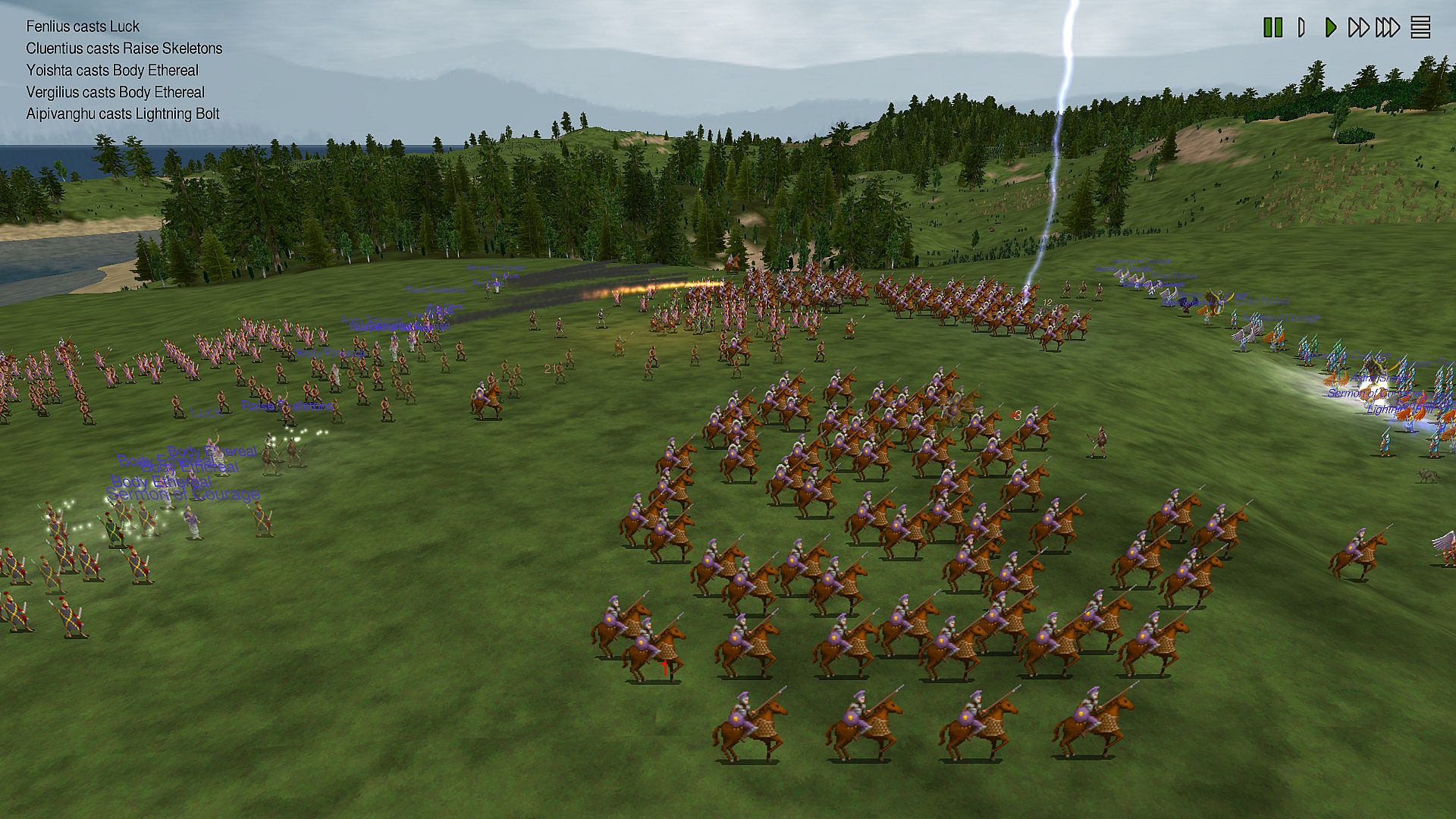
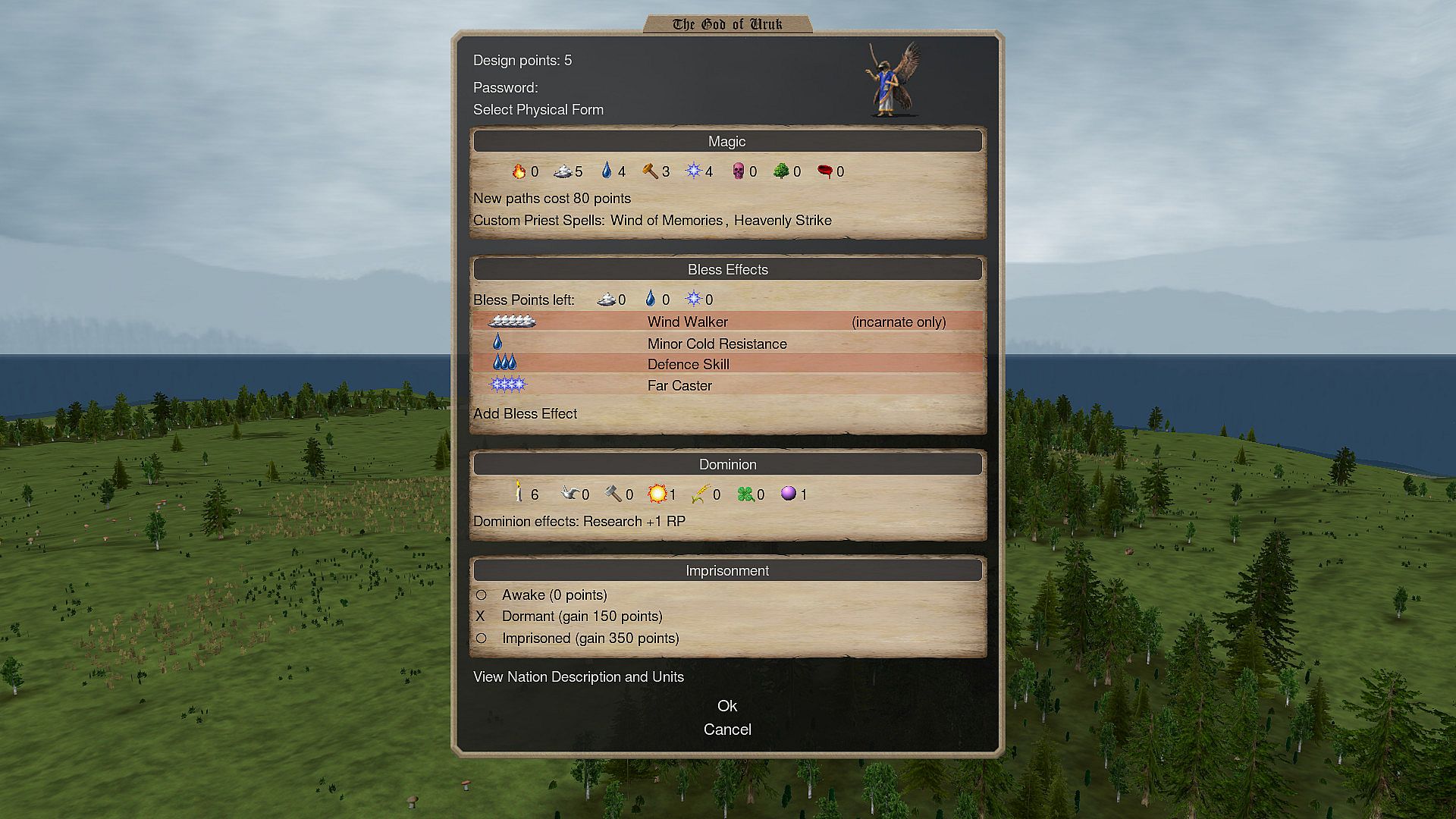
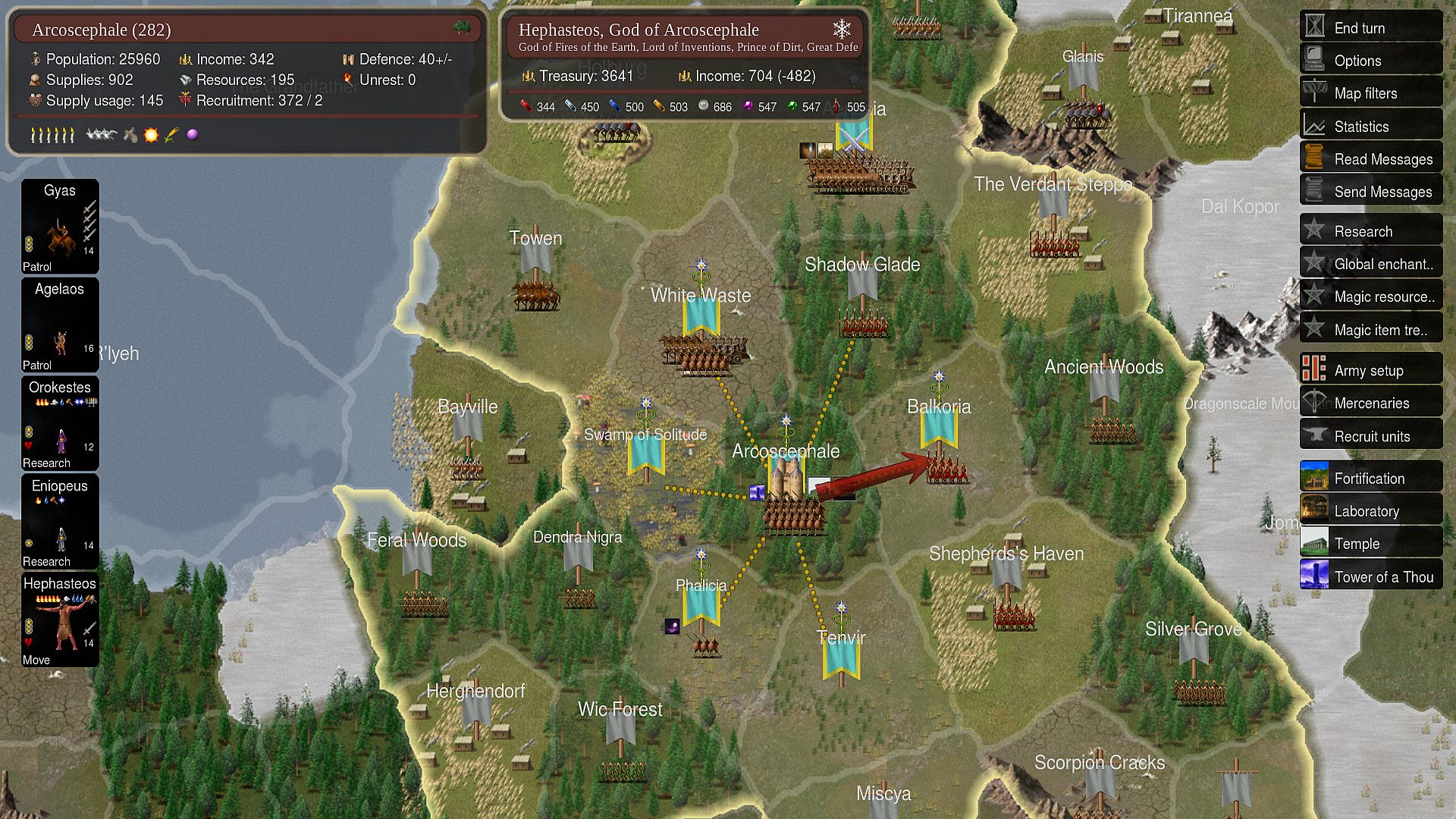
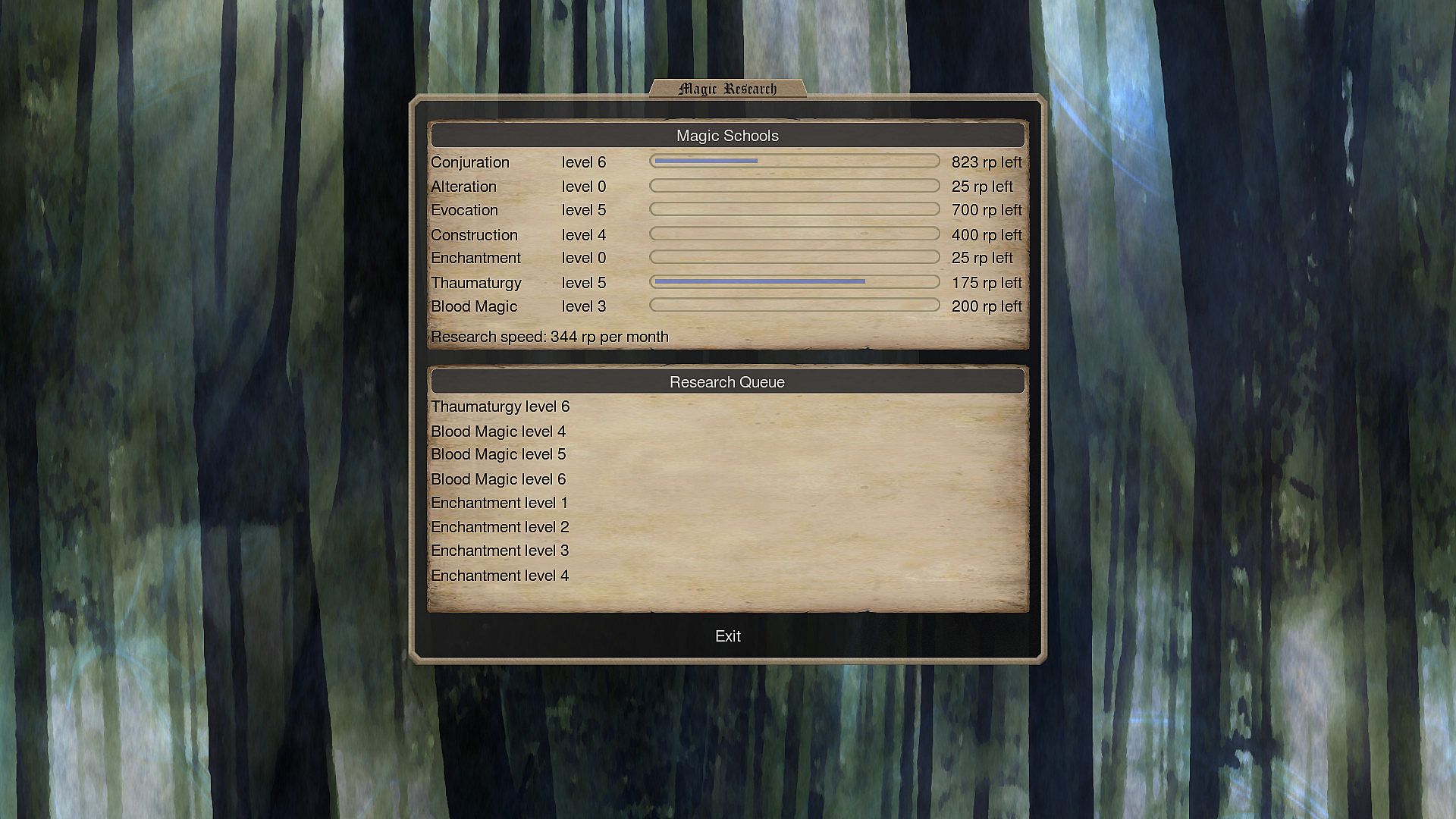
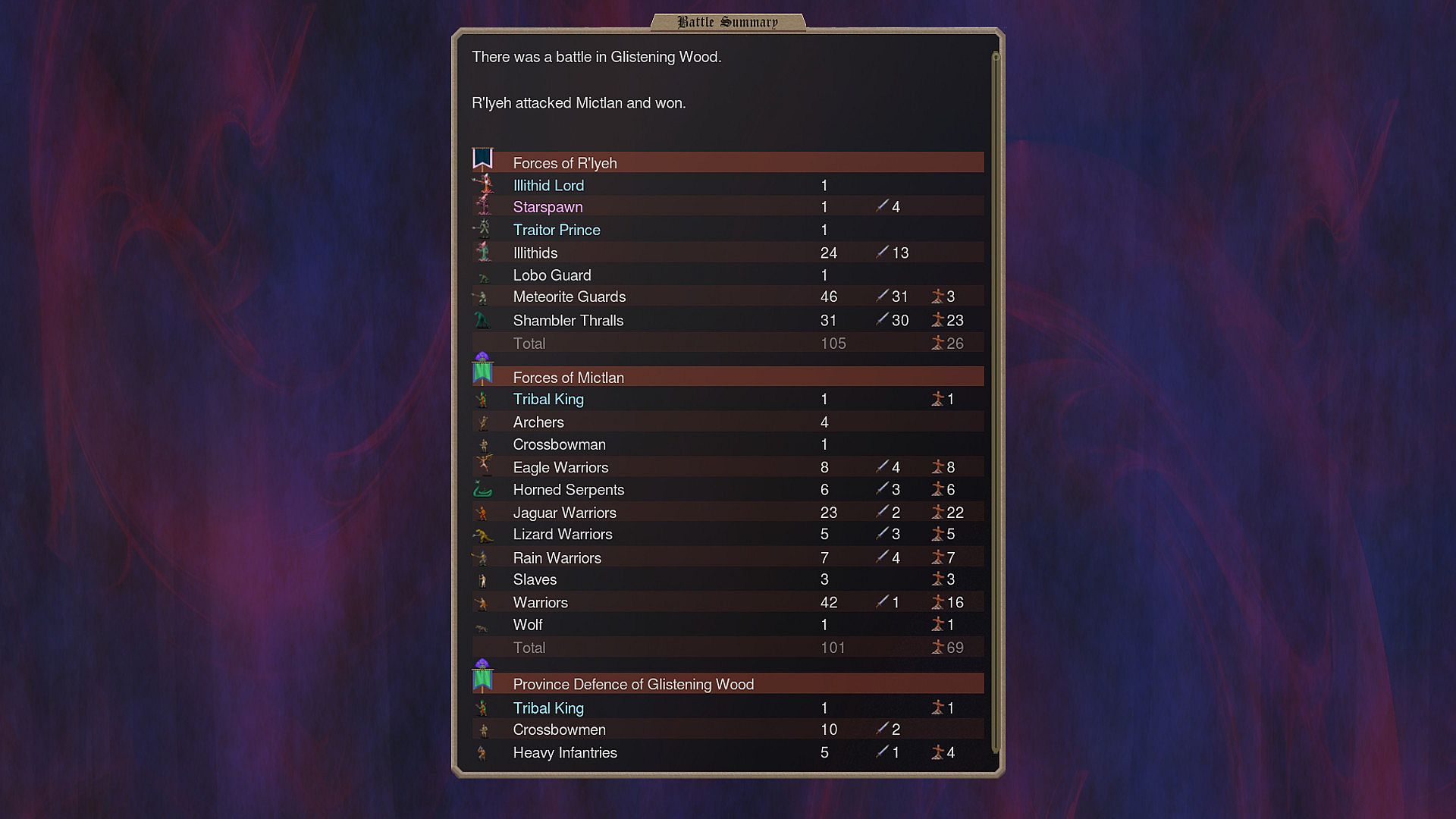
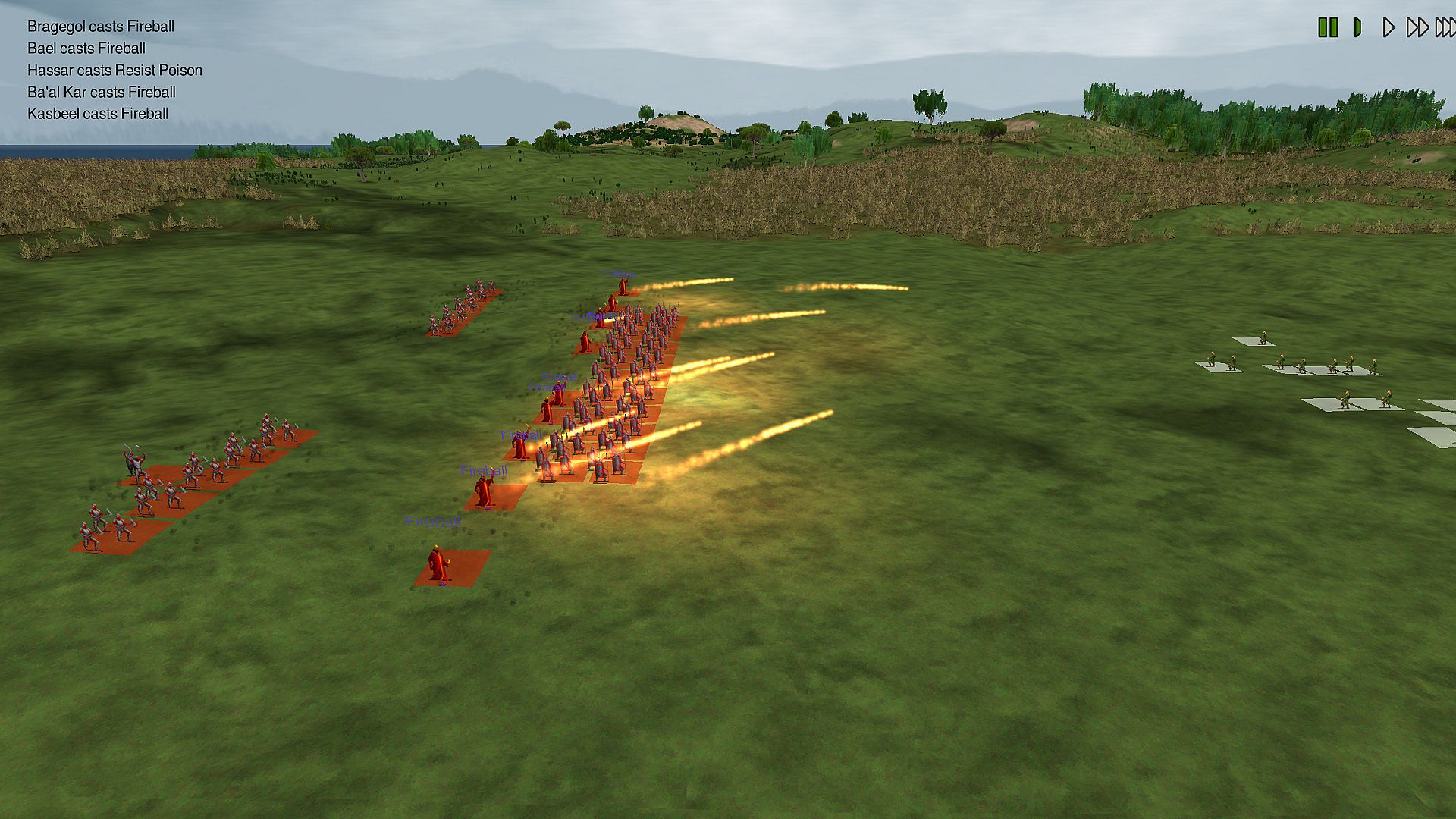
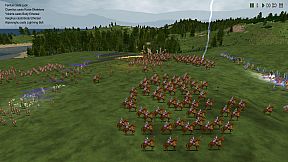
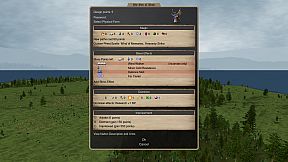
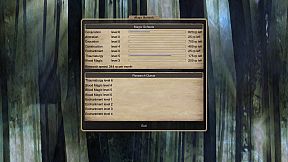
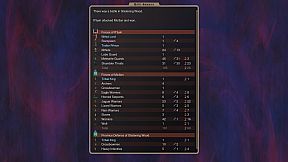
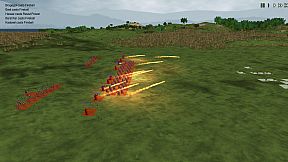
The game begins with the creation of a pretender god whose form and attributes shape both personal power and the blessings granted to followers. Dominion spreads from temples and holy sites, strengthening sacred units and altering the landscape in ways that reflect the god's chosen paths. Magic forms a central pillar, with research divided into schools such as fire, water, earth, air, astral, death, nature, and blood. Commanders lead armies across the map, constructing forts, forging artifacts, and performing rituals that can summon monsters or alter global conditions. Battles unfold with simultaneous unit movement, allowing projectiles and spells to resolve in real time while troops advance, which speeds up resolution of large engagements compared to earlier entries in the series. Bless effects can be customized in detail at the start of a game, offering fine control over how a god's divine favor manifests in combat bonuses for sacred warriors.
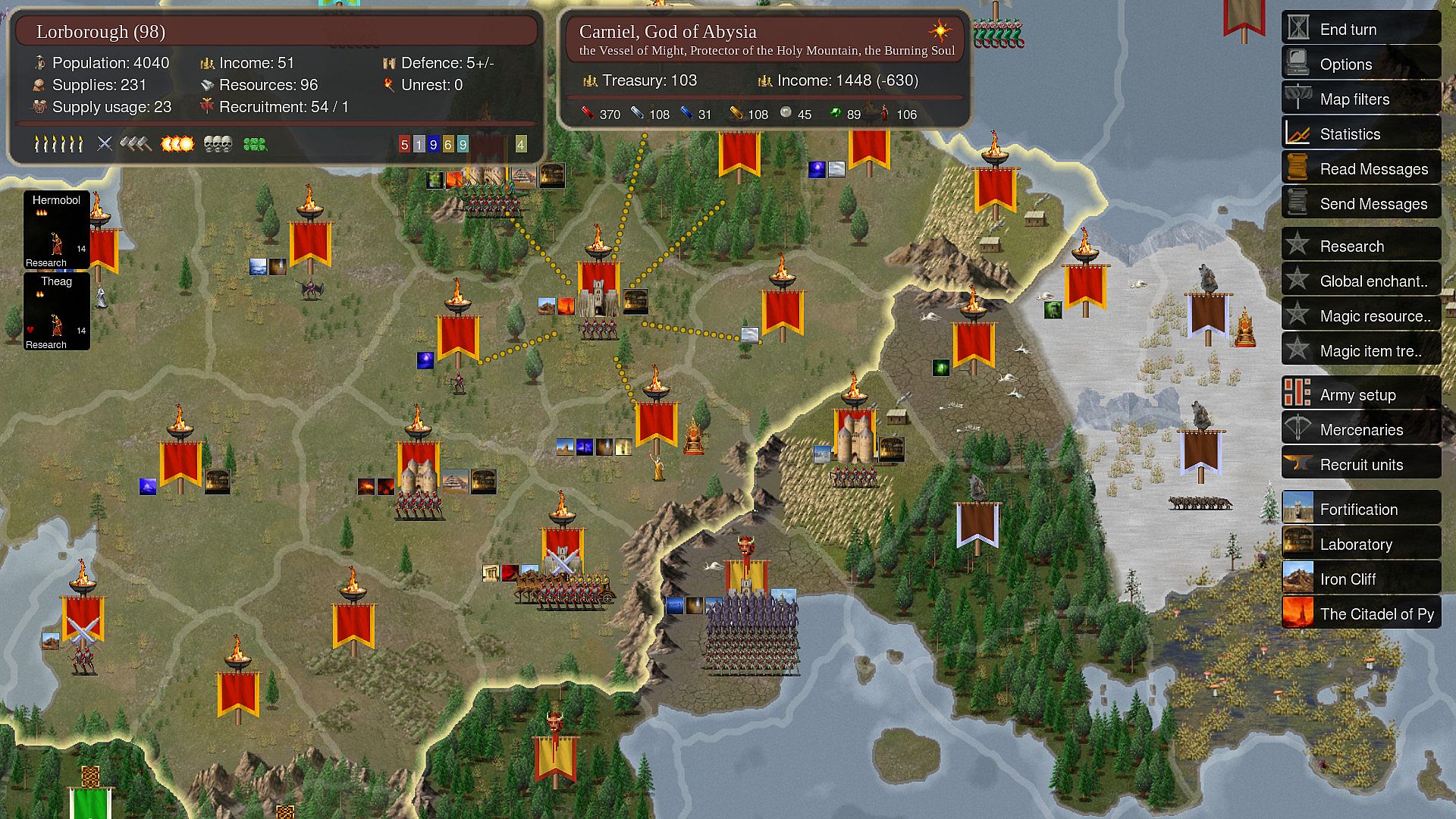
Resource management extends beyond gold and gems to include the careful allocation of magical power and the maintenance of supply lines across contested territories. Nations vary significantly in playstyle, from those reliant on elite sacred troops to others that emphasize blood magic or undead hordes. The absence of conventional fantasy races keeps the focus on grounded mythic interpretations, where players might command vanir warriors or lead Israelite prophets against Lovecraftian entities. Progression feels deliberate, with each turn requiring decisions about research priorities, troop movements, and diplomatic overtures in multiplayer settings.
Game Modes
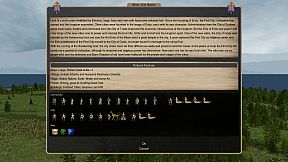
Single-player campaigns allow a pretender to face AI-controlled opponents across procedurally generated or preset maps, with victory conditions that include military conquest of enemy capitals, the complete suppression of rival dominions, or the claiming of Thrones of Ascension. These thrones serve as powerful magic sites that award ascension points when controlled and claimed by a pretender, disciple, or sufficiently holy priest. Multiplayer supports both competitive and cooperative play, where human opponents negotiate alliances, conduct espionage, and execute coordinated strikes that reward long-term planning and betrayal. Cooperative modes let multiple players share a nation or pursue joint ascension goals against AI threats. The default setup centers on the Thrones of Ascension victory path, though alternate win conditions remain available depending on game settings chosen at the outset.
Nations and Mechanics
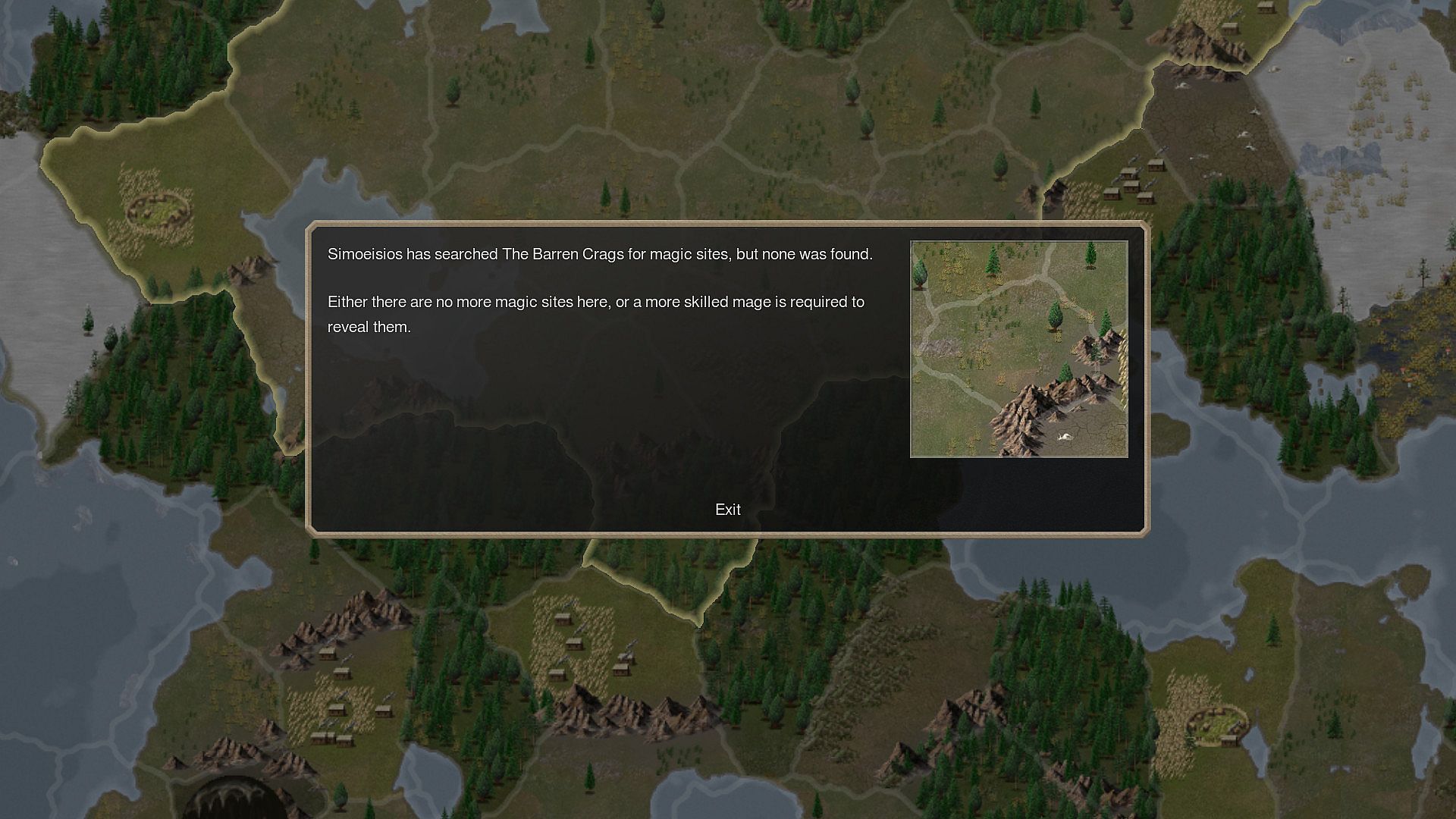
Each nation carries unique mechanical identities rooted in its cultural inspirations. Some emphasize priestly hierarchies that bolster dominion spread, while others focus on blood sacrifice or astral communion rituals to generate magical resources. Sacred soldiers receive powers directly tied to the strength and nature of the controlling god's dominion, creating feedback loops where territorial control directly enhances combat effectiveness. The simultaneous battle system applies across all engagements, reducing downtime during large clashes involving dozens of units and multiple spellcasters. Research trees encourage specialization, yet cross-path synergies remain viable for players who adapt to emerging threats. Map control hinges on fort construction and the defense of key provinces, with independent monsters and events adding unpredictability to campaigns.
Is It Worth Playing?
The game continues to receive patches that address balance and AI improvements, maintaining an active if niche player base years after its initial release. Reception highlights its depth for those who enjoy intricate turn-based strategy with heavy emphasis on magic systems and asymmetric nation design. Multiplayer stands out for the layers of diplomacy and long-term scheming it enables, appealing to groups that value emergent storytelling over fast-paced action. Single-player offers substantial replayability through varied nation choices and pretender builds, though the learning curve is steep and requires patience with the interface and ruleset. The title suits experienced strategy enthusiasts comfortable with complex simulations and willing to invest time in mastering its interlocking systems. Those seeking lighter experiences or conventional fantasy tropes may find the presentation and pacing less accessible, while dedicated players report sustained engagement through community-hosted games and ongoing refinements.