

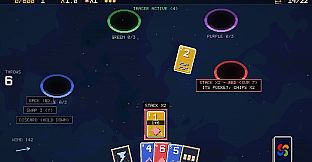
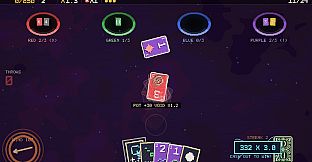
Discard is a roguelike deckbuilder that stands out through its unique physical card throwing mechanics on PC. Players flick cards across a table where wind, rails, and pockets interact with realistic physics to determine outcomes. This indie casual title emphasizes precision throws combined with strategic deck choices, creating runs that reward both skill and adaptation.
Gameplay
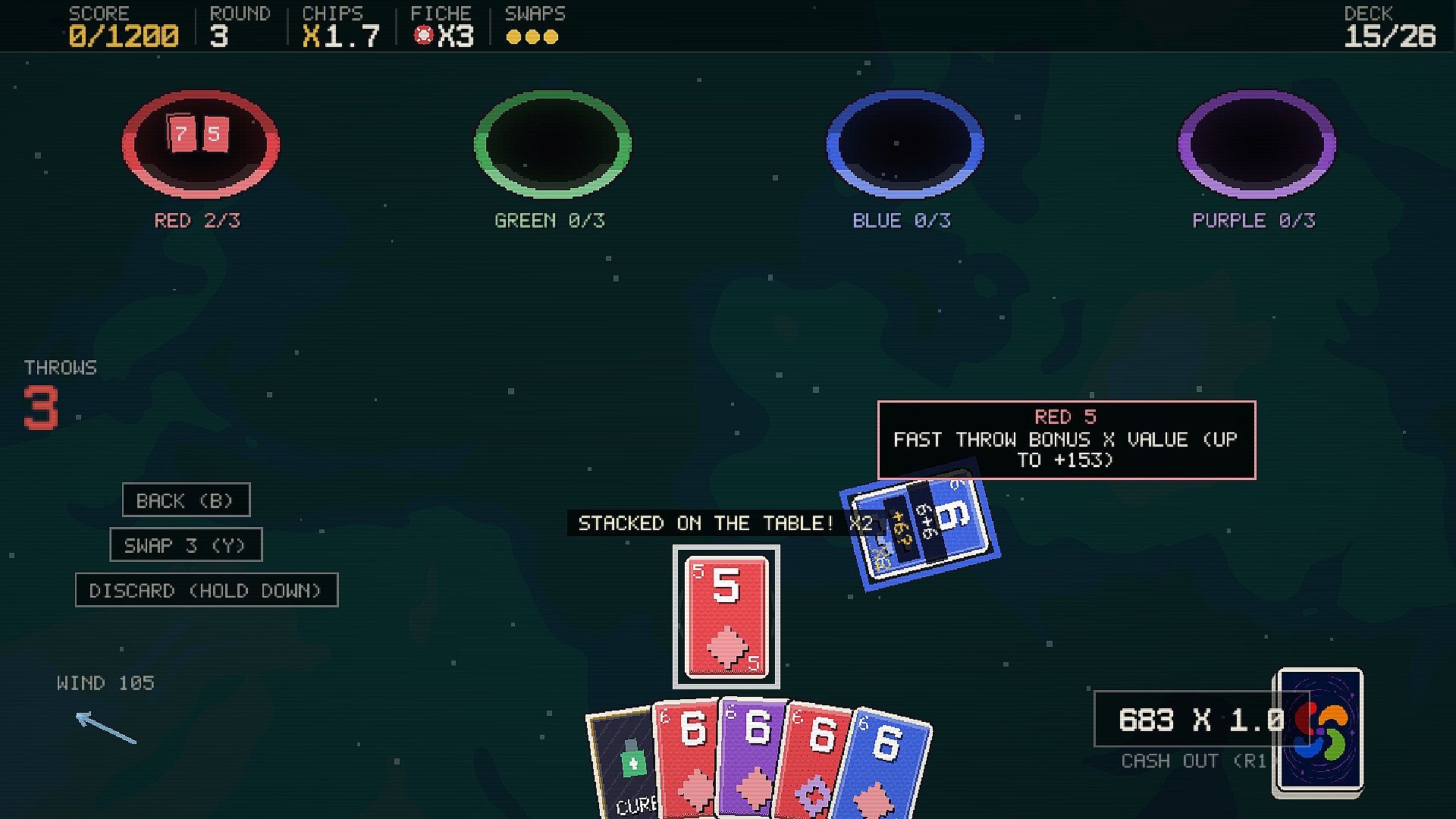
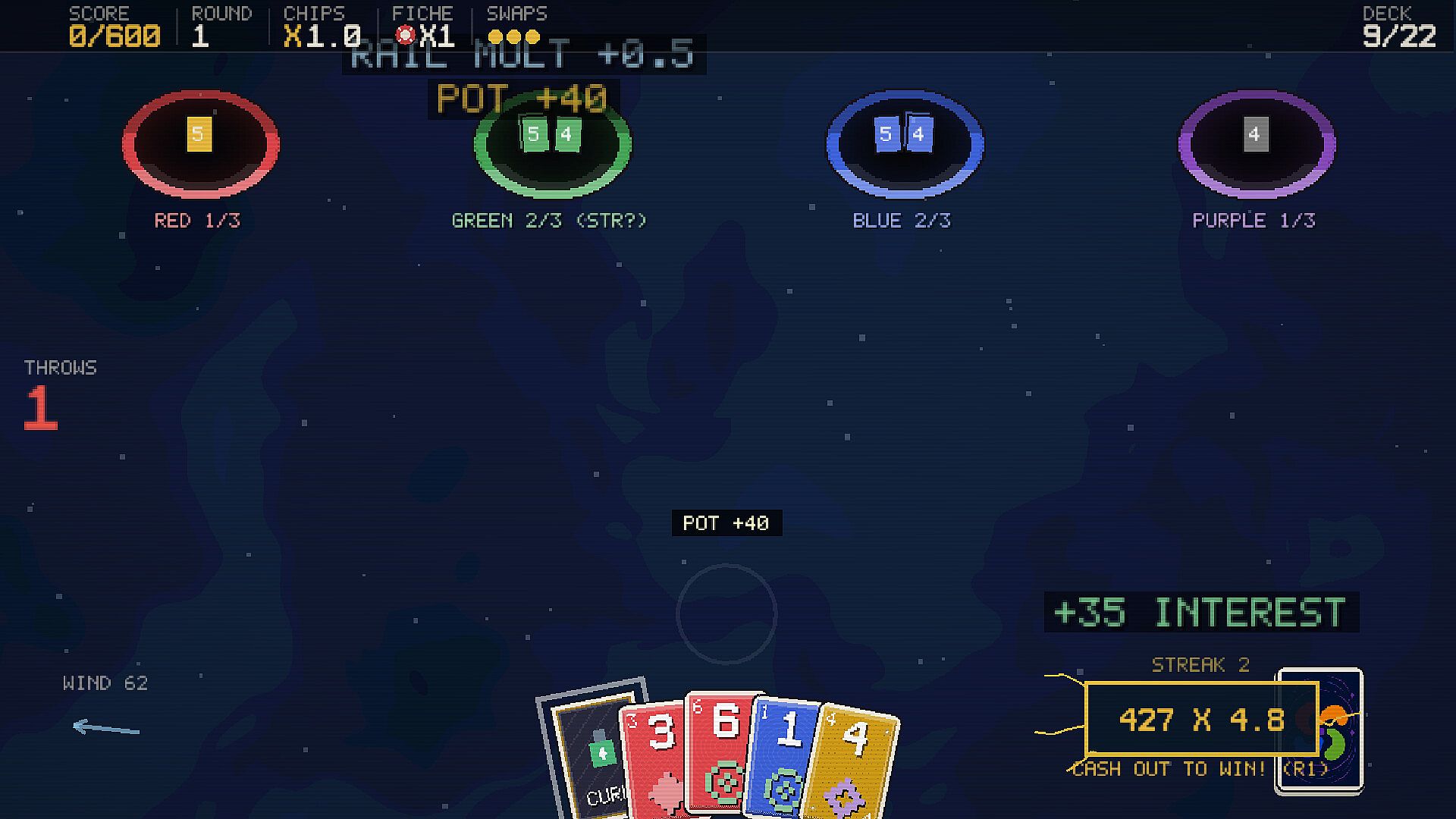
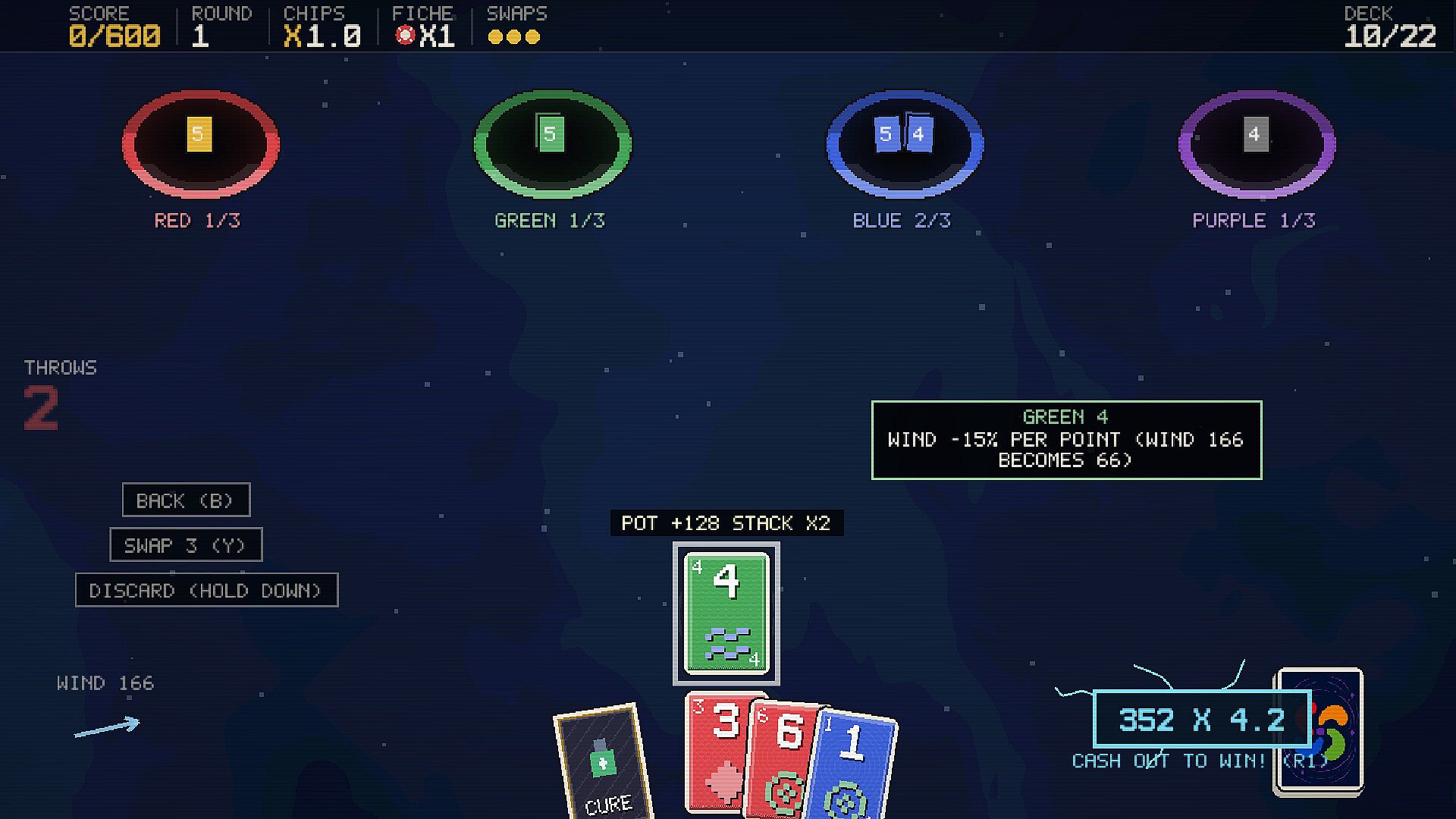
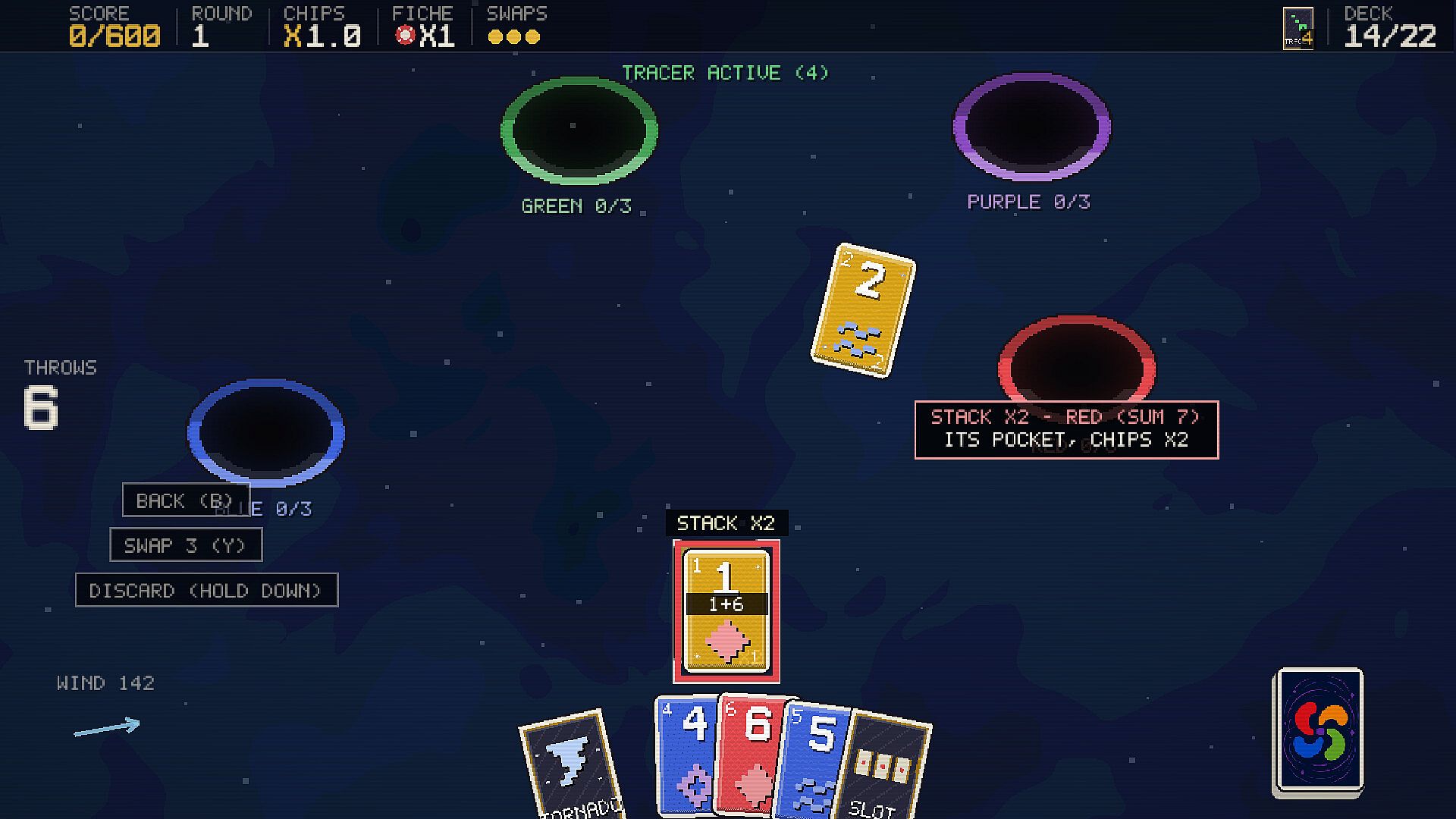
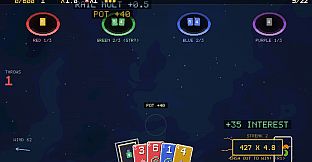
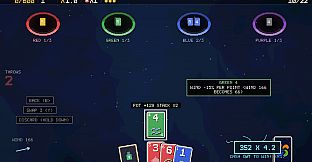
The core loop centers on throwing cards as physical objects rather than selecting them from a menu. Wind strength and direction shift each round, altering every trajectory and forcing players to adjust aim accordingly. An exact physics tracer first shows the projected path, helping newcomers learn the system before they master using environmental factors like banking shots off rails or lobbing cards high to clear clusters and form stacks on the table.
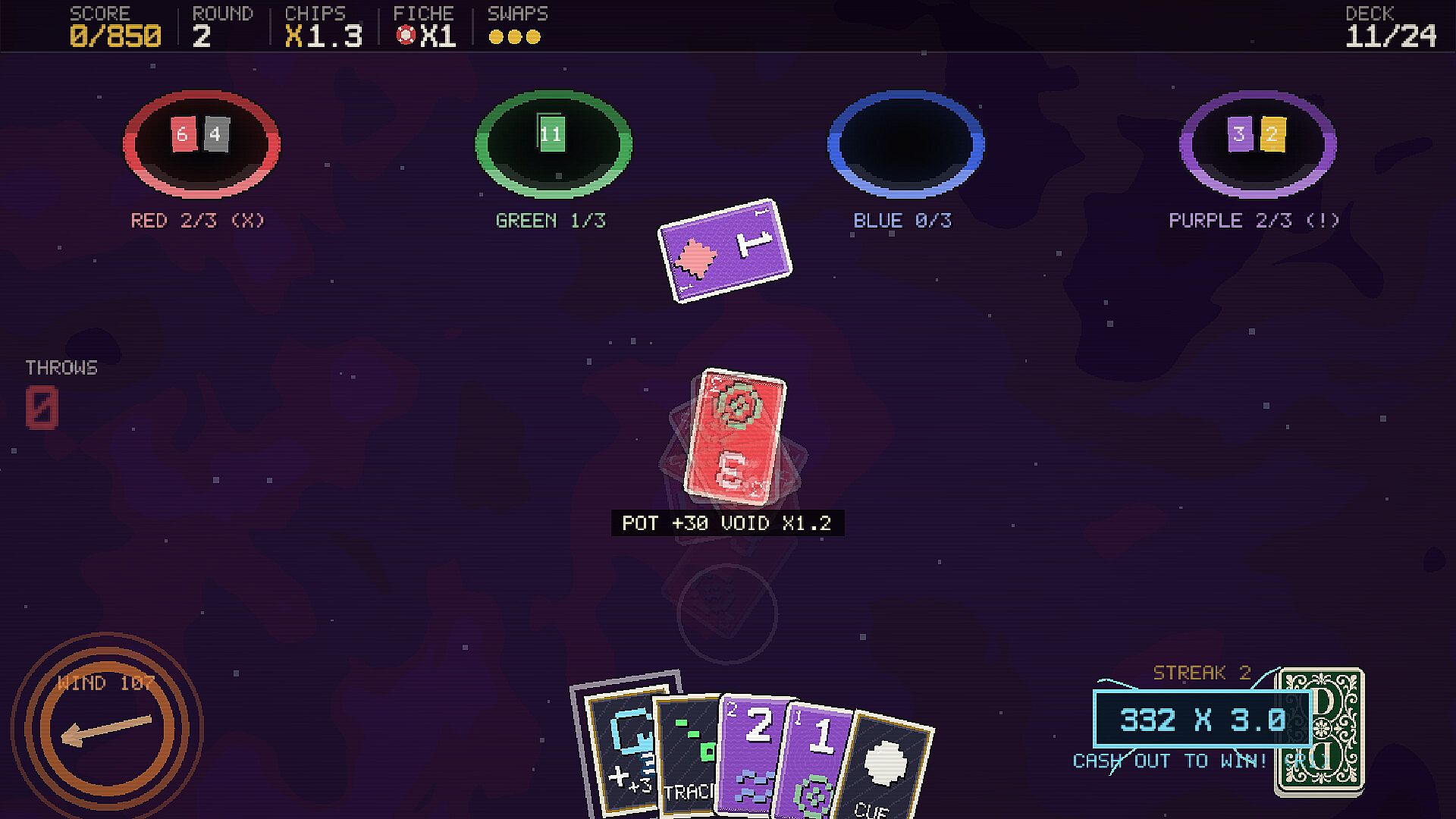
Every pocket contributes to a growing pot while successful skill shots build a multiplier. Banks, caroms, rapid-fire sinks, and poker-style card combos such as pairs, straights, and three of a kind all increase the score. Players decide when to cash out, balancing the risk of losing everything on a single poor throw against the potential for larger rewards through continued play.
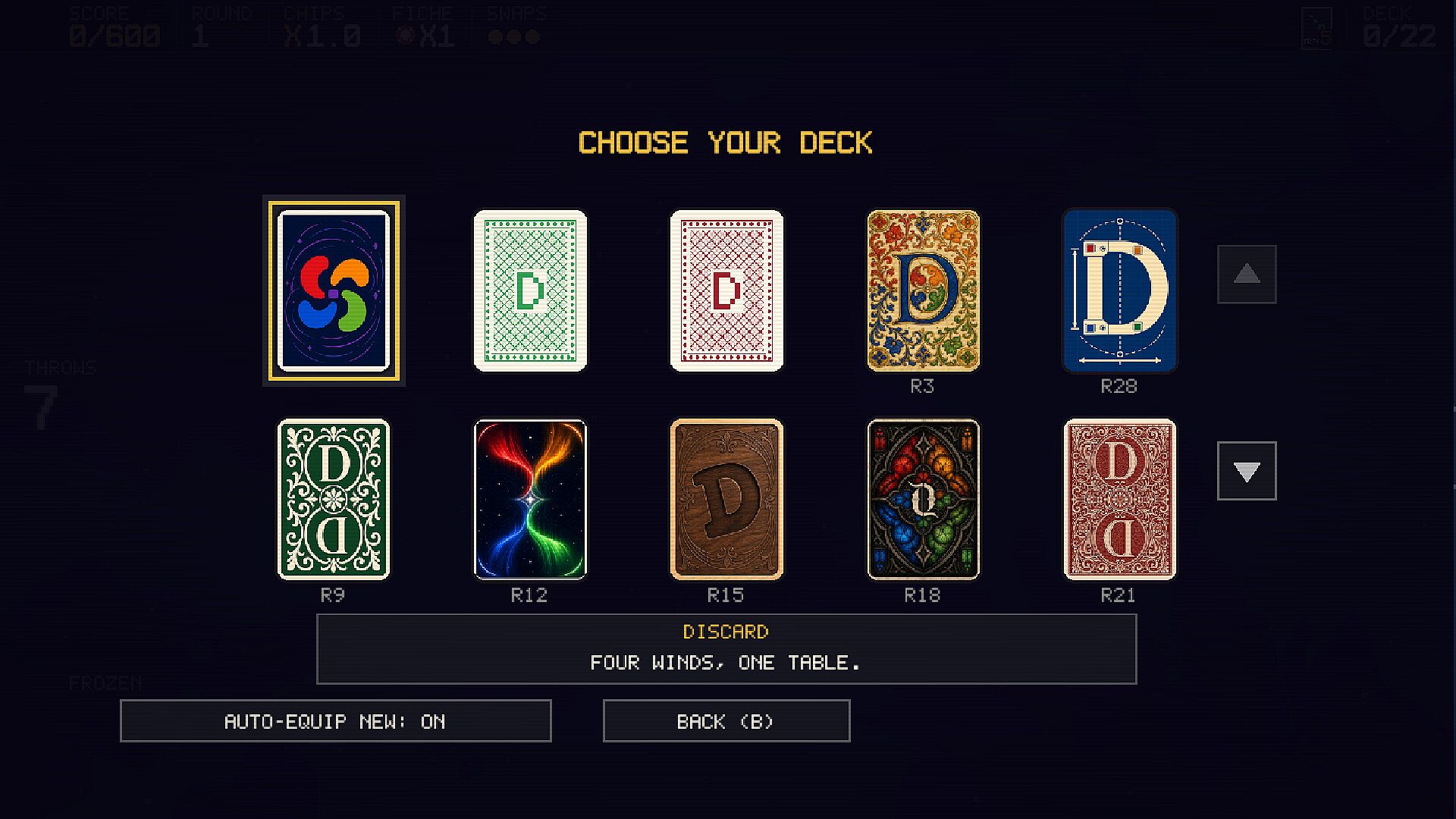
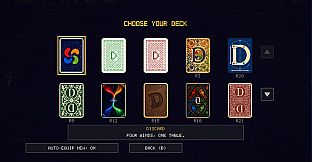
Special cards introduce powerful effects that can turn situations around. Options like Sweep, Tornado, Sniper, Portal, and the wish-granting Joker alter the table state or provide direct advantages during throws. With 25 decks available and 16 special cards in total, each run encourages experimentation as players unlock and combine different rule-bending options to push further.
Game Modes
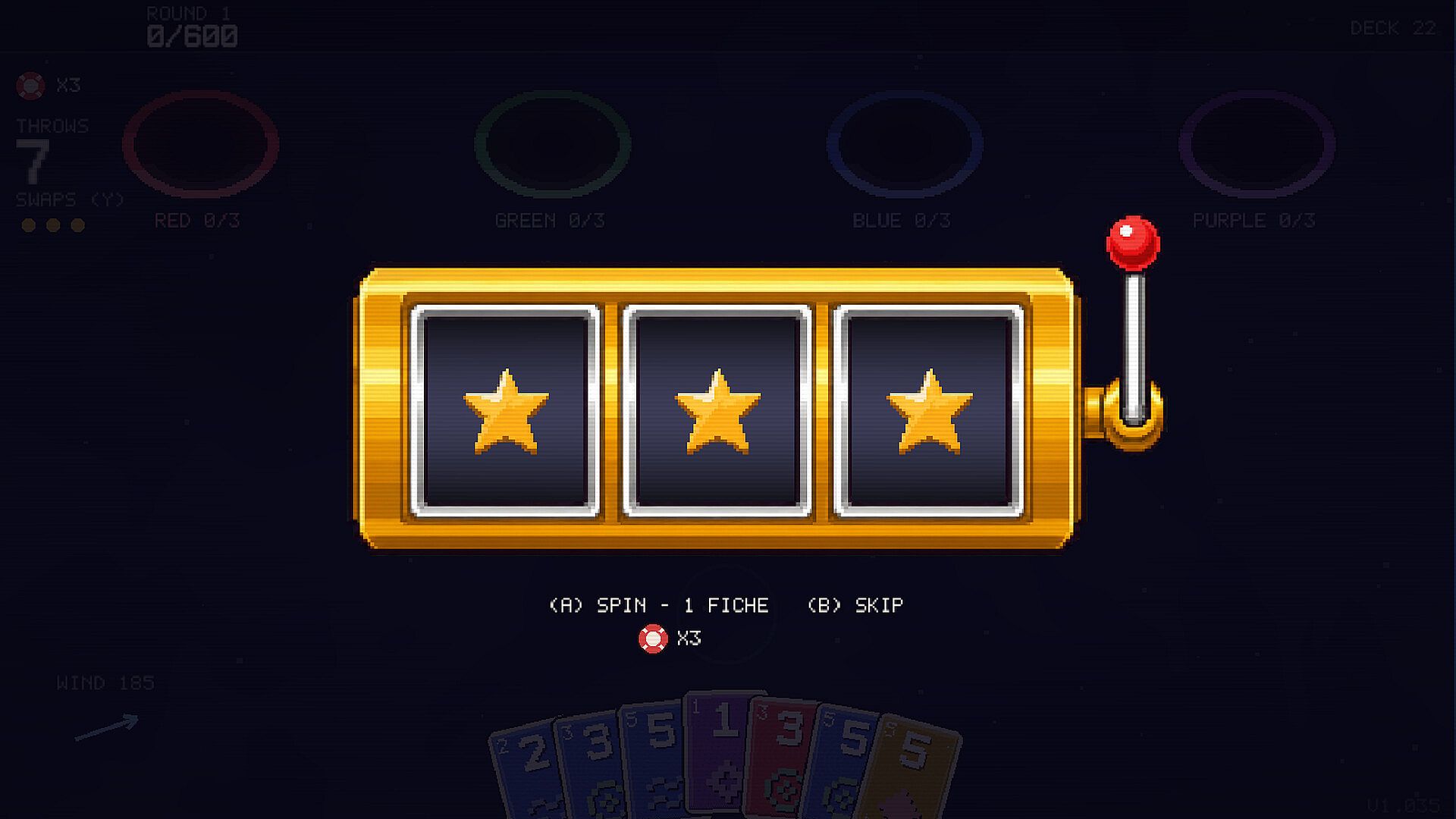
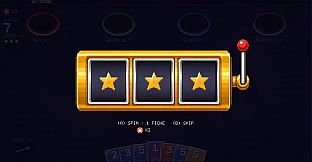
Discard operates through a single continuous roguelike structure built around short rounds that last only minutes. Each round ends with a slot spin that reshapes the next table, introducing variations such as wider pockets, double chips, free cards, or disruptive elements like drunken pockets, storms, and earthquakes. These changes keep every attempt distinct while maintaining the focus on throwing mechanics and multiplier management.
The roguelike progression ties together through deck unlocks and persistent advancement across runs. Players lose quickly when throws go wrong but restart immediately to apply lessons from prior attempts, emphasizing rapid iteration over long sessions.
Key Mechanics and Features
Physics simulation forms the foundation, with wind as the primary variable that players must read and exploit. The tracer tool provides clear feedback during early play, while advanced techniques involve timing throws to create chain reactions across the table surface. Pocket placement and card stacking add layers of tactical depth beyond simple aiming.
Deck building integrates directly with the throwing action. Different decks modify how cards behave or what bonuses they grant, encouraging players to adapt their approach based on the current table configuration after each slot spin. This system rewards thoughtful selection without overwhelming complexity.
Is It Worth Playing?
Discard suits players who enjoy roguelike deckbuilders with a strong emphasis on physical skill and environmental interaction rather than pure card selection. Its short round length and quick restarts make it accessible for casual sessions on PC, while the controller support and optimized performance target Steam Deck users seeking portable play. The combination of precise throwing, risk-reward cash-out decisions, and table-altering spins delivers a focused experience that stands apart in the indie casual space. Those drawn to games blending deck construction with real-time aiming will find consistent engagement through varied runs and unlock progression.