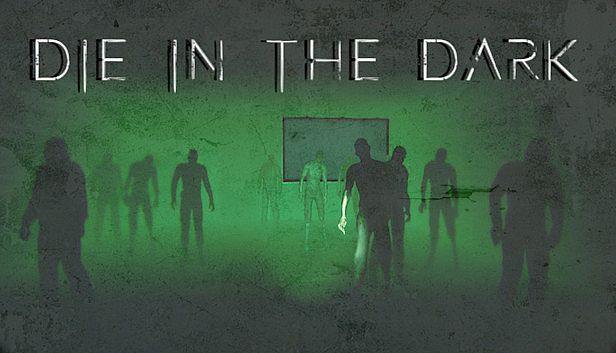












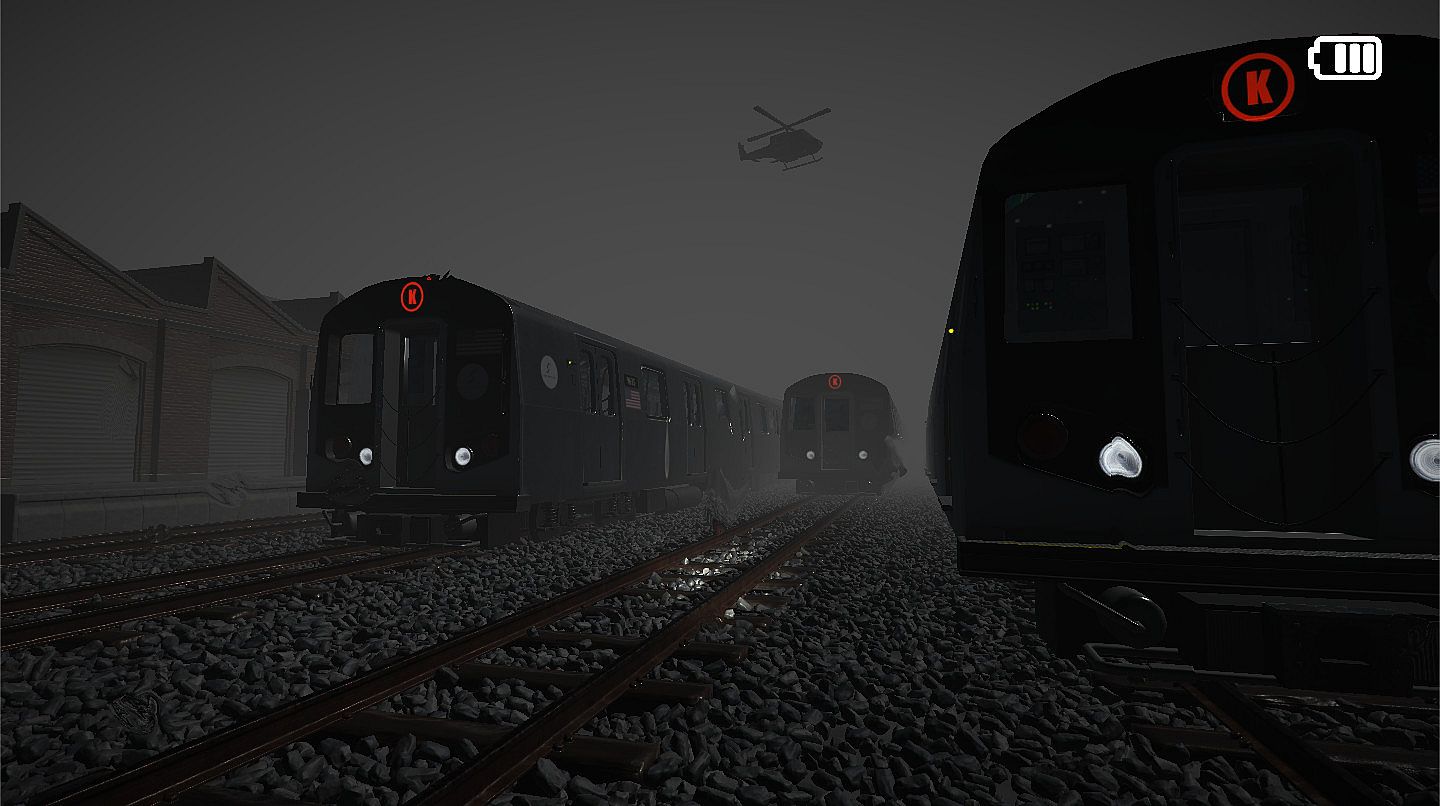
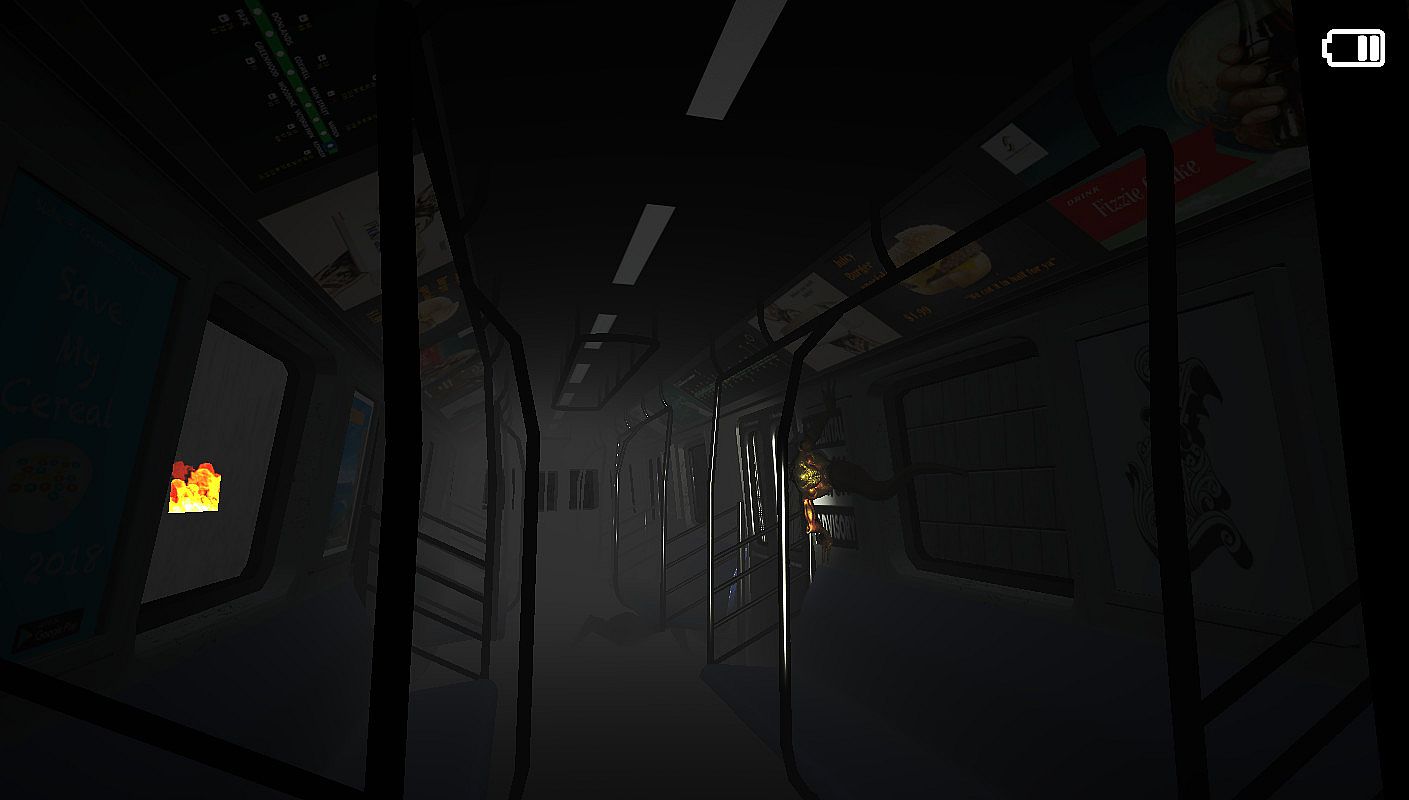


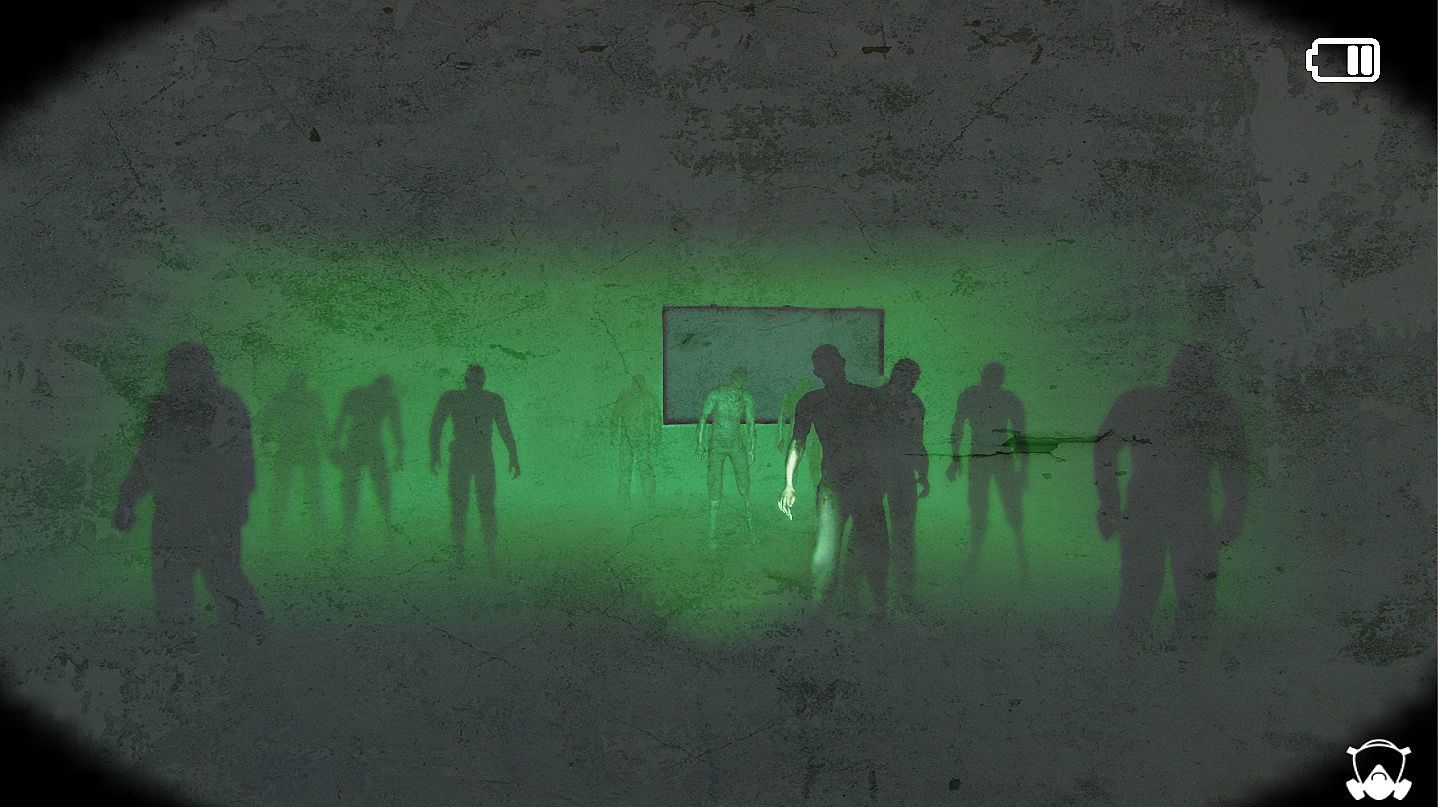

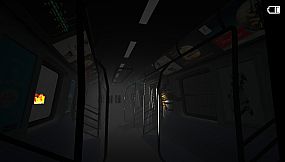
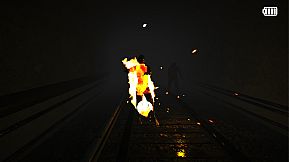



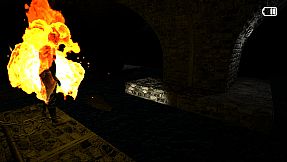
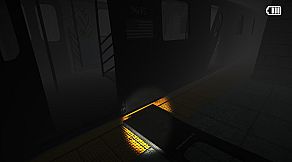
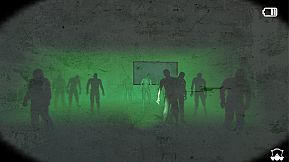
Die In The Dark is a first-person exploration and adventure game that blends thriller storytelling with survival tension. Players take on the role of a trapped subway passenger navigating an underground system overrun by creatures tied to a fictionalized account of events at Plum Island. The core experience centers on managing limited resources while solving environmental challenges and avoiding or confronting threats in a confined, linear environment.
Gameplay
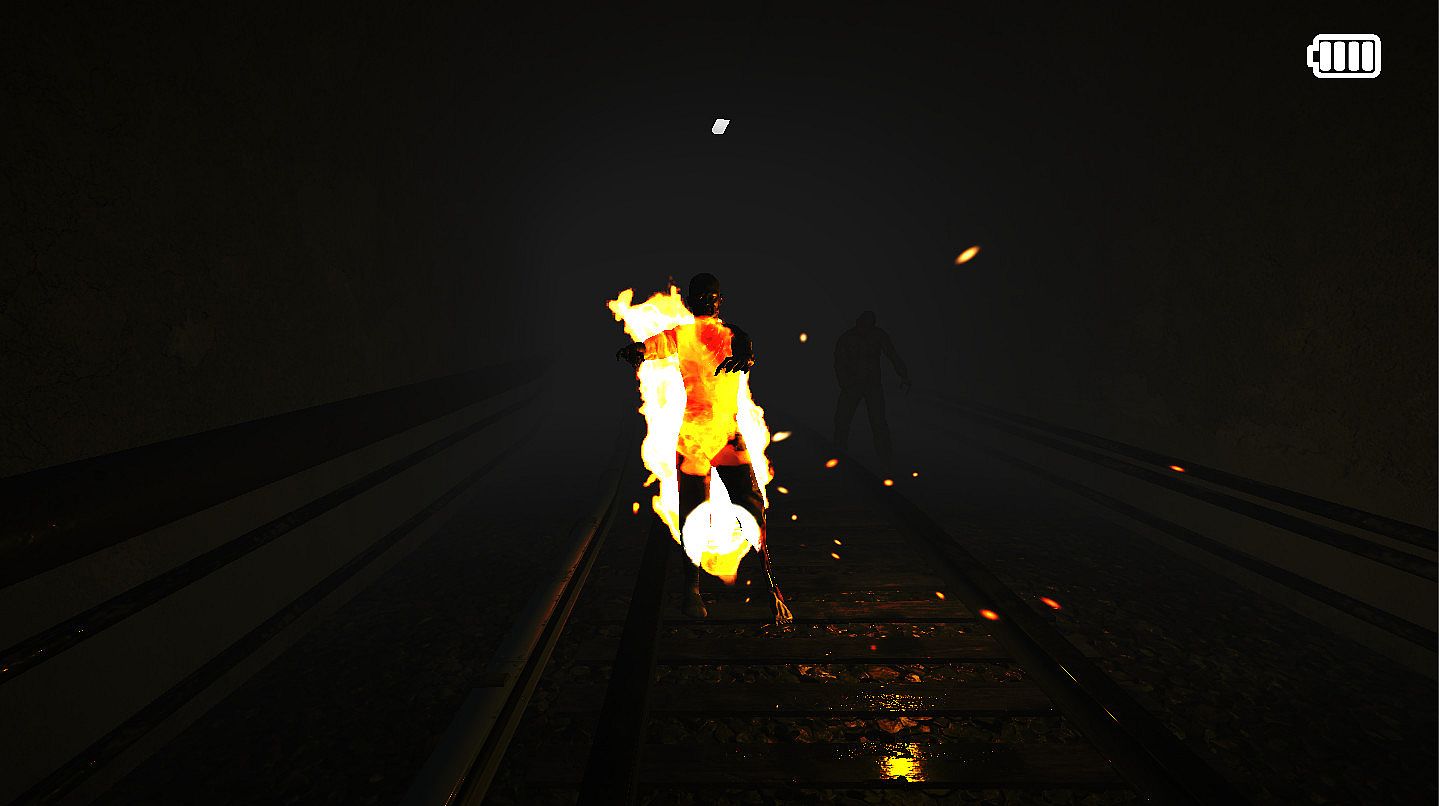
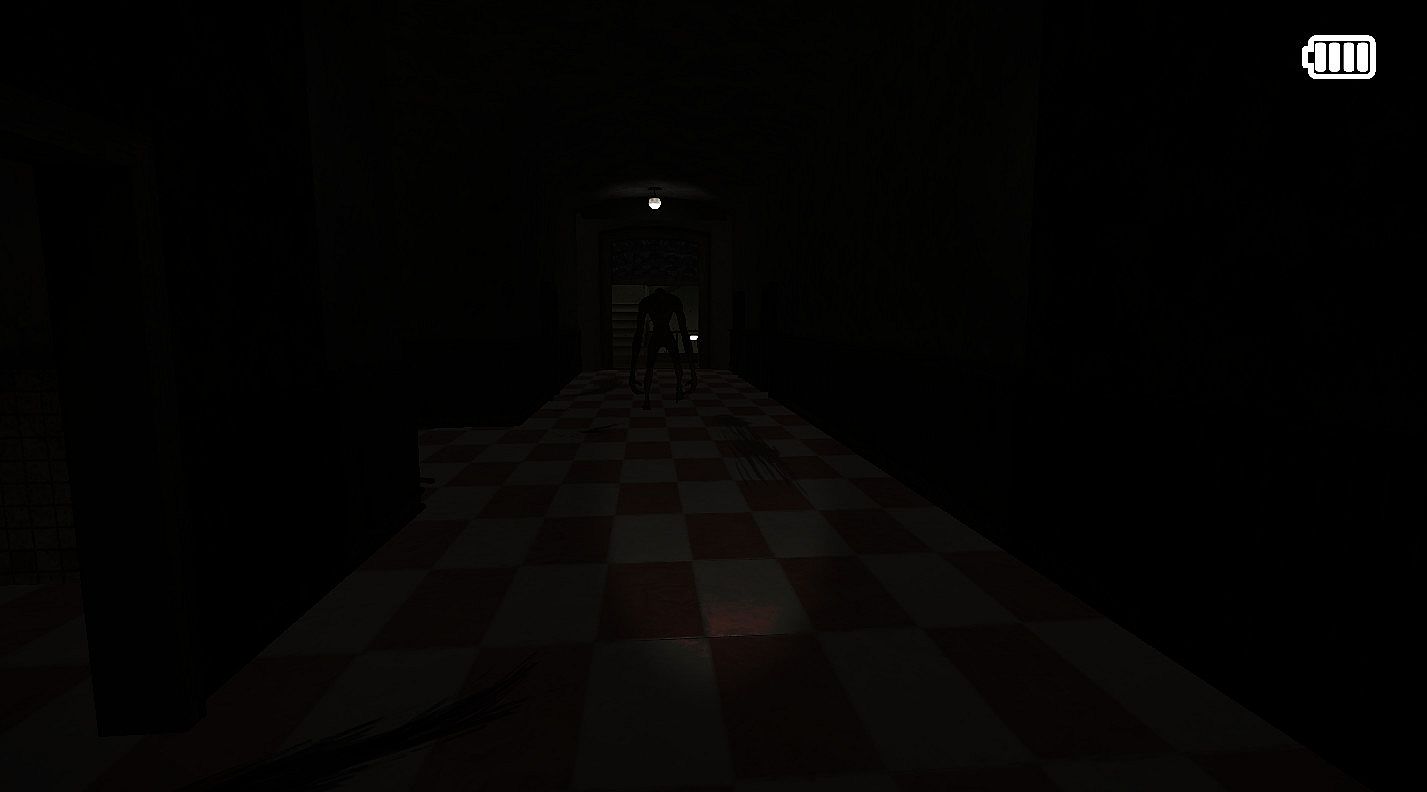
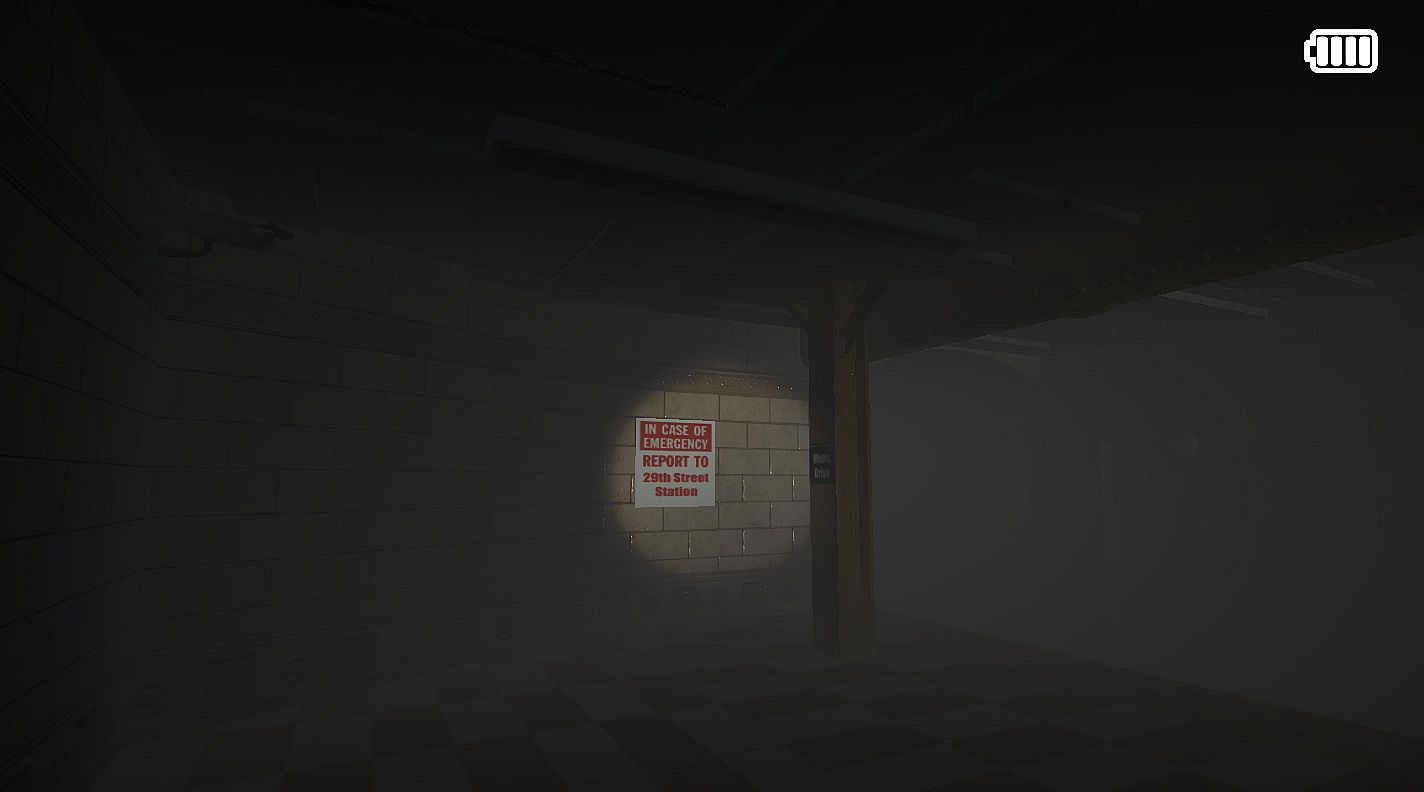
The gameplay loop revolves around flashlight management in dark tunnels and stations. Battery life acts as a critical resource that players must conserve or replenish through exploration. When the light fails, monsters become aggressive and swarm the area, forcing quick decisions about movement and positioning. Combat options remain minimal, with the flashlight serving as the primary tool for repelling certain enemies like zombies through direct application of its beam.
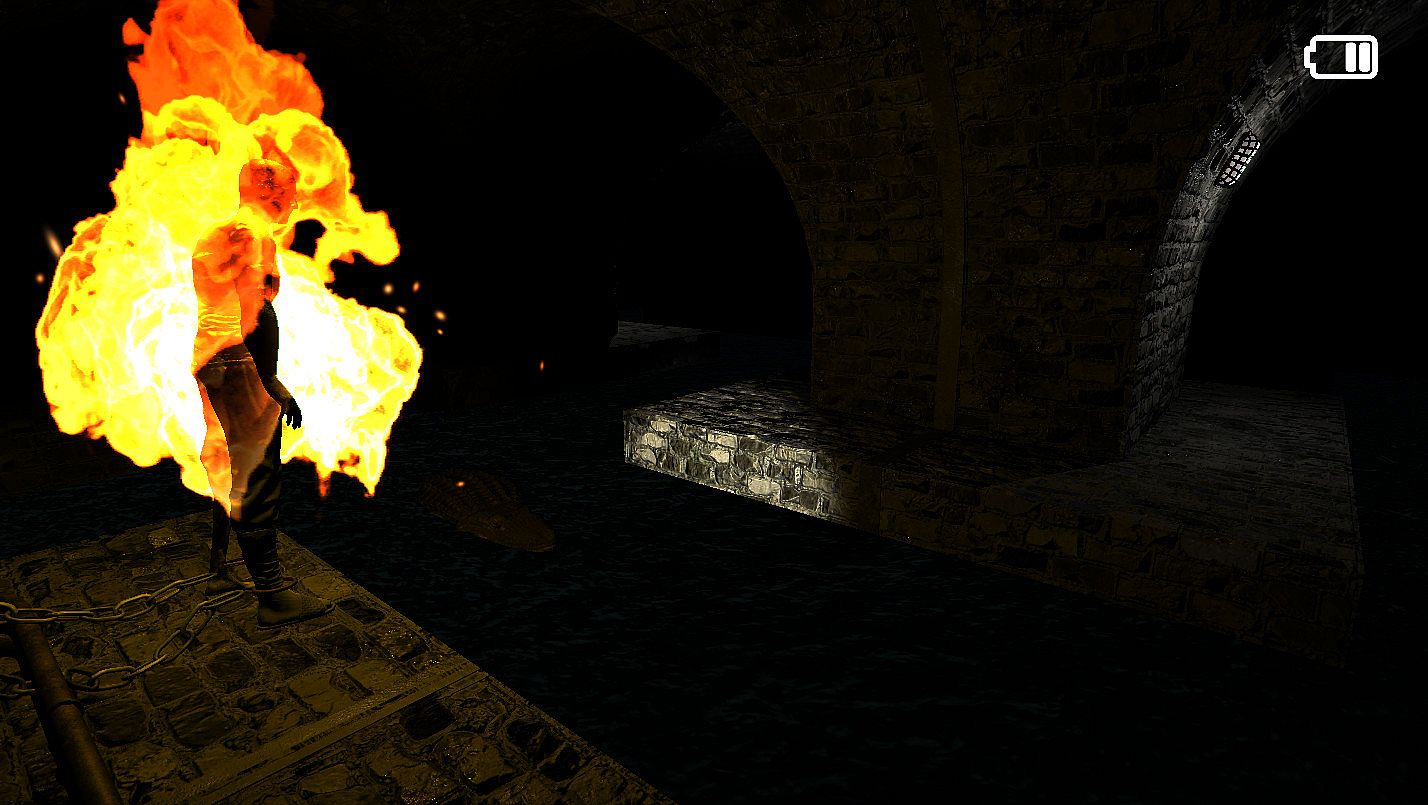
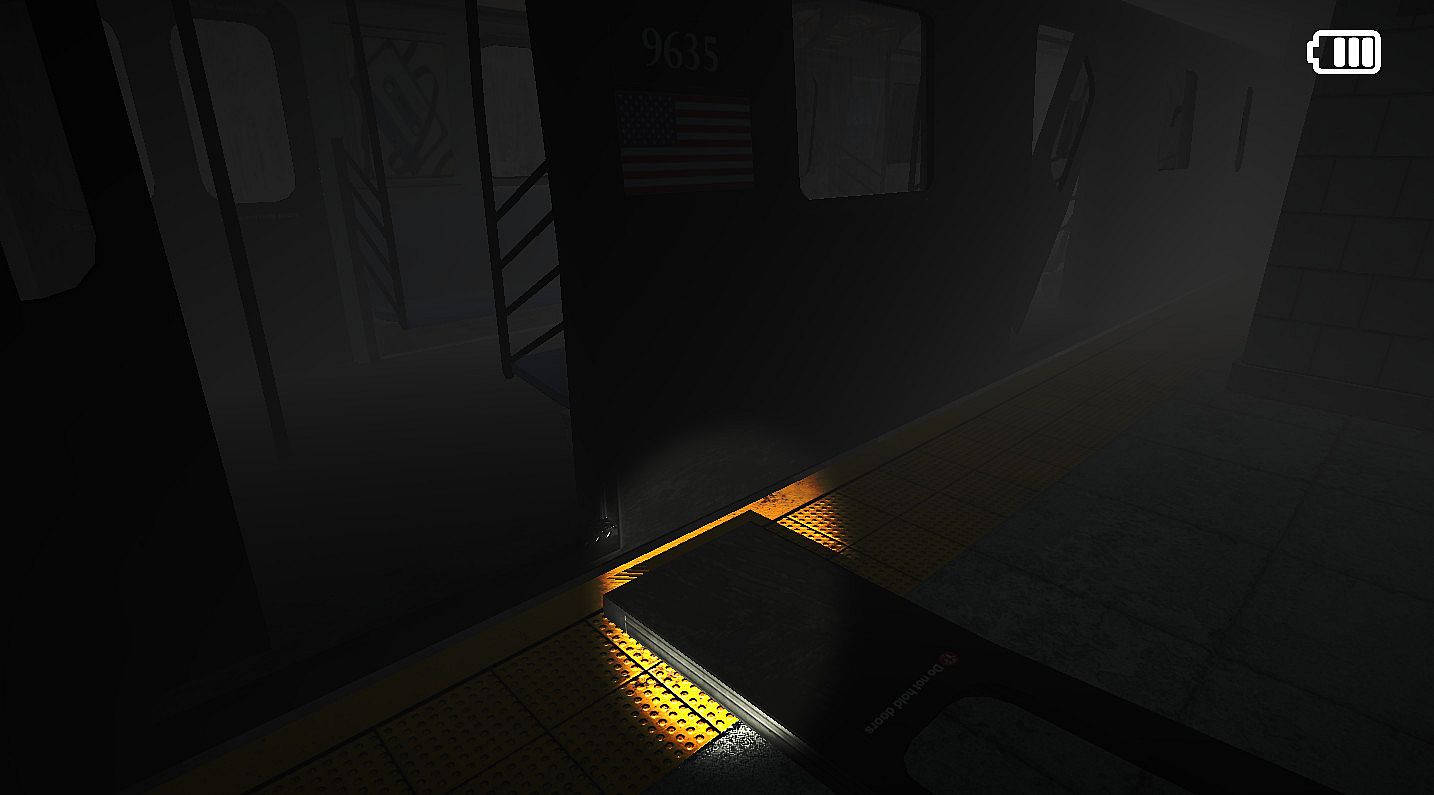
Puzzles form a major part of progression across the eight levels. These challenges typically involve interacting with subway infrastructure, such as switches, doors, and environmental objects, to open paths or create safe routes. Hiding spots like closets provide temporary safety during encounters with aggressive creatures, including vicious dogs and other monster variants. The six distinct monster types each present different behaviors that influence how players approach sections of the map.
Exploration encourages careful examination of the environment for clues and items. Without weapons beyond the flashlight, survival depends on stealth, timing, and understanding monster patrol patterns. The story unfolds through environmental details and narrative beats that connect the subway events to the broader Plum Island experiments mentioned in the premise.
Game Modes
Die In The Dark operates exclusively as a single-player experience. No cooperative, competitive, or multiplayer modes exist within the game. The structure follows a linear campaign divided into the eight explorable levels, with progression gated by puzzle solutions and survival decisions. Players advance through the story at their own pace without branching paths or alternative scenarios beyond the core escape objective.
The absence of additional modes keeps the focus on the narrative-driven adventure. Each level builds tension through escalating encounters and resource scarcity, culminating in attempts to reach the surface. This design suits players seeking a contained, story-focused session rather than replayable or social gameplay elements.
Story and Setting
The narrative draws from a premise inspired by reported real-world incidents involving unusual creatures washing ashore in Long Island. Events trace back to 2008 sightings of the Montauk Monster, followed by later discoveries and the fictional escape of experiments into the New York City subway system in 2018. Players uncover fragments of this backstory while navigating the trapped environment.
Atmosphere emphasizes isolation and uncertainty over jump scares. The subway setting limits visibility and mobility, heightening the thriller tone. Monster designs reflect the experimental theme, with variations that tie into the six types encountered throughout the levels.
Is It Worth Playing?
Die In The Dark appeals to players interested in short, atmospheric single-player adventures that combine puzzle-solving with light survival mechanics. Its limited scope and focus on flashlight-based interactions create a distinct experience within the indie genre. The game launched in 2018 and remains available as a low-cost title with a demo option for those wanting to test the core loop beforehand.
Reception data shows very few reviews, indicating a small player base and minimal ongoing discussion. Those who engage with it often highlight the resource management and monster variety as strengths, though the overall length and lack of deeper systems may limit broader appeal. It suits individuals who enjoy contained thriller narratives and do not require extensive replay value or multiplayer features. Potential buyers should consider their preference for puzzle-heavy exploration in a linear format before purchasing.