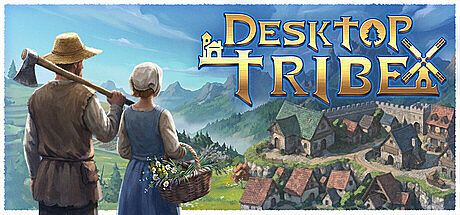


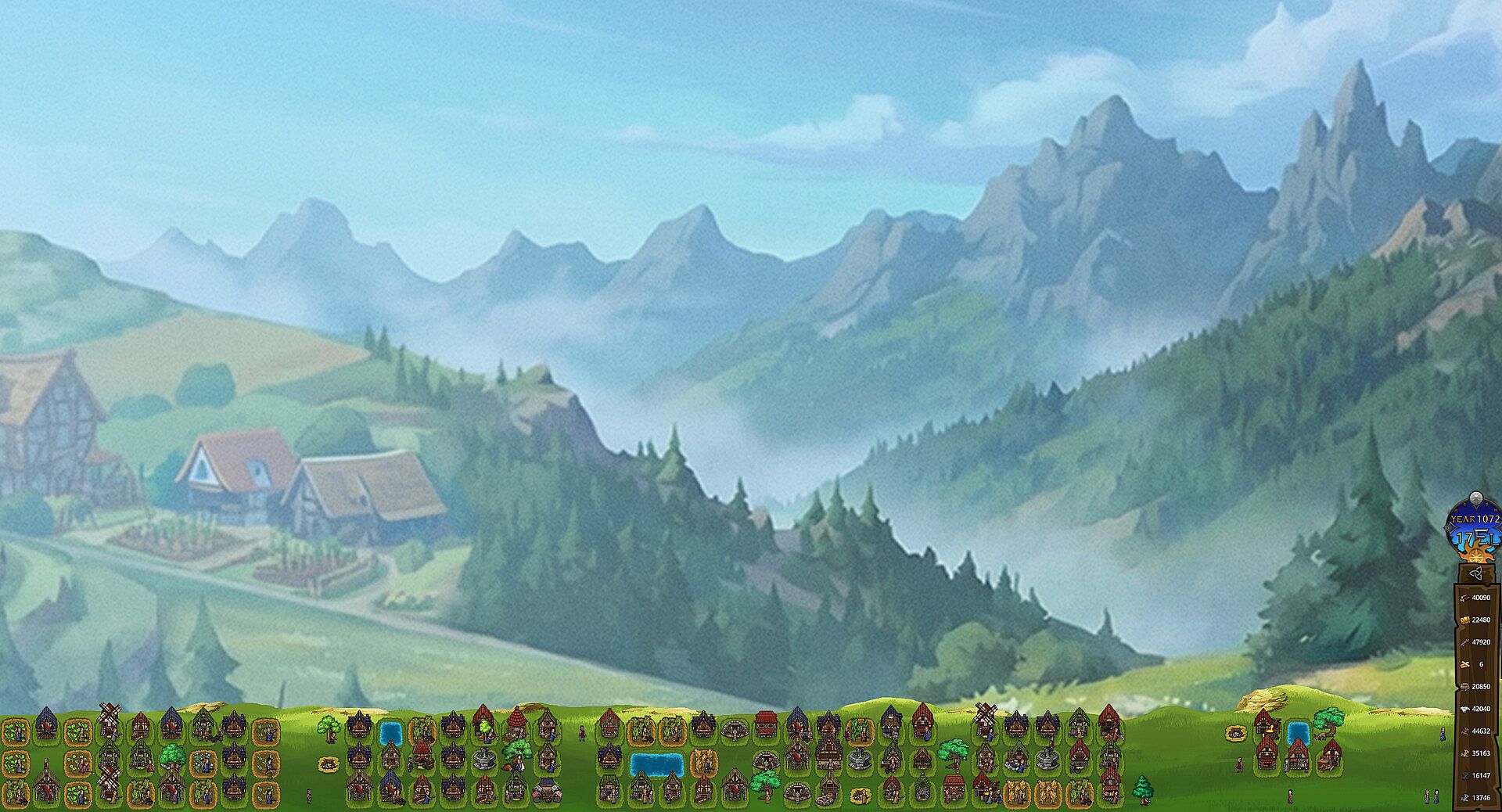
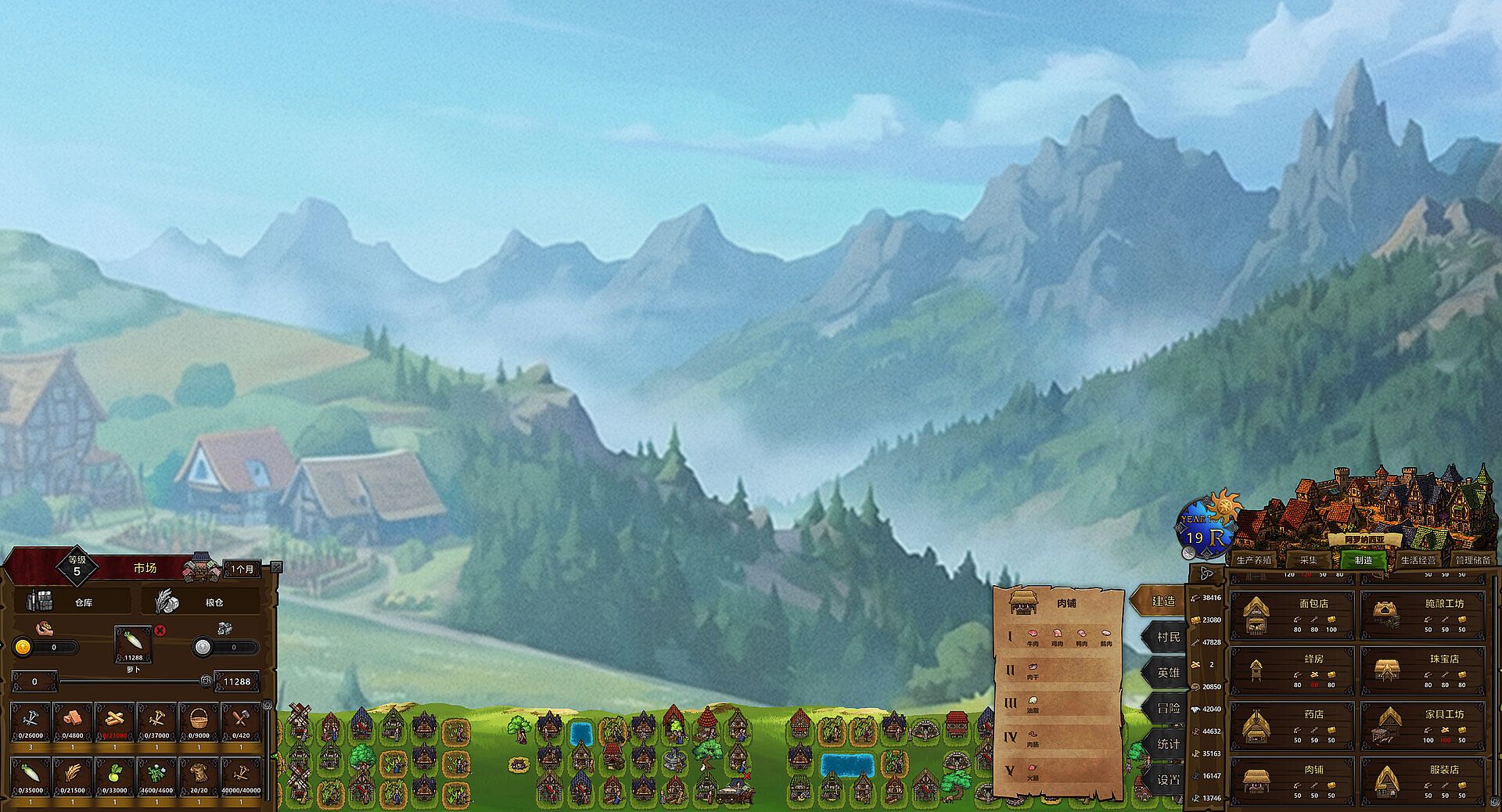
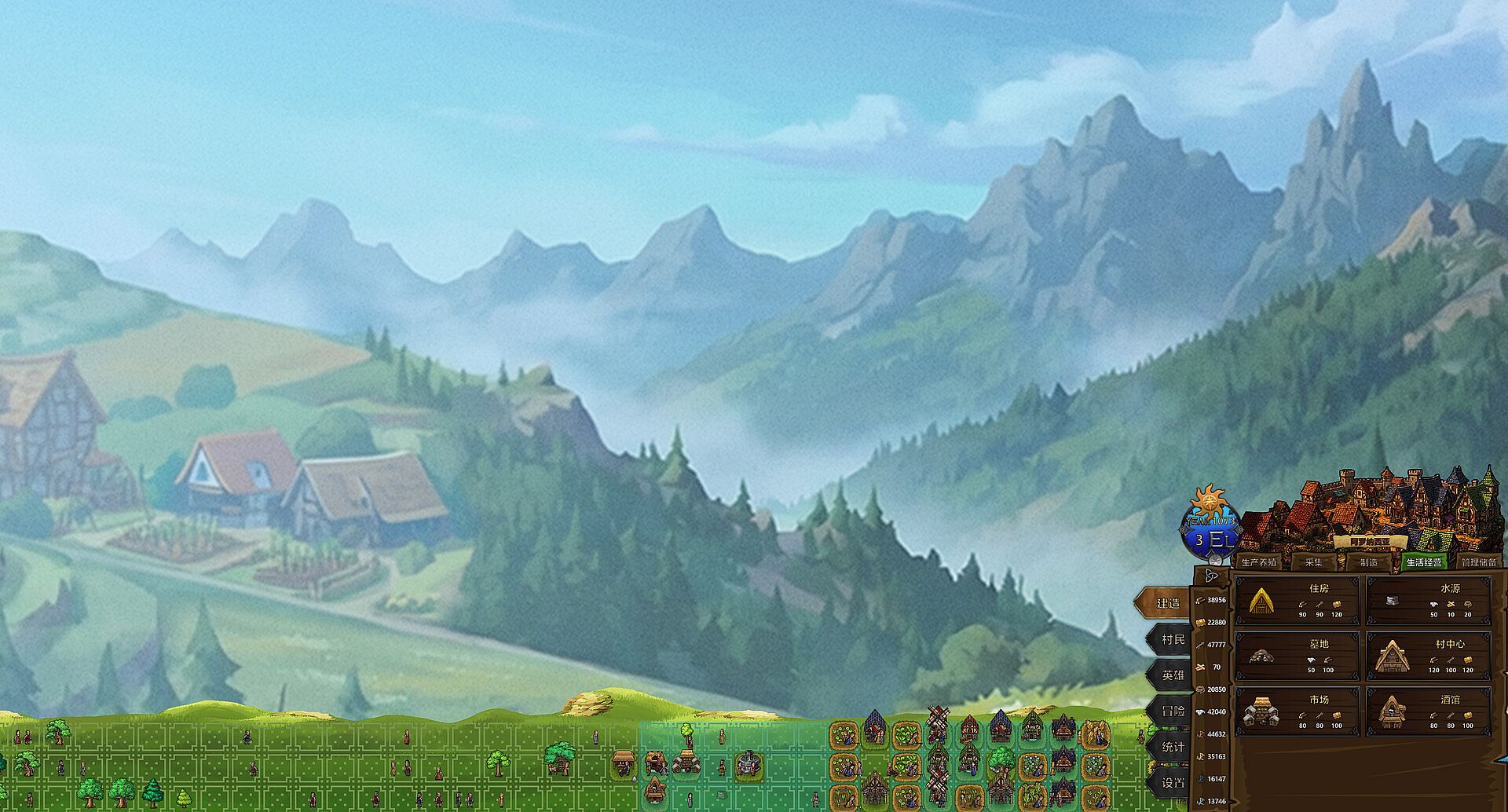
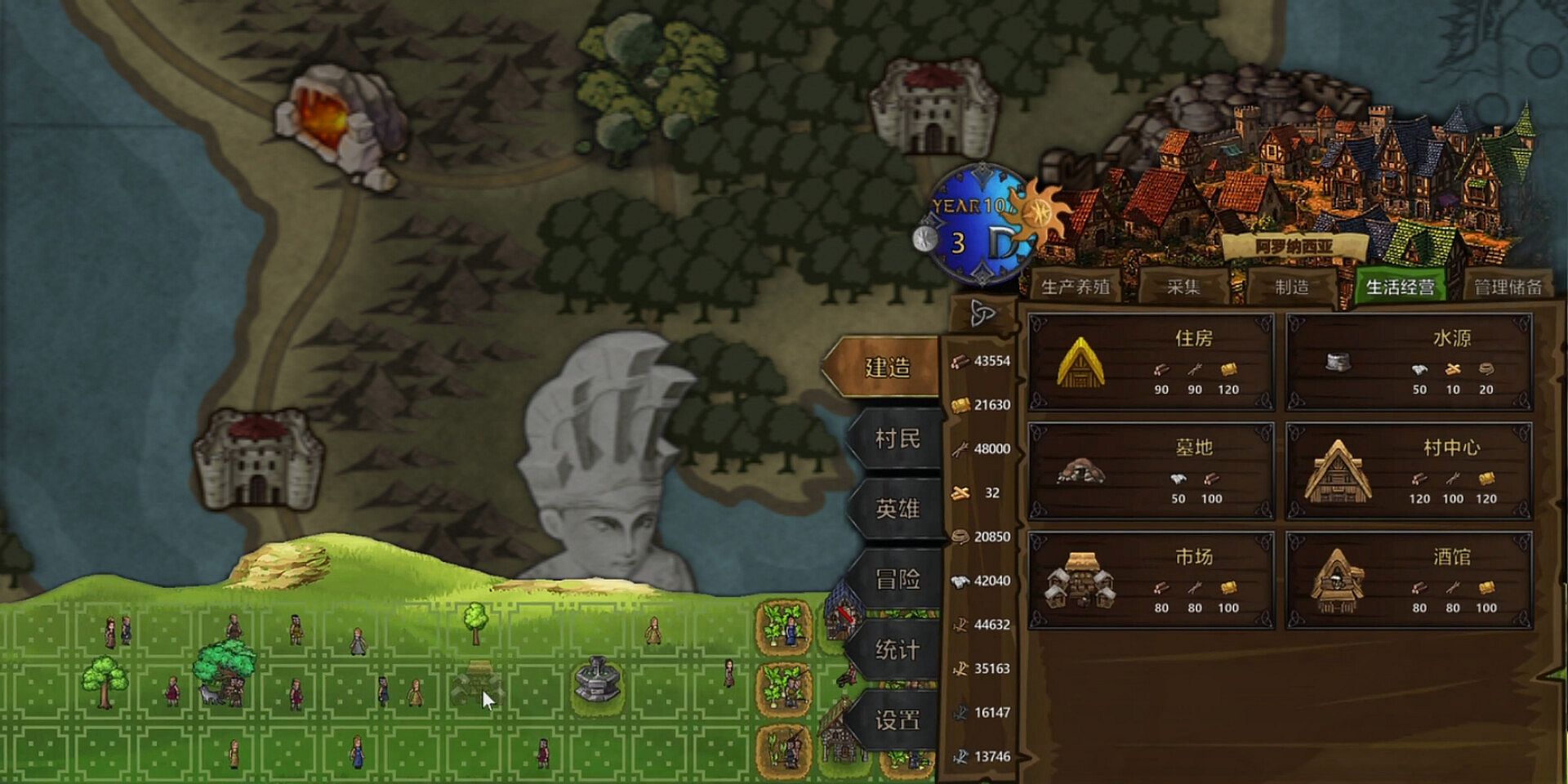
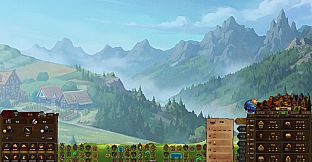
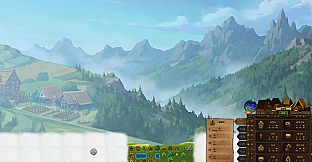
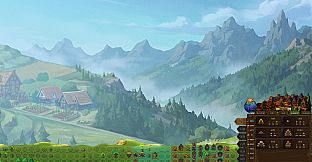
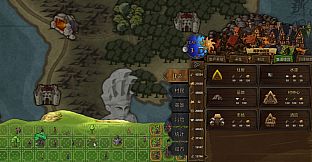
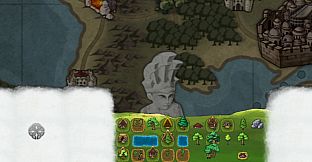
Desktop Tribe is a strategy, indie, casual, and simulation game for PC that runs as a persistent miniature town along the bottom of the screen. It integrates directly into everyday computer use, allowing players to observe and manage a small settlement during brief pauses in work or study without switching applications.
Gameplay
The core loop centers on resource gathering and town development that progresses automatically while the game stays open in the background. Players clear farmland, harvest timber through logging, and extract materials via mining operations. These raw resources feed into workshops where diverse goods are crafted. A trading post serves as the hub for exchanging surplus items with external parties, turning collected materials into new opportunities for growth.
Strategic decisions shape long-term expansion. Allocating effort across different industries determines how quickly the settlement advances from basic shelters to more durable structures. Early wooden shacks give way to brick housing as production chains stabilize and surplus accumulates. Open plains gradually fill with marketplaces and larger buildings, creating a visible record of progress that unfolds over hours or days of real time.
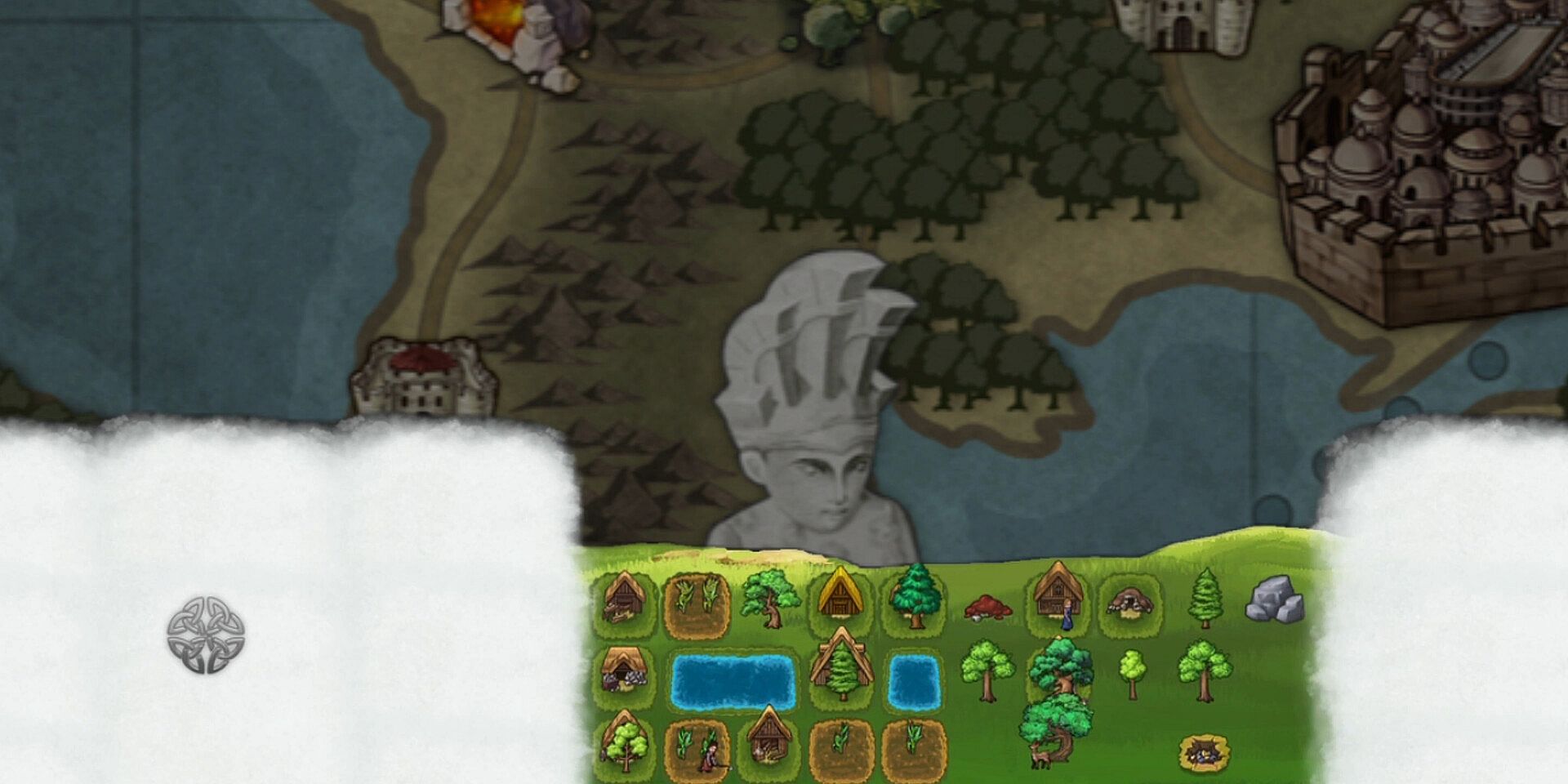
Layout control adds another layer of engagement. Every tile for fields, trees, or facilities can be positioned freely, letting players experiment with zoning patterns that suit their preferred workflow. The result is a customizable desktop layer that evolves according to individual choices rather than following a fixed path.
Game Modes
The experience functions as a continuous single-player simulation that runs alongside other tasks. No separate competitive or cooperative modes are detailed at this stage. Development notes indicate future additions such as world map expansion, merchant trade runs, and territory conquest, which would layer additional management and progression systems onto the existing foundation once implemented.
Building and Progression
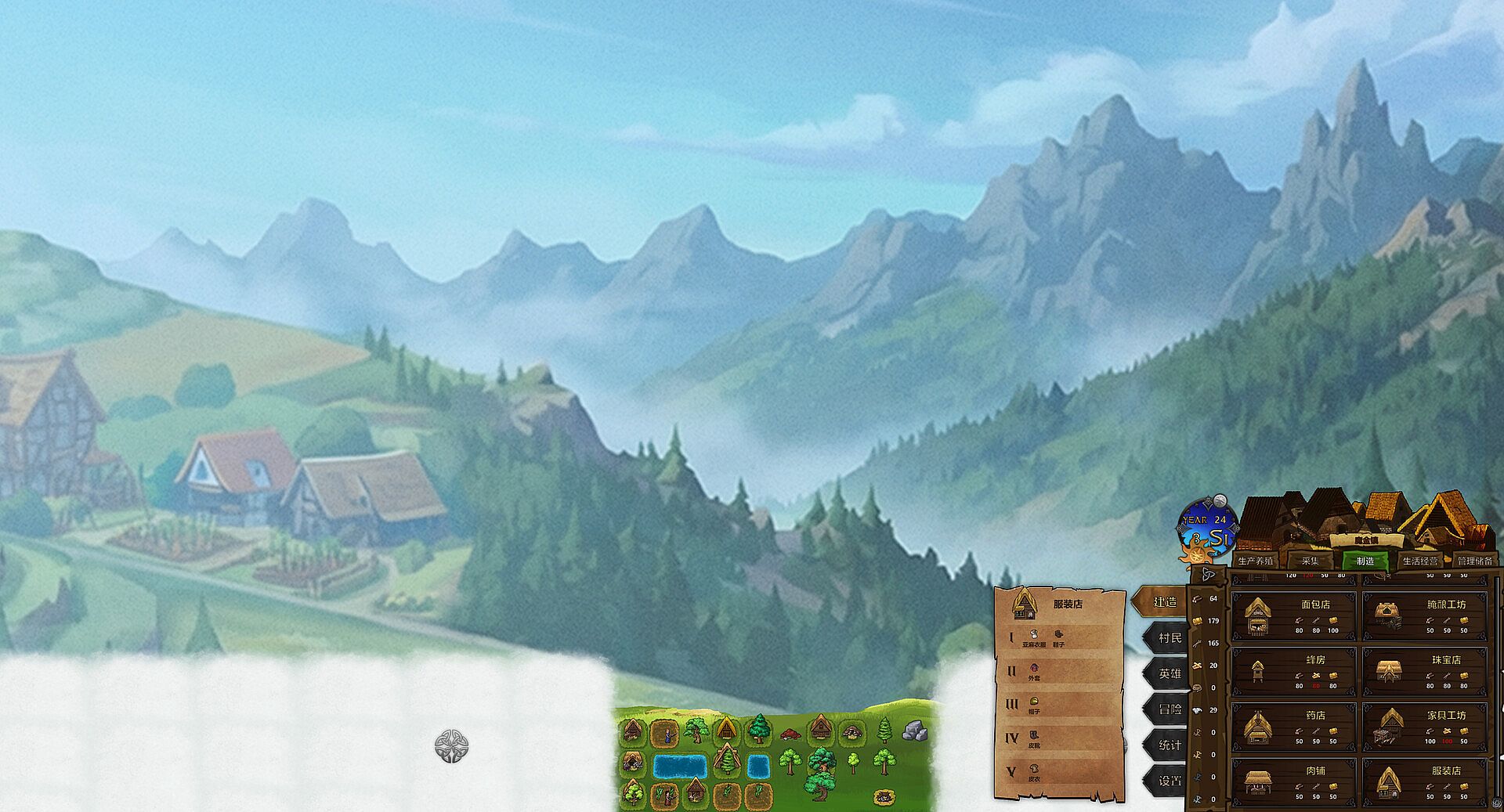
Progress begins in an undeveloped wilderness setting. Initial efforts focus on basic resource collection to support the first structures. As output increases, players unlock upgrades that improve housing quality and introduce new production options. The transition from scattered shacks to organized districts and eventually fortified areas reflects steady accumulation of wealth and infrastructure.
Freedom in placement encourages repeated adjustments. A player might cluster workshops near resource nodes for efficiency or spread facilities to create distinct residential and commercial zones. These layout experiments directly influence how smoothly the town scales and how resources flow between different areas.
Is It Worth Playing?
Desktop Tribe suits individuals who enjoy low-pressure simulation and management titles that do not demand constant attention. Its background operation makes it accessible during work sessions or study periods, providing occasional visual updates on town activity without interrupting primary tasks. The combination of resource chains, trading mechanics, and free-form building delivers a steady sense of incremental achievement for players who prefer relaxed, long-term progression over intense sessions.
Because the game emphasizes peaceful observation and creative arrangement over competitive elements, it appeals most to fans of casual strategy and simulation experiences. Those seeking a desktop companion that grows alongside daily routines will find the core systems align well with that goal. Future updates may expand the scope with map-based and conquest features, but the current version already supports meaningful town-building and industry planning within its established framework.