




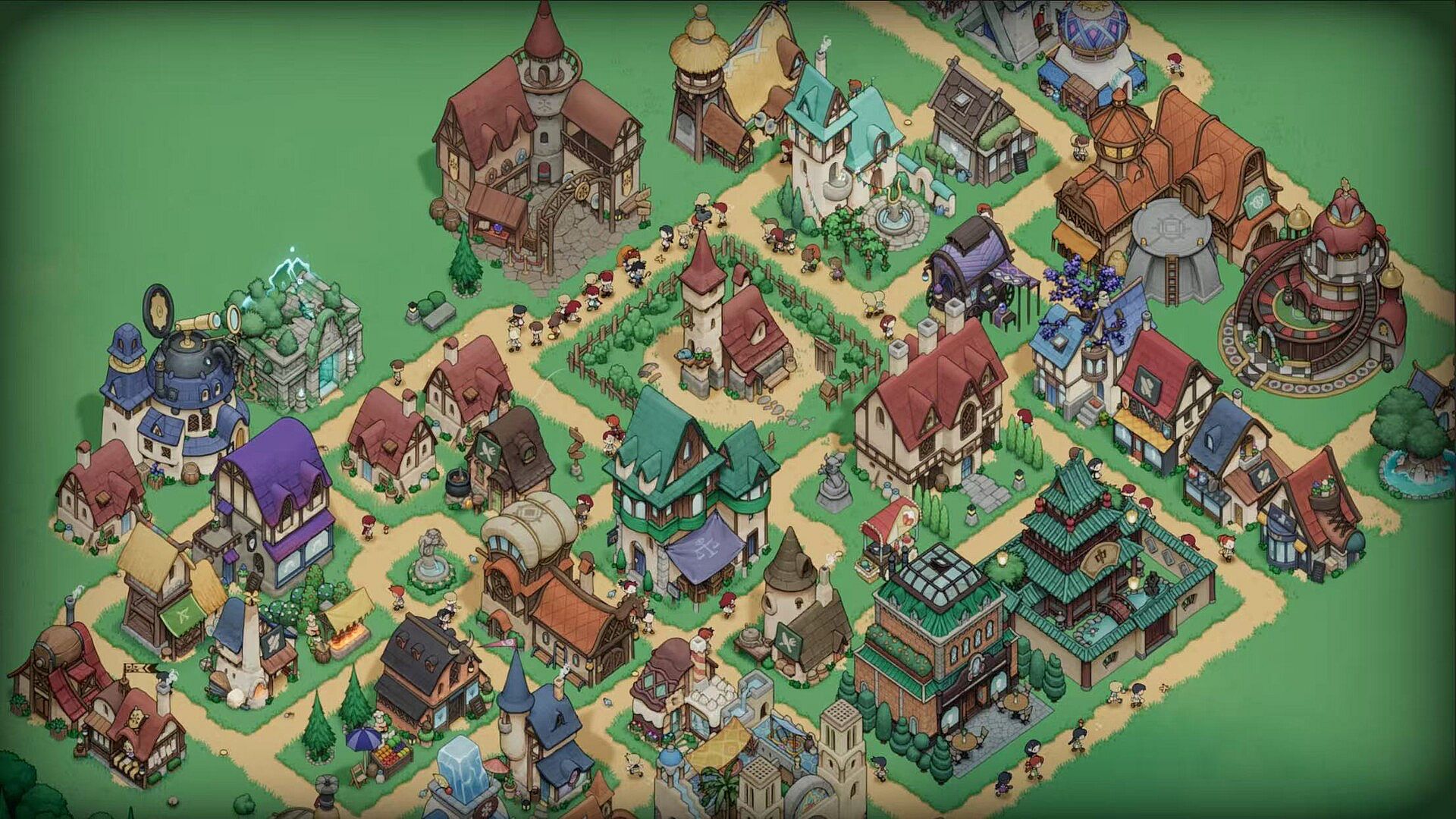
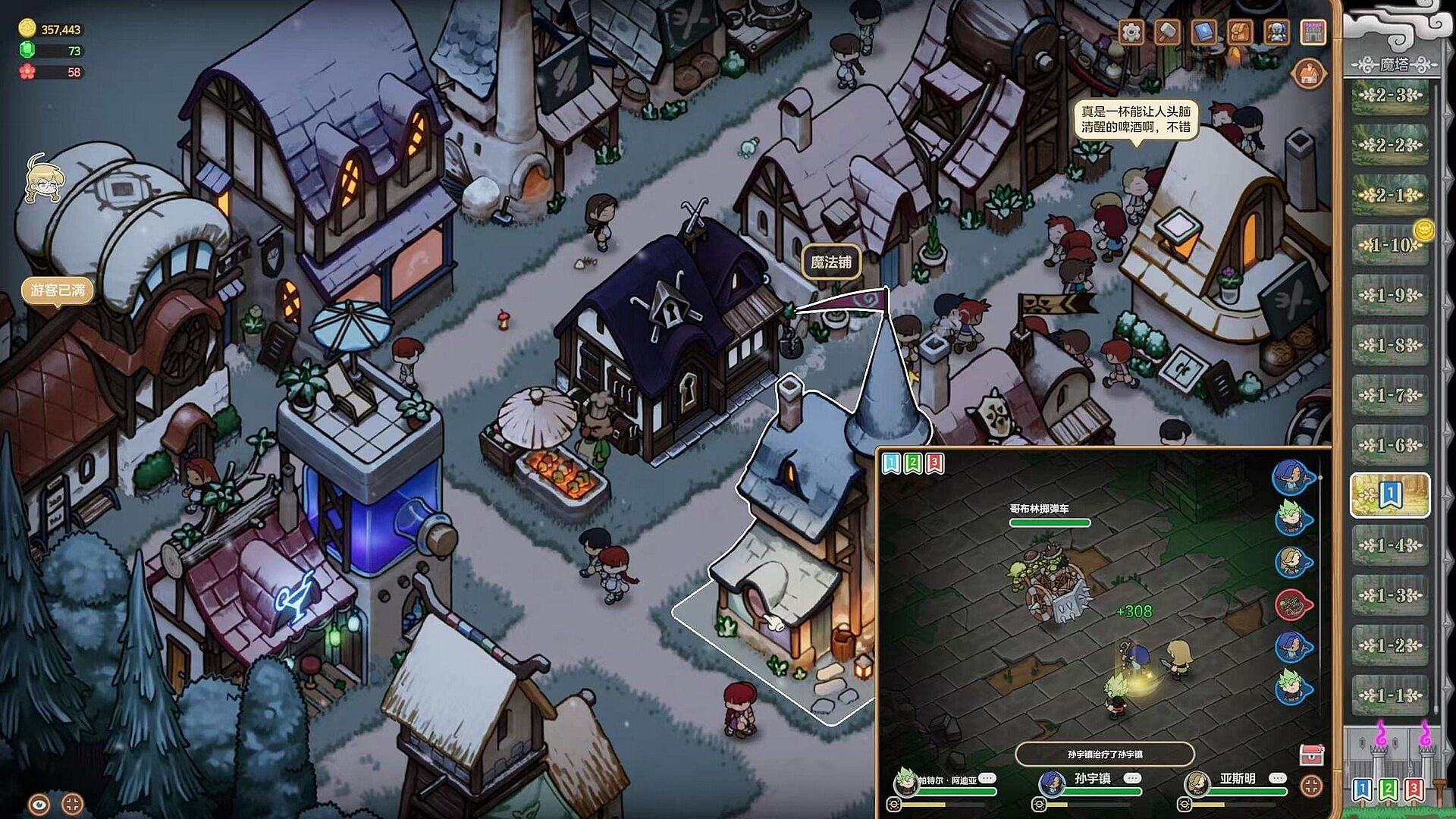
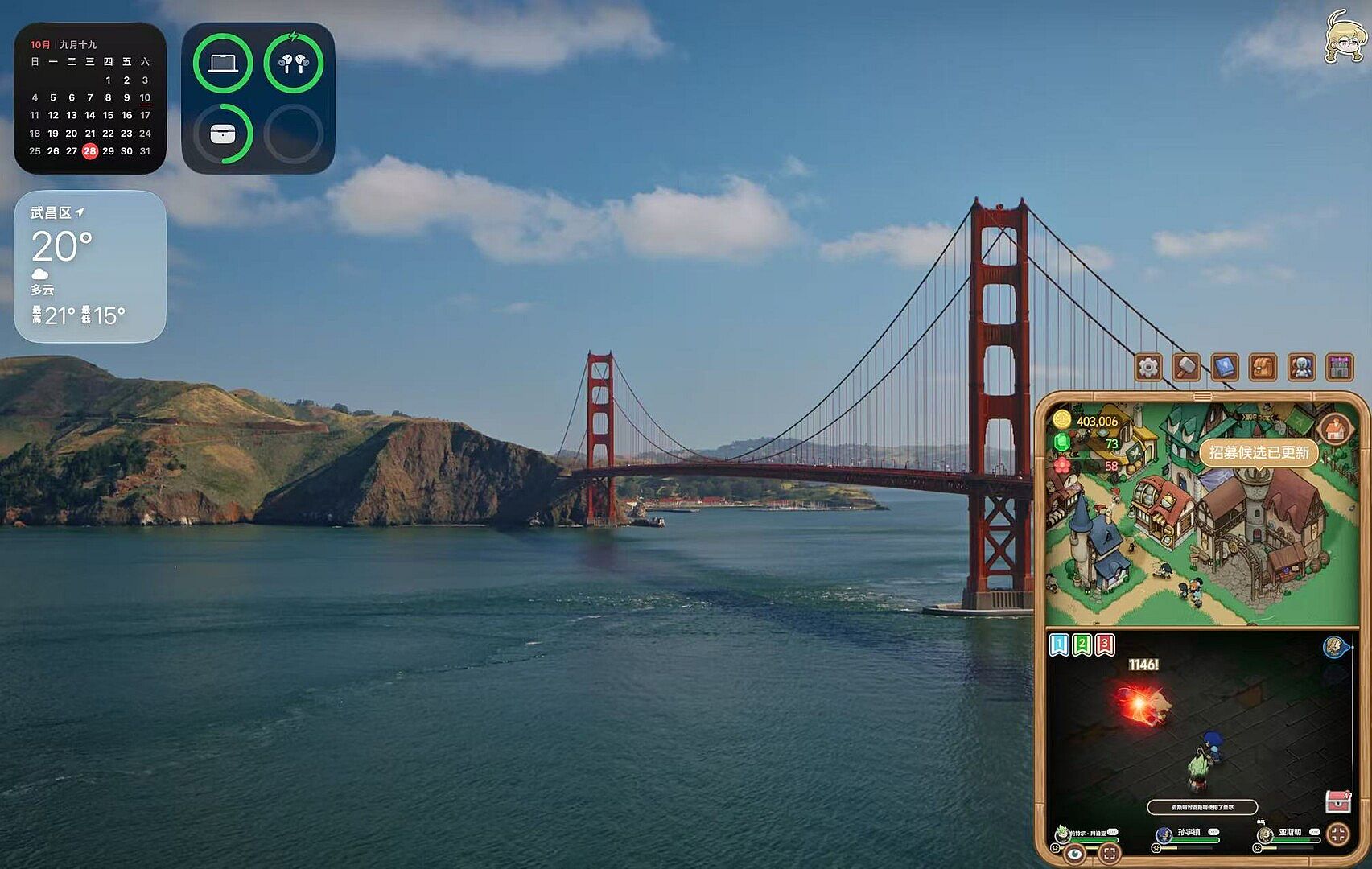
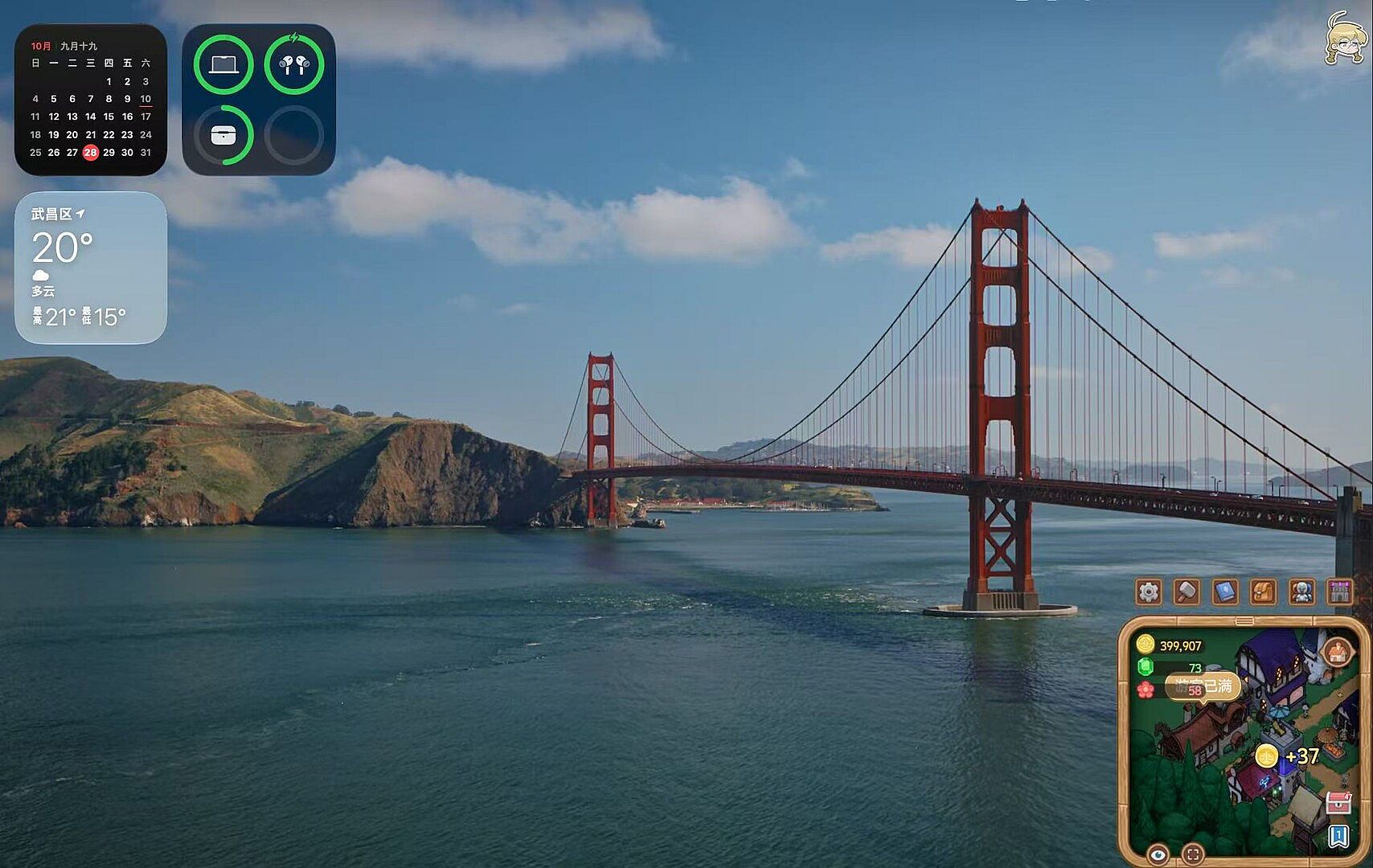
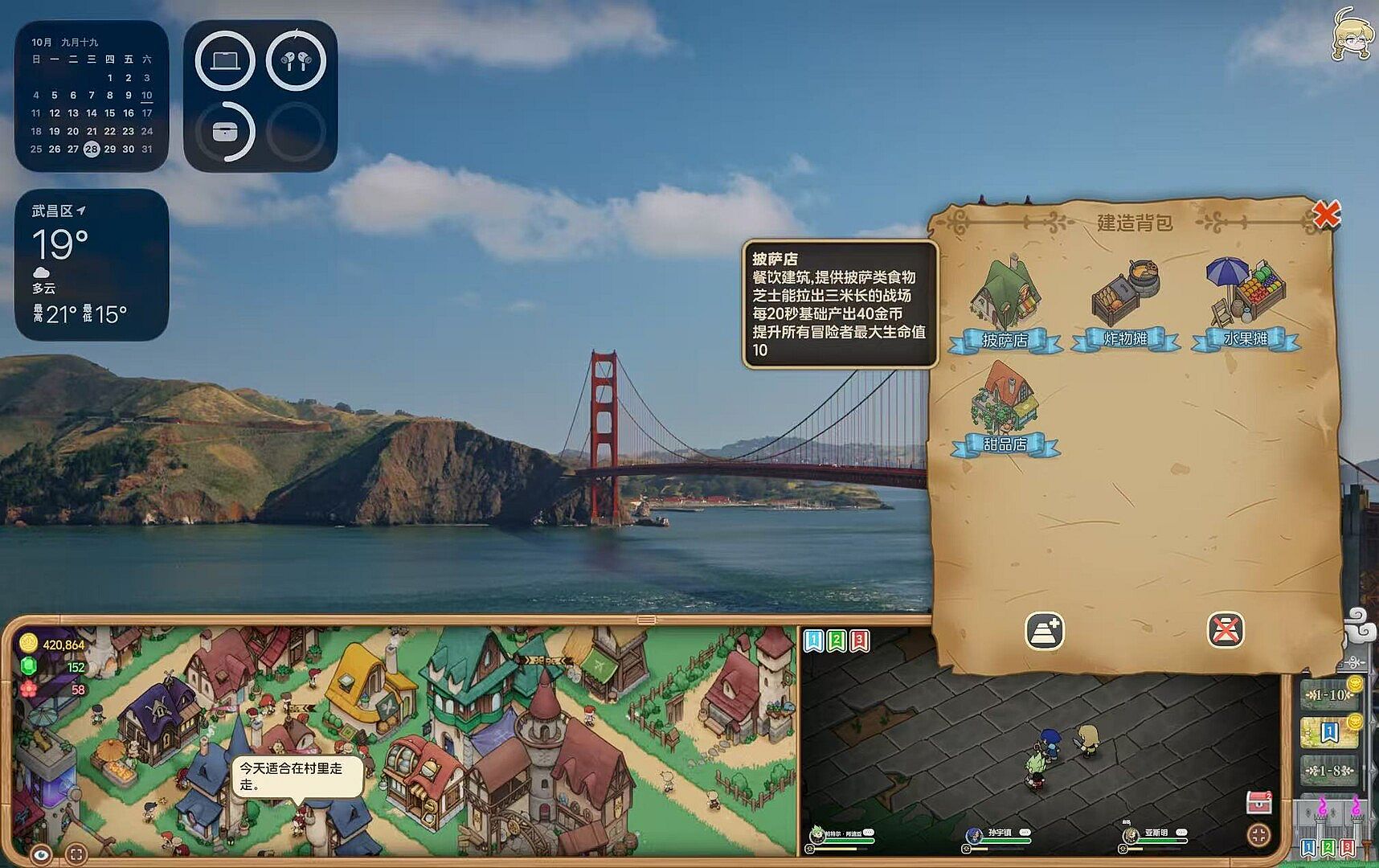
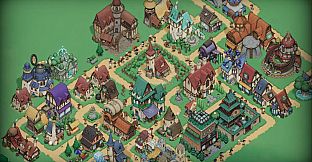
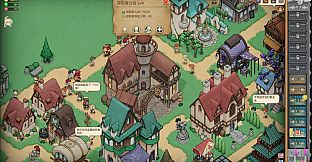
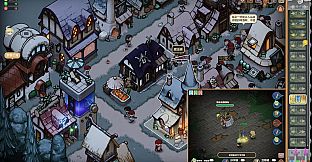
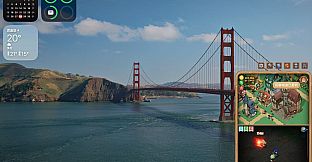
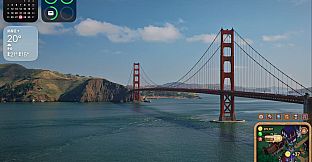
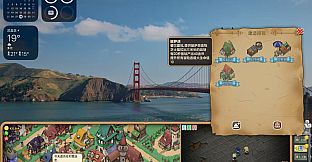
Desktop Guild is a single player RPG simulation adventure game on PC that blends village building with companion management and tower exploration. Players start with a blank slate and shape every aspect of their settlement while sending parties into a challenging tower for resources and growth.
Gameplay
The core loop centers on village planning and daily progression. Players decide layouts including plaza placement and preserved wild areas. Dawn marks the start of each in game day with the player holding full control over development and activities.
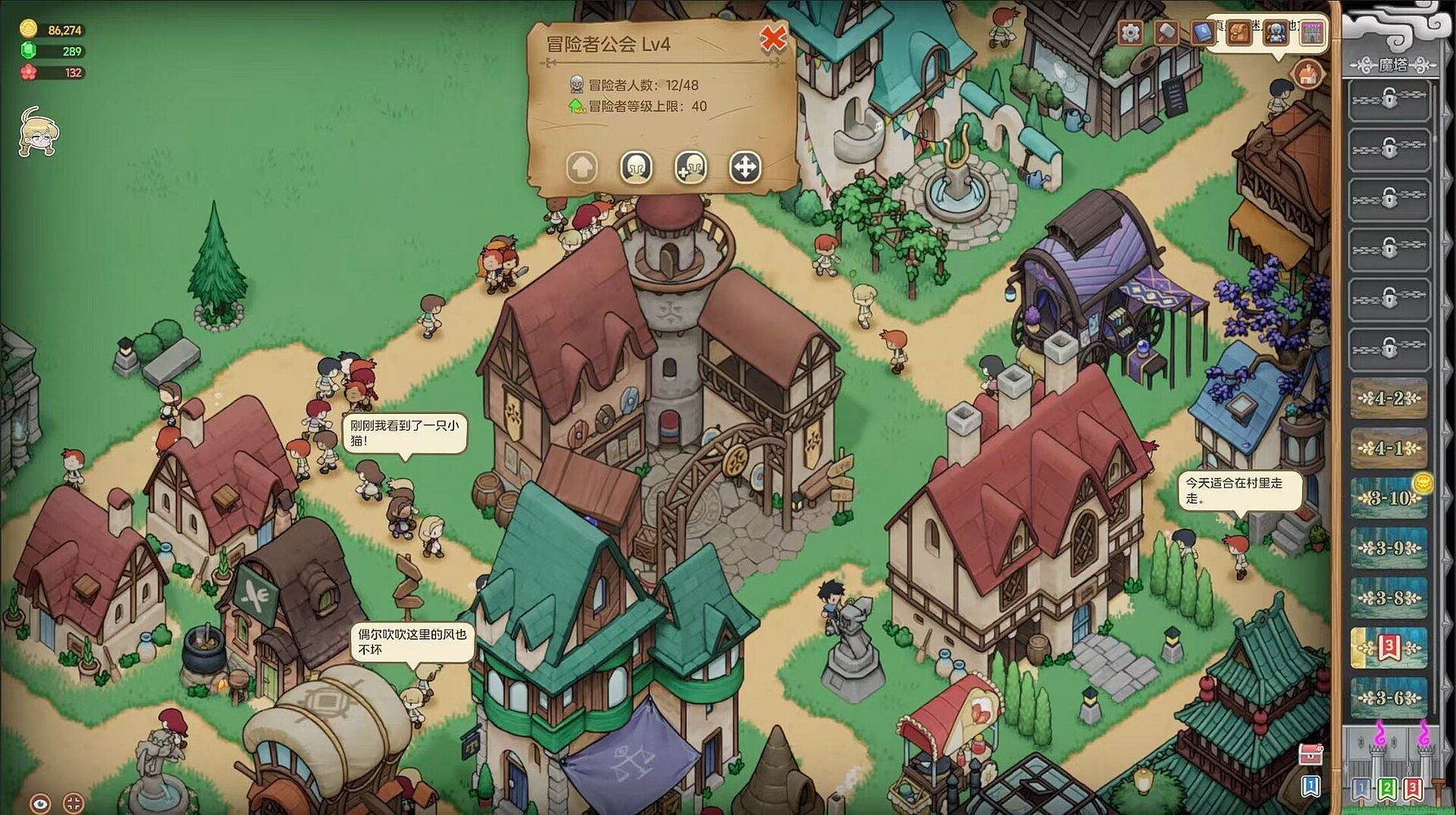
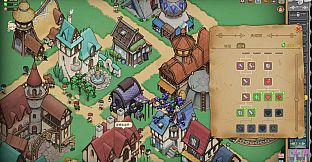
Recruitment happens at the tavern where companions of varied personalities join the roster. Gear selection covers weapons armor and trinkets before parties form for expeditions. The distant tower serves as the main destination with floors increasing in difficulty and reward value. Each successful run strengthens the group through shared experience and collected items.
Treasure returns fuel expansion. Structures such as bakeries forges inns and a guild hall provide practical benefits including buffs new options and support for future trips. Growth transforms the initial small collection of huts into a developed settlement with visible and functional improvements.
Visitor traffic and resident activity generate ongoing income and reputation. Facilities require attentive management to convert foot traffic into steady resources that can be reinvested. The village continues operating during player absence allowing returns to accumulated gains that support further upgrades.
Game Modes
Desktop Guild integrates its systems into a continuous single player experience rather than separating distinct modes. Village construction and management run alongside party expeditions to the tower. Players balance time between settlement development and repeated climbs that yield materials for further growth.
Progression ties the two activities together. Wealth from visitors and residents funds better equipment training and formations for companions. Stronger parties clear higher tower floors which in turn supply more resources to accelerate village expansion and attract additional traffic.
Village Development and Progression
Building choices directly influence expedition outcomes through buffs and unlocked features. Early wooden structures give way to more advanced facilities as loot accumulates. The process rewards consistent planning and reinvestment with each new structure contributing to overall settlement vitality and player capabilities.
Idle elements allow the village to generate resources independently. This supports a steady pace of advancement even when the player steps away from active sessions. Returns reveal updated finances and new opportunities for recruitment or upgrades.
Companion and Expedition Systems
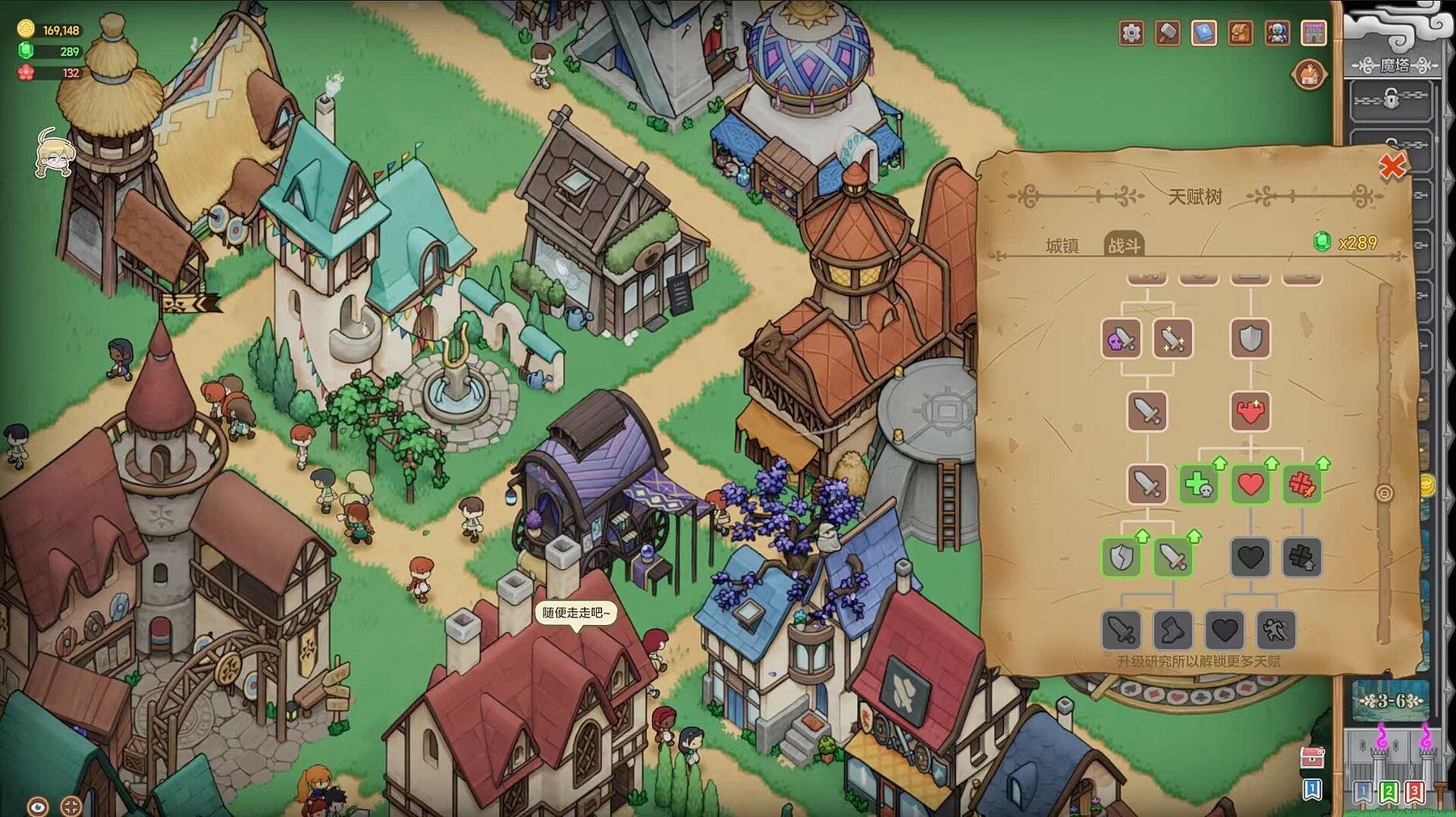
Companions bring personality variety to parties and benefit from tailored equipment. Formations and training investments improve performance against tougher tower opponents. Loot from deeper floors directly powers village improvements creating a clear feedback loop between exploration and settlement growth.
Every expedition tests and refines the group. Higher climbs demand better preparation yet deliver richer returns that sustain the cycle of recruitment gear acquisition and village expansion.
Is It Worth Playing?
Desktop Guild appeals to players who enjoy management simulations combined with light RPG progression and idle mechanics. The integrated loop of village building companion recruitment and tower climbing offers a self contained experience focused on steady growth and resource management.
Those drawn to planning settlements while managing adventurer parties will find the described systems align with that preference. The idle village operation adds convenience for players with varied schedules. As an unreleased title the final reception will depend on execution but the outlined features target a specific audience seeking relaxed yet purposeful progression on PC.












