

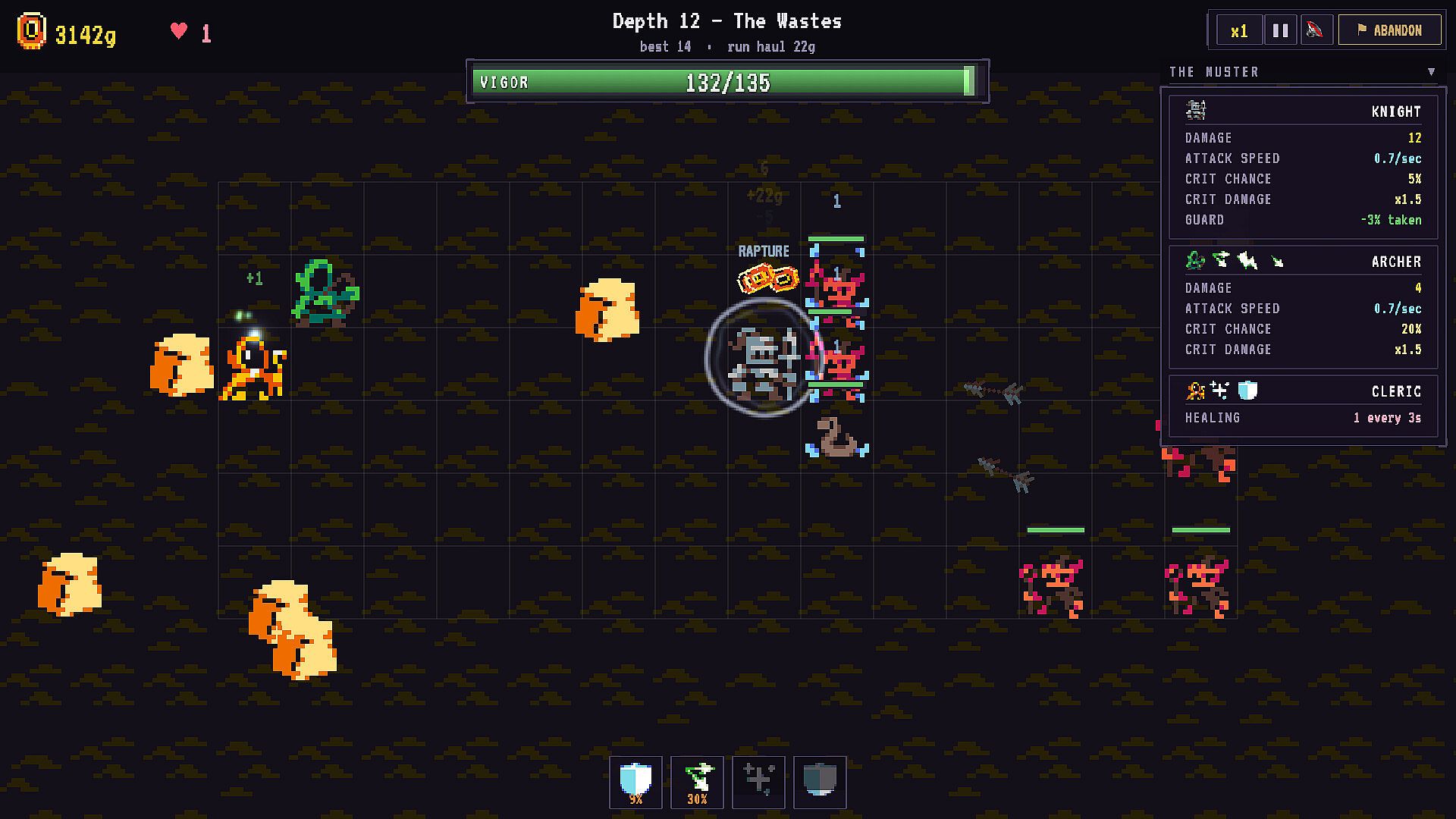
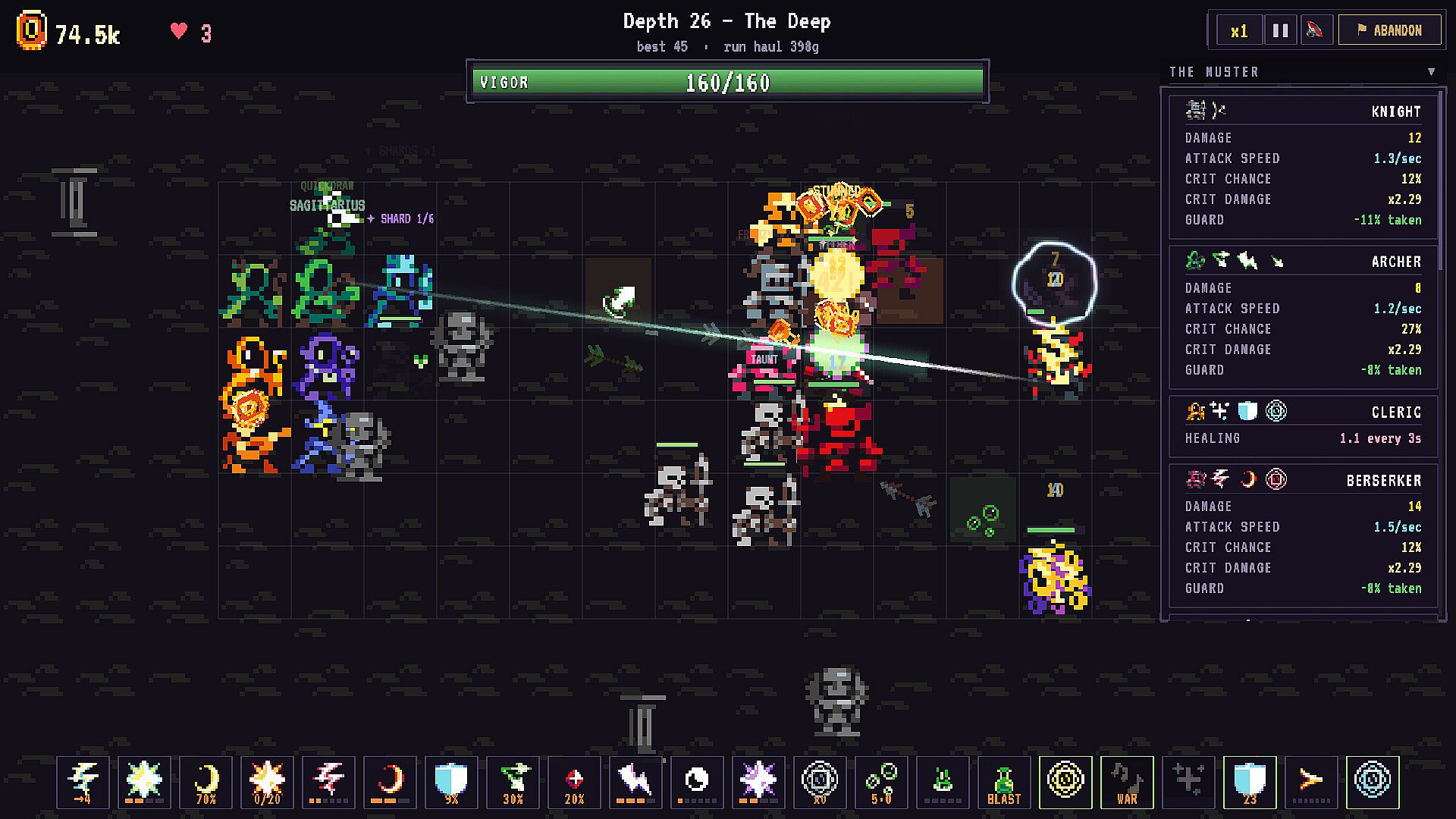
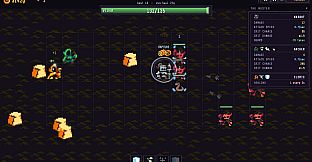
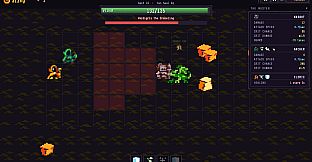
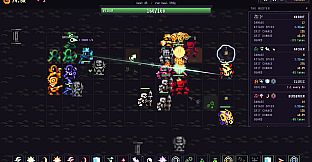
DELVERS: Dragon's Hoard is a strategy indie RPG casual game on PC that blends autobattler and incremental elements into a run-based experience. Players assemble a party of heroes, develop them through upgrades, and dispatch them into procedurally challenging depths where combat unfolds automatically. The core loop centers on resource management with vigor as the sole depleting currency, permanent gold gains for long-term party building, and progressive encounters that shift across biomes.
Gameplay
The gameplay revolves around preparation rather than direct control. Heroes march and fight independently once sent forward, so success depends on party composition, skill allocations, and timing of limited interventions. Vigor drains with every enemy strike and each step deeper, creating tension that ends the run at zero while gold collected carries over to strengthen future attempts.
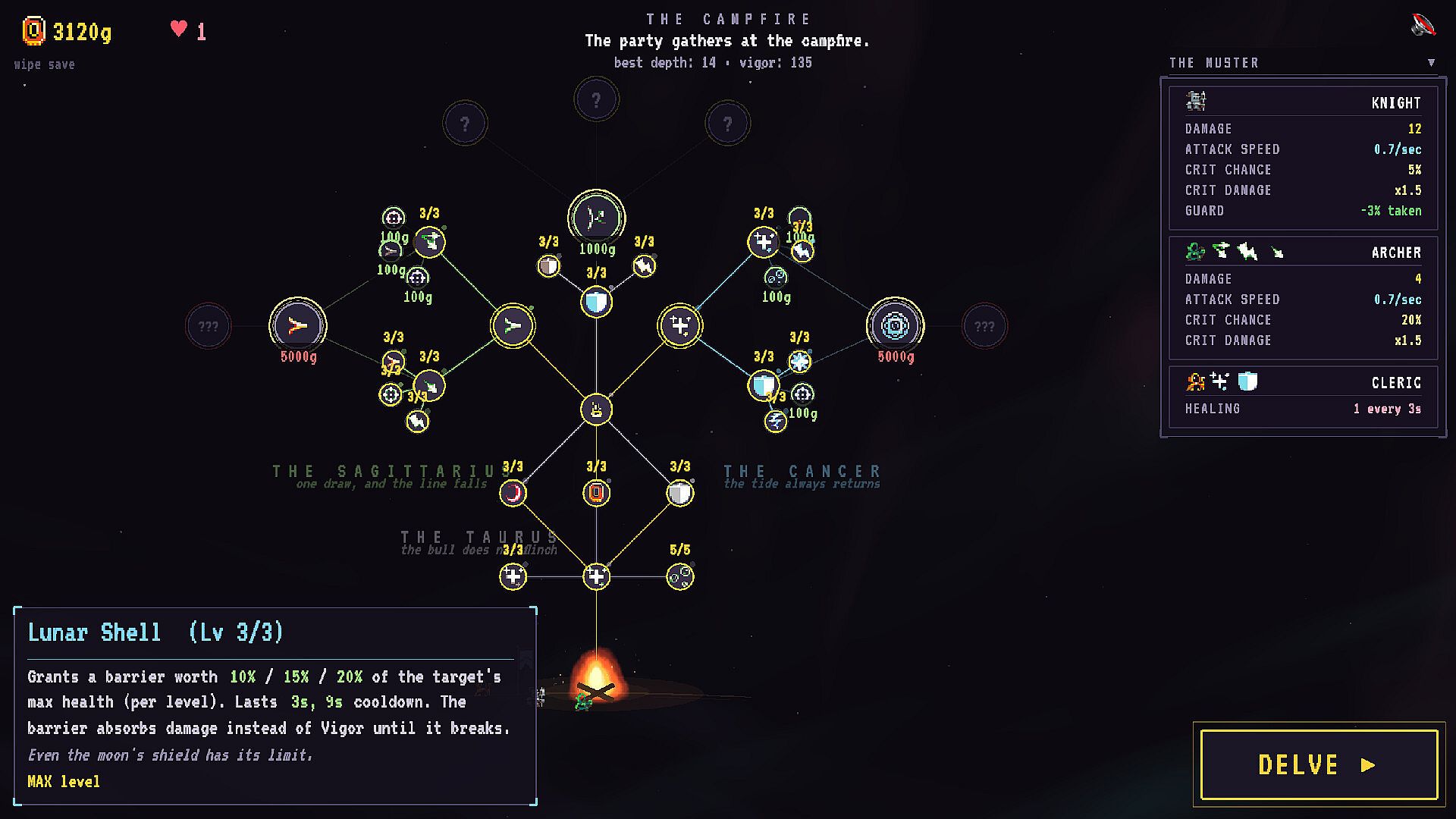
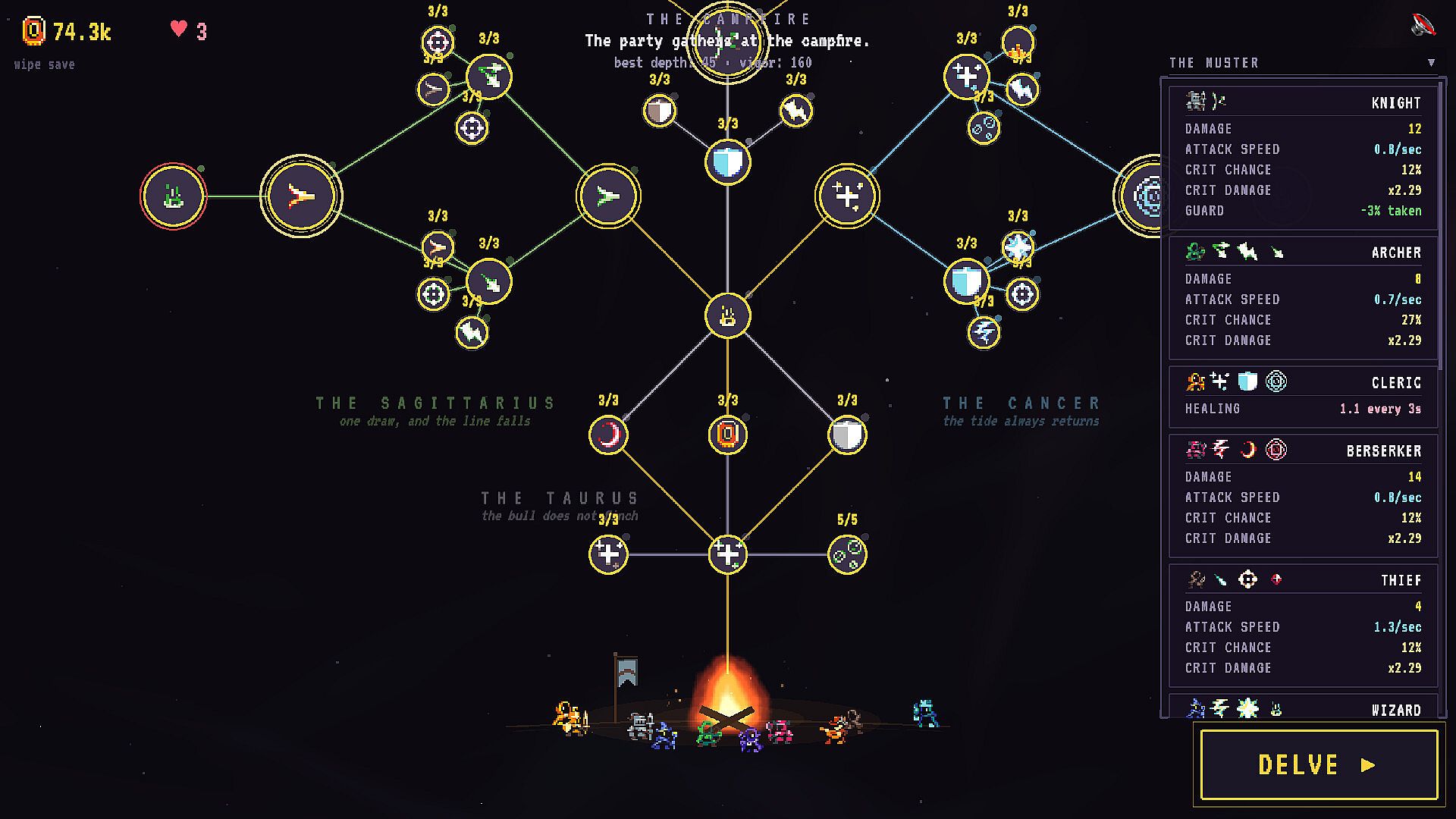
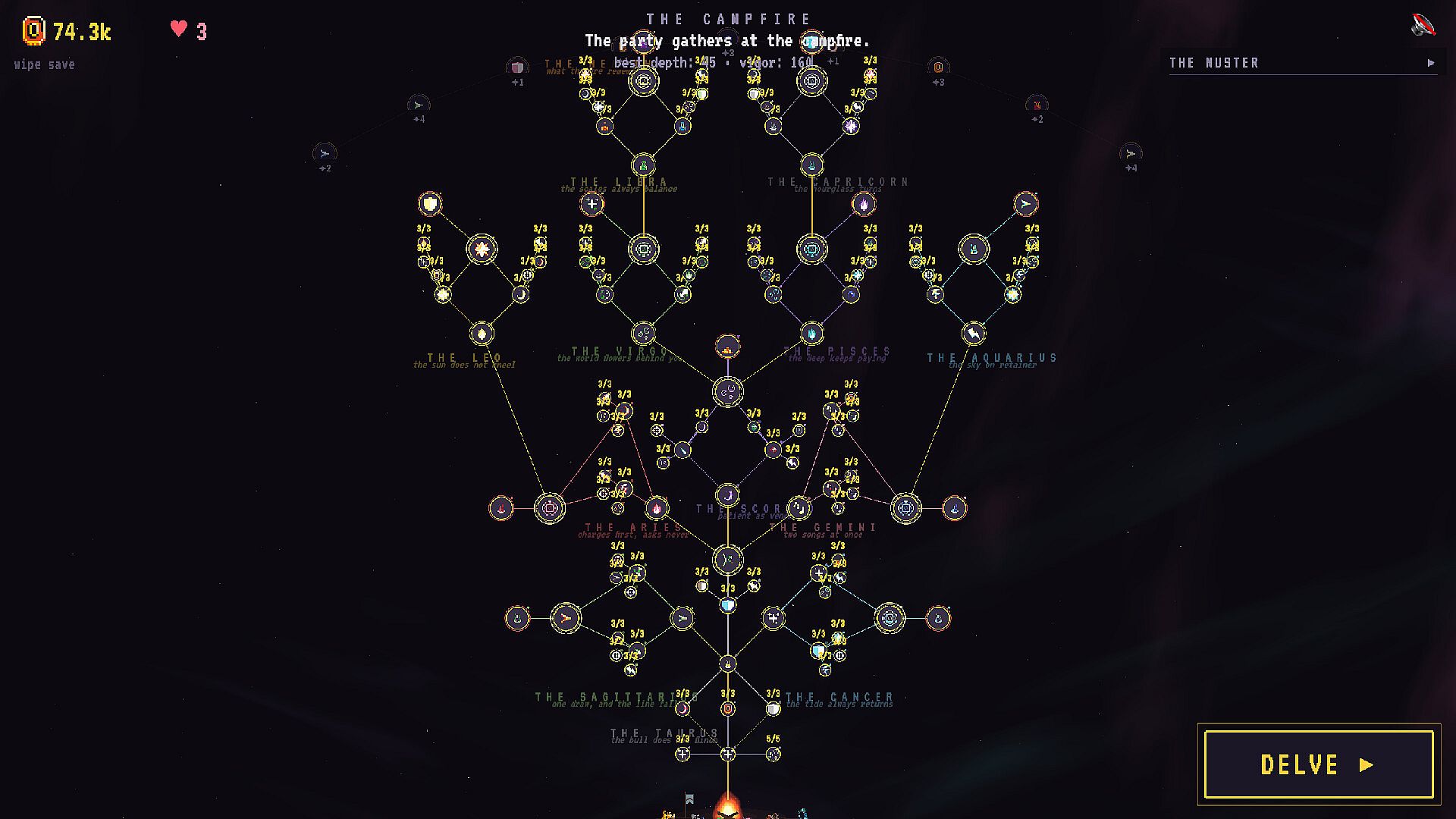
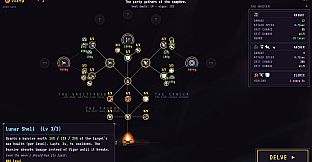
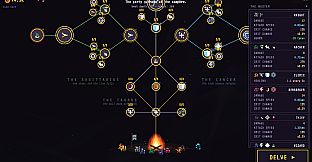
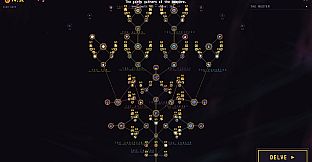
A sprawling skill tree supports customization with seventy nodes, nine keystones, and three duo fusions that activate only when specific paths converge. Hidden nodes appear as progress expands outward, and the system allows reforging without permanent loss of investment. Four elemental brands modify attacks to apply burns, chills, forks, or corrode stacks, adding layers to how damage accumulates over time.
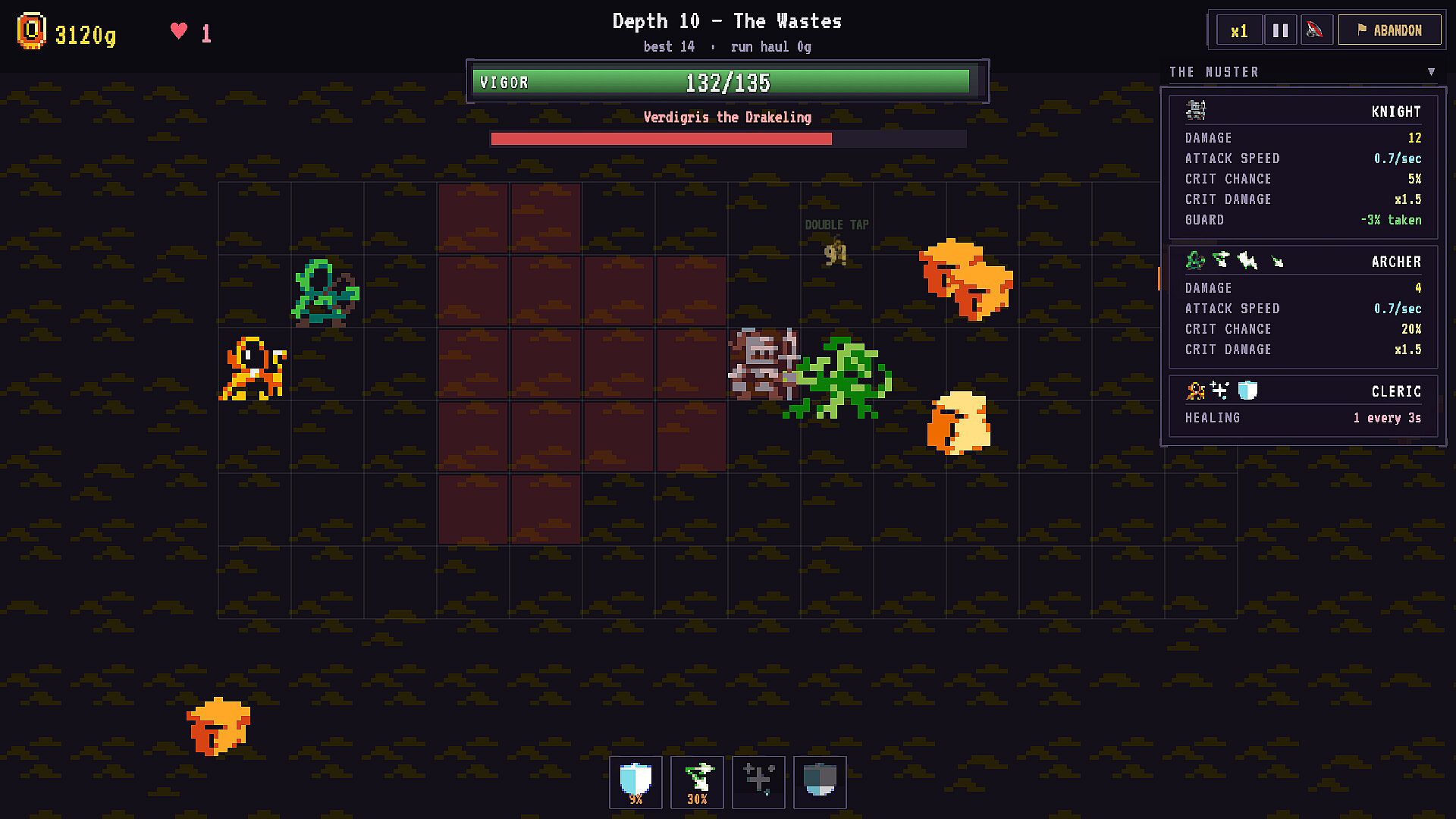
Mid-run decisions stay minimal yet impactful. Three potions sit on a belt for targeted use, while a momentum system grants escalating gold rewards for clearing rooms without taking damage. Dragon bosses appear every ten depths and require positioning to avoid cone-breath attacks, with a one-time Dragon Heart reward on first defeat that unlocks advanced keystone options.
Game Modes
The game centers on a single run-based mode that emphasizes repeated expeditions into the depths. Each attempt builds on prior successes through permanent gold investments that allow parties to reach further before vigor expires. Biome progression introduces escalating threats, starting with slimes and advancing through kobolds, goblins, skeletons, and eventually demons along with eldritch horrors in the deepest layers.
Party formation and skill tree development serve as the primary variables between runs. No separate competitive or cooperative modes exist, keeping focus on solo incremental advancement where each expedition tests and refines the same core systems.
Classes and Party Building
Ten distinct classes form the foundation of every party. Knight, Berserker, Archer, Cleric, Wizard, Thief, Bard, Paladin, Necromancer, and Warlock each bring unique ranges, attack cadences, and battlefield roles. Players hire from the skill tree and observe how formations interact without further input during combat.
Elemental brands integrate with these classes to alter hit effects, while keystones and fusions create specialized builds that reward experimentation across multiple runs. The absence of respec costs encourages broad exploration of the tree as gold accumulates.
Is It Worth Playing?
This title suits players who enjoy incremental progression paired with autobattler combat and resource constraints. The permanent gold system provides steady advancement even after failed runs, while the skill tree and class variety support repeated experimentation without repetition fatigue. Pixel art presentation across six biomes and dozens of enemy types adds visual consistency to the experience.
Those seeking direct control or multiplayer elements may find the hands-off combat less engaging. The game delivers a focused loop of party assembly, depth descent, and incremental strengthening that rewards patience and strategic planning over quick sessions. Its current state reflects an early release focused on the core systems described, with no additional seasons or major updates confirmed at this time.