

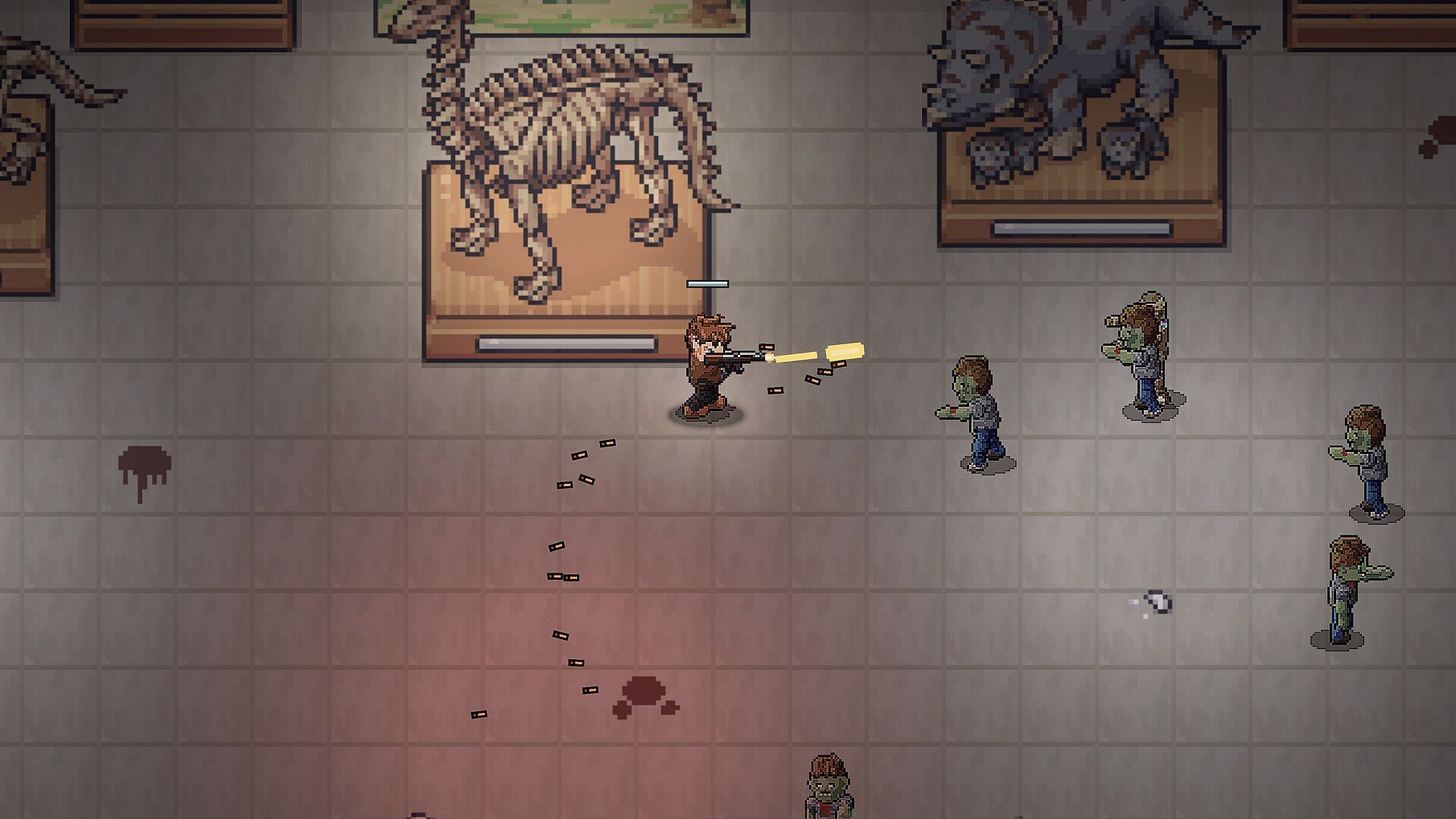
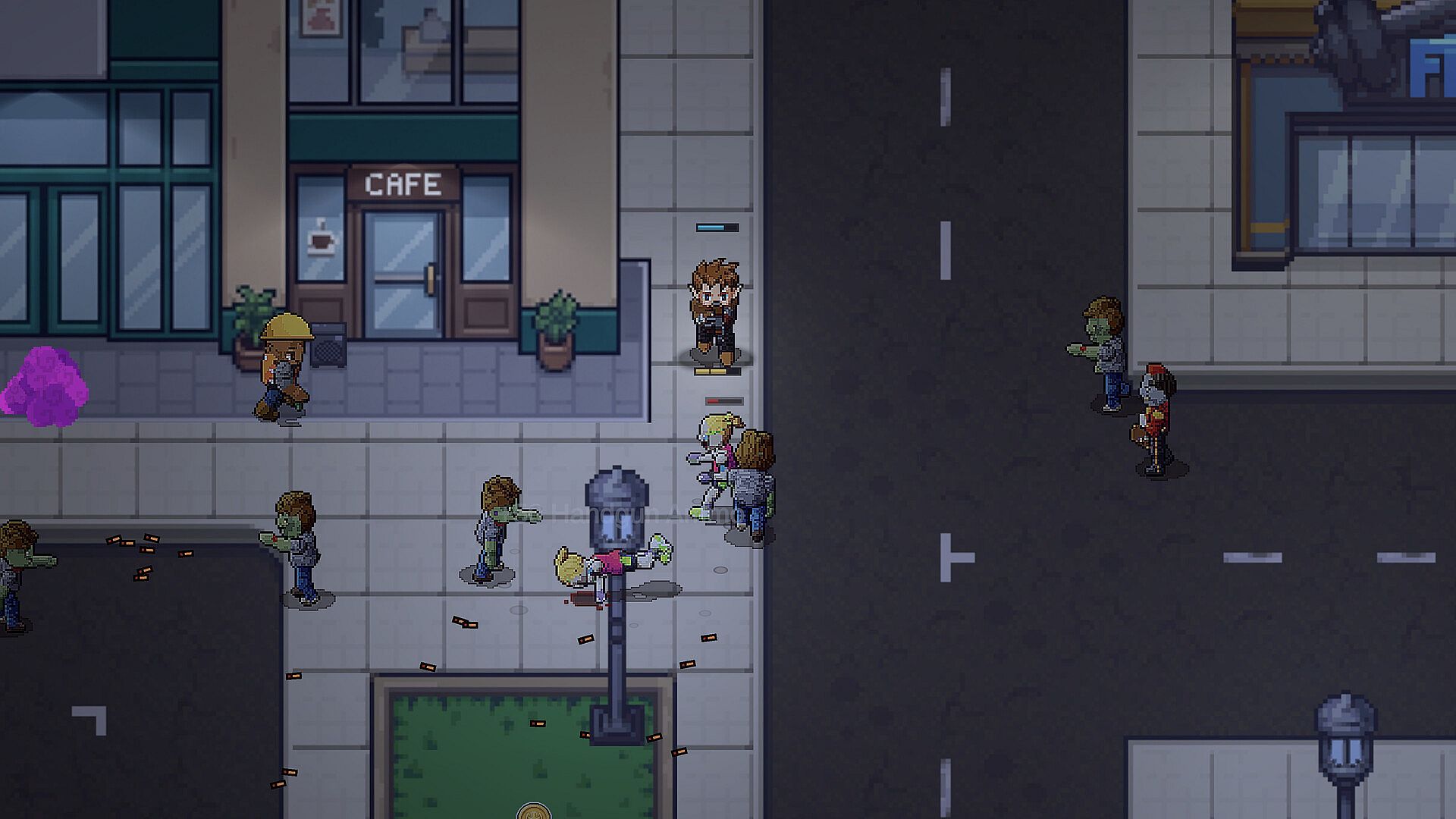
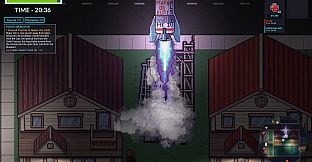
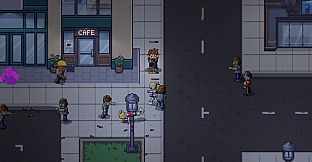
Deja-Vu of the Dead is a 2D top-down time-loop action-adventure that blends strategy, indie sensibilities, RPG progression, and exploration elements on PC. Players navigate a city overtaken by the undead, using retained knowledge across repeated cycles to alter outcomes before the clock resets at midnight or upon death.
Gameplay
The core loop centers on a 16-hour day cycle from 08:00 to midnight. Infection spreads in real time as carriers move through the city, survivors reinforce positions, and lighting changes create shifting threats. After 22:00, stronger horrors appear. Each run lasts until midnight or player death, at which point the world resets while the player retains full memory of prior attempts.
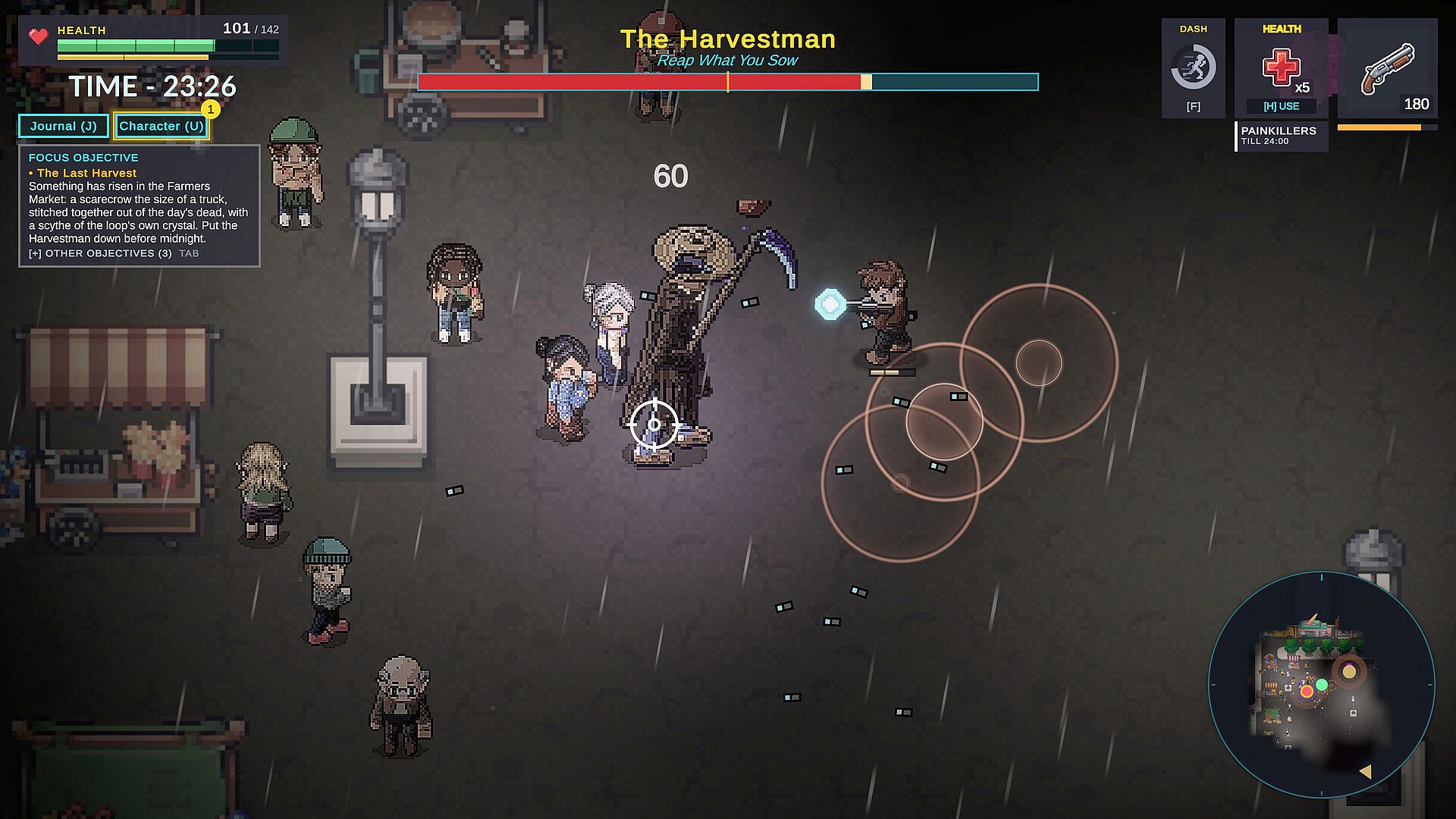
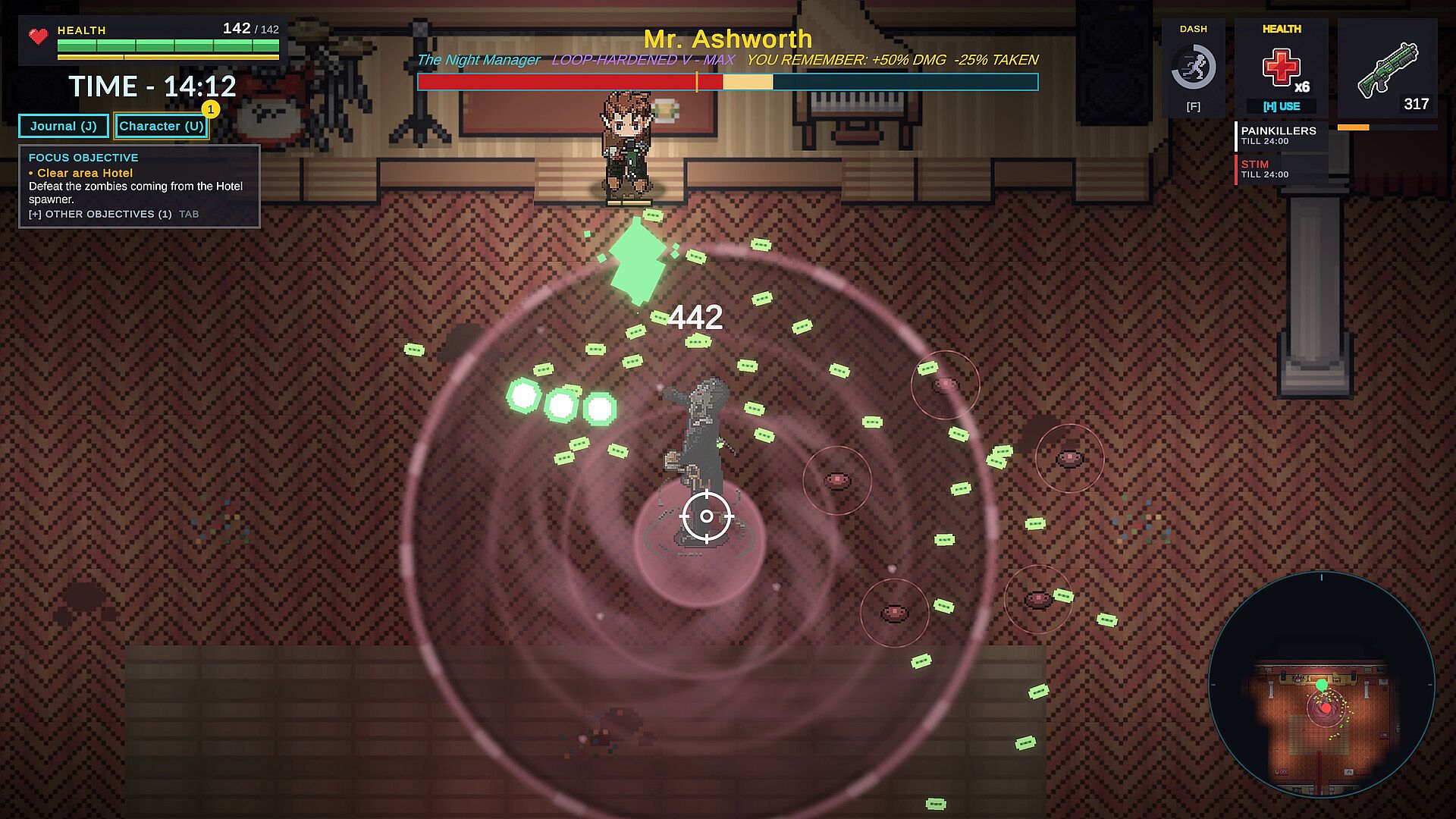
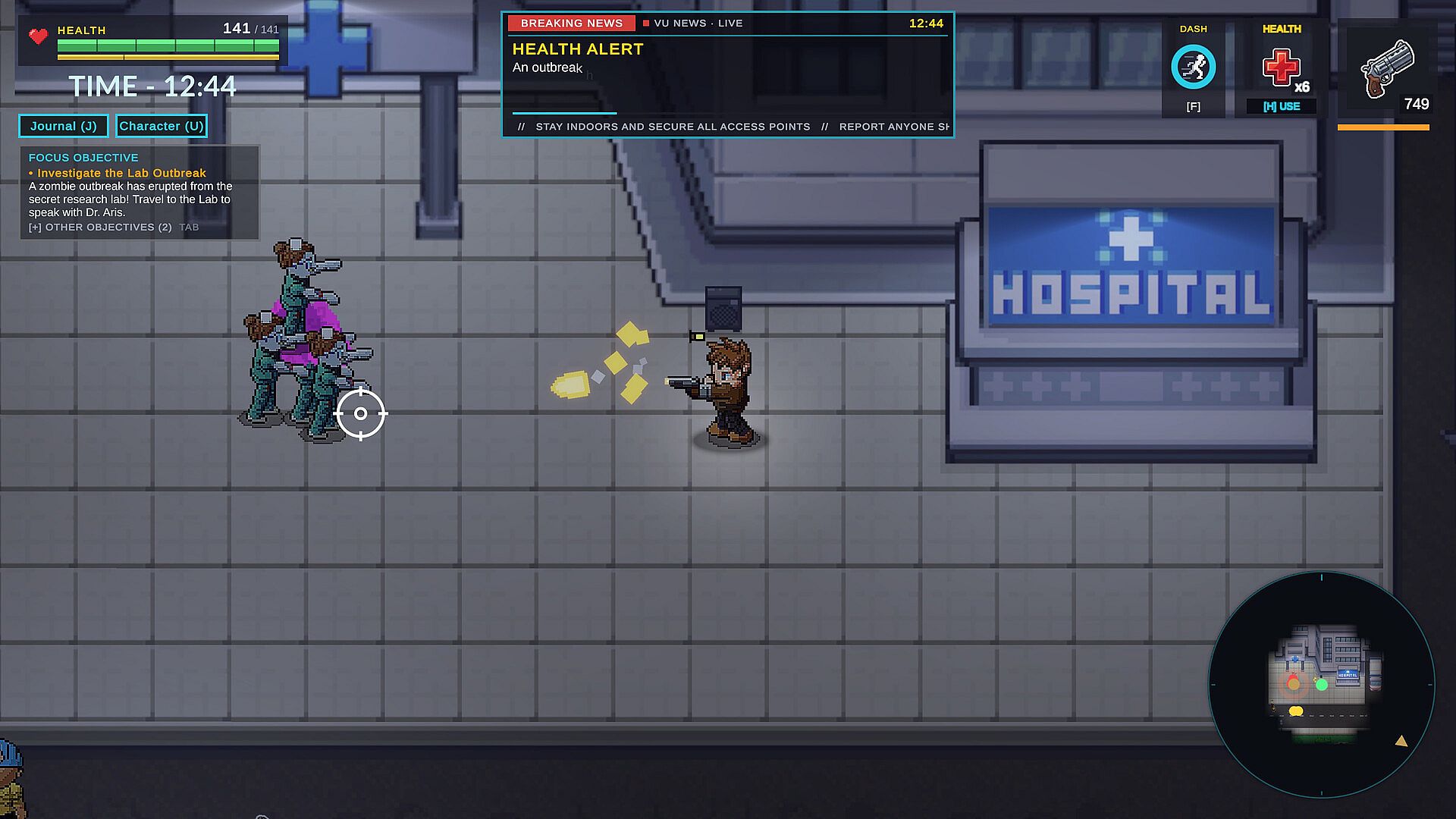
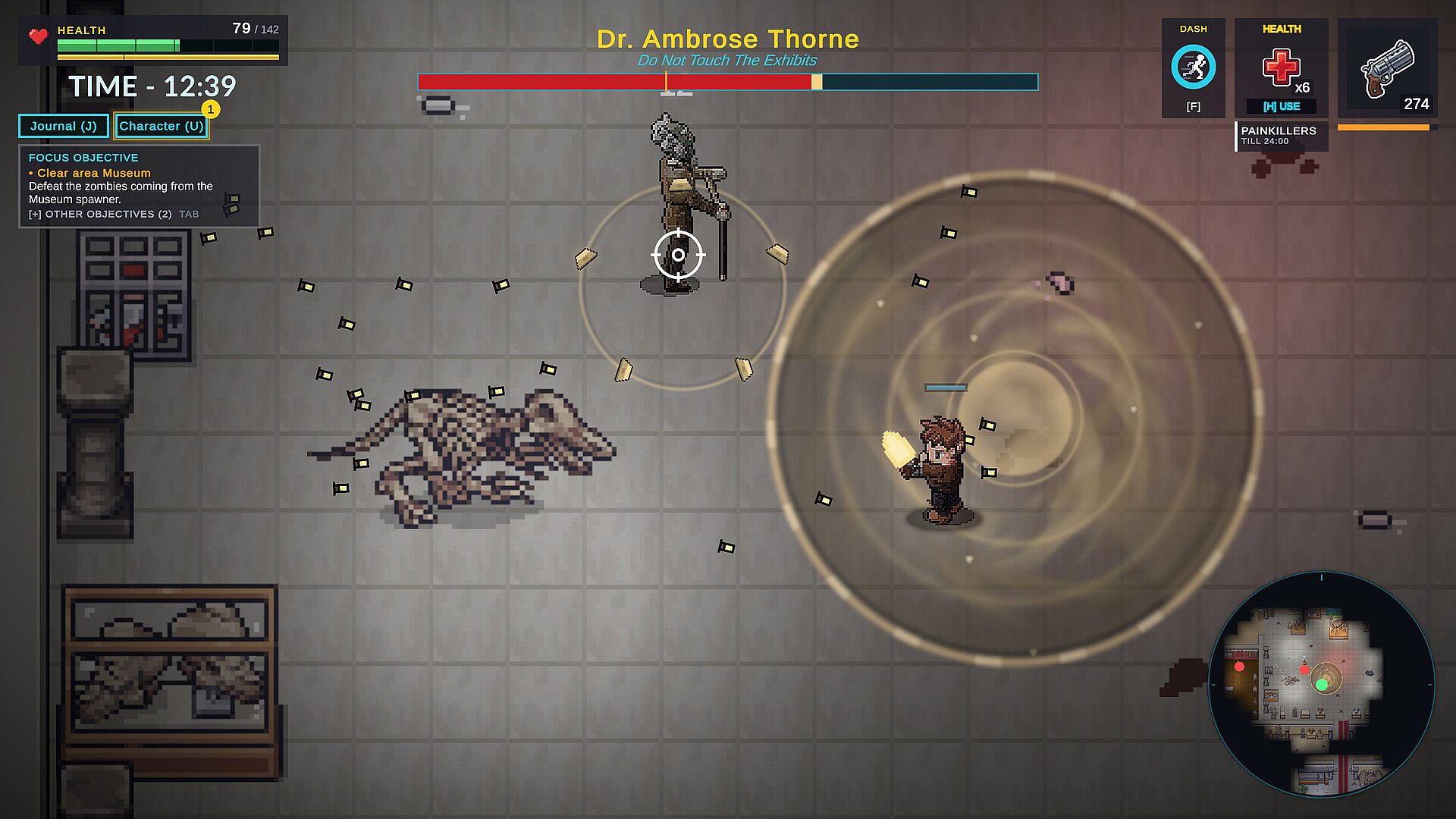
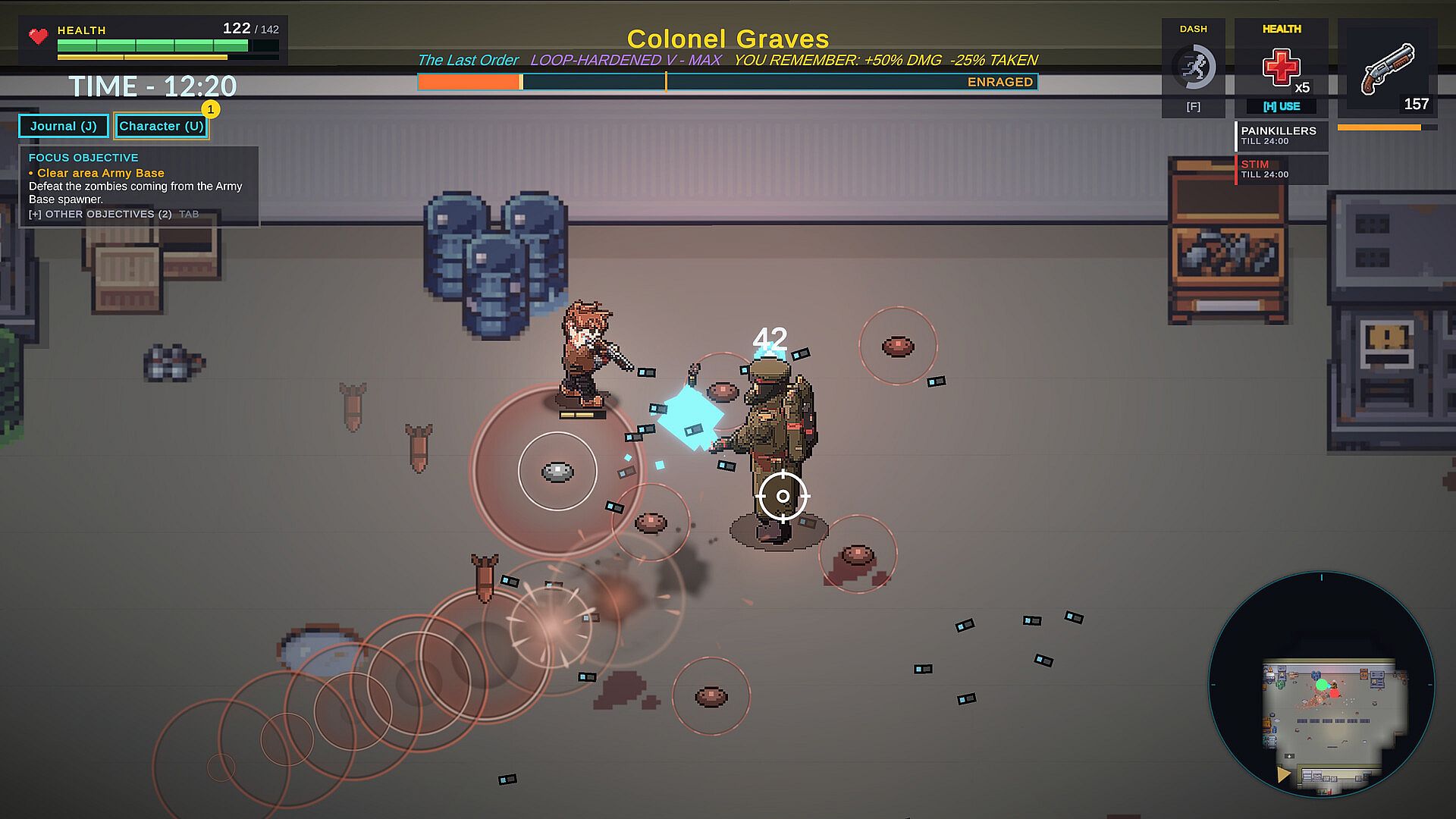
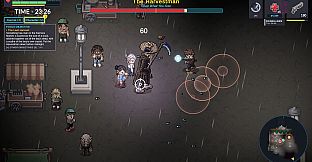
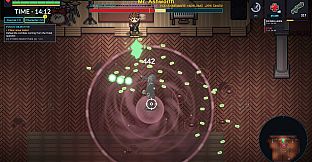
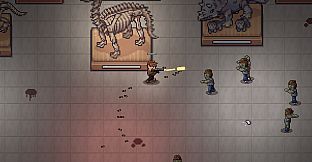
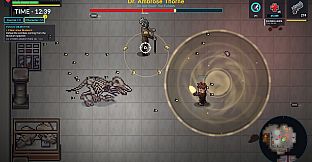
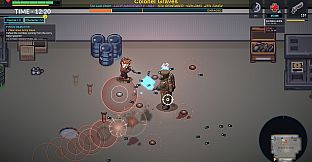
Combat emphasizes fluid movement and weapon variety in top-down view. Melee options include three-hit sword combos, while ranged choices cover pistols, combat shotguns, assault rifles, and plasma cannons. Enemies range from standard infected to specialized types such as riot police and hazmat workers. Boss fights require pattern recognition and positioning against opponents equipped with flamethrowers or chain whips.
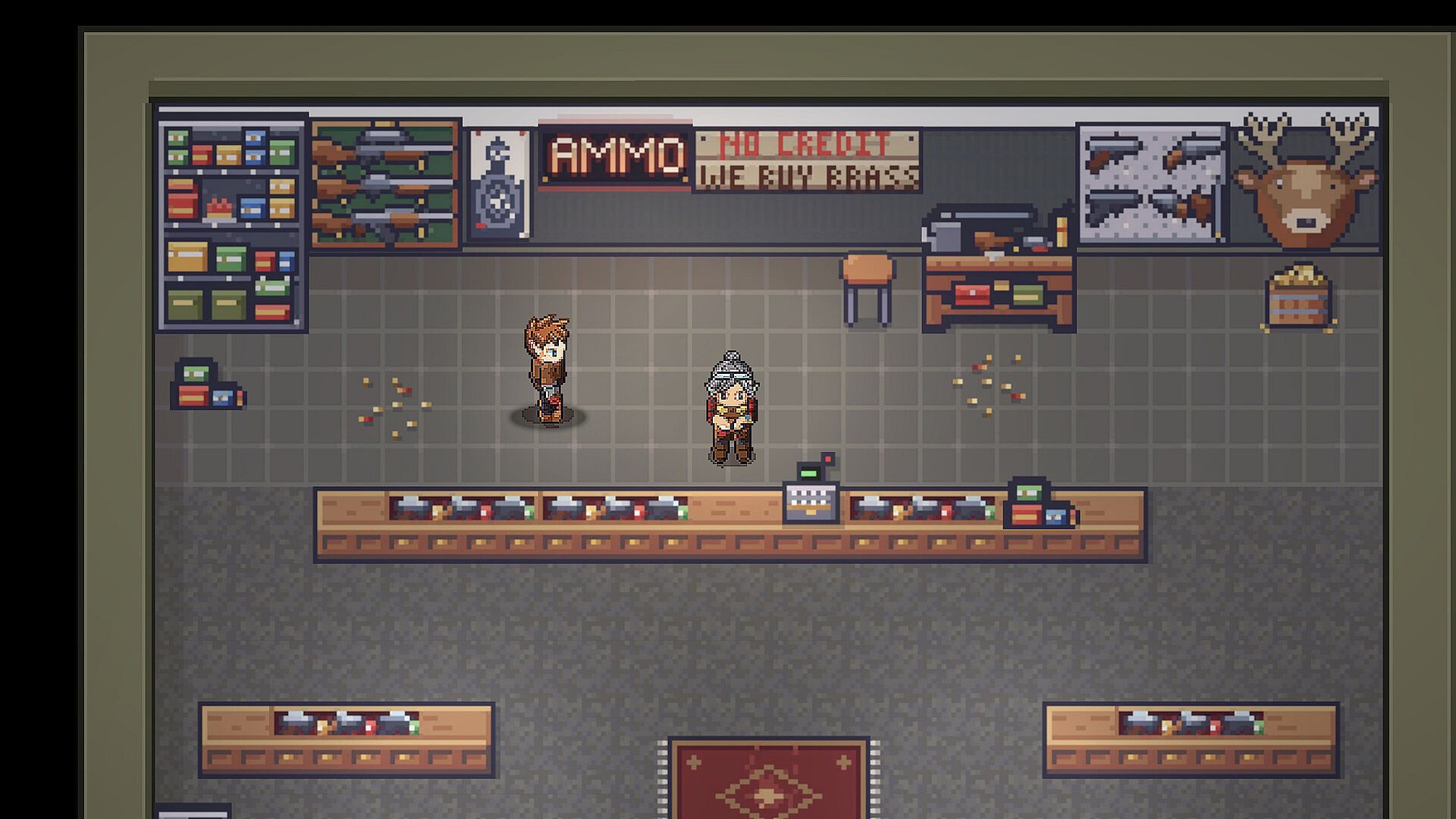
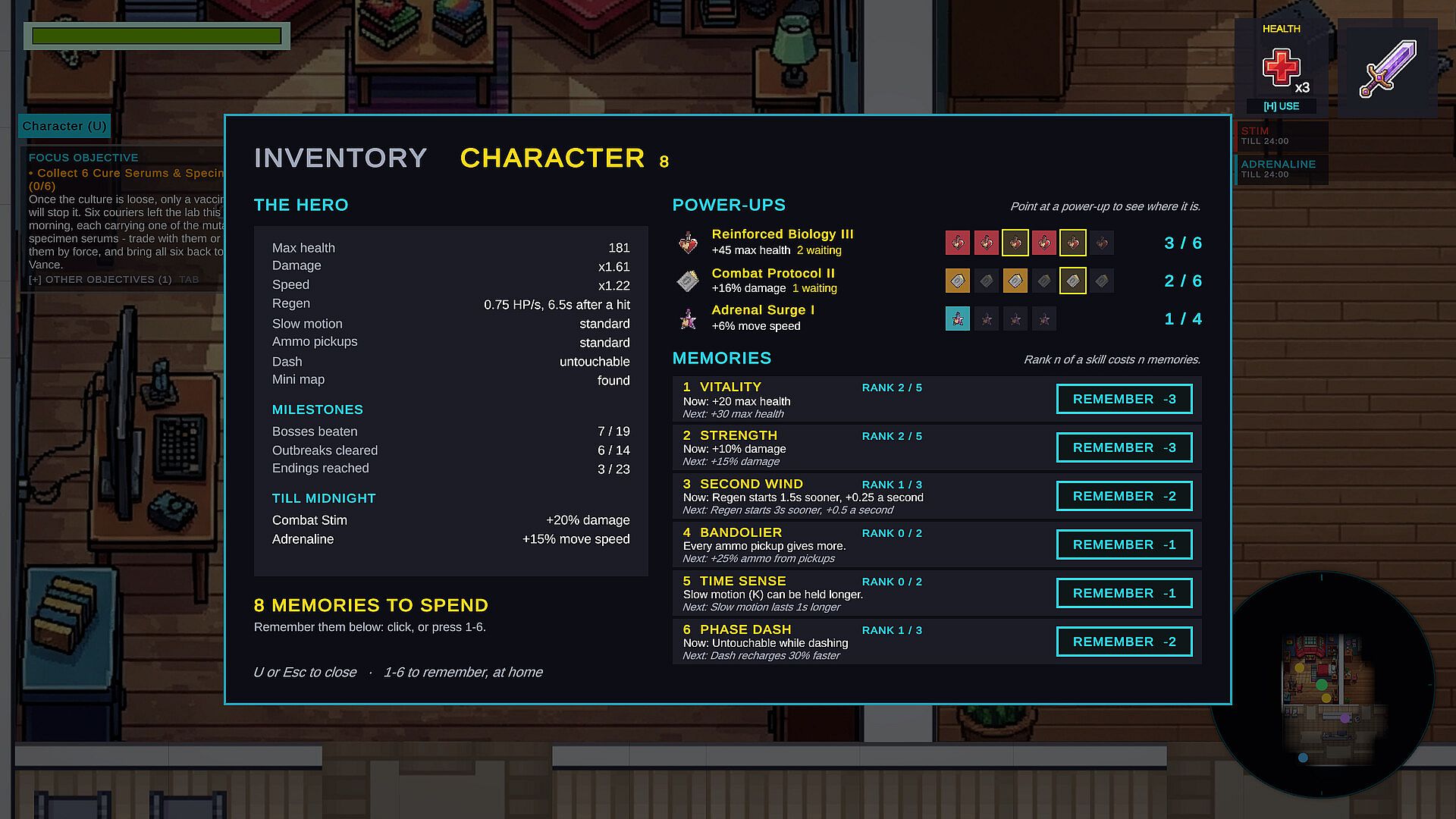
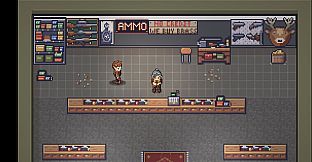
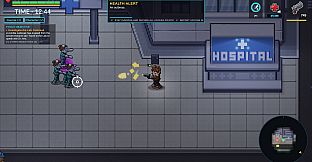
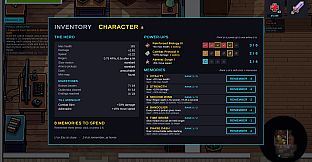
Progression relies on the Hero's Journal, which records NPC schedules, vendor locations, hidden item caches, and carrier routes across 16 connected districts. Players use this information to optimize paths through areas like gun shops, hotels, hospitals, and research facilities on subsequent loops.
Game Modes
The experience operates as a single continuous campaign built around repeated time loops. No separate multiplayer or competitive modes appear in available details. All activity occurs within the persistent city environment where choices in one cycle influence planning for the next.
Story and Progression
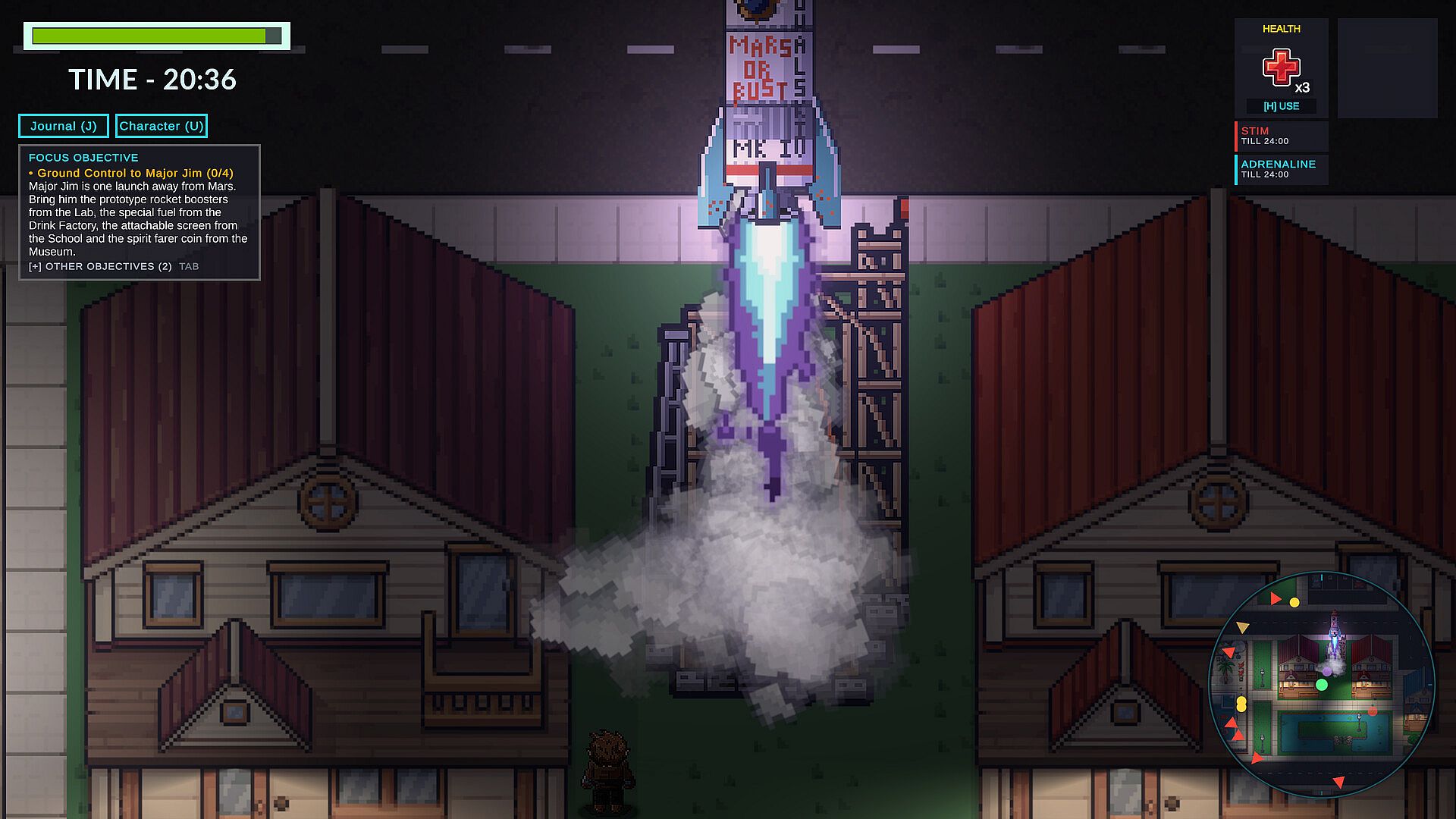
A mysterious experiment triggers the outbreak, trapping the protagonist in the cycle. The goal extends beyond simply surviving each day to uncovering ways to break the loop entirely. The city features fully voiced survivors whose routines and dialogues provide clues and assistance. Exploration reveals details about the temporal engine responsible for the resets.
Multiple paths lead to different conclusions. Synthesizing a vaccine or requesting external aid can produce apparent victories that still reset with the clock. The structure supports 23 distinct endings based on accumulated knowledge and decisions across loops.
Is It Worth Playing?
This title suits players who enjoy methodical planning, trial-and-error refinement, and single-player action-adventure with roguelike time-loop mechanics. The emphasis on real-time city simulation and retained knowledge rewards careful observation of patterns and efficient routing. As an upcoming release scheduled for November 2026 with no player reviews available yet, its appeal depends on tolerance for iterative gameplay and interest in top-down zombie combat combined with RPG-style information tracking. Those drawn to similar time-loop titles will find the verified systems of combat variety, district navigation, and ending variety align directly with the described experience.