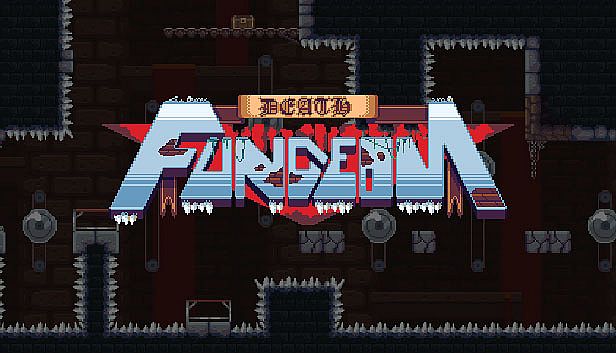








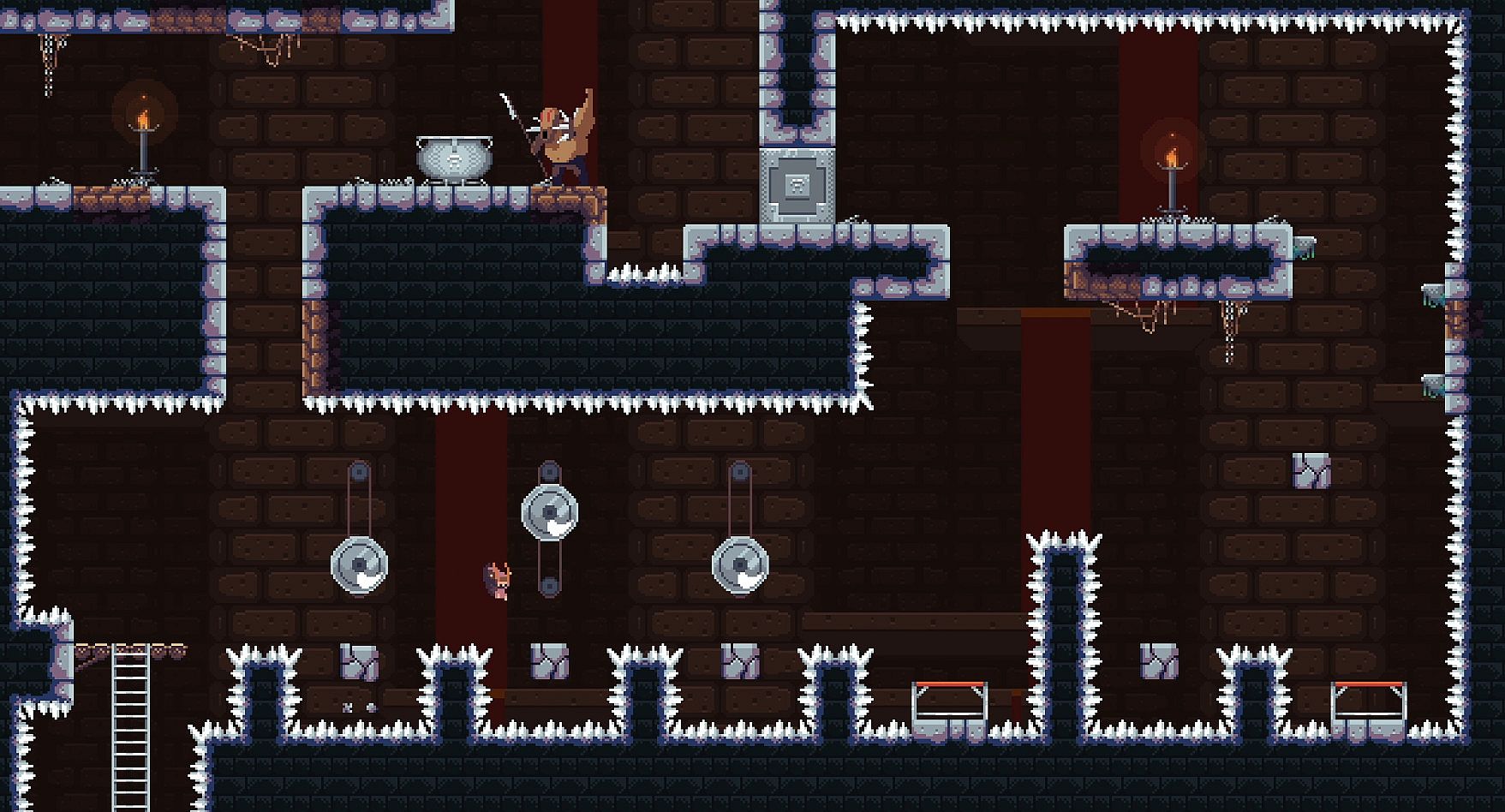
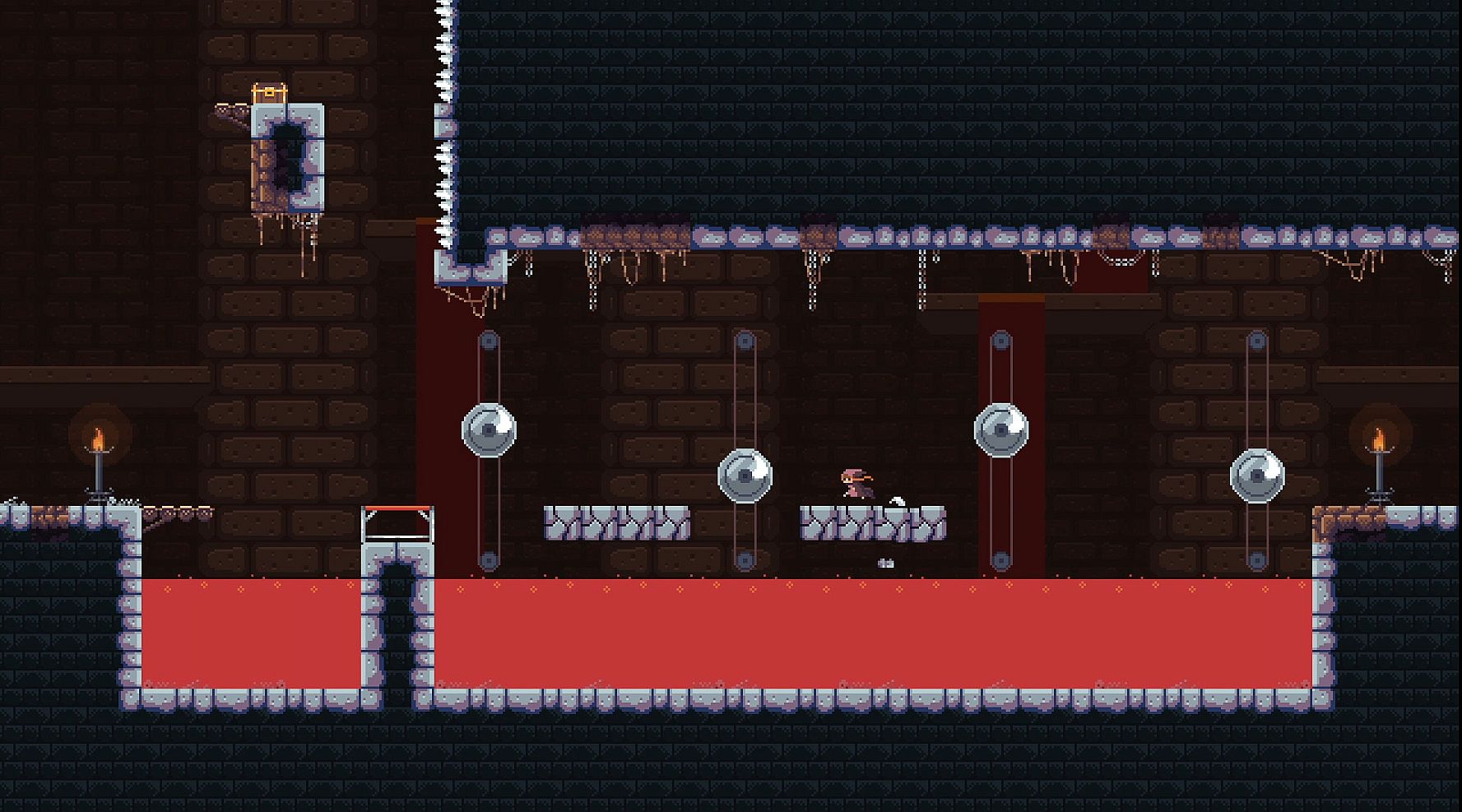
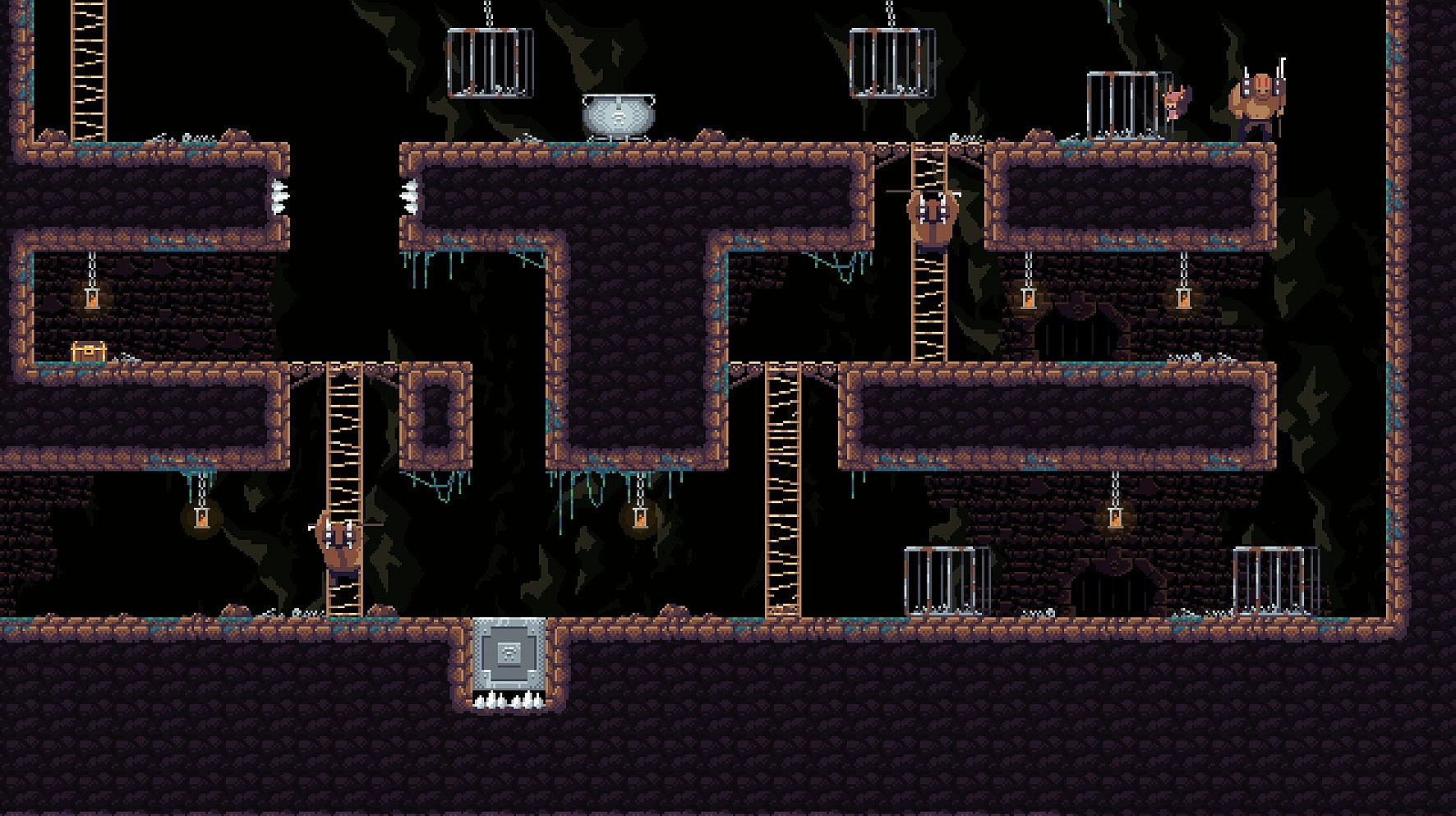
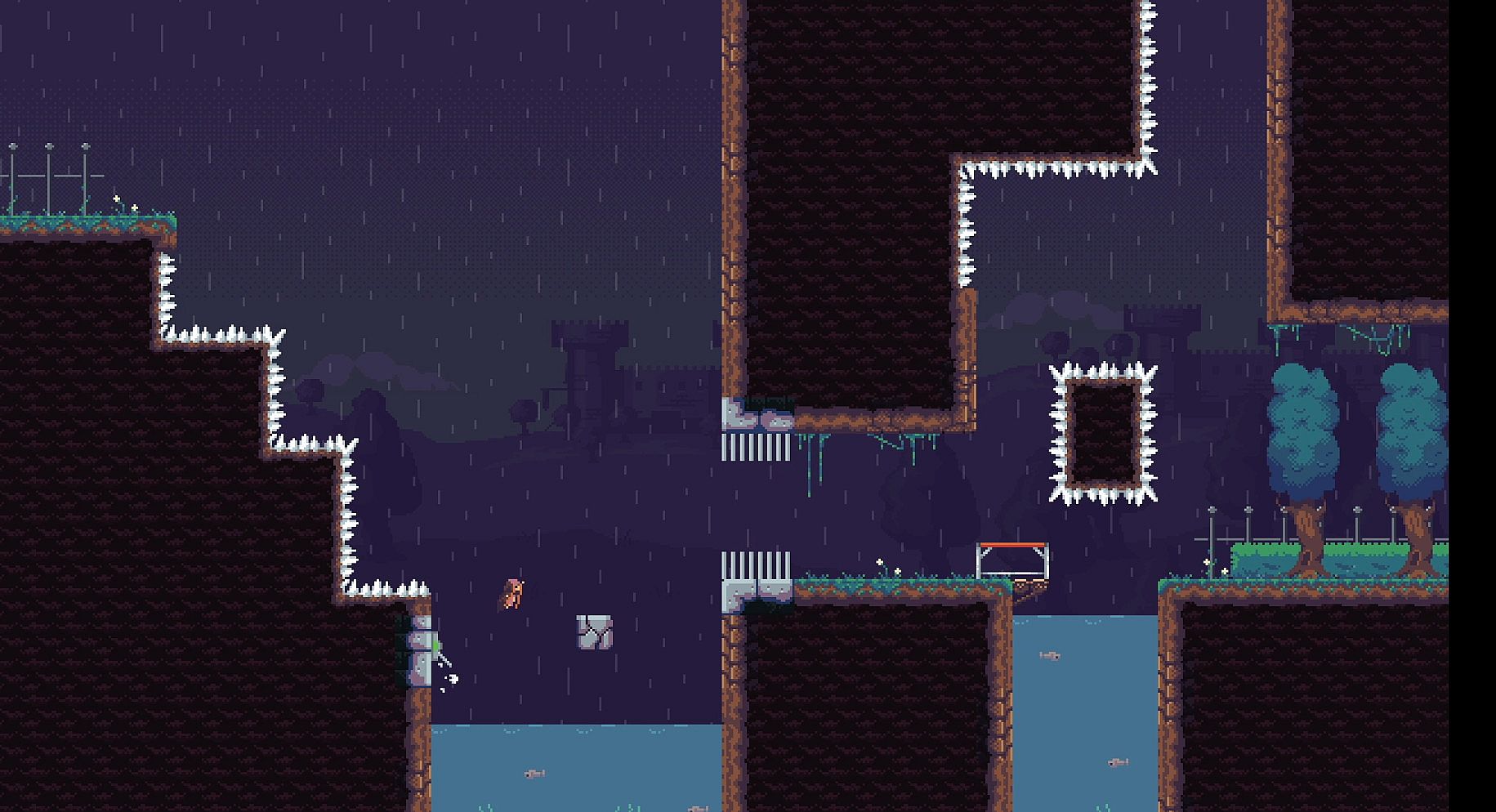
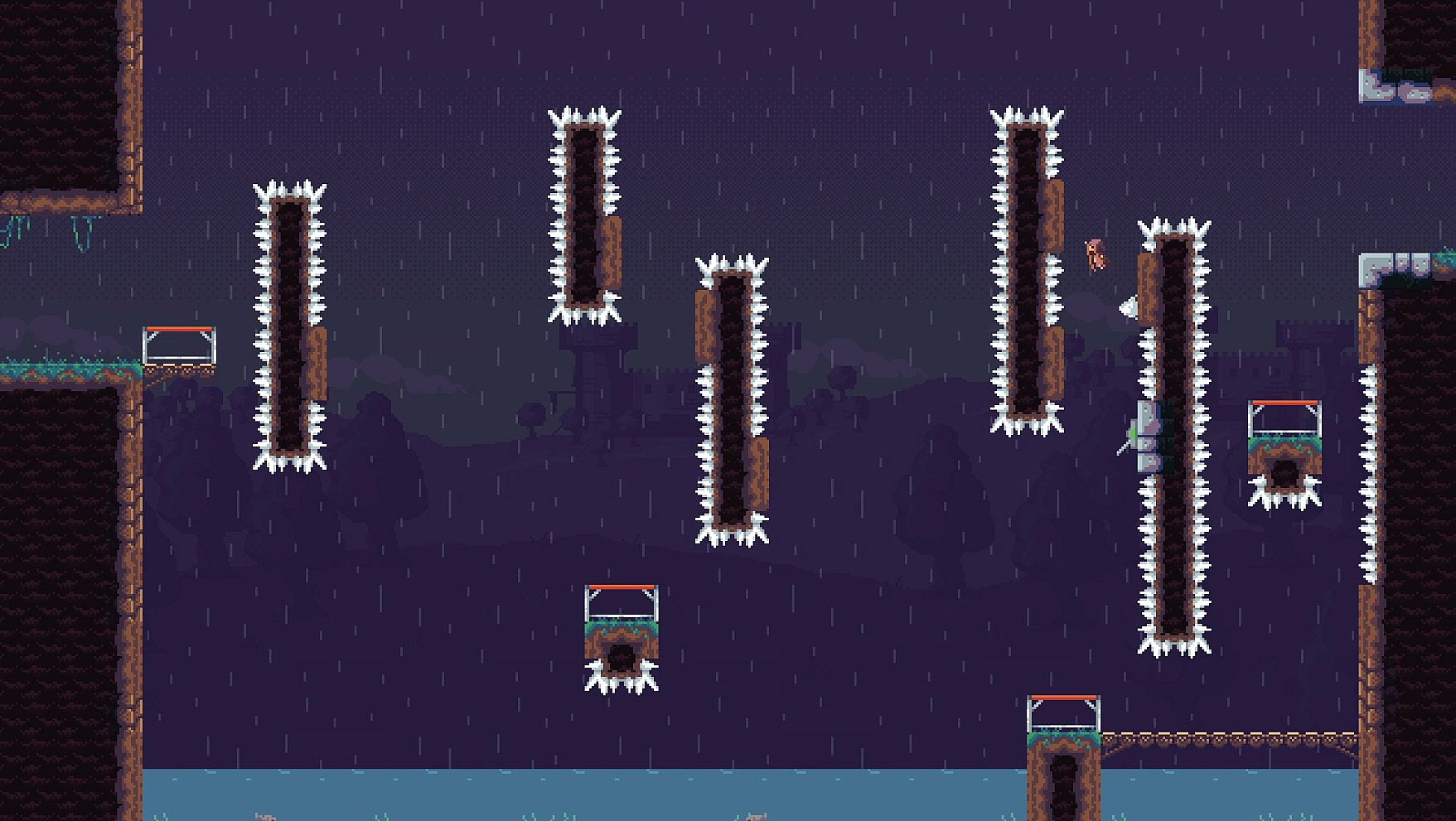
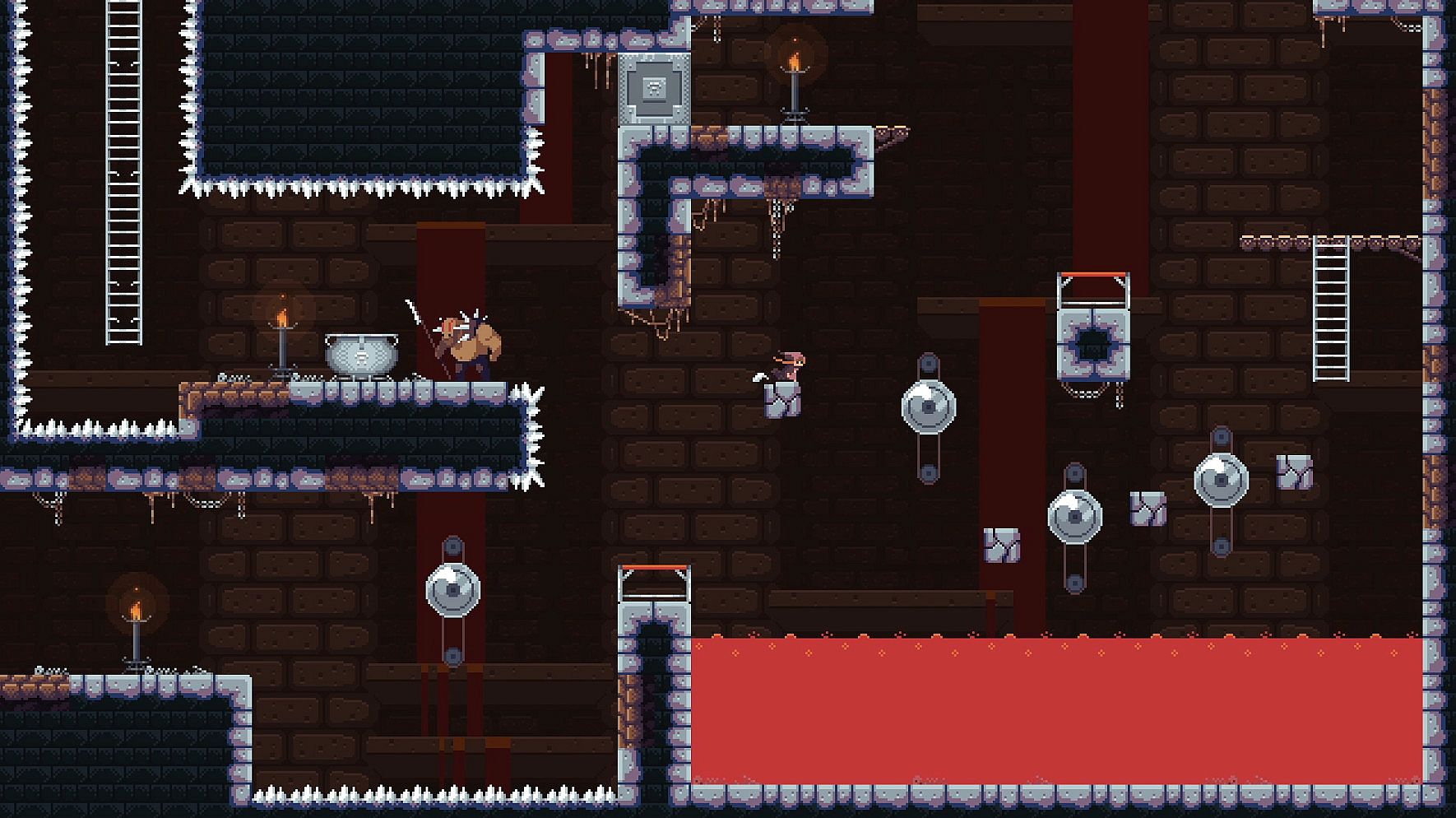
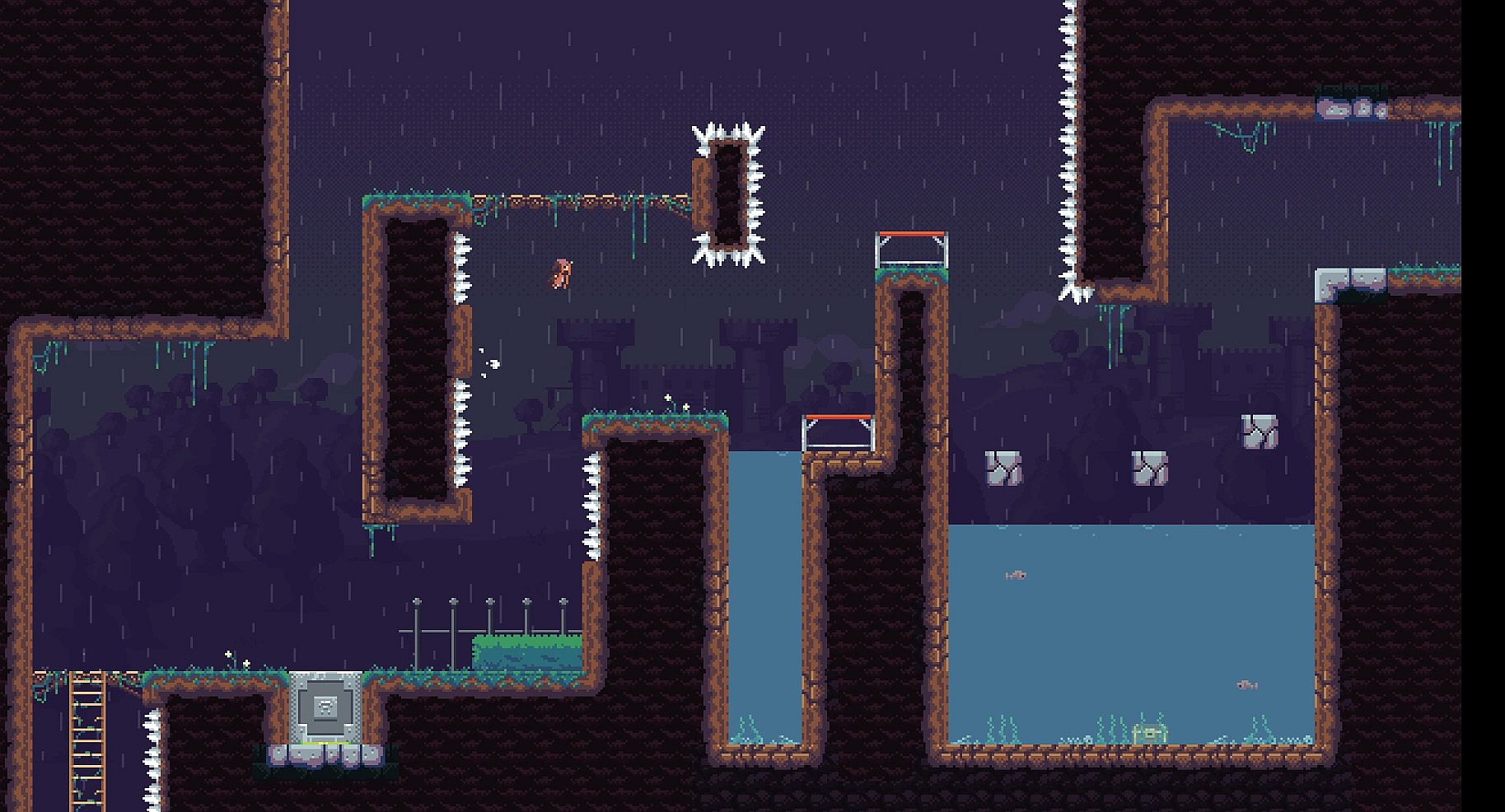
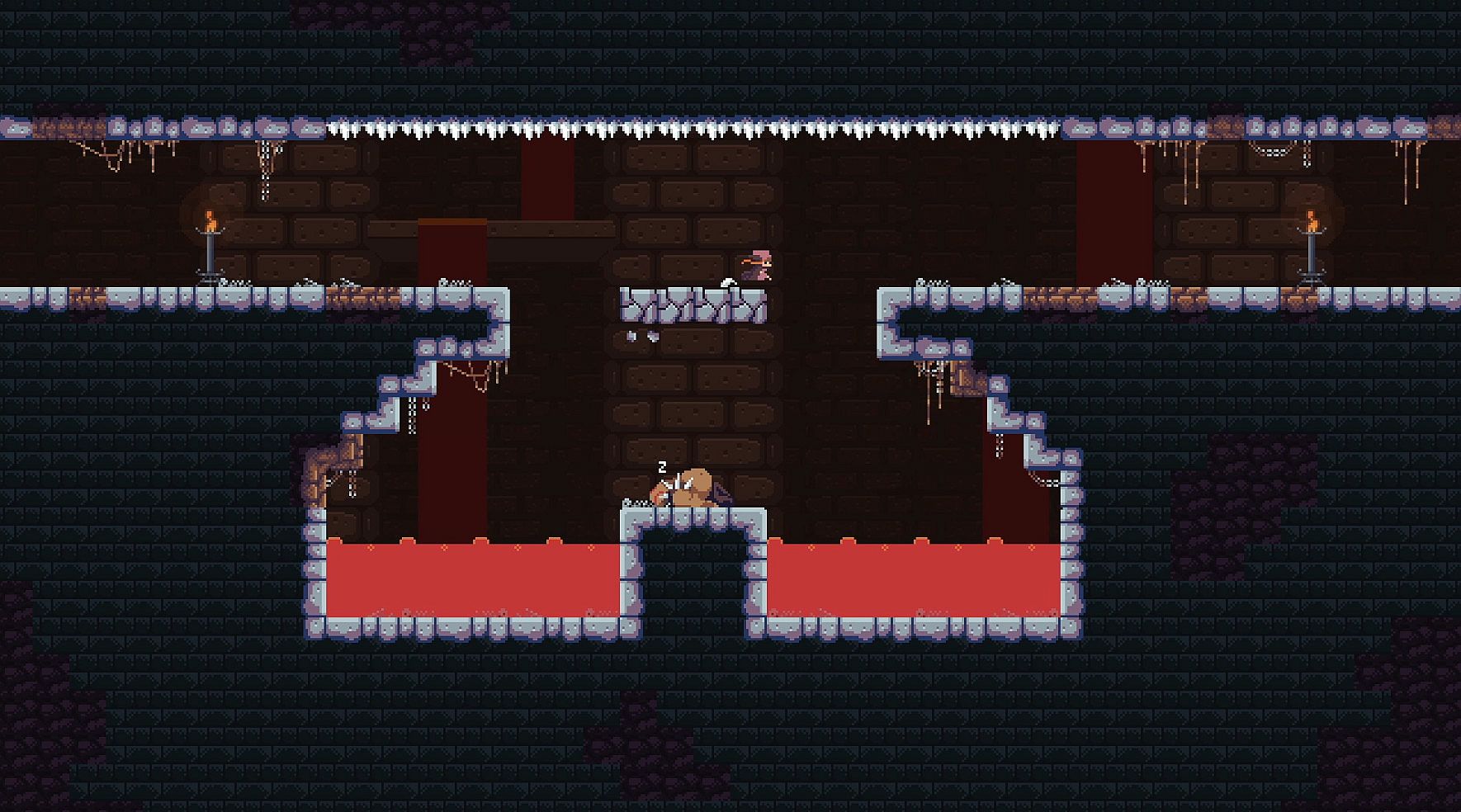
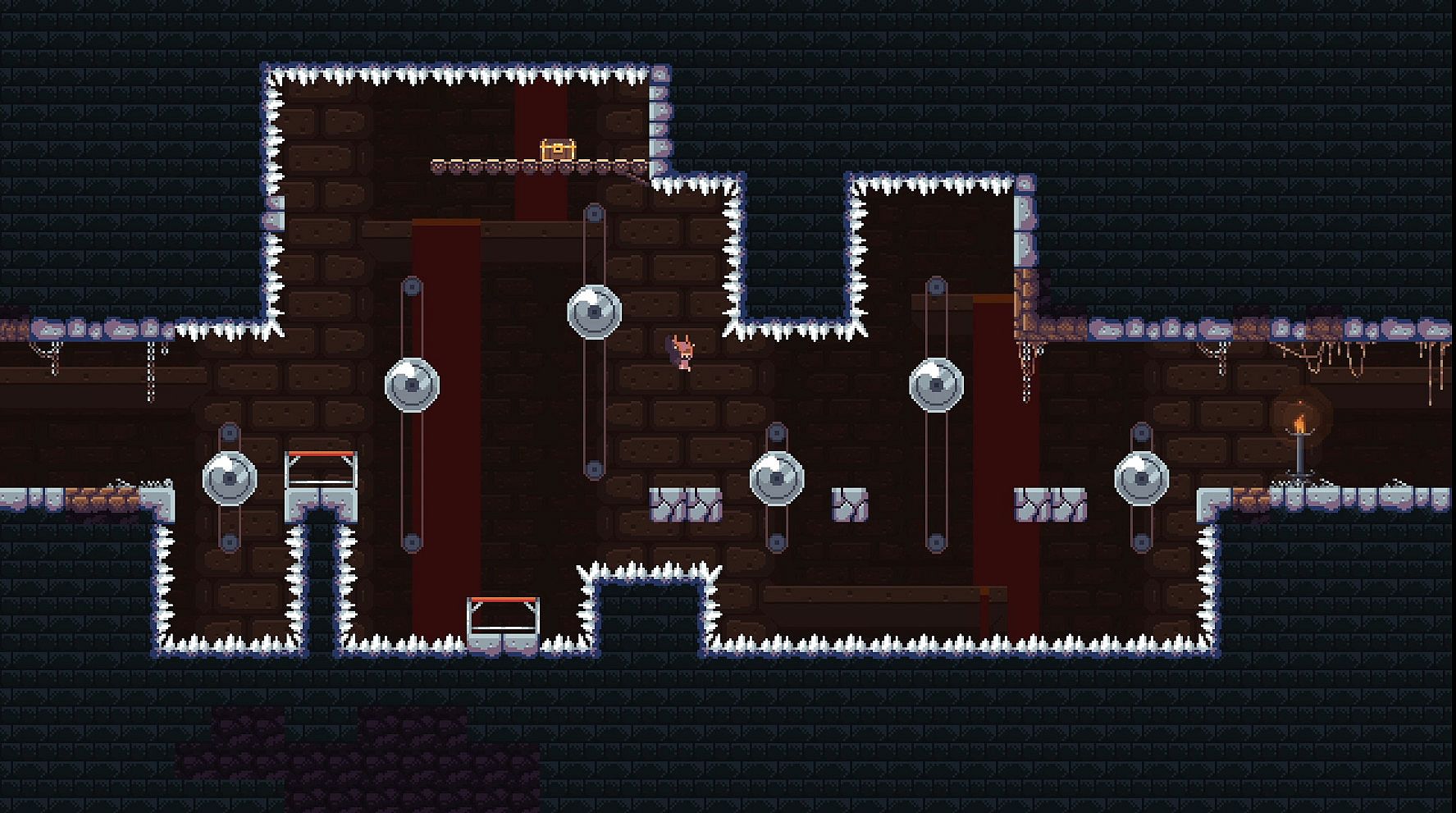
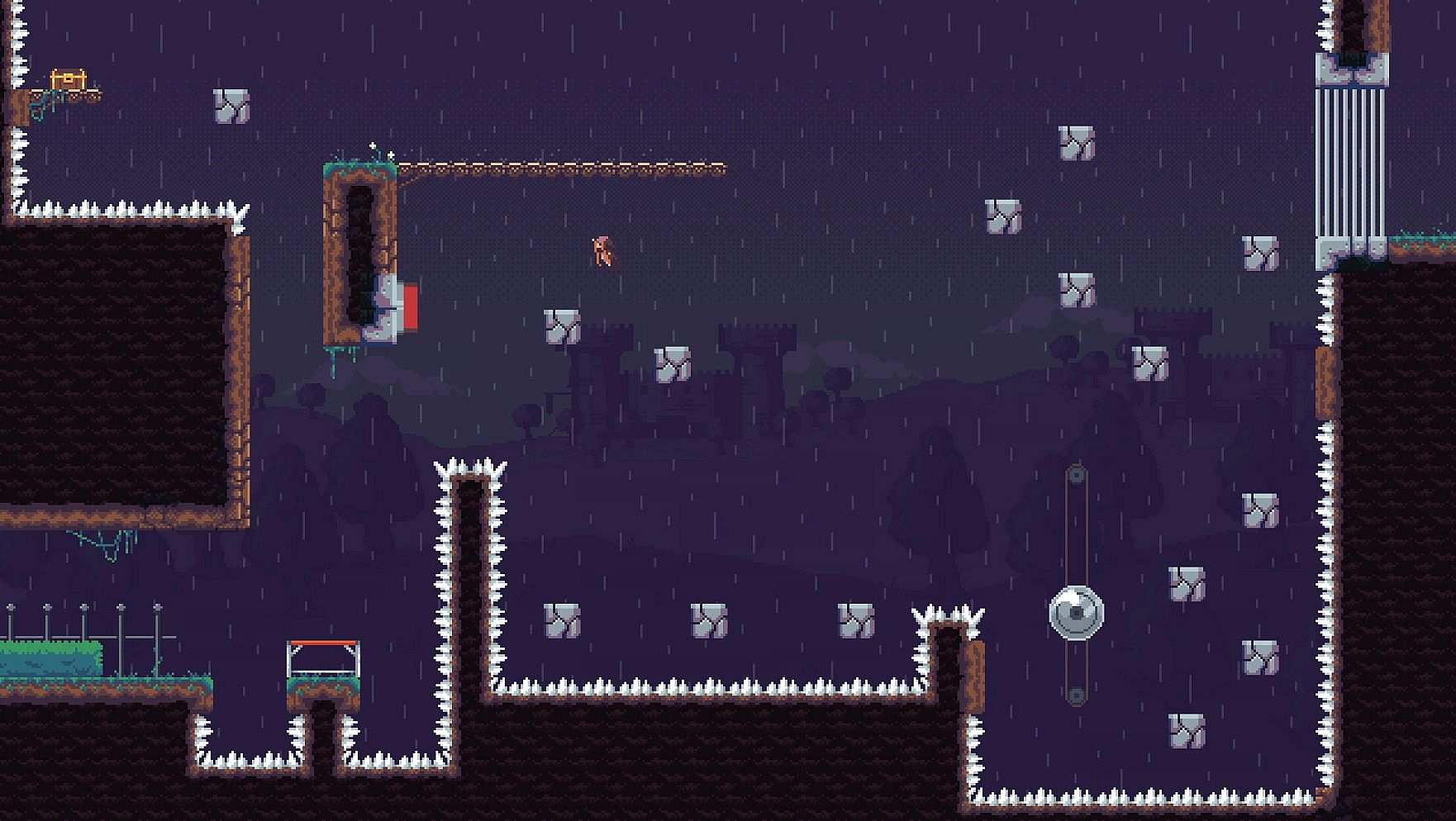
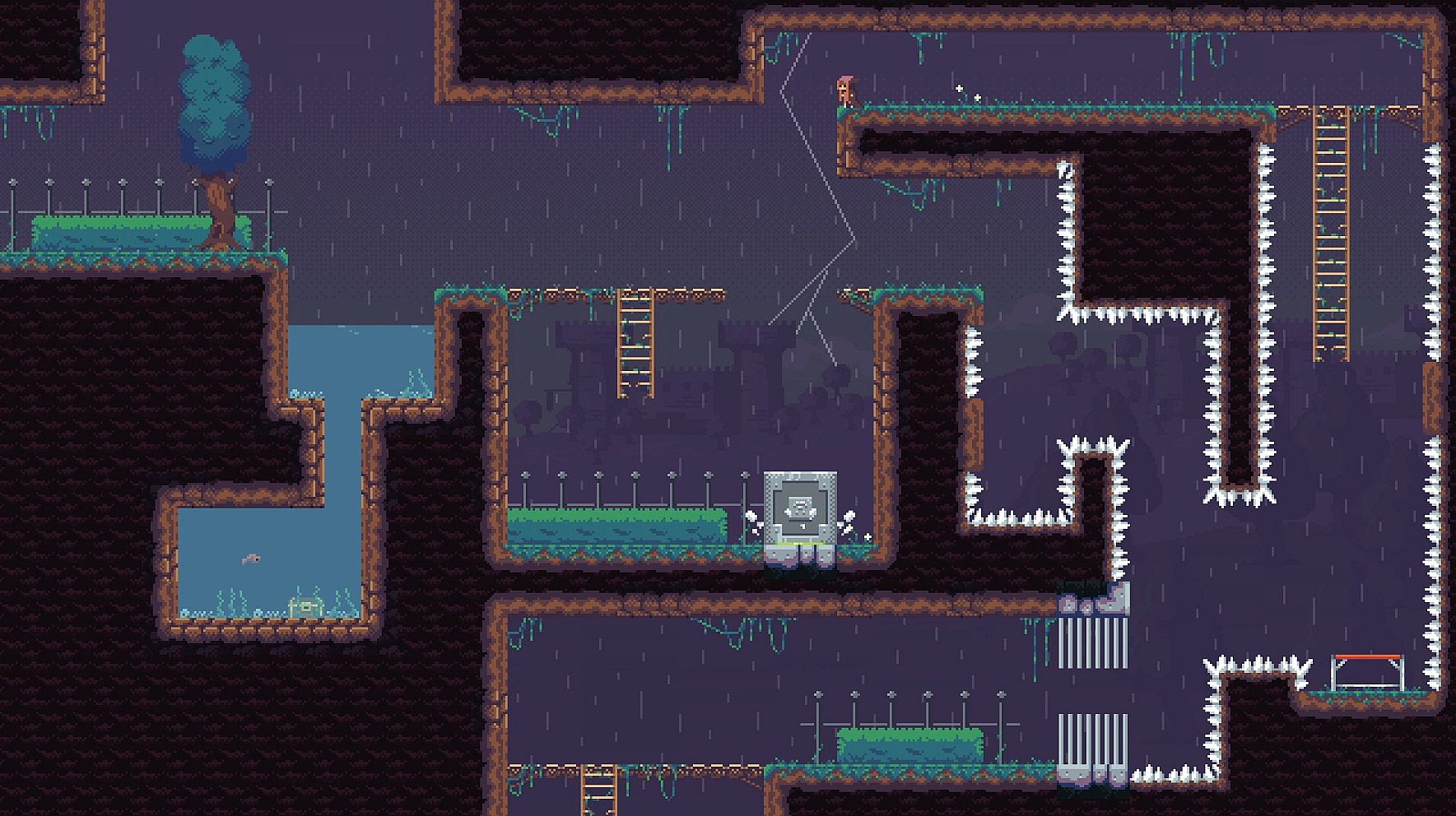
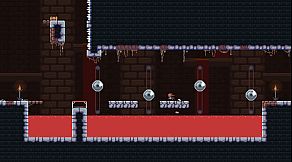
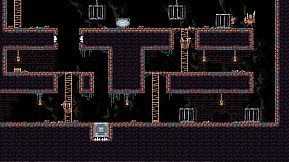
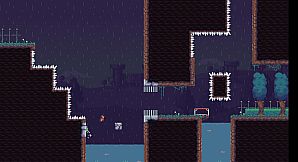
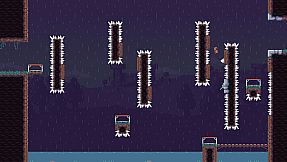
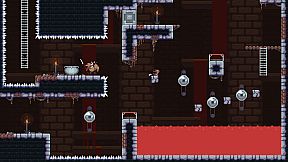
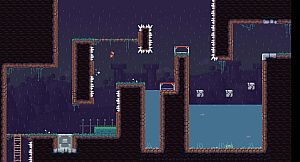
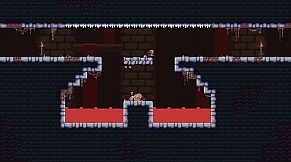
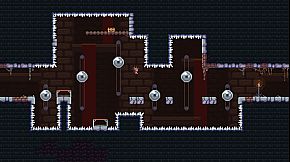
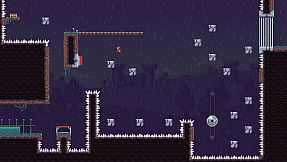
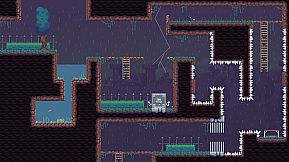
Death Fungeon stands out as a compact indie adventure title on PC that blends puzzle platforming with elements of stealth and parkour. The game places players in control of a character attempting to break free from a hazardous prison environment rendered in cute pixel art. Core challenges revolve around avoiding detection by guards while navigating traps and uneven terrain through careful movement or quick athletic maneuvers.
Gameplay
The central loop involves progressing through interconnected prison sections where timing and positioning determine success. Players move through side scrolling levels filled with spikes, moving platforms, and patrolling enemies. Stealth requires pausing behind cover objects and waiting for guard patrol patterns to create safe windows for advancement. Athletic routes open up via wall jumps, ledge grabs, and rapid sequences of jumps that bypass certain hazards at higher risk of failure.
Controls emphasize precision with directional input for movement and dedicated actions for jumping and interacting with the environment. Each section tests observation skills as players identify guard sight lines or spot alternate paths that reward faster execution. The pixel art presentation keeps visuals clear even during quick movements, allowing focus on reading the layout ahead. Progression feels deliberate because mistakes often reset short segments rather than entire levels, encouraging repeated attempts to refine routes.
Game Modes
Death Fungeon centers on a single player campaign without separate multiplayer options or named variants. Within that structure players choose between two primary approaches for each area. The stealth path favors slow, methodical movement that keeps the character hidden among background elements and out of enemy view cones. The parkour path shifts emphasis to speed and momentum, using wall jumps and ledge grabs to chain together faster sequences that skip sections of the map.
These approaches can mix within the same playthrough depending on the immediate situation. Some sections reward switching styles mid level when a guard blocks the quiet route or when an athletic shortcut becomes available after clearing an obstacle. The absence of additional modes keeps the experience focused on mastering these dual navigation options across the full prison layout.
Level Design and Challenges
Prison environments feature layered obstacles that combine static traps with dynamic guard movements. Early areas introduce basic sight line management and simple jumps before layering in moving platforms and tighter timing windows. Later sections increase complexity by placing multiple guards in overlapping patrol routes that demand precise sequencing of actions. The design encourages experimentation because both stealth and athletic solutions remain viable in most rooms, leading to different optimal paths on repeat playthroughs.
Platforming sections test spatial awareness through vertical climbs and horizontal dashes while stealth segments reward patience and pattern recognition. The overall length stays short, allowing completion in a few focused sessions without filler content between major challenges.
Is It Worth Playing?
Player feedback on Steam shows mostly positive reception from a modest number of reviews, highlighting the satisfying mix of puzzle solving and movement options. The game appeals most to fans of short indie platformers who enjoy experimenting with different traversal styles rather than extended campaigns or competitive elements. Its concise scope makes it suitable for players seeking a complete experience that can be finished without a large time commitment.
Those who appreciate pixel art aesthetics and the tension of avoiding detection alongside the thrill of chaining precise jumps will find the core loop engaging. Availability on PC keeps the barrier low for anyone interested in trying a focused stealth platformer from the late 2010s indie scene. The title delivers consistent challenge without unnecessary complexity, making it a solid choice for targeted play sessions.