




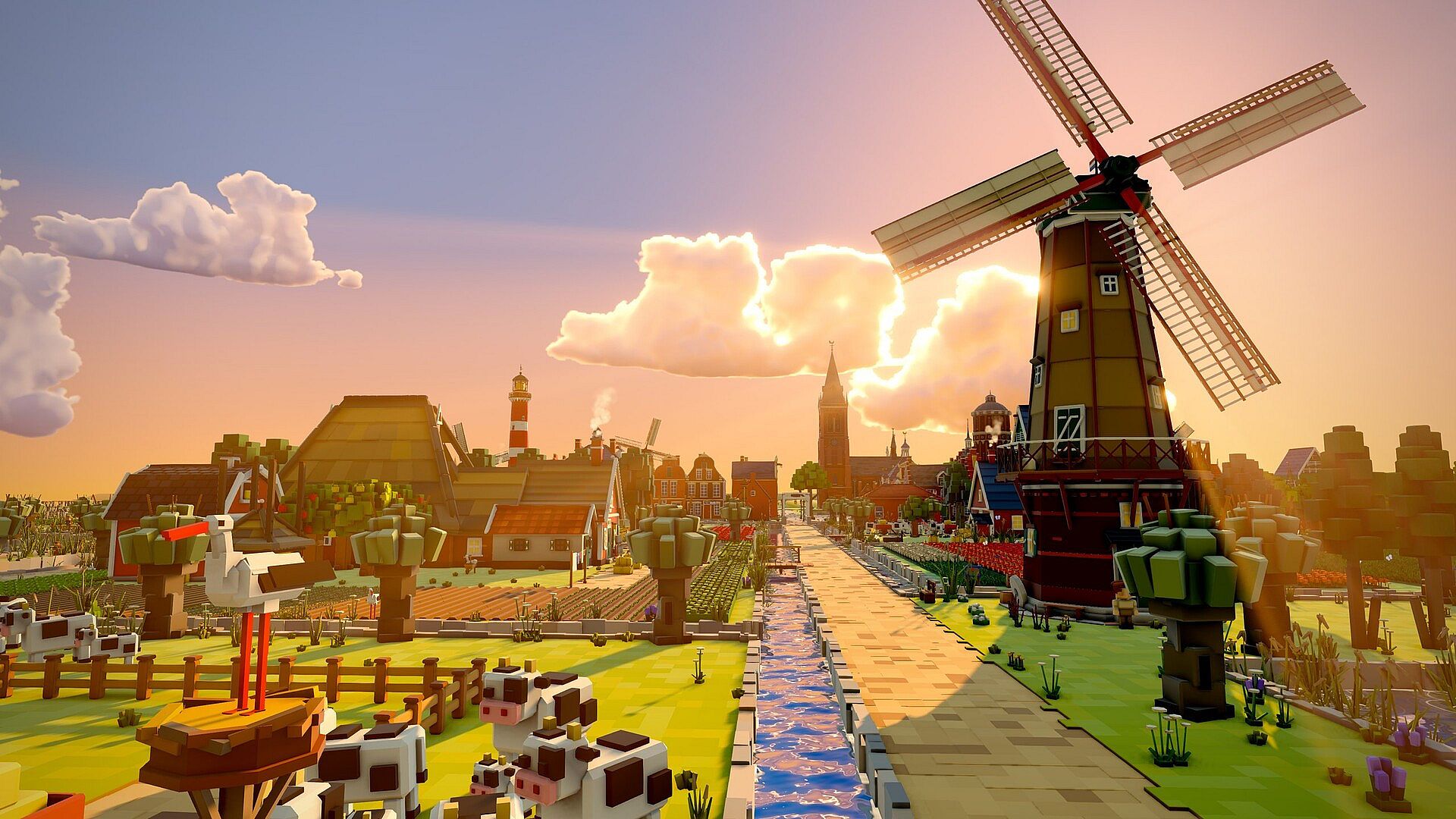
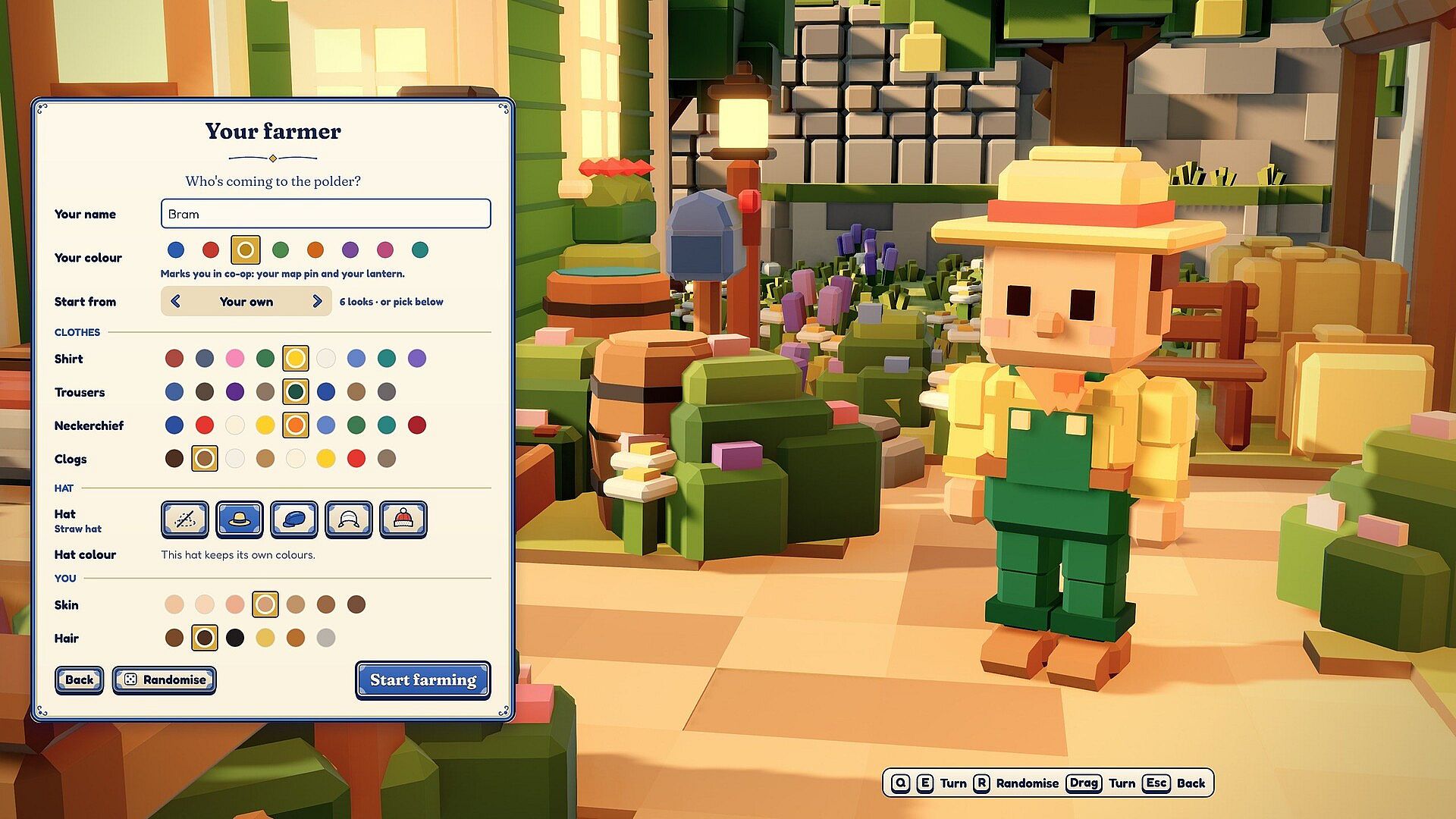
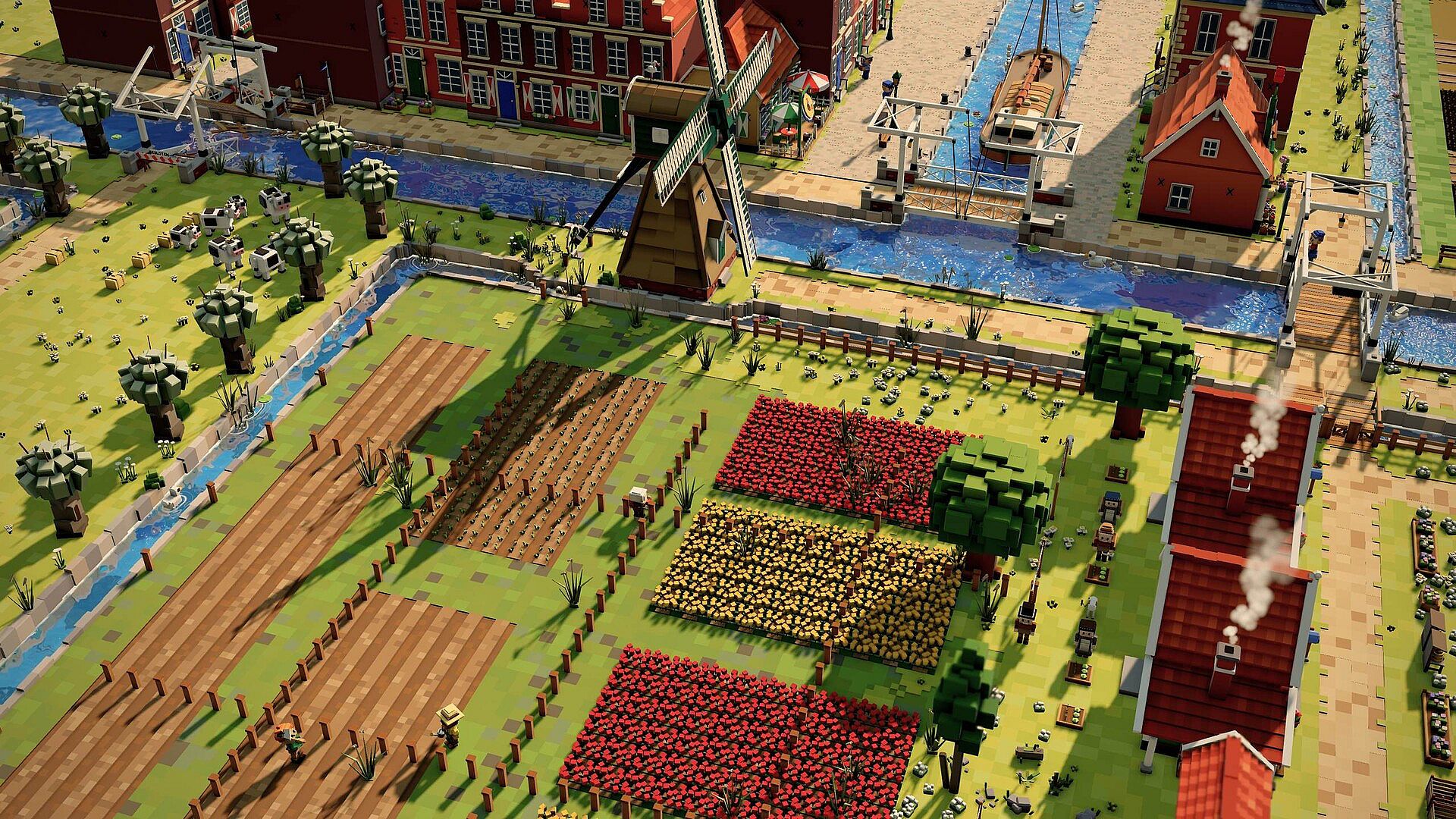
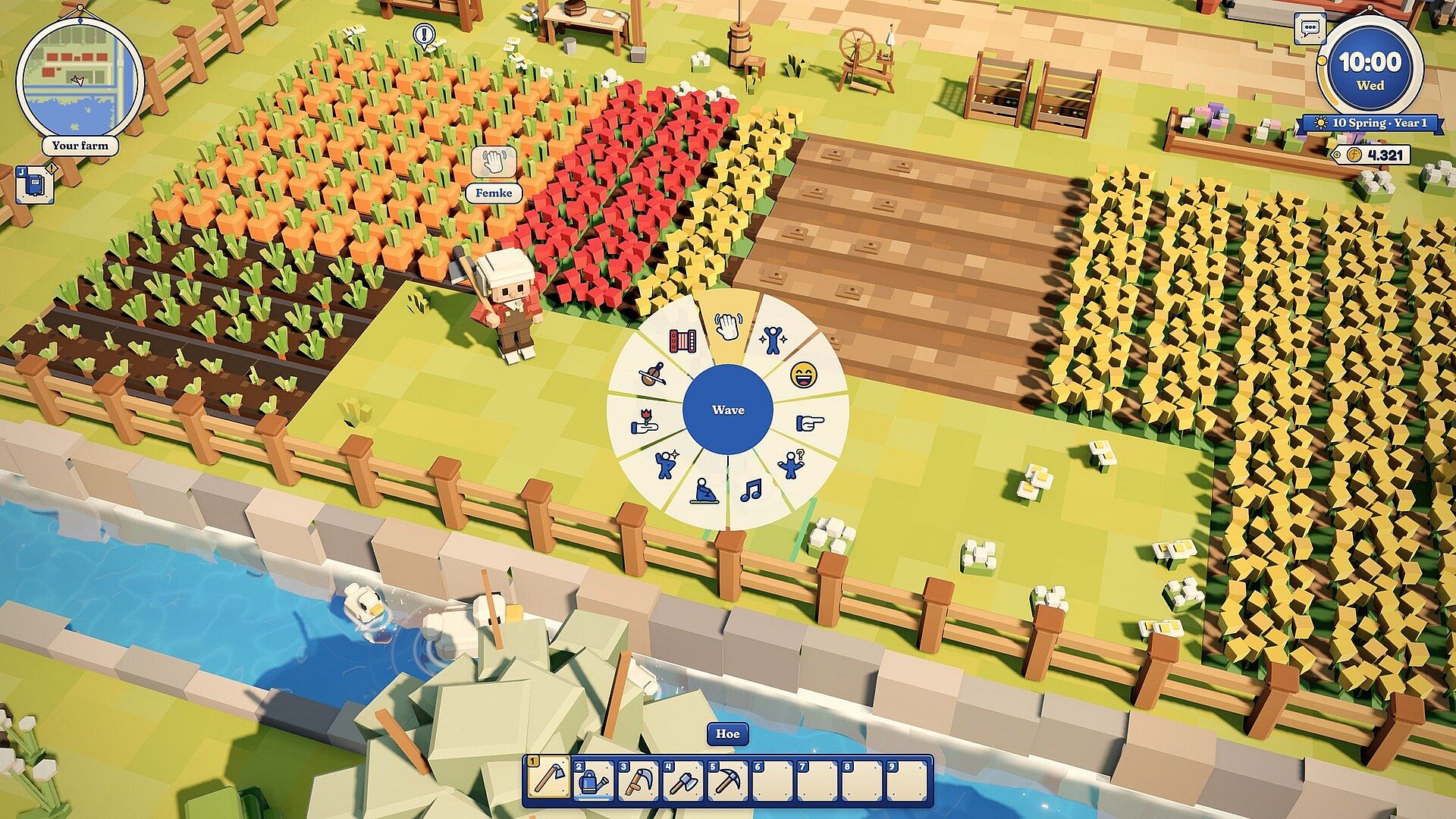
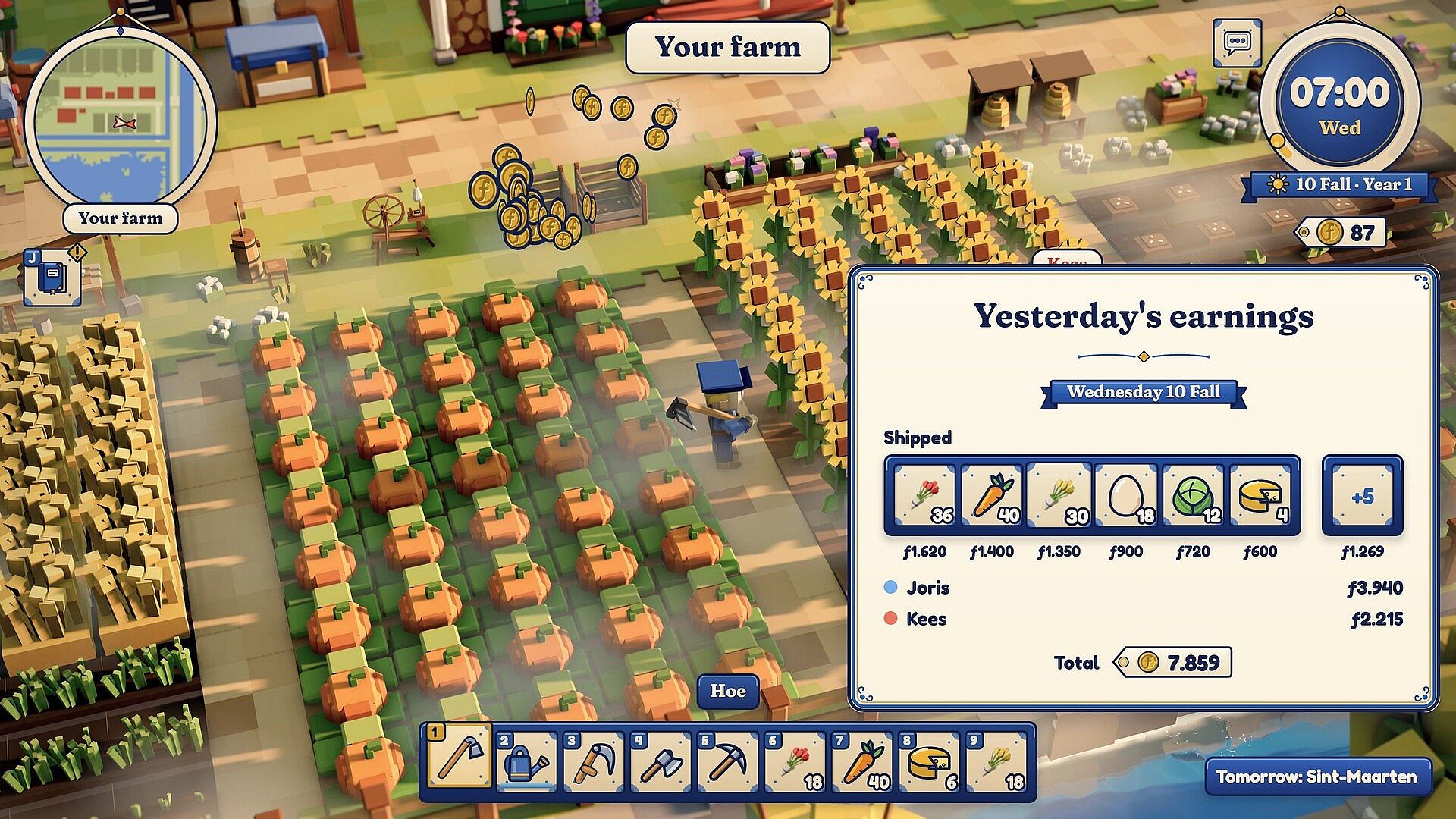
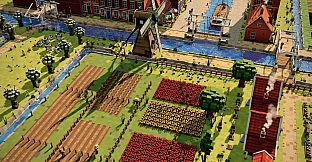
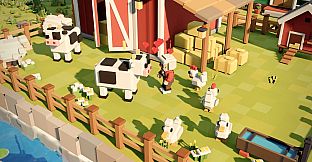
Dear Polder is an indie casual simulation game for PC that places players in a low-lying Dutch polder where the land sits flat except for the protective dikes. Mills turn above the ditches, bulb fields stripe the landscape in spring, and a lighthouse beam sweeps the sea lock at night. The core loop centers on reclaiming flooded fields, restoring a storm-damaged farm, and expanding it through steady daily work that grows the property to three times its original size.
Gameplay
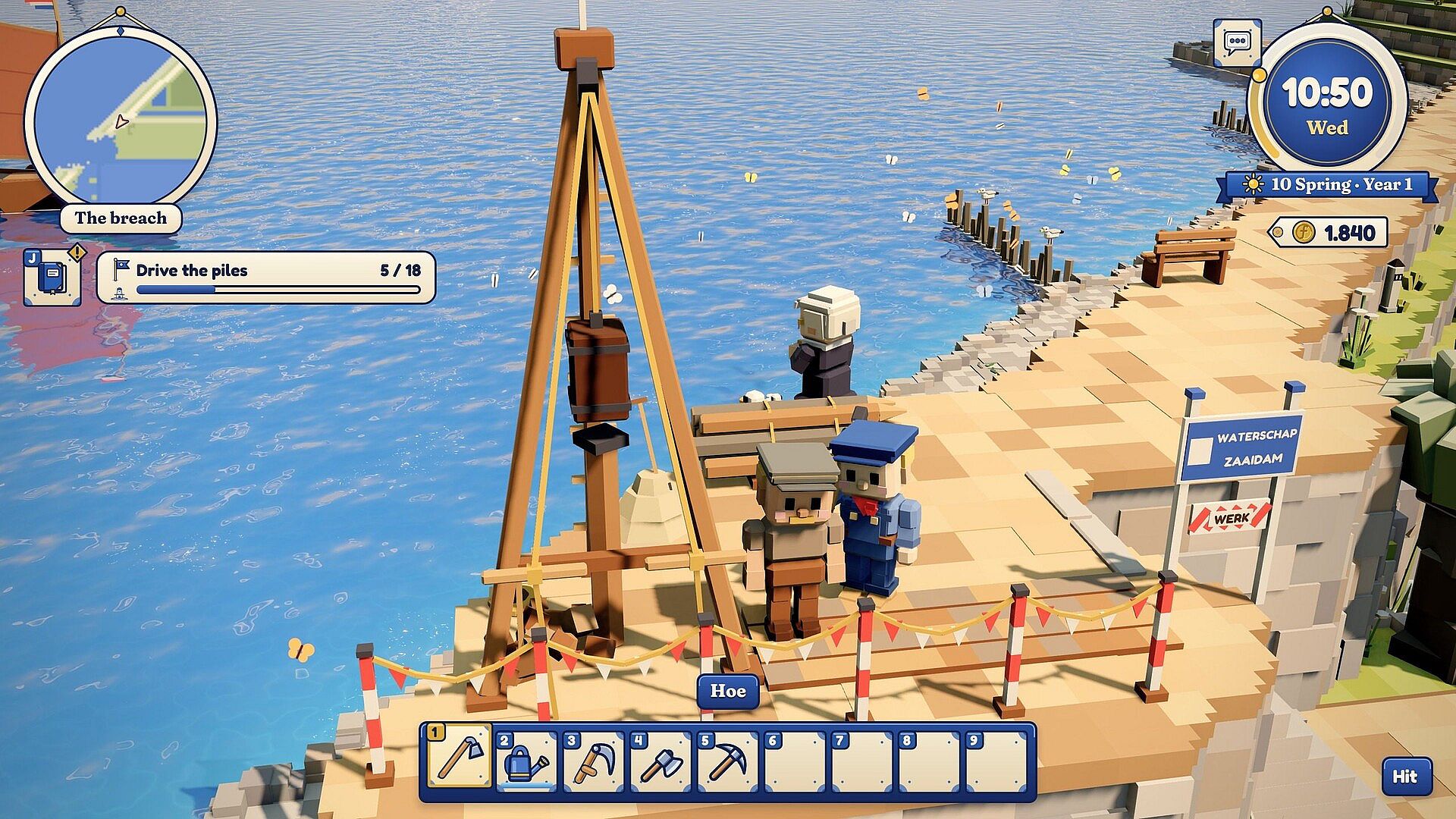
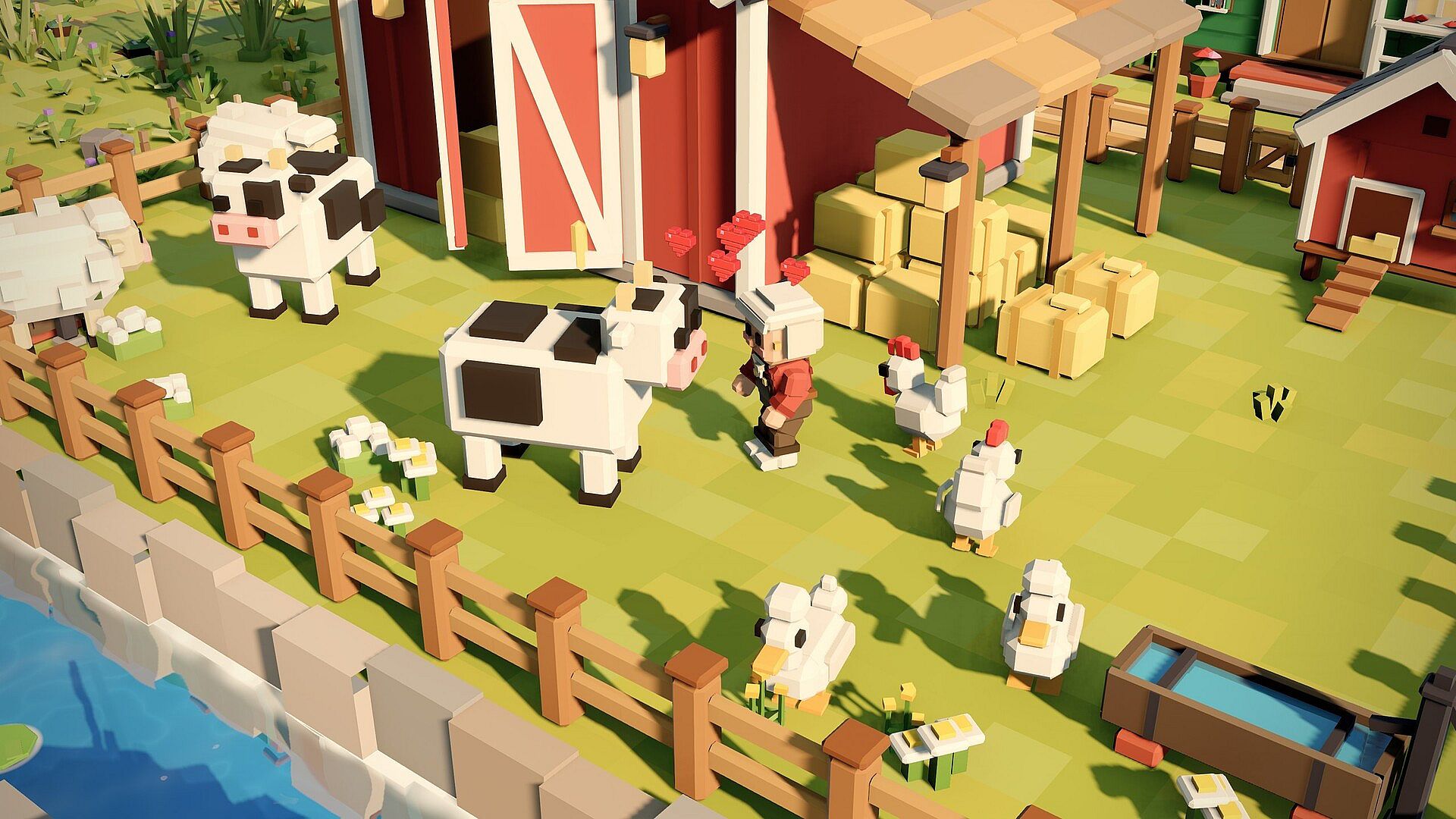
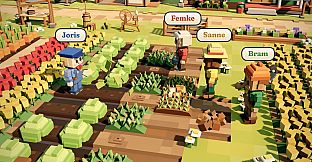
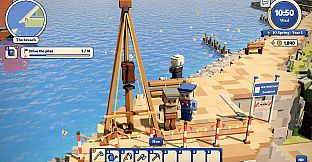
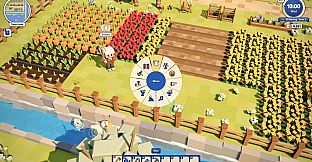
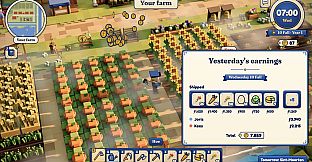
Players close breaches using piles, sacks, clay, and stone in the manner of the local water board. Restoring the farm mill with new sails allows it to pump the drowned land dry each morning. Fields expand as more land drains, supporting crops such as tulips and cabbages that move through planting, harvesting, and loading into shipping sheds. Animals including hens, ducks, cows, and sheep receive feed and attention that gradually fills their hearts; contented hens occasionally produce larger eggs worth more at market. A half-sunk fishing boat at berth three can be bailed and patched for trips to the herring bank, while eels appear in the ditches after dark for additional catch sold at the dawn auction.
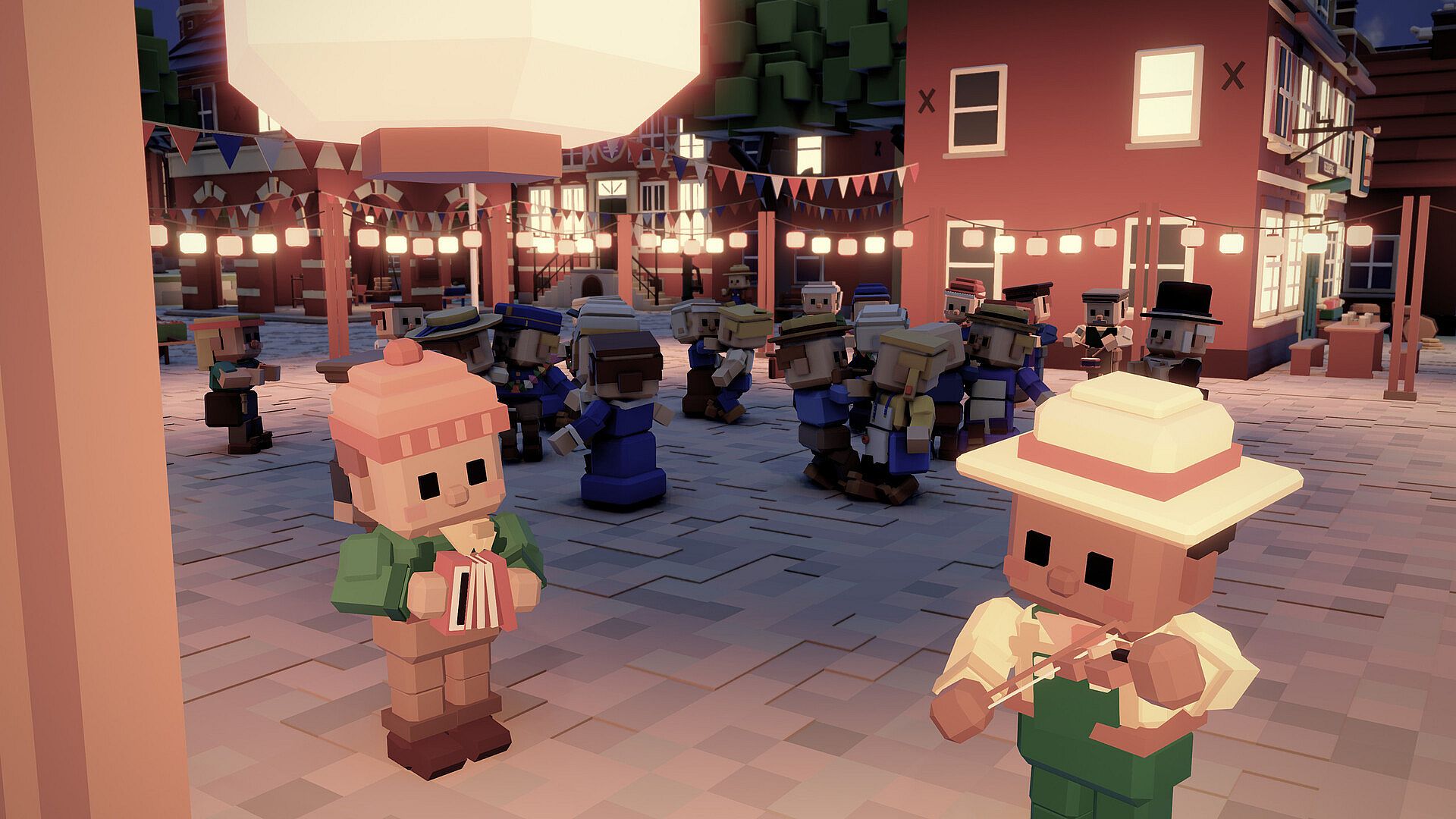
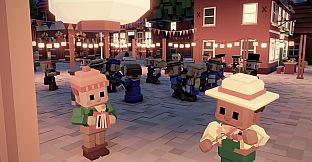
Daily life includes social elements. Saturday nights bring a band to the inn, and feast nights move dancing to the village square under lanterns. Steps for the schottische come naturally on the beat. The clock stops at two in the morning until every player has gone to bed, removing any pressure from an energy system or sudden fainting. Crops left past season simply wilt, and animals never die. Missed feast days simply return the following year. Gossip stands as the only form of conflict.
Game Modes
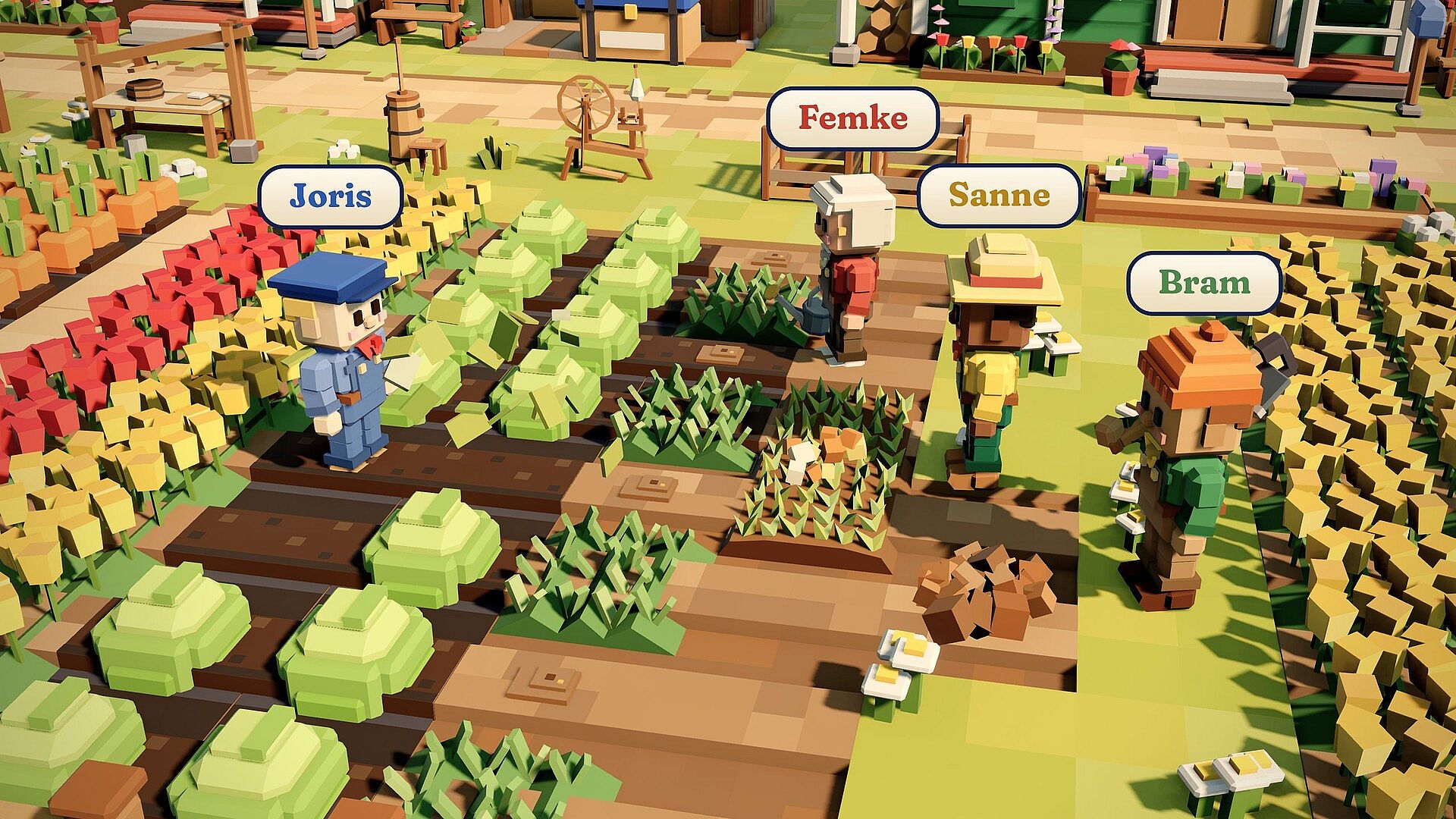
The game supports cooperative play for up to four farmers who share a single farm. One player might drive piles at a breach while another plants tulips and a third loads cabbages. The session ends only when the last participant retires for the night. Solo play delivers the identical experience, with the sole difference that one person collects every egg. A dedicated server comes with the game, or players can host directly from their own copy and invite friends through the platform's built-in tools.
The Polder Setting and Daily Rhythm
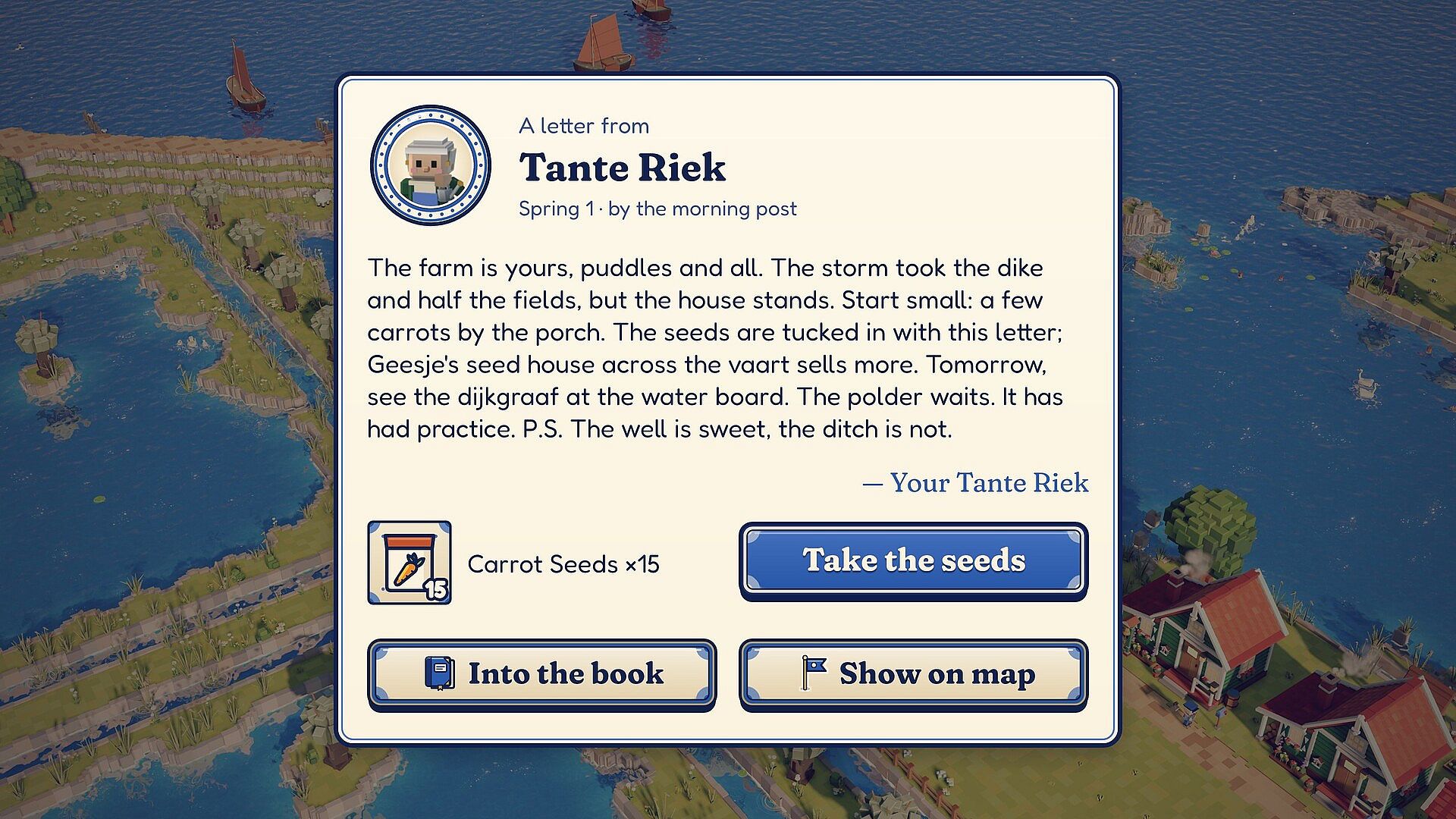
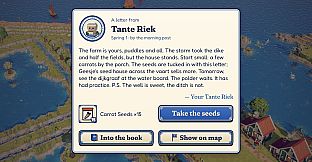
The environment reflects real Dutch polder geography. Everything remains level except the dikes that hold back the sea. Windmills pump water from the ditches, and the lighthouse guides vessels near the sea lock. Spring brings striped bulb fields, while the farm itself expands outward with each successful drainage effort. Aunt Riek's letter sets the scene: the storm breached the dike and took half the fields, yet the house remains. From that starting point, players restore and enlarge the property through consistent effort rather than timed challenges.
Evenings offer light social activities at the inn or on the village square. The absence of combat or harsh failure states keeps the focus on steady progress and shared moments. Fishing and animal care add variety to the routine without introducing risk of loss.
Is It Worth Playing?
Dear Polder suits players who enjoy relaxed simulation and cooperative farming without timers, energy bars, or permanent setbacks. The shared farm model encourages division of labor among friends, while solo mode provides the same systems for those who prefer to manage everything alone. The game is the first release from Voxel Crown Studios, a small team based in the Netherlands. It remains in active development with a closed beta available to testers, and no public player reviews or aggregate scores exist yet. Those drawn to peaceful Dutch-themed building, animal care, and light social events will find the mechanics align closely with the described experience. The lack of punitive systems makes it approachable for casual sessions or longer cooperative evenings.











